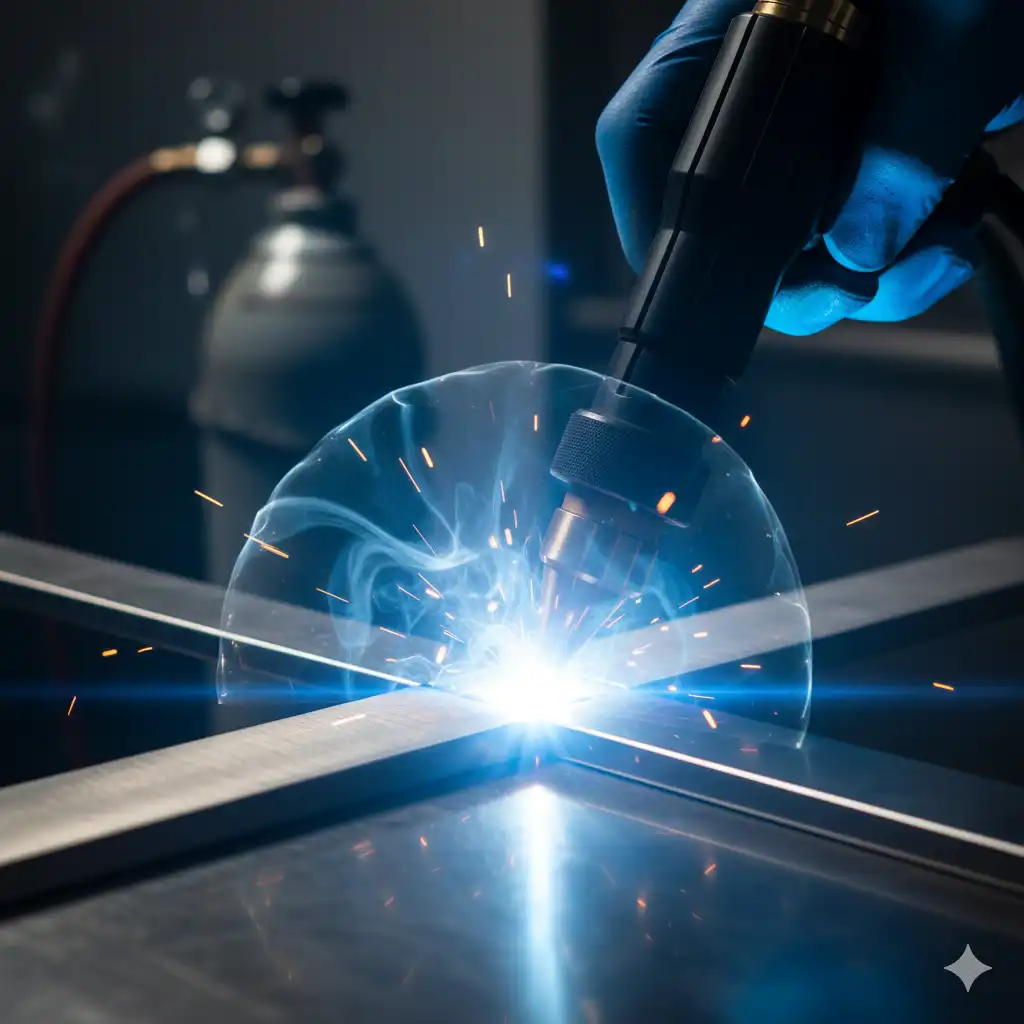
You might wonder if you need protective gas when you use laser welding. In most cases, you do. Shielding gas helps you get strong and clean welds. Many professionals choose to use it for high-quality work. Sometimes, you can skip the gas, like when you weld very fast or use special materials. These cases do not happen often.
Key Takeaways
- Use protective gas when you do laser welding. It helps make welds strong and clean. Protective gas stops oxidation. It also makes the weld better.
- Different gases change how the weld works. Argon works well and is used a lot. CO₂ costs less but can cause problems.
- Not using shielding gas is dangerous. You might get weak welds and bad surfaces. This can happen if you do not know your material and process.
- Pick the right shielding gas for your material. Also, think about how thick the material is. This helps stop problems and makes welds better.
- Think about how fast the gas flows and the laser settings. If you set them right, the weld will be better. It also helps stop oxidation.
Is Protective Gas Needed for Laser Welding?
Essential Role of Shielding Gas
You need to use protective gas in most laser welding jobs if you want strong and clean welds. Shielding gas covers the molten metal and keeps out air. This helps you avoid problems like oxidation, porosity, and weak spots in your welds. Many professional standards require shielding gas because it improves the final result.
When you use the right gas, you get better weld quality. The table below shows how different gases affect the weld:
| Shielding Gas | Keyhole Stability | Porosity Rate | Effect on Weld Quality |
|---|---|---|---|
| Pure CO₂ | Unstable | High | Increased spatter and poor quality |
| Ar + 20% CO₂ | Stable | Lower | Improved weld quality |
| 92% Argon – 8% CO | Stable | 6.75 times less | Significant reduction in pore size |
| 65% Ar – 35% He | Stable | N/A | N/A |
| Small amount of O₂ | Stabilizes | Inhibits | Enhances keyhole stability and reduces pores |
You can see that using the right shielding gas makes your welds stronger and cleaner. Shielding gas also helps you work faster and with fewer mistakes. When you protect the molten pool from the air, you keep the weld strong and free from defects. This means you spend less time fixing problems and more time getting good results.
Tip: If you want to boost your production efficiency, always use the correct shielding gas. It helps you avoid defects and keeps your workflow smooth.
Exceptions in Laser Welding
Sometimes, you might not need shielding gas in laser welding. These cases are rare, but they do exist. For example, if you weld at very high speeds, the molten metal cools so quickly that air does not have time to cause damage. Some special materials also resist oxidation better than others, so you might skip the gas in those cases.
Here are some things to consider when thinking about skipping shielding gas:
- High-speed welding can sometimes work without gas, but you risk more defects if you slow down.
- Some materials, like certain stainless steels, may not need as much protection, but most metals do.
- If you skip the gas, you might save money on supplies, but you could spend more time fixing weld defects later.
You should also think about the cost and efficiency of using different gases:
- CO₂ costs less than argon or helium, which helps you save money.
- Using CO₂ can cause more oxidation and surface defects, so you may need extra finishing work.
- In large factories, CO₂ can lower costs, but many companies mix gases to balance price and quality.
Laser welding almost always works better with shielding gas. You get higher quality, fewer defects, and better efficiency. Only skip the gas if you know your process and material can handle it.
Benefits of Protective Gas
Preventing Oxidation
Protective gas makes a shield around the molten metal. This shield blocks air and stops oxygen from touching the hot metal. If oxygen gets in, it causes oxidation. Oxidation can make weak spots and tiny holes called porosity. These problems make welds less strong.
Studies show shielding gases are needed to protect the weld pool and keyhole from air. The kind of gas and its flow speed can change how the weld turns out. Argon makes a barrier that keeps the weld clean. Carbon dioxide can react with aluminum and make oxide particles. The table below shows how different gases change the weld surface:
| Shielding Gas | Observations on Weld Surface Formation |
|---|---|
| Argon (Ar) | Fe-Al intermetallic compounds show up on both sides of the weld. |
| Carbon Dioxide (CO2) | IMCs go away; CO2 reacts with liquid Al and forms a film on the molten pool. This film turns into oxide particles after cooling. |
Note: Using the right shielding gas keeps the molten metal clean. It stops impurities from getting in. This helps you make strong and reliable welds.
Improving Weld Quality
Protective gas does more than stop oxidation. It helps you make better welds in many ways. The correct gas keeps the weld pool safe from contamination. This makes the weld strong and stops defects. You also get a smoother and more even weld shape.
Here are some ways protective gas helps weld quality:
- It blocks air contamination, which can make the weld weak.
- It keeps the welding arc steady, so heat spreads evenly and the weld bead is smooth.
- It helps the laser go deeper into the material, making the weld stronger.
You also get less splash and porosity when you use the gas right. The weld pool spreads out evenly. Your weld looks neat and has fewer weak spots. If you pick the wrong gas or use it wrong, you might see cracks or weaker welds.
| Benefit | Explanation |
|---|---|
| Prevents Oxidation | Makes a barrier that stops oxygen from reacting with molten metal. This lowers defects like porosity and weak joints. |
| Stabilizes Welding Arc | Keeps heat even and makes the weld bead smooth. This improves weld quality. |
| Protects Weld Pool | Pushes away air and shields the weld pool from contamination until it cools. |
Laser welding works best with the right protective gas. You get cleaner, stronger, and better-looking welds with fewer problems.
Types of Shielding Gas in Laser Welding
Common Gases Used
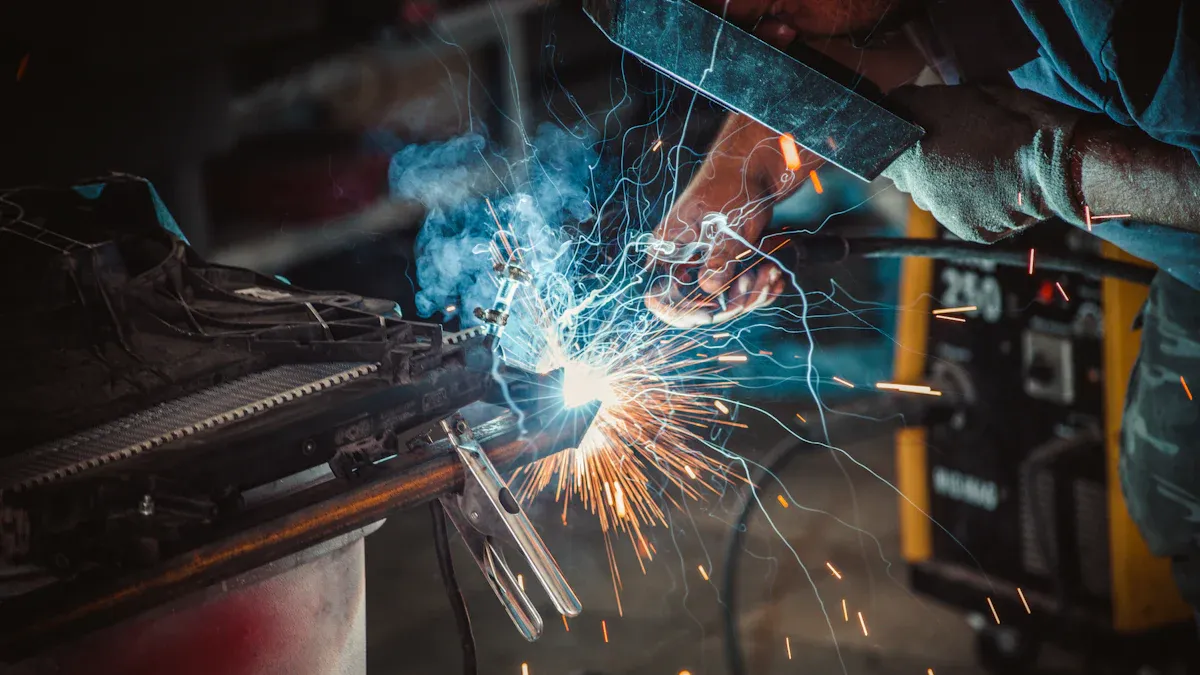
You have several options when choosing shielding gas for laser welding. Each gas has unique properties that affect your welds. Here are the most common gases you will find:
- Argon: This is the most popular shielding gas. In 2023, argon made up about 39.67% of the market. Many welders choose argon because it works well with many metals and keeps costs low. Argon is also growing in use, with a fast growth rate.
- Carbon Dioxide (CO₂): You can use CO₂ by itself or mix it with other gases. It is cost-effective and works for many welding jobs. Large factories often use CO₂ to save money.
- Helium: Helium helps you get deeper welds and better plasma control. It costs more than argon, but it gives you high-quality results, especially for special projects.
- Nitrogen: Nitrogen works well with stainless steel. It can help make the weld stronger, but it may not be the best choice for all metals.
Tip: You can mix these gases to get the best results for your material and welding needs.
Effects on Welds
Each shielding gas changes how your weld looks and performs. You should know how they compare before you choose one.
| Gas | Weld Penetration Effect | Porosity Effect | Cost |
|---|---|---|---|
| Argon | Stable layer, good for many metals | Low porosity | Cost-effective |
| Helium | Deep penetration, best plasma control | Low porosity, high quality | High cost |
| Nitrogen | Good with stainless steel, can reduce toughness in other metals | Can increase porosity | Moderate cost |
| CO₂ | Improves penetration, can cause more oxidation | May increase surface defects | Low cost |
When you add nitrogen, you may see the arc shrink and more spatter. The weld can have less ferrite, which changes the metal’s structure. Helium can make the weld pool more stable and reduce porosity. Argon gives you a smooth weld with fewer defects, but mixing it with helium can make the process even better.
New technology helps you control gas flow more precisely. Digital mixers and smart regulators let you adjust gas blends for each job. Some systems even use sensors and AI to save gas and improve weld quality.
Laser welding works best when you pick the right shielding gas for your project. You get stronger, cleaner welds and better results.
When Gas Is Optional
Material Considerations
You can sometimes skip shielding gas, but you need to know your material first. Some metals, like certain grades of stainless steel, resist oxidation better than others. Aluminum and titanium need more protection because they react quickly with air. If you work with metals that form a stable oxide layer, you might get away without gas for small or simple welds.
| Material Type | Gas Needed? | Reason |
|---|---|---|
| Stainless Steel | Sometimes | Forms protective oxide layer |
| Aluminum | Yes | Reacts fast with oxygen |
| Titanium | Yes | Needs full protection |
| Mild Steel | Usually | Prone to oxidation |
Tip: Always check the material’s reaction to air before you decide to weld without gas.
Process and Speed Factors
How you weld also changes if you need gas. High-speed laser welding can sometimes work without shielding gas. The molten pool cools so fast that air does not have time to cause much damage. If you use a high-power laser, you might see less need for gas because the energy melts and solidifies the metal quickly.
- Shielding gases protect the weld pool from oxidation and help with heat transfer, which matters most at high speeds.
- Gases like helium boost thermal conductivity. You get deeper welds and smoother results, especially with thick metals.
- Shielding gas keeps the laser beam stable. This gives you steady energy and better welds, especially with shiny or high-power jobs.
- At high laser power, shielding gas stops plasma from forming. This lets more laser energy reach the metal for a stronger weld.
If you slow down the process or use lower power, you will need gas to keep the weld clean and strong.
Risks of Welding Without Gas
You take risks when you weld without shielding gas. Air can reach the molten metal and cause oxidation. This leads to weak spots, cracks, and holes in your weld. You might see more spatter and rough surfaces. Your welds may not pass quality checks.
- Oxidation makes the weld brittle.
- Porosity creates tiny holes that weaken the joint.
- Surface defects mean more work to finish the weld.
If you want strong, clean welds, use shielding gas unless you know your material and process can handle the risk.
Factors Affecting Gas Use
Material and Thickness
You need to think about the material you are welding and its thickness before choosing a shielding gas. Different metals react in unique ways when exposed to air during welding. For example, carbon steel works well with argon, while stainless steel needs high-purity argon to prevent oxidation and discoloration. If you weld thin sheets, you can use lower gas flow rates. Thicker materials need more gas to protect the larger molten pool. Some metals, like aluminum and titanium, are very sensitive to impurities. Helium is a good choice for these because it keeps the weld clean and strong.
Tip: Always match your gas choice to the metal and thickness. This helps you avoid defects and get better welds.
Laser Parameters
Laser settings play a big role in how much shielding gas you need. The type of gas affects how well you prevent oxidation and keep the molten pool stable. Argon and helium have different thermal properties, so they change the weld quality. You must set the gas flow rate just right. If you use too little, you risk oxidation. Too much can cause turbulence and make the weld weak. The way you deliver the gas also matters. Lateral delivery can reduce porosity and make the weld more uniform. You can use methods like side blowing, coaxial shielding, or backshielding to control how the gas covers the weld zone.
- Set the gas flow before you start welding to stop oxidation.
- Match the gas type and flow to your laser power and material.
- Use enclosures if you work in drafty areas to keep the gas layer stable.
Quality Requirements
Your quality goals decide how you use shielding gas. If you need a weld that looks good and lasts long, you should use high-purity gases like argon or helium. Helium works best for deep penetration and uniform welds, especially with sensitive materials. Nitrogen is cheaper and works for basic jobs, but it may not give you the best results. You must balance cost and quality. If you want to save money, you can use nitrogen, but you may need more post-weld cleanup. For critical jobs, always choose the gas that gives you the strongest and cleanest weld.
- Helium is best for high-quality, deep welds.
- Nitrogen helps when you need to save money.
- Always test and adjust your gas setup for the best results.
You play a key role in achieving strong laser welds by choosing the right shielding gas. Experts agree that shielding gas prevents oxidation, controls spatter, and keeps the weld pool stable. These actions help you create high-quality welds. Skipping gas can lead to weak spots unless you work with special materials or fast processes.
- The type of gas you use changes the weld’s shape and quality.
- Proper gas flow reduces pores and defects.
- Some materials need more protection than others.
Always match your gas choice to your material, process, and quality needs.
FAQ
Do you always need shielding gas for laser welding?
You usually need shielding gas for strong, clean welds. Some rare cases, like high-speed welding or special materials, may not need it. Most jobs work better with gas.
What happens if you weld without protective gas?
You risk oxidation, weak spots, and holes in your weld. The weld may look rough and fail quality checks. Using gas helps you avoid these problems.
Which shielding gas should you choose for laser welding?
You can use argon, helium, nitrogen, or carbon dioxide. Argon works for most metals. Helium gives deep welds. Nitrogen fits stainless steel. CO₂ costs less but may cause more defects.
Tip: Always match the gas to your metal and project needs.
Can you mix different shielding gases?
Yes, you can mix gases. Mixing helps you balance cost and weld quality. Many welders use argon-helium or argon-CO₂ blends for better results.
How does shielding gas improve weld quality?
Shielding gas blocks air from the molten metal. This stops oxidation and keeps the weld strong. You get fewer defects and a smoother finish.
Laser Welding Troubleshooting Guide: 10 Defects and Their Fixes
What problems will arise from laser welding of galvanized sheet?
Repairing Weld Burn-Through Common Mistakes and Solutions
Top Challenges in Laser Welding Copper and How to Overcome Them