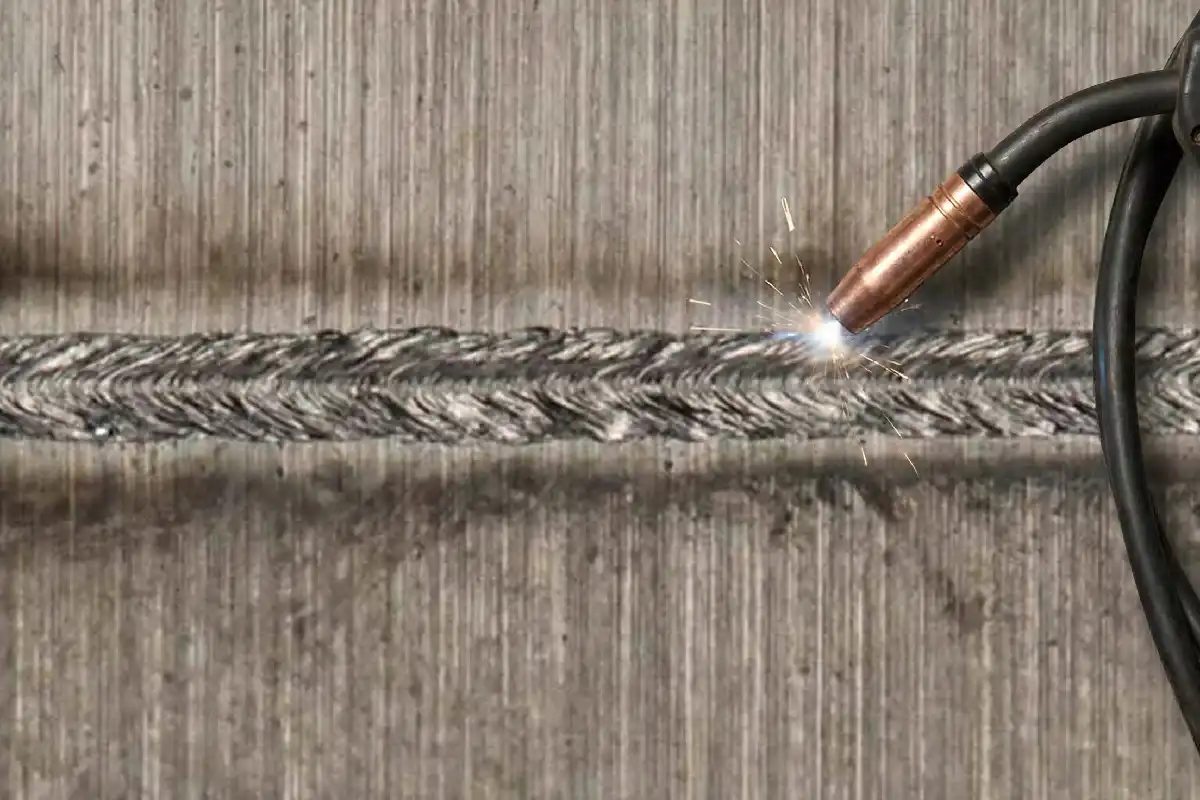
You might see cracks in laser welded carbon steel if the metal cools down too fast or if things like water or lubricants stay on the surface. These cracks are one of the causes of cracks, as the steel cannot handle the stress from rapidly changing temperatures. The appearance of the surface is crucial; if you leave water or lubricants, the causes of cracks become more pronounced. This not only weakens your weld but can also lead to issues during production. Understanding the causes of cracks helps you create welds that are stronger and safer.
Key Takeaways
- Cracks in laser welded carbon steel can happen fast. This is because of quick cooling and dirt on the surface. Always clean the steel before you weld it. This helps lower the chance of cracks.
- It is important to know the inside of carbon steel. Look at the alloy mix and grain shape. This helps stop cracks when you weld.
- You should watch your welding settings like power and speed. Good settings make welds stronger. They also help stop cracks from forming.
- Things like wet air and heat can change weld quality. Try to weld in a dry place with steady temperature. This helps keep cracks from forming.
- Check your welds often to make sure they are safe. Use dye penetrant or X-ray tests to find cracks early. This helps keep your welded parts safe.
Causes of Cracks in Laser Welded Carbon Steel
Metallurgical Causes of Cracks
You need to pay attention to the internal structure of carbon steel when you weld with a laser. The way the metal solidifies and the elements inside the steel play a big role in the causes of cracks. Here are some important points:
- The mix of elements in the steel, called alloy composition, changes how the metal cools and hardens. Some elements can help prevent cracks, but others make them worse.
- Impurities can gather at the edges of grains during melting and cooling. These weak spots make it easier for cracks to start.
- If the weld cools too quickly, it can form a hard and brittle structure called martensite. This makes the steel more likely to crack.
- Solidification shrinkage happens as the melted metal cools and shrinks. This shrinkage creates gaps and stress, which are common causes of cracks.
You should always check the steel’s composition and grain structure before welding. This helps you avoid problems that lead to cracks.
Mechanical Causes of Cracks
Mechanical forces during and after welding also affect the causes of cracks. When you heat the weld area, it expands, but the cooler parts of the steel hold it in place. This creates compressive strain in the weld. As the weld cools, it shrinks, but the rest of the steel keeps it from moving freely. This leads to tensile stress, which can pull the metal apart and start cracks.
Cracks can also grow because of changes in the stress field around the weld. The heat-affected zone, or HAZ, becomes weaker and more likely to crack. If you weld short sections, the stress builds up even more, making cracks more likely to form and spread.
Tip: Always control the welding sequence and avoid sharp changes in direction to reduce stress buildup.
Role of Welding Parameters
The way you set your laser welding machine has a big impact on the causes of cracks. You need to balance power, speed, and focus to get a strong weld.
- High laser power gives deeper welds but can burn through the steel and make a large heat-affected zone. This weakens the metal and increases the risk of cracks.
- Fast welding speeds lower the heat input and reduce distortion. If you go too fast, the weld may not join well, leading to weak spots.
- The focus of the laser beam changes how energy enters the steel. A tight focus gives deep welds but can cause burn-through. A wider focus is safer but may not penetrate enough.
Here is a table to help you choose the right settings:
| Parameter | Recommendation |
|---|---|
| Preheating | Needed for high-carbon steel to prevent brittleness |
| Cooling | Use controlled cooling to lower stress |
| Power | Adjust for good fusion without burn-through |
| Welding Speed | Set for full fusion, not too fast or slow |
| Focus Position | Adjust for proper energy delivery |
You should always test your settings on scrap material before welding the final piece.
Influence of Contaminants and Impurities
Surface cleanliness is very important in laser welding. Oil, rust, and moisture on the steel can cause the weld to absorb hydrogen. This makes the steel more likely to crack, especially when the weld cools quickly and forms hard microstructures.
If you do not clean the steel, these contaminants become one of the main causes of cracks. Hydrogen gets trapped in the weld and creates tiny cracks that can grow over time. Always remove oil, rust, and water before you start welding.
Environmental Factors
The environment around you also affects the causes of cracks in laser welded carbon steel.
- Moist air adds hydrogen to the weld, which can cause cold or hydrogen-induced cracking.
- Very hot or cold temperatures change how fast the weld cools. Fast cooling can make the steel brittle and more likely to crack.
- Low temperatures speed up cooling and can create hard, crack-prone areas in the heat-affected zone.
- High humidity increases hydrogen in the weld pool, raising the risk of cracks.
Note: Try to weld in a dry, temperature-controlled area to reduce these risks.
By understanding these causes of cracks, you can make better choices in your welding process and improve the quality and safety of your welds.
Types of Cracks
When you weld carbon steel with a laser, you can see different types of cracks. Each type forms in a unique way and affects the weld differently. Knowing these types helps you spot problems early and improve your welding results.
Hot Cracks (Solidification)
Hot cracks form while the weld is still hot and the metal is solidifying. You often see these cracks in the weld metal or the heat-affected zone. They happen because the metal shrinks as it cools, and impurities or uneven elements make the metal weaker at certain spots. These cracks usually run along the grain boundaries and can branch out.
Hot cracks often appear right after welding, so you should check your welds as soon as they cool.
Here is a table that shows how hot cracks and cold cracks form:
| Type of Crack | Formation Mechanism |
|---|---|
| Hot Cracks | Caused by hot tearing, influenced by segregation, uneven distribution of compounds, and impurities. |
| Cold Cracks | Initiated due to phase transitions in the heat-affected zone (HAZ) of the cladded layer. |
Cold Cracks (Hydrogen-Induced)
Cold cracks, also called hydrogen-induced cracks, form after the weld has cooled down. You may not see them right away. These cracks start because hydrogen gets trapped in the weld. The hydrogen comes from moisture, oil, or dirt on the steel. When the weld cools, hydrogen moves into the metal and causes cracks, especially if the steel is hard and brittle.
You can spot cold cracks by looking for these signs:
- The weld area feels hard and brittle.
- Cracks appear hours or even days after welding.
- The cracks often run through the heat-affected zone.
Main factors that lead to cold cracks include:
- Hydrogen from moisture or dirt.
- Hard, brittle microstructure.
- High tensile stress.
- Low temperatures that trap hydrogen.
Longitudinal Cracks
Longitudinal cracks run along the length of the weld. You usually find them in the weld metal or the heat-affected zone. These cracks can be either macro-cracks, which are large and easy to see, or micro-cracks, which are small and harder to detect. Both types weaken the weld and can grow over time.
| Type of Crack | Location | Characteristics |
|---|---|---|
| Macro-cracks | Heat Affected Zone (HAZ), Weld Metal | Rough cracks, often branching, intergranular along prior austenite grain boundaries. |
| Micro-cracks | HAZ and Weld Metal | Associated with grain coarsened regions, particularly in multipass welds. |
You need to watch for these cracks because they can lead to bigger problems if left untreated. Understanding the causes of cracks helps you prevent them and keep your welds strong.
Crack Formation Mechanisms
Solidification Shrinkage
When you weld carbon steel with a laser, the molten metal cools and solidifies quickly. This process can create cracks if you do not control it well. Several factors make the weld more likely to crack during solidification:
- Liquated films can form at grain boundaries. These films come from low melting point phases and inclusions. They make the metal weaker and more likely to crack.
- Coarse grains in the weld reduce plasticity and ductility. The metal cannot stretch or bend easily, so cracks form more easily.
- Segregation of elements along grain boundaries can lead to solidification cracking. Some elements gather in certain spots, making those areas weaker.
- Both mechanical and metallurgical factors play a role. Thermal stress can pull the grains apart, while grain size and misorientation can make cracks worse.
You should always check the weld for these signs after it cools. Early detection helps you prevent bigger problems.
Thermal Expansion and Contraction
Laser welding heats a small area of the steel very quickly. The metal in this area expands fast. When the heat source moves away, the metal cools and contracts. This rapid change creates strong internal stresses. Different parts of the steel expand and contract at different rates. These sharp thermal gradients can distort the metal and cause cracks to form. You need to control the heat input and cooling rate to reduce these risks.
Tip: Use controlled cooling and preheating to help the metal expand and contract more evenly.
Grain Structure Effects
The grain structure of carbon steel affects how easily cracks form during welding. High-strength steels often have a higher alloy content. This can lower toughness and make the steel more likely to crack. If the heat-affected zone has large grains, the risk of hot cracking goes up. Finer grain structures can help resist cracking. You should aim for a fine, even grain structure in your welds. This makes the weld stronger and less likely to fail.
Effects on Weld Quality
Mechanical Property Impact
Cracks in laser welded carbon steel change how strong and tough your welds are. You may notice that the weld does not stretch or bend as much as you expect. Cracks can make the steel more brittle and less able to handle force. The table below shows how cracks affect different mechanical properties:
| Property | What Happens When Cracks Form |
|---|---|
| Tensile Strength | Cracks lower tensile strength. The weld can break more easily. |
| Ductility | Cracks reduce ductility. The weld cannot bend without breaking. |
| Impact Toughness | Cracks lower toughness. The weld absorbs less energy before failing. |
When you change the heat input during welding, you also change these properties. Higher strength often means lower ductility. Cracks make this problem worse. You want your welds to be strong and flexible, but cracks take that away.
Service Life Reduction
Cracks do not just weaken your welds right away. They also shorten the service life of your welded parts. Small cracks can grow over time, especially if the part faces stress, vibration, or changes in temperature. You may see failures much sooner than expected. This can lead to costly repairs or even safety risks. If you use welded parts in bridges, cars, or machines, cracks can cause big problems. You need to fix cracks early to keep your equipment safe and working longer.
Note: Regular inspection and maintenance help you catch cracks before they cause failure.
Inspection Challenges
Finding cracks in laser welded carbon steel is not always easy. You may use special tools to look for cracks without cutting the metal. These tools can miss small or hidden cracks because of several challenges:
- Coatings on the steel can block or scatter the signals from your testing equipment.
- If there is a coating, the probe may not touch the steel well, making it harder to find cracks.
- Reflections at the surface can create false signals, so you might think there is a crack when there is not.
- Rough or uneven surfaces make it hard for sound waves to travel, which affects test results.
You need to use the right inspection methods and keep surfaces clean for the best results. Good inspection helps you find cracks early and prevent bigger problems.
Prevention and Minimization
Preheating and Controlled Cooling
You can lower crack risk by preheating and cooling slowly. Preheating makes steel cool down slower after welding. This stops hard and brittle spots from forming. High-carbon steels need extra care. You should heat them above 300°C before welding. This keeps crack-prone microstructures from forming. The table below explains how preheating and cooling help:
| Evidence Type | Description |
|---|---|
| Preheating Effect | Preheating slows cooling and lowers cracking risk for medium- and high-carbon steels. |
| Hardness Reduction | Preheating slows cooling, which lowers hardness and cracks in the heat-affected zone. |
| High-Carbon Steel Considerations | High-carbon steels need careful cooling control to avoid hard, crack-prone microstructures, so preheating above 300°C is often needed. |
Tip: Always use a temperature gauge to check your preheat level.
Joint Design Optimization
Pick the best joint design to make welds stronger. Good joint design helps weld metal flow easily. It also lowers stress in the weld. Bad design can trap heat and cause cracks. Avoid sharp corners and sudden thickness changes. Use smooth shapes and good fit-up to stop cracks.
Material Selection and Purity
Choose clean steel with the right alloy mix. Pure steel lowers the chance of cracks. Watch out for steel with too many impurities or wrong alloys. These can make welds hard and brittle. Changes in the steel during welding can also cause cracks. Always check steel quality before you start.
- Material purity and alloy mix affect weld strength.
- Changes in steel can make it brittle.
- Stresses left after welding can cause cracks, especially in the heat-affected zone.
Laser Process Control
Set your laser machine carefully to keep welds strong. Use the right shielding gas to protect the weld pool. Adjust heat so steel does not get too hot or cold. Try pulse welding to switch between high and low heat. This helps control temperature and lowers crack risk. Use clamps to hold steel steady while welding.
- Good shielding gas and settings stop cracks.
- Welding in steps lets steel cool and lowers stress.
- Lower amperage helps avoid overheating.
- Pulse welding gives better temperature control.
Post-Weld Inspection
Check your welds after you finish welding. Use special tools to find cracks you cannot see. The table below lists common ways to inspect welds:
| Method | Description |
|---|---|
| Magneto-optical Imaging | Finds surface and hidden cracks using a magnetic sensor. |
| Dye Penetrant Inspection | Uses dye to show cracks on the surface. |
| X-ray Inspection | Shows cracks and holes inside the weld. |
Note: Regular inspection helps you find problems early and keep welds safe.
Cracks can happen in laser welded carbon steel for a few reasons. Fast cooling, impurities, and stress are the main causes. Hot cracks, cold cracks, and longitudinal cracks make your welds weaker. You can stop these problems by preheating, treating the weld after, and picking good materials. The table below lists important steps to help your welds:
| Step | Benefit |
|---|---|
| Preheating | Lowers crack risk |
| Post-weld treatment | Relieves stress |
| Material selection | Improves weld strength |
- Use these ideas to make your welds safer and stronger.
- Look for expert help if you want more tips and advice.
FAQ
What is the most common cause of cracks in laser welded carbon steel?
You often see cracks because the steel cools too fast. This quick cooling makes the metal hard and brittle. Impurities and stress also play a big role.
How can you spot cracks after welding?
You can look for small lines or breaks on the weld. Use dye penetrant or X-ray inspection for hidden cracks. Regular checks help you find problems early.
Does cleaning the steel before welding help prevent cracks?
Yes, cleaning removes oil, rust, and water. These things add hydrogen to the weld. Clean steel lowers the risk of cracks and makes your welds stronger.
Can you fix cracks in a laser welded joint?
You can repair small cracks by grinding and rewelding the area. For bigger cracks, you may need to cut out the damaged part and weld again. Always inspect after repairs.
How to Diagnose Button Response Issues in Laser Welding Machines
The light emission characteristics of laser welding machines
Why choose a laser welder manufacturer direct from China
What are fiber laser frequency settings and why do they matter