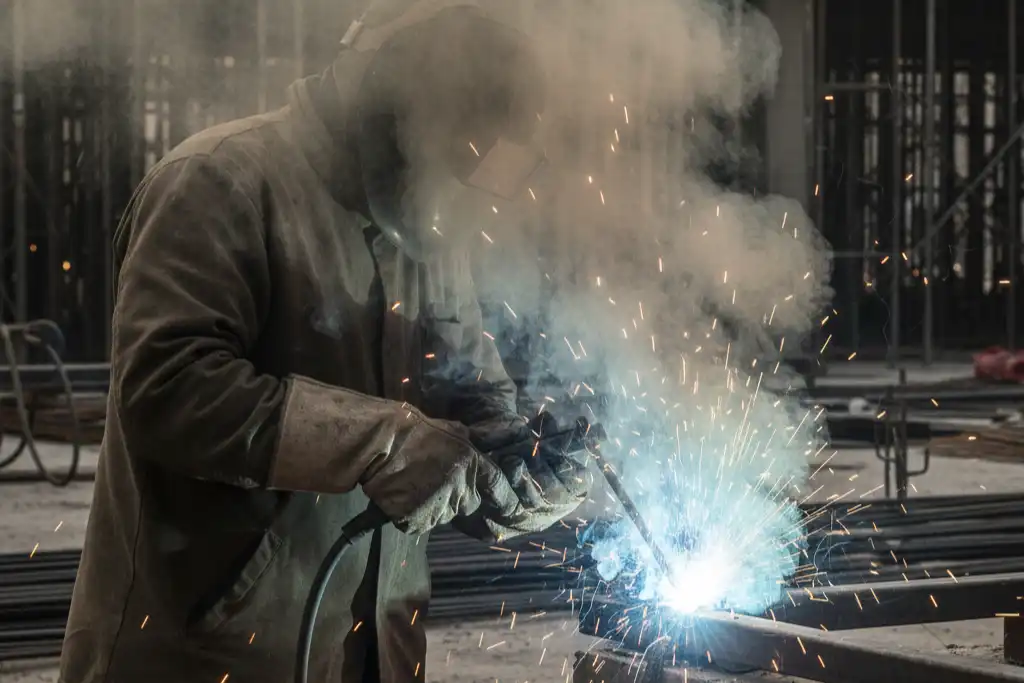
You might see smoke and dust during laser welding. These can make people worry about clean air and safety at work. Breathing in these emissions can be bad for your health. You can lower these risks by using good safety steps. Knowing how these emissions happen helps you keep your workspace safe.
Key Takeaways
- Laser welding makes smoke and dust that can hurt your health. Use good ventilation and fume extractors to lower your risk.
- Different metals make different fumes. Always check what you are welding to know the risks.
- Breathing welding fumes for a long time can cause bad health problems like lung cancer and chronic bronchitis. Wear personal protective equipment (PPE) to stay safe.
- Use engineering controls like local exhaust ventilation to catch harmful particles before they spread in the air.
- Check and clean your fume extraction systems and equipment often. This helps them work well and keeps your workspace safe.
Laser Welding and Emission Formation
Why Emissions Occur
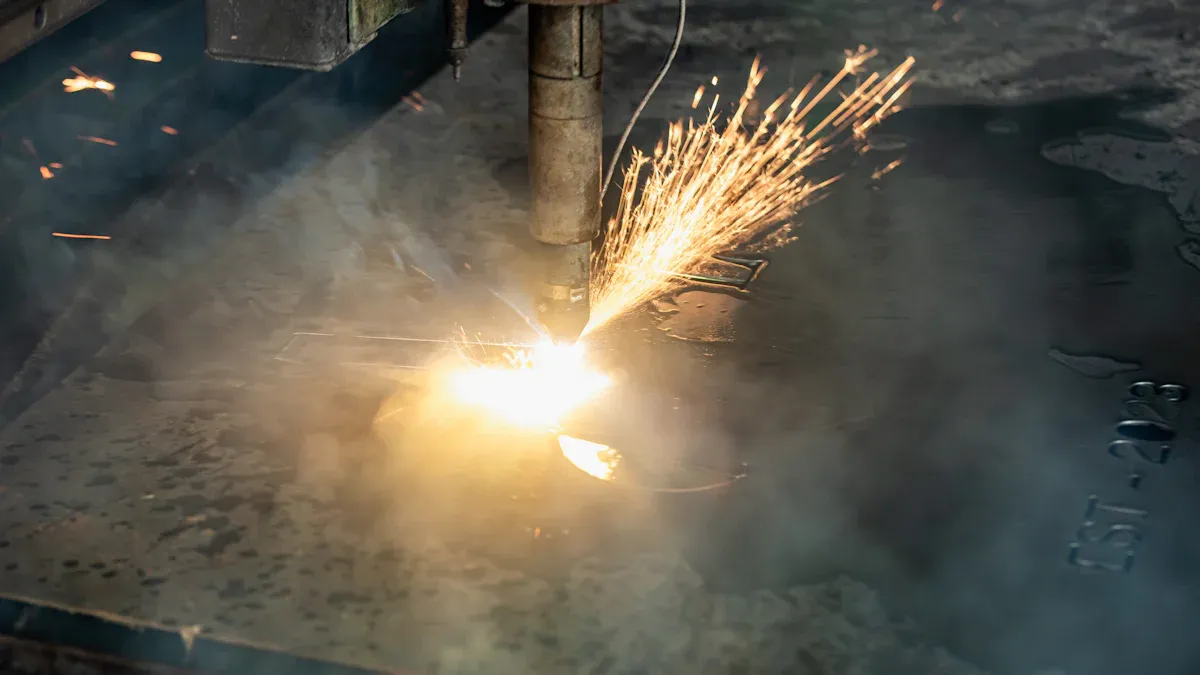
Laser welding joins metals with a strong beam. The beam makes the metal very hot. The metal melts and turns into vapor fast. When vapor cools, it becomes tiny bits. These bits float in the air as fume. You can breathe in these bits without safety steps.
Many changes happen during laser welding. Here are some main things that occur:
- Heating and melting metals make fume with metal bits and compounds.
- The fume changes based on the metal and welding method.
- Harmful gases like nitrogen oxides, sulfur oxides, and ozone come out. These gases can bother your lungs and throat.
- Dust from welding floats in the air. Breathing this dust can hurt your health.
Laser welding also breaks down metal and coatings. This happens from heat, oxidation, and pyrolysis. Dangerous dust and fumes form from these changes. The fume has tiny bits that can go deep into your lungs.
Welding stainless steel makes hexavalent chromium. This can cause skin sores and breathing trouble. Breathing weld fumes for a long time can cause serious health problems like cancer and lung disease.
Tip: Always use good ventilation and fume extractors to lower welding emissions.
Types of Smoke and Dust Produced
You see many kinds of fume and dust in laser welding. The type depends on the metal and coatings used. Here are common pollutants in welding emissions:
- Chromium
- Lead
- Nickel
- Zinc
- Iron oxide
- Copper
- Cadmium
- Fluorides
- Manganese
- Cobalt
- Aluminum
- Beryllium
- Molybdenum
These metals and compounds float in the air as fume. You may also see iron, lead, copper, and zinc in the air. Some pollutants are very harmful. Cadmium and beryllium can cause bad health problems if you breathe them in.
Laser welding fume has very tiny bits. These bits are so small you cannot see them. They stay in the air for a long time. You can breathe them in without protective gear.
Weld fumes also have gases like ozone and nitrogen oxides. These gases can make your eyes sting and your throat hurt. You need to control welding emissions to keep your workspace safe.
Note: Different metals make different fume types. Always check the material before laser welding.
Laser welding makes a mix of dangerous dust and fumes. You need to know what is in the fume to stay safe. Using the right controls helps lower risks from welding emissions.
Health and Safety Risks
Respiratory Hazards
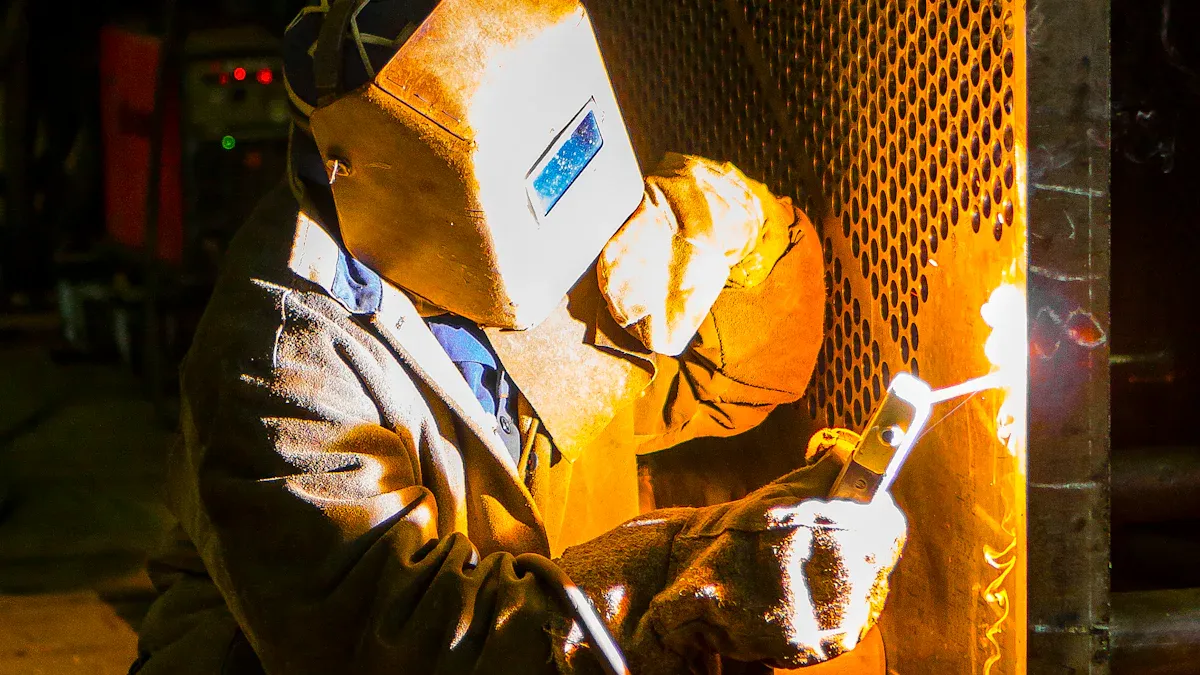
Laser welding can make dangerous weld fume. Breathing in metal oxides like zinc oxide is risky. Metal fume fever can happen and feels like the flu. Your lungs get swollen and irritated from these fumes. Sometimes, your body thinks zinc oxide is dangerous. This can cause allergies like asthma or skin rashes. Your eyes, nose, and throat may feel sore after breathing weld fume. You might feel dizzy or sick if you breathe too much smoke and dust.
Long-Term Exposure Effects
Weld fume exposure can cause problems that last a long time. You can get very sick over the years. Here are some health issues you should know:
- Chronic bronchitis and lung cancer
- Metal fume fever can come back if you keep breathing fumes
- Stomach ulcers from toxic metals in the fumes
- Kidney damage, especially from cadmium
- Nervous system problems, like symptoms of Parkinson’s disease
Laser welding can hurt your lungs and cause cancer. You may have trouble breathing for a long time. The table below shows how toxic substances in weld fume exposure can affect you:
| Toxic Composition | Long-Term Health Effects |
|---|---|
| Metal oxides, ozone (O₃), carbon monoxide (CO), nitrogen oxides (NOx) | Bronchitis, less lung power, asthma, pneumonitis, cancer |
You need to be careful. Weld fume exposure from laser welding can hurt your health for many years.
Regulatory Guidelines
You must follow safety rules when you do laser welding. OSHA sets limits for weld fume exposure. For metals like aluminum, iron, and mild steel, the limit is 5 mg/m³ for an 8-hour shift. More toxic metals like chrome, manganese, nickel, and cadmium have lower limits. TLVs show how much exposure is safe for your whole career. These values are often lower than OSHA’s limits. You can find these numbers in the NIOSH Pocket Guide to Chemical Hazards. Some places have extra rules for weld fume exposure. Always check local laws and use safety steps to protect yourself.
Tip: You keep yourself safe by following all rules and using the right controls during laser welding.
Causes of Dust and Fume in Laser Welding
Material and Coating Factors
The amount and type of dust and fume change with the materials and coatings you use. Some metals and coatings make more emissions when you do laser welding. For example, welding galvanized parts makes a lot of fumes because the base material turns to vapor fast. If you use aluminum, you will see more smoke and ozone. These fumes can bother your lungs and eyes. Cobalt or nickel-based alloys can make dangerous oxides that cause cancer. High chromium steels also make fumes that hurt your lungs.
Note: Always look at the base material and coating before welding. Some coatings affect the environment more than others.
Here are some common coatings and their carbon footprints in laser welding:
- FeCrC coatings: about 5.5 kg CO2eq/kg
- NiCrBSi coatings: about 8.0 kg CO2eq/kg
- CoCrC coatings: about 13.3 kg CO2eq/kg
- Iron aluminides: about 4.4–7.1 kg CO2eq/kg (depends on additives)
Raw materials and surface coatings change how much emissions come out. You should think about these things when picking materials for your project.
Process Parameters Impact
You can change how much dust and fume come out by adjusting your welding process. Laser power, welding speed, and shielding gas all change emission levels. Using higher laser power makes more heat and more emissions. Slower welding speeds also make more heat and fume. The type and flow rate of shielding gas can change how good your weld is and how many contaminants come out.
| Parameter | Influence on Emission Levels |
|---|---|
| Laser Power | Higher power makes more heat and can make more emissions if not controlled. |
| Welding Speed | Slower speeds make more heat and emissions; faster speeds make less. |
| Shielding Gas Type | The kind of gas changes weld quality and can change contaminants, which affects emissions. |
| Flow Rate | Good flow rate stops contamination and can lower emissions from the weld area. |
You can lower emissions by using fume extractors, downdraft tables, or portable extractors. Automated welding enclosures keep fumes inside and away from your workspace. Good system design and regular checks help controls work well. Worker training helps you know the risks and use equipment safely.
Material choice and process settings change how much dust and fume you see. You can make your workspace safer by watching these details.
Dust and Fume Control Strategies
Laser welding makes smoke and dust that can hurt you. You need good dust and fume control to stay safe. There are different ways to lower exposure and protect yourself.
Engineering Controls and Ventilation
Engineering controls help remove bad particles from the air. Local exhaust ventilation (LEV) works best for laser welding. LEV pulls fumes away from where you breathe. Put fume extractors and downdraft tables close to the welding spot. These tools catch dust and fumes before they spread.
Tip: Always check air quality in your workspace. This helps you follow OSHA rules and keeps you safe.
Set up your workspace with good ventilation. Here are steps you should follow:
- Give each welder at least 10,000 cubic feet of space.
- Make sure the ceiling is at least 16 feet high.
- Keep cross ventilation clear. Do not block airflow with barriers.
- Avoid welding in tight spaces.
- If you cannot meet these rules, use mechanical ventilation. Give at least 2,000 cubic feet per minute (cfm) of air for each welder.
Exhaust hoods with big aspect ratios work better. These hoods catch more smoke during laser welding. Lowering drop heights during bulk material transport also cuts dust.
| Case Study | Description |
|---|---|
| 1 | Exhaust hoods with bigger aspect ratios catch more smoke during pouring. |
| 2 | Lower drop heights cut dust from bulk material transport. |
Use on-tool extraction systems for saws and grinders. Local exhaust ventilation controls metal dust right at the source. These steps help you make your workspace safer.
Fume Extraction Systems
A fume extraction system is important for dust and fume control in laser welding. Fume extractors catch fumes at the source. They filter bad particles and send clean air back to your workspace. This lowers airborne contaminants and keeps you healthy.
You need to take care of your fume extraction system to keep it working well. Here are best practices:
- Check the system on a schedule.
- Test safety parts often.
- Check ventilation performance regularly.
- Look at explosion prevention features.
- Write down all maintenance activities.
- Use disposable filters with a gauge to show filter condition.
- Make sure self-cleaning systems have a working compressed air line.
- Ask an industrial hygienist for help with filter choice.
Note: Good maintenance saves time and money. It keeps your system working well and makes your workspace safer.
Fume extraction systems make air cleaner. They protect you from health problems like breathing trouble and cancer. Cleaner air helps you stay healthy and miss less work.
Personal Protective Equipment
You must wear personal protective equipment (PPE) when you do laser welding. PPE blocks dust, fumes, and harmful light. You should use these items:
- Respiratory masks (FFP2 or FFP3) protect you from tiny particles and welding fumes.
- Masks with activated carbon filters block bad gases.
- Powered Air-Purifying Respirators (PAPR) help during long welding jobs.
- Safety glasses or visors protect your eyes from laser light.
- Laser welding helmets with auto-darkening filters protect your face and eyes.
- Flame-resistant clothing covers your body.
- Heat-resistant welding gloves, like TIG gloves, protect your hands.
Laser welding helmets use special filters to block infrared and ultraviolet light. These helmets protect your face, neck, and eyes. They use strong, impact-resistant materials. Powered Air-Purifying Respirators catch almost all airborne particles, even tiny weld fumes.
Alert: Always use PPE that fits well and meets safety rules. Replace broken gear right away.
Follow best practices to keep your workspace safe:
- Use interlock systems on laser equipment.
- Wear laser safety goggles and helmets.
- Set up barriers and enclosures to keep laser beams inside.
- Take care of equipment often.
- Train all workers on hazards and safety steps.
- Follow OSHA and ANSI safety rules.
- Keep flammable things away and have fire extinguishers ready.
- Use safety shoes and heat-resistant gloves.
You can set up a laser safety work area with protective barriers. Install ventilation and fume extraction to remove bad fumes and gases. Fire prevention steps keep your workspace safe.
You need strong fume control strategies to protect yourself and others. You can lower risks by using engineering controls, fume extraction systems, and PPE. These steps help you make a safe and healthy place for laser welding.
You can lower smoke and dust in laser welding with good safety steps. If you know how emissions happen, you can pick the best ways to control them.
- Put in strong ventilation systems and check equipment often.
- Use the right filters and do regular maintenance.
- Get advice from experts like industrial hygienists.
- Look for new tools that help make welding safer and cleaner.
Remember, keeping yourself and the environment safe starts with smart habits and help from experts.
FAQ
What causes smoke and dust in laser welding?
You see smoke and dust when the laser heats metal. The metal melts and turns into vapor. The vapor cools and forms tiny particles. These particles float in the air as fume and dust.
How can you reduce welding fumes in your workspace?
You can use local exhaust ventilation and fume extractors. Place them close to the welding area. Wear proper masks and keep your workspace clean. Regularly check and maintain your equipment.
Tip: Good ventilation helps you breathe cleaner air.
Are all welding fumes dangerous for your health?
Some fumes are more harmful than others. Metals like cadmium, chromium, and nickel can cause serious health problems. Always check the material before welding and use safety gear.
| Metal | Health Risk |
|---|---|
| Cadmium | High |
| Chromium | High |
| Iron | Low |
What personal protective equipment should you wear?
You should wear a welding helmet, safety glasses, flame-resistant clothing, and gloves. Use a respirator mask to protect your lungs from fumes and dust. Make sure your gear fits well and meets safety standards.
What problems will arise from laser welding of galvanized sheet?
Repairing Weld Burn-Through Common Mistakes and Solutions
What Is Laser Welding of Thin Plates and How to Prevent Burn-Through