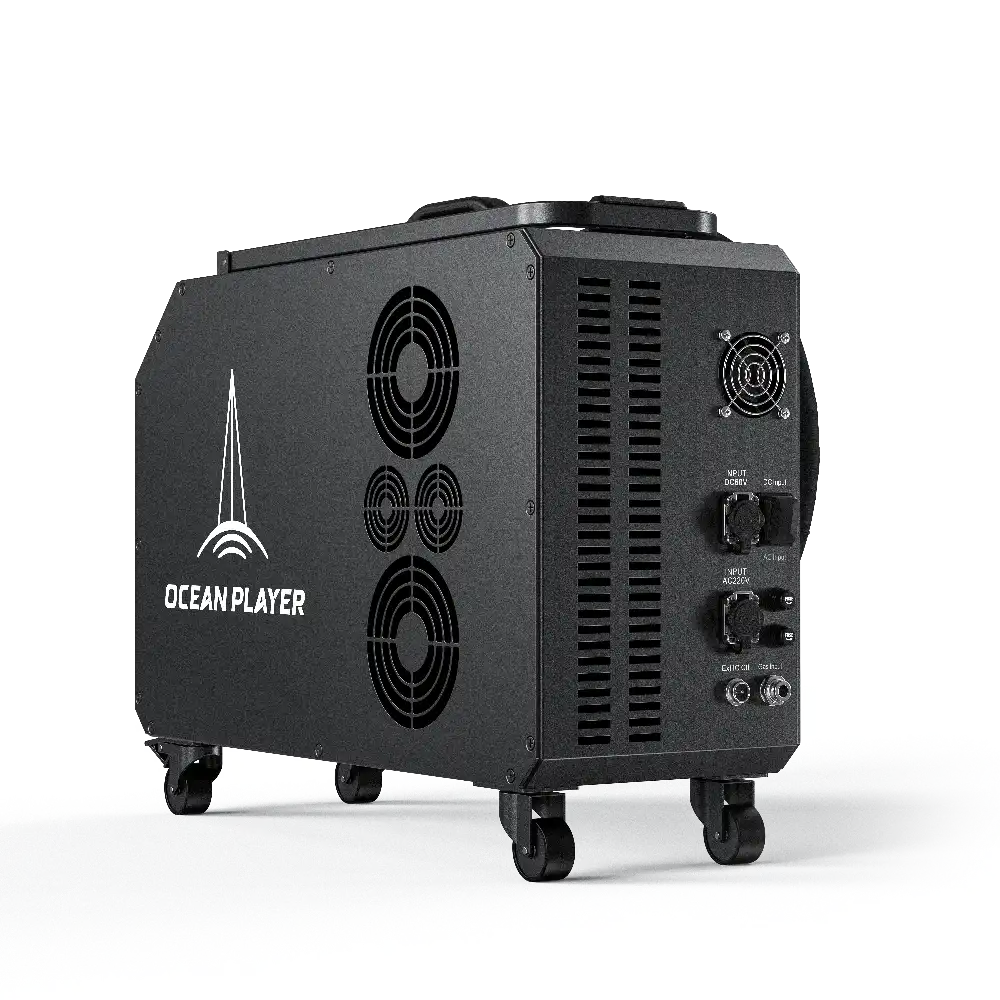
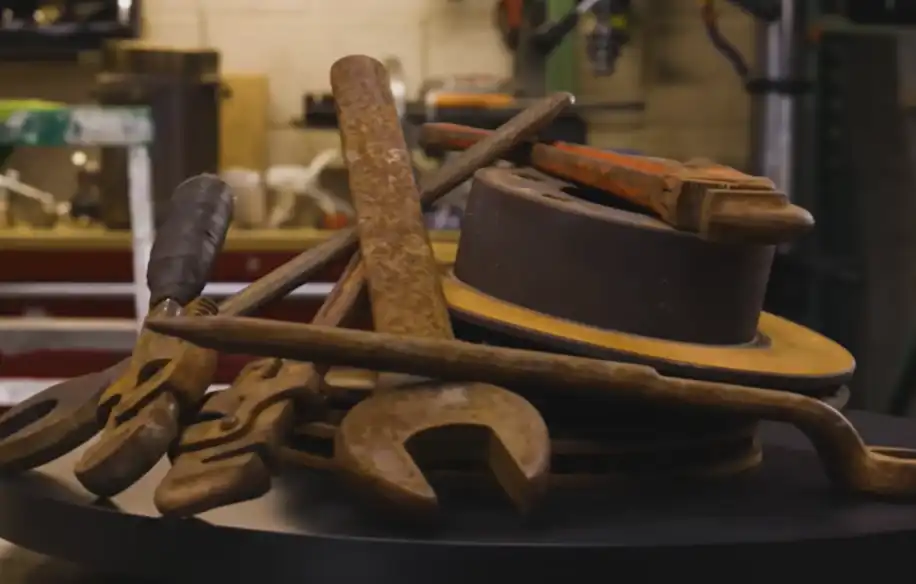
You want the best way to remove rust in 2026. Laser rust removal is very exact, fast, and safe. You should think about cost, how you will use it, and how it affects the environment. New ideas have changed how people remove rust. Look at the table below to see some new improvements:
| Advancement Type | Description |
|---|---|
| Nanotechnology-based solutions | Solutions using nanotechnology for better rust removal |
| Smart coatings | Coatings with self-healing properties to prevent rust formation |
| Bio-based and enzymatic removers | Eco-friendly rust removers from natural sources and enzymes |
| Enhanced electrochemical methods | Improved techniques for efficient rust removal |
| Integration of sensors | Sensors for real-time rust detection and treatment |
You should think about what you need as you read.
Key Takeaways
- Laser rust removal works much faster. It can clean up to 80% quicker. This makes it great for big jobs.
- This way is safer and better for the environment. It makes less waste. It also lowers health risks from bad chemicals.
- Use laser rust removal for big factory jobs. Chemical methods are good for small jobs at home.
- Buying laser tools costs more at first. But you save money later on supplies and work.
- Both ways are useful. Think about your project to pick the best way to remove rust.
Which Method Is Better?
Key Differences
You want to pick the best way to remove rust in 2026. Laser rust removal and chemical methods are different in many ways. You can look at how fast they work, how safe they are, and how easy they are to use. The table below helps you see these differences:
| Attribute | Laser Rust Removal | Chemical Rust Removal |
|---|---|---|
| Speed | Cuts cleaning time by up to 80% | Slower, often taking hours |
| Safety | Lower safety risks, minimal waste | Labor-intensive, produces hazardous waste |
| Automation Compatibility | Requires less operator skill, ideal for automation | Dependent on operator skill |
| Efficiency | Faster, cleaner, and more eco-friendly | Creates a lot of waste, messy cleanup |
Laser rust removal works much faster. You do not have to wait long for clean surfaces. It is also safer to use. You do not need to touch strong chemicals. You can wear safety gear when using lasers. Chemical methods need more skill and make more waste. You have to clean up after using chemicals, which takes extra time.
Tip: Laser rust removal is better for workshops and factories. You do not need to teach workers hard chemical steps.
There are also health and environment differences. The table below shows these facts:
| Method | Health Risks | Environmental Impact |
|---|---|---|
| Laser Rust Removal | Reduced | Lower |
| Chemical Methods | Higher | Greater |
Laser rust removal is safer for your health. You do not breathe in bad fumes or touch dangerous liquids. Chemical methods can hurt your skin and lungs. They also make more pollution.
Best Use Cases
Pick the method that matches your project. Laser rust removal is best for big jobs and places that need quick, clean results. It is used to fix cars and make machines. It cleans car parts and factory tools very well. Factories use it to save money over time. The first price for laser rust removal can be $15,000. You save money because you do not buy chemicals every month. You also help the earth by using fewer harsh products.
Chemical rust removal is good for small jobs and home use. You can use things like coke or baking soda. Studies show these ways work and cost less. Chemical methods are good if you want a cheap way to clean something small. How well they work depends on what you clean and how much you spend.
- Use laser rust removal if:
- You want quick cleaning.
- You need safe and green results.
- You want to use machines to clean.
- You work with cars or in factories.
- Use chemical rust removal if:
- You have a small job.
- You want to spend less money.
- You do not need machines to help.
Note: Most industries pick laser rust removal in 2026. It gives better results, saves time, and keeps people and nature safe.
Laser Rust Removal Overview
How Laser Rust Removal Works
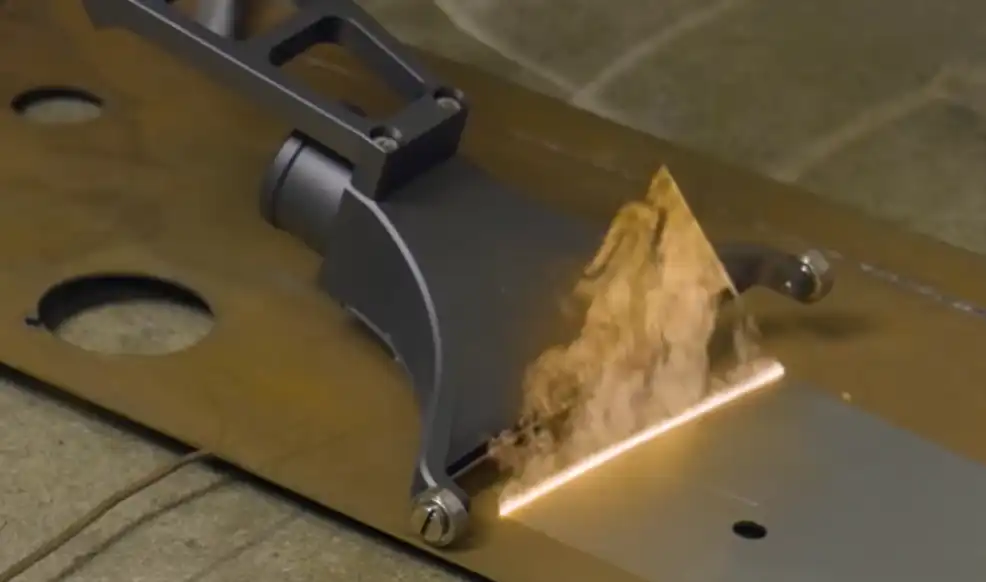
Laser rust removal cleans metal with great accuracy. A focused laser beam hits the rust on the metal. The rust gets hot very fast from the laser energy. This makes the rust grow bigger and then turn into vapor. A small wave of pressure pushes the rust off the metal. The metal under the rust stays safe and does not get hurt.
Laser ablation is the main science idea for laser rust removal. The laser beam hits the rust, and the rust takes in energy. The rust gets hot, turns to vapor, and a pressure wave removes it.
The table below shows the main ideas:
| Principle | Description |
|---|---|
| Energy Absorption | Rust takes in laser energy and heats up faster than metal. |
| Thermal Selectivity | The metal bounces the laser away, so only rust is removed. |
| Depth of Field | The laser only hits rust, not the metal under it. |
You do not need to use chemicals or scrub the metal. The laser does all the cleaning work. You can pick how deep and where you want to clean.
Advantages of Laser Rust Removal
Laser rust removal has many good points. This way of cleaning is special for many reasons:
- You do not use strong chemicals and make less waste.
- You clean with high accuracy and do not hurt the metal.
- You lower health risks because you do not touch dangerous stuff.
- You save money over time since you do not buy chemicals or pay for waste.
Here is a quick look at how they compare:
| Advantage | Laser Rust Removal | Chemical Methods |
|---|---|---|
| Environmental Friendliness | No strong chemicals, little waste | Often uses harmful chemicals |
| Precision | Does not touch, only removes rust | Can hurt the metal under the rust |
| Safety | Lowers health risks from chemicals | Higher risk because of chemical use |
| Cost-Effectiveness | Saves money on running costs | Can cost more because of waste |
Tip: Laser rust removal works well for big jobs and gentle surfaces. You get clean results and keep yourself and nature safe.
Laser rust removal is a new, safe, and fast way to get rid of rust. You can count on this method for quick and good cleaning.
Chemical Rust Removal Overview
How Chemical Rust Removal Works
You can use chemicals to take rust off metal. These chemicals break down rust or lift it away. Strong acids react with rust and make it dissolve. Weak acids work slower and are safer for the metal. Some products use chelation. Chelation grabs the rust and pulls it off without hurting the metal.
Here is a table that explains how these products work:
| Type of Rust Removal Product | Chemical Reaction Description |
|---|---|
| Strong Acids | React with rust and dissolve it, but can also damage other materials. Examples: hydrochloric acid, sulfuric acid. |
| Weak Acids | React less intensely with rust, safer to use. Examples: oxalic acid, EDTA. |
| Acid-Free Water-Based Solutions | Use chelation to lift rust away from metal without damaging the underlying surface. |
You can buy these products at stores. Some are liquids for soaking parts. Others are gels you brush on. Always read the label before you use them. Wear gloves and eye protection to keep safe.
Tip: If you want to keep the metal safe, pick chelation or a weak acid.
Risks and Limitations
Chemical rust removal works, but there are risks. Some chemicals can make metal weaker. This happens because of hydrogen embrittlement. The metal can lose strength and even break if you use the wrong product or leave it on too long.
Look at this table to see the main risks and limits:
| Method | Risk/Limitations |
|---|---|
| Chemical Rust Removers | Can cause hydrogen embrittlement, leading to loss of ductility and potential catastrophic failures. |
| Electrolysis | Known to cause hydrogen embrittlement; not recommended for grade 8 steel chains. |
| Rust Converters | Acidic nature may lead to hydrogen embrittlement; use is not recommended for grade 8 steel. |
| Chelation | Claims to be pH neutral, but prolonged exposure can corrode metal and reduce structural strength. |
You should also think about the waste from these chemicals. Some products can hurt the environment if not thrown away right. Always follow safety rules and never pour chemicals down the drain.
Note: Chemical rust removal is good for small jobs, but you must be careful not to hurt your metal or the earth.
Effectiveness Comparison
Cleaning Speed
You want to get rid of rust fast. Laser rust removal works quickly. It uses strong light to make rust disappear in seconds or minutes. You do not have to wait a long time. Chemical methods are much slower. Sometimes, you need to soak things for hours or days. This big difference saves lots of time for large jobs.
Here is a table that shows how long each method takes:
| Method | Speed of Rust Removal |
|---|---|
| Laser Rust Removal | Seconds to minutes |
| Electrolytic Rust Removal | Hours to days |
- Laser cleaning is much faster than chemical ways.
- You can clean lots of parts quickly.
- Laser rust removal does not touch the metal, so you skip extra steps.
Tip: Pick laser rust removal if you want to finish fast.
Surface Protection
You want your metal to stay safe when you clean rust. Laser rust removal only hits the rust. The laser makes the rust go away but does not hurt the metal. You do not have to worry about scratches. This way does not touch or rub the metal.
Chemical methods can harm the metal. Some chemicals react with both rust and metal. This can make the metal weaker or rough. Chemical cleaning also makes toxic waste that can hurt nature.
- Laser cleaning is exact and neat.
- You do not make extra waste.
- Chemical methods can hurt metal and pollute the earth.
Note: Many factories say they save money and have less downtime after using laser rust removal.
Limitations and Risks
- Laser cleaning
- Limits: poor absorption on highly reflective/polished metals; risk of substrate heating or surface discoloration. Check: test a small hidden area; reduce power or change wavelength if inconsistent. (See laser reflectivity considerations.)
- Hazards: reflected beams, fumes/particulates, wide NOHD for Class‑4 systems — use enclosures, LEV, and PPE.
- Chemical methods
- Limits: avoid on high‑strength steels and some alloys (risk of hydrogen embrittlement) and on sensitive metals/plastics; inspect: pitting, discoloration, or cracking after rinse and neutralize per SDS (see material selection guidance).
Cost Analysis
Equipment and Setup
You face different costs when you choose laser rust removal or chemical methods. Laser rust removal systems need a bigger upfront investment. You buy a machine that uses a laser to clean rust. The price depends on the power and features you want. Look at this table to see the price ranges in 2026:
| Equipment Type | Price Range |
|---|---|
| Entry-Level (20–150 W) | $5,000–$15,000 |
| Mid-Range Industrial (150–1,000 W) | $15,000–$50,000 |
| High-End Automated (>500 W) | $50,000–$150,000+ |
Chemical rust removal setups cost much less at first. You buy chemicals, brushes, and safety gear. You do not need special machines. This makes chemical methods easier for small budgets or home projects.
Tip: If you plan to clean rust often or on large surfaces, the higher cost of laser equipment can save you money over time.
Consumables and Labor
Laser rust removal does not need many consumables. You only pay for electricity. Chemical methods use acids, gels, and cleaning agents. These products make up 40–60% of your total project costs. You must buy them again for each job.
Labor costs also differ. Laser systems let you work alone. You do not need a big team. You learn to use the laser quickly. Chemical methods need more people and more safety training. You spend more time and money on labor.
| Aspect | Laser Rust Removal | Chemical Rust Removal |
|---|---|---|
| Consumable Costs | Only electrical power | 40–60% of project costs from consumables |
| Labor Costs | Single-operator, minimal training | Multi-person crews, extensive training |
| Maintenance Costs | Minimal | Higher due to chemical wear |
- Laser systems let you finish jobs up to five times faster than chemical methods.
- You save money on labor and supplies with laser cleaning.
Maintenance and ROI
You spend less time and money on maintenance with laser rust removal. You clean and check the machine parts. This keeps the laser working well for years. Chemical methods need more care because chemicals and brushes wear out fast. You replace supplies often.
Laser technology uses less energy and lowers your running costs. You pay more at first, but you save money every year. The return on investment grows as you use the laser more. You get better value for your money compared to chemical methods.
Note: If you want long-term savings and less hassle, laser rust removal gives you a better return on investment.
Safety and Environmental Impact
Note on scope and compliance: This guidance is written for U.S. industrial and workshop settings and references applicable federal and state frameworks. Key standards and rules include ANSI Z136.1 — Safe Use of Lasers (2022), OSHA provisions commonly applied to laser operations (for example 29 CFR 1910.252 and 29 CFR 1910.147), and EPA hazardous‑waste rules under RCRA (40 CFR Parts 260–268). This article provides general safety tips only and does not constitute legal or regulatory advice; verify site‑specific obligations with your employer, a certified Laser Safety Officer, or local regulators before operation.
User Safety
It is important to stay safe when removing rust. Laser rust removal uses strong light. You must wear laser safety goggles to keep your eyes safe. Thick gloves and long sleeves protect your skin from hot bits. You need a carbon mask or a fume extractor in small rooms. Good airflow helps you breathe better. Remove flammable or shiny things before starting. Put up warning signs and keep people away while using the laser. Training helps you know how to use the machine and what to do if something goes wrong.
- Laser safety goggles keep your eyes safe.
- Thick gloves and clothes protect your skin.
- Carbon masks or fume extractors clean the air.
- Good airflow removes tiny dust.
- Remove flammable or shiny things from the area.
- Put up signs and keep people out.
- Training teaches you how to be safe and what to do in emergencies.
Chemical rust removal needs safety steps too. You must wear gloves and eye protection. Some chemicals can burn your skin or hurt your eyes. Always read the label before using any product. Work in a place with good airflow. Never mix chemicals unless the instructions say it is okay.
Safety tip: Always follow the directions for your rust removal method. Keep yourself and others safe every time you work.
Environmental Concerns
You help nature when you pick the right way to remove rust. Laser rust removal makes less waste. You do not use strong chemicals, so water and soil stay clean. You only need to clean up small bits of rust.
Chemical rust removal can hurt the earth. Many products have acids or solvents. You must follow rules for throwing them away. In 2026, the EPA and OSHA made strict rules for chemical use and waste. Some chemicals, like methylene chloride, are banned for home use. States made more rules for labels and disposal.
| Regulation Type | Description |
|---|---|
| EPA Standards | Rules for chemicals, including limits on harmful vapors (VOCs). |
| OSHA Guidelines | Safety rules for workers and manufacturing processes. |
| State Regulations | Extra rules for disposal and product labeling. |
- The EPA banned methylene chloride in paint removers for homes.
- The ban started in 2019 and got bigger in 2024.
- Workplaces must follow stricter safety rules for allowed uses.
Note: You help the earth when you use laser rust removal or follow all chemical disposal rules.
Application Suitability
Industrial Uses
Laser rust removal helps big factories and shipyards the most. Many companies use strong laser machines to clean metal. A ship company tried a 3000W laser cleaner on ship hulls. The test showed great results:
- The laser took off rust and old paint fast.
- Surfaces were smooth and ready for new paint.
- The company finished work quicker and saved time.
- They bought five more laser machines after seeing the results.
Laser rust removal is good for large jobs. You finish faster and keep the area clean. You do not make chemical waste, so it helps nature.
Automotive and Restoration
People need to remove rust when fixing cars or old machines. There are different ways to do this. Each way has good and bad points. Here is a table that compares two blasting methods:
| Method | Advantages | Drawbacks |
|---|---|---|
| Wet Blasting | Works well, not too rough | Needs more setup and cleaning |
| Dry Blasting | Fast, easy to control | Can be rough on surfaces |
You should think about these things too:
- What kind of blasting media you use
- How much air pressure you need
- If you want wet or dry blasting
For small parts, you can use vinegar or baking soda. Chemical removers and wire brushes also help. Laser rust removal is exact and protects fragile surfaces, but costs more at first.
Home and DIY
You can clean rust at home with simple tools or new tech. Many people use vinegar, baking soda, or store chemicals. Sanding and wire brushes work for small jobs. Handheld laser rust removers are now popular. These tools are easy and save time. You plug them in and start cleaning. People say lasers work faster and make less mess than chemicals.
- Laser rust removers are green and quick.
- You can use them on many things.
- They cost more, but give great results.
- You need some training to use them safely.
Tip: If you want fast and clean results for many jobs, try a handheld laser rust remover for your DIY projects.
Industry Comparison
Manufacturing
Factories change a lot with laser rust removal. Laser cleaning is much faster than chemical ways. You finish jobs quickly and keep workers safe. You do not touch harsh chemicals. Factories like lasers because they help the earth and save money. The market for laser cleaning is growing fast. Experts think it will be worth $721.2 million by 2025. Here is a table to show the differences:
The global laser cleaning market was estimated at USD 1.01 billion in 2026 (projected CAGR 3.85% to 2031), according to Mordor Intelligence’s Laser Cleaning Market report (2026).
Laser cleaning works well with robots and machines. You can set up automatic systems to clean parts. Chemical methods need people to mix and use solutions. You spend more time teaching workers and cleaning up spills.
Construction
Construction jobs are tough and need strong tools. Rust slows down work and hurts equipment. Laser rust removal cleans steel beams and machines fast. You do not wait for chemicals to work. You keep the site safer by avoiding toxic fumes. Laser systems work with machines for easy cleaning. You can clean big areas with less work.
Chemical rust removal is good for small repairs. You must handle fluids and waste. This is hard on busy sites. Workers wear gloves and masks for safety. You spend extra time making sure chemicals do not spill or hurt the ground.
Tip: Pick laser rust removal for big jobs and quick cleaning. Use chemical methods for small fixes.
Heritage Conservation
You want to protect old buildings and art pieces. Laser rust removal lets you clean gently and carefully. You control the laser for safe cleaning. Laser systems can use robots, so you save money on workers. You do not need chemicals, so the site stays clean and safe.
- Laser systems use robots to lower labor costs.
- You control the laser for careful cleaning.
- You avoid dangerous chemicals and help the earth.
Chemical methods can hurt fragile surfaces. Strong acids may damage history. Handling fluids is hard in old places. You must be careful not to spill or leave chemicals behind.
Note: Laser rust removal is best for saving history. You keep old things safe and avoid chemical dangers.
You can pick from many ways to remove rust in 2026. Laser rust removal is fast and safe for people. It is also better for the earth. Look at the table to see the main points:
| Key Findings | Description |
|---|---|
| Environmental Benefits | No toxic abrasives, cleaner for the planet |
| Efficiency | Cuts cleaning time by up to 50% |
| Precision | Gives uniform, repeatable results |
| Cost-Effectiveness | Lowers maintenance costs |
| Corrosion Resistance | Improves surface protection |
Laser rust removal is best for big jobs or if you clean often. Chemical methods are good for small jobs at home. More laser machines and green cleaners will be used soon. Have you used these ways before? Tell us your story or ask a question below!
FAQ
What safety gear do you need for laser rust removal?
You should wear laser safety goggles and gloves. Long sleeves help protect your arms. In small rooms, use a fume extractor or carbon mask. Put up warning signs so people know to stay away. Make sure no one comes close while you clean.
Can you use laser rust removal on painted surfaces?
Lasers can take off both rust and paint. The laser goes after the rust and paint layers. You can pick how deep and where to clean. Try the laser on a tiny spot first. This helps you not hurt the material under the paint.
How do you dispose of chemical rust removers safely?
Follow your city’s rules for throwing away chemicals. Never dump chemicals in the sink or toilet. Put waste in closed containers. Bring them to a special place for hazardous trash. Always check the label for the right way to throw it out.
Is laser rust removal better for delicate items?
Laser rust removal is good for fragile things. You can change the power and focus of the laser. The laser takes off rust without touching the item. This keeps delicate things safe and stops scratches.