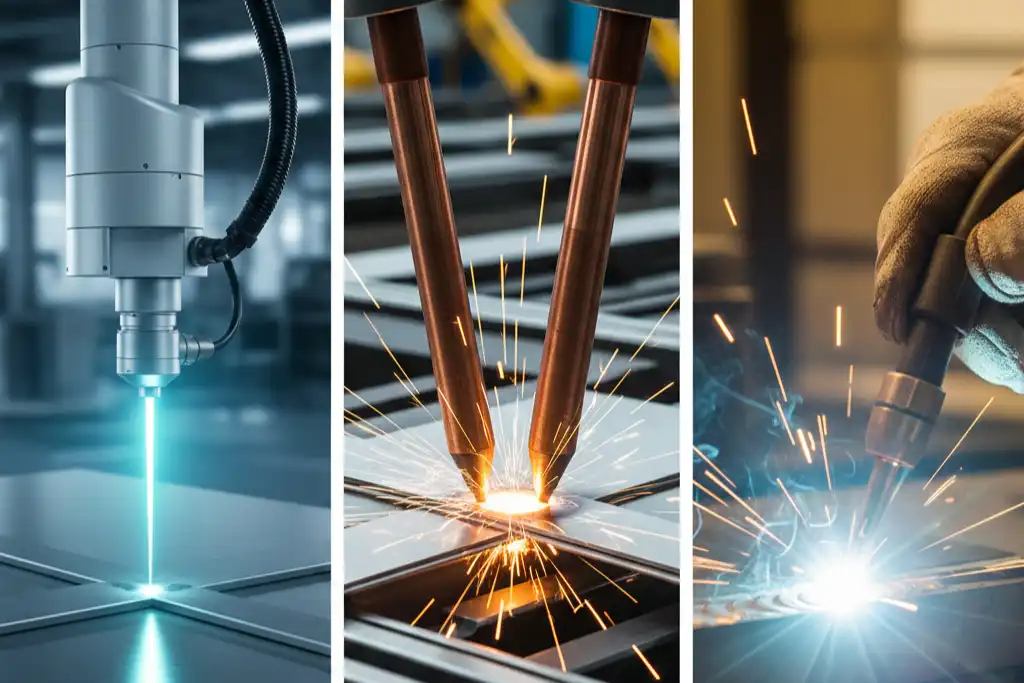
You want to pick the best welding technology for your project. The choice you make changes how well things work, how much they cost, and how good they are. In factories, new ways like laser welding help make less waste. They also help products be better and need fewer fixes. The welding industry around the world keeps getting bigger. This shows that these choices matter a lot:
| Statistic | Value |
|---|---|
| Industry Size (2025) | USD 2,925.8 Mn |
| Forecast (2035) | USD 4,227.1 Mn |
| CAGR (2025 to 2035) | 4.4% |
Picking the right way can help you work faster and save money.
Key Takeaways
- Pick spot welding if you need to join thin metal sheets quickly. This is good for making lots of things, like cars.
- Use laser welding when you want neat and exact welds on thin or medium materials. It works fast and does not heat up the metal too much.
- Choose TIG welding for special jobs or thick materials. It gives you a lot of control and makes strong welds. But it takes more time and skill.
- Think about the type and thickness of the material before picking a welding method. Each way works better for different jobs.
- Look at the costs before you decide. Laser welding costs a lot at first, but it can save money later because it works well and needs less fixing.
Choosing the Right Welding Method
Quick Recommendations
You want to pick the best welding method for your project. Here are some easy tips to help you choose:
- Spot welding is good for joining thin metal sheets fast. Car makers use it a lot for strong joints in cars and appliances.
- Laser welding is great when you need clean and exact welds. It works well for thin or medium materials like stainless steel, aluminum, and titanium.
- TIG welding is helpful if you work with many metals or thick pieces. It is good for custom jobs or repairs with aluminum, magnesium, and special alloys.
Tip: Think about how big your project is and how fast you need it done. Spot welding and laser welding are best for making lots of things. TIG welding is better for small or special jobs.
Key Selection Factors
When you pick a welding method, you should look at some important things. These will help you get the best results for your project:
- Material Type: Different metals, like steel, aluminum, or titanium, need different welding ways.
- Material Thickness: Thin materials need careful heat control. Thick materials need deep welding.
- Welding Position: Some methods work better in certain spots, like flat or overhead.
- Quality and Aesthetics: Some welding ways make cleaner and better-looking welds with less mess.
Here is a simple chart to help you:
| Welding Method | Best For | Strengths | Weaknesses |
|---|---|---|---|
| Laser Welding | Thin to medium materials, precise joints | Fast, clean, repeatable | Not good for thick pieces |
| Spot Welding | Thin sheets, mass production | Quick, strong joints | Only works for some shapes |
| TIG Welding | Thin and thick materials, custom work | Flexible, high quality | Slower, needs skill |
Picking the right welding method saves you time and money. You also get better quality and fewer problems in your finished work.
Laser Welding, Spot Welding, and TIG Welding Basics
Laser Welding Overview
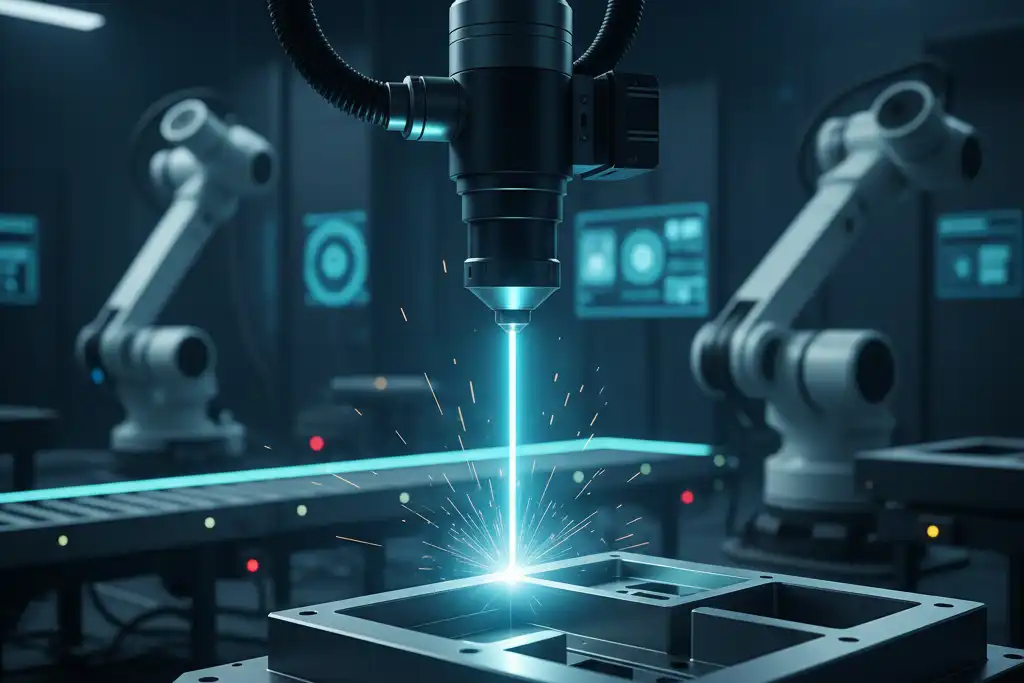
Laser welding is used when you need fast and clean joints. It uses a strong laser beam on a tiny spot. The heat melts the metal quickly and makes a strong weld. Many factories use laser welding for jobs that need high accuracy. It also helps keep the metal from bending or warping.
Here is a quick way to see how laser welding works with other methods:
| Welding Type | Operating Principle |
|---|---|
| Laser Welding | Uses a powerful laser beam on a small area. The heat melts the metal fast and makes a weld pool. |
| TIG Welding | Uses a tungsten electrode and a special gas to keep the weld clean. |
| Spot Welding | Squeezes the metal with two electrodes and sends current through them. |
Laser welding machines have some main parts:
| Component | Description |
|---|---|
| Laser source | A fiber laser that lasts long and does not use much energy. |
| Chiller | A cooling system that keeps the machine at the right temperature. |
| Welding head | A head that can be changed and focused for safety and accuracy. |
| Wire feeder | Lets you change the speed for different welding wires. |
Laser welding works on many materials, like:
- Carbon steel
- Alloy steel
- Stainless steel
- Copper and copper alloys
- Aluminum and aluminum alloys
- Plastics
Spot Welding Overview
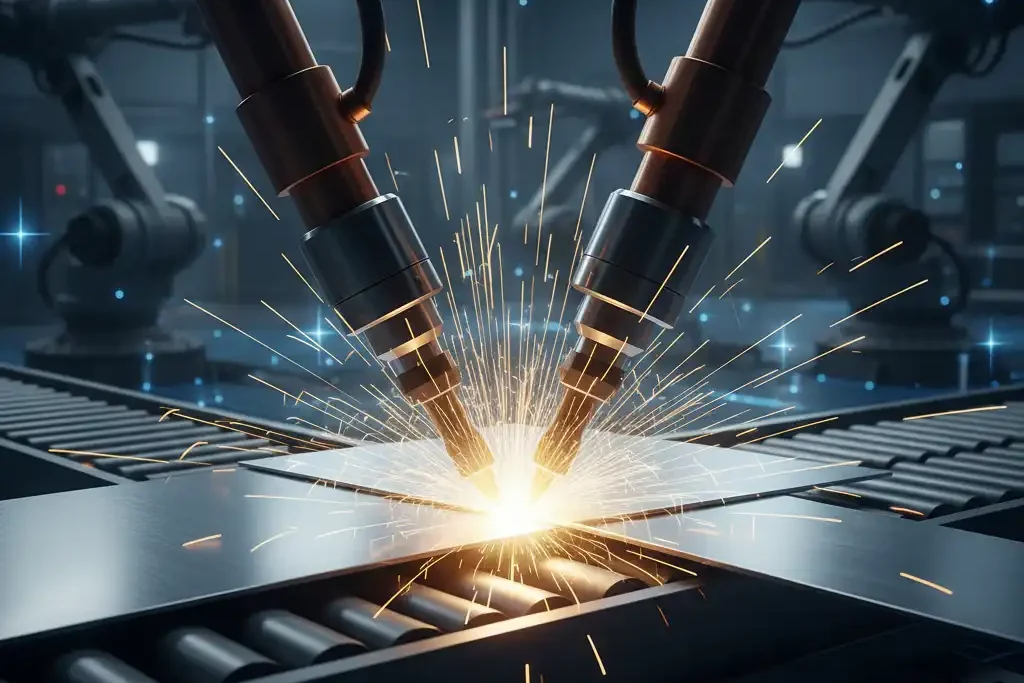
Spot welding is often used to join thin metal sheets. Car factories use it a lot. Two electrodes press the metal together. Then, a strong electric current goes through the spot. The heat melts the metal and makes a weld.
Here is a simple way to do spot welding:
- Hold the two metal pieces tight.
- Press the electrodes on the spot to be welded.
- Send a high current through the electrodes.
- Keep pressing until the weld cools and hardens.
Spot welding is best for thin sheets. If the sheets are thicker than 2 mm, you need more power. This method does not work well for tricky shapes or thick materials.
Note: Spot welding is used a lot in car making. It is fast and good for joining sheet metal.
TIG Welding Overview
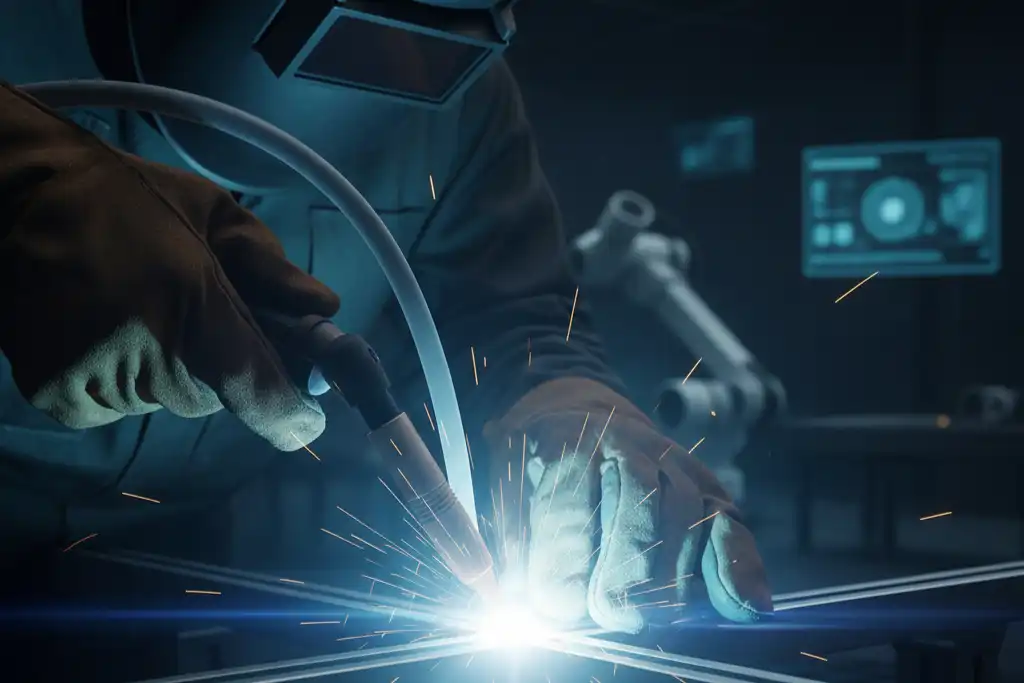
TIG welding gives you lots of control and neat welds. It uses a tungsten electrode and a special gas, like argon, to keep air away. This method works for both thin and thick metals.
TIG welding is used in places that need clean and exact welds, like:
- Automotive: For car frames and custom exhausts
- Medical: For tools and implants
- Food processing: For clean and rust-free welds
- Aerospace and electronics: For small, strong parts
- Art and architecture: For smooth, visible welds
TIG welding is slower than other ways. But it makes strong, tidy, and dependable joints. You can use it on metals like aluminum, magnesium, and special alloys.
Laser Welding vs Spot and TIG Welding
Speed and Productivity
You want to finish your welding jobs quickly and keep your production line moving. Laser welding stands out for its speed. It can weld several meters each minute. This makes it much faster than TIG welding. In fact, laser welding can be 3 to 10 times faster than TIG welding. Spot welding is also quick, but laser welding often beats it in mass production.
Here is a table showing average cycle times in automotive assembly lines:
| Welding Method | Average Cycle Time (seconds) |
|---|---|
| Laser Welding | 257.4 |
| Micro TIG Welding | 491.4 |
| Spot Welding | 514.8 |
Laser welding systems work well with robots. You can set them up to repeat the same weld over and over. This helps you get more done in less time and keeps your quality high. Spot welding is also used in automated lines, but it does not match the speed or flexibility of laser welding. TIG welding takes longer and needs more skill from the operator.
Tip: If you need high production and fast turnaround, laser welding gives you the best results.
Precision and Heat Input
You may need welds that look clean and do not damage your materials. Laser welding gives you high accuracy and tight tolerances. It can make joints with gaps smaller than 0.1 mm. This is important for parts that must fit together perfectly. TIG welding can make neat welds, but it is slower and less precise than laser welding. Spot welding does not offer the same level of control.
Laser welding uses less heat per unit length than TIG welding. This means your parts stay cooler and do not warp as much. Less heat also means less stress and fewer problems with the finished product.
- Laser welding creates small heat-affected zones, so your materials keep their shape.
- You get cleaner, more accurate welds, which is great for delicate or high-quality jobs.
- TIG welding has higher heat input, which can cause more distortion.
- Spot welding can leave marks and is not as precise.
Note: Choose laser welding when you need tight tolerances and minimal distortion.
Material Suitability
You want to know which welding method works best for your materials. Laser welding is very flexible. It can join thin and medium-thick metals, including stainless steel, carbon steel, and aluminum. It also works well for joining dissimilar metals, which is hard for other methods.
Here is a table showing the thickness range for each method:
| Welding Method | Minimum Thickness | Maximum Thickness |
|---|---|---|
| Laser Welding | 0.02 mm | 4 mm (stainless steel), 5 mm (carbon steel), 3 mm (aluminum) |
| TIG Welding | 0.5 mm | 15.88 mm (5/8 inch) |
Laser welding can join metals that are hard to weld with other methods. Spot welding is best for thin sheets and does not work well for thick or dissimilar metals. TIG welding can handle a wide range of thicknesses, but it is not as fast or precise for thin materials.
Tip: Use laser welding for thin, delicate, or mixed-metal parts. Use TIG welding for thicker materials or special alloys.
Cost Comparison
You want to keep your costs low but still get good results. Laser welding has a high initial cost. The machines cost more than spot or TIG welding equipment. However, laser welding saves you money over time. It works faster, needs less maintenance, and uses less energy. You also spend less on repairs and rework because the welds are cleaner.
Here is a table comparing costs:
| Welding Type | Initial Cost | Long-term Costs |
|---|---|---|
| Laser Welding | High | Lower due to efficiency and minimal maintenance |
| TIG Welding | Moderate to High | Moderate operational costs |
| Spot Welding | Moderate | Moderate operational costs |
Spot welding and TIG welding cost less to start, but they may cost more in the long run. You may need more workers, more repairs, and more time to finish your jobs.
Note: If you plan to weld a lot of parts or need high quality, laser welding can save you money over time.
Pros and Cons of Each Welding Method
Laser Welding Pros and Cons
Laser welding is fast and makes clean welds. It is good for jobs that need high accuracy. It does not cause much heat damage. Many factories use laser welding because it is quick and can be repeated. But, you should think about the cost and safety.
| Advantages | Disadvantages |
|---|---|
| High-Speed Welding | High Initial Investment |
| High Precision and Control | Sensitivity to Joint Fit-Up |
| Minimal Heat-Affected Zone (HAZ) | Limited Thickness Penetration |
| Safety Concerns |
Note: Laser welding needs special safety steps. You must work in safe areas with warning signs. Safety locks help keep people safe. Always wear goggles and gloves. Training helps you stay safe and follow the rules.
Spot Welding Pros and Cons
Spot welding is good for joining thin sheets fast. It is used a lot in car factories and big production lines. The process is simple and easy to use with machines. But, it does not work for every metal or shape.
| Benefits | Drawbacks |
|---|---|
| Simplicity | Not an overly strong bond |
| Speed | Not suitable for all metals |
| Ease of automation | Possible warping |
| Multi-sheet welding |
- Spot welding is best for thin metals. For thick metals, you may need projection welding. This uses a raised spot for the weld.
- You must set the current, weld time, and pressure right for strong welds.
- Electrodes made from tungsten or molybdenum help with high heat and stop reactions.
TIG Welding Pros and Cons
TIG welding gives you the most control and clean welds. You can use it for many metals like steel, aluminum, and stainless steel. It is great for jobs that need high quality and neat welds. But, TIG welding is slower and needs more skill.
| Strengths | Weaknesses |
|---|---|
| Improved control and flexibility | Slow process |
| Versatility in welding metals | Not ideal for thick materials |
| Reduced cleanup after welding | Requires high skill level |
| Produces clean and precise welds | Needs a controlled environment |
| Low heat input reduces distortion | Higher costs (equipment and gas) |
- TIG welding makes clean welds with little mess.
- You need to keep the tungsten tip sharp and use pure argon gas.
- Problems like arc wandering or overheating can happen if you set it up wrong.
- TIG welding is not good for outdoor jobs or thick metals.
Tip: TIG welding is best when you want perfect welds and have enough time.
Welding Method Decision Guide
Checklist for Selection
You want to choose the best welding method for your project. Use this step-by-step checklist to help you make the right decision:
- Identify the Material and Thickness
Start by checking what type of metal you need to weld. Look at how thick the material is. Some methods work better for thin sheets, while others handle thick pieces. - Think About Welding Position and Production Rate
Decide if you need to weld flat, vertical, or overhead. Also, consider how many parts you need to make each day. High production rates may need faster welding methods. - Check Quality Needs
Ask yourself how strong and clean the weld must be. Some projects need perfect, neat welds. Others only need strong joints. - Review Costs
Look at the price of machines, labor, and supplies. Some welding methods cost more at first but save money over time. - Talk to a Welding Expert
If you feel unsure, ask a professional. They can help you match the method to your needs.
Tip: Always write down your project needs before you pick a welding method. This helps you avoid mistakes.
Common Mistakes to Avoid
You can save time and money by avoiding these common errors:
- Skipping material cleaning can let dirt or oil ruin your weld.
- Using the wrong electrodes or wires can cause weak joints.
- Ignoring the maker’s instructions for voltage or wire speed can lead to poor welds.
- Not controlling heat can cause cracks or warping.
- Forgetting to use the right shielding gas can make welds messy or full of holes.
- Failing to maintain your welding equipment can cause breakdowns and delays.
- Not training welders can lead to low-quality work and more mistakes.
⚠️ Note: Careful planning and good habits help you get strong, clean welds every time.
You have many options for welding. Each method fits different needs. Laser welding works best for thin materials and gives you fast, clean results. Spot welding helps you join thin sheets quickly in large numbers. TIG welding lets you create strong, precise welds but takes more time and skill.
- No single welding method is always best.
- Your choice depends on your material, project size, and budget.
- You should talk to a welding expert or test different methods before you decide.
Choosing the right welding technology helps you save money and get better results.
FAQ
What safety gear do you need for laser welding?
You need safety goggles, gloves, and protective clothing. Always work in a marked laser-safe area. Use safety locks and warning signs. Laser light can hurt your eyes and skin.
Can you weld aluminum with all three methods?
Yes, you can weld aluminum with laser, spot, and TIG welding. TIG welding gives you the most control. Laser welding works fast and clean. Spot welding is best for thin aluminum sheets.
Which welding method is easiest to learn?
Spot welding is the easiest to learn. You press two sheets together and apply current. TIG welding takes more skill and practice. Laser welding needs training for machine setup and safety.
How do you reduce warping during welding?
You can use laser welding for less heat and smaller heat-affected zones. TIG welding with low heat also helps. Clamp your parts tightly and let them cool slowly.
What is the main reason to pick TIG welding?
You should pick TIG welding when you want strong, clean, and precise welds. It works well for many metals and gives you control over the weld. TIG is best for custom or repair jobs.
Application scope and advantages of laser welding
Fiber Laser Welding Versus CO2 Laser Welding—A Detailed Comparison