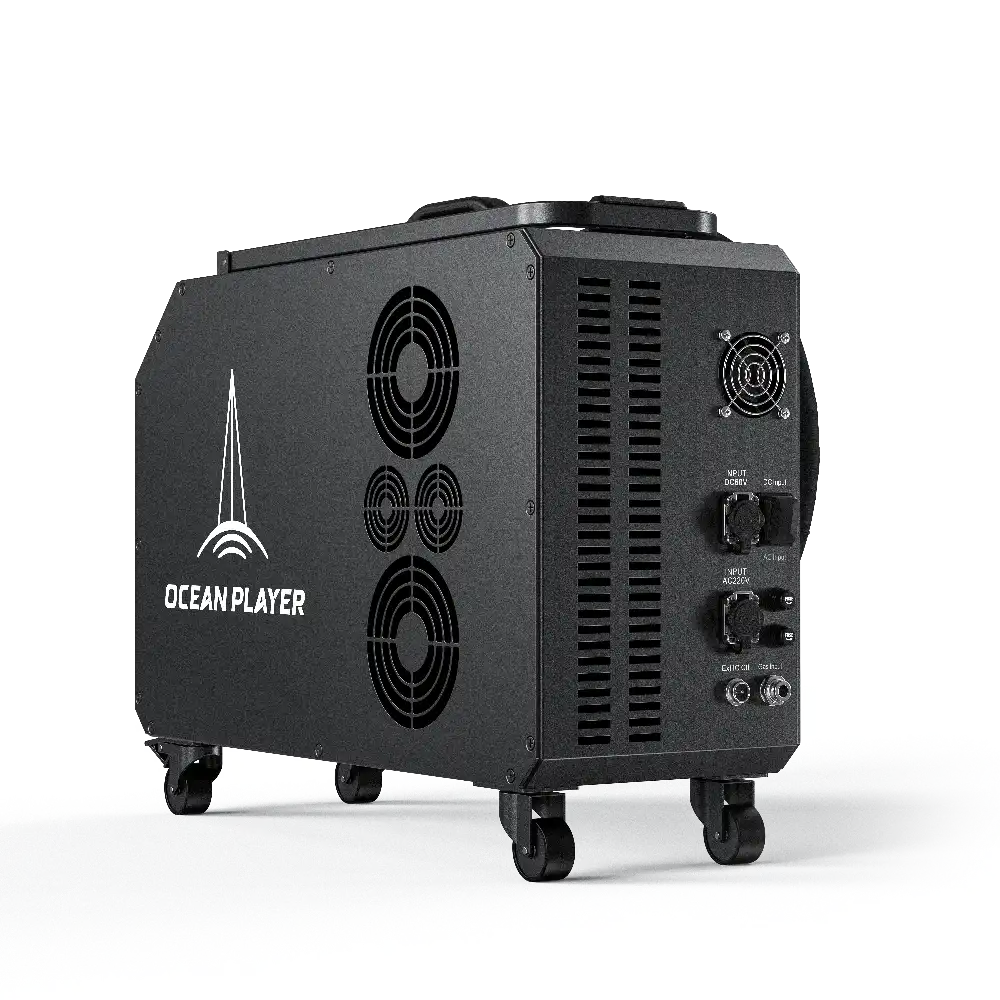

You see lasers used for ship rust removal because they use strong light energy. This energy breaks down rust at a tiny level. Rust can make ships unsafe and weak. Removing rust helps ships stay strong and work well. Laser cleaning is much faster than old ways. It also needs less time to get ready and clean up after.
| Method | Speed Improvement | Preparation & Cleanup Time Reduction |
|---|---|---|
| Laser Rust Removal | Up to 75% faster | 50% average reduction |
| Traditional Methods | Slower | Higher preparation and cleanup time |
Laser cleaning gives you useful benefits:
- It does not touch the metal.
- It makes very little extra waste.
- It works well on many kinds of metal surfaces.
Key Takeaways
- Laser rust removal works much faster than old ways. It can make work up to 75% quicker. This helps save time and makes ship care better.
- The laser cleaning does not touch the metal at all. This stops scratches or harm. It keeps the ship strong and ready for new paint.
- Lasers make very little waste. Most rust turns into safe gas or dust. This green way helps keep nature safe.
- Laser tools can clean small spaces and tricky shapes. They clean places that brushes or sandblasters cannot reach.
- Cleaning with lasers often stops rust and corrosion from coming back. This helps ships last longer and lowers repair costs.
Science of Ship Rust Removal
Laser Ablation Explained
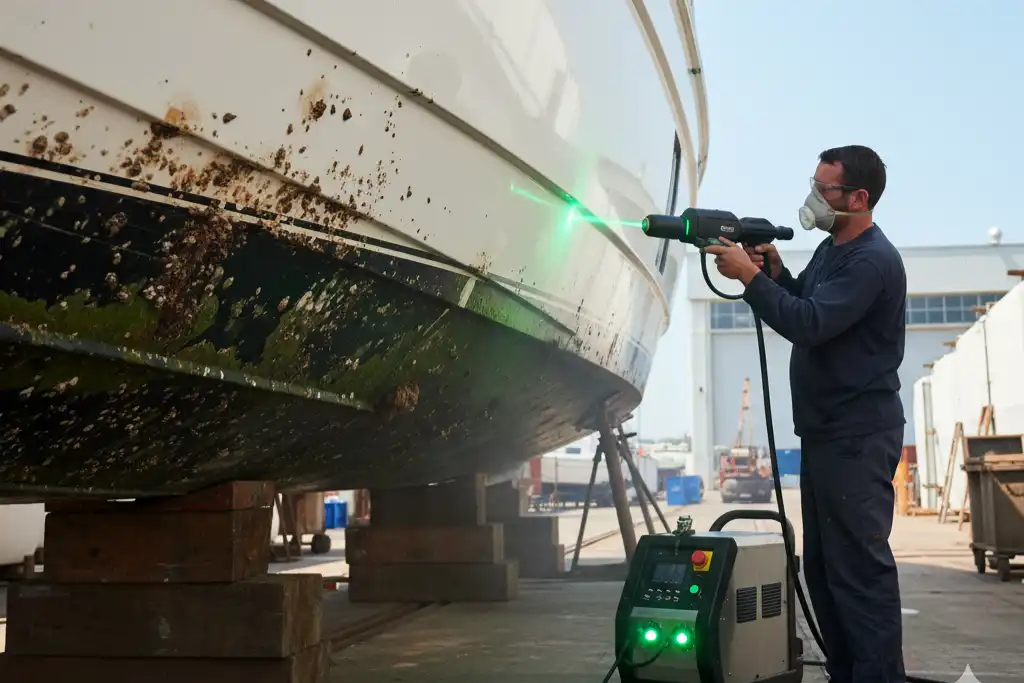
You might wonder how lasers can remove rust from ships. The answer lies in a process called laser ablation. When you use a laser for ship rust removal, the laser beam focuses high energy onto the rusted surface. This energy does not just sit on the surface. It quickly heats the rust layer, causing it to evaporate or break apart.
Note: Laser ablation works best with pulsed lasers. These lasers send short bursts of energy that target the rust without harming the metal underneath.
Here is how laser ablation works step by step:
- Energy Deposition: The laser deposits energy directly onto the rust layer.
- Rapid Heating: The rust heats up very quickly, much faster than the metal below it.
- Material Removal: The heat causes the rust to vaporize or break away from the surface.
- Shock Waves: The difference in how rust and metal expand creates tiny shock waves. These waves help crack and lift the rust off the metal.
- No Contact Needed: The laser does not touch the metal, so you avoid scratches or dents.
You can see why ship rust removal with lasers is safer for the ship’s structure. The process does not damage the metal. It keeps the ship strong and ready for new coatings.
How Lasers Vaporize Rust
When you use a laser for ship rust removal, you do more than just heat the surface. The laser energy causes changes at the molecular level. The oxygen in the rust reacts with the laser’s heat. This reaction breaks the bonds that hold the rust together. Sometimes, new compounds form as the rust vaporizes, depending on the laser settings.
- Lasers target only the rust, leaving the metal underneath untouched.
- The process does not create much waste. Most of the rust turns into harmless gas or dust.
- You avoid using chemicals or abrasive tools, which can harm the environment or the ship.
Tip: Laser cleaning helps prevent future corrosion. It removes all traces of rust and prepares the metal for a strong bond with new coatings.
Ship rust removal with lasers also helps you reach tight spaces and corners. The laser beam can clean areas that are hard to reach with brushes or sandblasters. This makes the process faster and more complete.
| Benefit of Laser Rust Removal | Description |
|---|---|
| No damage to metal | Lasers only remove rust, not the base metal. |
| Fast and precise | Lasers clean quickly and reach small spaces. |
| Eco-friendly | No chemicals or extra waste produced. |
You can trust laser technology to keep ships in top shape. The process protects the ship’s structure and extends its life. As laser systems improve, you will see even more efficient and portable tools for ship rust removal.
Rust Challenges in Marine Environments
Causes of Ship Rust
It is hard to keep ships free from rust. The ocean is tough on metal. Saltwater, wet air, and changing heat make rust happen faster. Rust can grow quickly on ships each year.
- Most ships get about 83 micrometers of corrosion every year.
- Some ships only get 69 micrometers each year.
- Other ships can get up to 98 micrometers every year.
Rust keeps attacking ships all the time. The place where your ship sails matters a lot. Here is a table that shows what makes rust worse:
| Environmental Factor | Effect on Rusting |
|---|---|
| Humidity | More moisture means more corrosion. |
| Chlorides | Salt spray makes corrosion happen faster. |
| Temperature | Hotter weather speeds up corrosion. |
| Seawater Presence | Salty water and moisture make corrosion worse. |
Salt and wetness are the biggest problems for ships. Warm weather makes rust form even faster. That is why ship rust removal is very important for people who work on ships.
Impact on Ship Performance
Rust does more than change how your ship looks. It can cause big problems if you do not clean it off. Here are some ways rust hurts your ship:
- Rust makes your ship weaker and accidents can happen.
- Holes can appear in the hull and cause leaks or sinking.
- Rust makes your ship use more fuel and costs you money.
Tip: Cleaning and taking care of your ship often helps stop these problems and keeps your ship working well.
When you know how rust starts and what it does, you can take better care of your ship. You keep your ship safe and protect your money.
Traditional vs. Laser Rust Removal
Mechanical and Chemical Methods
Ships often use mechanical or chemical ways to remove rust. Mechanical ways use tools to scrape, sand, or blast rust off. Chemical ways use acids to break down rust on metal. Each way has good and bad points.
Here is a table that shows some common ways and what they are like:
| Method Type | Examples | Characteristics |
|---|---|---|
| Mechanical | Scrubbing, Sanding, Sand Blasting | Takes a lot of work and time, can make surfaces rough |
| Chemical | Phosphoric Acid, Hydrochloric Acid | Cleans well, not rough, but can hurt metal if used wrong |
| Mechanical | Grit Blasting | Works well but needs special tools and places |
| Chemical | Sulfuric Acid | Can eat away rust and metal if not used right |
Mechanical ways need lots of effort and take longer. You might see rough spots after using these tools. Chemical ways clean rust well, but can harm metal if used wrong. Both ways make waste you need to clean up and throw away safely.
Mechanical and chemical ways can cost a lot over time. The chart below shows how much money you might spend on each way in five years:
Advantages of Laser Technology
Laser technology makes ship rust removal easier. You do not touch the metal or use strong chemicals. Lasers turn rust into gas or dust, so cleanup is simple. The metal does not get scratched or dented.
Here are some main benefits of laser cleaning:
- Lasers do not scratch or dent metal, so they are safe for delicate parts.
- You do not use chemicals, so you help the environment.
- Laser machines clean without touching or grinding, so metal stays safe.
- Cleaning is faster, sometimes up to 80% quicker than old ways.
- Results are always the same, no matter who uses the machine.
- You can paint or put parts together right after cleaning, with no waiting for drying.
- Lasers make very little waste, so you save time and money on cleanup.
Laser technology helps keep the ocean clean and lowers pollution. You keep your ship strong and ready while saving time and money.
Laser cleaning is a smart way to remove ship rust. You get better results, spend less, and keep workers and the environment safe.
Laser Rust Removal Process
Steps in Laser Cleaning
You can use lasers to clean rust from ships in a few simple steps. The process uses light energy to target rust and remove it without touching the metal. Here is how laser cleaning works:
- Surface Inspection
You start by checking the ship’s surface. You look for rust, old paint, and other coatings that need removal. - Laser Setup
You set up the laser cleaning system. Some systems use robotic arms to reach tight corners and complex shapes on the ship. - Targeting the Rust
The laser beam focuses on the rusted area. The energy heats the rust quickly, causing it to break apart or vaporize. - Material Removal
The rust lifts off the metal. The process does not scratch or dent the surface. You see a clean metal surface ready for new coatings. - Final Inspection
You check the cleaned area. The surface looks smooth and free of rust. You can apply protective coatings right away.
Tip: Laser cleaning works well on hulls, decks, and other metal parts. You can reach places that are hard to clean with brushes or sandblasters.
Laser cleaning is fast and does not need much preparation. You do not have to cover nearby areas or worry about flying debris. The process is dry and chemical-free, so you do not need extra cleanup.
Precision and Eco-Friendly Benefits
Lasers give you precise control when you clean rust from ships. You can target only the rust, leaving the metal underneath untouched. This method works well for complex ship structures and tight spaces. Here are some reasons why laser cleaning is precise and eco-friendly:
- You use robotic arms to guide the laser. This helps you clean hard-to-reach corners and curves.
- The laser removes rust and other coatings quickly. You get a clean surface for painting or repairs.
- You do not touch the metal, so you avoid scratches and dents.
- The cleaning results look uniform. Every part of the ship gets the same level of care.
Laser cleaning is also better for the environment. You do not use chemicals, so you do not leave any harmful residues. The process does not create hazardous waste. Most of the rust turns into harmless gas or dust.
| Feature | Laser Cleaning | Abrasive Blasting | Chemical Cleaning |
|---|---|---|---|
| Waste Produced | Minimal (dust/gas) | High (dust/media) | Hazardous residues |
| Surface Damage | None | Possible scratches | Possible corrosion |
| Eco-Friendly | Yes | No | No |
| Cleanup Needed | Very little | Extensive | Extensive |
You help protect the ocean and the ship’s crew when you use lasers. The process does not pollute the water or air. You do not need to handle or dispose of dangerous chemicals.
Note: Laser cleaning is a dry process. You do not create sludge or secondary waste. You save time and money on cleanup.
Ship rust removal with lasers keeps your ship strong and safe. You get a clean surface that lasts longer and resists corrosion. You also help the environment by choosing a method that does not create pollution.
Applications and Safety
Shipyard Case Studies
Laser rust removal has changed shipyards a lot. Before, workers spent hours scrubbing ship hulls. Now, lasers help finish the job much faster. This saves time and lets workers do other jobs.
- Laser systems clean rust and biofouling from ship hulls. You do not need water or chemicals, so there are no harmful leftovers.
- Lasers clean without touching the metal. This keeps the surface smooth and safe.
- Laser cleaning is better for the environment. It makes less waste and pollution.
- Laser systems need less upkeep. The process is easy and works well.
- Lasers make work safer for everyone. There is no flying debris or bad fumes.
Laser technology is useful in shipyards. You can clean many things and keep the area safe and tidy.
Regulatory and Safety Considerations
You must follow safety rules when using laser rust removal tools. Operators wear special glasses to protect their eyes from bright light. They also wear thick, long-sleeved clothes to stop burns. You need good training before using the machines. Training teaches you how to use the tools and what to do in emergencies.
- You must use lasers in safe, controlled places. Signs and good air flow help keep people safe.
- You write down that you follow safety rules and keep records of maintenance.
- Laser cleaning tools must follow local safety and environmental laws.
| Region | Standard/Regulation | Description |
|---|---|---|
| United States | 21 CFR 1040 | Sets rules for laser product safety in the U.S. |
| United States | 29 CFR 1910 | Makes sure workplaces use laser safety gear and barriers. |
| Canada | CAN/CSA E60825-1 | Canada’s main rule for laser safety, like world standards. |
| Europe | IEC 60825-1 | World rule for laser safety, needs CE marking and labels. |
| China | GB/T 7247 | China’s rule for laser safety and labeling. |
| Japan | JIS C 6802 | Japan’s rule for extra laser safety marks and labels. |
You help keep workers and the earth safe by following these rules. Laser rust removal is a safer and cleaner way to care for ships.
Laser rust removal is a better way to care for ships. Lasers clean rust much faster than old methods. They can be up to 70% quicker. Workers stay safer because lasers do not touch the metal. The environment is protected since lasers do not use harmful chemicals.
| Coating Type | Cost Saved/Year |
|---|---|
| Marine primer/anti-foul | $15,700 |
| Powder coat | $11,600 |
Lasers make less waste and skip toxic chemicals. This helps keep ocean animals safe. Ships stay strong and last longer. Using lasers for ship care gives you better results in the future.
FAQ
How safe is laser rust removal for ship workers?
You stay safe when you use laser rust removal. The process does not create flying debris or toxic fumes. You wear protective gear like goggles and gloves. Training helps you use the equipment correctly.
Can lasers damage the ship’s metal surface?
Lasers target only the rust. You do not harm the metal underneath. The process uses precise energy levels. You avoid scratches, dents, or thinning of the ship’s structure.
What types of ships can use laser rust removal?
You can use laser rust removal on many ships:
- Cargo ships
- Fishing boats
- Ferries
- Naval vessels
Laser cleaning works on most metal surfaces found on ships.
How does laser rust removal help the environment?
Laser cleaning does not use chemicals. You create very little waste. Most rust turns into dust or gas. You help keep the ocean and air clean.