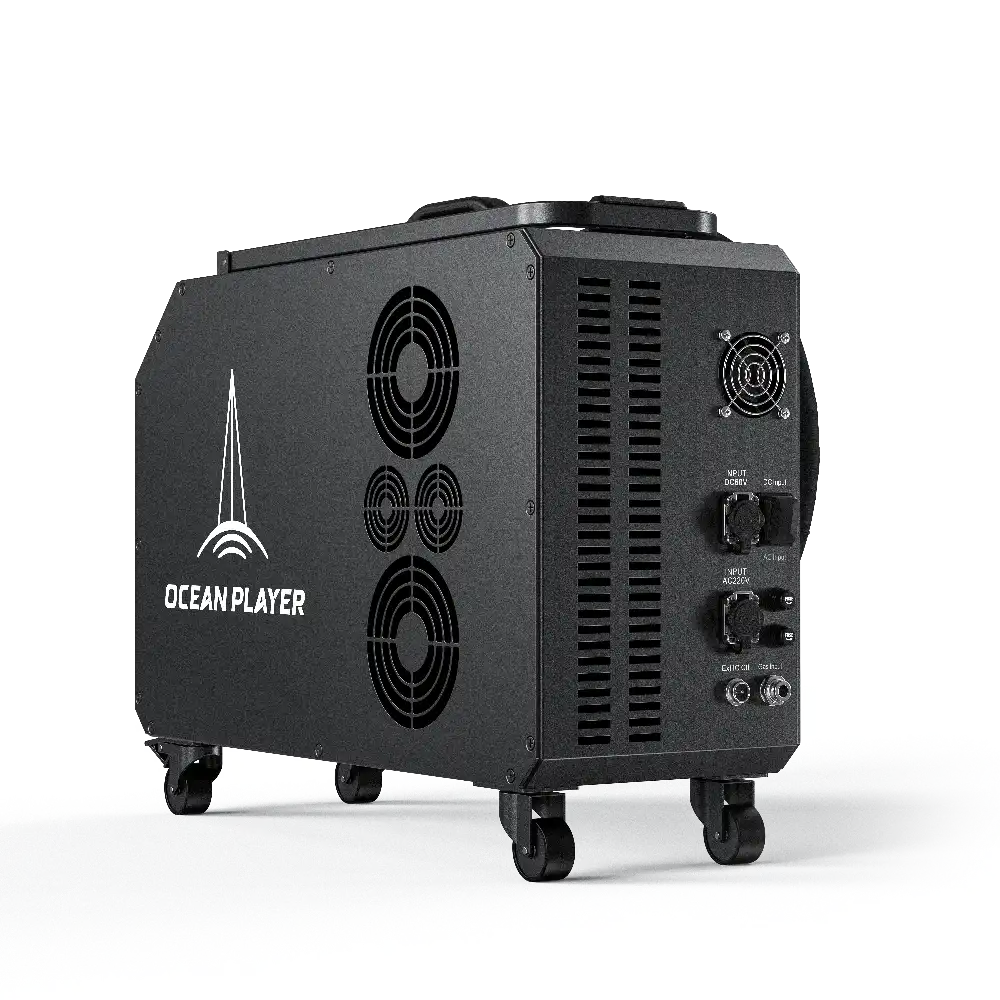
You might wonder how much you should expect to pay for laser welding services. In 2025, equipment prices can range from about $2,400 for entry-level machines up to $15,000 or more for advanced models. Check out the table below for a quick look at current machine prices:
| Machine Type | Price Range |
|---|---|
| Entry Level (1000W) | ~$2,400 |
| Affordable 1500W | $2,800 – $5,200 |
| 2000W | $3,600 – $7,800 |
| 3000W | $5,000 – $9,500 |
| 6000W | Starting at ~$15,000 |
Laser welding cost depends on several factors. The type of equipment, how thick the material is, and how complex your project becomes all play a role. When you look for fair pricing, you need to know what affects the final price to make a smart choice.
Key Takeaways
- Laser welding equipment can cost a lot or a little. Prices start at about $2,400 for basic machines. Some big machines cost over $30,000. Pick a machine that fits your project.
- Service prices change with material thickness and weld difficulty. You may pay $0.80 to $2.00 for each meter welded. Hourly rates can be $50 to $150.
- Bigger projects can help you save money. Large jobs often lower the price for each unit. This makes laser welding cheaper for big orders.
- The type of machine you pick matters. Fiber and CO2 lasers have different costs. Fiber lasers usually save more money over time. They are also more efficient.
- Always ask about hidden fees before you agree. Look at contracts closely. This helps you avoid surprise charges for things like checks, travel, or repairs.
Laser Welding Cost Overview
Equipment Price Ranges
You can find a wide range of laser welding machines on the market in 2025. The price depends on the type of welder you choose. Here is a table to help you compare the latest price ranges:
| Type of Welder | Price Range |
|---|---|
| Handheld Laser Welding Machines | $3,600 – $5,999 |
| Commercial-Grade Laser Welders | $8,000 – $15,000 |
| Industrial Laser Welding Machines | $15,000 – $30,000+ |
The price of a laser welding machine changes based on several factors. Well-known brands often cost more because they offer better quality and strong customer support. Machines with higher power ratings or special features, like automation or programmable controls, also have higher prices. Some machines include advanced cooling systems or high-precision tools, which can add to the cost. If you invest in a trusted brand, you may pay more at first, but you often save money later because these machines last longer and need less maintenance.
Tip: Think about what features you really need before you buy. Extra features can raise the price, but they may not always be necessary for your project.
Service Cost Breakdown
When you hire a company for laser welding, you usually pay by the meter or by the hour. The price depends on the thickness of the material and how fast the weld can be completed. Here are some typical service prices:
- Laser welding costs per meter range from $0.80 for 1mm steel to $2.00 for 6mm steel.
- The hourly rate for laser welding services usually falls between $50 and $150.
The table below shows how material thickness affects the cost per meter:
| Material Thickness | Cost per Meter (USD) | Notes |
|---|---|---|
| 1mm Steel | $0.80 | Thin materials, lower power |
| 3mm Steel | $1.20 | Medium thickness |
| 6mm Steel | $2.00 | Needs more power and time |
Weld speed also plays a big role in the final price. If the machine works faster, you pay less for labor because the job finishes sooner. However, the weld must still be strong and meet quality standards. The right speed helps the metal melt enough for a good weld.
Note: Always ask your provider how material thickness and weld speed will affect your laser welding cost. This helps you avoid surprises on your final bill.
Laser welding cost can change a lot based on your choices. Knowing the price ranges for equipment and services helps you plan your budget and pick the best option for your needs.
Factors Affecting Laser Welding Cost
Knowing what changes the price of laser welding helps you choose wisely. Every project is different. Many things can change how much you pay. Here is what you should know:
Material and Thickness
The kind of metal and how thick it is matter a lot. Thicker metal needs more power and takes longer to weld. Some metals, like aluminum or titanium, need special care. This can make the price go up.
- Thin metal, like 1mm steel, costs less to weld. It needs less energy and time.
- Thick metal, like 6mm steel, takes longer and needs stronger machines. This makes it cost more.
- Special metals or alloys need better equipment or skilled workers. This adds to the price.
Tip: Always tell your provider the exact metal and thickness. This helps you get the right price and avoid extra costs.
Weld Complexity
Welds can be simple or hard. Some jobs need straight welds. Others need tricky shapes or tight corners. Harder welds cost more.
- Laser welding makes neat and exact welds. This is good for detailed jobs.
- Hard joints, like T-joints or curves, need more setup and skill.
- You save on material because laser welding needs less prep and makes less waste.
- If you need very exact work, the provider may use better machines. These can cost more.
Cleaner welds and less waste can mean better value, even if you pay more at first.
Project Size
How big your project is can change the cost. Bigger jobs can save you money. When you order more welding, the price per part or meter usually goes down.
| Cost Savings Area | Financial Impact Example |
|---|---|
| Significant Labor Cost Cuts | Net labor savings reach $130,000 per year by replacing three welders with one operator. |
| Minimization of Post-Processing Costs | Annual savings of $22,000 by reducing post-weld finishing costs from $25,000 to under $3,000. |
| Substantial Cuts in Material & Rework Costs | Annual material savings ranging from $5,000 to over $15,000 by reducing defect rates and eliminating filler wire. |
| Significant Throughput & Capacity Gains | Potential new revenue of $300,000 per year from increased production capacity. |
Big projects can mean lower labor costs, less fixing, and faster work. These savings can make laser welding cost much better for large orders.
Technology Used
The kind of laser welding machine changes the price and quality. There are different machines, like fiber lasers and CO2 lasers. Each has good and bad points.
| Feature | Fiber Laser | CO2 Laser |
|---|---|---|
| Cutting Speed | Generally faster due to higher power output | Slower compared to fiber lasers |
| Energy Efficiency | Higher, leading to lower operational costs | Lower, resulting in higher electricity bills |
| Initial Investment | Higher upfront costs | Generally lower upfront costs |
| Maintenance Requirements | Fewer components, longer service life | More components, higher maintenance needs |
| Material Processing Capability | Limited for thicker materials | Greater flexibility for larger parts |
- Fiber lasers help you save money over time. They use less energy and need less fixing.
- CO2 lasers may cost less at first. But they can make your bills for power and repairs go up.
- New machines, like robotic or hybrid laser welders, work faster and better. This can lower your total cost.
New ideas in laser welding, like automation and AI, make the job quicker and smarter. These changes can cut waste by about 25%. This helps you save money and is better for the planet.
Note: Picking the right machine for your job can give you better results and save money over time.
When you know these things, you can guess your laser welding cost better and pick the best service for your needs.
Comparing Laser Welding to Other Methods
Cost Comparison
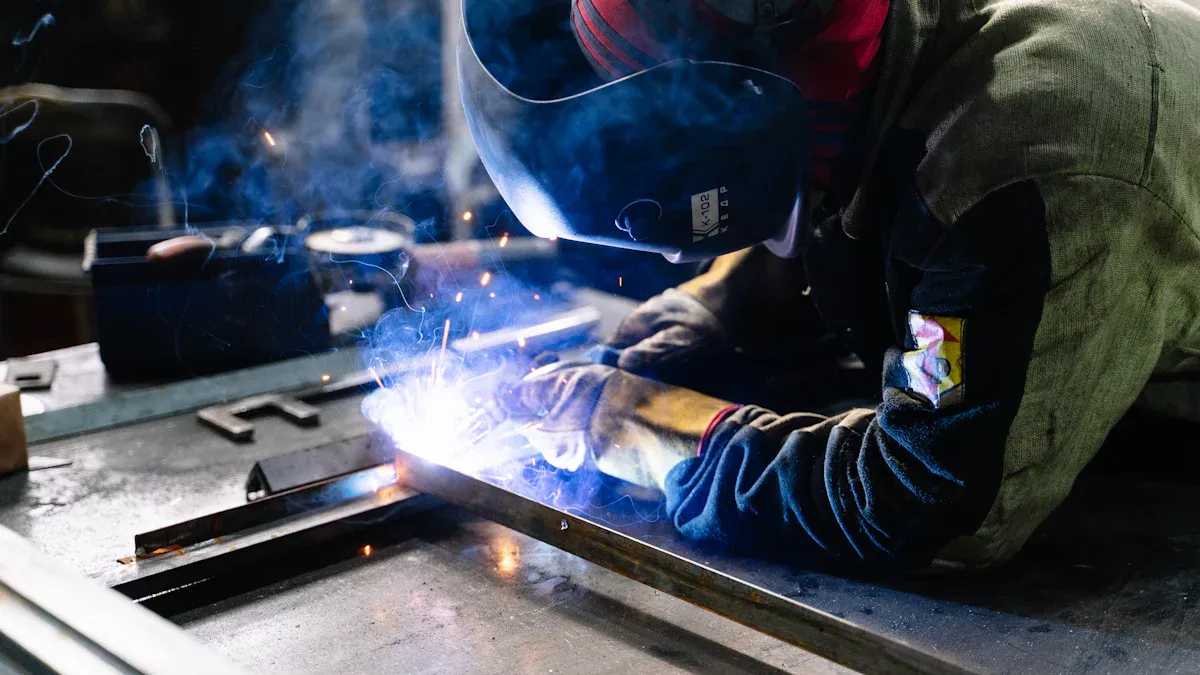
You might wonder how laser welding compares to MIG and TIG welding. Laser welding costs more at first. But you save money later because it uses less energy and fewer materials. Look at this table to see the cost differences:
| Welding Method | Initial Cost | Operational Cost | Suitability |
|---|---|---|---|
| Laser Welding | High | Lower long-term | Precision |
| MIG Welding | Moderate | Higher due to consumables | Cost-effective for medium to large projects |
| TIG Welding | Moderate to High | Moderate | Quality over speed |
Laser welding may seem pricey at the start. But you spend less on repairs and materials as your project gets bigger. You also get more exact results, which means you save money on fixing mistakes.
Value and Efficiency
Laser welding is a good value because it works fast and wastes less. You finish jobs quicker and use less energy. Here is a table that shows how laser welding and MIG welding compare:
| Aspect | Laser Welding | MIG Welding |
|---|---|---|
| Material Waste | Minimal due to precise melting | More spatter and excess usage |
| Processing Speed | Faster, increasing productivity | Slower, longer production times |
| Energy Consumption | Lower energy usage | Higher energy consumption |
Laser welding lets you do more work in less time. You also help the planet by using less energy and making less waste.
Tip: If you want to work faster and waste less, laser welding is a smart pick.
Quality Differences
Laser welding is known for being very exact and not heating up materials too much. This keeps your materials strong and safe from damage. Here are some main differences:
- Laser welding is very exact and does not heat up a big area, so it protects materials that are sensitive to heat.
- Laser welding uses less heat than other methods, so you see less bending and better material strength.
- Other welding methods heat up a bigger area, which can make the material weaker and less safe from rust.
- Laser welding can use machines to keep the work the same every time and lower mistakes.
- You can use laser welding for small or delicate parts that other welding cannot do well.
Laser welding gives you cleaner welds and stronger parts. This makes it a great choice for jobs that need to be very accurate and strong.
Getting the Best Value
Evaluating Providers
You want a provider who does good work and is dependable. First, check what other customers say about them. Look for reviews online. See if they have certifications for safety and quality. Ask if they use new technology and if they can help with your project. Providers with better machines often work faster and do a better job.
Here is a table to help you compare providers:
| Criteria | Description |
|---|---|
| Quality | Higher price often means better standards. |
| Price vs. Delivery | Lower cost may mean longer wait times. |
| Customer Service | Quick responses help with complex jobs. |
| Technology Innovation | New machines improve speed and precision. |
| Customization | Tailored solutions fit your project better. |
| Reliability | Check uptime and maintenance needs. |
| Support & Training | Good support helps you use the service well. |
| Certifications | Ensure safety and quality. |
| Reputation | Long history and good reviews show trustworthiness. |
Tip: Ask for references and proof of certifications before you choose.
Service Packages
Providers have different packages. Some packages include setup, training, and support. Others only cover the welding work. You should ask what each package gives you. Packages with more help may cost more. But they can save you time and problems later.
Questions to ask before hiring:
- What does the package include?
- Is training or technical support available?
- Are there extra charges for setup or travel?
- How long does the job take?
Avoiding Hidden Fees
Hidden fees can be a surprise. Always read the contract closely. Some common hidden fees are charges for checking problems, travel costs, and shipping for parts. Some warranties do not cover every part. Extra charges can happen for work after hours or special rules for maintenance.
| Hidden Fee Type | Description |
|---|---|
| Diagnostic Fees | Charges for troubleshooting not in the base fee. |
| Travel Expenses | Costs for technicians to visit your site. |
| Shipping Charges | Fees for sending replacement parts. |
| Warranty Exclusions | Some parts may not be covered. |
| After-Hours Charges | Extra fees for service outside normal hours. |
| Maintenance Clauses | Rules that could void your warranty. |
| Consumable Parts | You may need to buy specific parts from the provider. |
Note: Ask for a full price list and check for extra charges before you sign.
You now know what changes the price of laser welding. The cost for equipment and services can be very different. Look at the table below to see some price examples:
| Item or Service | Typical Price Range (USD) |
|---|---|
| Handheld/portable fiber laser welding unit | $3,000 – $50,000 |
| Robotic laser welding cell | $60,000 – $700,000 |
| Service contract/annual maintenance | ~5% – 15% of equipment CAPEX |
| Per-weld operating cost | $0.005 – $1.50 per weld |
Always look at different providers and check all costs. This means you should think about training and maintenance too. To get the best deal, look for strong welds and less bending. You also want less fixing after the job. A 1.5 kW machine can help you save up to $3 for each meter compared to older ways. Ask about every cost and pick a provider who fits your needs.
FAQ
How do you know if laser welding is right for your project?
You should look at your material, thickness, and the level of detail you need. Laser welding works best for thin metals and jobs that need clean, strong welds. Ask your provider for advice.
Can you save money by choosing laser welding over other methods?
Yes, you can save money over time. Laser welding uses less energy and makes fewer mistakes. You also spend less on fixing errors and waste.
What should you ask a laser welding provider before hiring?
- Do you have experience with my material?
- What is included in your price?
- Are there extra fees?
- How long will my project take?
Tip: Always get a written quote before you agree.
Is laser welding safe for all types of metals?
Laser welding works on many metals, like steel, aluminum, and titanium. Some metals need special settings or extra care. You should tell your provider about your metal type to get the best results.
What tests are required for laser welding seams
Laser Welding Power and Site Requirements Explained