
You walk into your garage and spot your favorite tools covered in rust. Don’t worry—you can fix this quickly. Soaking tools in white vinegar works wonders because the acetic acid breaks down rust into easy-to-clean compounds. You don’t need fancy products or special skills.
Tip: Most people find vinegar baths both effective and budget-friendly.
Regular cleaning and storing tools in a dry place keep rust away and help your tools last longer. If you’re just starting out, you’ll find this process simple and stress-free.
Key Takeaways
- Soak rusty tools in white vinegar for 12 to 24 hours to easily remove rust. Scrub with a wire brush afterward for best results.
- Store tools in a dry place to prevent rust. Use airtight boxes and silica gel packs to keep moisture away.
- Regularly clean and oil your tools after each use. This simple routine helps them last longer and work better.
- Use protective oils or sprays after cleaning to create a barrier against moisture. This keeps rust from returning.
- Check your tools often for signs of rust. Early detection helps you fix problems before they worsen.
Why Rust Forms On Tools
Causes Of Rust

You might wonder why your tools start to look orange or flaky after sitting in the garage. Rust forms when iron in your tools reacts with moisture and oxygen. This process happens faster if you leave tools in damp places or forget to wipe them down after use. If you use steel tools, you need to pay extra attention because steel contains iron, which is especially prone to rusting.
Here’s a quick look at what causes rust to form on your tools:
| Factor | Description |
|---|---|
| Moisture | Water or humidity reacts with metal and oxygen, starting the rust process. |
| Lack of lubrication | Dry tools rub together, creating heat and making it easier for rust to form. |
| Exposure to chemicals | Some chemicals speed up corrosion, especially if they’re harsh or acidic. |
| Improper storage | Leaving tools outside or in stuffy, damp places makes rust more likely. |
| Poorly maintained surfaces | Scratches or worn coatings let moisture reach the metal underneath. |
| Contact between metals | When different metals touch, especially in wet conditions, rust can form faster. |
Tip: Store your tools in a dry spot and keep them clean to slow down rust.
Humidity matters: corrosion slows as relative humidity (RH) falls—aim to keep workshop or storage RH below about 40% for noticeably lower rust risk. Use sealed boxes with desiccant packs or a small dehumidifier to control humidity; remember contaminants (salt, grease) and temperature swings also affect corrosion.
Impact On Tool Performance
Rust does more than just make your tools look old. It can actually ruin how they work. When rust builds up, it can cause parts to stick or even break. This means your tools won’t work as smoothly, and you might have to replace them sooner.
| Impact of Rust on Hand Tools | Description |
|---|---|
| Performance | Rust can cause tools to break or jam, making jobs harder and less safe. |
| Lifespan | Rust can shorten the life of your tools, leading to more repairs or buying new ones. |
You should check your tools often for signs of rust or wear. If you spot deep pits or heavy corrosion that won’t come off, it’s time to think about replacing those parts. Keeping your tools rust-free helps them last longer and work better every time you need them.
Supplies For Rust Removal
Cleaning Tools
You don’t need fancy gadgets to get rid of rust. You can start with basic cleaning tools you probably already have at home. Here’s a list to help you gather what you need:
- Wire brush or steel wool
- Baking soda
- Clean rags or paper towels
- Protective gloves and eyewear
- Rust remover
- Plastic container large enough to soak your tools
- Water mixed with washing soda (sodium carbonate)
- Battery charger (12V DC)
- Sacrificial steel (like rebar)
- Connecting wires or clamps
- Nylon abrasive pad (non-metal)
- Citric acid or white vinegar
- Mineral oil or citrus wax cleaner
- Nylon brushes, old toothbrushes, 0000 steel wool, brass brushes, or Q-tips
You can pick and choose from this list depending on what you have and how much rust you need to tackle. If you want to keep things simple, grab a wire brush, some vinegar, and a few rags.
Tip: Always wear gloves and safety glasses when cleaning tools. You’ll protect your hands and eyes from sharp edges and cleaning chemicals.
Vinegar Solution

White vinegar works like magic for removing rust. The acetic acid in vinegar breaks down rust and makes it easy to scrub away. To use this method, fill a plastic container with enough vinegar to cover your tools. Let them soak for a few hours or overnight. After soaking, scrub the tools with a wire brush or steel wool. Rinse them with water and dry them completely.
If you want to boost the cleaning power, add a little baking soda after soaking. This helps neutralize the acid and makes scrubbing easier.
Protective Oils And Sprays
Once your tools are clean, you need to keep rust from coming back. You can use protective oils or sprays for this step. Hot Shot’s Secret Never Rust Lubricant stands out in lab tests. It lasts up to 2,700 hours in a salt fog chamber, which is 20 times longer than other brands like WD-40. Spray or wipe a thin layer on your tools after cleaning and drying them. This creates a barrier that keeps moisture away.
Note: Regularly oiling your tools helps them last longer and work better.
Rust Removal Methods
Mechanical Cleaning
You can tackle rust with mechanical cleaning. This method uses tools like wire brushes, sandpaper, or even advanced options like laser rust removal. Each method has its own strengths. Take a look at this table to compare them:
| Method | Efficiency Rating (1-10) | Time Required (Hours) | Cost (Per Unit) | Ease of Use |
|---|---|---|---|---|
| Laser Rust Removal | 9 | 1 | $150 | Very Easy |
| Sandblasting | 7 | 3 | $100 | Moderately Easy |
| Wire Brushing | 5 | 2 | $30 | Easy |
| Chemical Rust Remover | 6 | 5 | $40 | Easy |
Laser rust removal stands out because it avoids harsh chemicals and keeps you safe from toxic fumes. You just point the laser and watch the rust disappear. Wire brushing and sandblasting work well for smaller jobs, but they need more elbow grease.
Note on laser rust removal: Laser cleaning is primarily an industrial process and isn’t practical for most home users. Professional laser systems require trained operators, matched eye protection, controlled workspaces and ventilation, and strict safety controls. For DIY or occasional jobs, stick to mechanical methods, vinegar, commercial rust removers or electrolysis— or hire a qualified service or rent equipment from a reputable shop if you need laser‑grade results.
Safety Tip: Always wear gloves, goggles, and a dust mask. Make sure your workspace has good airflow. Read the instructions for any product you use. Never mix chemicals, and handle rusty tools with care. Dispose of waste properly.
Vinegar Bath Technique
You can use a vinegar bath to remove rust from your tools. This method is simple and works for most hand tools. Here’s how you do it:
- Place your tool in a container. Pour in enough vinegar to cover all the rusty parts. Let it soak for 12 to 24 hours.
- Take the tool out and scrub off the loosened rust with a heavy-duty scouring pad.
- Dry the tool completely with a soft rag. Add a few drops of oil to protect the metal from future rust.
Vinegar works well, but it takes longer than commercial rust removers. In tests, vinegar removed rust in about 8 hours. Commercial products like CLR Pro and Evapo-Rust work faster and don’t leave marks on the metal. Vinegar may cause some etching, so keep that in mind if you want a smooth finish.
| Method | Effectiveness | Speed | Side Effects |
|---|---|---|---|
| Vinegar | Effective | Slower | May leave etching |
| CLR Pro | Very Effective | Fast | No significant side effects |
| Evapo-Rust | Very Effective | Fast | No significant side effects |
Note: Always rinse your tool after soaking. Dry it right away and add oil to keep rust from coming back.
Electrolysis rust removal
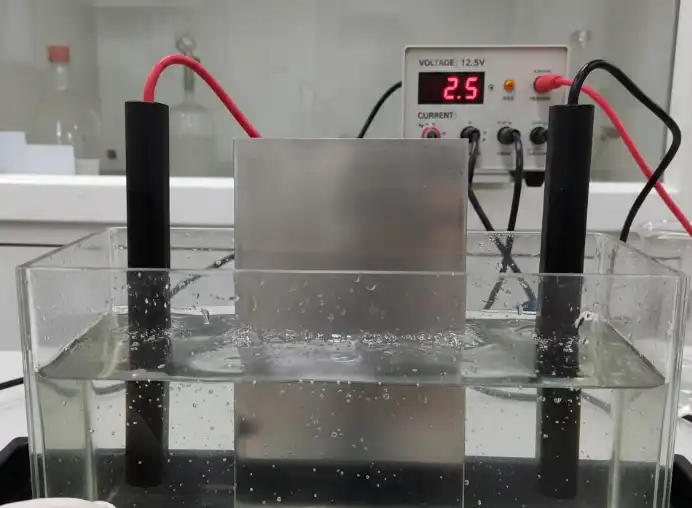
Electrolysis is an effective, phone‑free way to remove heavy rust, but follow safety rules. Use a plastic tank, warm water and washing soda (sodium carbonate) as the electrolyte. Connect the rusted tool to the negative (black) terminal (cathode) and a sacrificial steel anode to the positive (red) terminal; set a 12V DC supply with current limiting. Work in good ventilation to disperse hydrogen gas, never use stainless steel as the anode (it can leach toxic chromium), and keep the parts separated to avoid short circuits. When finished, power down, rinse and neutralize, dry immediately, then oil the metal.
Natural Alternatives
You don’t have to use chemicals to fight rust. Natural options are safer for you and the environment. Here are some choices:
- Vinegar (white or apple cider): Soak your tool for 24 hours. Add salt to boost cleaning power.
- Coca-Cola: The phosphoric acid helps break down rust.
- Baking soda or lemon juice: These work for light rust but need more scrubbing.
Natural methods take more time and effort. They work best for small jobs or light rust. The results can vary depending on your tool and how much rust you need to remove.
Tip: If you use natural methods, check your tool often. Some metals react differently, and you may need to repeat the process.
Tool-Specific Tips
Different tools need different care. Here’s how you can handle common items:
- For pliers and wrenches, put oil on a rag and wipe the metal. Move the joints back and forth to loosen rust. Wipe away the mixture and repeat until clean.
- For surface rust, use a wire brush or sandpaper to scrub away oxidation.
- For power tools, unplug them and remove batteries. Brush off loose rust. Spray with a rust remover made for power tools. Clean with fine-grit sandpaper or steel wool. Wipe dry and add a thin layer of machine oil.
- For garden tools, clean off dirt first. Soak in vinegar for a few hours. Scrub with a wire brush or steel wool. Rinse and dry. Add linseed oil or paste wax to protect the metal.
After you finish cleaning, always rinse your tools with water. Dry them right away. Add oil or wax to keep rust away. For machine parts, use paste wax or grease for long-term protection. Treat bolts, bearings, and gears with the right lubricant to keep everything running smoothly.
🛠️ Regular cleaning and oiling help your tools last longer and work better. Make it part of your routine!
Preventing Rust
You can keep your tools rust-free with smart storage and regular care. Just follow a few easy steps to make a big difference.
Dry Storage Solutions
Moisture causes metal tools to rust. To protect your tools, store them in a dry place. Here are some ways to set up a good storage system:
- Clean your tools and dry them before you put them away.
- Use airtight boxes or toolboxes to keep out water.
- Put silica gel packs inside. Use about 5 grams for each cubic foot.
- Place desiccants in important spots in your storage area.
- Check desiccants often and replace them when needed.
Climate-controlled storage helps control temperature and humidity. Keep tools off the ground by using shelves or cabinets. Toolboxes with seals help block moisture.
Tip: Always wipe your tools after you use them. Even a little water can cause rust.
Corrosion Inhibitors
Corrosion inhibitors give extra protection. These products make a barrier on the metal. This stops water and air from causing rust. There are different types, and each works in its own way:
| Home Rust-Prevention Solution | Best for | Notes & frequency |
|---|---|---|
| Protective oils & waxes (Boeshield T-9, mineral oil, beeswax) | Frequently used hand tools, garden tools, cast iron | Wipe on after cleaning and drying. Reapply every 1–3 months for stored tools, or after each use for high‑use items. Avoid over‑oiling to prevent dirt build-up. |
| VCI/anti‑corrosion paper or bags | Long‑term stored tools, parts in boxes | Wrap items before placing in a box. Good for months‑long storage; check quarterly. Keep surfaces clean before wrapping. |
| Silica gel / desiccant packs | Toolboxes, sealed cases, cabinets | Use color‑changing packets where possible; replace or recharge when saturated (monthly in humid climates). |
| Airtight containers / sealed toolbox with liners | Seasonal storage or small collections | Store only fully dry tools. Vent and inspect every 1–3 months to ensure no trapped moisture. |
You can use these inhibitors every 6 to 12 months. If you live where it is humid, check your tools more often.
Protective Coatings
Protective coatings give your tools a strong shield against rust. You have a few choices, and each one works best for different jobs:
- Epoxy coatings stick well and block water. They are good for tough jobs.
- Polyurethane coatings bend and block sunlight. They work well outside.
- Zinc-rich primers protect the metal by corroding first.
- Powder coatings make a thick, tough layer that stops water and wear.
- Ceramic coatings resist heat and rust. They are great for car or factory tools.
To get the best results, follow these steps when you put on a coating:
| Step | Description |
|---|---|
| Clean the surface thoroughly | Take off dirt, grease, and other stuff. |
| Inspect for damage | Look for cracks or peeling paint and fix them. |
| Prime the surface | Use a primer that matches the coating. |
| Choose the right tool | Use brushes, rollers, or sprayers for even coats. |
| Maintain consistency | Keep a wet edge so you don’t get marks. |
| Apply thin coats | Put on several thin layers, not one thick one. |
| Respect cure times | Let each layer dry before adding more or using the tool. |
Clean and fix the surface first. If you skip this, the coating may peel or look bad.
Maintenance Routines
You can keep your tools working well with a simple routine:
- Clean your tools after you use them.
- Dry them all the way before you store them.
- Lubricate moving parts to keep out water.
- Store tools in a dry, neat spot, not on concrete.
- Check your tools often and fix rust spots fast.
Set a regular time to clean and check your tools. This helps you find problems early and keeps your tools working well.
🛠️ Regular care saves you money and time. Your tools will last longer and work better.
You can count on a vinegar bath to tackle rust fast. The acetic acid reacts with iron oxide, breaking it down so you can wash it away. Soaking your tools for 12 to 24 hours makes rust removal easy. After cleaning, rinse, dry, and oil your tools to keep them in top shape. Regular maintenance helps your tools last longer and work better. You save money and avoid hassle. DIY tool care is simple, and you get great results with just a little effort. 🛠️
FAQ
How often should you clean and oil your tools?
You should clean and oil your tools after every use. If you use them less often, check them once a month. Regular care keeps rust away and helps your tools last longer.
Can you use vinegar on all types of tools?
You can use vinegar on most hand tools made of steel or iron. Avoid soaking tools with painted or delicate surfaces. Vinegar may damage coatings or finishes.
What should you do if rust keeps coming back?
Check your storage area for moisture. Use silica gel packs or a dehumidifier. Always dry your tools before storing them. Apply a protective oil or spray after cleaning.
Is it safe to use commercial rust removers?
Most commercial rust removers are safe if you follow the instructions. Wear gloves and goggles. Work in a well-ventilated area. Keep chemicals away from kids and pets.
Can you prevent rust without using chemicals?
Yes! Store your tools in a dry place. Use silica gel packs. Wipe your tools with a clean rag after each use. Regular cleaning and dry storage help prevent rust naturally.