
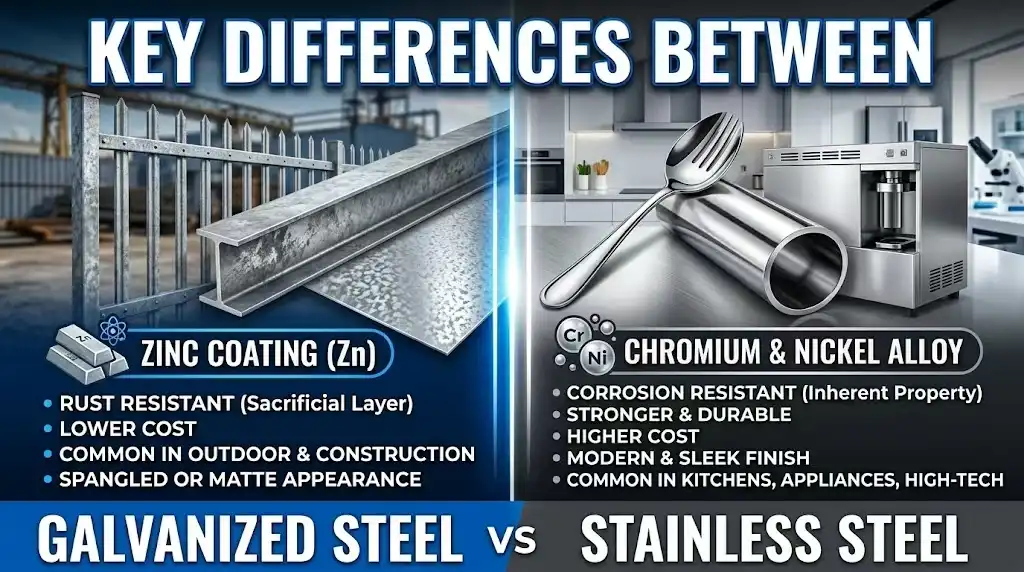
You have to make a big choice when you pick between galvanized steel and stainless steel. These two materials are not the same. They are different in strength, how they fight rust, price, and what they are used for. The table below shows these differences:
| Property | Galvanized Steel | Stainless Steel |
|---|---|---|
| Tensile Strength | Not as strong as stainless steel | 515 MPa to 620 MPa |
| Corrosion Resistance | Zinc coating keeps steel safe | Chromium and nickel stop rust |
| Cost | Costs less at first | Costs more at first, but saves money later |
| Typical Uses | Used in building and places with less rust | Used in hospitals, planes, and food factories |
You should think about these things because the material you pick will change how your project works and how long it lasts. Picking the right steel helps you get something strong, not too expensive, and good for your needs.
Key Takeaways
- Galvanized steel has a zinc layer that stops rust. This makes it good for dry places.
- Stainless steel has chromium inside. Chromium makes a layer that fixes itself and stops rust. This is best for wet or salty places.
- Galvanized steel costs less at first. But you might need to fix or change it more often. Stainless steel costs more when you buy it. But it lasts longer and needs less fixing. This saves money over time.
- Pick galvanized steel for building and outside jobs. It is good when looks do not matter much. Use stainless steel in kitchens and hospitals. It is best where things must be clean and strong.
- Both steels can be recycled. But stainless steel is easier to recycle. It also often has recycled parts. Think about the place, your money, and how strong you need the steel. This helps you pick between galvanized and stainless steel.
Galvanized Steel Overview
What Is Galvanized Steel
When you hear about galvanized steel, you are learning about regular steel that has a special zinc coating. This coating acts like a shield, giving the steel extra protection against rust. You often see galvanized steel in places where you need a strong, affordable material that can last a long time. The zinc layer is the main reason why this steel stands up well in many environments.
How Galvanized Steel Is Made
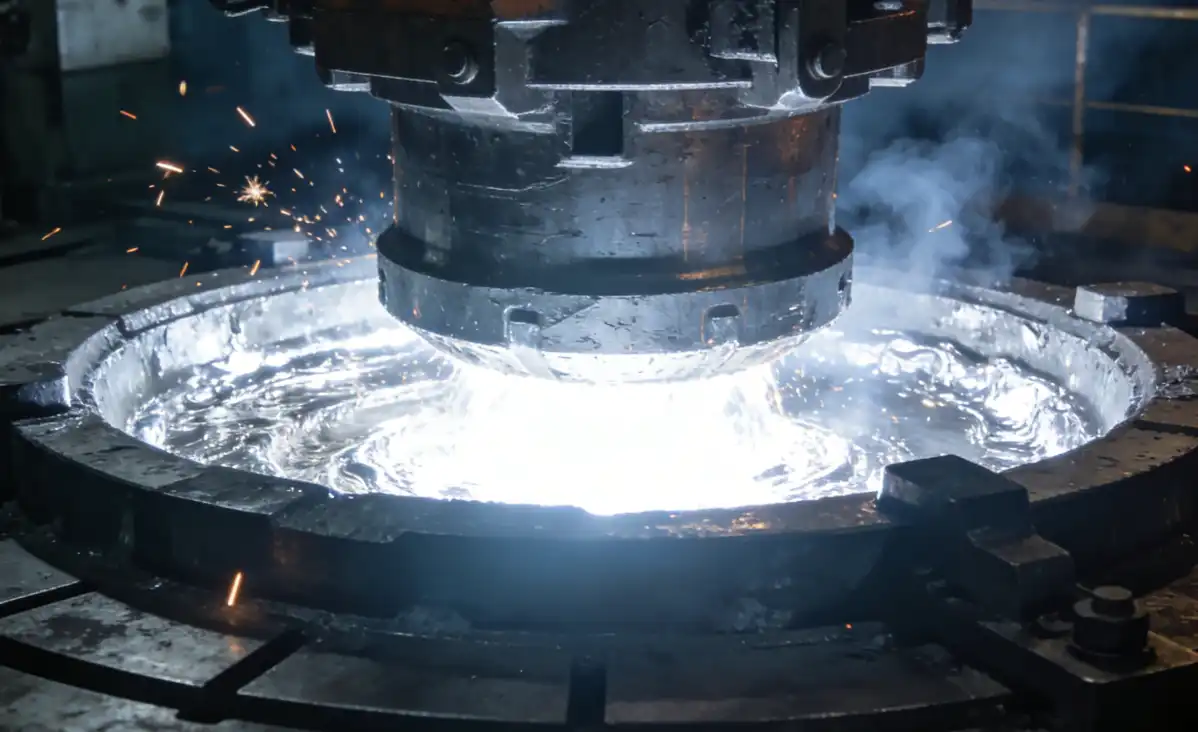
Galvanized steel goes through a process that covers it with zinc. This process helps the steel fight off corrosion and makes it last longer. There are two main ways to make galvanized steel: the hot-dip process and electro-galvanizing.
Hot-Dip Process
In the hot-dip process, you start by cleaning the steel. Workers use degreasing and pickling to remove dirt and rust. After cleaning, the steel goes into a bath of molten zinc at about 450°C. The zinc sticks to the steel and forms a strong, protective layer. Once the steel comes out of the bath, it cools down and gets checked for coating thickness and quality. This method creates a thick zinc layer, which gives the steel better corrosion resistance.
| Step | Description | Effect on Properties |
|---|---|---|
| Surface Preparation | Cleaning with degreasing solution, pickling in sulfuric acid, and fluxing. | Ensures a clean surface for better zinc bonding. |
| Dipping in Molten Zinc | Immersion in a zinc bath at approximately 450 ºC. | Creates a strong zinc coating that enhances corrosion resistance. |
| Cooling | Cooling the steel after dipping, usually in a quench tank or air-cooling. | Ensures even application and quality of the zinc coating. |
Electro-Galvanizing
Electro-galvanizing uses electricity to apply zinc to the steel. The steel passes through a solution with zinc ions, and an electric current helps the zinc stick to the surface. This method creates a thinner, smoother coating than the hot-dip process. Electro-galvanized steel looks shinier but may not last as long in harsh environments.
Galvanized Steel Properties
Corrosion Resistance
The zinc coating on galvanized steel gives it strong corrosion resistance. The thickness of the zinc layer matters a lot. For example, a G60 coating (0.60 ounces of zinc per square foot) can protect steel for 15 to 20 years in rural air and 2 to 4 years in coastal air. Thicker coatings last longer and work better in tough conditions.
Strength and Workability
Galvanized steel keeps the strength of regular steel. The zinc coating does not make it weaker. You can cut, bend, or weld it for many projects. This makes it a good choice when you need both strength and protection.
Surface and Magnetism
The surface of galvanized steel feels rougher if it comes from the hot-dip process. Electro-galvanized steel feels smoother and looks shinier. The zinc coating does not change the magnetic properties. The steel underneath stays magnetic, so you can use magnets with it.
Tip: Galvanized steel is cost-efficient. It lasts 50 to 100 years, which means you spend less on repairs and replacements.
Galvanized Steel Applications
Galvanized steel is used in many places. It protects well and lasts a long time. People pick it when they need something tough. It can handle bad weather and lots of use. The zinc coating keeps the steel safe from rust. This makes it a good choice for outdoor and factory jobs.
Here are some common ways people use galvanized steel:
- Roofing and Wall Panels: Galvanized steel is good for roofs and walls. It helps buildings stay safe from rain and wind. It also helps save money over time.
- Structural Frames and Purlins: Builders use it for main frames and supports. The steel is strong and does not rust easily. This keeps buildings safe and sturdy.
- Fences and Railings: Galvanized steel is great for outdoor fences and railings. It can handle rain and sun. You do not need to fix it often.
- Equipment Enclosures and Industrial Cabinets: Factories use it for boxes and cabinets. These protect machines and tools from getting rusty or broken.
- Transmission Structures: Power companies use it for poles and towers. The steel lasts a long time, even in bad weather.
- Solar Mounting Systems: Solar panels need strong support. Galvanized steel works well in sunny, open places.
- Automotive Structural Parts and Chassis Components: Car makers use it for parts that need to be strong and not rust. This helps cars last longer, even on rough roads.
- Greenhouse Frames: Farmers use it to build greenhouses. The steel keeps its shape and does not need much care.
- Storage Racks: Warehouses use racks made from galvanized steel. These racks hold heavy things and do not rust easily.
Tip: If you choose galvanized steel, you save money and time. The zinc coating keeps the steel safe for many years. You will not need to fix it often.
Galvanized steel is good for many jobs. The zinc coating is what makes it strong against rust and damage. That is why many industries use galvanized steel for important work.
Stainless Steel Overview
What Is Stainless Steel
You often see stainless steel in kitchens, hospitals, and factories. This material stands out because it does not rust easily. Stainless steel contains iron, chromium, and sometimes nickel. The chromium content is at least 10.5% by weight. This chromium forms a thin, invisible layer on the surface. The layer protects the steel from corrosion and gives it a shiny look. You can rely on stainless steel when you need something strong and clean.
Stainless steel stays bright and smooth. You do not need to polish it often. The protective layer heals itself if you scratch it.
How Stainless Steel Is Made
Alloying Elements
The composition of stainless steel makes it unique. You find iron as the main ingredient. Chromium comes next, with at least 10.5% by weight. Nickel is often added to improve strength and shine. Some grades include molybdenum for extra protection in salty or harsh environments.
- Chromium creates a protective oxide layer.
- Nickel boosts toughness and helps resist stains.
- Molybdenum fights pitting from salt and chemicals.
Higher chromium levels, usually between 18% and 20%, make stainless steel last longer in tough conditions. The oxide layer from chromium can heal itself, so the steel stays safe from corrosion.
Manufacturing Methods
Factories use several methods to make stainless steel. They melt iron and alloying elements together in electric furnaces. Workers pour the molten metal into molds and let it cool. After cooling, they roll, cut, and shape the steel into sheets, bars, or other forms.
- Melting and mixing in electric furnaces.
- Casting into molds for basic shapes.
- Rolling and finishing for smooth surfaces.
These steps help stainless steel keep its strength and durability. The process makes sure the protective layer forms on every piece.
Stainless Steel Properties
Corrosion Resistance
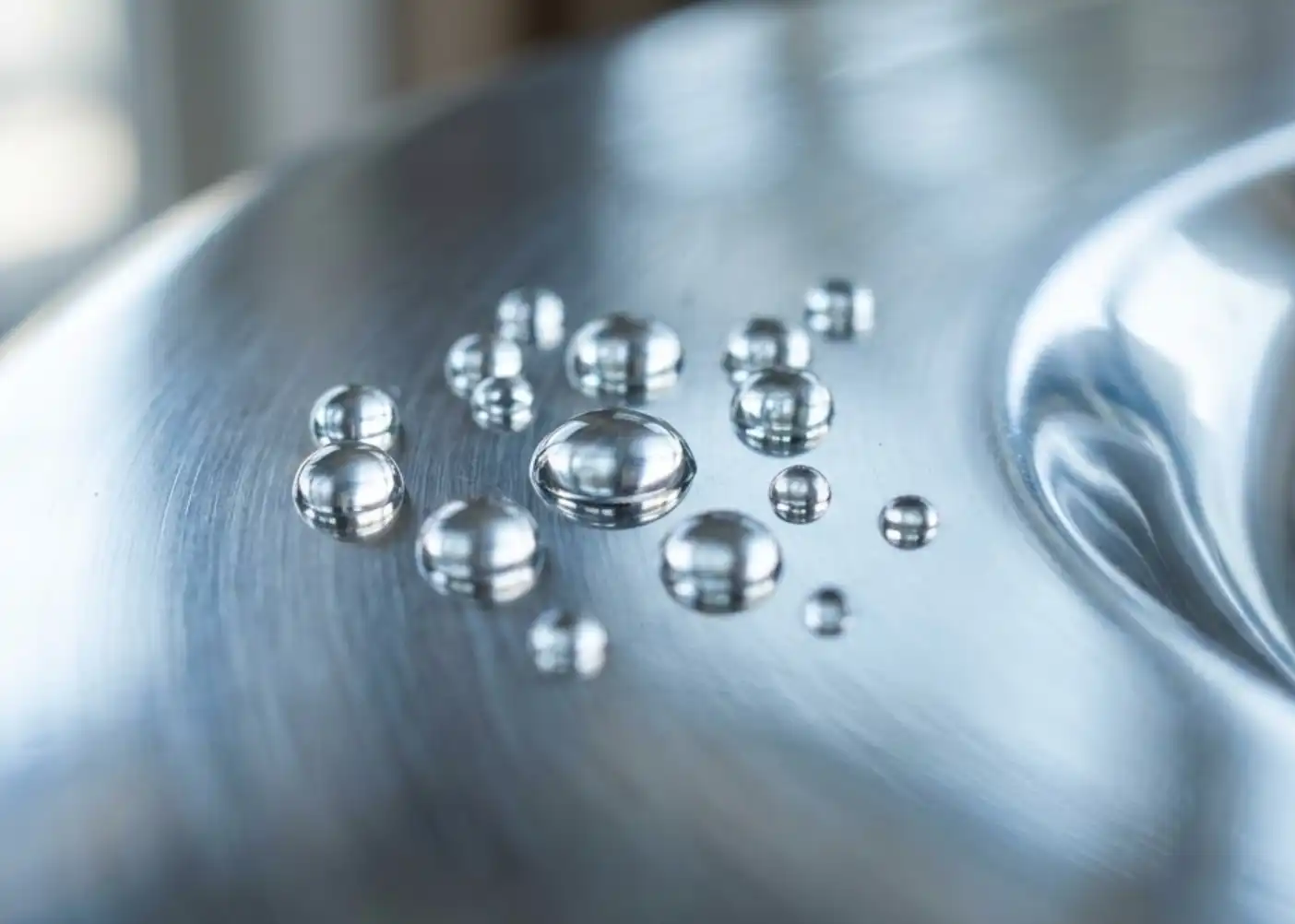
Stainless steel offers excellent corrosion resistance. The chromium oxide layer stops rust and protects the metal. If you scratch the surface, the layer repairs itself. This feature keeps stainless steel strong in wet or harsh places.
Strength and Durability
You can trust stainless steel for tough jobs. It has higher tensile strength than galvanized steel. Grades like 304 resist corrosion at rates as low as 0.01 mm per year in neutral settings. Grade 316, with molybdenum, stands up to salt and chemicals. The passive film on stainless steel regenerates quickly after scratches, so the material lasts a long time.
Surface and Magnetism
Stainless steel looks smooth and shiny. You can clean it easily. Some types are magnetic, while others are not. The magnetism depends on the grade and the amount of nickel. Most kitchen stainless steel is not magnetic, but some industrial grades are.
Tip: Stainless steel works well in places where you need both strength and a clean look. You can use it for tools, machines, and surfaces that must stay rust-free.
Stainless Steel Applications
Stainless steel is used in many places. It works well in tough spots. This material is strong and looks clean. It does not rust easily. You can find it in homes, factories, and big buildings. Stainless steel does not stain or corrode much. People trust it for jobs that need to last.
Here is a table showing how industries use stainless steel:
| Industry | Applications |
|---|---|
| Architecture & Construction | Outside walls, handrails, counters, and famous buildings like the Chrysler Building |
| Food & Catering | Kitchen tools, pots, pans, and food storage |
| Energy & Heavy Industries | Storage tanks, oil rigs, and equipment for renewable energy |
| Laboratory | Counters, sinks, and science tools |
| Residential | Modern kitchens and home appliances |
Stainless steel fits many needs. Builders use it for parts that must stay strong and look nice. In the food industry, it does not react with food. It is easy to clean. Energy companies use it for tanks and machines that face bad weather and chemicals. Labs pick it for surfaces and tools that must stay clean and safe.
You also see stainless steel in everyday items. Here are some common uses:
- Pots and kitchen tools
- Machines for food processing
- Equipment for brewing and winemaking
- Tools for meat processing
- Surfaces in commercial kitchens
Stainless steel is good where you need strength and cleanliness. You can clean it easily. It does not hold bacteria. This makes it great for kitchens, hospitals, and labs. The chromium in stainless steel forms a layer that protects it. You do not have to worry about rust or stains. Some types are magnetic. This helps in some machines and tools.
If you want something that lasts, looks good, and stays clean, stainless steel is a smart choice. Its many uses show why so many industries trust it for important jobs.
Comparison
Composition Differences
The main difference between galvanized steel and stainless steel is what they are made of. Galvanized steel starts as regular carbon steel. Factories cover it with a thin zinc layer. The zinc sits only on the outside. It acts like a shield to stop rust. If the zinc wears off, the steel can rust fast.
Stainless steel is not the same. It is an iron alloy with at least 10.5% chromium. Many types also have nickel and other elements. The chromium in stainless steel reacts with air. This makes a thin, invisible layer that protects the metal from rust. Even if you scratch it, the layer fixes itself.
Here is a table to show the differences:
| Type of Steel | Composition Details | Protective Properties |
|---|---|---|
| Stainless Steel | Iron alloy with at least 10.5% chromium, often includes nickel and other elements | Creates a passive oxide layer for corrosion resistance |
| Galvanized Steel | Regular carbon steel coated with zinc | Zinc layer acts as a sacrificial barrier against rust |
- Stainless steel’s chromium makes a layer that keeps it safe.
- Galvanized steel depends on its zinc coating, which can wear away.
Corrosion Resistance
If you want your project to last, you need to know how each steel fights rust. Galvanized steel uses its zinc coating for protection. The coating blocks water and air. It also acts as a shield, so the zinc rusts first. When the zinc is gone, the steel rusts fast.
Stainless steel uses a chromium oxide layer. This layer can heal itself. If you scratch it, the chromium makes a new layer. This keeps the metal safe, even in tough places.
Here is a table that shows how each material does in different places:
| Material | Corrosion Resistance in Seawater | Corrosion Resistance in Other Environments |
|---|---|---|
| Galvanized Steel | Corrodes faster, especially in saltwater | Effective against rust but less durable than stainless steel |
| Stainless Steel | Superior resistance due to chromium | Highly resistant, especially in various conditions |
- Galvanized steel’s zinc coating helps against water, but it does not last long in wet or chemical places.
- Stainless steel’s chromium oxide layer gives strong, long-lasting protection. It works well in wet, salty, or chemical-rich places.
Note: Galvanized steel is best for dry or mild places. Stainless steel stays strong and shiny even in harsh spots.
Strength and Durability
You should think about how strong each steel is and how long it lasts. Stainless steel is much stronger than galvanized steel. It also does not crack or break easily, even if you use it a lot.
Here is a table that compares their strength:
| Material | Tensile Strength (PSI) | Tensile Strength (MPa) |
|---|---|---|
| Stainless Steel | 100,000–150,000 | 689–1,034 |
| Galvanized Steel | 38,000–62,000 | 262–427 |
- Galvanized steel is not as strong. It is not good for parts that bend or move a lot.
- Stainless steel is very strong. It can handle stress and is less likely to crack.
Stainless steel is the better choice if you need something strong and long-lasting. Galvanized steel is good for simple jobs, but it may not last as long if used a lot.
Magnetism Test
You can use a magnet to see if steel is magnetic. Galvanized Steel always sticks to a magnet. The steel inside is ferromagnetic. The zinc coating does not change this. So, magnets will always stick to Galvanized Steel.
Stainless Steel acts in different ways. Some types are not magnetic. Austenitic stainless steels, like 304 and 316, do not attract magnets. Their crystal structure makes them non-magnetic. But ferritic and martensitic stainless steels are magnetic. These types have more iron.
- Galvanized Steel: Always magnetic.
- Austenitic Stainless Steel (304, 316): Usually not magnetic.
- Ferritic/Martensitic Stainless Steel: Magnetic.
If you do not want magnets to stick, pick austenitic stainless steel. If you need something magnetic, use Galvanized Steel or ferritic stainless steel.
Tip: Try a fridge magnet to test your steel. If it sticks, the steel is magnetic.
Appearance and Finish
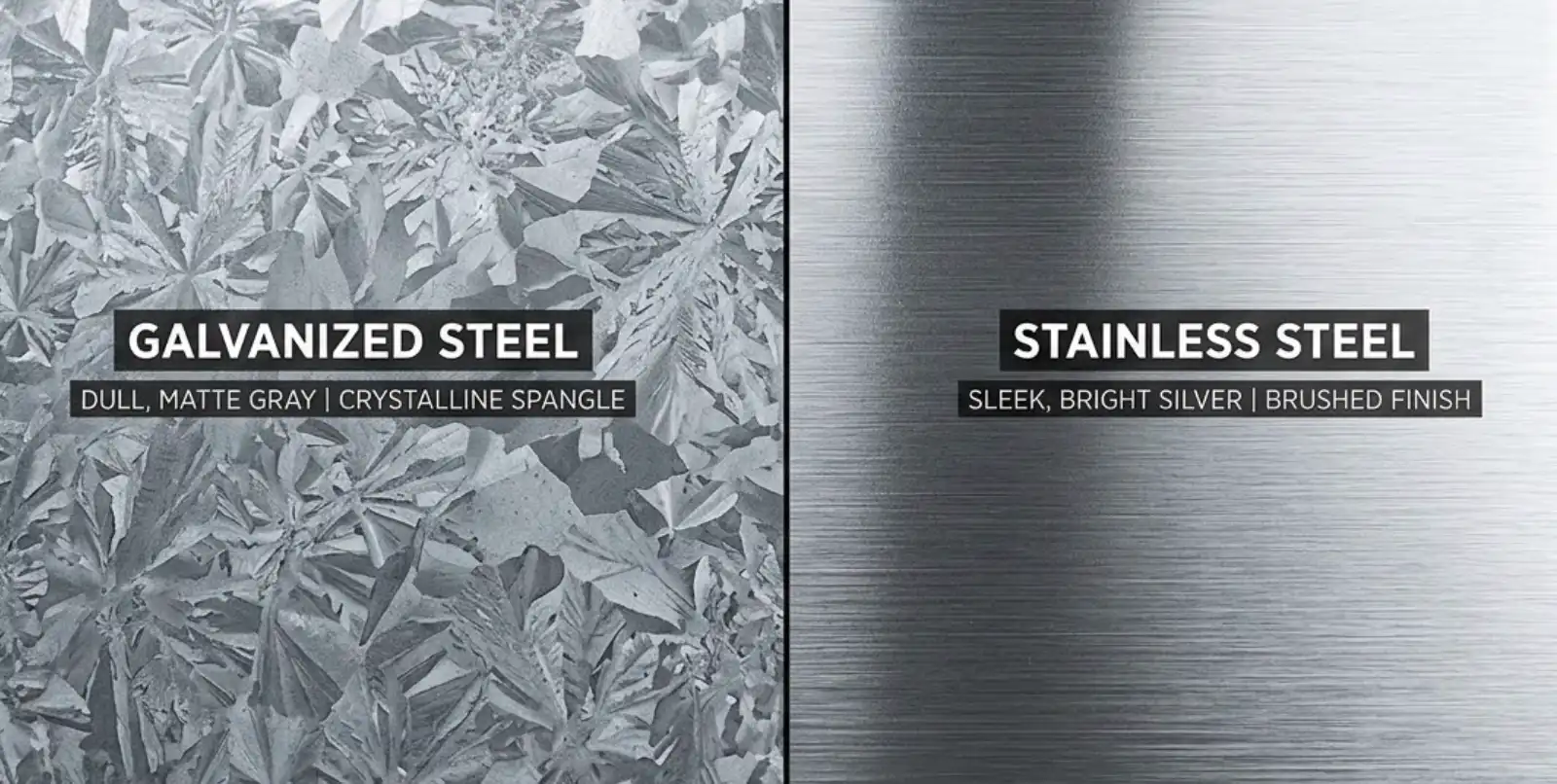
You can tell Galvanized Steel and Stainless Steel apart by looking at them. Galvanized Steel looks industrial or old-fashioned. Its finish is dull or matte. Sometimes, you see a spangled pattern that looks like tiny crystals. People use Galvanized Steel for parts where looks are not important.
Stainless Steel looks shiny, smooth, and modern. It comes in many finishes, like brushed or mirror-polished. Stainless Steel is good for places that need to look clean and stylish, like kitchens or public areas.
Here is a table to help you compare:
| Material | Appearance | Finish Types |
|---|---|---|
| Galvanized Steel | Industrial or vintage look | Matte, spangled, can be aged or blackened |
| Stainless Steel | Sleek, polished, modern | Wide variety, including brushed and polished |
- Galvanized Steel: Dull, matte, and used for practical jobs.
- Stainless Steel: Shiny, smooth, and used for fancy or visible places.
Note: If you want something bright and modern, pick Stainless Steel.
Maintenance Needs
Think about how much care each material needs. Galvanized Steel needs regular checks and care. You must make sure the zinc coating stays good. If the coating wears off, the steel can rust fast. Bad weather can make the zinc layer break down quicker.
Stainless Steel needs less care. The chromium makes a layer that stops rust. You do not need to check it often. Stainless Steel works well in tough places and keeps its look for years.
Here is a table to compare their maintenance needs:
| Material | Maintenance Requirements | Corrosion Resistance |
|---|---|---|
| Galvanized Steel | Needs regular inspection and care to keep zinc coating intact | Zinc coating can wear away, reducing protection |
| Stainless Steel | Minimal maintenance needed due to self-healing surface | Long-lasting resistance, even in harsh environments |
- Galvanized Steel costs less at first but may need more repairs.
- Stainless Steel costs more at first but saves time and work later.
Tip: For outdoor or wet places, Stainless Steel means less work and more peace of mind.
Environmental Impact
When you pick between galvanized steel and stainless steel, you also think about the environment. Each one affects nature in its own way. It is important to know how they compare before you choose.
Galvanized Steel and the Environment
- Regular steel gets a zinc coating. The hot-dip process uses lots of energy. Zinc comes from mining, which can hurt land and water.
- The zinc layer can wear away over time. When this happens, zinc can get into soil and water. Too much zinc is bad for plants and animals.
- You can recycle galvanized steel. But recycling needs extra steps to remove the zinc. This takes more energy.
Stainless Steel and the Environment
- Stainless steel is made by mixing iron, chromium, and sometimes nickel. Making it uses energy, but it lasts much longer.
- Stainless steel does not need any coatings. You do not have to worry about chemicals washing off.
- You can recycle stainless steel many times. Most stainless steel has a lot of recycled metal. This saves resources and energy.
Here is a table to help you compare:
| Factor | Galvanized Steel | Stainless Steel |
|---|---|---|
| Raw Materials | Steel + zinc (mined) | Iron, chromium, nickel (mined) |
| Coatings/Chemicals | Zinc coating can leach into environment | No extra coatings needed |
| Longevity | Shorter lifespan, needs replacement | Lasts longer, less waste |
| Recyclability | Recyclable, but needs extra processing | Highly recyclable, often reused |
| Energy Use | High for coating process | High for alloying, but lasts longer |
Tip: If you want to help the planet, pick materials that last longer and are easy to recycle.
Key Points to Remember
- Stainless steel lasts longer and needs fewer replacements. This means less trash in landfills.
- Galvanized steel costs less at first, but you may need to replace it more. This makes more waste over time.
- Both can be recycled, but stainless steel is easier to recycle and often already has recycled metal in it.
You can help nature by choosing the right material. Think about how long you want your project to last. Also, think about how easy it is to recycle when you are done.
Pros and Cons
Galvanized Steel Advantages
If you pick galvanized steel, you get many good things. This material is helpful for building and making things. Here are some main benefits:
- Corrosion Resistance: The zinc coating acts like a shield. It keeps water and bad stuff away from the steel. This helps stop rust and corrosion.
- Durability: Galvanized steel can handle rough weather and hard use. You can trust it for jobs outside and heavy work.
- Cost-Effective: You might pay more at first, but you save later. It lasts long and needs little care, so you fix it less.
- Strength: This steel stays strong like mild steel. The zinc layer protects it without making it weaker.
- Environmentally Friendly: You can recycle galvanized steel. Its long life means less trash and fewer replacements.
- Versatility: You can use galvanized steel with wood, concrete, and other metals. Just remember to watch for galvanic corrosion if you mix materials.
- Sacrificial Protection: If the zinc coating gets scratched, the zinc will rust first. This keeps the steel underneath safe.
Tip: Galvanized steel is a smart pick for jobs that need strength, toughness, and value.
Galvanized Steel Disadvantages
You should know the downsides before you choose galvanized steel. Some problems can change how well it works in some places:
- The zinc coating can make welding and painting harder. You may need special tools or extra steps.
- In places near the sea or with lots of moisture, galvanized steel can still rust. The zinc layer does not last as long in these tough spots.
- High humidity and dirty air can make it wear out faster. You might see rust and corrosion sooner than you think.
- Some people believe galvanized steel never rusts. But it only resists rust. If the zinc coating wears off, the steel can rust fast.
- If you connect galvanized steel to plain steel, you risk galvanic corrosion. This can hurt both materials.
Note: Galvanized steel works best in calm places. For tough or wet spots, you may want to try other materials.
Stainless Steel Advantages
Stainless steel gives you many strong benefits for work and home. You will see why so many people use it for big jobs:
- Corrosion Resistance: The chromium in stainless steel makes a protective layer. This layer stops rust and corrosion, even in hard places.
- High Strength and Durability: Stainless steel is strong and does not wear out fast. You can use it for tough jobs and expect it to last.
- Temperature Resistance: This material stays strong in hot or cold places. It works well in many industries.
- Aesthetic Appeal: Stainless steel looks shiny and modern. Many builders and designers use it for its nice finish.
- Hygienic and Easy to Clean: The smooth surface does not let germs grow. You can clean it easily, which is important in kitchens and hospitals.
- Recyclability and Sustainability: Stainless steel can be recycled. Using it helps protect the planet.
- Low Maintenance: You do not need to spend much time or money on care. Stainless steel stays looking good with little effort.
- Cost-Effectiveness Over Time: Even though it costs more at first, its long life and low care save you money later.
Tip: Stainless steel is a great choice when you need something strong, clean, and that lasts a long time.
Stainless Steel Disadvantages
You might think stainless steel is always the best, but it has some problems. When you compare it to galvanized steel, you see that stainless steel costs more money. It is also harder to work with.
Here is a table that lists the main problems with stainless steel:
| Disadvantage | Description |
|---|---|
| Higher Material Cost | Stainless alloys are significantly more expensive, with 304-grade costing 20-30% more than carbon steel. |
| Challenging Fabrication and Machining | Stainless work-hardens quickly, leading to shorter tool life and increased power consumption. |
| Welding Difficulties and Distortion | Requires careful control during welding to prevent distortion and sensitization, adding to production costs. |
| Surface Marking and Fingerprint Visibility | Shows fingerprints and scratches easily, requiring more maintenance to keep it looking pristine. |
Stainless steel costs more because the materials and making process are expensive. If you pick stainless steel, you need more money in your budget. The price can be 20% to 30% higher than regular steel. This makes it less popular for big jobs when you want to save money.
It is not easy to shape stainless steel. The metal gets hard fast when you cut or bend it. You need special tools and more power to shape it. This means you spend more time and money making things. Tools wear out faster, so you have to buy new ones more often. If you want to weld stainless steel, you must watch the heat closely. Too much heat can bend the metal or hurt the protective layer. Welding takes skill and makes the job cost more.
Stainless steel shows marks and fingerprints very easily. You can see smudges and scratches on the shiny surface. If you want your project to look nice, you have to clean it a lot. This means you spend more time on cleaning. In places where looks matter, you have to work harder to keep it looking good.
Note: Stainless steel needs more cleaning to stay shiny. You must wipe it often, especially in busy places.
Recycling stainless steel is also harder. It uses more energy than recycling galvanized steel. Stainless steel lasts a long time, but recycling it is not simple.
If you want a material that is easy to use and costs less, you may like galvanized steel better. Stainless steel is strong and lasts long, but you pay more and do more work to keep it nice. Think about these problems before you pick stainless steel for your next project.
Cost and Value
Material Costs
It is important to know the cost before you pick a material. Prices change depending on the type and where you buy it. Here is what you should know:
- Stainless steel usually costs between $2 and $5 per kilogram for raw materials.
- With processing and shipping, the price can be $3 to $7.5 per kilogram.
- For 304 stainless steel, which is the most common, you pay about $3.5 to $5 per kilogram.
- Galvanized steel costs less than stainless steel. You usually pay about half as much for galvanized steel.
If you do not want to spend a lot, galvanized steel may seem like the best choice at first.
Long-Term Value
You should think about more than just the first price. You also need to think about how much you will spend later. Galvanized steel is cheaper to buy, but you pay more for repairs and replacements. You have to check it every few years and fix the zinc coating if it gets damaged. After 20 to 30 years, you might need to get new steel.
Stainless steel costs more when you buy it, but you save money later. It does not need much care and can last over 50 years. You do not have to paint or replace it often. Over time, stainless steel can end up costing less than galvanized steel.
Here is a table to help you compare:
| Material Type | Initial Cost | Maintenance Frequency | Replacement Cost | Total Lifecycle Cost |
|---|---|---|---|---|
| Galvanized Steel | Lower | Every 3-5 years | Often by 20-30 years | Higher due to frequent maintenance and earlier replacement |
| Stainless Steel | Higher | Minimal | Rarely within 50 years | Lower due to minimal maintenance and longer lifespan |
You can also see the difference with real numbers:
| Expense Category | Galvanized Steel (USD) | Stainless Steel (USD) |
|---|---|---|
| Initial Material Purchase | $1,800 | $4,500 |
| Routine Maintenance & Painting | $2,500 | $0 |
| Complete System Replacement | $3,000 | $0 |
| Total 40-Year Expenditure | $8,350 | $4,100 |
Tip: If you want to save money over many years, stainless steel is often the better choice.
Availability
You can find both galvanized steel and stainless steel in most places. Galvanized steel is very popular. Builders, car makers, and electrical companies use it a lot. The market for galvanized steel keeps getting bigger, especially in Asia Pacific. More people need strong, rust-resistant materials for new buildings and cars.
| Evidence Type | Description |
|---|---|
| Demand Factors | The galvanized steel market is growing due to increased demand from the construction, automotive, and electrical sectors. |
| Growth Drivers | Rising infrastructure development, especially in Asia Pacific, and the need for corrosion-resistant materials are major growth drivers. |
| Market Trends | The galvanized steel market is projected to grow significantly, indicating a strong availability in the market. |
Stainless steel is also easy to buy. Many suppliers keep it ready because it is used in kitchens, hospitals, and factories. You can get both materials quickly for most projects.
Note: You will not have trouble finding either material for your next job.
Choosing the Right Steel
Key Factors
Environment
You should always think about where you will use the steel. If you work in a moist or salty place, stainless steel gives you better protection. It resists rust and lasts longer in harsh weather. Galvanized steel works well in dry areas. It costs less and still protects against rust in mild conditions. You need to match the steel to your environment for the best results.
Budget
Your budget matters when you pick a material. Galvanized steel costs less at the start. It is a smart choice for large projects with tight budgets. Stainless steel costs more, but you save money over time because it needs less care and lasts longer. If you want to spend less now, choose galvanized steel. If you want to save money in the long run, stainless steel is better.
Structural Needs
You must check how strong the steel needs to be. Stainless steel has higher strength and can handle heavy loads. It works well for tough jobs and places that need strong support. Galvanized steel is good for lighter work. It is easy to shape and cut. Think about what your project needs before you decide.
Appearance
Some projects need a clean and modern look. Stainless steel shines and stays bright. It fits well in places where looks matter, like kitchens or public spaces. Galvanized steel has a dull finish. It works best where appearance is not important. Choose stainless steel for style and galvanized steel for function.
Tip: Always match the steel to your project’s needs. Think about the environment, cost, strength, and look.
Applications
Construction
You see both types of steel in construction. Stainless steel is best for construction applications that face water, chemicals, or need a nice finish. It lasts longer and looks better. Galvanized steel is common in construction applications like frames, beams, and supports. It gives good value and works well in dry or indoor places.
Automotive
Car makers use galvanized steel for body panels and parts that need rust protection. It keeps cars safe and costs less. Stainless steel is used for exhaust systems and trim. It stands up to heat and does not rust easily.
Food Industry
You find stainless steel in kitchens, food factories, and restaurants. It is easy to clean and does not hold germs. Galvanized steel is not safe for food contact. It works better for storage racks or equipment that does not touch food.
Outdoor Uses
Stainless steel is the top choice for outdoor furniture, railings, and sculptures. It stays shiny and does not rust, even in rain or snow. Galvanized steel is good for fences, poles, and sheds. It protects against rust in most outdoor settings, but not in salty or wet places.
Note: Always pick the steel that matches your application. The right choice helps your project last longer and look better.
Common Misconceptions
Galvanized Steel Myths
You might hear that galvanized steel never rusts. Many people believe the zinc coating makes the steel completely immune to corrosion. This idea is not true. The zinc layer protects the steel, but it can wear away over time. Water, chemicals, and physical damage can break down the coating. When the zinc disappears, the steel underneath starts to rust. If you scratch or dent the surface, you expose the steel to air and moisture. The steel can corrode quickly in these spots. You need to check galvanized steel often, especially in harsh environments. The zinc coating does not last forever. You should not expect galvanized steel to stay rust-free without care.
Note: Galvanized steel resists rust, but it does not stop it completely. You must protect the coating and repair any damage to keep the steel safe.
Some people think galvanized steel is always strong and durable. The truth is, the strength depends on the thickness of the zinc layer and the environment. If you use galvanized steel in salty or wet places, the coating wears out faster. You need to choose the right type and thickness for your project. Galvanized steel works well in mild conditions, but it needs extra care in tough spots.
Stainless Steel Myths
You may believe stainless steel never rusts. This is a common mistake. Stainless steel resists rust better than regular steel, but it can still corrode. If you leave stainless steel in harsh conditions, like salty air or strong chemicals, it may develop rust spots. The protective chromium layer helps, but it is not perfect.
- Stainless steel is often mistakenly believed to be completely rust-proof. In reality, it is less likely to rust but can still corrode under certain conditions.
- Another misconception is that rust is the only form of corrosion affecting stainless steel. In fact, pitting corrosion can occur due to exposure to harsh chemicals or inadequate maintenance.
Some people think stainless steel needs no maintenance. You should clean it regularly to keep the protective layer strong. Dirt, salt, and chemicals can damage the surface. If you ignore cleaning, you risk pitting corrosion. This type of damage creates small holes and weakens the steel. You need to wipe stainless steel and avoid harsh cleaners. Regular care keeps it looking shiny and helps it last longer.
Tip: Stainless steel stays strong and clean with proper care. You should not ignore maintenance, even if the steel looks perfect.
You might also think all stainless steel is non-magnetic. This is not true. Some grades, like 304, are not magnetic, but others, like 430, attract magnets. The magnetism depends on the steel’s structure and the elements inside. You need to check the grade before you use stainless steel for projects that need magnetic properties.
You should know these facts before you pick a material. Understanding the truth helps you make better choices and keeps your project safe and strong.
Quick Reference Table
If you want to compare galvanized steel and stainless steel quickly, this table can help. It shows the most important features side by side. You can use it to help you choose the right material for your project.
| Feature | Galvanized Steel | Stainless Steel |
|---|---|---|
| Main Ingredient | Carbon steel with zinc coating | Iron alloy with chromium (10.5%+) |
| Corrosion Resistance | Good in mild conditions; zinc protects | Excellent; chromium layer self-heals |
| Strength | Strong, but less than stainless | Very strong and durable |
| Magnetism | Always magnetic | Sometimes magnetic (depends on grade) |
| Surface Finish | Matte, spangled, or rough | Smooth, shiny, or brushed |
| Cost | Lower upfront cost | Higher upfront cost |
| Maintenance | Needs regular checks and repairs | Low maintenance; easy to clean |
| Lifespan | 20–50 years (depends on environment) | 50+ years (even in tough conditions) |
| Best Uses | Construction, fences, outdoor frames | Kitchens, hospitals, food industry |
| Recyclability | Recyclable, but needs zinc removal | Highly recyclable, often reused |
| Environmental Impact | Zinc can leach into soil and water | Fewer chemicals, lasts longer |
Tip: Pick stainless steel for wet or salty places. For dry, indoor jobs, galvanized steel is cheaper and works well.
How to Use This Table
- Think about what your project needs.
- Look at the features that are most important to you.
- Choose the steel that matches your needs.
Example Checklist
- Do you need something very strong? → Stainless steel
- Is your budget small? → Galvanized steel
- Will the steel touch water or chemicals? → Stainless steel
- Do you want a shiny look? → Stainless steel
- Is your project outside but not near the sea? → Galvanized steel
Note: Always think about the weather, price, and how long you want your project to last.
You can print or save this table for later. It helps you pick the right steel fast. If you are still not sure, ask a steel expert for help.
You now know the key differences between galvanized steel and stainless steel. Galvanized steel costs less and works well in mild conditions. Stainless steel gives you better strength and corrosion resistance. Your choice affects how long your project lasts and how much you spend.
- Think about your needs, your budget, and where you will use the steel.
- For complex jobs, talk to a steel expert.
Remember: The right material helps your project succeed.
FAQ
What is the main difference between galvanized steel and stainless steel?
You see galvanized steel with a zinc coating. Stainless steel contains chromium. The zinc protects the steel from rust. The chromium creates a self-healing layer that stops corrosion.
Can you use galvanized steel for food-related projects?
You should not use galvanized steel for food contact. The zinc coating can react with food acids. Stainless steel works better for kitchens and food factories.
Is stainless steel always non-magnetic?
You find some stainless steel grades that are magnetic. Grades like 304 are not magnetic. Grades like 430 attract magnets. Always check the grade before you choose.
How long does galvanized steel last outdoors?
Galvanized steel lasts 20 to 50 years in mild conditions. In salty or wet places, the zinc coating wears away faster. You need to inspect it often.
Does stainless steel need maintenance?
You need to clean stainless steel to keep it shiny. Dirt and chemicals can cause stains or pitting. Regular cleaning helps the protective layer stay strong.
Which steel costs less for a big project?
Galvanized steel costs less at first. You pay more for stainless steel. Over time, stainless steel saves money because it needs less maintenance and lasts longer.
Can you recycle both galvanized and stainless steel?
You can recycle both materials. Stainless steel is easier to recycle. Galvanized steel needs extra steps to remove the zinc coating.
How do you choose the right steel for your project?
You should think about your environment, budget, strength needs, and appearance. Stainless steel works best in harsh or wet places. Galvanized steel fits dry, indoor jobs.