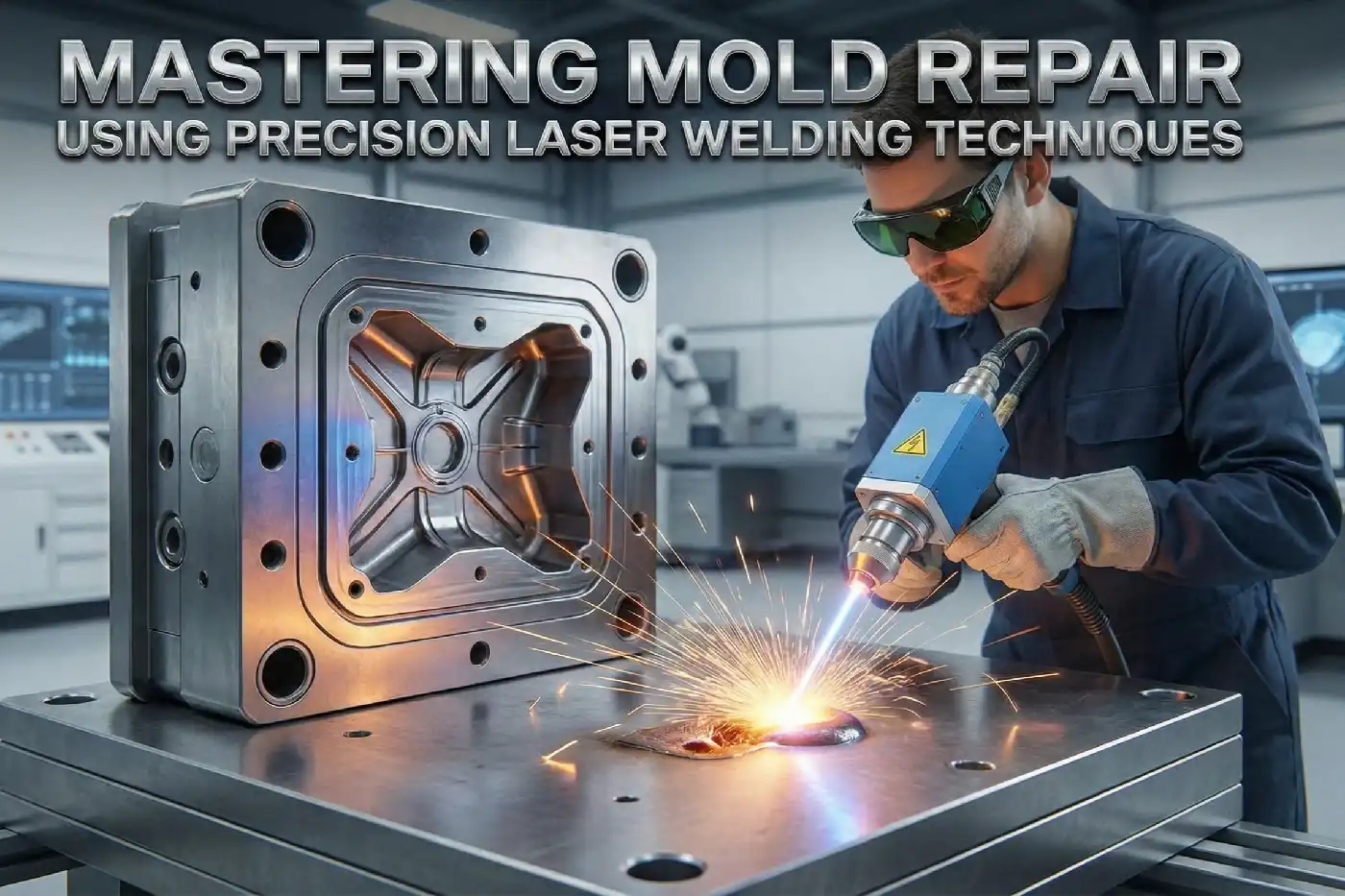
You face many problems when fixing molds. Even a tiny mistake can make defects or slow work. Some common problems are:
- Precision and size accuracy are important for every fix.
- Mold cooling problems make parts uneven and take more time.
Old repair ways often do not work well. The table below shows some big problems:
| Limitation | Explanation |
|---|---|
| Ineffectiveness in eradication | Old ways often do not remove mold fully, so it comes back. |
| High costs | Removing and replacing all bad parts costs a lot. |
| Mold recurrence | Bad fixes mean you have to repair again and spend more money. |
| Surface-only treatment | Many ways only fix the top mold, missing deeper issues. |
Laser welding mold repair is a new way. This tool gives you very good precision with little heat, so the mold does not get hurt. You can fix the same spot many times and it stays strong and good.
Key Takeaways
- Laser welding fixes molds very accurately and uses little heat. This helps keep the mold strong and in the right shape.
- This way of fixing molds is much faster. Repairs can be done in less than four hours. Old ways can take weeks to finish.
- Laser welding can help save money when making things. It can cut costs by 25%. It also makes production 20% faster.
- Getting the mold ready and checking it is very important. This helps laser welding repairs last a long time.
- Laser welding helps molds last longer. You can fix them many times and they still work well.
Laser Welding Mold Repair Benefits
Precision and Minimal Heat
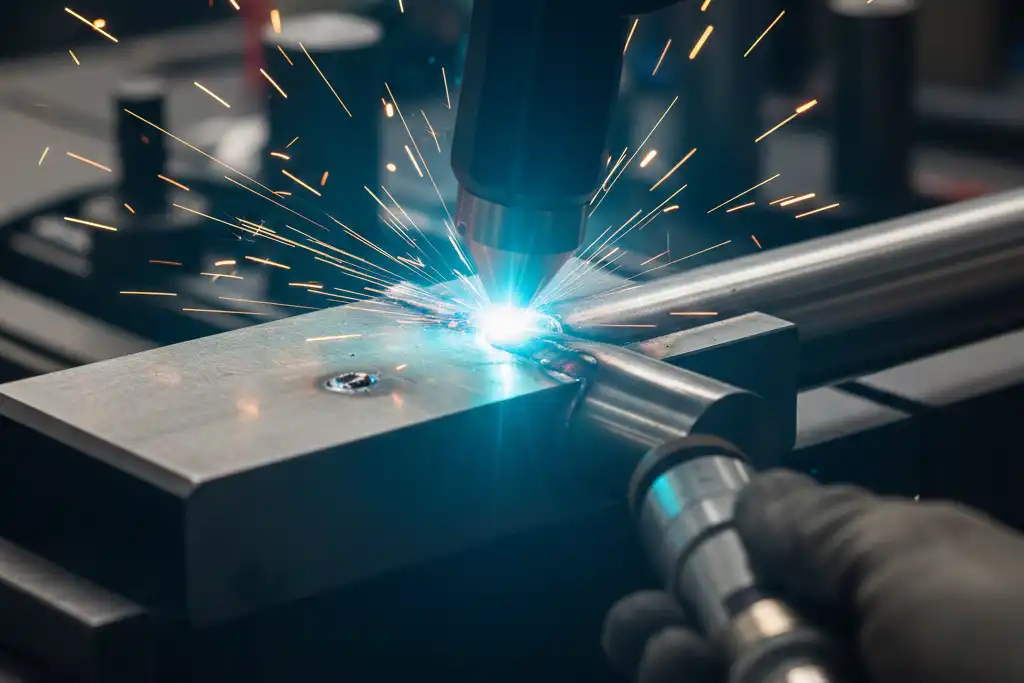
You want mold repairs to be exact and safe. Laser welding lets you control heat and where you weld. The laser beam hits a tiny spot, so only a small part gets hot. This keeps the rest of the mold cool and strong. You do not get big changes in shape or size because heat does not spread far.
Here is a table that shows how laser welding helps with precision and heat:
| Improvement Type | Description |
|---|---|
| Heat Input | Very little heat goes into the mold, so it does not bend or change shape. |
| Weld Metal Location | You can put the weld metal in a very exact spot, even within tiny spaces. |
| Hardness Preservation | The laser uses little energy, so only a small area gets hot and the mold stays hard. |
| Distortion Prevention | The heat stays in one place, so the mold does not twist or bend, and you do not need to heat it up first. |
You also have less chance of bending the mold because the laser works quickly and heats only a small spot. The focused beam makes a tiny hot area. This helps keep the mold’s shape and hardness. You do not need to heat the mold before fixing it, so you save time.
- The laser heats a small spot for a short time.
- This stops the mold from stretching or shrinking.
- Sharp temperature changes help lower leftover stress.
Cost-Effectiveness and Efficiency
Laser welding mold repair saves you money and time. You finish repairs faster and use less energy and fewer workers. Companies say they spend 25% less on making things and repairs are 20% quicker. Machines that use lasers can finish welding up to 90% faster than people.
| Operational Savings Aspect | Details / Metrics |
|---|---|
| Manufacturing Cost Reduction | Costs go down by 25% |
| Production Time Reduction | Repairs are 20% faster |
| Labor and Maintenance Savings | Savings can pay for new machines in 5 years |
| Energy Efficiency | New laser welders use less energy, so bills are lower |
| Maintenance Requirements | Less fixing means fewer problems and less waiting |
You also have less waiting because laser welding is fast. The laser only fixes the broken part, so you do not need to fix the whole mold. This keeps your machines working and cuts down on waste. Fiber laser welding gives smooth finishes and is very exact, so you give better service and spend less on repairs.
Laser Welding Mold Repair Process
Laser welding mold repair gives you a clear process to follow. Each step helps you get strong, long-lasting results. You can fix molds with high accuracy and keep them working well.
Defect Identification
You start by finding the problem in the mold. Look for cracks, worn spots, or holes. Use a magnifying glass or microscope to see small defects. Careful inspection helps you know exactly where to repair. You can also check the mold’s surface for uneven areas or signs of stress. When you spot the defect early, you prevent bigger problems later.
Mold Preparation
Good preparation makes your repair successful. You need to get the mold ready before you start welding. Follow these steps:
- Clean the damaged area so no dirt or oil stays on the surface.
- Remove any surface contamination, such as rust or old welds.
- Make sure the area is dry and free from debris.
- Clean the workpieces to remove all contaminants.
- Check that the fit-up and alignment are correct.
- Plan the joint configuration for the best weld.
- Use fixtures made from a solid milling block to hold the mold steady.
Tip: A clean and well-aligned mold helps the laser focus heat only where you need it. This step reduces the risk of defects after welding.
Welding Execution
Now you can begin the laser welding mold repair. You use a laser beam to melt and add metal only to the damaged spot. This process is called laser deposition welding. The laser focuses heat in a tiny area, so you avoid heating the whole mold. You keep the mold’s shape and hardness.
To get the best results, follow these best practices:
- Maintain the optics and cooling systems regularly for high-quality welds.
- Wear gloves when handling optical parts to avoid contamination.
- Make sure the cooling system works well to prevent overheating.
- Use distilled or low-temperature water in the cooling system to stop mineral deposits.
- Set the cooling water temperature right to avoid condensation.
- Replace components on a regular schedule to keep the machine reliable.
You control the laser’s power and speed to match the mold’s needs. You can use different welding wires for different repairs. The laser welding mold repair process lets you work on small or delicate areas without damaging the rest of the mold.
Finishing and Quality Control
After welding, you need to finish and check your work. This step makes sure the repair lasts and the mold works well. Follow these quality control measures:
- Inspect the mold closely with a microscope to check the weld.
- Choose the right welding wire diameter for the repair.
- Identify the mold material and adjust welding settings if needed.
- Use protective gas before welding to stop oxidation.
- Preheat the area around the weld to avoid undercut and keep the weld strong.
- Use a CCD monitoring system to watch the welding process and improve quality.
You may need to grind or polish the repaired area for a smooth finish. Careful inspection helps you catch any problems early. When you follow these steps, you make sure your laser welding mold repair gives you a strong, reliable mold.
Comparing Laser Welding to Traditional Methods
Heat Distortion and Deformation
When you repair molds, heat distortion can ruin your results. Traditional methods like TIG welding create a lot of heat. This heat spreads through the mold and can cause it to bend or change shape. You may see cracks or warping after the repair.
Laser welding works differently. It uses a focused beam that heats only a small area. You keep the original shape and strength of the mold. The risk of distortion drops a lot. You also avoid extra stress in the metal.
- Laser welding generates much less heat than TIG welding.
- The focused beam helps you keep the mold’s original size and structure.
- You minimize leftover stress and deformation, so your repairs last longer.
Laser welding also keeps the heat-affected zone (HAZ) small. This is important for high-performance molds. You get stronger, more accurate welds and fewer defects.
Repair Speed and Downtime
Speed matters when you need to get your molds back in action. Traditional repairs can take weeks. Laser welding finishes the job in hours. This means your machines spend less time waiting.
| Repair Method | Time Required |
|---|---|
| Traditional Methods | 2-4 weeks |
| Laser Welding | Less than 4 hours |
Laser welding also cuts downtime by working up to 10 times faster than older methods. You do not need as much post-processing, so your production line keeps moving. For thicker materials, laser welding can be 15 to 50 times faster than MIG welding. You save time and reduce labor costs.
Mold Longevity
You want your molds to last as long as possible. Laser welding helps you reach that goal. Studies show that laser-repaired molds keep their surface quality and strength. You do not see heat sink marks or weak spots.
| Evidence Description | Impact on Molds |
|---|---|
| Enables precise repairs | Extends lifespan of molds |
| Reduces heat distortion | Maintains mold integrity |
| Minimizes stress on critical areas | Improves reliability and durability |
| High-precision repairs | Less heat damage, longer mold life |
With laser welding, you can repair the same spot many times. The mold stays strong and reliable. You spend less on new molds and avoid unexpected breakdowns.
Real-World Application Example
Case Study Overview
Laser welding helps many factories fix molds. Shops use fiber laser machines to repair plastic injection molds. These machines work on many parts and materials with great accuracy. For example, a shop uses a LaserStar 8700-3 fiber laser every week. This tool repairs tricky, heat-sensitive molds without extra harm.
Many industries use laser welding mold repair:
- Plastic injection mold shops fix broken molds fast.
- Medical device makers use laser welding for strong, safe parts.
- Aerospace and car companies need exact repairs for important pieces.
- Electronics makers fix tiny, delicate molds without breaking them.
- Tool and die shops make expensive molds and tools last longer.
Laser welding works for both changes and repairs. This method is good for molds, tools, and dies that need quick, exact fixes.
Key Results
Switching to laser welding solves many problems. The table below shows how laser welding helps:
| Challenges | Solutions |
|---|---|
| Large heat-affected zones | Laser welding lowers heat damage. |
| Low repair precision | Laser welding gives very exact fixes. |
| Unstable weld quality | Laser welding makes welds more steady. |
| Long repair cycles and high costs | Laser welding saves time and money. |
Laser welding changes how you fix molds. You only repair the broken part. You do not bend the mold or need extra heat after welding. Repairs are faster and cost less.
You also see big changes in mold quality and life:
| Aspect | Before Laser Welding | After Laser Welding |
|---|---|---|
| Fatigue Crack Growth Rate | Higher than welded | Lower than base metal |
| Hardness | N/A | Higher after repair |
| Ductility | N/A | Improved after heat treatment |
| Tensile Strength | Similar to base metal | Maintained post treatment |
Your molds can last 50% longer. Welds are as strong as before. Production is smoother, and fixing costs drop by 40%. Laser welding gives you strong, lasting repairs that help your business.
Laser welding mold repair gives you many good things. You do not hurt the main part of the mold. You can fix problems faster and spend less money.
- Using less heat keeps molds strong. You can fix them many times.
- You can work very carefully, even on hard shapes.
| Tip Description | Frequency |
|---|---|
| Look for leaks and clean the optics | Every day |
| Keep your work area cool and dry | All the time |
| Check safety parts | Once a week |
| Adjust and update the software | Once a month |
Learn about new laser welding tools and machines. This helps your molds last longer and saves you money.
FAQ
What types of molds can you repair with laser welding?
You can repair plastic injection molds, die-casting molds, and stamping molds. Laser welding works well for small, delicate, or complex shapes.
Does laser welding change the mold’s hardness?
Laser welding keeps most of the mold’s hardness. The heat only touches a small spot, so the rest of the mold stays strong.
How long does a typical laser mold repair take?
Most repairs finish in less than four hours. You save time compared to older methods, which can take weeks.
Is laser welding safe for operators?
You stay safe if you follow safety rules. Wear protective glasses and gloves. Keep your work area clean and dry.
Wire Feeding vs No Wire Feeding Laser Welding: Which Is Better?
Why can laser welding achieve seamless welding?
Why is handheld laser welding machine so popular?
What You Should Know About Laser Welding Cold Welding Technology