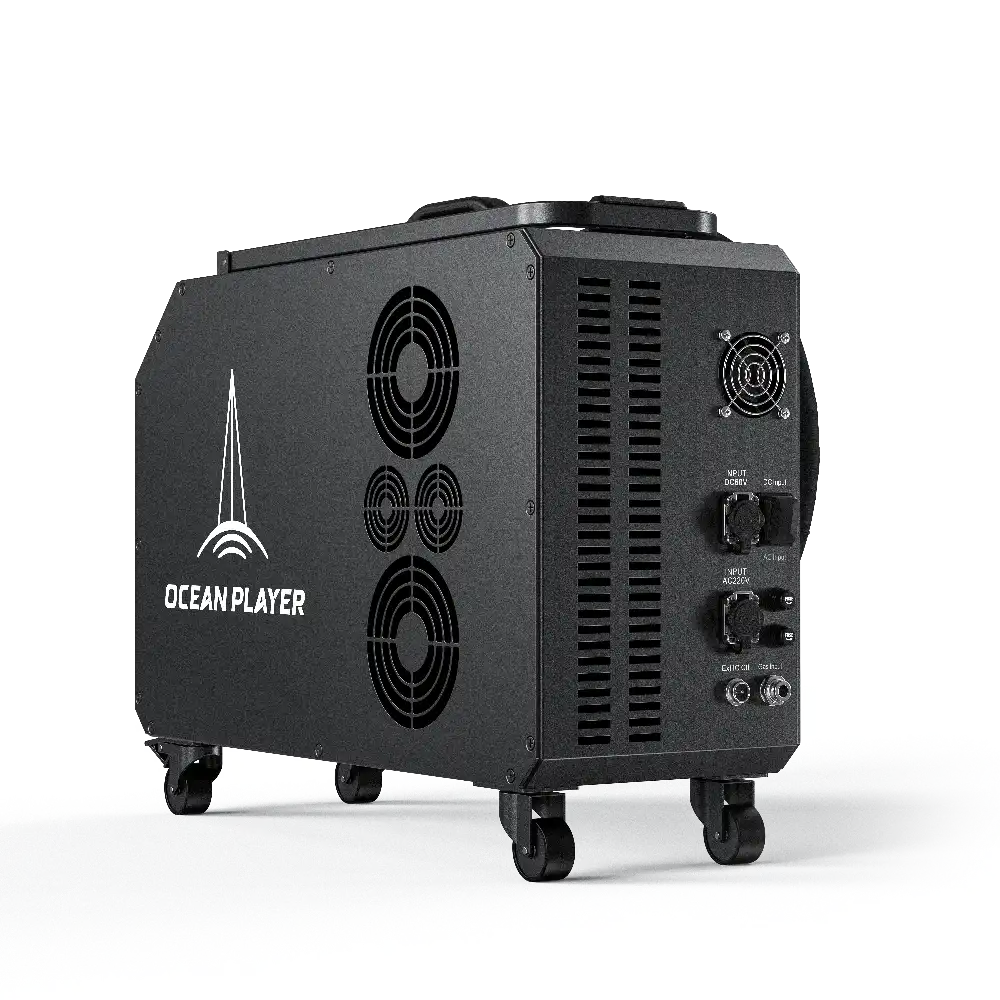

You need the right equipment to do Mobile Welding Services safely and well. Your kit should have:
- Welding machines
- Power sources
- Essential hand tools
- Safety gear
- Setup essentials
Picking the right tools keeps you safe from bad fumes, very hot temperatures, and electric shock. Mobile welding robots can also help because they keep you away from dangerous spots. This equipment helps you follow safety rules and stops accidents from happening.
Key Takeaways
- Pick the best welding machine for your work. Think about what metal you will use and what you need to do. This helps you get good results.
- Safety gear is very important. Wear a welding helmet, gloves, and jacket. These keep you safe from burns and bad fumes.
- Use power sources you can trust. Make sure your generator fits your welding machine. This stops delays and keeps your tools safe.
- Keep your workspace neat and clean. A clean area helps you work faster. It also makes you look professional to clients.
- Check your equipment often and take care of it. Doing this keeps you safe and makes your tools last longer.
Mobile Welding Services: Essential Equipment
Welding Machines
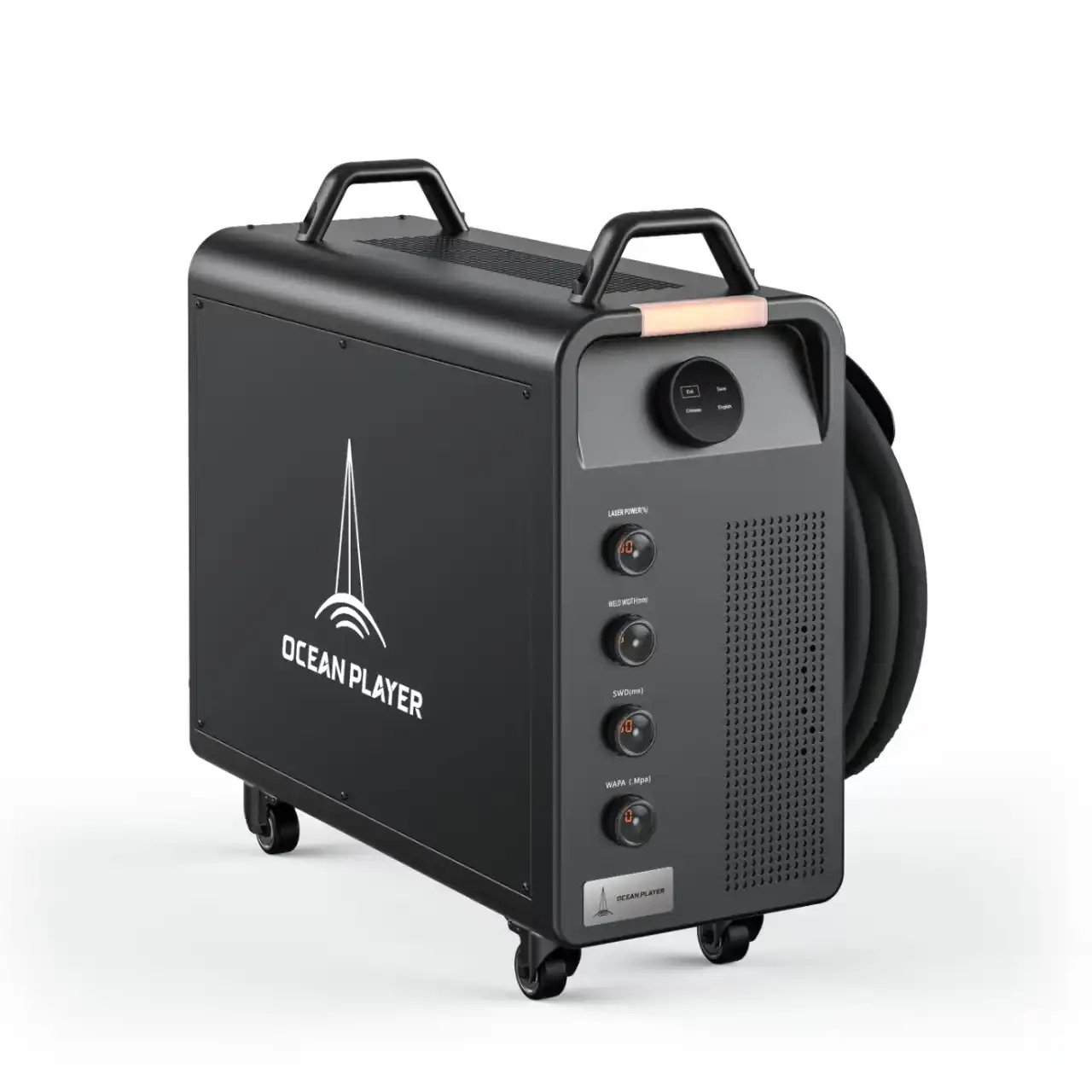
You need good welding machines for different jobs. Each machine works best for a certain task. The table below shows popular machines and what they do:
| Welding Machine Type | Primary Applications |
|---|---|
| Miller 8VS SuitCase | MIG and flux cored wire welding, suitable for quick welds and longer welds. |
| Millermatic Passport Plus | Portable all-in-one MIG welder, ideal for MRO applications, easy to carry, and convenient for repair work. |
| Dynasty 200 AC/DC TIG | TIG welding for aluminum and stainless steel, features Auto-Line technology for various power supplies. |
| Spectrum 875 Plasma Cutter | Mobile plasma cutting for MRO, construction, and fabrication, lightweight and powerful. |
| Spectrum 625 X-TREME | Lightweight plasma cutter for various cutting projects, easy to transport and sufficient cutting power. |
Pick your welding machine based on the metal and where you work. MIG welders are fast and simple to use. TIG welders give you more control and make cleaner welds. Stick welders cost less and work well outside. Each method has good and bad points:
| Welding Method | Advantages | Disadvantages |
|---|---|---|
| MIG Welding | – Quick and easy to learn |
- Higher productivity
- Versatile for various metals
- Minimal cleanup required
- Good for thin materials | – Limited weld quality on thin materials
- Less control over weld path
- Bulky equipment
- Sensitive to wind
- Not suitable for all metals | | TIG Welding | – High precision and control
- Cleaner and aesthetic welds
- Versatile with materials
- No spatter
- Ideal for thin materials | – Slower welding speeds
- More difficult to learn
- Higher equipment costs
- Requires clean surfaces
- Less portable | | Stick Welding | – Low equipment cost
- Portable
- Works outdoors | – Slower
- Requires slag removal
- Higher skill needed |
Tip: A portable welding table makes your work easier and safer. It gives you a flat and steady place to weld and cut.
Power Sources & Generators
You need a strong power source for Mobile Welding Services. This is important if you work far from buildings. Small, fuel-saving engines help your machines run in remote places. Hybrid systems can use generators, solar panels, or batteries. These systems save fuel and make less pollution.
When you pick a generator, check the wattage. Here is a simple guide:
- A 110-volt welder needs a generator with 6,000 running watts and 8,000 peak watts.
- A 220-volt welder needs 8,500 running watts and 11,000 peak watts.
- For a 140-amp welder, you need at least 3,600 peak watts.
Note: Always add extra wattage for starting power. This keeps your machines safe and stops overload.
Welding Cables & Leads
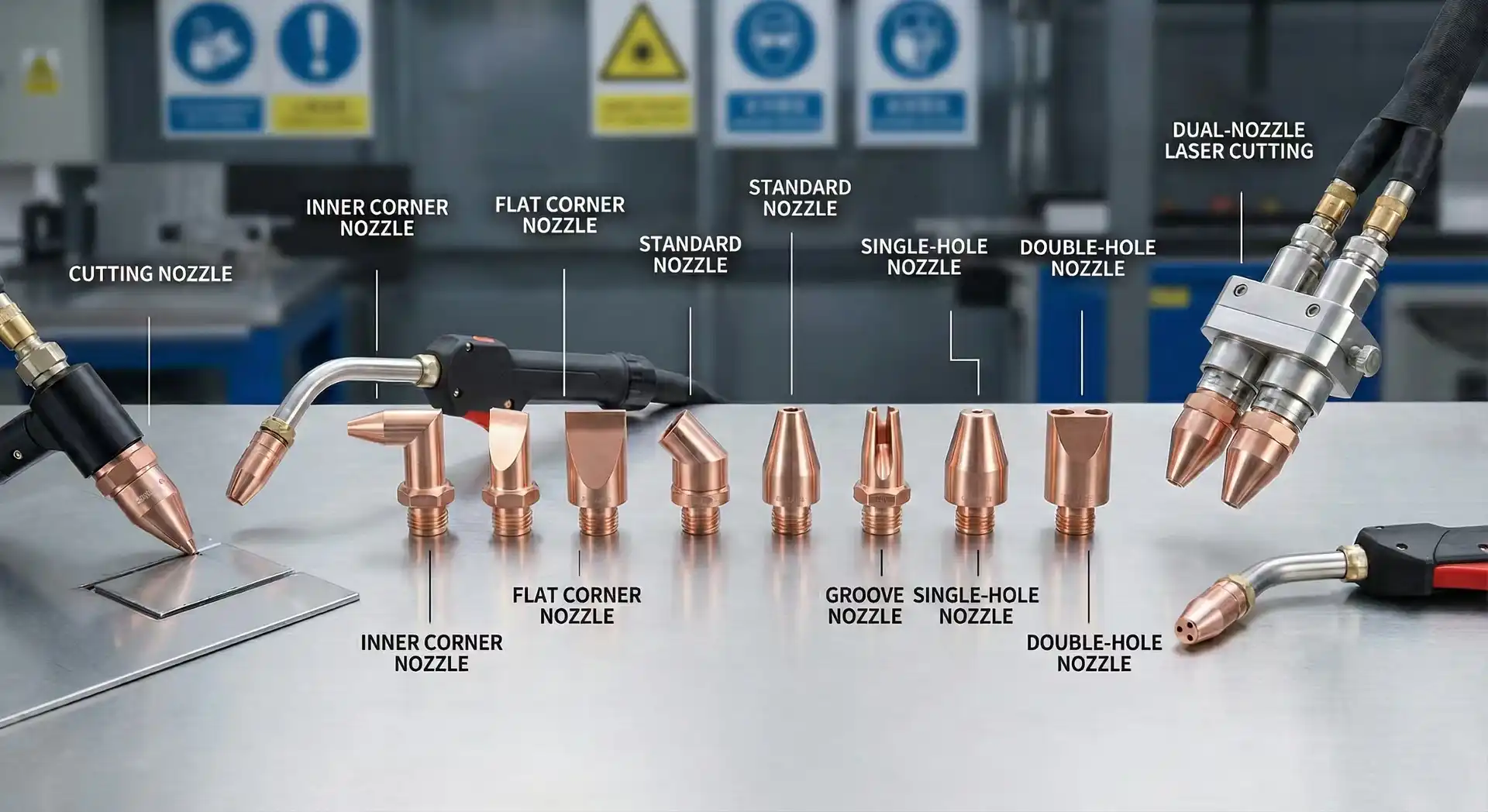
Welding cables and leads connect your machine to your work. Pick cables with the right thickness and length. Longer cables must be thicker to stop voltage drop. If your cables are too thin or too long, your welds may not be strong.
Look for these features:
- Use cables with many small wires for flexibility.
- Check the DC resistance at 20 °C and rated voltage.
- Pick jackets made from EPDM, neoprene, or special rubber for cold and oil resistance.
- Use compression lugs that fit your cable and crimp them well.
- Add strain-relief boots and heat-shrink to protect the ends.
- Keep a list of cable IDs and batch numbers. Clean and check cables often.
Tip: Do not use cables that are too long. Use thicker cables if you need extra length to keep your welds strong and safe.
Welding Torches & Tips
You need different torches and tips for different jobs. Each type works best for certain metals and tasks. The table below helps you choose:
| Torch Type | Description | Applications |
|---|---|---|
| Oxy-fuel Welding | Uses gas and oxygen to create a high-temperature flame for welding. | Steel, stainless steel, cast iron, aluminum, copper. |
| Plasma Arc Welding | Utilizes electricity to create a plasma stream for precise welding. | Thicker metals like titanium and nickel. |
| MIG Welding | Fuses metals using a continuous wire feed and shielding gas. | General fabrication, automotive, and construction. |
| TIG Welding | Employs a non-consumable tungsten electrode for high-quality welds. | Thin metals, aerospace, and artistic applications. |
| Oxy-Acetylene Cutting | High-pressure oxygen jet for cutting metals. | Demolition, salvage, and scrap processing. |
| Brazing Torches | Lower temperature flame for joining metals with filler material. | Repairing dissimilar metals and creating seals. |
| Powder-Fed Torches | Injects metal powder into the flame for complex shapes and coatings. | Additive manufacturing and hardfacing. |
Keep extra tips and torches in your kit. Clean them often to keep your welds smooth and strong.
Welding Consumables
Welding consumables are things like wire, rods, and electrodes. These items change how strong and fast your welds are. Good consumables help you make strong joints. They also help you work faster and fix less.
| Aspect | Impact on Quality and Efficiency |
|---|---|
| Weld Integrity | Strong, durable joints are ensured through the use of appropriate consumables. |
| Speed | The choice of consumables can enhance the speed of the welding process. |
| Operational Effectiveness | Quality consumables lead to better overall performance in mobile welding services. |
Store welding rods in heated containers to keep out water. Rotate wire spools so you always use fresh wire. Clean cutting tips and electrodes to keep your welds even.
Note: Using the right consumables helps you finish jobs faster and keeps your customers happy.
Tools & Accessories
Grinders & Cutting Tools
You need reliable grinders and cutting tools for Mobile Welding Services. An angle grinder helps you cut and finish metal quickly. Plasma cutters and oxy-fuel torches give you precise cuts, which makes your welds fit better. High-quality cutting tools save you time because you do not need to grind as much after cutting. Use abrasive cutting tools for small jobs or quick adjustments.
Essential Cutting Tools:
- Angle grinder
- Plasma cutter
- Oxy-fuel torch
- Abrasive cut-off wheel
Tip: Choose the right tool for the job to improve speed and accuracy.
Clamps & Magnets
Clamps and magnets hold your workpieces steady. You can use welding clamps for stability and precision. Magnetic clamps give you a strong grip and work on many surfaces. They help you set up fast and keep your hands safe.
Types of Clamps and Magnets:
- Snap-and-go magnetic clamps
- 300 Amp magnetic welding ground clamp (for lighter jobs)
- 600 Amp magnetic welding ground clamp (for heavy-duty work)
- C-clamps
These tools reduce setup time and keep your welds straight. They also lower the risk of distortion and injuries.
Pliers & Wrenches
A good set of pliers and wrenches helps you adjust and repair equipment on site. Welding pliers, adjustable wrenches, and screwdrivers save you time. You can fix problems quickly and keep your workflow smooth.
Hand Tools to Carry:
- Welding pliers
- Adjustable wrenches
- Screwdrivers
Cleaning Tools
Clean metal surfaces make your welds stronger. Use a wire brush to remove slag and rust. Angle grinders, scuff pads, and sanders help you prepare the surface. You can also use media blasting for tough jobs. Always clean before you weld to get the best results.
Common Cleaning Tools:
- Wire brush
- Chipping hammer
- Scuff pads
- Angle grinder
- Belt sander
Oxy-Acetylene & Propane Torches
Oxy-acetylene and propane torches help you cut and heat metal. Always check your gas cylinders for leaks and keep them upright. Secure the cylinders and inspect O-rings before use. Wear proper safety gear and make sure you have good ventilation. Test all connections for leaks before starting work.
Safety First: Clean valves with nitrogen or an oil-free rag and tighten all regulators.
Safety Gear
You have to wear the right safety gear for every mobile welding job. This gear keeps you safe from burns, sparks, fumes, and loud sounds. It also helps you follow safety rules from OSHA and other groups.
Welding Helmet
A welding helmet protects your eyes and face from UV and IR rays. You can pick auto-darkening or passive helmets. Auto-darkening helmets change shade fast when you start welding. This saves time and helps your neck feel better. Passive helmets have a fixed shade lens. They let you see well but you must lift and lower them a lot.
| Feature | Auto-Darkening Helmets | Passive Helmets |
|---|---|---|
| Convenience | Instantly darkens, improves efficiency | Requires lifting and lowering |
| Eye Protection | Constant, reduces flash burn risk | Fixed shade, less adaptable |
| Physical Strain | Reduces neck strain | May cause repetitive stress injuries |
| Cost | More expensive | More affordable |
| Optical Clarity | Varies, sometimes less clear | Often clearer |
Tip: Always look for cracks or damage on your helmet before you start.
Gloves & Jacket
You need gloves and a jacket made from tough materials. Cowhide leather is strong and stops heat and cuts. It lasts a long time but feels heavy. Lighter choices like flame-resistant cotton or WeldX are comfy and safe. For TIG welding, use tight gloves made from goat or deer skin for better control. For heavy welding, pick thick, padded leather gloves.
| Material Type | Key Features |
|---|---|
| Flame-resistant cotton | Lightweight, breathable, good for mild jobs, but less durable. |
| Leather | Excellent heat and cut resistance, but heavier and less breathable. |
| WeldX | Combines lightness and durability, stays strong after washing. |
Note: Always wear a jacket that covers your arms and neck. This blocks sparks and hot metal.
Ear & Eye Protection
You must protect your ears and eyes from flying metal and loud sounds. Wear safety glasses with side shields under your helmet. Pick glasses that meet Z87.1 standards. Use earplugs or earmuffs to block noise and stop sparks from getting in your ears.
| Type of Protection | Description |
|---|---|
| Welding Helmet | Blocks UV and IR rays with shaded lens. |
| Safety Glasses | Protects against flying particles. |
| Earplugs/Earmuffs | Shields hearing and prevents sparks in ears. |
Welding Shoes & Respirators
Wear welding boots with steel toes and rubber soles. These boots keep your feet safe from falling things and hot metal. Use a respirator to filter out bad fumes and dust. You need a half-face or full-face respirator, especially in small spaces or with dangerous stuff. Good airflow also keeps the air clean and safe.
- Welding boots protect your feet from sparks and heavy tools.
- Respirators keep your lungs safe from bad fumes and dust.
- Always check your gear for damage before you start working.
Safety First: Never skip safety gear. It keeps you healthy and helps you work with confidence.
Mobile Setup
Vehicle & Storage
You need a well-organized service vehicle for mobile welding. Custom toolboxes give you a safe place for your tools and equipment. These toolboxes have strong locks that keep your gear secure. You can reach your tools quickly when you know where everything is.
Use custom drawers for hand tools. Store welding consumables in side boxes. Place large equipment in bed storage. This setup keeps your workspace tidy and saves you time.
A smart layout helps you work faster. Put the tools you use most near the tailgate. Label every drawer and use foam inserts to stop tools from rattling. Shelves and bins make it easy to grab what you need.
| Storage Solutions | Safety Considerations |
|---|---|
| Cylinder Racks & Brackets | Fire Extinguisher (Class D) |
| Toolboxes | First Aid Kit |
| Welding Table | Proper Ventilation |
| Shelving & Racks | Reflective Markings |
| Hose & Cable Reels |
Tip: Always check your storage for loose items before you drive. This prevents damage and keeps you safe.
On-Site Power Supply
You must plan for power at every job site. Bring a generator that matches your welding machine’s needs. Check the wattage before you start. Use heavy-duty extension cords for longer distances. Keep fuel and spare parts in your vehicle.
Test your power supply before you begin welding. This step helps you avoid delays. Always keep a backup plan in case your main power source fails.
Weather Protection & Lighting
Outdoor jobs need extra protection. Welding screens block sparks and shield you from wind and rain. These screens also stop UV light, keeping you and others safe. Look for screens with strong frames and stable feet.
Good lighting helps you see your work clearly. Use portable LED lights for dark or cloudy days. Set up lights so you do not cast shadows on your welds.
Note: Weather protection and lighting keep your work safe and help you finish jobs on time.
Upgrades & Advanced Tools
Specialty Welders
Specialty welders can make your mobile welding service better. These machines help you do hard jobs and work with special materials. You can do more types of work and get better results. With specialty welders, you can:
- Use portable tools and advanced welding machines for many tasks.
- Work in remote areas with power generators.
- Adapt to different working conditions, including outdoor sites.
- Deliver quality welds even in challenging environments.
- Eliminate the need to transport heavy equipment back and forth.
- Perform welding anywhere, which reduces downtime.
- Operate fully self-sufficiently, even far from the shop.
Tip: Specialty welders help your business stand out. You can do more jobs and finish them faster.
Digital Measuring Tools
Digital measuring tools make your work more accurate and faster. You can check angles, gaps, and lengths quickly with these tools. They also help you keep records and find mistakes before they get worse. With digital tools, you can:
- Track and analyze performance for each weld.
- Set productivity benchmarks and troubleshoot issues.
- Get critical alerts and see live production data.
- Use mobile apps to access welding procedures and work orders.
- Report progress and get feedback on weld quality, like heat input values.
- Lower repair rates by up to 40% with better quality control.
- Step in early when something goes wrong, which saves money.
Note: Digital tools help you do the job right the first time. You save time and use less material.
Remote Monitoring
Remote monitoring lets you check your welding work from anywhere. You can watch your machines, find problems, and keep your team safe. These systems help you keep records for audits and customer reports. Here are some key benefits:
| Benefit | Description |
|---|---|
| Continuous Monitoring | You can watch your equipment at all times and fix issues quickly. |
| Improved Production Efficiency | Automation and data help you work faster and make fewer mistakes. |
| Reduced Downtime | You can prevent shutdowns by fixing problems before they stop your work. |
| Enhanced Quality Control | You catch defects early and correct them, which saves time and materials. |
| Documentation and Traceability | You keep records for audits and customer assurance. |
| Operator Safety | You improve safety by monitoring welding operations closely. |
Remote monitoring helps you get better results and keeps your team safe.
You make your mobile welding service better when you keep all your equipment together and in order. A clean workspace tells clients you care about doing a good job. You can work faster and make fewer mistakes if you have the right tools.
- A tidy truck makes you look professional.
- Clients trust you more when your tools are neat.
- You finish your work with confidence.
| Investment Type | Cost Range | ROI Description |
|---|---|---|
| Local Exhaust Ventilation (LEV) | $2,750 – $9,000 per station | For every $1 spent on safety, you save $4–6 by having fewer injuries. |
| High-end Welding PPE | ~$1,000 per person | Good safety gear means fewer injuries and more time working. |
| Fume Extraction Arm | ~$3,500 | Less breathing trouble means you miss less work and save money. |
Check your equipment often. Get new tools when old ones wear out. Upgrade your safety gear to stay safe. Buying good tools protects you and your business.
FAQ
What is the most important safety gear for mobile welding?
You need a welding helmet, gloves, and a jacket. These protect your eyes, hands, and body from sparks and heat. Always check your gear for damage before you start.
How do you choose the right welding machine for a job?
| Metal Type | Best Machine |
|---|---|
| Thin aluminum | TIG |
| Thick steel | Stick |
| General repair | MIG |
Pick your machine based on the metal and the job location.
How do you keep welding cables in good condition?
- Clean cables often.
- Check for cracks or wear.
- Store them in a dry place.
- Replace damaged cables right away.
What tools help you prepare metal before welding?
You use a wire brush, angle grinder, and chipping hammer. These tools remove rust, paint, and slag. Clean metal gives you stronger welds.
Can you weld outdoors in bad weather?
You can weld outdoors, but you need screens for wind and rain. Use portable lighting for dark areas. Always wear safety gear to stay protected.