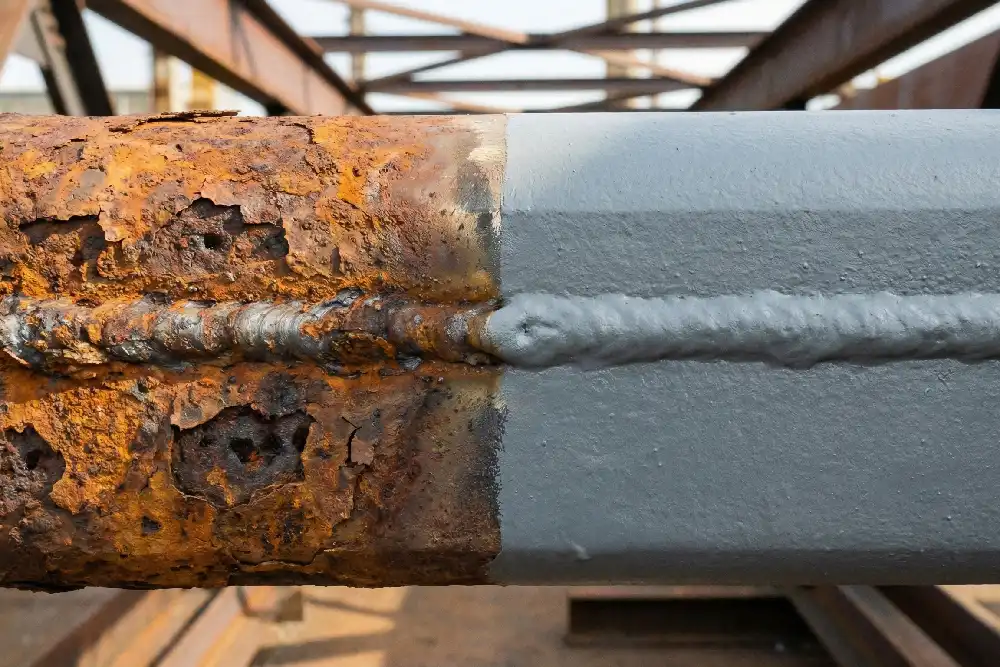
Corrosion of welded joints can make structures weaker and less safe. This can raise repair costs if corrosion causes sudden shutdowns. Sometimes, these shutdowns cost $45,000 every hour. The industry wants joint efficiency factors from 0.85 to 1.0. For important vessels, full radiography is needed. You must keep good records. These include material traceability and non-destructive testing. Using the right steps helps you avoid these problems. It also protects your money.
| Impact Area | Details |
|---|---|
| Maintenance Costs | Sudden shutdowns cost about $45,000 each hour |
| Safety Standards | Joint efficiency: 0.85–1.0, full radiography is best |
| Documentation | Material traceability and non-destructive tests are needed |
Key Takeaways
- Corrosion at welded joints can cause expensive fixes and danger. Checking often helps find problems early.
- Pick the best materials and fillers to lower corrosion risk. Stainless steel fillers protect better than carbon steel.
- Good welding methods, like cleaning surfaces and using shielding gas, make joints stronger and stop problems.
- Seal welds and use protective coatings to block water and chemicals. This helps welded joints last longer.
- Preheating and slow cooling during welding make joints stronger and fight corrosion. Always use the right temperatures.
Corrosion of welded joints: Main Causes
Metallurgical Changes
Welding causes metallurgical changes in the metal. The heat-affected zone, or HAZ, gets very hot and cools quickly. This makes new microstructures form, like martensite and bainite. The grain size and phase composition in the HAZ are different. The HAZ has more defects than other parts of the metal. It also has higher electrochemical activity. This means corrosion of welded joints can start faster here. The HAZ has special properties, such as residual stresses. These can make stress corrosion cracking more likely. If you know how the HAZ works, you can protect welded joints better.
Tip: Grain boundary stability is important. More Σ3 twin boundaries make grain boundaries stronger. Strong boundaries help stop localized corrosion. This keeps welded joints safer.
- The HAZ gets bigger grains because of welding heat.
- Bigger grains make the weld joint weaker.
- Lower corrosion resistance in the HAZ raises joint failure risk.
Chemical Composition Variations
The base metal and weld metal have different chemical compositions. These differences can make corrosion of welded joints happen faster. Adding nickel to steel can lower corrosion rate. But too much nickel in the weld area can cause problems. If the weld metal has a lot more nickel than the base metal, it gets localized enrichment. This makes the weld area more likely to corrode. The filler material is also important. Magnesium in aluminum filler makes it stronger and more resistant to corrosion. Silicon helps the filler flow and lowers melting temperature. Compounds formed during welding change how the metal reacts to corrosion. You need to pick filler materials carefully to avoid these problems.
- Nickel in steel up to 0.5 wt.% lowers corrosion rate.
- Weld metal with much more nickel than base metal can cause localized corrosion.
- Magnesium in aluminum filler boosts corrosion resistance.
- Silicon in filler improves weld quality and lowers melting temperature.
Residual Stress and Microcracks
Welding causes uneven heating and cooling. This creates residual stress in welded joints. Residual stress can make microcracks form. These cracks help corrosion of welded joints start sooner. There are two main types of stress: tensile and compressive. Tensile stress causes dislocation slip and film rupture at the crack tip. This leads to anodic dissolution and microcrack formation. Compressive stress helps dislocation slip and traps corrosive ions. This makes cracks grow faster.
| Mechanism | Effect on Microcracks and Corrosion |
|---|---|
| Tensile Stress | Causes dislocation slip and film rupture at the crack tip, leading to anodic dissolution and microcrack formation. |
| Compressive Stress | Helps dislocation slip and traps corrosive ions, making cracks grow faster. |
Microcracks often show up in the HAZ. These cracks let corrosive agents go deep into the metal. Stress corrosion cracking and microbiologically influenced corrosion (MIC) can happen quickly. Sulfate-reducing bacteria stick to steel and form biofilms. This speeds up corrosion. Microcracks under fatigue loading grow faster in corrosive environments. This lowers the strength and life of welded structures.
Weld Design Defects
Bad weld design can create spots where corrosion of welded joints starts. Tight gaps or crevices trap stagnant solutions. This leads to crevice corrosion. Irregular weld shapes cause turbulent flow. This results in erosion corrosion. Poor drainage lets water collect and raises the chance of localized corrosion. Welds should have smooth transitions and good drainage to avoid these problems.
- Crevices trap stagnant solutions and cause crevice corrosion.
- Irregular weld shapes cause turbulent flow and erosion corrosion.
- Tight gaps and poor drainage trap moisture and debris.
- Water collection raises localized corrosion risk.
Environmental Factors
The environment around welded joints affects how fast corrosion happens. Corrosive substances like chemicals or saltwater speed up corrosion of welded joints. Moisture is a big problem. If the structure stays wet for a long time, corrosion gets worse. Humid places, with over 75% relative humidity most of the year, make corrosion more likely. Climate, surface water, and plants add to humidity. Flooding traps moisture and debris, which speeds up corrosion over time.
- Internal corrosion comes from corrosive substances.
- Moisture breaks down material in the weld zone.
- Humid climates (over 75% relative humidity for eight months or more) raise corrosion risk.
- Climate, surface water, and plants increase humidity.
- Flooding traps moisture and debris, speeding up corrosion.
Temperature changes also matter. High temperatures make corrosion happen faster. They speed up dissolution processes. Welded joints lose resistance to stress corrosion as temperatures rise, especially in aluminum alloys. Outdoor structures face more corrosion because of temperature swings.
Note: Always think about the environment when planning welded joints. Protecting against moisture, chemicals, and temperature changes helps prevent early corrosion.
Preventive Measures for Welded Joint Corrosion
Material and Filler Selection
It is important to pick the right materials and fillers. This helps lower the risk of corrosion of welded joints. The filler metal should have the same properties as the base metal. If you use the wrong filler, like mild steel in a tough place, corrosion can happen faster. This can make the weld break. Stainless steel fillers are better than carbon steel fillers. They make a layer that protects the metal.
| Material Type | Corrosion Resistance |
|---|---|
| Stainless Steel | Superior due to chromium forming a protective layer |
| Carbon Steel | Lacks protective layer, more susceptible to rust |
- Pick fillers that are like the base metal.
- Do not mix metals with very different corrosion resistance.
- Stainless steel fillers give better protection in harsh places.
Welding Techniques and Finishing
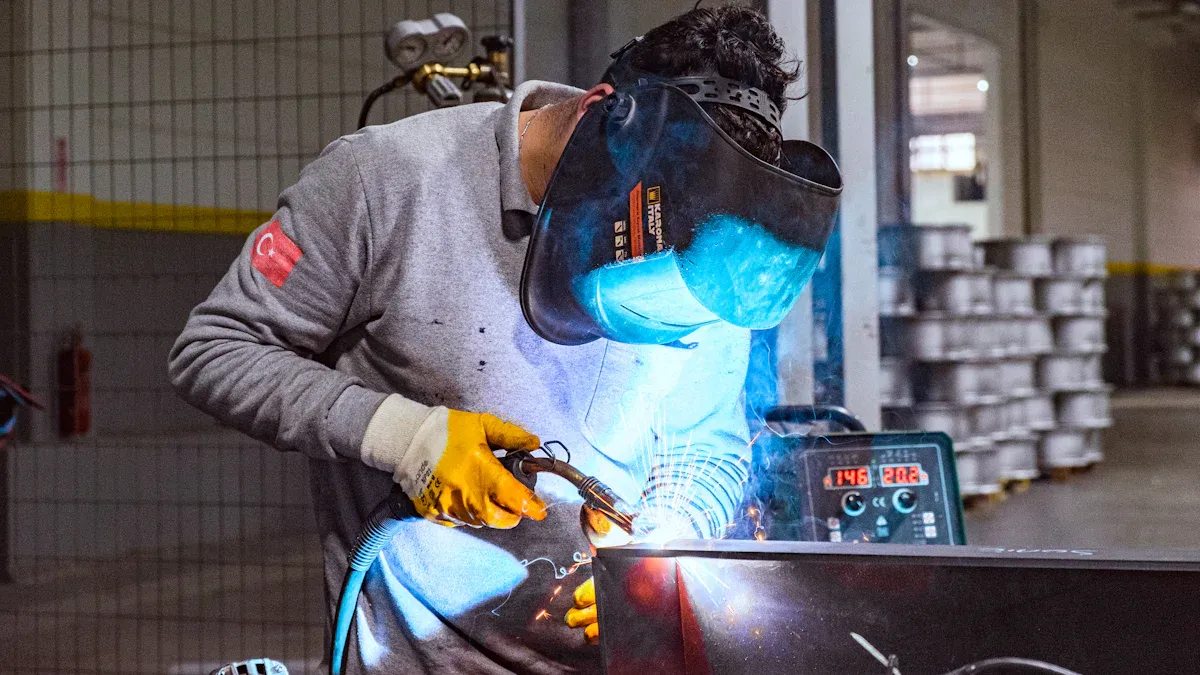
Good welding techniques make welded joints stronger. Clean the metal before welding. Remove dirt, paint, and grease. This stops holes from forming in the weld. Holes can lead to corrosion. Use the right welding speed. Keep the weld puddle safe from air. Shielding gas keeps the molten metal clean. Preheating the metal gets rid of moisture. This lowers the chance of holes. After welding, heat treatment removes trapped gases.
| Technique | Description |
|---|---|
| Proper Material Preparation | Clean surfaces to prevent porosity. |
| Correct Welding Techniques | Maintain travel speed and distance to protect weld puddle. |
| Use of Shielding Gas | Shield molten weld pool from contamination. |
| Pre-heating | Eliminate moisture before welding. |
| Post-weld Heat Treatment | Diffuse and remove trapped gases. |
Finishing the weld is also very important. Grinding can make defects and stress. This lowers corrosion resistance. New finishing methods make the surface smoother. They also lower stress, especially for stainless steel. A smooth finish helps form a protective chrome oxide layer.
Tip: Always clean and finish welded joints. This helps stop corrosion and keeps chrome-depleted spots away.
Seal Welds and Caulking
Seal welds and caulking keep water out of welded joints. Good sealing stops vapor and water from getting in. This helps prevent corrosion and keeps insulation safe. If water gets trapped, it can hurt the metal and insulation. Joints in busy areas need strong sealants and careful timing.
| Evidence Description | Key Points |
|---|---|
| Importance of vapor barriers | Sealing prevents moisture accumulation and corrosion. |
| Risks of moisture deposition | Moisture can cause mechanical damage and corrosion. |
| Joint sealing challenges | Traffic areas need strong, well-timed sealing. |
- Use sealants to protect the overlap area from harsh conditions.
- Sealant 1 is stronger and protects better than sealant 2.
- Sealants can help welded joints hold more weight.
Protective Coatings and Primers
Coatings and primers protect welded joints from corrosion. Polymeric primers with TiO2 nanoparticles work well near the sea. These coatings block water and chemicals. This makes welded joints last longer. Zinc-rich primers, like Norton Zinc Weld-Thru Primer, stop rust in wet places.
- Put on coatings thick enough to make a strong barrier.
- Thick coatings protect against damage and bad weather.
- Clean the surface before coating for the best results.
Note: Always check coating thickness and surface prep. This makes sure the protection works in tough places.
Alternative Joint Designs
The way you design the welded joint matters. Butt joints and lap joints act differently, especially in aluminum alloys. Some welded joints have a heat-affected zone that can corrode more. Pick joint designs that lower the risk of corrosion of welded joints.
- Use joint designs without crevices or tight gaps.
- Pick welding methods that make a smaller heat-affected zone.
- Think about the environment when choosing joint types.
Inspection and Maintenance
Check welded joints often to find corrosion early. Clean the joints and look for rust or damage. Fix small problems before they get worse. Visual checks and cleaning keep joints strong. Phased array ultrasonic testing finds crevice corrosion in flanged joints. Follow the rules during inspections to show good quality and control corrosion.
Alert: Never skip inspections. Finding problems early saves money and keeps things safe.
Preheating and Cooling Practices
Preheating and slow cooling help stop bad microstructures. Preheating lowers stress and stops cracks. Slow cooling makes ferrite and pearlite. These resist corrosion better than martensite. Preheating also helps alloying elements spread out. This makes welded joints stronger.
- Preheating makes the metal tougher and more bendable.
- Acicular ferrite forms during preheating and helps with impact.
- Preheating changes the way the metal breaks. It makes it less likely to break suddenly.
Recommended preheating temperatures:
| Material Type | Recommended Preheating Temperature (°C) |
|---|---|
| Carbon steel | 50–150 |
| Low-alloy steel | 100–250 |
| Chromium-molybdenum alloys | 200–350 |
Always use the right temperature for your material. This helps stop corrosion of welded joints and keeps them strong for a long time.
Consequences of Neglecting Corrosion Prevention
Structural Risks
If you do not stop corrosion, big problems can happen. Welded joints can get weak and break easily. Small pits and cracks can grow bigger over time. These problems can make bridges or tanks fail suddenly. Welding flux residue often causes pitting and local corrosion. This makes the metal weaker and welds can break sooner than expected. Leftover flux also makes weak spots in the weld. These weak spots might break when heavy things press on them.
| Risk Type | Description |
|---|---|
| Corrosion and Pitting | Local corrosion and pitting make metal weak and cause welds to fail early. |
| Weakened Weld Strength | Bad fusion can make welds crack or break when stressed. |
| Stress Corrosion Cracking | Raises the chance of big failures in important parts. |
| Poor Appearance and Quality Control | Makes welds look bad and shows poor work. |
| Difficulty in Inspection and NDT | Hides problems, so cracks or holes are hard to find. |
Note: Always clean off flux residue and check welds. This helps you find hidden problems.
Increased Costs
Not stopping corrosion will cost you more money. You may have to fix or replace broken parts often. Emergency shutdowns can cost a lot every hour. If you ignore small issues, they turn into big repairs. You might need to pay for more checks, new parts, and extra work. Insurance can get more expensive if your equipment breaks a lot. Bad welds also make your things worth less money.
- Fixing things often uses up your money.
- Emergency stops mess up your work.
- Insurance gets more costly with many failures.
- Bad welds make your stuff worth less.
Safety Concerns
Ignoring corrosion makes things less safe. Bridges and tanks can be dangerous if welded joints break. Cracks and holes in welds make them weaker. Many cracks can make welded joints wear out faster. Corrosion makes stress points where breaks can start. If you do not fix these, workers and others can get hurt.
| Study | Findings |
|---|---|
| Probabilistic corrosion-fatigue prognosis of rib-to-deck welded joints | Shows that corrosion fatigue is a safety risk. |
| Bridge management systems | Corrosion makes parts thinner and adds stress points. |
| Fatigue life prediction for Q420qFNH weathering steel | Many cracks make welded joints wear out faster. |
| Weld porosity effects | Holes in welds make them weak in tough jobs. |
⚠️ Always put safety first. Check and fix welds often to keep people and property safe.
Summary of Key Actions
Recap of Causes
There are a few main reasons for corrosion of welded joints. Welding heat changes the metal’s structure. This makes weak spots that rust faster. Using different metals in the weld and base can cause reactions. These reactions make rust form more quickly. Residual stress and small cracks happen during welding. These cracks let water and chemicals get inside the metal. Bad weld design, like sharp corners or tight spaces, holds moisture and dirt. Humid air, saltwater, and chemicals make corrosion worse. High temperatures also make corrosion happen faster.
Tip: Always look for these risks before welding. Acting early helps stop bigger problems later.
Recap of Preventive Measures
You can keep corrosion of welded joints away by taking some steps. Start by cleaning and treating the metal before welding. This lowers the chance of defects that start corrosion. Use good welding techniques for strong welds with fewer weak spots. Heat treatment after welding removes stress and trapped hydrogen. This helps the joint last longer. Passivation treatment is good for stainless steel. It cleans the surface and makes a protective layer.
Here is a quick guide to the best actions:
| Key Action | Description |
|---|---|
| Surface Preparation | Clean and treat surfaces to lower defects that start corrosion. |
| Proper Welding Techniques | Good welds stop defects that can cause corrosion. |
| Post-Weld Heat Treatment | Removes stress and trapped hydrogen to protect against corrosion. |
| Passivation Treatment | Cleans and makes a protective film on stainless steel. |
You should also use coatings and primers to block water and chemicals. Pick joint designs that do not have tight gaps and let water drain out. Check and fix welded joints often. Fix small problems before they get worse. Preheating and slow cooling during welding make the joint stronger and more resistant.
🛠️ Regular checks and good welding habits keep your structures safe and strong.
You can stop corrosion of welded joints if you know the main causes and take smart steps. Pick the right materials for your project. Use good welding methods to make strong joints. Put on protective coatings like galvanizing or epoxy to keep out water. Check your welded joints at least once a year. Look for cracks, rust, or bent spots. Clean the surfaces with pressure washing or a solvent. Follow this inspection plan for each season:
- Look at welds and coatings before winter starts.
- Watch for salt and moisture during winter months.
- Clear away debris and fix any damage after winter ends.
If you stay alert, your structures will be safe and strong.
FAQ
What signs show corrosion in welded joints?
You may see rust, discoloration, or small pits near the weld. Cracks or rough surfaces can also mean corrosion.
Tip: Check welded joints often to catch these signs early.
How often should you inspect welded joints for corrosion?
You should inspect welded joints at least once a year. If your structure faces harsh weather or chemicals, check more often.
| Inspection Frequency | Environment |
|---|---|
| Yearly | Mild |
| Twice a year | Harsh/Coastal |
Can you repair a corroded welded joint?
Yes, you can repair a corroded joint. Remove the rust, clean the area, and weld again if needed. Use protective coatings after repair.
🛠️ Always fix small problems before they grow.
What is the best way to protect welded joints from corrosion?
You should use the right materials, apply protective coatings, and design joints to drain water. Regular cleaning and inspection help keep corrosion away.
Note: Prevention saves you time and money.
How to Prevent Weld Rust on Metal Surfaces Effectively
Why weld seams are often the most rusted areas