
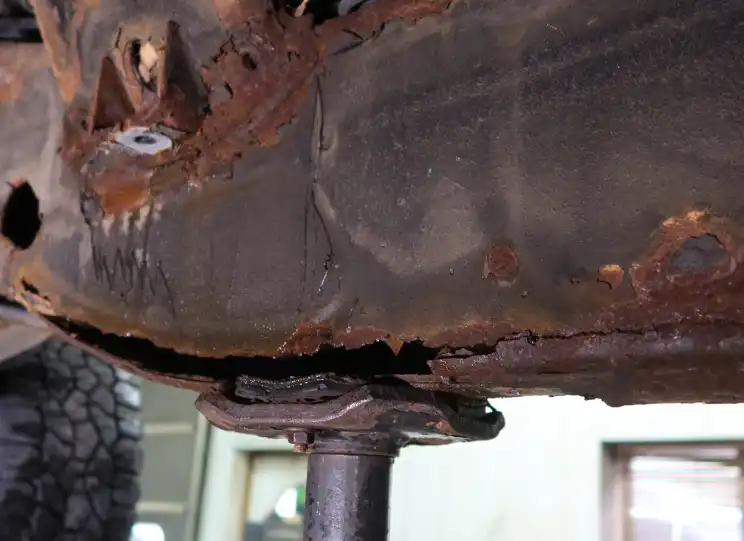
You should know that replacing a rusted car frame is usually safer. It also makes your car more reliable. However, repairing a car frame can be a good idea sometimes. Safety is the most important thing. A weak frame can be dangerous, and you could get hurt if the frame breaks. Cost is important too. Recent industry repair cost guides show repairing a car frame often costs $2,000 to $5,000, depending on rust severity and vehicle type (see industry repair cost guides, e.g., Harry’s Collision on frame repair costs). Think about how much money you have and also look at your car’s shape. This guide will help you choose what to do, so you can feel sure about your decision.
Key Takeaways
- Always think about safety with a rusted car frame. A weak frame makes crashes more likely. It can also make the car hard to control.
- Think about how much repairs or replacement will cost. Fixing a frame can cost $2,000 to $5,000. Replacing the whole frame can cost up to $10,000.
- Look at how bad the rust is. Small rust spots can sometimes be fixed. If there is a lot of rust, you may need a new frame to stay safe.
- Think about how old your car is and what it is worth. If fixing it costs more than half of what your car is worth, replacing it might be better.
- Always check for rust you cannot see and other damage. Use the right tools and steps to check everything before you fix it.
Repair vs. Replacement
Safety Issues
You need to think about safety first when you look at a rusted car frame. A weak frame can put you and your passengers at risk. Automotive safety experts warn about several dangers:
- Higher crash risk. A damaged frame cannot protect you well in an accident. The crumple zones and impact force distribution do not work as designed.
- Handling issues. Rust can cause the frame to bend or twist. This can make steering harder and your car less stable.
- Faster wear. Rusted frames can lead to uneven tire wear. The suspension and steering systems also face more stress.
If you notice any of these problems, you should take action right away. Driving with a rusted frame can make every trip unsafe.
Cost Factors
Money matters when you decide between repairing a car frame or replacing it. You want to know what you might spend. Here is what most people pay in the United States:
Costs vary with rust severity, vehicle type, and labor rates: expect structural/frame repairs in the roughly $1,200–$4,000 range, while full frame replacement typically runs about $3,000–$10,000+ (New England Rust, 2025; Harry’s Collision, 2024).
Fixing small areas of rust costs less than replacing the whole frame. Repairing a car frame can also help you keep your car original. You should compare these costs to the value of your car. Sometimes, the repair costs more than the car is worth.
Reliability Over Time
You want your car to last and stay safe. Repairs can help, but they do not always solve every problem. If you fix only the visible rust, hidden damage may remain. This can cause new problems later. A new frame gives you the best long-term reliability. It removes all the rust and restores the car’s strength. If you plan to keep your car for many years, replacement may be the better choice. If you only need a few more years, repairing a car frame might work for you.
Key Factors in Decision-Making
Extent of Rust Damage
You should start by checking how much rust has affected your car frame. Rust can eat away at the metal, making it weak and unsafe. Over time, moisture, salt, and chemicals cause the frame to break down. If you see flaking metal or deep pits, the damage may be serious. You can use these steps to inspect the rust:
- Walk around your car and look for rusty spots or bubbling paint.
- Feel for rough or flaky areas.
- Use a flashlight and a screwdriver to check for soft spots.
- Look under the car, especially near the wheels and suspension.
If rust is only in small areas, repairing a car frame might be possible. When rust covers large sections or affects important parts, replacement is safer.
Vehicle Age and Value
The age and value of your car matter a lot. Older cars are more likely to have rust problems. If your car has over 150,000 miles, repairs can cost more than the car is worth. When repair costs go over 50% of your car’s value, you should think about replacing the frame or even scrapping the car. Newer cars with high value may be worth fixing, especially if the rust is not too bad.
Tip: If your car is old and repairs cost more than its market value, replacing the frame or getting a new car is often smarter.
Intended Use
Think about how you use your car. If you drive every day or carry passengers, safety should come first. For cars used only for short trips or as a hobby, you might accept some risk. If you plan to keep your car for many years, a full replacement gives you better reliability.
Budget Considerations
Your budget will guide your choice. Frame repairs can cost anywhere from $600 to $10,000. Here is a quick look at typical costs:
| Repair Type | Cost Range |
|---|---|
| Frame repair | $600 to $10,000 |
If you have insurance, check if it covers frame repairs. Always compare the cost of repairing a car frame to your car’s value and your long-term plans.
Assessing Frame Rust
Inspection Steps
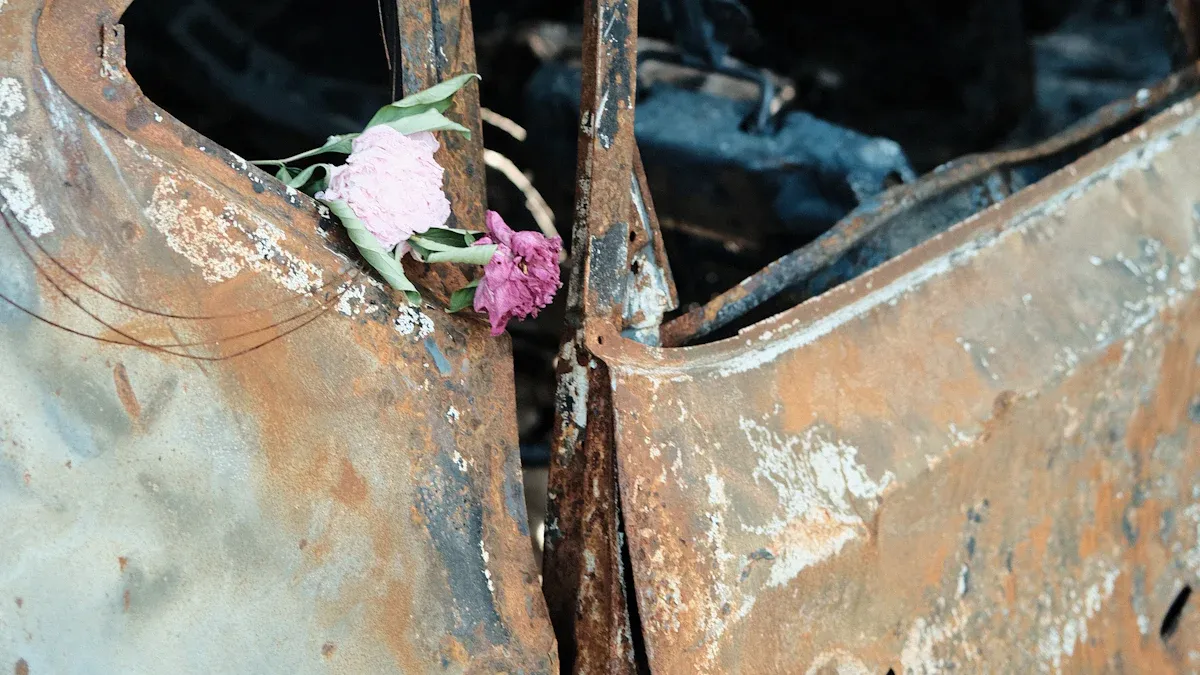
You should check your car frame very well before you decide. Rust can hide under paint or inside the metal. So, you need to look closely. Here are some steps to help you find rust and hidden damage:
- Look for paint that bubbles, rough spots, or color changes on the frame.
- Check places like wheel wells, door edges, and under the car.
- Press gently on rusty spots to see if the metal feels soft.
- Use a wire brush or rust removal wheel to clean off surface rust.
- Sand the spot with 80-grit sandpaper until you see bare metal. Then use 220-grit sandpaper to make it smooth.
- Look at the cleaned area for deep pits or holes.
- Put on a rust converter if you need to stop more rust.
- Spray rust-inhibiting primer and touch-up paint to keep the metal safe.
Note: Rust can be worse than it looks. Check for chipped paint, panels that do not line up, or uneven gaps. These signs can mean there are bigger problems you cannot see.
Determining Repair Feasibility
After you check, you need to see if fixing the car frame is possible. Experts use special tools to check if the frame is bent or weak. They might use machines to fix the frame and lasers to check if it is straight. If you live near the ocean or where it snows, your car can rust faster from salty air or road salt. Not cleaning your car often can also make rust worse. A professional can tell you if the frame is safe to fix.
- Technicians might cut out bad parts and put in new ones by following the maker’s rules.
- It is important to find all the problems. Special tools can find things you might miss.
- Safety is most important. Always make sure the frame is strong enough before you fix it.
When Replacement Is Necessary
Industry guidance says structural corrosion that compromises strength or attachment points should prompt replacement rather than patch repairs. For example, I‑CAR’s RTS guidance on corrosion repair advises replacing structural members when section loss or deterioration affects weldability or load paths. Regulators and inspection programs expect repairs to restore OEM‑level integrity—NHTSA and inspection guidance direct shops to follow manufacturer procedures rather than ad‑hoc fixes. Check your vehicle maker’s collision or service manual (for instance, Toyota collision/corrosion service notes) for model‑specific replacement thresholds.
Sometimes, you need to replace the frame to be safe. Watch for these warning signs:
- Tires wear unevenly, which can mean the frame is not straight.
- You see bent metal, cracks, or big rust spots on the frame.
- Steering is hard or the car drifts when you drive.
- The suspension is not lined up, so the car drives unevenly or makes strange sounds.
- You hear rattling or squeaking when you go over bumps.
If you see these problems, fixing the frame may not be enough. Replacing the frame will help keep your car safe and working well.
Repairing a Car Frame: Methods and Safety
Welding and Steel Replacement
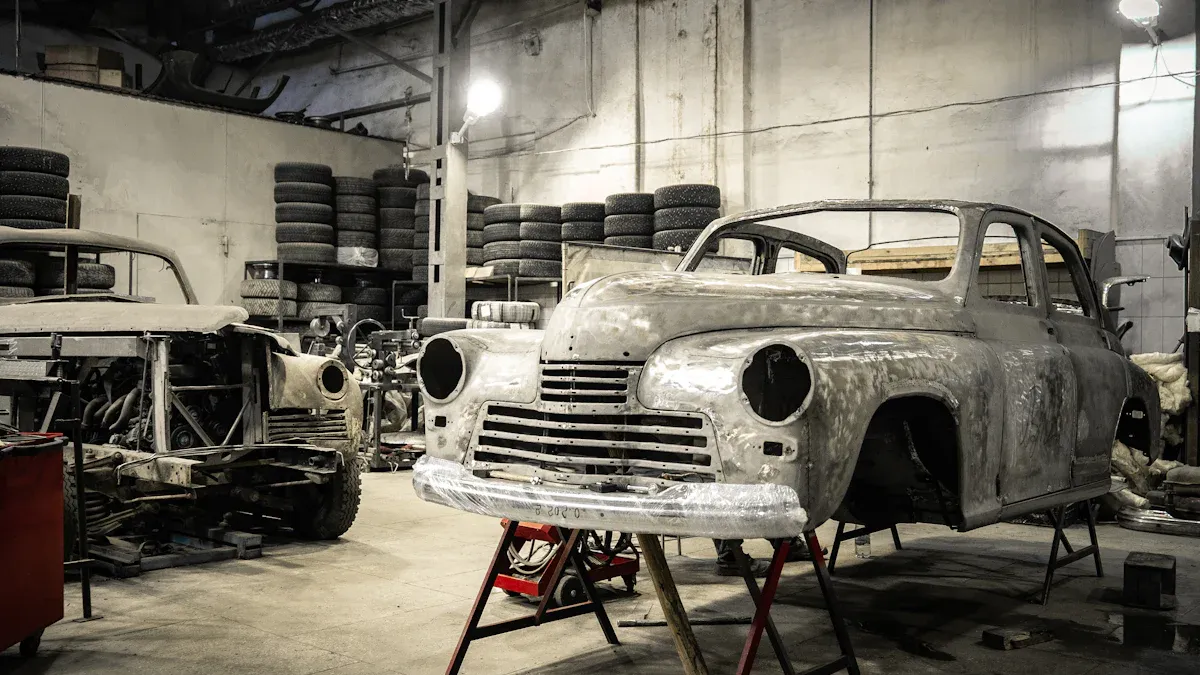
You can use several methods when repairing a car frame. Welding is one of the most common ways to fix rusted sections. You need to choose the right welding technique for your car and the type of metal. Here are some popular welding methods:
- MIG welding works well on thick steel and gives strong results.
- TIG welding helps you repair thin metals and aluminum with clean, precise welds.
- Spot welding joins sheet metal panels quickly, which is useful for unibody repairs.
You may also see stick welding used for general automotive projects, but it does not work well on thin sheet metal. The table below shows how each technique fits different needs:
| Welding Technique | Description | Best Use |
|---|---|---|
| MIG Welding | Fast and easy to learn, suitable for thick steel. | Heavy-duty structural repairs |
| TIG Welding | Precise and clean, ideal for thin metals and aluminum. | Cosmetic and high-performance parts |
| Stick Welding | Easy to learn, but requires cleanup; not ideal for thin sheet metal. | General automotive projects |
When you repair a car frame, you often need to cut out rusted sections and replace them with new steel. You can use sheet metal patches, pop rivets, or products like SafeTcap. SafeTcap covers rotten parts of the frame, but you must weld it in place. The process takes time and can cost thousands in labor. Always clean and prep the area before you start. Remove all rust and dirt so the new metal bonds well.
Temporary Fixes
Sometimes you need a quick solution before you can do a full repair. You might use rust converters, rust-inhibiting primers, or touch-up paint to slow down rust. These products help protect the metal for a short time. You can also use pop rivets and sheet metal patches to cover small holes. These fixes do not last long, but they give you time to plan a bigger repair.
Tip: Temporary fixes work best when rust is only on the surface. If rust goes deep or covers large areas, you should look for a permanent solution.
Safety Precautions
Safety matters most when you work on a car frame. You must wear safety glasses, gloves, and sturdy shoes to protect yourself. Use proper equipment like hydraulic lifts and frame straightening machines. Always inspect the frame for hidden damage and misalignments before you start. When you weld, follow strict rules for ventilation and fire safety. Make sure you use modern systems to check alignment and adjust the frame.
After repairing a car frame, you should test drive the car and inspect it carefully. If you do not fix the frame well, you risk serious problems:
- The frame may not protect you in a crash, making injuries more likely.
- Misalignment can delay or stop airbag deployment.
- Poor repairs can cause bad handling and unpredictable responses in emergencies.
Note: Never drive a car with a frame that is rusted through or poorly repaired. The risks are too high for you and your passengers.
DIY vs. Professional Repair
When to Hire a Pro
You should get help from a professional if the rust is bad or covers big areas. Skilled workers use special tools to fix your car’s frame. Many auto shops have machines that straighten frames and lasers that measure them. These tools help them fix the frame exactly right. If you want the best job, pick a shop that knows how to repair car frames. Repairs done by pros last longer and make your car safer.
DIY Risks
Fixing a rusted car frame by yourself can be dangerous. You might not have the right tools or know-how. Here are some common risks:
- People in the car are less safe if the frame cannot absorb crash forces.
- You could have legal or insurance trouble if you drive with frame damage. Insurance may pay less if you have an accident.
- Your car may not handle well. Bad alignment can make steering hard, use more gas, and wear out tires unevenly. These problems can cost you more money later.
Professional repairs are generally more reliable than DIY fixes because trained technicians follow OEM procedures and use specialized equipment; DIY attempts often carry a higher risk of incomplete restoration and recurring problems.
Choosing a Repair Shop
Pick a repair shop that has high standards. Look for these things:
- Certifications like I-CAR Gold Class Professionals mean the workers are trained well.
You should always put safety first when you find rust on your car frame. Repairs may work for small spots, but large or deep rust often means you need a replacement. Use these steps to guide your next move:
- Check your car for rust, especially on the frame and panels.
- Fix small surface rust right away.
- If you see deep or widespread rust, talk to a professional.
- Never ignore rust, as it can spread fast.
Making an informed choice keeps you and your passengers safe.
FAQ
Can you drive a car with a rusted frame?
You should not drive a car with a rusted frame. Rust weakens the metal and can cause the frame to break. This puts you and your passengers at risk.
How do you know if frame rust is serious?
Check for deep pits, holes, or bent metal. Use a flashlight and press on rusty spots. If the metal feels soft or cracks, the rust is serious.
Is it cheaper to repair or replace a rusted frame?
Repairing small rust spots usually costs less than replacing the whole frame. If rust covers large areas, replacement may cost less in the long run.
What tools do you need to fix frame rust?
You need a wire brush, sandpaper, rust converter, and welding equipment. Safety gear like gloves and goggles helps protect you during repairs.