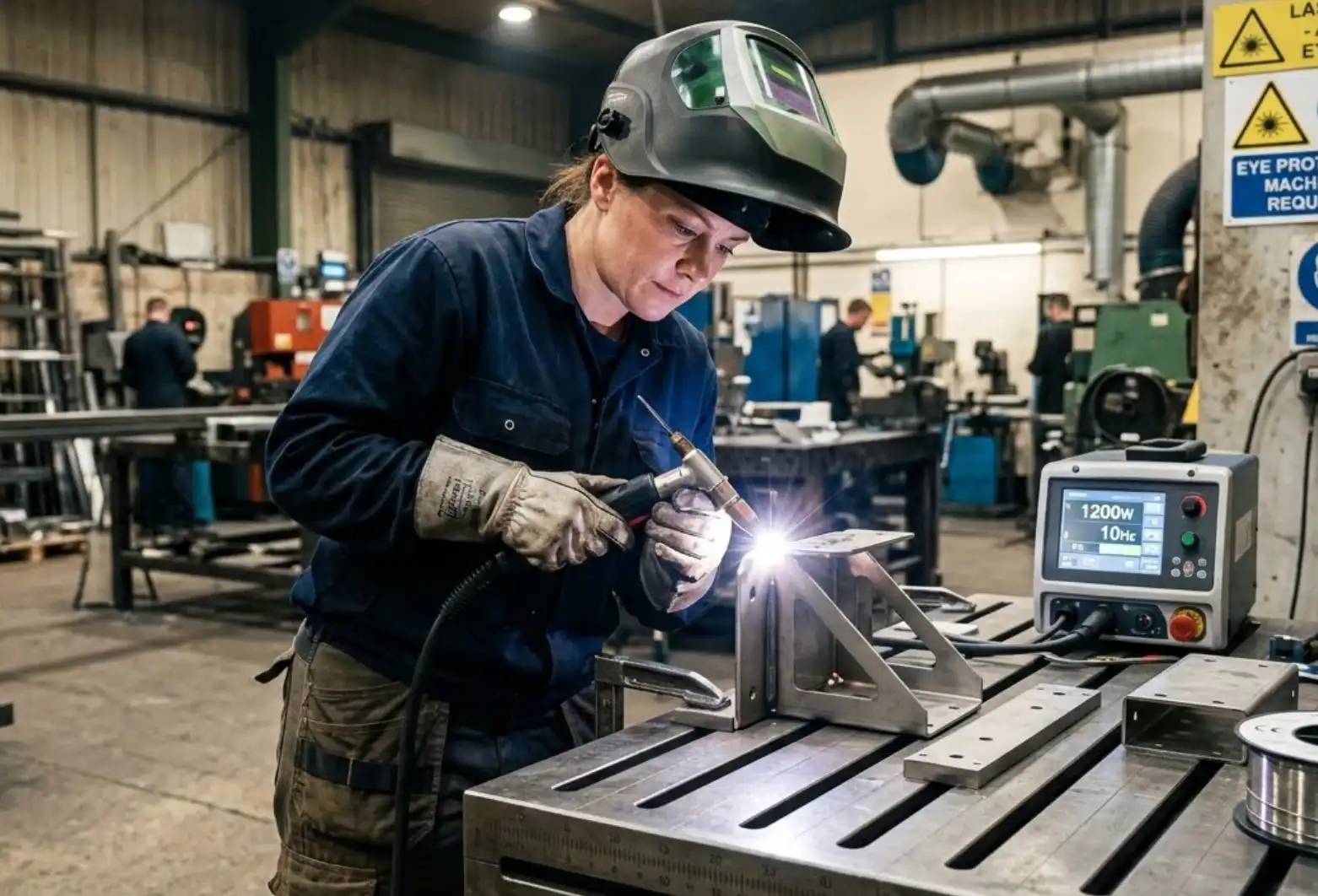
Reinforcement in welding is the extra weld metal above the joint. People also call it weld bead height or weld crown. You should notice this part because it helps make the weld strong and safe.
Weld reinforcement means extra weld metal that sticks out past the joint. It can make the weld stronger, but too much can cause stress. This stress might make the weld weaker.
If you know how reinforcement works, you can stop common welding problems like:
- Undercut, which makes a groove along the weld toe and makes the joint weak
- Overlap, where weld metal goes over the base but does not join right
You can make better welds by using good techniques and following the right steps.
Key Takeaways
- Weld reinforcement is extra metal on top of the joint. It makes the weld stronger. Use the right amount for safety and strength.
- If you use too much or too little, problems can happen. You might get cracks or weak spots. Always check your welds to match the rules.
- Good reinforcement helps things hold heavy weight. It also protects against weather and stress. This keeps your work safe and strong.
- Use tools like weld gauges and laser profilometers to check reinforcement. These tools help your welds pass tests and meet the rules.
- Practice and training make you a better welder. Learn new ways to keep your welds good.
Reinforcement Definition
What Is Weld Reinforcement
Weld reinforcement is extra weld metal above the joint. People call it weld bead height or weld crown. In welding, you add more metal than just what fills the joint. This extra metal is called reinforcement.
- Weld reinforcement is extra weld metal that fills more than needed.
- It is also called weld bead height or weld crown.
The American Welding Society (AWS) explains reinforcement in its rules. Many welding codes, like AWS D1.4 and the ACI Code, say how much reinforcement is okay. They also say why it is important for weld strength.
Where Reinforcement Appears
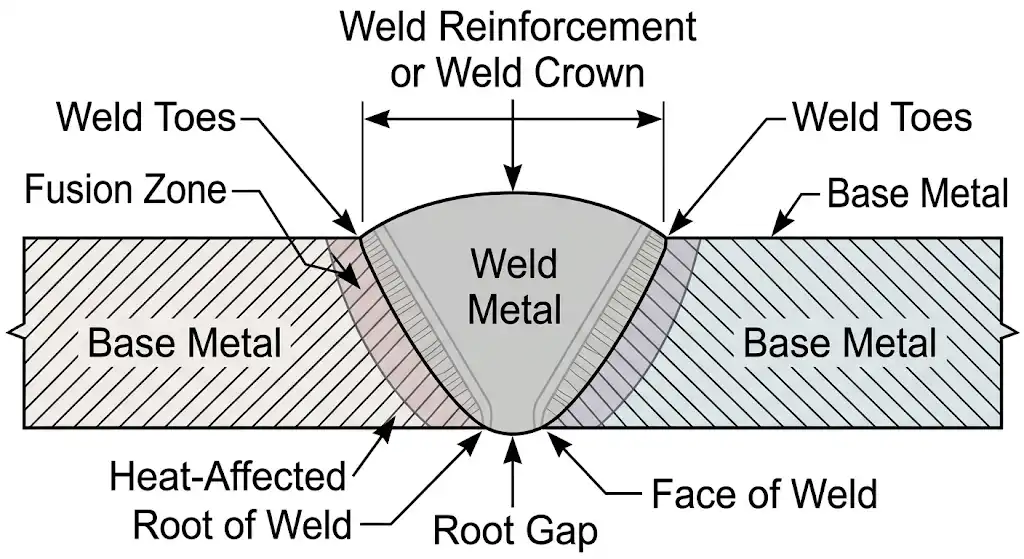
Reinforcement is found at the top of the weld. The weld metal sticks up above the base material. It looks like a bump or ridge along the weld seam. Reinforcement can be on both sides of a butt joint. You can also see it on fillet welds where the weld metal builds up.
Tip: Always check for reinforcement between the weld toes. Weld toes are where the weld meets the base metal.
Measuring Reinforcement
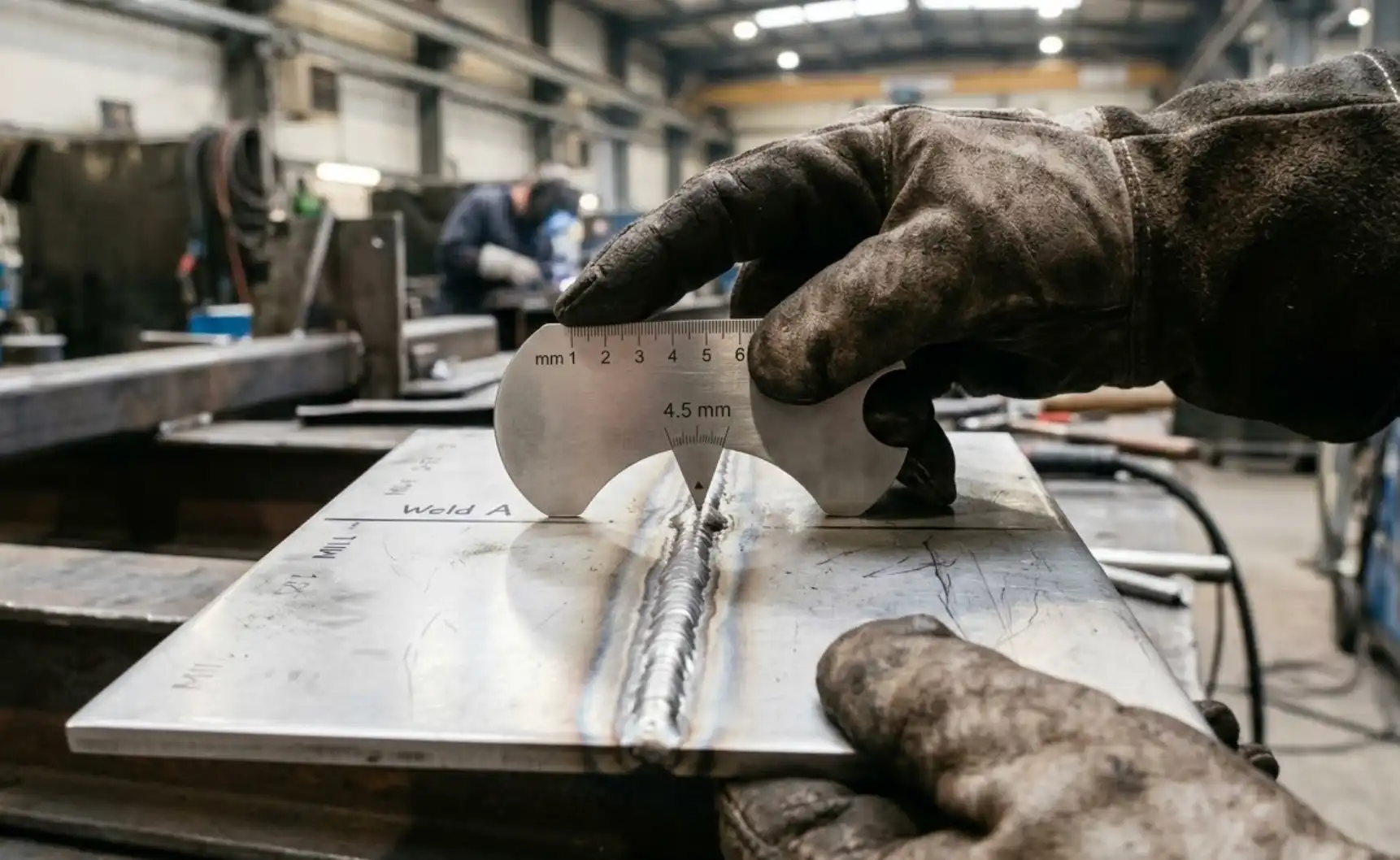
You can measure reinforcement by checking the weld height. The most common tool is a weld gauge. In factories, people use other tools too.
- Thermographic cameras help check weld height, width, and penetration.
- Laser profilometers scan the weld bead to measure reinforcement and width.
- Macrographic analysis means cutting, polishing, and etching the weld to see its shape and measure reinforcement.
You should measure from the highest weld point down to the base metal. This is done between the weld toes. It helps you make sure the reinforcement matches the code rules like AWS.
Importance of Reinforcement
Structural Integrity
You need to understand what reinforcement does for the strength of a weld. When you use the right amount, you help the welded joint hold heavy loads. This makes the structure last longer and stay safe in tough conditions. Reinforcement also helps the weld resist stress from the environment, like wind or vibration. If you want your welds to stay strong, you must pay attention to how much extra metal you add.
- Proper reinforcement lets welded joints handle heavy loads.
- It helps the weld resist stress from the environment.
- Precision welding keeps the joint strong and reliable.
If you use too much or too little, you can cause problems. The table below shows what happens when you do not control reinforcement:
| Defect Type | Description | Causes |
|---|---|---|
| Excess Reinforcement | Too much filler metal makes the weld uneven and ragged. | Uneven travel speed, wrong voltage, large gaps, too much or too little flux. |
Production Efficiency and Material Savings
Reinforcement also affects how fast you can finish a project and how much material you use. When you use the right amount, you save on filler metal and reduce waste. This means you spend less money and finish jobs faster. You also avoid extra work fixing welds that do not meet standards. Good control of reinforcement helps you keep your projects on schedule.
You can also make maintenance easier by using the right reinforcement. For example:
- Heat treatment can relieve stress in the weld.
- Adding braces or supports spreads out the load.
- Regular checks make sure the structure is not overloaded.
Safety and Performance
Safety is a big reason to care about reinforcement. In places like pipelines or pressure vessels, the weld must be strong and leak-proof. If you do not use the right amount, you risk leaks, weak spots, or even failure. The table below shows what can go wrong:
| Aspect | Implication |
|---|---|
| Structural strength | Weak welds can cause the structure to fail. |
| Leak prevention | Bad welds may let dangerous leaks happen. |
| Compliance with standards | Not following rules can lead to legal and safety problems. |
| Pressure and temperature | Weak welds may break under extreme conditions. |
When you control reinforcement, you help keep people safe and make sure your welds last.
Ideal Reinforcement Standards
Recommended Limits (e.g., ASME B31.3)
You need to know what the main welding codes say about weld reinforcement. These codes set the rules for how much weld metal can stick out above the joint. The ASME B31.3 code gives clear limits for different types of fluid service and material thickness. You can see these limits in the table below:
| Fluid Service Category | Thickness Range (inches) | Maximum Reinforcement Height (inches) |
|---|---|---|
| M, Normal Fluid | Up to 0.500 | 0.125 |
| Severe Cyclic Service | Up to 0.500 | 0.125 |
| D | 0.250 to 0.500 | 0.250 |
Most codes, like AWS D1.1 and ISO standards, also say that reinforcement should not go over 3 mm for most welds. You should always check the code that matches your project.
When you look at a weld, you can use these visual inspection criteria:
- Check that the weld does not go over the maximum height.
- Make sure the weld bead is smooth and even.
- Look for any cracks, undercut, or overlap.
- Follow the rules in AWS D1.1, ASME, or ISO standards.
Achieving Proper Reinforcement
You can use different welding techniques to get the right reinforcement. Each method works best for certain jobs. The table below shows what techniques expert welders use and where they work best:
| Welding Technique | Advantages | Application Area |
|---|---|---|
| TIG Welding | Precision and cleaner welds, good for thin metals | Thin stainless steel sheets |
| Laser Welding | High-quality welds with little distortion | Metal sheet joining |
| Friction Stir Welding | Strong joints, keeps most of the base strength | Aluminum alloy joining |
Welding inspectors check your work to see if it meets the standards. They write reports that show what they found. If there are problems, they note what you need to fix. They keep these records for every job.
Tip: Always measure the weld height with a gauge and compare it to the code. This helps you stay within the limits and pass inspections.
Problems with Incorrect Reinforcement
Excessive Reinforcement Issues
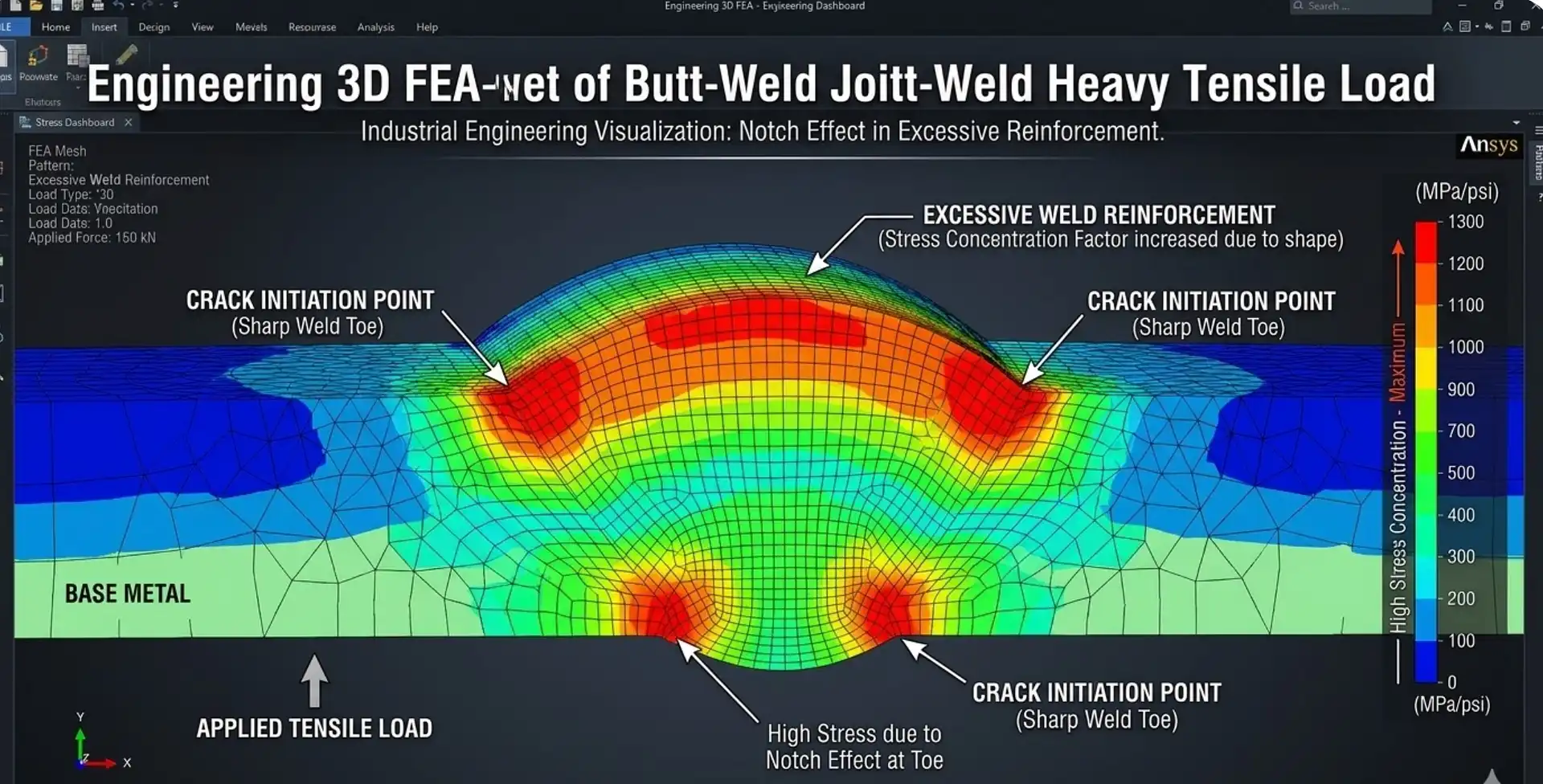
If you use too much weld metal, you get excessive reinforcement. This can cause many problems in your welds. The extra weld metal at the joint acts as a stress point. Sharp corners at the weld toes make the weld easier to crack or break. Brittle fractures can also happen if the base metal cannot bend well. These stress points make the weld weaker and do not last as long.
Excessive reinforcement creates sharp edges that focus stress. These spots can crack or break when the weld is used a lot.
Here is a table that shows problems from excessive reinforcement:
| Problem Description | Impact |
|---|---|
| Stress concentration at the weld joint due to excessive reinforcement | More likely to break or bend when loaded. |
| Higher likelihood of cracking under prolonged external stress | Cracks can start and spread in the weld or base metal. |
| Disruption of structural continuity between weld fusion zone and heat-affected zone | The weld joint gets weaker and may fail from repeated use. |
| Elevated temperature at the weld edge leading to porosity formation | More chance for rust at stress points, making the metal wear out faster. |
| Localized stress concentration in pressure vessels | The part may not last as long and can break from stress. |
| Increased frictional resistance in pipelines due to internal weld reinforcement | It takes more energy to move fluids and costs more to stop rust. |
Insufficient Reinforcement Problems
If you do not use enough weld metal, you get insufficient reinforcement. This makes the weld weak and unable to hold heavy things. The weld may not pass inspection because it does not meet the rules. Weak welds can break early, especially if they shake or get pushed. Bad technique or wrong settings often cause these problems.
| Cause of Insufficient Weld Reinforcement | Effect on Weld Quality |
|---|---|
| Low Heat Input | The joint cannot hold as much weight. |
| High Welding Speed | The weld can break from repeated use. |
| Incorrect Electrode / Filler Size | The weld can break early if pushed or shaken. |
| Poor Welder Technique | The part is not as strong as it should be. |
| Improper or Incorrect WPS | The weld does not follow important welding rules. |
Not enough reinforcement often causes failed inspections and weak welds. You should always check your welds to stop these problems.
Causes of Incorrect Reinforcement
Incorrect reinforcement can happen if you use the wrong welding settings or if the joint does not fit well. Here are the main causes:
- Excessive current: This makes the weld bead too high or rounded.
- Poor joint fit-up: This changes how the weld metal fills the joint.
- Improper welding parameters: Wrong current, arc length, or speed can cause problems.
Always check your welding setup before you start. This helps you avoid reinforcement problems and keeps your welds strong.
Controlling Reinforcement
Practical Welding Tips
You can control weld reinforcement by paying close attention to your welding settings and technique. Start by adjusting your travel speed and current. If you move the torch too slowly, you may add too much metal and create a high bead. If you move too fast, you might not add enough, making the weld weak. You should also watch the contact tip to work distance (CTWD). When you increase the CTWD, the electrode gets longer, which lowers the current. Lower current can help you avoid too much buildup. Faster travel speeds can give you deeper penetration because the arc sits at the front of the weld pool. This lets the metal droplets hit the base material directly.
Tip: Always check your weld height with a gauge after each pass. This helps you catch mistakes early.
You can also keep your hand steady and use the right angle for your torch. Practice helps you make smooth, even welds. If you use the correct filler size and follow the welding procedure, you will get better results.
Best Practices for Consistency
You can follow some best practices to make sure your welds stay consistent. Regular training and certification help you learn new skills and keep up with safety rules. Certified welders know advanced techniques and must meet strict standards, especially in important industries. Ongoing education lets you adapt to new tools and methods.
If you work with automated welding, you should:
- Involve your welding team early to use their experience.
- Start with simple, repeatable tasks to build skill.
- Use strong fixtures to keep parts in place.
- Design your setup so you can change it later if needed.
- Calibrate and maintain your equipment often.
These steps help you keep your welds even and strong. When you follow these tips, you can control reinforcement and make sure your welds meet the highest quality standards.
You should learn about weld reinforcement. It helps keep things strong and safe. Weld reinforcement makes sure structures do not break easily. It is important in places that get a lot of stress. Porosity can make welds weak. You need to use good welding methods. If you follow the rules, you keep people safe. You also make sure things work well and last longer.
When you use tools to check your welds, you find problems early. Looking at your work helps you get better at welding. If you keep learning, your welds will improve. You will meet what the industry wants.
FAQ
What is the main purpose of weld reinforcement?
Weld reinforcement adds extra metal to the joint. You use it to make the weld stronger and help the joint handle more stress. Proper reinforcement keeps your weld safe and reliable.
What tools can you use to measure weld reinforcement?
You can use a weld gauge, laser profilometer, or thermographic camera. These tools help you check the height and shape of the weld bead. Accurate measurement ensures your weld meets code requirements.
What happens if you ignore weld reinforcement standards?
If you ignore standards, your weld may fail inspection. You risk weak joints, cracks, or leaks. Unsafe welds can cause accidents or costly repairs. Always follow the rules for best results.
What causes incorrect weld reinforcement?
Incorrect settings, poor technique, or bad joint fit-up can cause problems. Too much current or the wrong travel speed often leads to excessive or insufficient reinforcement. Careful setup helps you avoid these issues.
What should you do if your weld reinforcement is too high?
Use a grinder to remove extra metal. Check your welding settings and adjust travel speed or current. Practice helps you control bead height and meet standards.