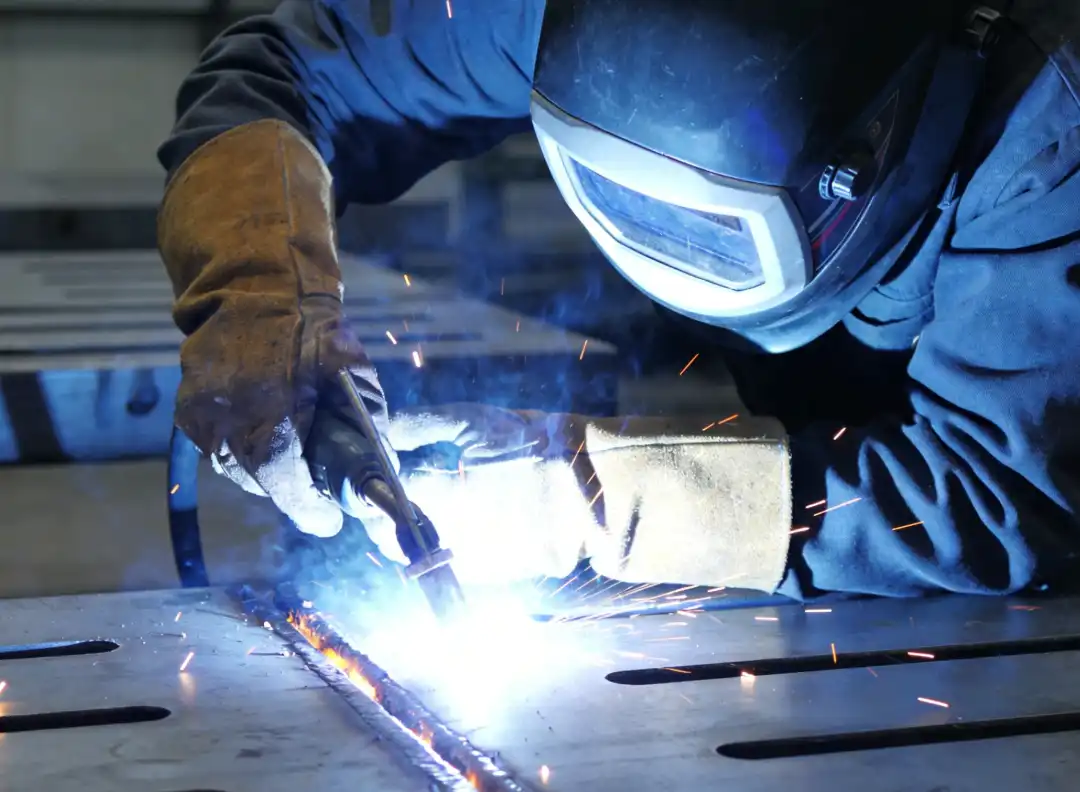
You need to understand the weld throat because it is the narrowest part of a weld and holds the most weight when it comes to strength. This area often decides how much load a welded joint can handle. In structural welding, meeting strength standards depends on the right throat size. If you make the throat too large, you risk more defects and weak spots. The weakest part of the weld usually limits how much force the whole joint can take.
Key Takeaways
- The weld throat is the smallest part of a weld. It shows how much weight the joint can hold. Knowing its size is very important for weld strength.
- Different weld types need different throat sizes. Fillet and groove welds are examples. Knowing these helps make joints strong and safe.
- It is important to measure the weld throat correctly. Use tools like fillet weld gauges. This helps stop mistakes that can make the weld weak.
- Always follow welding codes and standards like AWS D1.1. This makes sure the throat size is right. It keeps your welds safe and legal.
- Check and measure the throat after welding often. This helps find problems early. It stops failures before they happen.
Throat Definition & Importance
What Is the Weld Throat
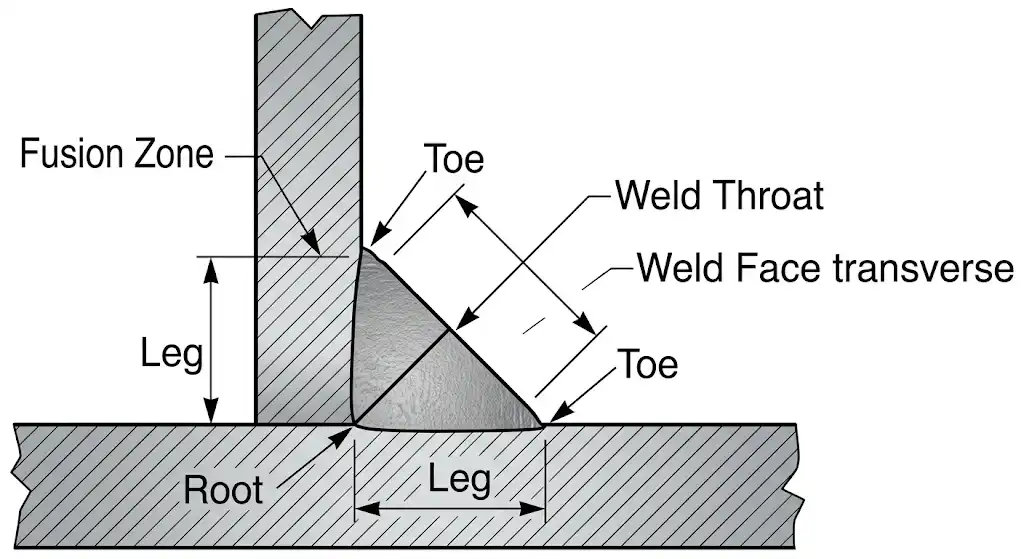
It is important to know what the weld throat is. The weld throat is the shortest line from the root to the face of the weld. This spot is where the weld holds the most force. The throat lets loads move from one metal piece to another. When you join two pieces, the throat size tells you how much weight the joint can take. The right throat size depends on the weld type. You want the weld metal and base metal to stick together well. The throat helps make a strong bond. If the throat is too small or the heat is wrong, the bond can break. Then, the joint will be weak.
Types of Welds and Throat Differences
Throat size changes with different weld types. The two main welds are fillet welds and groove welds. Each weld type has its own way to measure the throat. The table below shows the main differences:
| Weld Type | Effective Throat Calculation |
|---|---|
| Combination PJP bevel groove | Shortest distance from joint root to weld face minus 1/8 in. [3 mm] for certain groove details. |
| Fillet Weld | Generally simpler and less expensive; does not enhance strength beyond CJP groove weld strength. |
The shape of the weld, including the throat, changes how stress moves in the joint. You need to notice these differences because they change how the weld works under load.
- Different throat sizes in welds change where stress builds up, which can affect how strong the joint is.
- The shape of the weld and throat size change how stress spreads and where the joint might break.
- If the throat is not right, stress can build up in one spot, which is bad for the joint.
- Stress at the weld toe and root can start cracks, so throat size is very important for joint strength.
Why Throat Size Matters
You need to know why throat size is important for weld strength and safety. The throat thickness is very important for weld strength and safety. If you do not figure out the right throat thickness, the weld might not be safe. You should follow rules like AWS D1.1 and ASME Section IX, which tell you how to manage throat thickness.
ASME Section VIII Div. 1 gives the smallest throat sizes for fillet welds. This shows why throat size matters when you figure out how much load a weld can take. The code gives throat sizes for nozzles and flanges to help you do the math right. The American Welding Society’s Standard Welding Symbols uses leg sizes to help people check welds.
When you use the right throat size, the weld can hold the loads it was made for. This keeps things safe and helps stop failures.
Throat Measurement & Calculation
Standard Measurement Methods
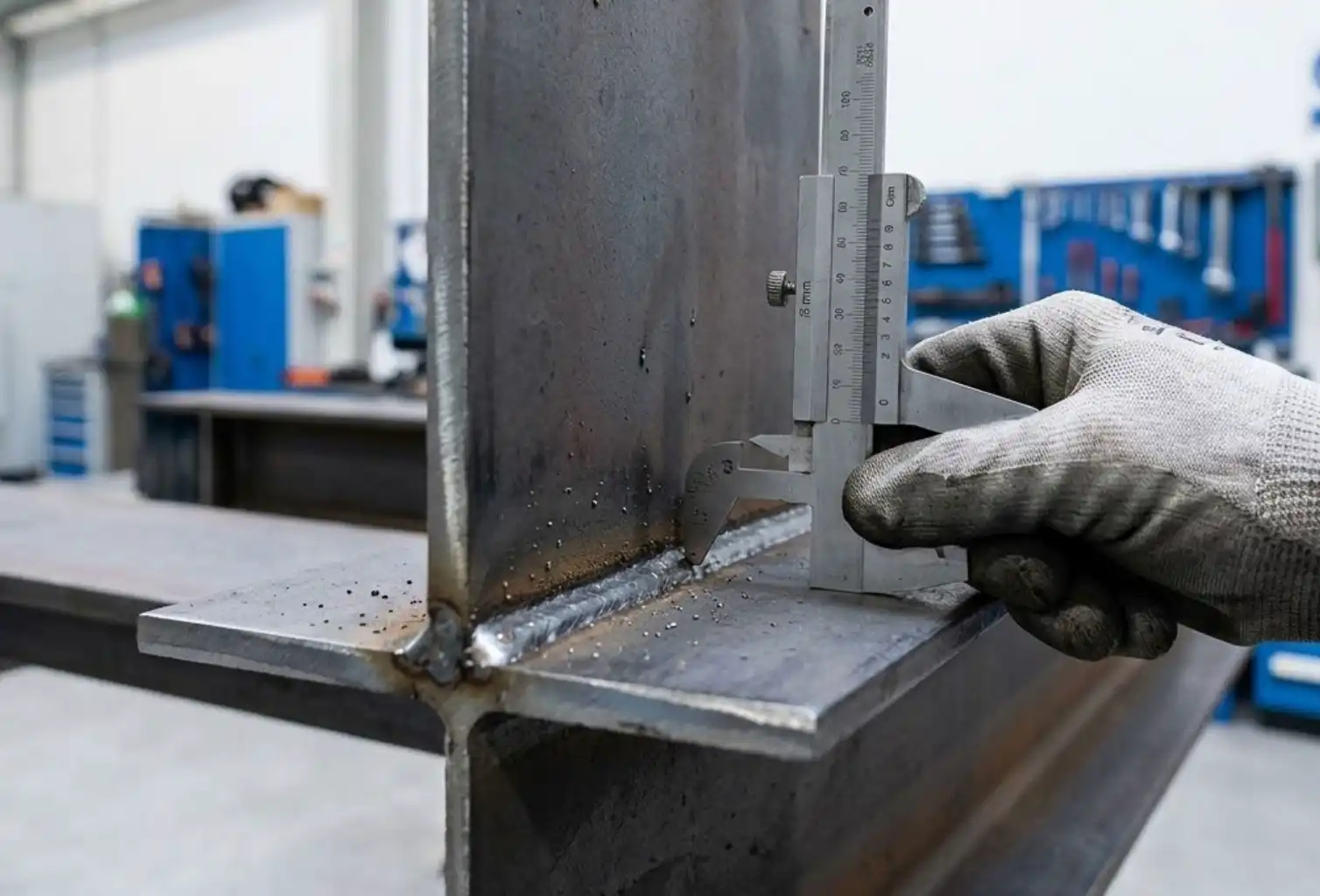
You need to know which tools help you measure the throat. The table below lists some common ways people do this:
| Tool/Technique | Description |
|---|---|
| Fillet Weld Gauge | This tool checks leg lengths, throat depth, and weld angles. |
| Measuring Tool | You can use a fillet weld gauge or a ruler for leg lengths and throat depth. |
| Leg Length | This is the straight line from the root to the toe of the weld. |
| Throat Depth | This is the shortest line from the root to the face of the weld. It shows the cross-section area. |
If you make mistakes when measuring the weld throat, your results can be wrong. These mistakes can make it hard to judge weld quality. The quality control process can become less reliable. Sometimes, the problem is with the way you measure, not the weld itself.
Throat Calculation for Fillet Welds
You can figure out the throat of a fillet weld with a simple formula. If both legs are the same size, the throat is about 70.7% of the leg length. That is why you use the 0.707 number. The formula is:
- The formula for throat thickness (a) is:
a = 0.707 × Z - The 0.707 number means the throat is always smaller than the leg.
- This helps you know how strong the weld really is.
Example Throat Calculations
You can see throat calculations in many real jobs. Here are some places you might find them:
- Building frames, like where beams meet columns
- Bridges, such as stiffeners and girder joints
- Machinery bases and frames
- Ships and offshore structures
- Car frames and parts
- Pressure tanks and vessels
To find the effective throat for a fillet weld at a 90° joint with equal legs, use the formula above. For example, if the leg is 10 mm, the throat is 0.707 × 10 mm = 7.07 mm.
Theoretical throat is the perfect measurement. Effective throat is what you get after you think about real-world things, like weld shape and quality. Problems at the start or end of the weld can make the effective throat smaller. This matters because the effective throat tells you the real strength of the weld.
Throat and Weld Strength
Throat Size and Load Capacity
You need to know what throat size means for weld strength. Throat thickness controls how much force a welded joint can handle. When you look at a weld, the shortest part—the throat—carries the most stress. Research shows that the load capacity of a welded joint depends on the throat thickness, especially when the joint faces repeated loads or bending. The stress in the weld is highest at the throat, so you must measure it carefully. If the throat is too thin, the weld may fail early. If you make the throat thicker, the joint can last longer and resist more force. You should always check the throat when you want to know how strong a weld is.
Changes in throat size can also change how a weld fails. In fillet welds, the way the throat is made affects whether the weld breaks at the root or at the toe. If the weld is not lined up right, or if the throat is too small, the joint can break at the weakest spot. You must pay attention to weld size, penetration, and alignment. These things decide how the weld will act under stress.
Throat in Welding Codes
You must follow welding codes to make sure your welds are safe. Codes tell you what throat size to use and how to measure it. Here are some important rules:
- The fillet weld must match the size and shape listed in the welding code.
- If the weld profile is wrong, you can get defects that weaken the weld.
- If the throat is too small, the weld may break because it cannot hold enough force.
Different standards use different ways to measure the throat. You can see the main differences in the table below:
| Standard | Measurement Method | Description |
|---|---|---|
| AWS | Leg Length | Measures the leg length from the root to the toe of the weld. |
| ISO | Throat Thickness | Measures the shortest distance from the root to the face of the weld. |
ISO 5817:2023 now uses actual throat thickness to check for defects. This change means you must measure the real throat, not just the planned size. The rules also set new limits for things like porosity, which helps you judge weld quality.
Some codes give extra rules for design. For example:
| Clause | Description |
|---|---|
| 9.6.3.1 | Sets the design throat thickness for fillet welds. |
| 9.6.3.4 | Lets you use a bigger throat for automatic welding if you check penetration. |
| 9.6.3.10 | Says the weld must meet force per unit length rules. |
You must read the code for your project and follow the throat rules. This keeps your welds safe and strong.
Best Practices for Throat Sizing
You need to use best practices to get the right throat size. Here are some tips:
- Visual Inspection: Look at the weld before you measure. Make sure it is flat or has the right shape.
- Concavity Assessment: Use the gauge with the center tab for concave welds. This helps you find the real throat size.
- Convexity Criteria: Check that the weld is not too convex. Too much convexity can cause stress and cracks.
- Gap Measurement: Look for gaps between the parts. If you see a gap, adjust the leg length to match the rules.
You should always measure the throat after you finish the weld. If you find problems, fix them before you move on. Good throat sizing helps you avoid weak joints and keeps your structure safe.
Tip: Always use the right gauge and check both the leg length and the throat. This helps you catch mistakes early and keeps your welds strong.
You must remember that throat size is not just a number. It is the key to weld strength, safety, and code compliance. When you follow best practices and codes, you make sure your welds can handle the loads they face.
Common Throat Mistakes
Underestimating Throat Size
You can make several mistakes when you estimate weld size. Many people misunderstand the relationship between weld leg length and the throat. This can lead to wrong ideas about how strong the weld is. Sometimes, you might forget to think about the amount of weld metal in each pass. This affects the real throat size. You may also size welds without looking at the actual loads. This can make the weld too weak for its job.
- Misunderstanding how leg length and throat size work together
- Forgetting to check the amount of weld metal in each pass
- Not sizing welds based on the real loads they must carry
These mistakes can make your welds unsafe or not strong enough for their purpose.
Misreading Drawings
You might find it hard to read weld drawings. Errors often happen when you do not use welding symbols the right way. For example, flare bevel and flare-vee groove welds need the effective throat dimension in parentheses. If you miss this, you can get confused about the real weld size. The engineer must always give the effective throat. This number helps you know how much the weld can hold. The radius of the part and the welding process also change this value.
Sometimes, drawings do not have enough information. If you do not see all the needed numbers, you might guess. This can make the joint weaker than planned. Intermittent welds can also cause trouble. If the length and pitch are not clear, you may not follow the design. This shows why clear weld symbols and notes are so important.
Tips for Accurate Throat Measurement
You can avoid many mistakes with good training and the right tools. Training helps welders and inspectors follow the rules. It teaches you what to look for in a good weld. Visual inspection training sets clear standards for what is okay.
Digital measurement tools can help you check welds quickly and with high accuracy. The table below shows what these tools offer:
| Feature/Advantage | Description |
|---|---|
| High Accuracy | Gives you reliable and repeatable measurements. |
| Easy-to-Use Design | Works well for all skill levels. |
| Ensures Weld Quality | Helps you find defects and meet safety needs. |
| Enhances Safety | Finds possible weld failures early. |
| Improves Efficiency | Makes inspections faster and more productive. |
| Cost-Effective | Reduces expensive repairs and rework. |
Tip: Always check the throat with the right gauge or digital tool. Good training and clear drawings help you avoid costly mistakes.
You now know the weld throat is important for strength and safety. Measuring the throat the right way helps you follow safety rules. It also helps stop things from breaking. The table below explains why this is important:
| Aspect | Importance to Structural Safety |
|---|---|
| Compliance with Standards | Makes sure welds are safe and legal in strong parts. |
| Visual Testing Requirement | Needed to check quality in parts that keep people safe. |
| Measurement Accuracy | Very important to stop breaks and keep things safe. |
- Engineers think about the metal, how thick it is, and the weight it must hold when picking weld sizes.
- Checking the throat size the right way helps you make safe buildings.
- Deeper welds make the joint stronger.
You should always use the best ways and follow the rules for every weld.
FAQ
What is the difference between weld throat and leg length?
The weld throat is the shortest distance from the root to the face of the weld. The leg length measures from the root to the toe. You use both to check weld size, but the throat shows true strength.
What tools help you measure weld throat accurately?
You can use a fillet weld gauge or a digital weld gauge. These tools help you check the throat size quickly and with good accuracy. Always use the right tool for the job.
What happens if you make the weld throat too small?
If you make the throat too small, the weld may not hold enough force. This can cause the joint to fail. Always check the throat size to keep your welds safe.
What codes or standards guide weld throat measurement?
You should follow codes like AWS D1.1 or ISO 5817. These codes tell you how to measure and what size to use. They help you make safe and strong welds.
What is the 0.707 factor in fillet welds?
The 0.707 factor helps you find the throat size in a right-angle fillet weld. You multiply the leg length by 0.707. This gives you the correct throat thickness for strength.