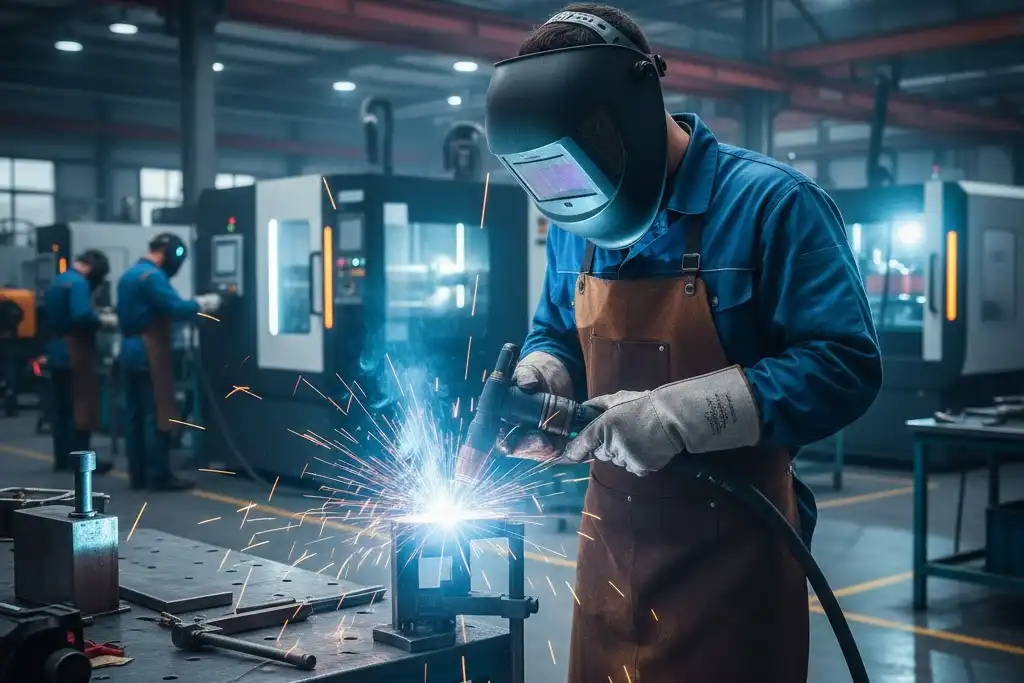
Laser welding hazards can significantly impact your health. You may face an increased risk of developing lung conditions, such as chronic bronchitis or even lung cancer. Inhaling metal fumes can lead to metal fume fever, which mimics flu-like symptoms. These fumes can also result in stomach ulcers, kidney damage, and neurological issues that resemble Parkinson’s disease. It is essential to understand these laser welding hazards to ensure your safety at work.
Key Takeaways
- Laser welding can hurt your health. It can cause lung problems and eye injuries. You should wear protective gear to stay safe.
- Breathing in welding fumes can damage your lungs over time. Use fume extractors to keep the air clean where you work.
- Laser beams can hurt your eyes. This includes beams that bounce off surfaces. Always wear laser safety goggles. Check for shiny surfaces before you start welding.
- Lasers and hot materials can burn your skin. Burns happen often. Wear gloves that resist heat and wear protective clothes to avoid getting hurt.
- Workers should get health check-ups often if they do laser welding. Finding problems early can stop them from getting worse.
Laser Welding Hazards: Eye and Skin Risks
Eye Injuries from Direct and Reflected Beams
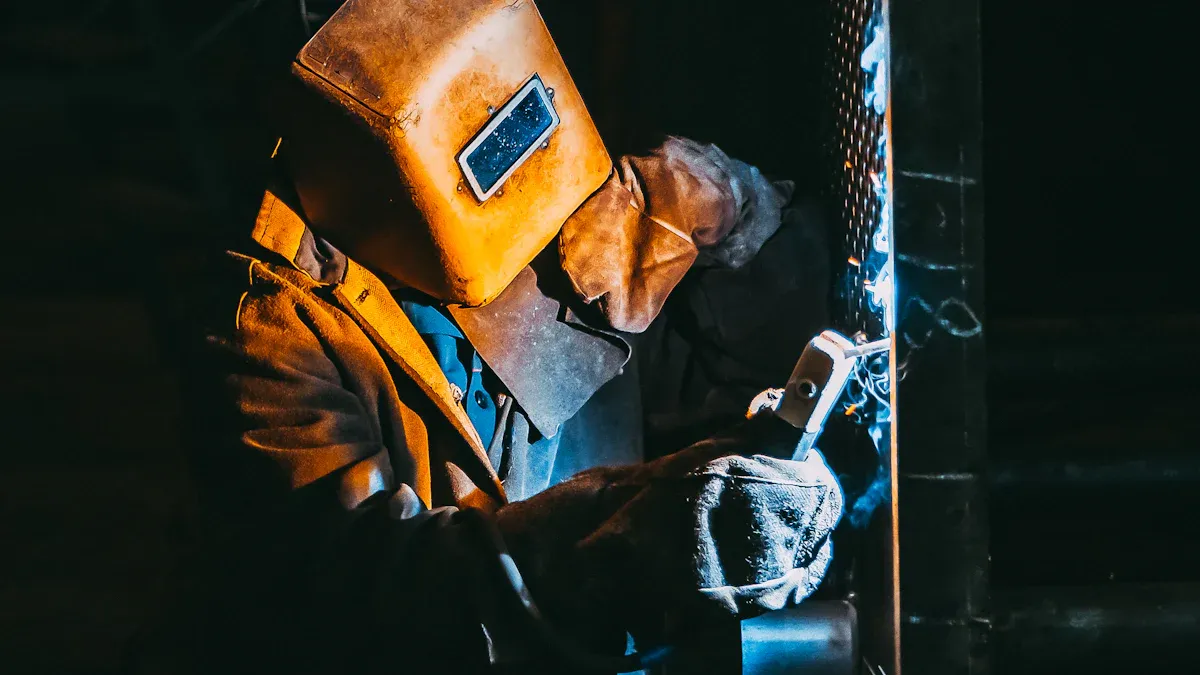
When you work with laser welding, your eyes are in danger. Direct and reflected laser beams can hurt your eyes badly. The human eye is very sensitive to laser radiation. Even short exposure can cause permanent damage. The retina, cornea, and lens are often affected.
Class 4 lasers are used in many factories. These lasers can hurt your eyes by direct contact or by reflections. Reflected beams often cause eye injuries by accident. Many things in your workspace, like metal tools or contact lenses, can reflect laser beams. Some lasers give off light you cannot see, so the danger is hard to notice. You might not know you are exposed until you feel pain or lose vision.
Tip: Always look for shiny or reflective things before you start laser welding.
Skin Burns and Tissue Damage
Laser welding hazards can also hurt your skin. If the laser beam touches your skin, it can burn you. You can also get hurt by secondary emissions like ultraviolet (UV) radiation. UV radiation from welding can burn your skin like sunlight does. If you get exposed to UV radiation many times, your risk of skin cancer goes up.
Sparks and hot metal from laser welding can burn your skin too. These burns hurt and can leave scars for a long time. You need to keep your skin safe from the laser beam and from things made during welding.
- UV radiation from laser welding is a Group 1 carcinogen.
- Sparks and hot metal can burn you right away.
- Being exposed for a long time raises your risk of skin problems.
Protective Measures for Eyes and Skin
You can lower your risk of eye and skin injuries by wearing the right safety gear. Laser safety glasses and goggles keep harmful laser light away from your eyes. Welding helmets with auto-darkening filters protect your eyes from bright light and infrared radiation. For your skin, heat-resistant gloves and special clothes stop burns and protect you from heat.
Here is a table that shows common safety gear and what it does:
| Protective Equipment | Purpose |
|---|---|
| Laser Safety Glasses and Goggles | Block harmful laser wavelengths to protect eyes. |
| Welding Helmets with Auto-Darkening Filters | Protect eyes from brightness and infrared radiation. |
| Heat-Resistant Gloves and Protective Clothing | Prevent burns and protect against heat. |
| Laser Safety Curtains and Enclosures | Confine laser beams and prevent exposure. |
You should always wear the right gear before you start welding. Make sure your safety gear fits well and is not broken. If you get hurt, stop welding right away and get help from a doctor. Do not rub your eyes if they get exposed. Cover the hurt area with a clean cloth and tell your safety officer.
Laser welding hazards can cause serious injuries, but you can stay safe by paying attention and using the right safety gear.
Respiratory Hazards from Welding Fumes
Harmful Particles and Vapors
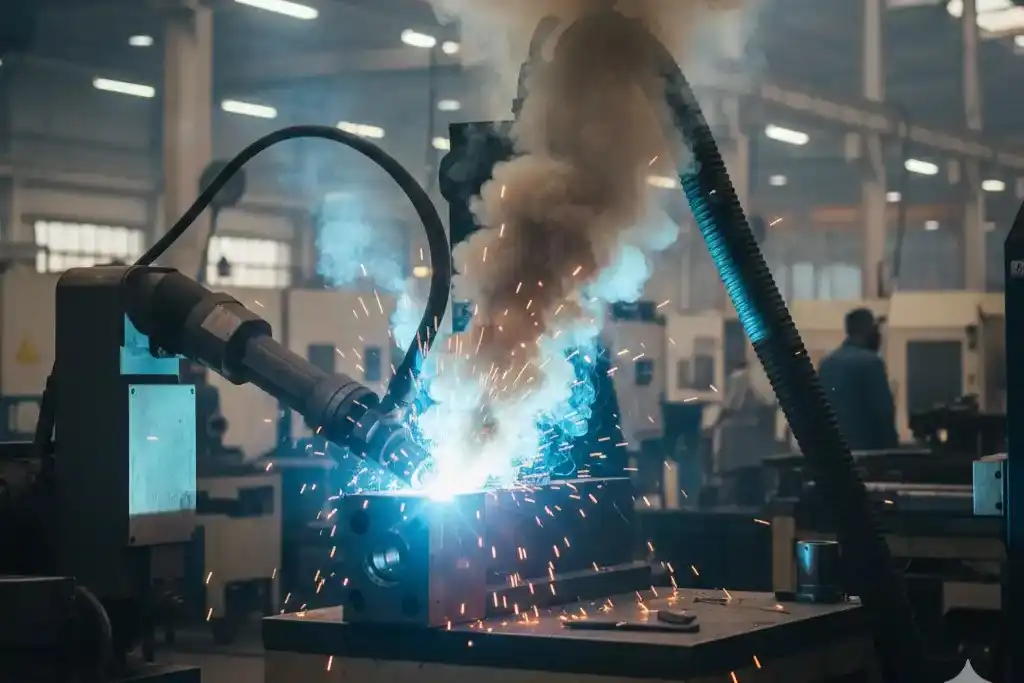
Laser welding makes fumes with dangerous metals and chemicals. These fumes can hurt your body, not just smell bad. You cannot see the tiny particles, but they go into your lungs when you breathe near welding.
Some common metals and toxic compounds in laser welding fumes are:
- Hexavalent chromium
- Nickel
- Manganese
- Beryllium
- Lead
- Cadmium
- Cobalt
- Iron
- Aluminum
- Copper
- Zinc
- Molybdenum
- Tin
- Titanium
These things can make your eyes, nose, and throat feel sore. Some, like cadmium, can cause cancer. Others, such as lead and manganese, can hurt your nerves and brain. Beryllium can cause deadly lung disease. Laser welding hazards are not just burns or eye injuries. They can also hurt your breathing and your whole body.
Tip: Always check what metals you are welding. Some metals make more toxic fumes than others.
Long-Term Effects on Lungs and Kidneys
Breathing welding fumes does more than make you cough. Over time, these fumes can cause serious health problems. Manganese is a nutrient your body needs, but breathing it in can hurt your lungs and kidneys. Manganese from food is safe, but inhaled manganese goes straight into your body and builds up, causing harm.
Here is a table that shows some long-term health risks from welding fumes:
| Health Risk | Description |
|---|---|
| Lung Cancer | You have a higher risk of lung cancer because welding fumes have substances that cause cancer. |
| Kidney Cancer | Breathing fumes may raise your risk of kidney cancer. |
| Chronic Respiratory Diseases | You may get diseases like COPD, which make it hard to breathe and cause chest tightness. |
These diseases do not show up right away. They take years to develop. Protecting yourself now helps you stay healthy later.
Fume Extraction and Ventilation
You can lower your risk by using good fume extraction and ventilation. These systems pull harmful fumes away from where you breathe before you inhale them. This works better than just wearing a mask because it stops fumes from spreading.
Here are some ways to control welding fumes:
| Method | Description |
|---|---|
| Local Exhaust Ventilation (LEV) | Captures fumes at the source using hoods or arms, great for manual or semi-automated welding. |
| General Ventilation | Moves clean air through the workspace, but works best with other controls. |
| Torch-Integrated Fume Extraction | Removes fumes right at the welding torch, helpful in small spaces. |
| Downdraft Tables | Pulls fumes down through the work surface, good for bench tasks. |
| Portable Fume Extractors | Can be moved where needed, but you must place them carefully. |
| Filtration Systems | Use filters like HEPA or activated carbon to clean the air. |
| Automated Welding Enclosures | Keep the whole process inside a box with built-in ventilation and filters for big jobs. |
Respirators help protect you, but they work best with fume extraction. There are two main types: air-purifying respirators, which filter the air you breathe, and supplied-air respirators, which give you clean air from outside. Some welding helmets have powered air-purifying respirators (PAPR) built in. These can lower your exposure almost to zero if you wear them right.
Note: Fume extraction at the source is the best way to control laser welding hazards in the air. Always check your ventilation and filters before you start welding.
Using the right controls and safety gear helps keep your lungs and kidneys safe from welding fumes.
Thermal and Physical Injury Risks
Burns from Hot Parts and Sparks
Laser welding hazards can burn you fast. Hot metal parts and sparks can touch your skin. You may feel pain or see red spots. Metal stays hot after welding ends. If you touch it, you can get burned. Sparks can land on your clothes or skin. They cause small burns. You must watch for these dangers every time you weld.
Tip: Always look for hot surfaces before you move or touch things.
Fire and Explosion Hazards
Laser welding hazards are not just burns. You can also face fire or explosions. The laser beam can start fires in your workspace. Plastic tubing or wire insulation can catch fire from stray beams. Gas cylinders and hoses can explode if hit by the laser. Metal dust in vents can catch fire and explode. Some chemicals used in welding can react and blow up. High-pressure equipment needs to be kept inside covers to stop blasts.
Here is a table that shows what can cause fires and explosions:
| Hazard Type | Description |
|---|---|
| Fire Hazards | Wire insulation and plastic tubing can burn from strong beams. |
| Handling of Pressurized Gases | Gas cylinders or hoses can explode if hit by lasers. |
| Combustible Materials | Using these near Class 4 lasers can cause fires. |
| Metal Dust | Dust in vents can catch fire and explode. |
| Chemical Reactions | Some laser gases or chemicals can explode if they react. |
| High-Pressure Equipment | Arc lamps and capacitor banks must be covered to stop explosions. |
Safe Handling Practices
You can stay safe from burns, fires, and explosions by using good safety steps. Wear welding helmets and safety glasses with UV and IR filters. Stay back if you watch someone weld. Use shields or curtains to block stray beams. Make sure everyone knows the safety rules before you start. Take away things that can burn from your workspace. Keep fire extinguishers close. Use ventilation and fume extractors to clear away fumes and gases. Set up a safety zone with laser shields or curtains to keep the welding area apart.
- Wear protective eyewear and helmets.
- Keep people at least 120 meters away and use shields.
- Tell everyone the safety rules.
- Remove things that can burn and have fire extinguishers ready.
- Use ventilation and fume extractors.
- Make a safety zone with shields or curtains.
- Use a workpiece contact sensor so the laser fires only when needed.
- Know where the emergency stop button is to cut power fast.
Note: Using these safe steps helps you avoid getting hurt and keeps your workspace safe.
Long-Term Health Risks
Chronic Exposure to Laser Radiation
You might not feel laser radiation effects right away. Over time, your eyes and skin can get hurt if you are exposed a lot. Laser welding hazards can cause damage that does not go away if you do not protect yourself. Different types of laser light can hurt different parts of your eyes. The table below shows what can happen:
| Wavelength range | Pathological effect |
|---|---|
| 180–315 nm | Photokeratitis (cornea inflammation, like sunburn) |
| 315–400 nm | Photochemical cataract (cloudy eye lens) |
| 400–780 nm | Retinal burn, photochemical damage |
| 780–1400 nm | Cataract, retinal burn |
| 1.4–3.0 μm | Aqueous flare, cataract, corneal burn |
| 3.0 μm–1 mm | Corneal burn |
Your skin can also get hurt from short or long exposure. If you are exposed many times, you might get burns, scars, or even skin cancer. Scientists think heat from the laser is a big reason for tissue damage. When you are around laser beams a lot, the heat can build up and hurt your cells.
Laser beams can cause:
- Electromechanical or acoustic damage, which means the laser can break tissue and cause it to tear.
- Thermal damage, where the laser gets your skin or eyes hot and causes burns.
Tip: Always wear the right protective gear to lower your risk of long-term damage.
Occupational Diseases and Monitoring
You can get more than just burns or eye injuries. Laser welding hazards can cause many health problems over time. Some common diseases are:
- Skin problems
- Breathing issues
- Eye injuries
- Systemic toxicity
- Cancer risks
- Neurological effects
You need to check your health often if you work with lasers. Regular health check-ups help find problems early. You should always wear personal protective equipment and make sure your workspace has good airflow. Fume extraction systems take away harmful particles from the air. These steps help keep you safe and healthy at work.
Stay alert and tell your supervisor if you notice any health changes. Acting early can stop serious problems.
Safety Equipment and Protocols
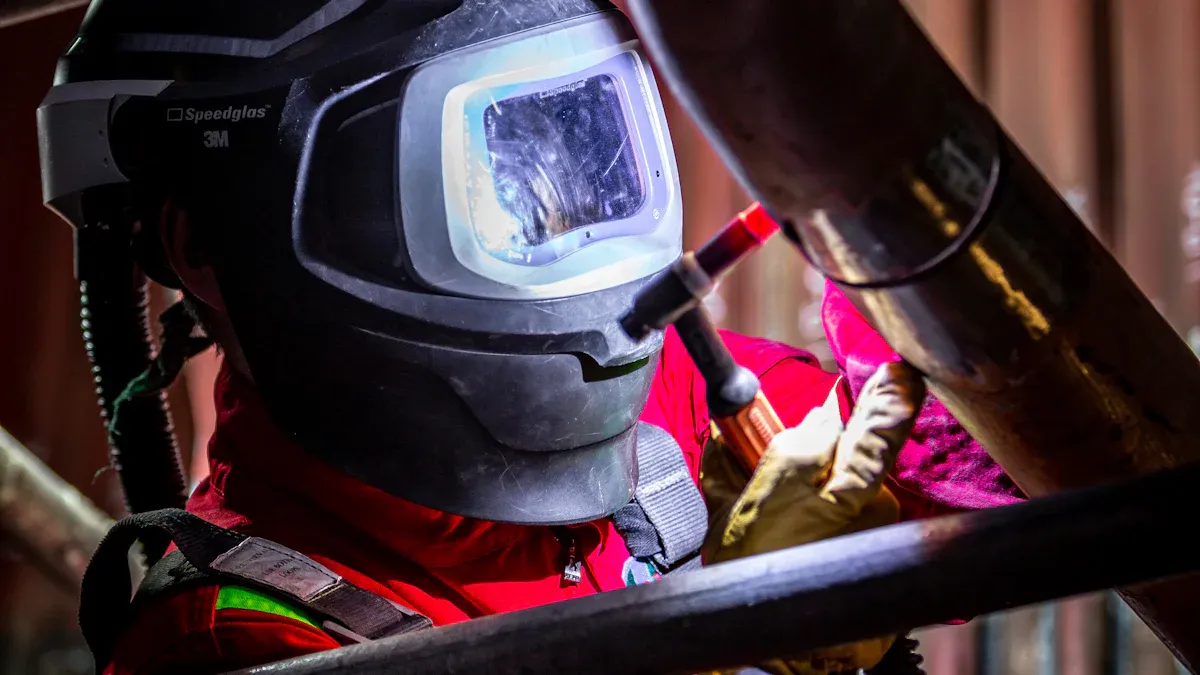
Essential PPE for Laser Welding
You must wear personal protective equipment when you use lasers. This gear helps keep you safe from burns and cuts. It also protects you from breathing in bad fumes. Industry rules say you should use these items:
- Safety glasses or goggles keep your eyes safe from laser damage. Make sure they are made for laser work.
- Protective gloves made from strong materials like Kevlar protect your hands from burns and cuts.
- Anti-laser face shields cover your face and neck. They block laser radiation and spatter.
- Laser welding clothing should be flame-resistant and cover your whole body. Look for clothes that meet EN ISO standards.
- Masks help you avoid breathing in tiny particles and dangerous fumes.
Tip: Always check your gear before you start working. Replace anything that is broken or worn out.
Light-Tight Enclosures and Engineering Controls
Light-tight enclosures make a safe area for laser welding. These enclosures keep laser radiation inside. This stops you from getting hurt by stray beams. You are protected from eye injuries and skin burns. The controlled space also helps welding work better. Safety features like interlocks and warning signs help you follow safety rules. These controls help you avoid laser welding hazards and keep your workplace safe.
Training and Safety Procedures
You need to learn how to use safety equipment the right way. Training teaches you how to spot risks and act fast. You should know where emergency stops are and how to use fire extinguishers. Safety meetings help you remember important rules. Always follow posted instructions and warning signs. If you see something unsafe, tell your supervisor right away.
Here is a simple checklist for safe laser welding:
| Safety Step | Why It Matters |
|---|---|
| Wear all required PPE | Keeps you safe from injuries |
| Use light-tight enclosures | Stops stray laser beams |
| Follow safety procedures | Lowers accidents and mistakes |
| Attend safety training | Teaches you best safety practices |
| Report hazards | Helps prevent future injuries |
Stay alert and keep learning. Your safety depends on what you do every day.
Laser welding hazards can burn your skin, hurt your eyes, and make it hard to breathe. You can stay safer by wearing laser safety goggles, helmets, gloves, and using good ventilation.
- Take classes like EHS 301 – Laser Safety to learn new safety tips.
- Always wear the right PPE and follow all safety rules.
- Tell someone if you see something unsafe right away.
Stay careful and keep learning. You help make the workplace safer for everyone.
FAQ
What is the most dangerous part of laser welding?
You face the highest risk from direct or reflected laser beams. These beams can damage your eyes and skin quickly. Always wear laser safety goggles and protective clothing.
How do you protect your lungs during laser welding?
You should use fume extraction systems and wear a respirator. Good ventilation helps remove harmful particles. Check your equipment before you start welding.
Can laser welding cause long-term health problems?
Yes, repeated exposure can lead to chronic diseases. You may develop lung issues, skin cancer, or eye injuries. Regular health check-ups help you catch problems early.
What should you do if you get burned while welding?
Cool the burn with clean water. Cover it with a sterile bandage. Tell your supervisor right away. Seek medical help if the burn is serious.
Does laser welding require the use of protective gas?
Laser Welding Troubleshooting Guide: 10 Defects and Their Fixes
What problems will arise from laser welding of galvanized sheet?