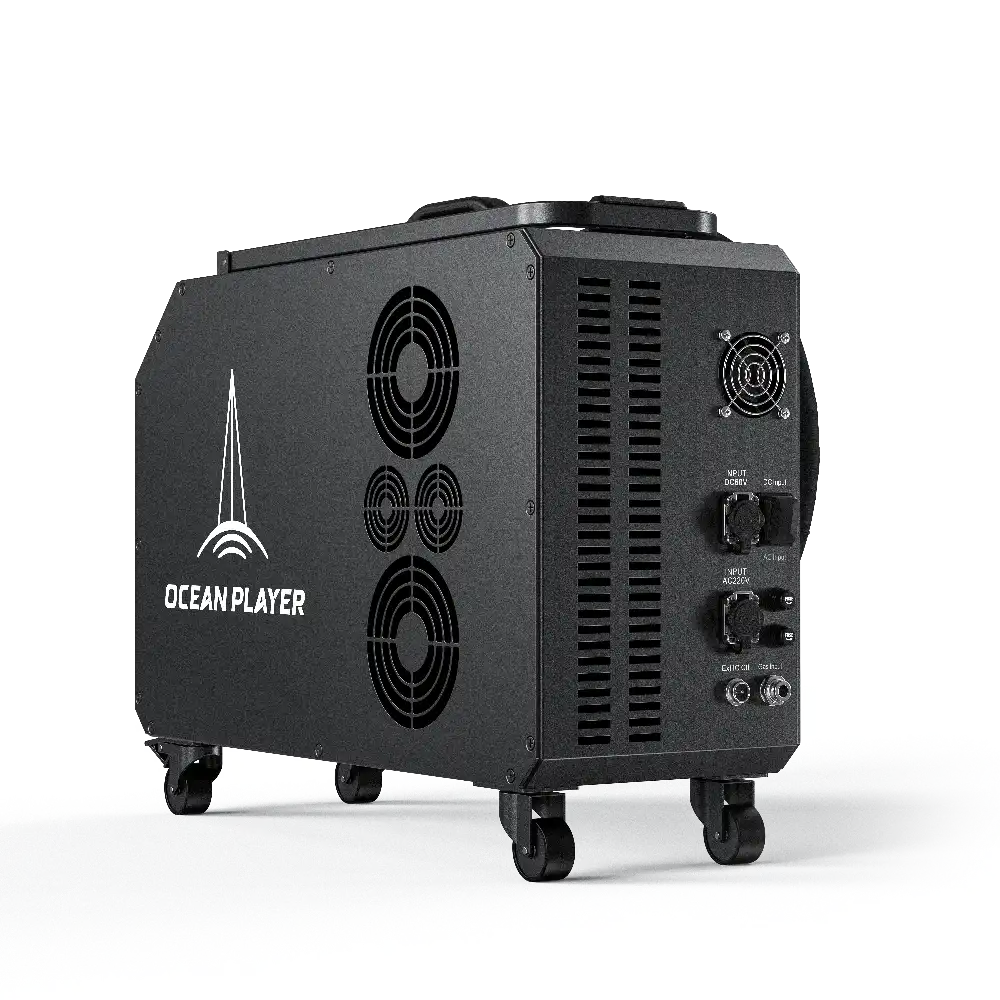
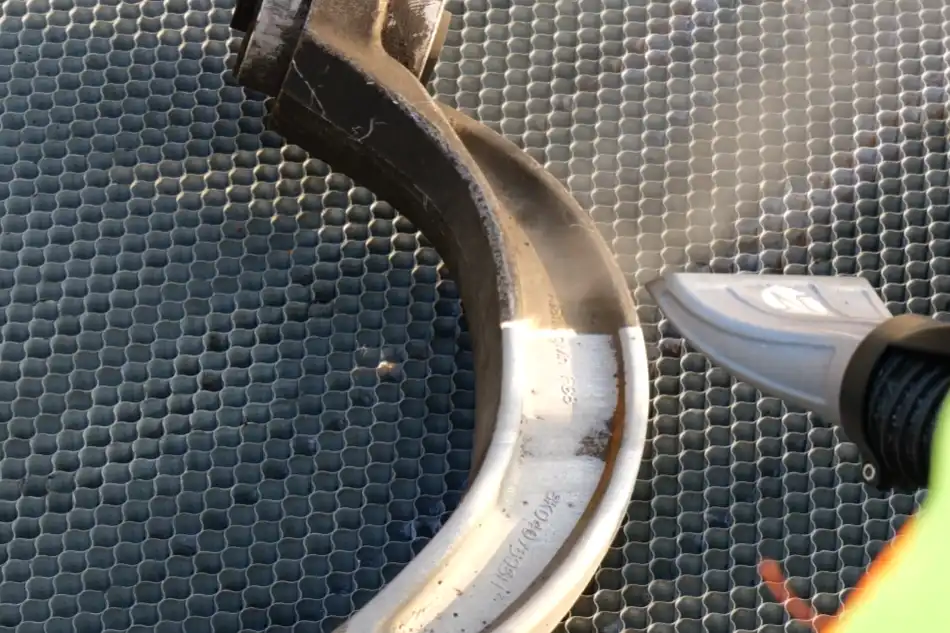
Laser cleaning machines use strong technology. You need to know how to use them safely. You also need to use them the right way. If you do not get good training, you might get hurt. The machine could break or you could waste time. Good training helps you feel sure when you work. It also keeps you and others safe.
Tip: Look at your skills before you start new training for operators. This helps you find what you need to get better at.
Key Takeaways
- Operator training is very important for safety. It helps stop injuries from laser light, fire, and electric shock.
- Good training helps operators work faster. They make fewer mistakes and get more work done.
- Knowing the rules is very important. Training teaches operators about OSHA rules and how to stay safe.
- Laser cleaning technology is very exact. Operators learn to change settings for different materials. This helps stop damage.
- Practicing with the machine is very important. It helps operators feel sure and learn new skills.
- Regular care keeps machines working well. Operators should clean and check parts on a set schedule.
- Learning all the time is important. New technology and methods help operators get better at their jobs.
- Working with other operators helps learning. Sharing stories and tips can help solve problems.
Why Operator Training Matters
Safety Risks
Laser cleaning machines can hurt you if you do not know how to use them. Every time you use the machine, there are risks. Some common safety risks are:
- Eye injury from laser light.
- Fire risk if some materials catch fire.
- Electrical shock if you use high-voltage equipment wrong.
You can stay safe with good training for operators. You learn to wear safety gear like ANSI Z136.1 goggles. You also learn how to take care of the machine and use it the right way. Safety lessons show you what to do in emergencies. If you follow safety rules, you keep yourself and others safe.
Note: Always check your safety gear before you start. This easy step keeps your eyes and skin safe.
Efficiency Benefits
If you know how to use a laser cleaning machine, you work faster and better. Training helps you make fewer mistakes and keeps the machine working well. Companies see big changes after operators finish training. Here is what you can expect:
| Efficiency Gain | Description |
|---|---|
| Reduced Downtime | You lose less time when cleaning. |
| Improved Productivity | You finish jobs faster and make fewer mistakes. |
| Continuous Improvement | You get advice and make your cleaning better over time. |
You save time and supplies. You help your team reach goals quicker. Good training for operators means you fix fewer problems and get more work done.
Compliance Standards
You must follow rules from OSHA and other groups when you use laser cleaning machines. These rules keep your workplace safe and help the environment. Training teaches you about these rules and how to follow them. Here are some important standards:
| Compliance Aspect | Description |
|---|---|
| Safer Work Environment for Operators | You lower injuries and breathing problems by following safety rules. |
| No Chemicals, No Toxic Waste | You avoid dangerous stuff and waste, meeting EPA rules. |
| Precise Control with Laser Parameters | You clean things without hurting them, which helps with quality. |
| Environmentally Friendly and Sustainable | You use less energy and make less waste, helping the planet. |
You need to know these rules to keep your job and help your company. Training for operators teaches you all the rules you need. You learn to use the machine safely and the right way.
Tip: Read OSHA rules before you start a new job or project. This helps you follow the rules and avoid trouble.
Laser Cleaning Basics
Principles of Laser Cleaning
Laser cleaning uses a strong beam of light. It removes dirt, rust, or paint from surfaces. You point the laser at the spot you want clean. The laser heats the dirt until it melts or burns away. Sometimes, the dirt turns into vapor. The surface under the dirt does not get hurt. You get a clean finish without using chemicals or causing harm.
Laser cleaning works in different ways:
- Laser thermal ablation uses heat to take off dirt.
- Laser thermal stress makes dirt expand and break away.
- Plasma shock wave knocks dirt off with a strong wave.
Laser cleaning is exact and works fast. You can use it on metals and nonmetals. It removes rust, paint, and coatings. It does not leave pollution or waste behind.
Tip: You can change the laser settings. This helps you match the job and keep the material safe.
Machine Types
Factories and workshops use many laser cleaning machines. Each machine fits a certain job or space. Here is a table to show the main types:
| Type of Laser Cleaning Machine | Description |
|---|---|
| Handheld Laser Cleaners | These are small and easy to carry. You use them for little jobs. |
| Manually Loaded Laser Cleaning Workstations | You put items in by hand. They keep you safe and clean things fast. |
| Conveyor Laser Cleaning Machines | These use belts to move items. They clean quickly in big lines. |
| Robot Laser Cleaning Machines | Robots use these for careful cleaning. They change for tricky parts. |
| OEM Laser Cleaning Systems | These are made for special jobs. You add them to your work line. |
You pick a machine based on your job size and speed. Safety matters too. Operator training teaches you which machine is best for your work.
Common Applications
Laser cleaning machines help many kinds of work. You see them where clean surfaces are very important. Here are some common uses:
- Aerospace: You clean surfaces before you glue, weld, or coat. The laser makes the surface just right.
- Automotive: You take off rust and paint from car parts. The laser does not hurt the metal.
- Manufacturing: You clean molds and tools. This keeps machines working longer and stops delays.
- Nuclear power facilities: You use laser cleaning in risky places. It is safe and does not make extra waste.
Note: Laser cleaning works where other ways do not. You get better results and keep your workspace safe.
Training for Operators: Essentials
Laser Technology Overview
You need to know how laser cleaning machines work first. Operator training usually takes two or three days. You learn ideas and practice using the machine. You study laser physics, machine parts, and how to use controls. You also learn about safety and how to keep the machine in good shape.
Laser cleaning uses a special kind of light. This light is not like normal light. It is strong and can clean things without touching them. You learn about beam size and power. You also learn how the laser works with different materials. You study how the laser takes off rust, paint, or dirt.
Here are the main things you learn in operator training:
- Laser physics and how laser light is made
- Machine parts and what they do
- Easy and hard ways to use the machine
- Safety and rules for the environment
- How to keep the machine working and fix problems
You also learn about laser classes. Each class has its own safety needs.
| Laser Class | Description |
|---|---|
| Class 1 | Safe in all cases, no special controls needed. |
| Class 3B | Can hurt your eyes if you look at the beam. Not a fire or skin risk. |
| Class 4 | Very strong. Can hurt skin and eyes. Can start fires and make bad fumes. |
Tip: Ask questions when you train. This helps you learn about lasers and keeps you safe.
Safety Protocols
Safety is the most important part of operator training. You must follow strict rules every time you use a laser cleaning machine. These rules keep you and others safe.
PPE Requirements
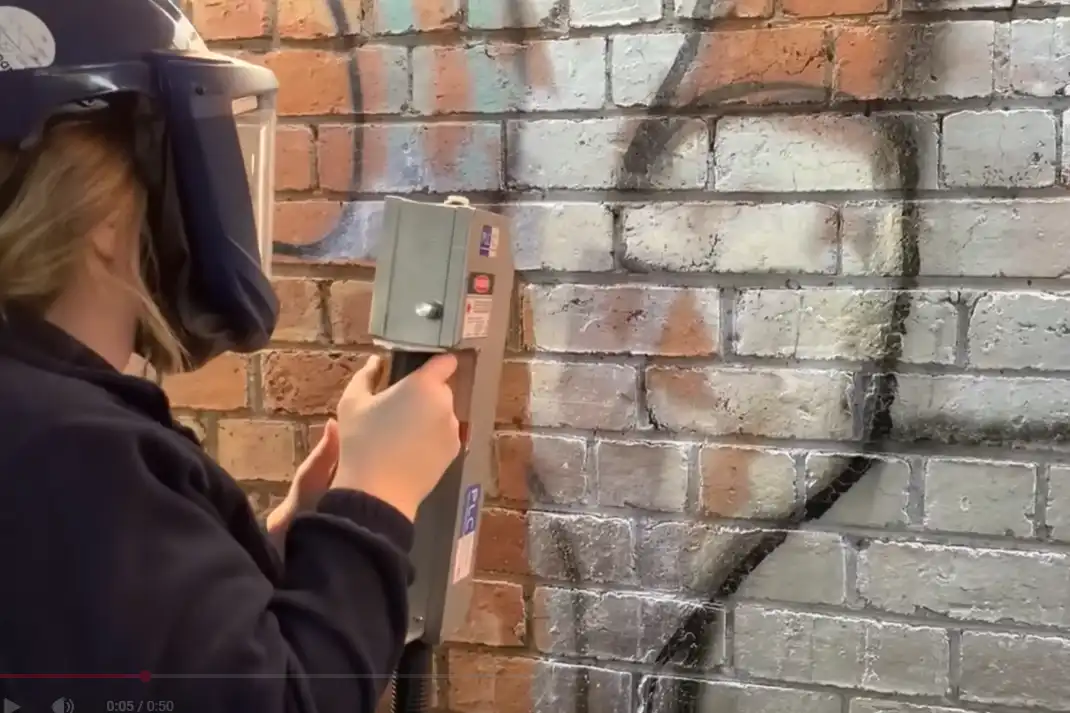
Personal protective equipment (PPE) keeps you safe from laser light and other dangers. You must wear laser safety glasses that fit the laser type. You also need gloves made from the right stuff. Make sure your work area has nothing that can catch fire.
| Safety Protocols | Description |
|---|---|
| Laser Radiation Containment | Use safety covers and locked doors to keep laser light inside. |
| Fume & Particulate Control | Use fume extractors with HEPA filters to clean the air. |
| Fire Safety | Have fire systems ready and check for risks often. |
| Personal Protective Equipment (PPE) | Wear goggles, gloves, and other gear in marked safety zones. |
- Always check your PPE before you start.
- Replace broken gear right away.
- Keep PPE clean and ready to use.
Safe Operation Steps
You must follow safe steps every time you use the machine. These steps help you avoid accidents and keep the machine working well.
- Take off dust and dirt from the outside of the machine.
- Wipe surfaces with a soft cleaner.
- Make sure air vents are not blocked.
- Wear laser safety glasses and gloves.
- Check that the work area is safe and has nothing that can burn.
- Follow the maker’s instructions for turning the machine on and off.
Note: Never skip safety checks. They keep you and your team safe.
Emergency Procedures
You need to know what to do if something goes wrong. Operator training teaches you what to do in an emergency with laser cleaning machines.
- Turn off the machine right away if you see sparks or smoke.
- Use the emergency stop button if someone gets hurt or if there is a fire.
- Call for help and follow your workplace emergency plan.
- Tell your boss about any accidents.
🚨 Always know where the emergency stop button is. Practice emergency drills so you stay calm if something bad happens.
Machine Operation
You must learn how to use the controls and screen of the laser cleaning machine. This helps you work safely and get good results.
Controls & Interface
The control panel lets you set the laser power, beam size, and cleaning speed. You use buttons, touch screens, or switches. You need to know what each control does. Operator training shows you how to use the screen and change settings for different jobs.
- Start with easy controls like power and emergency stop.
- Learn how to set cleaning choices for each material.
- Practice using the screen until you feel sure.
Tip: Write down your settings for each job. This helps you do good work again and not make mistakes.
Maintenance Basics
Regular care keeps your machine working well and stops problems before they start. You learn how to clean, check, and fix parts during training.
| Maintenance Task | Frequency |
|---|---|
| Check beam alignment | Weekly |
| Clean outside surfaces | Weekly |
| Watch the cooling system | Weekly |
| Take care of the air filter system | Weekly |
| Deep clean optical parts | Monthly |
| Oil moving parts | Monthly |
| Calibrate the machine | Monthly |
| Check and update software | Monthly |
You also need to:
- Check and clean mirrors and lenses.
- Look at the cooling system for leaks.
- Make sure gas lines do not leak.
- Clean dust and dirt from moving parts.
- Oil guide rails and runners.
Note: Keep a maintenance log. This helps you remember tasks and find problems early.
Material Compatibility
Suitable Materials
It is important to know which materials work with laser cleaning machines. This helps you get good results and stops problems. Many jobs use laser cleaning for different surfaces. You can see how each material is used in the table below.
| Material Type | Applications |
|---|---|
| Metals | Rust removal, coating removal, cleaning of automotive parts, restoration of historical artifacts. |
| Stone & Masonry | Cleaning of limestone, marble, granite, sandstone, and concrete; removal of graffiti and pollution. |
| Ceramics & Glass | Cleaning of insulators, tiles, optical components, and glass sculptures; removal of carbon films. |
| Polymers & Composites | Surface preparation for bonding or painting, cleaning of medical devices, and removal of contaminants. |
Laser cleaning takes off rust and paint from metals. Stone and masonry like marble and concrete clean well with lasers. Ceramics and glass, such as tiles and lenses, do not get hurt when cleaned. Polymers and composites, like medical devices, get clean without damage.
Tip: Always look at the material before you start. Some surfaces need special settings so they do not get hurt.
Avoiding Damage
Laser cleaning works best when you match the settings to the material. If you use the wrong settings, you can hurt the surface. You need to change the laser for each job. Here are some risks to watch for:
- Damage can happen if you use too much power.
- Some materials do not work with laser cleaning and may burn or crack.
- You might see marks or color changes if the laser is set wrong.
You can stop these problems by testing a small spot first. Change the laser power and speed for each material. Operator training teaches you how to pick the right settings and spot risks early.
⚠️ Always follow the machine guide and ask for help if you see strange results.
Troubleshooting
Error Codes
Laser cleaning machines show error codes when something is wrong. You need to know what these codes mean. This helps you fix problems fast and keep working. Here are steps to follow when you see an error:
- Check filters and cooling systems for clogs.
- Do a pre-operation check. Clean optics and add oil if needed.
- Look at the work area. Make sure it is clean and the temperature is right.
- Follow safety steps. Wear protective gear and know where the emergency stop is.
You can fix many problems by following these steps. If the error does not go away, call a technician or check the manual.
Note: Write down error codes and what you did to fix them. This helps you and your team learn from each problem.
Performance Issues
Sometimes cleaning speed or quality is not good. You need to know how to fix these problems. The table below shows common problems and ways to solve them.
| Performance Issue | Solution |
|---|---|
| Lack of Cleaning Efficiency | Check laser power, adjust focal length, optimize beam delivery, and do regular maintenance. |
| Incomplete Contaminant Removal | Look at the type of dirt, change laser settings, increase power, or slow down the scan. |
| Safety Concerns | Use safety gear, follow training, and check safety steps often. |
| Thermal Damage to Substrates | Lower laser power, shorten pulse time, and use variable power settings. |
| Maintenance and Downtime | Make a schedule for cleaning and checking parts. Inspect the machine often. |
| Environmental Considerations | Plan for waste and follow local rules for disposal. |
| Beam Misalignment | Recalibrate optics and use stable mounts. |
| Limited Versatility | Change settings for each material to make the machine work for more jobs. |
You can fix most problems by checking the machine and changing the settings. Operator training helps you learn these steps and keep your machine working well.
Tip: Keep a log of problems and solutions. This helps you see patterns and get better at your job.
Operator Training Formats
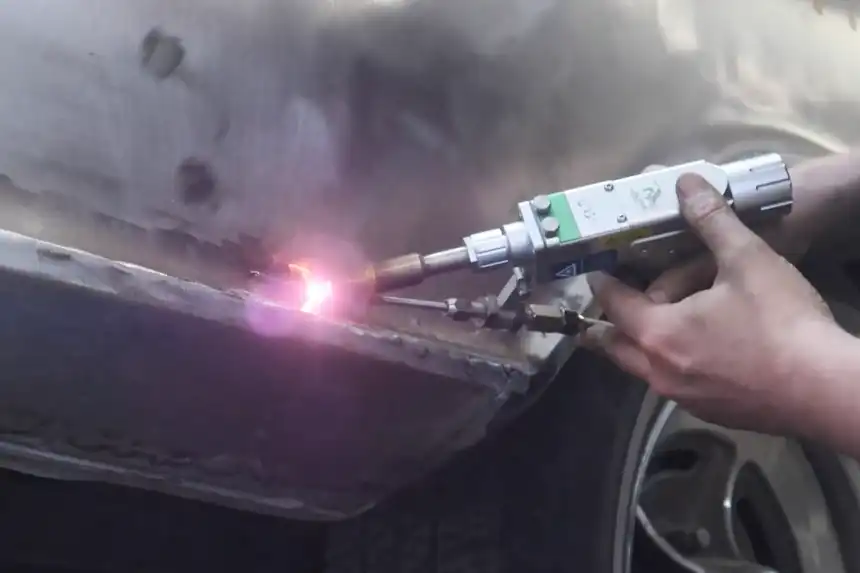
Laser cleaning machine training comes in a few types. You can pick the format that works best for you. Each type helps operators in different ways.
On-Site Training
On-site training happens at your own workplace. You learn with the machines you use every day. Trainers show you how to set up and use the equipment. You get to ask questions and fix problems in your workspace.
Benefits of On-Site Training:
- You learn with your team at work.
- Trainers help with your machine models.
- You practice safety steps where you work.
- You see how to fix problems that happen at your job.
Tip: On-site training helps you learn quickly. You use machines and settings you already know.
Online & Classroom Courses
Online and classroom courses teach you the ideas behind laser cleaning. You learn about laser technology, safety rules, and how to use the machine. You can join these courses from anywhere. Many companies let you pick your schedule.
| Format | Features | Best For |
|---|---|---|
| Online Courses | Videos, quizzes, interactive lessons | Self-paced learners |
| Classroom | Group lessons, instructor-led discussions | Team-based learning |
Online courses let you learn at your own speed. Classroom courses let you talk with other students and ask questions. Both types help you learn the basics of laser cleaning.
Note: Use online or classroom learning with hands-on practice. This helps you get the best results.
Hands-On Practice
Hands-on practice is the most important part of operator training. You use the laser cleaning machine yourself. You learn how to set up the machine and change settings. You clean different materials and practice safety steps.
This experience helps you learn basic and advanced skills. You build a strong base for safe work. You also learn to do hard jobs, make the machine work better, and fix problems. Trainers help you with real situations so you feel ready for any job.
- You learn by doing, not just watching.
- You make mistakes and learn how to fix them.
- Trainers give you feedback right away.
🛠️ Hands-on practice gets you ready for real work. You become a skilled operator who can fix problems and keep the machine working well.
Certification & Compliance
Laser cleaning machines have many rules you must follow. Certification and compliance help you work safely. They also help you meet important standards. You need to know what the law wants. You also need to know what your workplace expects.
OSHA Standards
OSHA makes rules for laser cleaning machine operators. You must follow these rules to stay safe. OSHA wants you to learn good habits and use them every day.
- Pick a laser safety officer. This person checks that everyone follows safety rules. They also make sure everyone gets training.
- Finish training on laser safety best practices. You must:
- Wear the right protective eyewear.
- Set up a hazardous zone around the machine.
- Use interlocking systems to keep people out during use.
- Put up warning signs about laser risks.
- Make sure the laser safety officer has a valid certificate. They must renew it every three years.
- Match your training with the machine maker’s instructions. Learn about hazards and how to control them.
⚠️ Always talk to your laser safety officer before you start a new job. This helps keep you and your team safe.
Industry Certifications
Many jobs want you to have special certificates. These show you know how to use laser cleaning machines the right way. Each job has its own standard. Here are some common certificates in the table below.
| Industry / Category | Certification / Standard | Description / Purpose |
|---|---|---|
| Automotive | ISO/TS 16949 | Focuses on getting better and stopping mistakes in car making. |
| Aerospace and Defense | AS9100 | Quality system for aerospace, with a focus on quality and risk. |
| Cultural Heritage Protection | ASTM E 2392 | Standard for protecting and fixing old things using new technology. |
| General Quality Management | ISO 9001 | International standard for quality systems, used by many companies. |
You may need one or more of these certificates for your job. These certificates help you show your skills. They also show you follow the best ways to work.
Tip: Ask your boss which certificates you need for your work area.
Documentation
You must keep good records to show you finished your training. Documentation proves you know how to use the machine safely.
- Finish training in laser physics and how lasers work.
- Learn about all the machine’s parts and what they do.
- Master both easy and hard ways to use the machine.
- Train on strict safety and environmental rules.
- Practice routine care and fixing problems.
Keep your certificates and training logs in a safe place. Update them when you finish new training. Good records help you get ready for audits and inspections.
📝 Keeping your documents up to date shows you care about safety and quality.
Ongoing Learning
Staying Updated
You should keep learning about laser cleaning machines. Technology changes quickly. New machines and ways to clean come out often. You can read articles and watch videos to learn new things. Many companies post updates on their websites. You can see lasers working with robots in closed work areas. This setup lets you clean parts of different sizes faster. You also learn how automation makes your job safer and easier.
Laser cleaning now uses smart robots. Robots work with lasers to take off rust and dirt. This way works better than cleaning by hand. You get better results and save time. You should look for news about these changes. Keeping up helps you use the best tools and ways to clean.
Tip: Take time each month to check for new laser cleaning information. This habit keeps your skills strong.
Accessing Resources
There are many resources to help you learn more. Websites like Laser Photonics explain laser cleaning. You can read about taking off rust and coatings without hurting the surface. These guides show you new ways to clean. You can join online groups for operators. People share tips and answer questions. You also find training videos and manuals from machine makers.
Here are some ways to find resources:
- Go to company websites for guides and news.
- Watch training videos on YouTube or company pages.
- Download manuals and safety sheets from makers.
- Join online groups for laser cleaning operators.
- Attend webinars and online classes.
| Resource Type | What You Learn |
|---|---|
| Company Websites | New features, safety tips, updates |
| Training Videos | Step-by-step cleaning methods |
| Manuals | Machine care and troubleshooting |
| Online Forums | Tips from other operators |
| Webinars | Latest trends and expert advice |
Note: Make a list of your favorite resources. Check them often for new tips.
Peer Support
You can learn a lot from other operators. Peer support helps you solve problems and get better at your job. You can join groups at work or online. People share their stories and give advice. You ask questions and get answers from people who use the same machines.
Peer support makes learning easier. You see how others fix mistakes and do hard jobs. You also share your own tips. Working together helps everyone improve. You build a group of people who help each other.
- Join a safety group at work.
- Take part in online chats and forums.
- Share your stories with new operators.
- Ask for help when you have a new problem.
🗣️ Talking with other operators helps you learn faster. You get real advice and help every day.
When you get good laser cleaning machine training, your workplace is safer. You also get more work done. Certified training helps you follow safety rules and lowers risks. Learning new things often keeps your skills strong. It also helps you follow the rules at work. The table below shows how training makes things safer and helps you work better:
| Benefit Type | Description |
|---|---|
| Safety for Operators | Lowers contact with dangerous chemicals and other risks. |
| Increased Productivity | Cleaning fast means less waiting and more work finished. |
You can get better by using lockout/tagout steps. Join training often and work with a laser safety officer.
FAQ
What is the first thing you should do before using a laser cleaning machine?
First, check your safety gear. Look at the machine for any damage. Make sure you know how the controls work. Review all safety steps before you start.
How long does operator training usually take?
Most training takes two or three days. You learn ideas and practice using the machine during this time.
Do you need special glasses for laser cleaning?
Yes, you must wear laser safety glasses. Pick glasses that match your laser type. These glasses keep your eyes safe from strong light.
Can you clean any material with a laser cleaning machine?
No, you cannot clean every material. Metals, stone, glass, and some plastics work well. Always test a small spot before you clean the whole thing.
What should you do if you see an error code on the machine?
Stop the machine right away. Look in the manual to find out what the code means. Follow the steps to fix the problem or call a technician for help.
Is certification required for laser cleaning machine operators?
Many jobs want you to have certification. It shows you know safety rules and how to use the machine. Certification helps you meet job standards.
How often should you perform maintenance on your machine?
Follow a weekly and monthly plan. Clean surfaces and check filters often. Look at moving parts to keep the machine working well.
Where can you find more resources for learning about laser cleaning?
Go to company websites for guides. Watch training videos and join online groups. You can also read manuals and attend webinars from machine makers.
See also
Continuous or Pulsed Laser Cleaning Machine Which Suits Your Needs
The advantages of laser rust removal technology in ship maintenance
The advantages of laser cleaning in the automotive industry
What Factors Affect the Lifespan of Fiber Laser Cleaning Machines