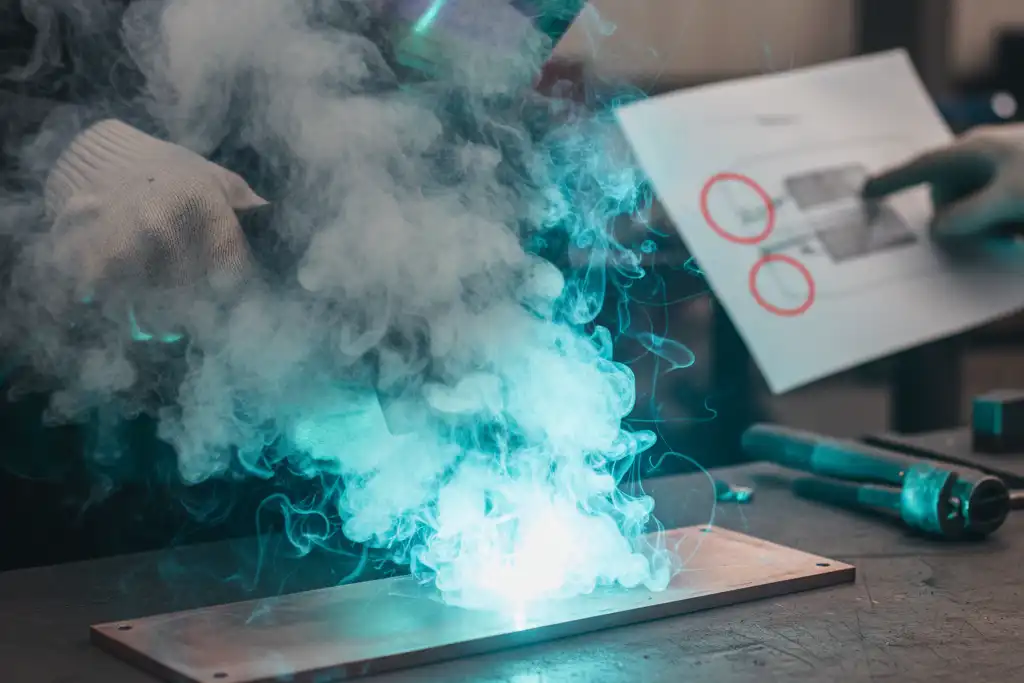
You might have many problems when you do Laser Welding of Galvanized Steel Plates. Some problems are zinc turning into vapor, holes in the weld, splashes, air pockets, cracks, changes in how hard the metal is, less strength, and health risks from fumes. These problems can make joints weaker, change how the weld looks, and make welding dangerous.
| Key Findings | Description |
|---|---|
| Zinc Emission | Welding lets out bad zinc oxide fumes, so you need safety steps. |
| Molten Zinc Penetration | Hot zinc can get into steel grains and make joints less bendable. |
| Weld Porosity | Zinc turns to gas when heated and can make holes and air pockets in the weld. |
You should know about these problems to keep welds strong and stay safe.
Key Takeaways
- Zinc can turn into vapor during welding. This can make gas pockets. Gas pockets can cause weak welds. Always look for holes or bubbles in your welds.
- Good preparation is very important. Clean the surface well. Remove the zinc coating where you will weld. This helps stop porosity. It also makes the weld stronger.
- Change your welding settings for each job. Use the right power and speed for the steel thickness. This helps stop problems and makes the weld better.
- Pick the right shielding gas, like argon. This keeps the weld safe from oxidation. It also helps lower spatter.
- Wear the correct safety gear. Use laser goggles and respirators. This keeps you safe from bad fumes and laser light.
Zinc Vaporization And Porosity
Zinc Vaporization Causes
When you use Laser Welding of Galvanized Steel Plates, the zinc coating gets hot very fast. Zinc melts and turns into gas at a lower temperature than steel. So, zinc becomes gas before steel does. The gas forms inside the weld pool and makes pressure build up. You can see the main physical and chemical reasons in the table below:
| Mechanism Type | Description |
|---|---|
| Vaporization Temperature | Zinc turns into gas at a lower temperature than steel, so gas forms quickly in the weld pool. |
| Spatter Formation | Fast vaporization makes pressure rise, which causes spatter and can hurt the weld. |
| Porosity | Gas made during welding causes porosity, which makes the weld weaker and lowers its quality. |
When zinc turns into gas, it can escape quickly. This makes spatter and leaves holes in the weld. The weld might look rough or uneven. The pressure from the zinc gas can also push melted metal out of the weld.
Formation Of Porosity And Blowholes
You will often see porosity and blowholes when welding galvanized steel. These problems happen because high-pressure zinc gas forms at the contact surface. The gas tries to get out through the weld pool. This makes holes and air pockets in the weld. Here is what happens:
- High-pressure zinc gas forms at the contact surface during laser welding of galvanized steel.
- The gas escapes through the weld pool, making blowholes and pores.
- These problems can make the weld much weaker and less able to fight rust, which can hurt product safety and how long it lasts.
Porosity can look different. You might see scattered porosity, which comes from dirt on the surface. Linear porosity happens when the weld pool is not steady. Uniform porosity is usually from bad gas shielding. Wormhole porosity forms when gas gets trapped by changes in the keyhole. Crater porosity happens when zinc gas explodes. Every kind of porosity makes the weld weaker and less safe.
Tip: Always look at the weld for small holes or bubbles. These show porosity is there and can make the weld weaker.
Reducing Porosity In Welds
You can do things to lower porosity when welding galvanized steel. The most important thing is to control the welding settings. Change the laser power and welding speed to fit the sheet’s thickness. Use assist gas, like nitrogen or argon, to help get rid of zinc gas and stop oxidation. The assist gas also keeps the weld safe from air.
If you set these things right, you will see fewer pores and blowholes in your welds. The weld will look smoother and be stronger. You should always clean the surface before welding to get rid of oil, dirt, or other things. This stops scattered porosity. Make sure the gas shielding is strong and steady. This keeps uniform porosity from happening.
Note: Good prep and careful control of welding settings are very important for making strong, clean welds on galvanized steel.
Spatter And Weld Defects
Spatter Formation Mechanism
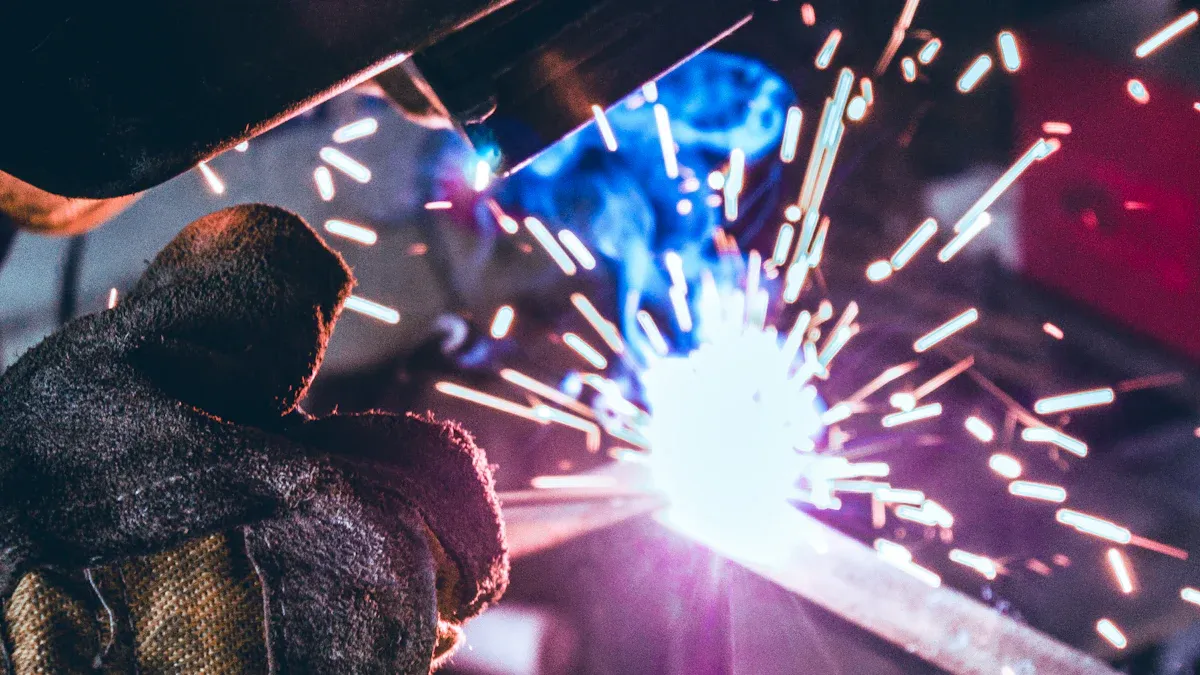
Spatter is what happens when small droplets of molten metal fly out from the weld area during laser welding. You see this often with galvanized steel. Several things cause spatter:
- The impact force from the swirling and returning flow in the molten pool pushes metal toward the keyhole, making droplets shoot out.
- The keyhole in the weld can open and close quickly. This movement causes bursts of spatter.
- Shear stress and recoil pressure inside the weld pool push droplets out.
- Vapor from the laser hitting the front wall of the keyhole can strike the back wall, causing spatters and small bumps.
When you weld galvanized steel, zinc vapor adds to the problem. Zinc evaporates quickly and escapes in bursts, making spatter more unstable. Different zinc coatings, like electrolytic or hot-dip, change how the molten pool behaves. If zinc vapor escapes unevenly, you get more spatter. Some experts found that adding copper powder can help reduce spatter. Adjusting the laser’s pulse can also help zinc vapor escape more smoothly. If you leave a small gap between sheets, zinc vapor can escape more easily, which lowers spatter. Lowering the heat input also helps control spatter.
Impact On Weld Quality
Spatter affects what your weld looks like and how strong it is. Too much spatter can make the weld rough and uneven. It can also weaken the weld. Spatter can create rough spots on the surface. These spots can make the weld look bad and may cause problems if you need a smooth finish. Spatter can also get in the way of moving parts or seals, which can make the structure less safe over time. If you see a lot of spatter, it means the welding process is not working well. This can lower the quality and durability of the welded part. In laser welding of galvanized steel plates, spatter often means you need to adjust your process.
Tip: Less spatter means a cleaner weld and a stronger, longer-lasting joint.
Spatter Prevention Methods
You can use several methods to prevent spatter when welding galvanized steel. The table below shows what changes you can make:
| Process Modification | Description |
|---|---|
| Optimizing welding parameters | Adjust power, pulse frequency, and focal length to control spatter and improve weld quality. |
| Changing the scan mode | Use swing welding to keep the temperature even and reduce boiling and spatter. |
| Using shielding gas | Protects the weld from air, which helps lower spatter. |
Other ways to reduce spatter include changing the laser’s energy pattern. Using a ring plus center beam instead of a standard beam can help. Swing welding spreads heat more evenly. Shorter wavelengths, like blue light, help the metal absorb energy better and reduce spatter. The type of shielding gas matters too. Argon and argon-rich mixes work well to keep the arc stable and lower spatter. An argon-CO2 blend also helps when welding steel, including galvanized sheet.
Note: Choosing the right process and shielding gas can make a big difference in how much spatter you see.
Cracking And Strength Loss
Causes Of Cracking In Welds
Cracking is a common problem when you use Laser Welding of Galvanized Steel Plates. You can see different types of cracks, but solidification cracking, also called hot cracking or centerline cracking, is the most common. This happens because the weld cools and shrinks quickly. The metal cannot handle the stress, so cracks form. Several factors increase the risk of cracking:
- The chemical makeup of the steel matters. Elements like sulfur and phosphorus make cracks more likely.
- Manganese in the steel can help reduce cracking by balancing the effects of sulfur.
- The shape of the weld, especially in thick steel, can cause high stress and more cracks.
- If you use high welding speeds, the weld cools even faster, which increases the chance of cracks.
- Zinc in the coating can cause liquid metal embrittlement. Liquid zinc can seep into the steel and make it weaker.
Hardness And Strength Changes
Laser welding changes how hard and strong the metal is. You will notice that the weld area, called the fusion zone, becomes much harder than the base metal. In fact, the hardness can be about 60% higher than the original steel. This happens because the weld cools very fast, making the grains in the metal smaller. Smaller grains mean higher hardness and strength. If you increase the welding speed, the weld gets even harder. For example, when you raise the speed from 2 to 4 meters per minute, the hardness can go from about 239.5 to 315 HV. Even though the weld is harder, the overall strength stays close to the original steel. You might see a small drop in how much the metal can bend before it breaks, but the tensile strength remains almost the same.
Improving Weld Integrity
You can take steps to make your welds stronger and reduce the risk of cracks. Here are some best practices:
- Control the welding speed. Slower speeds let the weld cool more evenly and reduce stress.
- Use the right shielding gas, like argon or nitrogen, to protect the weld from air and remove oxides.
- Prepare the surface well. Remove the zinc coating in the weld area to stop too much vapor and weak spots.
- Adjust the laser settings, such as beam focus and speed, to get a clean weld.
- Try post-weld treatments like annealing or tempering. These steps help lower stress and make the weld tougher.
Tip: Good preparation and careful control of your welding process will help you avoid cracks and keep your welds strong.
Health And Safety Hazards
Zinc Oxide Fume Risks
When you weld galvanized steel with a laser, the zinc coating makes fumes. These fumes have zinc oxide, which can hurt your health. You might breathe in these fumes if you do not wear the right gear. The table below shows what can happen if you breathe zinc oxide fumes:
| Health Risk | Description |
|---|---|
| Metal Fume Fever | You can get sick for a short time with fever, chills, nausea, and tiredness. |
| Chronic Respiratory Problems | Breathing problems like bronchitis or asthma can last a long time. |
| Lung Damage | Breathing zinc oxide fumes for a long time can hurt your lungs. |
| Neurological Effects | There may be a link to nerve problems, like Parkinson’s disease. |
If you breathe in a lot of zinc oxide fumes, you can get very sick. This can cause a serious lung problem called chemical pneumonitis.
Note: OSHA and NIOSH say you should not breathe more than 5 mg/m³ of zinc oxide fumes. Always keep fume levels lower than this.
Metal Fume Fever And Prevention
Metal fume fever is common when you weld galvanized steel. You may feel sick with fever, chills, nausea, headaches, and sore muscles. These problems usually go away in one or two days. Sometimes, you can get bad lung or nerve damage.
Symptoms of metal fume fever include:
- Fever and chills
- Nausea and headaches
- Feeling tired and weak
- Bad muscle aches (sometimes called zinc shakes)
Breathing zinc oxide fumes for a long time can hurt your lungs, nerves, and even raise your risk of cancer.
To stop metal fume fever, you should:
- Use a fume extractor to pull fumes away from where you work.
- Make sure your room has good airflow with at least four air changes each hour.
- Wear a mask or respirator if you need it.
- Stand so you do not breathe in the fumes.
Laser Safety Measures
Laser welding has other dangers besides fumes. You need to protect your eyes and skin from laser light and heat. Always wear laser safety goggles that match your laser’s color. Wear flame-resistant clothes and gloves that can handle heat to keep your skin safe.
| PPE Type | Description |
|---|---|
| Laser Safety Eyewear | Stops dangerous laser light. Must match your laser’s color. |
| Face Shields or Helmets | Protects your whole face, especially if you are near the laser. |
| Flame-Resistant Clothing | Keeps sparks and heat from burning your body. |
| Heat-Resistant Gloves | Lets you touch hot metal without getting burned. |
| Respiratory Protection | Stops you from breathing in harmful fumes. |
Only trained workers should go into the welding area. Always follow OSHA Class 4 laser safety rules. Use covers and put up warning signs. Training helps you know what to do if something goes wrong.
Tip: Safe habits keep you healthy and help you avoid accidents when welding galvanized steel.
Laser Welding Of Galvanized Steel Plates: Process Challenges
Laser Welding of Galvanized Steel Plates is not easy. There are special problems you need to know first. These problems come from your tools, how you get ready, and how you set up the weld. If you know what can go wrong, you can make better choices. This helps you get stronger welds.
Equipment And Process Limitations
You will have some limits with your tools and process. The zinc coating changes how the laser works with the steel. This can cause bad gas, holes, and messy welds. Look at the table to see what can happen:
| Limitation | Description |
|---|---|
| Toxic Gas Release | The zinc coating evaporates and releases harmful gases. |
| Porosity and Oxidation | High laser power can cause holes and oxidation in the weld. |
| Zinc Coating Melting Point | Zinc melts at a low temperature, which can trap gas and create inclusions. |
| Laser Energy Absorption | The zinc layer absorbs some laser energy, making it harder to get a good weld. |
| Need for Parameter Adjustments | You must change equipment settings for different sheet thicknesses and zinc coatings. |
| Ventilation and Protective Measures | You need strong ventilation to remove toxic gases from the work area. |
| Isolation Measures | Adjusting the laser beam angle can help control spatter from the zinc layer. |
Your tools can also change how good your weld is. Bad beam quality can leave the weld unfinished. If you do not control the heat, you might get cracks or bent metal. The pieces must fit together well. If they do not, the weld will be weak. The heat-affected zone can change the steel and make it less strong.
| Factor | Impact on Weld Quality and Productivity |
|---|---|
| Beam Quality | Poor beam quality can cause incomplete welds and damage the material. |
| Heat Input Control | Bad control can lead to warping, overheating, or cracks. |
| Joint Fit-Up Tolerances | If the fit is not tight, you get weak or uneven welds. |
| Heat Affected Zone (HAZ) | Fast cooling and local heating can change the steel and cause flaws. |
Tip: Always check your tools and make sure they are right for Laser Welding of Galvanized Steel Plates.
Material Preparation Tips
Getting your steel ready helps you avoid many problems. Clean the steel before you weld. This takes away oil, dirt, and old coatings. It lowers the chance of holes and weak welds. Think about how thick your steel is. Change your welding speed and focus for different thicknesses.
Here are some tips for getting ready:
| Technique | Recommendation |
|---|---|
| Welding Speed | Use a maximum speed of 30 mm/s for 1.5mm thick sheets. Change speed for other thicknesses. |
| Focus Adjustment | Set the laser focus between -2mm and +2mm based on the sheet’s thickness. |
| Shielding Gas | Use argon or a mixed gas. Set the flow rate between 10 L/min and 20 L/min. |
| Laser Mode | Use continuous wave (CW) mode for better stability and weld quality. |
- Clean the weld area to take away dirt or oil.
- Remove the zinc coating in the weld zone if you can. This stops gas from building up.
- Use the right shielding gas to keep air away and stop rust.
- Change the laser focus to match your steel’s thickness.
Note: Good prep makes your welds stronger and helps you stop common problems.
Optimizing Welding Parameters
You can change many settings to lower defects. Changing these helps you get cleaner welds with fewer cracks or holes.
| Adjustment Type | Impact on Defects |
|---|---|
| Cooling Rate | Controls how the weld solidifies, reducing cracks and porosity. |
| Gas Flow | Good shielding gas flow lowers oxidation and spatter. |
| Laser Focus | Proper focus gives better energy control and deeper welds. |
| Fixturing | Keeps parts aligned, stopping gaps and weak welds. |
| Ramp-down of Power | Slowing down the laser at the end prevents cracks in the weld crater. |
| Pre-cleaning | Removes dirt and oil, lowering the risk of trapped gas and pores. |
You can also:
- Change the laser focus to control how much energy hits the steel. This helps stop spatter.
- Use argon as your shielding gas. Argon keeps the weld clean and steady.
- Lower the laser power slowly at the end. This helps the weld cool evenly and stops cracks.
- Make sure your parts fit together well. Good fixturing stops gaps and keeps the weld strong.
- Clean the steel before welding to take away things that cause gas bubbles.
Tip: Small changes in your welding settings can make a big difference in weld quality.
Laser Welding of Galvanized Steel Plates means you must watch your tools, prep, and settings. If you know what problems to expect and how to fix them, you will get better and safer welds.
When you use laser welding on galvanized sheet, you can have many problems. Some problems are zinc turning into gas, holes in the weld, spatter, cracks, and health dangers. These problems can make your weld weak and unsafe.
- Look at your welds to find problems.
- Get your materials ready and change your machine settings.
- Wear the right safety gear.
Tip: If you know what problems can happen, you can make your welds safer and stronger.
FAQ
What is the main problem with laser welding galvanized sheet?
You often face zinc vaporization. The zinc coating turns into gas before the steel melts. This gas can cause holes, spatter, and weak welds.
What can you do to reduce porosity in welds?
You can clean the sheet before welding. Adjust the laser power and speed. Use shielding gas like argon. These steps help lower the chance of pores and blowholes.
What safety gear should you wear during laser welding?
Always wear laser safety goggles, flame-resistant clothing, and a respirator. These protect your eyes, skin, and lungs from laser light and harmful fumes.
What happens if you do not remove the zinc coating before welding?
You may see more spatter, porosity, and cracks. The weld can become weak. Removing the zinc in the weld area helps you get a stronger and cleaner joint.
Repairing Weld Burn-Through Common Mistakes and Solutions
Top Challenges in Laser Welding Copper and How to Overcome Them
What Is Laser Welding of Thin Plates and How to Prevent Burn-Through
What Are the Effects of Power Density on Laser Welding Quality