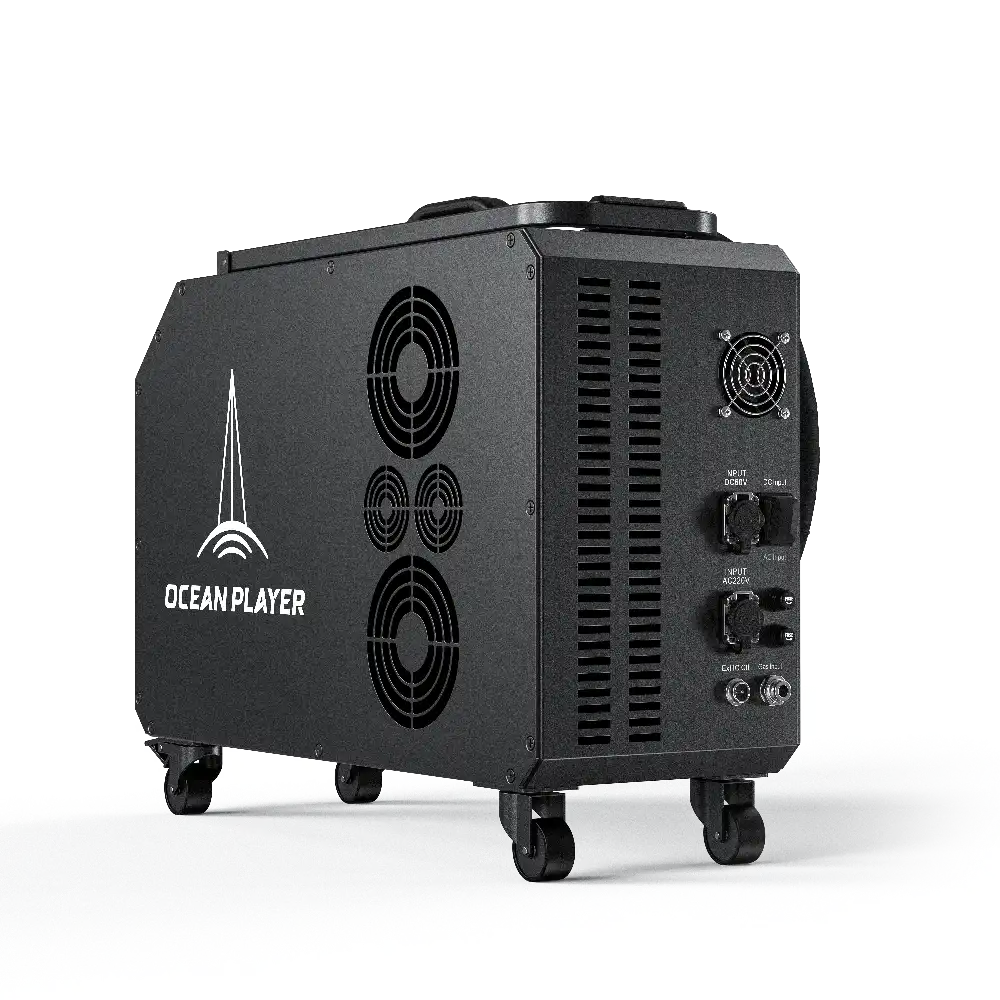

When you use a laser cleaning machine outside, you face many problems. Bright sunlight can make it hard to see your work. Weather like rain or wind can hurt your equipment. You need to keep the machine safe from dust and dirt. Safety matters a lot. The table below lists dangers you might find:
| Hazard Type | Description |
|---|---|
| Toxic Fumes | Bad gases can make it hard to breathe. |
| Electrical Hazards | You could get shocked or start a fire. |
| Fire Hazards | Hot lasers can start fires nearby. |
| Mechanical Hazards | Moving parts can hurt you. |
| Chemical Exposure | Chemicals can burn your skin or eyes. |
| Ergonomic Hazards | Bad posture can cause pain. |
| Thermal Hazards | Hot surfaces can burn you. |
| Noise Hazards | Loud sounds can hurt your ears. |
You need to set up your workspace safely. Learn the right steps before you start.
Key Takeaways
- Always wear the right safety gear like laser safety glasses and gloves. This helps keep you safe from harm.
- Make a safe work area with barriers and warning signs. This keeps people who should not be there away from the laser cleaning zone.
- Watch the weather carefully. Stop working if it rains, gets very windy, or if sunlight makes it hard to see.
- Check and clean your laser cleaning machine often. This helps the machine work well and keeps you safe.
- Change your laser settings for each surface and contaminant. This helps you get the best cleaning results.
Laser Cleaning Machine Safety Outdoors
PPE for Outdoor Use
You need to wear the right gear when using a laser cleaning machine outside. Being outdoors can be riskier than working inside. Sunlight, wind, and dust can make things more dangerous. You must protect your skin, eyes, and lungs from laser beams and flying bits. The table below lists the main types of PPE and what they do:
| Type of PPE | Purpose |
|---|---|
| Coveralls | Keeps skin and clothes safe from dirt and dust. |
| Head Covers | Stops hair and scalp from getting dirty. |
| Face Shields | Protects your face from lasers and flying bits. |
| Protective Eyewear | Keeps your eyes safe from laser beams. |
| Masks | Helps you breathe clean air by blocking bad stuff. |
Laser safety glasses are very important for anyone near the machine. You should wear full-body gear if you use strong lasers. Places like building sites or open fields can be more dangerous than labs. Always check your gear before you use it. Replace anything that is broken or worn out.
Tip: Pick gear that fits well and is made for laser work.
Securing the Work Area
You must make your work area safe before you start using the laser cleaning machine outside. This helps keep you and others safe from accidents. Put up barriers and warning signs around your workspace. These steps stop people from walking into danger. Here are some good ways to keep your work area safe:
- Make a special area where only trained people can go.
- Use barriers, signs, and light curtains to mark the safe zone.
- Check that there are no shiny things in the area.
- Cover the machine to protect it from rain or wind.
- Use screens to separate the laser area from other work spaces.
- Put up clear warning signs so everyone knows about the laser.
- Be extra careful if people are working above or below you.
Look for dangers in the area before you start. Take away anything shiny that could bounce the laser beam. Never let anyone in the work area unless they know what to do and have the right gear.
Laser Exposure and Reflections
Laser beams can bounce off shiny things and hurt people. You need to control reflections to keep everyone safe. Shiny metal can cause accidents by bouncing the laser. Use dull or coated surfaces to spread out the light and lower reflections. Do not clean shiny surfaces unless you use shields. Here are ways to lower laser exposure and reflections:
- Put up barriers to catch stray beams.
- Point the laser head the right way to stop scattering.
- Take away or cover shiny things in the area.
- Use shields or screens to block stray beams.
Train workers to spot and control these dangers. Always check the laser machine’s aim before you start. Watch the area while you work to see if there are any new reflections.
Note: It is harder to see reflections outside, especially when it is sunny. Stay alert and check the area often.
Outdoor Environment Factors
Weather Impacts (Rain, Wind, Sunlight)
Weather can change fast when you work outside. You must check for unsafe weather before using a laser cleaning machine. Heavy rain can break the machine and make the ground slippery. Fog and wet air can block the laser beam and make cleaning weaker. Dust storms and strong wind can blow dirt into the machine and onto your work area. Sunlight can make the machine hot and make it hard to see.
Unsafe weather conditions for outdoor laser cleaning include:
- Heavy rain
- Fog
- High humidity
- Dust storms
- Strong winds
Stop working if you see any of these weather problems. Cover the machine with something waterproof if it starts to rain. Move the machine to a safe place if the wind gets strong. Always look at the weather report before you start.
Tip: Set up your workspace in a sheltered spot to keep your equipment safe from sudden weather changes.
Visibility Challenges in Sunlight
Bright sunlight can make it hard to see the laser beam and your work area. Sun glare can hide safety signs and laser marks. You might miss important things if the light is too bright. Good lighting helps you work safely and check your progress. Lights that you can adjust and that do not make shadows help you see better and work faster.
Common visibility challenges in direct sunlight:
- Glare hides laser marks and safety signs.
- Sunlight makes it hard to see where you are cleaning.
- Bad lighting makes you less accurate and slows you down.
You can see better by using a target plate with a shiny surface. A stronger laser makes a brighter beam that is easier to see. Green lasers show up better in sunlight because they are brighter. Try not to work in direct sunlight. Use a canopy or work in the shade. Adjust the laser for accuracy and use a tripod to keep it steady. A rotating laser level helps you see the beam from different sides.
Note: Lasers with shorter wavelengths, like green, spread more in the air and look brighter in sunlight. This makes them easier to see when you work outside.
Dust and Surface Contamination
Dust and dirt can cause trouble when you use a laser cleaning machine outside. Dirt can block the laser beam and make cleaning worse. Dust can land on cleaned surfaces and make them dirty again. You need to keep your work area clean for good results.
Ways to manage dust and debris:
- Use a dust extractor with strong airflow while cleaning.
- Clean the machine often, especially after long jobs.
- Cover parts of the work area you are not using to keep dust away.
- Handle cleaned parts carefully so they do not get dirty again.
- Do post-process treatments right after cleaning to stop dust from sticking.
- Have a technician service the machine often to keep it working well.
- Change the engraving direction in the software to stop dust from blocking the laser.
Match the dust extractor to the kind and amount of material you clean. If you control dust, you will protect your machine and get better cleaning results.
Tip: Always check for dust before you start and after you finish. Clean up right away to keep surfaces clean.
Laser Cleaning Machine Protection

Shielding from Elements
You need to keep your laser cleaning machine safe from rain, dust, and sunlight when working outside. Water can hurt the electrical parts. Dust can block the laser beam. Use covers or tents to protect the machine. Put the machine on a flat surface so it stays dry and clean. Waterproof tarps or special boxes give extra safety. Always look at the weather before you start. If you see clouds or strong wind, move your machine to a safe place.
Tip: A simple canopy or pop-up shelter helps keep your machine safe from sudden rain or strong sunlight.
Inspection and Cleaning
Checking your machine often helps you stop problems and keeps it working well. You should look at the machine before and after each job. Check for dirt, loose wires, or worn parts. Clean the optics and filters a lot. If you see error messages or bad cleaning, try these steps:
| Maintenance Issue | Causes | Troubleshooting Steps |
|---|---|---|
| Overheating | Not enough coolant, dirty air filters, blocked vents, high heat | Check coolant, clean filters, make sure air can flow, lower strain. |
| Poor Cleaning Quality | Dirty optics, wrong alignment, bad settings, weak laser source | Clean optics, check alignment, fix settings, look at laser source. |
| Error Messages on Control Panel | Software bugs, bad connections, broken cables, too much hardware load | Read the manual, check wires, update software, restart, call support. |
| Laser Source Instability | Power changes, inside damage, outside problems | Check power, look at laser source, make area stable, run tests. |
You can stop most problems by cleaning and checking your machine often. Always do what the manufacturer says.
Power and Cable Management
You need good power for working outside. The laser cleaning machine has a laser source, optical system, control system, and platform. The laser source makes the strong beam for cleaning. Pick a power supply that fits your machine. For small jobs, use 100W to 1000W. For big jobs, you might need 1500W or more.
- Use extension cords made for outside.
- Keep cables away from water and sharp things.
- Tie down cables so no one trips.
- Check all connections before you start.
Note: Always use a generator or outlet that can handle your machine’s power. Steady power helps your cleaning stay good.
Operational Efficiency Outdoors
Adjusting for Outdoor Surfaces
You will find many different surfaces outside. Each surface needs its own laser settings. You should know what you are cleaning first. Metal, stone, plastic, and glass react in different ways to the laser. Check if you are cleaning rust, paint, or grease. Change your machine settings for the best results.
| Parameter | Description |
|---|---|
| Substrate | Find out if the surface is metal, non-metal, or sensitive. |
| Contaminant Type | Figure out what you are cleaning, like rust, paint, or grease. |
| Laser Power | Change power for the material and how thick the dirt is. |
| Pulse Duration | Pick a time that cleans well but keeps the surface safe. |
| Wavelength | Use a wavelength that works on the dirt but does not hurt the surface. |
| Pulse Frequency | Set how often the laser fires to clean fast and safe. |
| Scanning Speed | Change speed for how deep you clean and how soft the material is. |
| Beam Spot Size | Make the spot smaller for strong cleaning, bigger for faster work. |
Use this table to help set your machine for each job. If you clean stone, protect it and take off moss. For plastic, use less power so it does not melt.
Stable Positioning and Movement
You need your machine to stay steady outside. Bumpy ground can make it shake or move. Put your machine on flat ground. Use stands or tripods to keep it still. Move the laser head slowly and carefully. Fast moves can cause mistakes or break things.
- Put the machine on hard, flat ground.
- Use stands that you can change for rough ground.
- Make sure wheels or feet do not slip.
- Move the laser head slowly and smoothly.
Tip: Test your setup before you start cleaning. A steady machine helps you clean better and keeps you safe.
Monitoring Results in Variable Light
Light outside changes a lot. Sun, clouds, and shadows can make it hard to see. Check your cleaning often. If you clean solar panels, dust can make them work worse by 15%. Clean surfaces often and watch for new dirt. Use a flashlight or lamp to see better when it is dark. Take pictures before and after cleaning to compare.
| Material | Cleaning Efficiency Factors | Notes |
|---|---|---|
| Stone | Cleaning without touching keeps it safe; good for removing moss and plants | Great for monuments and buildings; stops damage from old cleaning ways |
| Plastic | Needs careful laser settings so it does not melt or bend | Used a lot in factories; keep it cool while cleaning |
| Glass | Not all glass can be cleaned; check the type first | Good for making glass clear again without scratching it |
| Rubber | Cleaning without touching stops damage; works well for mold | Safe for rubber jobs; use the right laser settings to avoid harm |
| Paper | Cleans well without touching; good for old papers | Works for cleaning paintings and boards without hurting them |
| Ceramic | No chemicals needed; cleans small cracks and designs | Good for pottery, tiles, and old things; keeps the surface safe |
Note: Clean often and check your work to keep surfaces clean and working well, even when the light outside changes.
Legal and Regulatory Requirements
Local Outdoor Laser Use Rules
You have to follow rules when using a laser cleaning machine outside. Every place has its own laws. Make a safe area so only trained people can go in. Many places want you to pick a Laser Safety Officer. This person makes sure everyone is safe. You need to follow safety standards like ANSI Z136.1 in the United States. Some states ask you to register your machine with a radiation agency. You might need to get checked every year.
If you do not follow the rules, you can get in trouble. Inspectors may give you a ticket right away. You might have to make a plan to fix problems and send it to the right office. Fixing mistakes costs more than doing things right first.
| Requirement | Description |
|---|---|
| Controlled Areas | Make safe zones for laser work. |
| Laser Safety Officer (LSO) | Pick someone to watch over laser safety. |
| Compliance with Safety Standards | Follow ANSI Z136.1 or similar rules. |
| State Registration | Register your machine and get checked if your state says so. |
| Penalties for Non-compliance | You may get tickets or need to fix problems. |
| OSHA Regulations | Meet OSHA rules for safe laser use at work. |
| Additional Local Regulations | Look for extra rules in your area. |
Tip: Always check local laws before you start. Rules can be different in each city or state.
| Penalty Type | Description |
|---|---|
| Citations | Inspectors may give you a ticket for breaking laser laws. |
| Corrective Action Plan | You may need to write a plan and get approval to fix safety problems. |
| Cost of Compliance | Fixing mistakes costs more than following rules from the start. |
Noise and Environmental Restrictions
Laser cleaning machines can be very loud. Some types, like pulsed excimer and CO2 lasers, make a lot of noise. If the sound is over 90 decibels for eight hours, you must wear ear protection. If it is 110 decibels for fifteen minutes, you also need ear protection. OSHA sets these limits to keep you safe.
Use noise-absorbing materials and put up warning signs. These steps help lower noise risks. You also need to watch for dust and fumes in the air. Laser cleaning can make dust and bad gases. Use exhaust fans to catch these right away. Wear masks to help you breathe clean air. Keep dangerous air away from other people.
| Aspect | Details |
|---|---|
| Noise Levels | Some lasers make loud sounds that need control. |
| Hearing Protection | Wear ear protection if noise is high. |
| Preventive Measures | Use noise-absorbing materials and warning signs. |
| Airborne Contaminants | Use exhaust fans and masks. |
| Local Exhaust Ventilation | Catch bad air near where it starts. |
Note: Always check your local rules for noise and air safety. Some places have extra limits to protect people and the environment.
You can use a laser cleaning machine outside if you follow the right steps. Get ready before you start. Make sure you can see your work clearly. Always follow the rules for safety. The table below lists the most important things to remember:
| Key Takeaway | Description |
|---|---|
| Safety Precautions | Protect your eyes and skin. Control who goes in the area. Use barriers and signs. |
| Environmental Controls | Use fans, fume extractors, and ways to stop fires. |
| Equipment Handling | Take away anything dangerous. Keep your workspace clean. |
| Operational Procedures | Follow safe rules and check for dangers often. |
- Put on laser safety goggles and a welding helmet.
- Wear gloves and jackets that do not catch fire.
Stay careful and look at your safety steps often. Keep learning new ways to stay safe and help others.
FAQ
What should you do if it starts raining while using a laser cleaning machine outdoors?
You should stop work right away. Cover the machine with a waterproof tarp. Move the machine to a dry place. Check all cables and connections before you start again.
How can you improve visibility when working in bright sunlight?
You can use a canopy or tent to block sunlight. Try using green lasers because they show up better. Adjust your lighting and use target plates to help you see the cleaning area.
What personal protective equipment do you need for outdoor laser cleaning?
You need laser safety glasses, face shields, coveralls, and masks. Always check your gear before you start. Replace anything that is broken or worn out.
Are there special rules for using laser cleaning machines outside?
Yes, you must follow local laws and safety standards. Some places require you to register your machine. You may need a Laser Safety Officer. Always check rules before you start.
How do you keep dust and dirt from affecting your cleaning results?
You should use a dust extractor with strong airflow. Clean the machine often. Cover unused areas to keep dust away. Handle cleaned parts carefully to avoid new contamination.
See also
What Makes Fiber Lasers Essential in Laser Cleaning Machines
Continuous or Pulsed Laser Cleaning Machine Which Suits Your Needs
The advantages of laser rust removal technology in ship maintenance