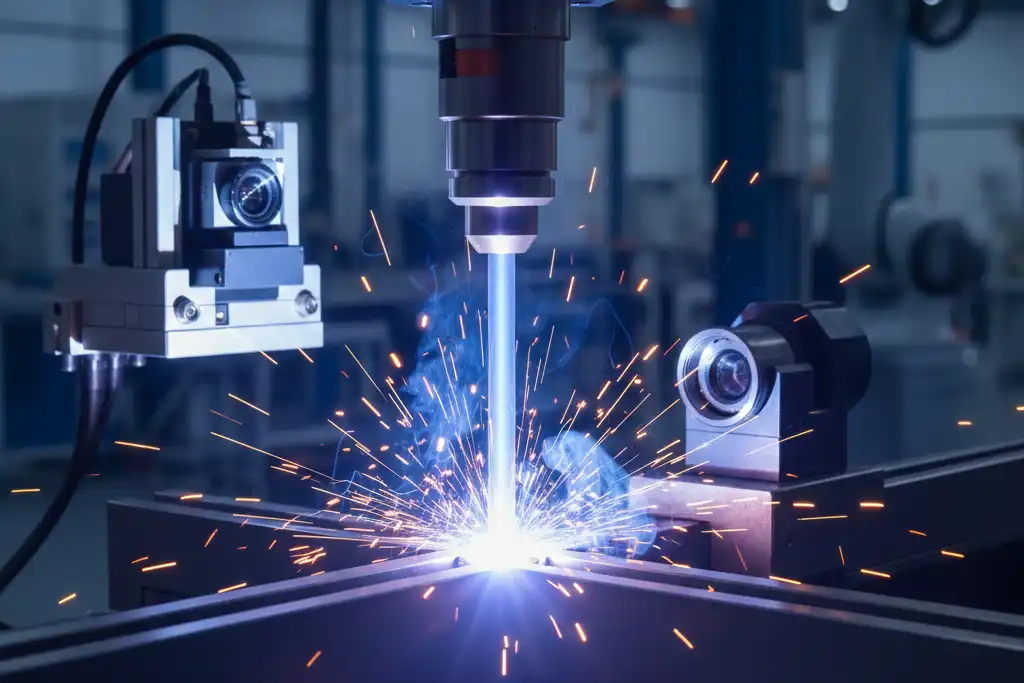
You see energy density in laser welding when you check how much energy goes to a spot during each pulse.
- The average energy density is the total energy in each pulse split by the beam size on the surface.
- You can find energy density with formulas like:
- Energy density (J/cm²) = Average power (W) / (Repetition rate (Hz) × Beam area (cm²))
- Energy density (J/cm²) = Energy per pulse (J) / Beam area (cm²)
If you use the right energy density, you make welds better and the process faster. Research shows that good energy absorption and steady keyhole formation lower mistakes and help the weld go deeper. When you compare laser welding to other ways, you learn how it works and pick the best method for your job.
Key Takeaways
- Energy density is very important in laser welding. It affects how deep and strong the welds will be. You need to use the right energy density for good results.
- You should control things like laser power, welding speed, and focus position. This helps you get the best energy density. It also helps you make strong welds with fewer mistakes.
- Different materials need different energy density levels. Change your settings based on how thick the material is. This stops the welds from being weak.
- High energy density makes welding faster. It also makes the heat-affected area smaller. This means there is less bending and the weld is better.
- Try different settings to see what works best for your project. This can help you use less energy and get more work done.
Understanding Energy Density
Definition and Formula
You check energy density in laser welding to see how much energy hits a certain spot. The main formula you use is:
E_d = (P * n) / V
- E_d means energy density.
- P is the laser power.
- n is the number of pulses.
- V is the weld volume.
You can also use these formulas:
- Energy density (J/cm²) = Average power (W) / (Repetition rate (Hz) × Beam area (cm²))
- Energy density (J/cm²) = Energy per pulse (J) / Beam area (cm²)
You need to know the pulse energy and beam size to figure out average energy density. If you use a pulsed laser, you get pulse energy by dividing average power by repetition rate. When you make the beam smaller, you raise the power density. This helps you make welds that are deeper and stronger.
Power Density Ranges in Laser Welding
Different materials and thicknesses need different power density ranges. The right range helps you get good welds. Here is a table that shows the power you should use for welding steel and aluminum:
| Material Thickness | Recommended Power (Watts) |
|---|---|
| Thin materials (<1.0mm) | 500-1500 |
| Moderate thickness (1.0-3.0mm) | 1500-3000 |
| Thick materials (>3.0mm) | 3000-6000 |
For thin aluminum sheets (1-2mm), you use 1kW to 1.5kW. If you weld thicker aluminum, you need more power. For plates up to 6mm, you use about 3kW. You change the power density based on the material and thickness. This helps you get the right weld and avoid problems.
You also see differences between pulsed and continuous wave lasers:
| Parameter | Pulsed Wave Laser (PW) | Continuous Wave Laser (CW) |
|---|---|---|
| Interaction Time | Pulse duration | Continuous interaction |
| Power Density | Lower penetration depth | Higher penetration depth |
| Efficiency | Higher | Lower |
| Effect of Pulse Duration | Increased penetration with longer duration | Not applicable |
Factors Affecting Energy Density
You can change several things to control energy density in laser welding. Each thing you change affects the weld in a different way.
| Factor | Description |
|---|---|
| Laser power density | Decides how deep the weld goes and how fast you weld; it is important for deep welds. |
| Welding speed | If you go too fast, the weld is not deep enough. |
| Focus position | Changes how wide and deep the weld is; you need to focus right for the best weld. |
| Shielding gas | Keeps the weld safe from air and stops plasma clouds from forming. |
You also see that the type of laser and its wavelength are important:
- Nd:YAG lasers are good for stainless steel and aluminum. You get good control and deep welds for thick pieces.
- Fiber lasers have shorter wavelengths. You use them for aluminum because they are strong and flexible.
- CO₂ lasers are used for thick aluminum. You need to be careful with thin pieces because they can get too hot.
- Nd:YAG lasers need assist gases for aluminum because they do not absorb as much energy.
You can make the beam smaller to get higher power density. A smaller beam means the energy is more focused. This gives you better welds.
Average energy density depends on pulse energy and beam size. If you make the average power higher or the repetition rate lower, you get more pulse energy. When you focus the beam on a smaller spot, you raise the power density and make the weld better.
- To find pulse energy for a pulsed laser:
- Pulse energy and beam size together decide the average energy density during welding.
Laser Welding vs. Other Methods

Energy Density Comparison
Laser welding uses a focused beam. This helps control the weld area. Other welding methods are different. Electron beam welding makes more heat than lasers. Lasers are easier to control and focus. Resistance welding is not as precise as lasers or electron beams.
| Welding Method | Energy Density Comparison |
|---|---|
| Laser Welding | Lower energy density compared to EBW |
| Electron Beam Welding | Higher energy density than laser welding |
| Resistance Welding | Not specifically compared numerically |
Laser welding makes a smaller heat-affected zone. This means less distortion and fewer flaws. Electron beam welding can melt areas outside the weld zone. This happens because it uses more heat.
Advantages of High Energy Density
High energy density in laser welding has many benefits. The laser heats only the weld seam. This keeps other areas safe. You save money because laser welds are clean. You often do not need grinding after welding.
- Laser welding is fast. You can weld 5 to 10 times quicker than older ways.
- You can use laser welding for many materials. It works for thick steel, precious metals, and mixed metals.
- High energy density lets you weld thick pieces in one pass.
- Less heat goes to areas around the weld. This protects sensitive parts.
- Welds look good and meet strict standards.
Limitations of Low Energy Density
Low energy density can hurt weld quality. Poor beam quality may not go deep enough. This makes weak welds. If you do not control heat, you can overheat or crack the material. Bad joint alignment can cause holes or incomplete fusion.
- Not enough power leaves welds unfinished.
- Too much power can hurt the material.
- You must control heat to stop cracks and bending.
- Tight joint fit helps avoid holes or bad fusion.
The heat-affected zone can change the material. This can cause cracks or rust. Fast temperature changes may make the weld brittle or weak.
Energy Density Effects on Weld Quality
Weld Profile and Penetration
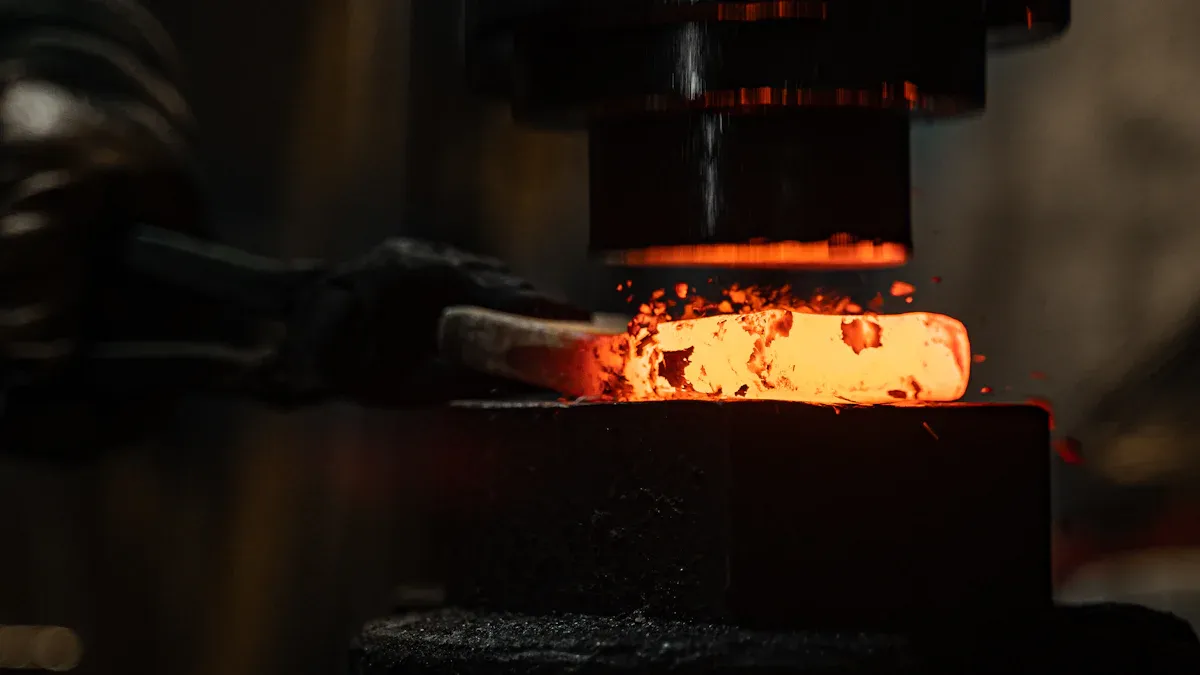
When you change energy density, the weld shape changes. High energy density makes welds go deeper. You can also weld faster. The material keeps its shape better. Less heat means less bending or warping.
- High energy density helps the weld go deeper.
- You can weld quickly and keep the material’s shape.
- Less heat means less bending.
Laser Beam Welding joints cool down fast. This can make the weld not as strong. You should check the keyhole depth as you weld. The keyhole depth tells you how deep the weld is. If the keyhole gets deeper or shallower, the weld changes too.
Tip: Watch the keyhole depth to know how deep the weld is.
Defects and Microstructure
If the energy density is not right, you can get defects. Some common defects are spatter, cracks, pores, and undercut. Each problem has a reason and a way to fix it. The table below shows what can happen:
| Defect Type | Description | Cause | Solution |
|---|---|---|---|
| Welding Spatter | Metal bits on the surface | Dirty surface, coating burns off | Clean the metal, use less energy |
| Cracks | Cracks from shrinking metal | Metal shrinks too fast | Add wire, heat before welding |
| Pores | Gas bubbles in the weld | Deep pool, dirty metal | Clean the metal, let gas escape |
| Undercut | Groove at the weld edge | Welding too fast, big gap | Slow down, use right energy |
The weld’s microstructure can also change. The fusion line often has columnar crystals. These crystals grow in lines because of the energy density. Fast heating and cooling make short strips and round ferrite. If you use more laser power, you get full welds and clear patterns. Less power can make pores and weak spots. The fusion zone can have copper and silicon, depending on the laser power.
| Observation | Description |
|---|---|
| Columnar Crystals | Lines near the fusion line, shaped by energy density |
| Fusion Line | No big heat-affected zone because of fast heating and cooling |
| Microstructure Change | Ferrite changes to strips and balls when it cools quickly |
Note: You can stop pores and cracks by controlling heat and changing the laser angle. This makes the weld stronger.
Process Speed and Efficiency
You can weld faster and better if you use the right energy density. The table below shows how scan speed and energy density change weld quality:
| Energy Density (J/mm³) | Relative Density (%) | Scan Speed (mm/s) | Internal Porosity (%) |
|---|---|---|---|
| 25–50 | >99 | 550 | 0.41 |
| Outside optimal range | Lower | Varies | Higher |
If energy density is too high or too low, you get more defects. You should pick the right scan speed and energy density for the best weld.
More laser power melts thick metal better. A smaller spot puts energy in one place. This makes welding work better. You can save energy by using the best settings. Some studies say you can use 60% less electricity for some welds. Fiber laser welding uses high energy density for fast heating and cooling. This makes welding faster and the heat-affected zone smaller. You get less bending and better results.
| Economic Implications of Optimizing Energy Density in Laser Welding | Description |
|---|---|
| Reductions in Energy Consumption | Use much less energy |
| Decrease in Material Waste | Use materials better, make less waste |
| Lower Operational Costs | Save money on energy and materials |
| Improved Product Quality | Fewer heat-affected spots, less fixing needed |
| Enhanced Productivity | Make things faster |
| Lower Emissions | More eco-friendly and saves money |
You can make your factory work better and save money by using the right energy density.
Applications and Process Selection
Where High Energy Density Matters
High energy density is important in many industries. In aerospace, strong welds are needed for planes and rockets. The energy sector uses laser welding to build things faster and make systems last longer. Shipbuilding needs steady welds for thick steel plates. This keeps ships safe and strong. The table below shows how industries use high energy density:
| Industrial Application | Performance Outcomes |
|---|---|
| Aerospace | High precision, low heat input, keeps materials strong |
| Automotive | Fast production, lower costs, quality welds |
| Defense | Joins different metals, makes strong welds |
| Power Generation | More productivity, less downtime |
| Maritime | Consistent welds for thick plates, strong vessels |
| Space Exploration | Precise assembly, durable materials |
You get strong welds and less heat. Manufacturing is more exact. Downtime goes down and production goes up.
Choosing the Right Welding Process
You need to think about a few things before picking a welding process. The kind of material is important. You should know if you are working with plates or tubes. You must check how strong and good you want the welds. How much machines are used and the cost also matter.
- Material type
- Product form: plate or tubular
- Quality and strength requirements
- Degree of mechanization
- Capital cost
Laser welding is best for high-quality welds and fast work. Other methods are used for simple jobs or when saving money is most important.
Optimizing Energy Density
You can follow good steps to get better welds. You control laser power and change welding speed. You pick the right shielding gas to stop rust. You design joints well and clean parts before welding. You lower power slowly to stop cracks. You hold the workpiece tight and set the beam focus for deeper welds. You can try different settings to see what works best.
| Guideline | Description |
|---|---|
| Manage Laser Power | Adjust power for better weld quality |
| Adjust Welding Speed | Change speed to control energy input |
| Optimize Shielding Gas | Use gas to prevent oxidation and defects |
| Ensure Proper Joint Design | Prepare joints for effective energy transfer |
| Control Ramp-Down of Power | Lower power slowly to prevent cracks |
| Adjust Laser Focus Position | Change focus to control energy density and reduce spatter |
| Pre-Clean Materials | Clean surfaces to avoid defects |
| Proper Fixturing | Secure workpiece for precise welding |
| Optimize Beam Focal Spot Size | Use smaller spot for deeper penetration and precision |
| Experiment with Parameters | Try different settings for best results |
Tip: You can make welds better by adding tiny carbon nanotubes to aluminum alloys. This helps the laser work better and saves over 33% energy. Welds are also stronger.
ISO 15609-4 says you should write down laser power settings for each material. This helps you meet standards and keep welds the same.
You have learned why energy density matters in laser welding. The laser type you pick changes what happens. Single mode lasers have more energy density. This is because the beam is smaller and better. Multimode lasers have less energy density. They can work on bigger surfaces more quickly.
| Laser Type | Energy Density Characteristics |
|---|---|
| Single Mode | Higher energy density from a small beam and good quality |
| Multimode | Lower energy density but covers large areas faster |
If you know about energy density, you can weld faster. You keep the material strong. You make better welds with fewer mistakes. You also lower the chance of heat damage.
This knowledge helps you choose the best way to weld. It can make your welding work better.
FAQ
What is energy density in laser welding?
Energy density tells you how much laser energy hits a spot during welding. You use it to control weld depth and quality. You can calculate it using the laser power and the area of the beam.
What happens if you use too little energy density?
Low energy density can make weak welds. You may see cracks or holes. The weld might not go deep enough. You need enough energy to melt the metal and join parts well.
What materials need high energy density for laser welding?
You need high energy density for thick metals like steel and aluminum. Aerospace and shipbuilding use it for strong welds. Thin metals need less energy. You should match energy density to the material type.
What can you do to optimize energy density?
You can adjust laser power, change welding speed, and focus the beam. You should clean the metal and use the right shielding gas. Try different settings to find the best results.
What defects can energy density affect?
Energy density can cause spatter, cracks, or pores. You may see undercut if you weld too fast. You can avoid these problems by controlling energy and cleaning the metal before welding.
What is the average width of the heat affected zone for steel welding
How to Narrow the Heat-Affected Zone in Welding Processes