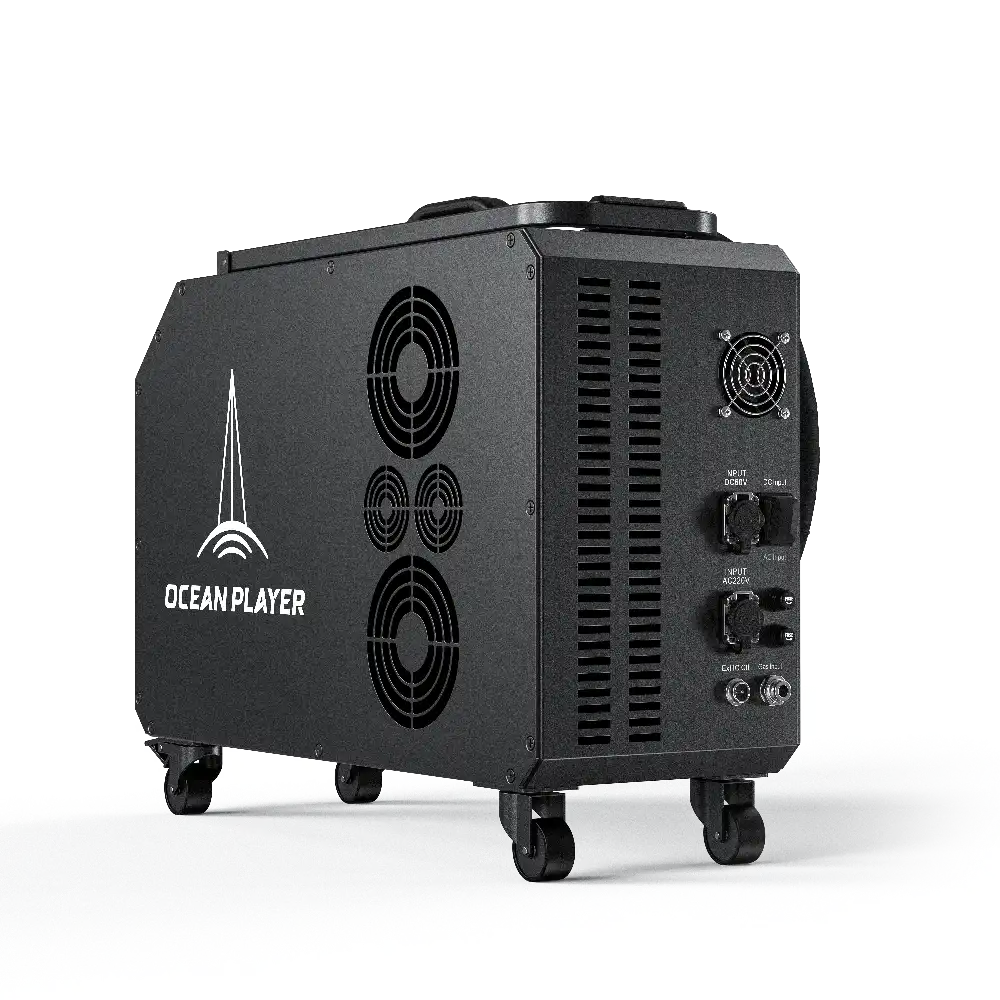
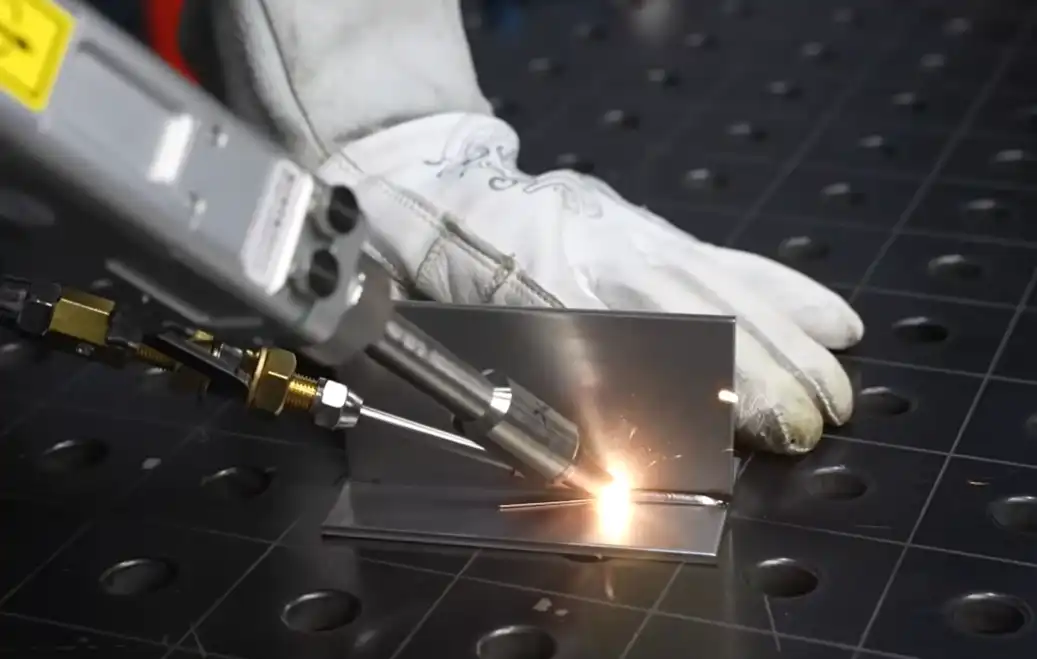
Laser welding uses a concentrated beam of light to join metals with high speed and precision. You can see why manufacturers choose this method. It often completes jobs up to ten times faster than MIG welding. The industry keeps growing.
- In 2024, the market size reached USD 2.7 billion.
- By 2034, experts expect it to reach around USD 4.5 billion.
- The yearly growth rate stands at over 5%.
This technology shapes how you build, repair, and innovate today.
Key Takeaways
- Laser welding works faster and is more exact than old ways. It can finish jobs up to ten times quicker.
- It is important to know about energy density. High power density lets you make deep welds with little heat. This lowers the chance of mistakes.
- You need to pick the right operational mode. Choose conduction or keyhole based on how thick the material is and how strong you want the weld.
- Quality control matters a lot. Watching the process with optical detection helps make sure welds are strong and clean.
- Laser welding can be used in many ways. It works for different materials and jobs, like in cars or medical tools.
Laser Welding Principles
Energy Density and Heat Input
It is important to know how energy density affects laser welding. The laser beam points at a tiny spot. This makes the power very strong in one place. You can make deep welds without using a lot of heat. High power density means less bending and better welds. If you spread the power too much, the heat-affected zone gets bigger. This can cause cracks or rust.
- High power density lets you make deep welds with little heat.
- Focused energy helps stop bending and makes welds better.
- Too much power over a big area makes more heat-affected zone and can cause problems.
- A small spot size lets you work fast and make deep welds.
- Low heat keeps the heat-affected zone small, so your parts stay strong.
In factories, people use heat input values like 25 J/mm, 28 J/mm, 30 J/mm, 35 J/mm, and 40 J/mm. These numbers help you control the process and get good welds.
Operational Modes
There are two main ways to use laser welding: conduction mode and keyhole mode. Each way works best for different jobs. The table shows how they are different:
| Mode | Characteristics | Applications |
|---|---|---|
| Conduction Mode | Uses lower power; energy stays on the surface; welds are wide and shallow. | Good for thin materials and smooth, tight seals. |
| Keyhole Mode | Uses higher power; makes a deep, narrow hole; welds go deep. | Used for thick materials in strong structures. |
Picking the right mode helps you match the job and material. Conduction mode is good for thin sheets and smooth welds. Keyhole mode is best for thick parts and strong welds.
Process Methods
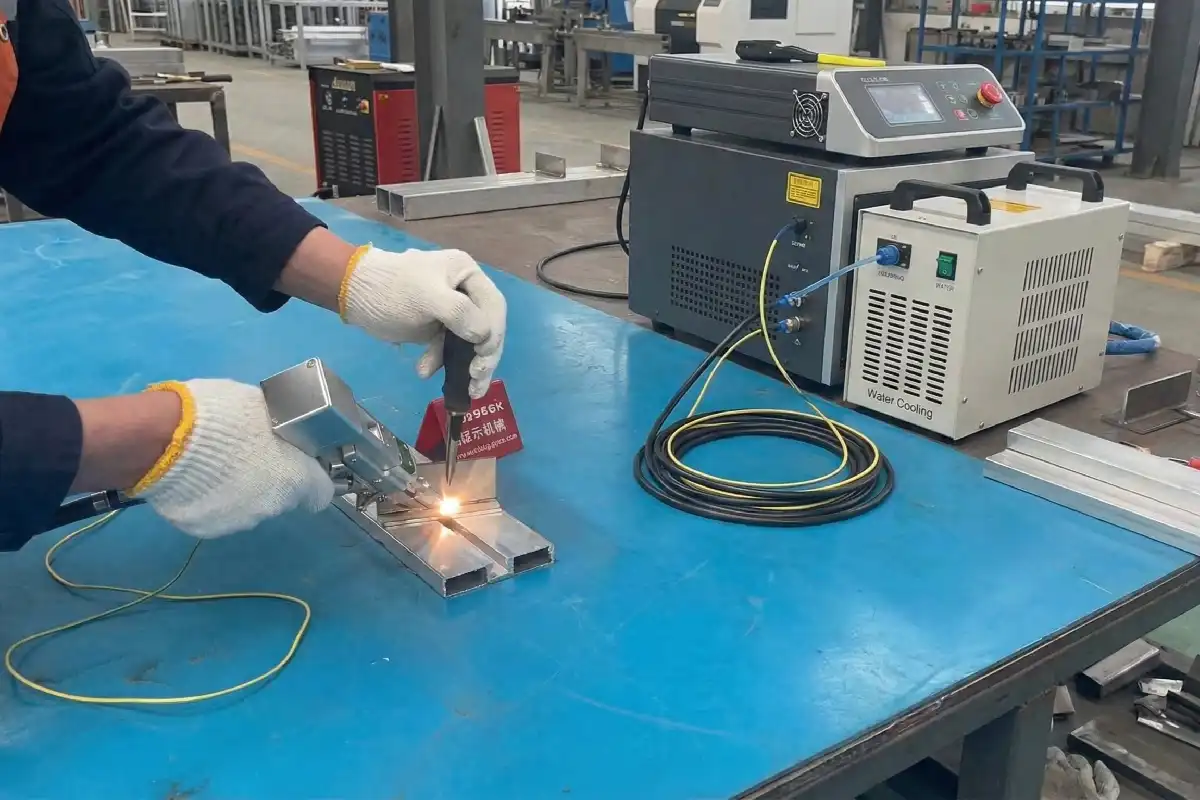
You can pick from different ways to do laser welding. Each way has its own good points.
- Handheld Laser Welding: This way is easy to move and use. It works well for tricky shapes and small spaces. New tools use less power and have better beams.
- Automated Laser Welding: This way is very exact and always the same. It is good for making lots of parts. It costs more and needs trained workers.
- Hybrid Laser Welding: This way mixes handheld and automated systems. It uses some automatic help and smart controls. It helps you work faster for many jobs.
- Energy Efficiency: Automated systems save energy by using just the right amount of power. Handheld tools now have better batteries, so you can use them longer.
- Quality Monitoring: Automated systems check the welds all the time. New handheld tools also have simple checks.
Tip: Pick the way that fits your project’s size, shape, and quality. Automated systems are best for big jobs. Handheld tools are great for fixing things or custom work.
Laser welding gives you many choices. If you know these ideas, you can pick the best way for your job and make strong, good welds.
Laser Welding Equipment and Materials
Types of Laser Sources
There are different laser sources you can use for welding. Each one has its own power level. Some lasers work better for certain jobs. The table below shows the most common types and how much power they have:
| Laser Type | Power Output |
|---|---|
| Ruby Lasers | 10–20 W |
| Nd:YAG Lasers | 0.04–6,000 W |
| Gas Lasers | Up to 25 kW |
| Fiber Lasers | Up to 50 kW |
Fiber lasers and gas lasers have the most power. You can use them for thick or hard materials. Nd:YAG lasers are good for many metals. They are flexible for different jobs.
Essential Equipment
You need some important tools for laser welding to work well:
- Laser Source: Choose one that fits your material and job.
- Optics and Beam Delivery: Lenses, fiber optics, or mirrors help focus and move the beam.
- Workpiece and Fixtures: Use clamps and fixtures to hold your parts on a strong workbench.
Tip: Always make sure your fixtures keep the parts still. This helps you get neat and strong welds.
Suitable Materials
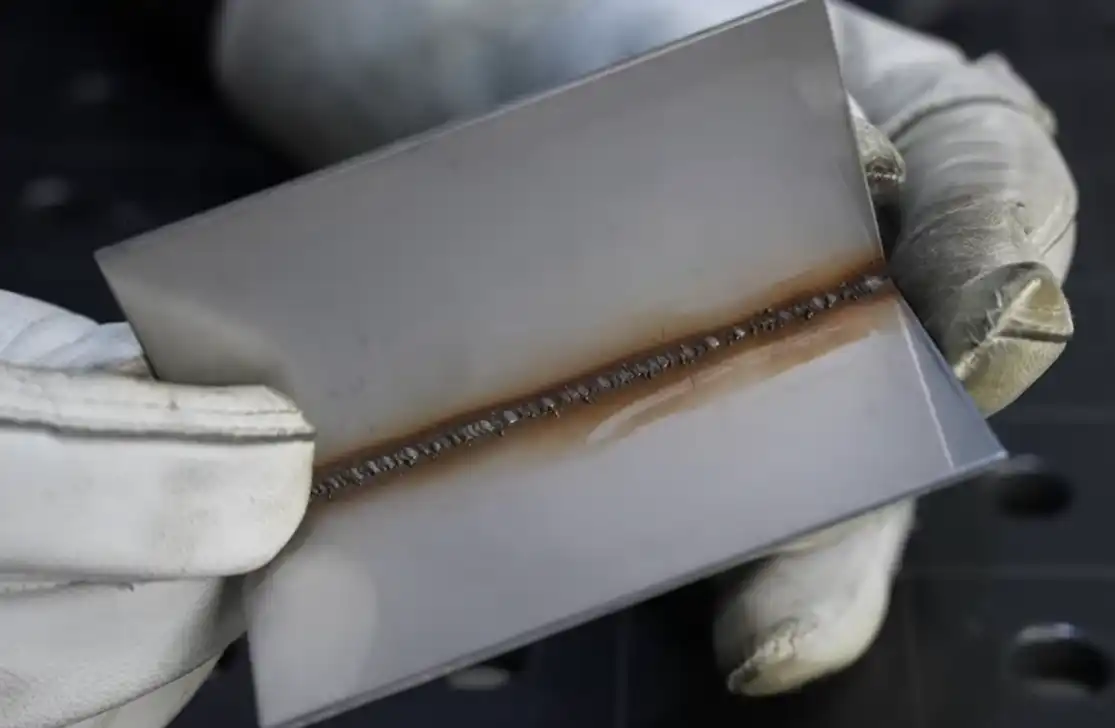
Lasers can weld many kinds of materials. Some are easier to weld than others. The table below lists common materials and what makes them special:
| Material | Characteristics |
|---|---|
| Aluminum and Alloy | Needs care because it melts easily and reflects light. |
| Die Steel | Good for careful jobs since it is hard and does not wear out fast. |
| Carbon Steel | Makes strong welds and does not bend much. |
| Alloy Steel | Works well if you use the right laser light. |
| Stainless Steel | Gives strong, clean welds with little bending. |
| Copper and Alloy | Needs careful settings because it moves heat quickly. |
You can also weld plastics, ceramics, and semiconductors. Each one takes in laser energy in its own way.
Joint Design
You need to think about joint design when you do laser welding. Good design helps you make strong welds that last. The table below shows what you should remember:
| Requirement | Description |
|---|---|
| Tooling Precision | Use tools that are very exact for the same results each time. |
| Tighter Tolerances | Keep gaps small and line up the parts well. |
| Good Fit-Up | Make sure parts fit close together, usually less than 0.040″. |
| Consistent Standoff Distances | Keep the same space between the laser and the part. |
| Anticipate Thermal Input | Think about how heat will affect the weld, especially for long welds. |
| Optimize Part Design | Change the joint type if needed to make welding easier and better. |
Note: If you plan your joints and get them ready, your welds will be stronger and last longer.
Process Parameters and Quality Control
Key Parameters
You need to control several important settings when you use laser welding. These settings help you get strong and clean welds. Each parameter changes how the weld looks and how strong it is. The table below shows the main process parameters and what they do:
| Parameter | Description |
|---|---|
| Speed | The rate at which the laser moves during welding. It affects how much heat goes into the metal and the quality of the weld. |
| Power | The energy output of the laser. It changes how deep and wide the weld goes. Too much power can cause defects. |
| Defocus | The adjustment of the laser beam focus. It changes where the energy hits and how strong it is in one spot. |
| Shielding Gas | The type of gas you use to protect the weld area. Common choices are nitrogen, argon, and helium. |
Tip: If you set these parameters right, you can avoid problems like cracks, weak spots, or too much heat.
Quality Assurance
You want every weld to be strong and safe. Quality assurance helps you check your work and fix problems early. Here are some ways you can monitor and control the welding process:
- Coaxial or paraxial visual monitoring lets you watch the weld as it happens.
- Optical detection checks the light from the weld to spot issues.
- Acoustic detection listens for sounds that show if something is wrong.
- Temperature detection measures heat to make sure it stays in the right range.
Optical Coherence Tomography (OCT) gives you a new way to check welds. OCT uses light to measure the weld without touching it. You can see the seam depth and track the process in real time. This tool helps you catch mistakes fast and keep your welds strong.
Advantages, Limitations, and Applications
Advantages of Laser Welding
You can see many reasons why laser welding stands out compared to other welding methods. Here are some of the main advantages:
- You can weld much faster. Laser welding works 4 to 5 times quicker than TIG or MIG welding. This speed helps you finish more products in less time.
- You get very precise welds. The process creates smooth, clean joints with little distortion. This means your parts stay the right shape.
- You can use automation. Robots and machines can do laser welding with little help from people. This makes your work more consistent and reduces mistakes.
- You do not need much post-weld cleanup. The welds are so clean that you often skip grinding or sanding. This saves you time and money.
- You do not see spatter. Other welding methods can make a mess, but laser welding keeps your workspace clean.
- You can weld many types of materials and shapes. The process works for metals, plastics, and even tiny parts.
Tip: If you want to make strong, neat welds quickly, laser welding gives you a big advantage.
Here is a table that shows how laser welding compares to MIG welding:
| Feature | Laser Welding | MIG Welding |
|---|---|---|
| Post-Weld Cleanup | Minimal to none | Requires extensive cleanup |
| Weld Spatter | None | Significant spatter |
| Labor Costs | Lower | Higher |
| Production Cycle Time | Shorter | Longer |
You can see that laser welding helps you save time and money. You also get better quality with less effort.
Limitations
Laser welding has many strengths, but you should know its limits. Some materials and situations can make the process harder.
| Limitation | Description |
|---|---|
| Material Thickness | Very thin materials can warp or burn through. You need to control the settings carefully to avoid joint failure. |
| Reflectivity | Shiny metals like aluminum and copper reflect most of the laser energy. This makes welding less efficient. |
| Heat Management | Joining different thin materials can cause uneven heating. This can lead to stress and changes in the metal. |
| Gap Control | Thin or flexible parts may not fit together well. You need special tools to keep the gap small and even. |
You also need to think about the environment. If the room is too hot or cold, the welds may not turn out right. Dust and moisture can cause problems, too. You should keep your workspace clean and control the air around the weld.
Note: Laser welding works best when you control the material, the fit, and the environment.
Applications
You can use laser welding in many industries. It helps you make cars, airplanes, and medical tools.
| Industry | Benefits of Laser Welding |
|---|---|
| Automotive | Up to 40% faster production, fewer mistakes |
| Aerospace | Strong welds, meets strict safety rules |
| Medical | Very precise welds, little heat damage to small parts |
In the automotive industry, many car factories use laser welding for seams and joints. You can weld with or without extra filler material. This process works for many shapes and sizes. In aerospace, you can build fuel tanks and airframes. Laser welding helps make planes lighter and stronger. In the medical field, you can join tiny, delicate parts without causing damage.
Laser welding lets you work with many materials and designs. You can use it for big jobs or small, detailed work.
Safety, Cost, and Impact
Safety Measures
You have to follow strict safety rules when using laser welding. These rules keep you and others safe from harm. The main safety standards are:
| Standard | Description |
|---|---|
| ANSI Z136.1 | Gives rules for safe laser use and lists needed safety steps. |
| ANSI Z136.9 | Focuses on safe laser use in factories and makes sure workers get training. |
| ISO 11553-1 | Lists safety needs for laser machines in the workplace. |
You should always check for dangers from the laser beam and other risks. Use shields and warning signs to help keep people safe. Make sure everyone uses the equipment the right way. Train all workers who use or are near lasers.
Some common dangers are laser radiation, bad fumes, fire, and injuries to eyes or skin. You can stay safe by wearing laser safety glasses and using exhaust fans. Keep flammable things away and wear protective clothes.
| Safety Hazard | How to Stay Safe |
|---|---|
| Laser Radiation | Wear safety glasses for your laser type. |
| Harmful Fumes | Use exhaust fans and wear masks if needed. |
| Fire | Remove flammable items and use fire barriers. |
| Skin Burns | Wear gloves and long sleeves. |
| Eye Injuries | Always wear laser safety glasses in laser areas. |
Tip: Never skip safety steps. One mistake can cause serious injury.
Cost Analysis
When you start laser welding, you pay for more than just the machine. You also need to think about building changes, training, and running costs.
| Cost Component | Typical Cost or Range |
|---|---|
| Facility Changes | $500 – $1,000 |
| Installation | Depends on system size |
| Training | $1,000 – $5,000 per person |
| Labor | Lower than older welding methods |
| Yearly Operation | $50,000 – $120,000 per machine |
| Maintenance | $350 – $500 per year for supplies |
| Energy | $1,000 – $3,000 per year per machine |
Laser welding costs more at first, but you save money later. You use less labor and energy. You also spend less on cleaning and fixing mistakes. Most companies get their money back in one to two years if they make lots of parts or need very exact work.
| Welding Type | Best Use Cases | Time to ROI |
|---|---|---|
| Laser Welding | High-volume, precise work | 1-2 years |
| MIG Welding | General jobs, less precision needed | Under 6 months |
Manufacturing Impact
Laser welding changes how you make things. You get more exact work and waste less material. You can finish jobs faster and make fewer mistakes. This process lets you use only the material you need, so you save money and help the environment.
- You can do detailed work with less heat, so parts do not warp.
- Automated systems let you work faster and deliver on time.
- You spend less time setting up and can run machines longer.
- You waste less material and lower your costs.
Laser welding also uses less energy than older ways. Some systems use up to 30% less power. Fiber lasers are even more efficient. You also make fewer bad fumes, so your workplace stays cleaner.
Even though you pay more at first, you save money later. Faster jobs, less waste, and fewer repairs mean you spend less in the end.
You now know that laser welding is fast and accurate. It also lets you work in many ways. New fiber and disk lasers use energy better. They also make welds stronger and cleaner. The table below lists important improvements:
| Advancement | Benefit |
|---|---|
| Real-time Monitoring | Makes welds better and stops mistakes |
| Integration | Easier to use in big factories |
| Versatility | Can weld lots of different materials |
Laser welding helps you build strong and light things. It also makes less waste. In the future, you will see more robots and digital tools. There will be more eco-friendly choices too. If you want welding that is quick, safe, and neat, laser welding is a good pick.
FAQ
What materials can you weld with a laser?
You can weld metals like steel, aluminum, copper, and stainless steel. Some plastics and ceramics also work. Each material needs different settings for the best results.
Is laser welding safe for you to use?
You must wear safety glasses and protective clothing. Use shields and exhaust fans. Follow safety rules like ANSI Z136.1 to protect your eyes and skin from laser radiation.
How does laser welding compare to traditional welding?
Laser welding works faster and gives you cleaner joints. You see less spatter and need less cleanup. You also use less labor and energy for most jobs.
Can you use laser welding for small parts?
Yes, you can weld tiny parts with high precision. Laser welding lets you join delicate pieces without causing much heat damage.
What maintenance does a laser welding machine need?
You should clean optics, check cooling systems, and replace worn parts. Regular checks help you avoid breakdowns and keep your machine working well.
Fiber Laser Cutters and the Materials They Handle Best
What Are Fibre Laser Welding Machines and How Do They Work
What Makes Laser Cleaning Technology Different from Traditional Methods