
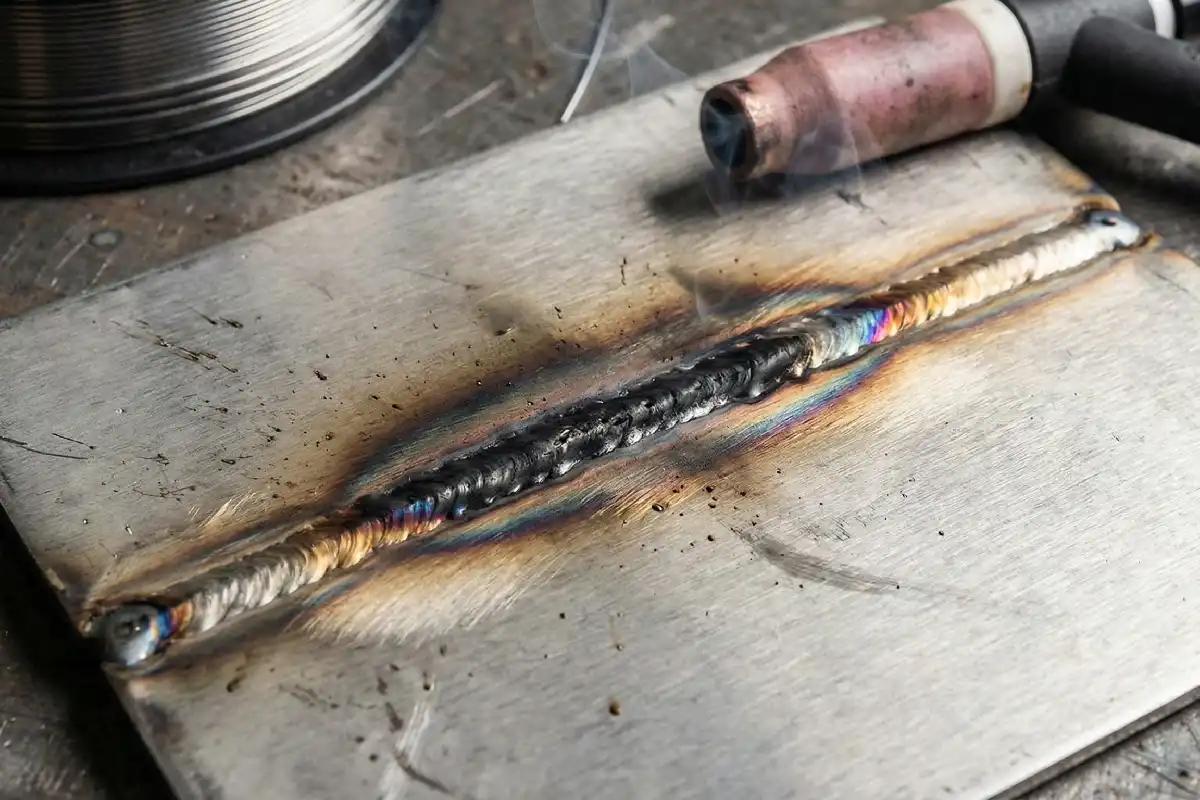
You might notice a stainless steel weld seam turning black after welding. This happens mainly because oxygen in the air reacts with the hot metal. The heat causes chromium in the steel to form dark oxides on the surface. Moisture in the air can make this effect worse. Understanding why this color change happens helps you keep welds strong and corrosion-resistant.
Key Takeaways
- Stainless steel weld seams turn black because of oxidation from air. Keeping oxygen away from the weld keeps its color and strength.
- Using the right shielding gas is very important. High-purity argon or nitrogen mixtures stop blackening and help prevent rust.
- Controlling heat during welding is also important. Do not let the weld get too hot. This stops black oxide layers from forming and making the weld weak.
- Cleaning black weld seams makes them look better and stops rust. Chemical cleaning works best for this job.
- Always check your welding methods and gas flow. Good adjustments stop discoloration and make welds strong and long-lasting.
Stainless Steel Weld Seam: Causes of Blackening
Oxidation and Air Exposure
When you weld stainless steel, the hot metal meets oxygen in the air. This is called oxidation. Oxidation changes the weld seam’s color and can turn it black. The black color comes from oxides. Oxides form when metals react with oxygen. If you do not keep air away from the weld, the shiny surface can turn dark.
Here is a table that shows what happens during oxidation:
| Evidence Description | Findings |
|---|---|
| Formation of oxides during welding | Reduces corrosion resistance of stainless steels, leading to blackening. |
| Heat tints formation | Increases corrosion susceptibility due to colored oxide films. |
| Chromium depletion layer | Contributes to the degradation of material properties. |
| EPMA line scan results | Indicates diffusion of elements and peak O presence in HAZ. |
| Oxides near fusion line | Suggests exposure to air during welding process. |
You might see yellow, blue, or black colors on the weld seam. These colors show how much oxidation happened. If you see black, the weld got very hot and touched a lot of air. This can make the weld weaker and less able to stop rust.
- Air touching the weld can change its color and lower corrosion resistance.
- Color changes happen when hot areas are not protected from oxidation, which hurts the chromium oxide layer.
- At about 400°C, weld seams can look yellow or gold, and at higher heat, they can turn blue or black.
- To keep corrosion resistance, you should remove discolored spots after welding or stop them from forming by using weld purging.
Moisture and Shielding Gas Issues
Moisture in the air can also cause problems when welding. If water vapor gets into the weld, it can react with the hot metal and make the black color worse. You need to keep the weld area dry to stop this.
Shielding gas protects the weld from air and moisture. If you use the right shielding gas and keep it clean, you can stop oxygen and water vapor from reaching the weld. If the shielding gas is not clean or does not cover the weld well, black oxides can form.
Shielding gas acts like an invisible wall. It blocks oxygen and moisture from getting to the weld seam. If the wall is strong, oxides will not form on the metal. The weld pool stays clean, and the weld seam will be stronger and look better.
If you see black on the weld seam, check your shielding gas system. Make sure there are no leaks and you use the right gas. This helps keep your welds clean and strong.
High Temperature Effects
High heat during welding is a big reason why weld seams turn black. When you heat the metal, iron, chromium, and nickel react with oxygen. This makes black oxide layers on the surface.
Here is a table that explains what happens at high temperatures:
| Evidence | Explanation |
|---|---|
| Prolonged exposure to high temperatures during welding leads to oxidation reactions. | This indicates that high temperatures facilitate the formation of oxide layers on stainless steel. |
| Elements like iron, chromium, and nickel react with oxygen at elevated temperatures. | This reaction is responsible for the creation of black oxide layers. |
| The presence of oxide layers can negatively impact mechanical properties. | This suggests that the formation of these layers can lead to increased brittleness in welded joints. |
If you keep the weld hot for too long, more oxides will form. This makes the weld seam darker and can make the metal more brittle. You should control the heat and try not to overheat the weld area.
By knowing these causes, you can understand why weld seams turn black. You can also learn how to stop it and keep your welds strong and looking good.
Chemical Reactions and Discoloration
Chromium Oxide Formation
You see blackening on a stainless steel weld seam because of chemical reactions that happen during welding. When you heat the metal, chromium in the steel reacts with oxygen in the air. This reaction forms a layer of chromium oxide on the surface. The color of this layer depends on how hot the metal gets and how long it stays hot.
- Heat tints appear when the weld gets exposed to high temperatures. These tints can range from light yellow to dark blue or black. The darker the color, the more damage has happened to the protective layer.
- Sugaring is another effect you might notice. This happens if you do not use enough purging gas. Sugaring looks grainy and shows that the anti-corrosive properties of the metal have been weakened.
These reactions explain why you see color changes. The black color means the weld has lost some of its ability to resist rust.
Heat Tint and Surface Changes
Heat tint forms when the weld area reaches temperatures between 200°C and 600°C. The longer and hotter the weld, the thicker the oxide layer becomes. You will see colors change from yellow to blue and finally to black as the temperature rises. If the temperature goes as high as 1050°C, the oxide layer gets even thicker, and the weld seam turns very dark.
- Heat tinting happens because oxygen reacts with chromium and other metals in the steel.
- The color and thickness of the oxide layer depend on both the temperature and how long the weld stays hot.
- Higher temperatures and longer exposure make the weld less resistant to corrosion.
When you look at a blackened weld seam under a microscope, you see roughness and many signs of oxidation. The first layer may look smooth and bright, but later layers show more roughness, drag marks, and a gray-black color. You may also see melting pits and poor cutting quality. These changes show that blackened areas have more oxidation and surface damage than clean areas.
Tip: If you want to keep your stainless steel weld seam strong and shiny, you need to control the heat and protect the weld from air.
Impact on Weld Properties
Corrosion Resistance
You might wonder why a blackened weld seam matters. The answer is corrosion resistance. When you see black on a stainless steel weld seam, you see a sign that the protective layer has changed. The black color means thick oxide layers have formed. These layers do not protect the metal as well as the original surface.
If you leave these oxides on the weld, water and air can reach the metal underneath. This makes the weld more likely to rust. Manufacturers check the color of weld seams to judge quality. You can see this in the table below:
| Discoloration Level | Acceptability |
|---|---|
| Light straw or gold tint | Acceptable |
| Blue, purple, or black tint | Unacceptable (requires rework) |
If you see blue, purple, or black, you know the weld needs cleaning or repair. Only light colors mean the weld still resists rust well.
Material Integrity
Black discoloration does more than change the look of the weld. It can also weaken the metal. When thick oxide layers form, the weld can lose strength. You want your welds to stay strong and last a long time.
- Black oxide layers form during welding.
- The thickness and type of these layers depend on how you weld.
- Thicker layers can change how strong the weld is.
If you do not remove the black layer, the weld can become brittle. This means it might break more easily under stress. You should always check for blackening and fix it to keep your welds safe and strong.
Tip: Clean weld seams after welding to restore both strength and corrosion resistance. This helps your projects last longer and look better.
Prevention and Cleaning Methods
Shielding Gas Solutions
You can prevent blackening on stainless steel weld seams by choosing the right shielding gas. Shielding gas protects the hot weld from air and moisture. If you use the wrong gas or set the flow too low, black oxides can form. You should always check your gas flow and make sure it covers the weld completely.
- Nitrogen mixtures improve the corrosion properties of the weld seam.
- A mix with at least 15% nitrogen gives better results for weld metal.
- Using 100% argon or 100% nitrogen can lower the risk of pitting and general corrosion.
If you keep the flow rate steady and strong, you block oxygen and water vapor from reaching the weld. This step helps you avoid black discoloration and keeps your welds clean.
Tip: Always check for leaks in your gas system and use high-purity gas for the best results.
Welding Techniques
The way you weld also affects the color and quality of the seam. You need to control your speed and torch angle to avoid overheating and black oxide formation. If you move too slowly, the weld gets too hot. If you move too fast, the weld may not form well.
| Technique | Key Tips |
|---|---|
| TIG Welding | Match weld pool to base thickness. Keep a 70° torch angle and 10-25° wire angle. Move steadily. Ensure gas covers weld until cool. |
| MIG Welding | Let the weld pool form and keep it the right size. Hold the gun at a 5-15° angle. Weld quickly but not too fast. Use post-weld gas to stop oxidation. |
Adjusting your welding speed and torch angle helps you control heat input. This reduces the chance of black oxide forming on the surface.
Cleaning Black Weld Seams
If you see black on your weld, you can clean it to restore both appearance and corrosion resistance. Chemical cleaning works best for removing black oxide. You can use pickling paste or electrochemical weld cleaning.
- Pickling paste removes surface impurities and black oxide. You apply it, let it work, then neutralize the surface. Handle it with care because it contains strong chemicals.
- Electrochemical weld cleaning uses a brush and cleaning fluid. It cleans and passivates the surface at the same time. This method is fast, safe, and good for the environment.
Mechanical cleaning, like brushing, can help but does not restore corrosion resistance as well as chemical cleaning. For the best results, use a combination of brushing and pickling. After cleaning, you should passivate the weld. Passivation forms a new protective layer that keeps the weld from rusting.
Note: Many industries, like food, pharma, and aerospace, require full removal of heat tint and black oxide. They use strict cleaning and passivation steps to keep welds safe and clean.
By following these steps, you can prevent blackening and keep your stainless steel weld seam strong, shiny, and resistant to rust.
You see stainless steel weld seams turn black mainly because of oxidation, heat tint, and chromium oxide layers. These changes happen when the weld gets too hot or does not have enough shielding gas. Sometimes, silicon oxide from filler metals adds to the problem.
- Heat tint forms from poor gas shielding.
- Silicon oxide can leave dark spots.
- High heat and low gas flow cause more oxidation.
To avoid black seams, you should:
- Keep stainless steel clean before welding.
- Use high-purity argon gas for shielding.
- Clean and re-passivate welds if you see discoloration.
These steps help you keep welds strong and rust-free.
FAQ
Why does stainless steel lose its shine after welding?
You see the shine disappear because heat and air cause oxidation. This reaction forms a dark layer on the surface. The metal no longer reflects light well, so it looks dull or black.
Why is black discoloration a problem for stainless steel welds?
Black discoloration shows that the protective layer has changed. You risk losing corrosion resistance. Rust can form more easily. You want to keep welds clean to protect the metal.
Why do some weld seams turn black even with shielding gas?
You might see black seams if the gas flow is too low or leaks happen. Moisture or poor coverage lets oxygen reach the weld. Oxidation still occurs, causing blackening.
Why should you clean blackened weld seams?
You clean blackened seams to restore corrosion resistance and appearance. Cleaning removes harmful oxides. This step helps your welds last longer and stay strong.
Why do different colors appear on stainless steel welds?
You notice colors like yellow, blue, or black because of temperature changes during welding. Each color shows how much oxidation happened. Higher heat makes darker colors.
What Happens When You Get a Laser QBH Alarm
How to Diagnose Button Response Issues in Laser Welding Machines
The light emission characteristics of laser welding machines