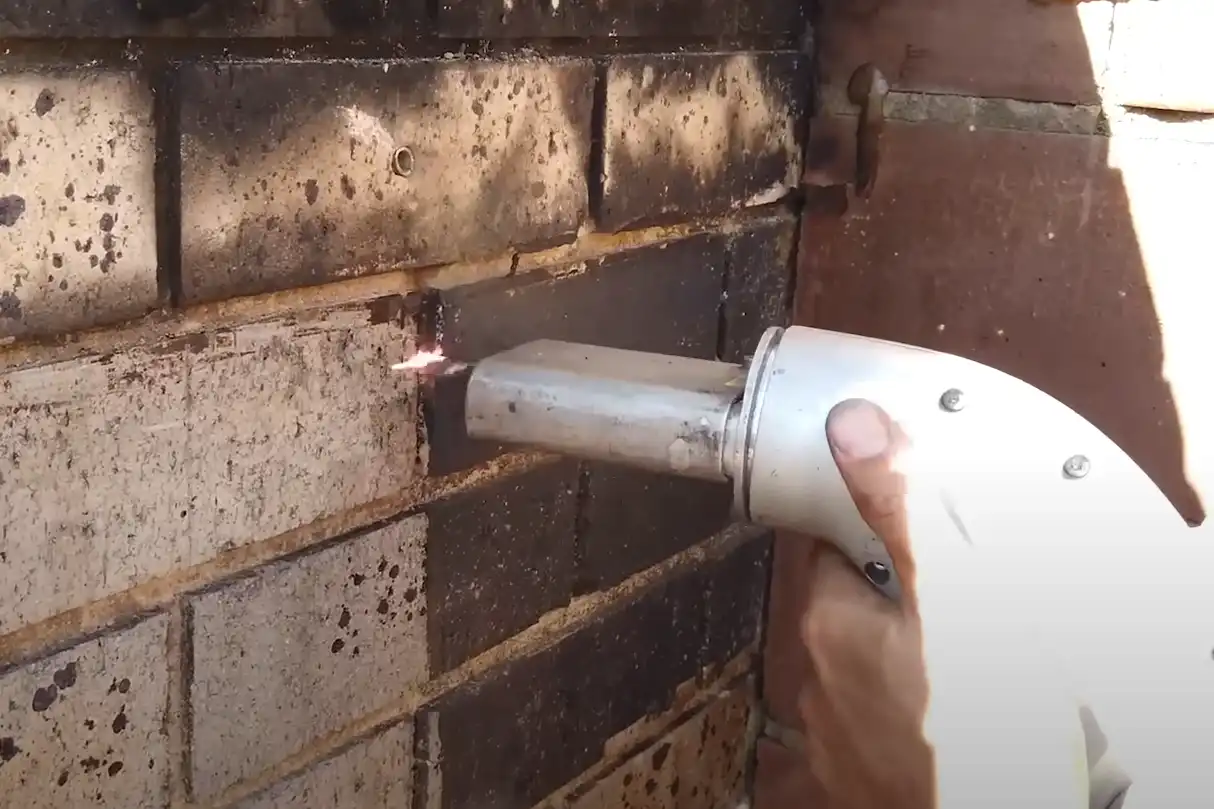
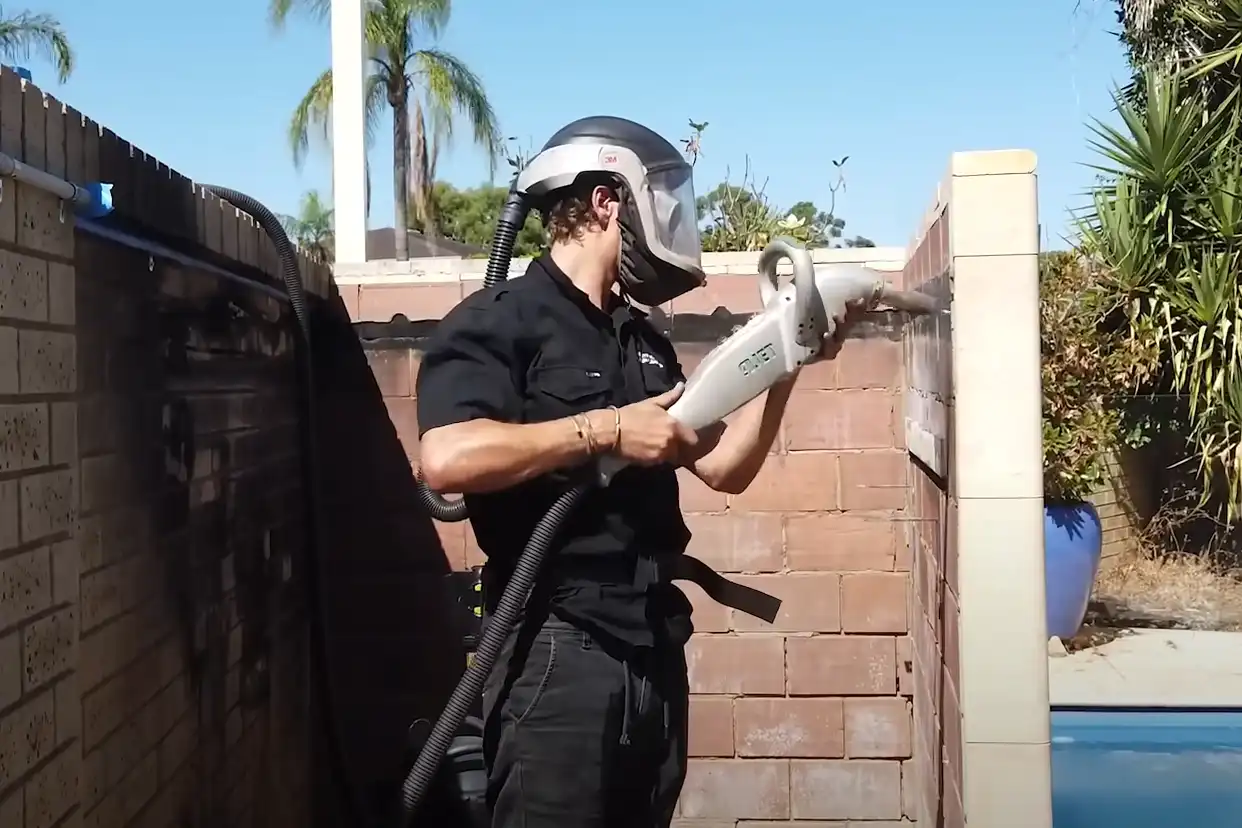
Laser cleaning can put you in danger in many ways. You might get hurt by laser radiation, toxic fumes, electric shock, fire, or doing the same motion too much. The table below lists some common dangers:
| Hazard Type | Description |
|---|---|
| Fumes and Particulate | Breathing in fumes or dust can make you sick. |
| Electrical Hazards | High currents can shock you or start a fire. |
| Fire Hazards | Lasers can start fires in things nearby. |
| Mechanical Hazards | Moving parts can pinch you or catch your clothes. |
| Chemical Exposure | Some leftovers can burn you or make you sick. |
| Ergonomic Hazards | Doing the same motion can hurt your muscles. |
| Thermal Hazards | Hot surfaces can burn your skin. |
| Noise Hazards | Loud sounds can hurt your ears. |
| Psychological Hazards | Working too fast can make you tired or stressed. |
You can keep yourself and others safe by knowing about these dangers and learning how to avoid them.
Key Takeaways
- Know the main dangers of laser cleaning. These include fumes, electrical risks, and fire dangers. Being aware helps you stay safe.
- Always wear the right safety gear like goggles and gloves. This equipment protects you from laser radiation and hot surfaces.
- Make sure your workspace has good airflow. Good ventilation lowers the chance of breathing in bad fumes and keeps air safe.
- Follow safety rules and get training before using laser cleaning tools. Training helps you know what to do in emergencies and stops accidents.
- Take breaks often and move around to avoid hurting your muscles. Good posture and moving can stop injuries that last a long time.
Laser Cleaning Radiation Hazards
Direct and Reflected Beam Risks
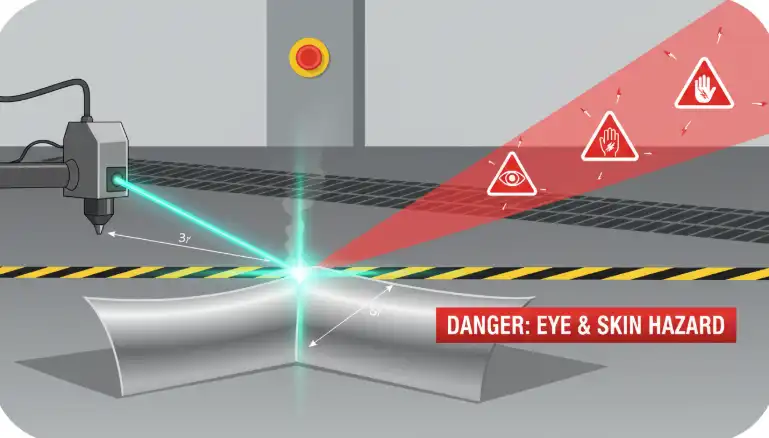
Laser cleaning can be risky. The laser beam can bounce off shiny things. It might hit your eyes or skin. Even a quick flash can hurt you badly. Many lasers for cleaning are Class 3b or Class 4. These lasers are very strong. They can cause injuries.
| Laser Class | Power Output (mW) | Hazards |
|---|---|---|
| Class 3b | 5 – 500 | Direct or reflected beams can hurt your eyes; small skin injuries can happen |
| Class 4 | > 500 | Dangerous to skin and eyes; can start fires; can burn things that catch fire easily |
A strong laser beam can make your retina much brighter than normal light. This can cause blindness that does not go away.
You should wear safety gear every time. Check for shiny surfaces before you start. Accidents happen when people skip safety steps. The Laser Institute of America says thousands get hurt by lasers each year in the U.S. About 60% of these injuries hurt the eyes. Rockwell Laser Industries keeps track of laser accidents around the world. Many injuries happen when workers do not wear eye protection or set up the laser wrong.
Fire can start from direct or bounced laser beams. This is more likely if there is paper or fiber dust nearby. The biggest danger is losing your sight if your retina gets burned by the laser.
Eye and Skin Damage
Laser cleaning can hurt your eyes and skin if you do not follow safety rules. The Maximum Permissible Exposure (MPE) is the most laser energy your body can safely handle. For visible and near-infrared lasers, the MPE for eyes is only 1.0 μW/cm². Even a little more than this can hurt you.
- The FDA says 3.85 millijoules of radiant energy will not harm you.
- If you look for 10 seconds, 385 microwatts is safe for your eye.
- The ANSI standard uses research to set strict safety limits.
Never look straight at the laser beam. Use shields and barriers to block stray beams. Laser cleaning can burn your skin if you touch the beam or hot surfaces. Wearing gloves and long sleeves helps keep you safe.
Fumes and Particulate Exposure
Toxic Fume Generation
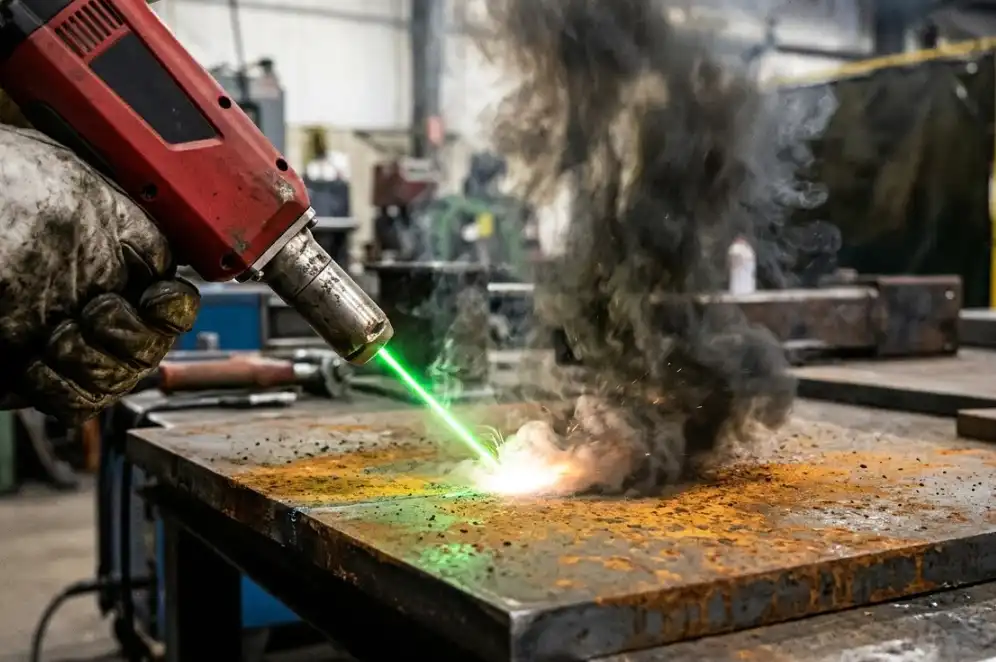
Laser cleaning can make dangerous fumes and tiny bits in the air. These come from the things you clean, like metals and coatings. Some coatings have lead or chromate. These can turn into harmful leftovers. Cleaning stainless steel can let out nickel and chromium. Mild steel can give off iron oxide, nitrogen oxides, and carbon monoxide. If you clean nimonics, you might breathe in cobalt, chromium, and nickel.
| Material | Emissions |
|---|---|
| Corrosion/Coating | Fine particulate matter |
| Lead-based paints | Toxic residues |
| Chromate-containing | Toxic residues |
| Stainless Steel | Nickel, Chromium |
| Mild Steel | Iron oxide, NO, NO2, CO |
| Nimonics | Cobalt, Chromium, Nickel |
Breathing in fine dust and toxic fumes is risky. Metal vapor and metal oxide bits can float around you. Breathing zinc oxide fumes can cause metal fume fever. You may feel sick with chills and body aches.
Tip: Always use good ventilation and air filters when you clean with lasers. This keeps the air safe for everyone.
Respiratory and Systemic Health Risks
Breathing fumes and particles from laser cleaning can hurt your lungs and body. Short-term problems include coughing and trouble breathing. Your lungs may not work as well. Some people feel their heart beat differently or get chest pain.
| Type of Effect | Short-term Effects | Long-term Effects |
|---|---|---|
| Acute Respiratory | Decreased lung function, increased inflammation | Increased risks of overall and cardiovascular mortality |
| Chronic Conditions | N/A | Lung cancer, other cardiopulmonary diseases |
| Other Health Risks | Decreased heart rate variability, risk of myocardial infarctions | Increased systemic inflammation and oxidative stress |
Breathing these fumes for a long time can cause lung cancer or heart disease. Metal oxides and organic compounds can hurt your body for years. Some by-products, like dioxins and cyanides, are very poisonous and can damage many organs. Lead and chromium fumes can even harm your nerves.
Note: You can protect yourself by wearing a mask and making sure the air moves well in your work area. Always follow safety rules to stay safe.
Electrical and Fire Hazards
Water and Electrical Equipment Risks
Water and electricity are a bad mix. Keep water away from electrical equipment when using laser cleaning. If water touches wires or power supplies, you could get shocked. Electric shocks can burn your skin. They can make your muscles move without control. Sometimes, they can even stop your heart. High-voltage equipment makes this even more dangerous.
- Water helps electricity move. You can get shocked if you touch wet equipment.
- Sparks from electrical parts can start fires if there are flammable vapors.
- Big power supplies and pulsed lasers can give strong shocks.
- Touching live wires in control panels can hurt you.
Always check for leaks or spills before you start working. Make sure everything is dry and grounded. Wear shoes with rubber soles and use gloves that protect you from electricity.
| Cause | Description |
|---|---|
| Electric Shock | Touching open electrical parts can shock you. This can burn you, make your muscles move, or stop your heart. |
| Fire Hazards | Problems like short circuits or overheating can start fires. This is worse if flammable things are close by. |
Tip: Do not use laser cleaning tools in wet places. Keep your work area dry and safe.
Fire and Explosion Dangers
Laser cleaning can start fires if you leave flammable things nearby. The laser beam can light up dust, foam, or liquids. Some plastics and coatings make dangerous gases when they get hot. These gases can damage your machine or hurt your health.
| Material | Hazard | Potential Consequence |
|---|---|---|
| Poly-Vinyl-Chloride (PVC); Vinyl | Makes chlorine gas when cut | Gas can damage machine parts. |
| Polycarbonate or Lexan® | Can catch fire, changes color | Bad cutting, fire risk. |
| Acrylonitrile-Butadiene-Styrene (ABS) | Makes cyanide gas, melts | High fire risk and melted mess. |
| High Density Polyethylene (HDPE) | Can catch fire, melts | Leaves melted mess, fire risk. |
| Polystyrene and Polypropylene Foam | Can catch fire | Main reason for laser cutter fires. |
| Fiberglass | Makes fumes | Hard to cut, releases fumes. |
| Coated Carbon Fiber | Makes bad fumes | Thin mats can be cut, but coated ones make fumes. |
| Flammable/Combustible liquids | Can catch fire | Laser can start flames or fires. |
Remove powders, foams, and liquids before you start cleaning. Use materials that do not burn or melt easily. Watch for smoke or odd smells while you work. If you see fire, turn off the laser and use a fire extinguisher.
⚠️ Always keep a fire extinguisher close by. Check for flammable things before you use laser cleaning.
Mechanical, Thermal, and Chemical Risks
Burns and Hot Surfaces
Laser cleaning can make things very hot. The laser heats surfaces fast. Metal parts can get extremely hot. If you touch them, you can burn your skin. Some machines have parts that stay hot for a long time. Always check if something is hot before you touch it.
Wear gloves and long sleeves to protect your skin. Use tools to move hot things, not your hands. If you see steam or smoke, step back and wait. Burns can happen quickly, so pay attention.
Laser cleaning can change how materials look. You might see melting or bending if the laser is too strong. Heat-sensitive things can bend or melt fast. Brittle items can get tiny cracks from quick temperature changes. These cracks make things weaker and easier to break.
- Common mechanical and thermal injuries include:
- Melting or bending from high heat
- Tiny cracks in brittle things
Tip: Always check cleaned surfaces for damage before you keep working.
Chemical Exposure from Vaporized Materials
Laser cleaning does more than remove dirt. It can turn paints and coatings into vapor. You might breathe in these vapors without knowing. Some chemicals in the vapors are toxic. For example, vaporized lead, chromium, or nickel can hurt your lungs and other organs.
Use good ventilation and wear a mask to avoid breathing fumes. Some vapors can bother your eyes, nose, or throat. Others can cause health problems later. Always read safety sheets for the things you clean. If you smell something odd or feel dizzy, leave and get fresh air.
| Chemical | Possible Health Effects |
|---|---|
| Lead | Nerve damage, anemia |
| Chromium | Lung irritation, cancer |
| Nickel | Allergies, lung issues |
⚠️ Do not ignore warning signs like strong smells or smoke. Protect yourself and others by following safety rules.
Ergonomic and Noise Hazards
Repetitive Motion and Fatigue
When you use laser cleaning equipment, you often repeat the same movements. You might hold the machine for a long time or move your arms in the same way over and over. This can make your muscles tired. Your hands, wrists, and shoulders may start to hurt. If you do not take breaks, you could get muscle strain or even injuries like carpal tunnel syndrome.
You can lower your risk by:
- Changing your position often
- Taking short breaks to stretch your arms and hands
- Using tools with comfortable handles
If you feel pain or numbness, stop and rest. Listen to your body. Good posture helps you avoid long-term problems.
Noise and Psychological Stress
Laser cleaning machines can be loud. Some equipment makes noise levels that reach or go above 85 decibels (dB[A]). NIOSH says you should not be exposed to this much noise for more than eight hours a day. OSHA and the EU also have rules to protect you from loud sounds at work. Too much noise can damage your hearing. You might notice ringing in your ears or trouble hearing people talk.
- NIOSH recommends a limit of 85 dB(A) for an 8-hour workday.
- OSHA and EU laws require employers to control noise at work.
- Hearing protection, like earplugs or earmuffs, keeps your ears safe.
Loud noise can also make you feel stressed or tired. You may find it hard to focus. Working in a noisy place can make you feel anxious or rushed. Take breaks in quiet areas when you can. If you feel stressed, talk to your supervisor. Your health and safety matter.
Tip: Always wear hearing protection and take care of your body during laser cleaning. Staying safe helps you do your best work.
Laser Cleaning Safety Measures
You need to follow safety steps when using laser cleaning. Wear the right gear and keep the air clean. Know what to do if there is an emergency. These steps help you stay safe and healthy.
Personal Protective Equipment (PPE)
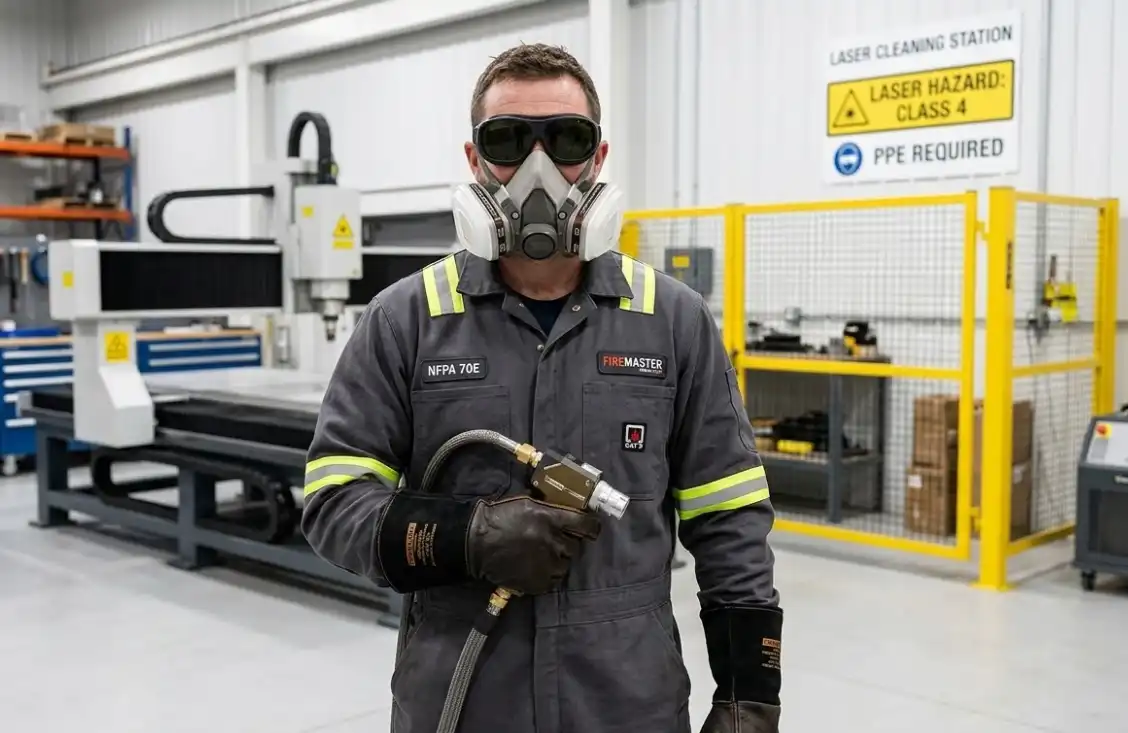
Always wear protective equipment when you use laser cleaning tools. Each item keeps you safe from different dangers. The table below shows what gear you need:
| PPE Type | Description |
|---|---|
| Laser Safety Goggles | OD-rated eyewear blocks the laser’s wavelength and keeps your eyes safe. |
| Flame-Resistant Clothing | Covers your body and lowers the risk of burns from high-energy lasers. |
| Thermal-Protective Gloves | Shields your hands from hot surfaces and laser energy. |
| Face Shields | Adds extra protection for your face, especially if reflections are possible. |
| Respiratory Protection | Filters out fumes and dust when cleaning creates airborne hazards. |
Tip: Check your gear before you start working. Replace anything that is broken or worn out.
Ventilation and Air Filtration
Clean air is important when you use laser cleaning. Fumes and dust can hurt your lungs. Use strong ventilation and air filters to keep the air safe.
- Use systems that bring in fresh air and remove dirty air.
- Pick good filters, like HEPA or eHEPA®, to catch tiny bits and gases.
- Put source capture systems close to your work area. These pull fumes away fast.
Clean air helps you breathe better and keeps your workspace safe. It also helps you follow safety rules and avoid trouble.
Training and Emergency Procedures
Get training before you use laser cleaning equipment. Training teaches you how to use machines safely and what to do if something goes wrong.
- Learn how to turn off the laser quickly if needed.
- Practice first aid for burns, eye injuries, or breathing problems.
- Tell your supervisor about any accidents or close calls.
- Check your equipment before each use to make sure it works.
- Follow the steps from the manufacturer for setup and use.
Remember: Only trained people should use laser cleaning machines. Training helps you stay safe and ready for emergencies.
When you use laser cleaning, there are many dangers. These include radiation, fumes, fire, and hurting your muscles. You need to follow safety rules to stay safe. It is important to get safety training often.
| Strategy | Description |
|---|---|
| Regular Safety Training | Keep learning new safety rules and updates. |
| Awareness of Hazards | Know about dangers before you start working. |
| Adherence to Protocols | Always follow safety steps and wear your safety gear. |
Pay attention, use safe habits, and help make work safer for everyone.
FAQ
What should you do if you accidentally look at a laser beam?
Tip: Close your eyes right away and move away from the beam. Tell your supervisor. Get your eyes checked by a doctor as soon as possible.
How can you tell if the air is safe during laser cleaning?
Check for strong smells or visible smoke. Use air monitors if you have them. Good ventilation and air filters help keep the air clean.
Which PPE is most important for laser cleaning?
| PPE Item | Purpose |
|---|---|
| Laser Safety Goggles | Protect your eyes |
| Gloves | Shield your hands |
| Respirator | Filter fumes and dust |
You should always wear laser safety goggles.
Can laser cleaning damage hearing?
Laser cleaning machines can be loud. You should wear earplugs or earmuffs to protect your hearing. Take breaks in quiet areas to rest your ears.
See also
Laser Cleaning Machine Process Explained in 5 Simple Steps