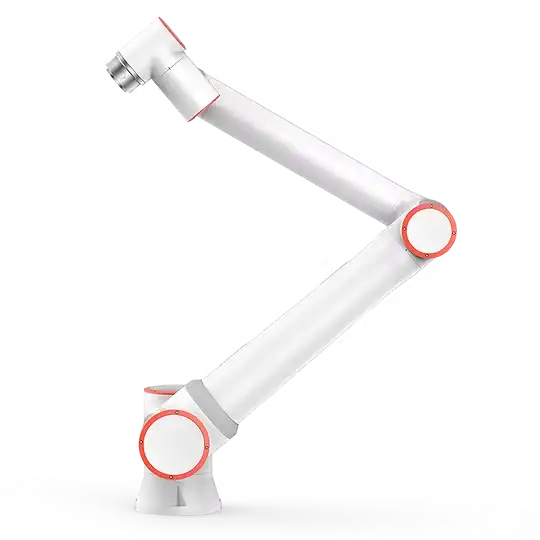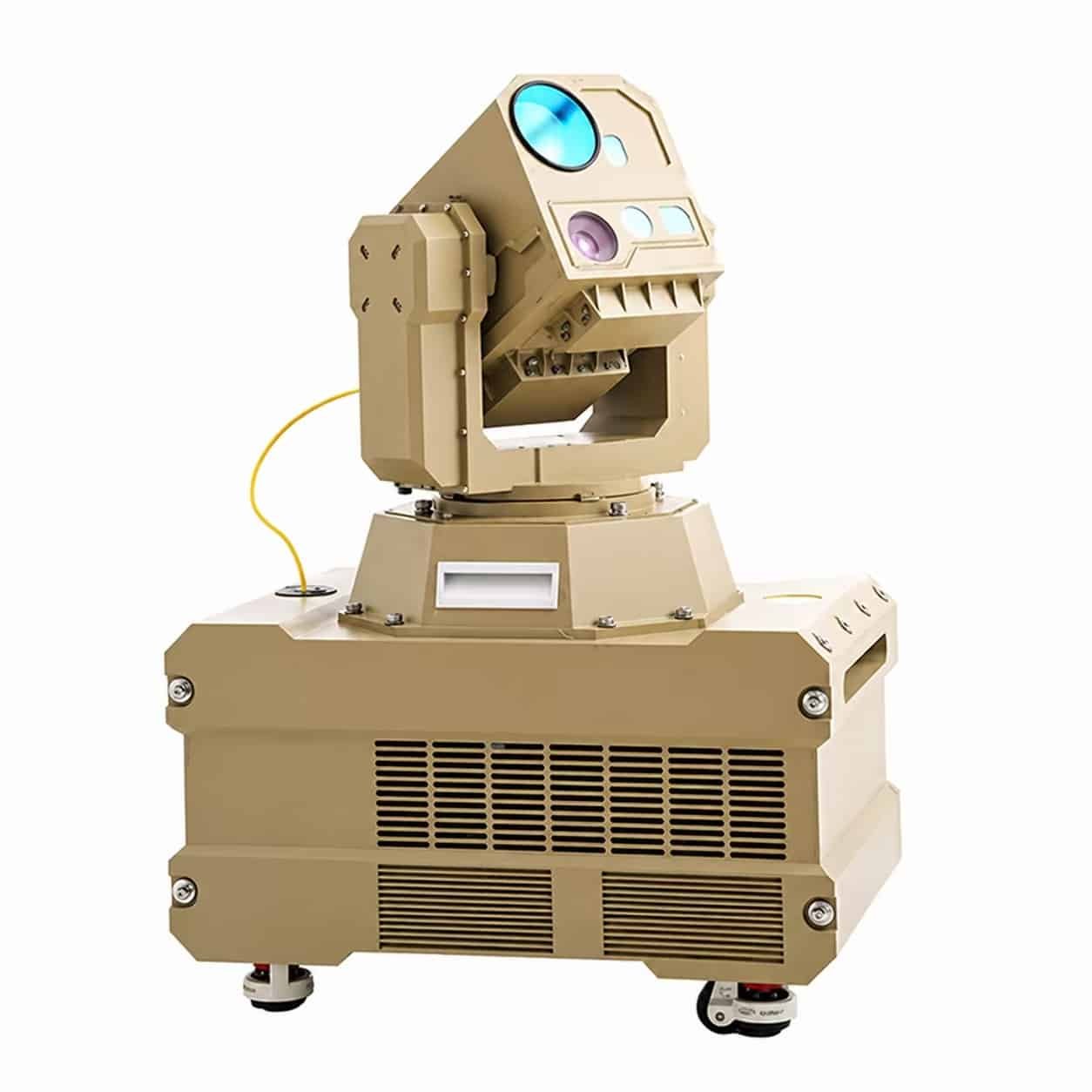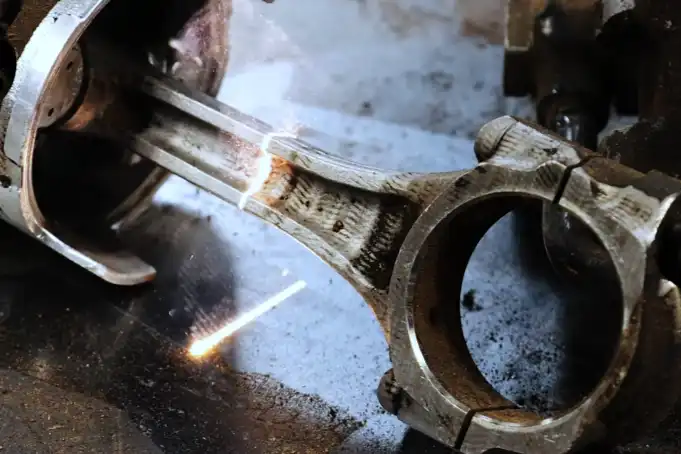
Laser cleaning is better than old cleaning ways. It gives you very exact results. It is safer and more comfortable to use. It is also better for the environment. Many businesses say it works fast and saves time.
- You can clean big metal parts in just a few minutes.
- The process takes away dirt but does not hurt the surface.
- It does not use strong chemicals, so there is less waste.
You also spend less money over time. Laser cleaning needs fewer supplies and less work.
Key Takeaways
- Laser cleaning gives exact results and does not harm surfaces. It works faster than old cleaning ways, so big areas get cleaned quickly. The process is good for the environment because it does not use strong chemicals or water, so there is less waste. Laser cleaning needs less hard work from people, which means lower costs and less tiredness for workers. Safety is better because there are fewer chances of getting hurt or touching dangerous things. People must learn how to use the equipment safely, so training is important. Laser cleaning works well on many materials like metal and stone. Buying laser cleaning systems can help save money and make work easier over time.
Cleaning Methods Overview
What Is Laser Cleaning
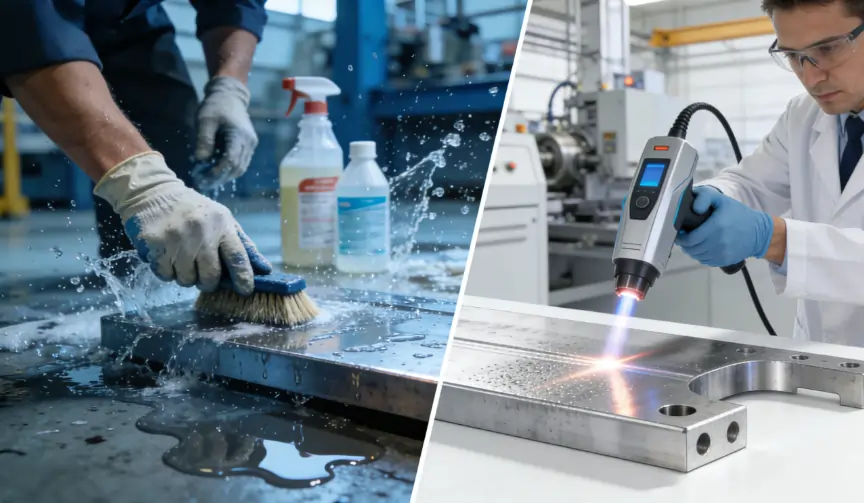
Split-screen comparing messy traditional cleaning with precise, dry laser cleaning
Laser cleaning uses a strong light beam to take off dirt, rust, or paint. You aim the laser at the spot you want clean. The laser breaks apart the layer you do not want. The base stays safe and does not get hurt. This way does not need water or chemicals. You only need a laser machine and safety gear. The process is quick and makes almost no waste. You can use laser cleaning on metal, stone, and gentle surfaces.
Benefits:
- High precision and control
- No harsh chemicals or water
- Minimal waste
- Safe for many surfaces
Drawbacks:
- Higher upfront cost for equipment
- Requires training to operate safely
Traditional Cleaning Methods
Traditional cleaning uses tools, chemicals, or rough materials to clean. You might use water, steam, sand, or cleaning agents. These ways often need many steps. You put on cleaner, wait, scrub, and rinse. Some common ways are:
- Pressure washing: Uses strong water streams to clean surfaces.
- Steam cleaning: Uses hot steam to disinfect and clean.
- Abrasive blasting: Uses sand or other materials to scrub away rust or paint.
- Chemical cleaning: Uses special chemicals to break down stains.
- Degreasers and lubricants: Dissolve grease and dirt.
- Foam methods: Reach into small spaces.
- Immersion cleaning: Submerges parts in a cleaning solution.
Benefits:
- Lower initial equipment cost
- Familiar process for most workers
- Works well for some heavy-duty jobs
Drawbacks:
- Uses large amounts of water or chemicals
- Creates waste and runoff
- Can damage delicate surfaces
- Often takes more time and effort
Key Process Differences
Laser cleaning and traditional methods are very different. Laser cleaning is easy and has one main step. You set up the laser, aim, and start cleaning. You do not need to mix chemicals or clean up mess. Traditional ways need more steps and tools. You must get the surface ready, put on cleaner, wait, scrub, rinse, and clean up after.
Here is a quick comparison:
| Cleaning Method | Process Steps | Required Equipment |
|---|---|---|
| Laser Cleaning | 1. Setup laser system 2. Target surface 3. Activate laser 4. Monitor process 5. Finish | Pulsed fiber laser (50 watts or more) |
| Traditional Cleaning | 1. Prepare surface 2. Apply cleaning agent 3. Wait for reaction 4. Rinse 5. Cleanup | Chemicals, abrasives, tools |
Tip: Laser cleaning makes almost no waste. Traditional ways often leave sand, water, or chemical mess.
Laser cleaning is cleaner, faster, and more exact. Traditional ways may work for some jobs. But they often take longer and make more waste.
Effectiveness and Precision
Laser Cleaning Accuracy
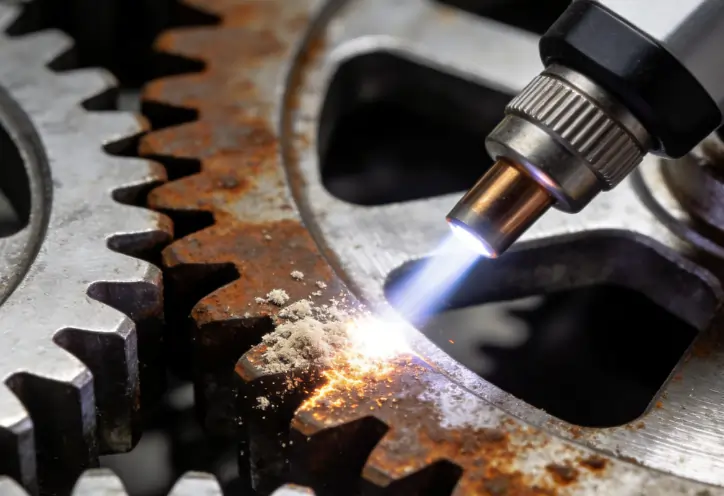
Close-up of highly precise laser cleaning safely removing rust from a metal gear
Laser cleaning is very accurate. The laser only removes the layer you do not want. The base stays safe and does not get hurt. You can use this to clean rust, paint, or dirt. You control the laser with great care. The laser does not splash or spread. This keeps other areas safe.
Laser cleaning lets you clean just what you need. You do not harm the surface below.
How well laser cleaning works depends on many things. The table shows what can change the results:
| Factor | Description |
|---|---|
| Optical Absorptivity | The contaminant must take in laser energy better than the base. |
| Thermal Conductivity | Materials that move heat fast may not clean as well. |
| Specific Heat | Materials with low specific heat can get damaged by heat. |
| Coating Thickness | Thick coatings need more energy or more cleaning passes. |
| Adhesion Strength | Dirt that sticks weakly is easier to remove. |
| Surface Geometry | Flat surfaces are easier to clean than bumpy ones. |
| Regulatory Constraints | You must follow rules for safe and good cleaning. |
Laser cleaning works best when the dirt takes in the laser energy. Flat surfaces help the process go faster. If the coating is thick or stuck hard, you need more time or power.
Traditional Methods Limitations
Old cleaning ways are not as exact. You use brushes, chemicals, or blasting tools. These can reach places you do not want to clean. You might hurt the surface if you scrub too hard or use strong chemicals.
- Brushes and rough tools can scratch soft surfaces.
- Chemicals can stain or corrode the base material.
- Water and steam can get into cracks and cause rust or mold.
Old methods take longer to finish. You must get the surface ready, put on cleaner, wait, and rinse. Sometimes you must do these steps again if the dirt stays.
Material Compatibility
You must pick the right cleaning way for your material. Laser cleaning and old methods have good and bad points. The table shows how each works with different materials:
| Cleaning Method | Material Compatibility Issues |
|---|---|
| Laser Cleaning | Not good for materials that get hurt by heat; may bend or damage them. |
| Traditional Cleaning | Works on more things but can scratch or damage surfaces. |
Metals
Laser cleaning works on many metals. It takes off rust, paint, and oil but does not hurt the metal. You do not get scratches or dents. Be careful with thin or heat-sensitive metals. Too much laser power can bend them.
Old methods clean metals too. Blasting and chemicals can remove tough stains. But these ways can scratch or weaken the metal over time.
Stone
Laser cleaning is good for stone. It removes graffiti, dirt, or pollution without hurting the stone. The process is gentle and does not use water or chemicals. The stone stays strong and clean.
Old cleaning can work on stone but may cause problems. Strong water can wear away the surface. Chemicals can stain or change the stone’s color.
Delicate Surfaces
Laser cleaning is safe for delicate surfaces. You control the power and focus to avoid damage. You can clean old art, historic buildings, or sensitive tools.
Old methods can harm delicate surfaces. Brushes and chemicals may scratch or break the material. You might lose details or cause lasting damage.
Tip: Always test a small spot before cleaning something new. This helps you avoid bad results.
Safety and Comfort
Operator Safety with Laser Cleaning
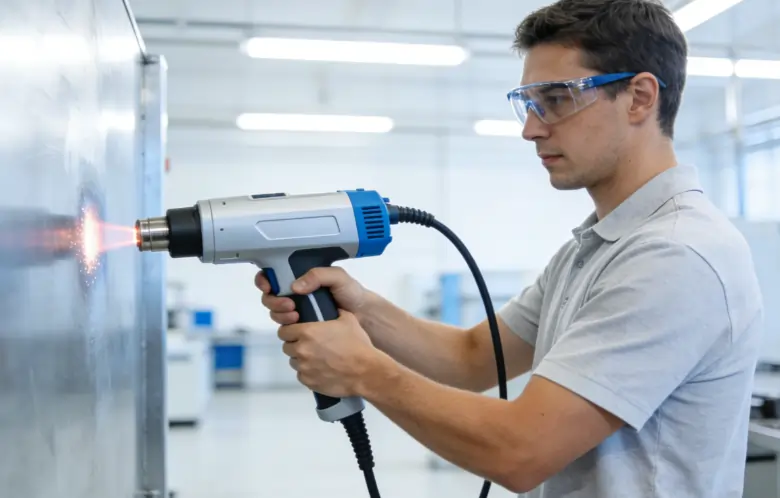
Worker safely and comfortably operating a laser cleaning machine wearing only safety goggles
You can use laser cleaning safely if you follow the rules. Safety standards help keep you and others safe. These rules stop accidents and injuries. You must wear safety glasses and protective clothes. Put up warning signs and barriers near the cleaning spot.
Here is a table that lists the main safety standards for laser cleaning:
| Safety Standard | Description |
|---|---|
| FDA CDRH Regulations | Decides and controls laser product safety in the U.S. |
| OSHA Laser Hazard Communication Standard | Makes sure you use safety gear and barriers. |
| ANSI Z136.1 | Gives rules for safe laser use, like signs and training. |
| NFPA 115 | Sets fire safety rules for lasers and their equipment. |
You need training before you use a laser cleaning machine. Training shows you how to set up the machine and use safety gear. It also teaches you all the rules. If you know the right steps, you can work safely and avoid mistakes.
Tip: Always check your safety gear before you start. Make sure your workspace follows all safety standards.
Risks of Traditional Methods
Old cleaning ways can be risky. You might use chemicals, rough materials, or strong tools. These things can hurt your body and health.
Here are some common dangers:
- Loud noise can hurt your hearing.
- Abrasive materials may cause skin injuries.
- Dust and particles can harm your eyes.
- Toxic fumes and dust can fill the air.
- Dust clouds from organic stuff may explode.
- Sparks from blasting metal can start fires.
- Closed spaces can have low oxygen.
You may also use dangerous materials. These can cause serious health problems. The table below lists some common materials and their effects:
| Hazardous Material | Health Effects |
|---|---|
| Crystalline silica | Can cause lung disease, cancer, and kidney problems. |
| Beryllium | Can cause lung disease, cancer, and other health issues. |
| Lead | Can cause muscle pain, anemia, nerve problems, and more. |
| Cadmium | Can cause flu-like symptoms, organ disease, and cancer. |
| Chromium | Can damage organs and cause pain and breathing problems. |
You must wear masks, gloves, and ear protection with these methods. You also need to clean up dust and chemical spills. These steps take time and make your work harder.
User Comfort
Laser cleaning is more comfortable to use. It is quieter and does not make dust or fumes. You do not need to use strong chemicals or heavy tools. You can stand away from the machine and use simple buttons.
Old cleaning ways can make you tired. You may need to scrub hard or lift heavy things. You might breathe in strong smells. You may also feel hot, wet, or uncomfortable.
Note: Laser cleaning helps you work in a cleaner and quieter space. You can finish your job faster and feel less stress.
You can see the difference in comfort and safety when you compare both ways. Laser cleaning gives you a safer and easier way to clean many surfaces.
Environmental Impact
Laser Cleaning: Eco-Friendly Benefits
Laser cleaning helps the earth. It does not use water or strong chemicals. You do not need to worry about bad fumes or spills. The process makes almost no trash, so your workspace stays safe and clean.
- No chemicals are used for cleaning
- Water is not needed at all
- Less harmful smoke and waste is made
- Stops toxic fumes and leftover chemicals
- Workers and nature are safer from chemicals
- Good for the environment when cleaning surfaces
You use less power and make less pollution. Laser cleaning is a smart green choice for many jobs.
Tip: You can clean things without hurting nature or your health.
Waste and Pollution Issues
Old cleaning ways make lots of trash. You might use lots of water, chemicals, or sand. These things can make the ground and water dirty. They also make it hard to keep your area safe.
The table below shows the difference in waste and pollution:
| Traditional Cleaning Methods | Laser Cleaning |
|---|---|
| Makes chemical trash | Makes no chemical trash |
| Uses lots of water | Uses no water |
| Makes dust and rough trash | Makes very little trash |
| Bad chemicals can get in dirt or water | Very little harm because dirt turns to gas |
| Needs costly trash removal | Follows strict rules for trash and smoke |
Laser cleaning helps you avoid these problems. You do not need to deal with dangerous trash. You also save money on getting rid of waste.
Regulatory Considerations
You must follow safety and earth rules when cleaning. In big jobs, laser cleaning must follow strict rules. OSHA and EN 60825 make rules to keep workers and nature safe from lasers. You need safety gear, laser covers, and lock systems. If these are not enough, you must use special steps and plans for emergencies.
It is easier to follow earth laws with laser cleaning. You do not need to worry about chemical spills or dirty water. This makes your work safer and helps your company follow the law.
Note: Always check local rules before you start a new cleaning job.
Efficiency and Speed
Laser Cleaning Speed
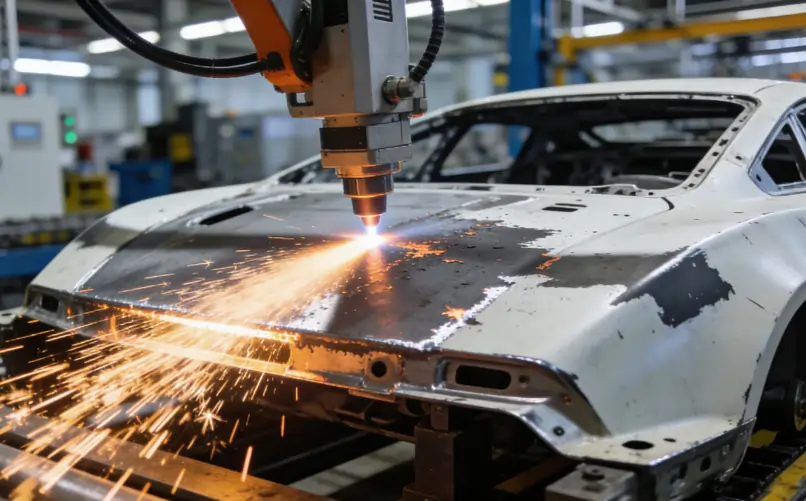
High-speed laser cleaning efficiently stripping paint from an automotive part in a factory
If you want to clean fast, laser cleaning is a good choice. It works quickly and gives accurate results. You can remove rust, paint, or dirt in just minutes. The machine does most of the work for you. You do not have to spend hours scrubbing by hand.
- Laser cleaning is much quicker than using chemical strippers. Chemical strippers can take hours to remove paint.
- Manual sanding takes a lot of time and effort. Laser systems clean small or hard spots fast.
- Sandblasting can clean quickly, but it might hurt the surface. Laser cleaning does not touch the surface, so it avoids damage.
Laser cleaning lets you finish jobs much faster than old ways. This helps you keep your work on track.
Labor and Prep Time
Laser cleaning needs less setup and fewer workers. The process is mostly automatic. You do not spend much time getting surfaces ready or using chemicals. You just set up the machine, aim, and start cleaning.
- Laser cleaning needs little manual work. This lowers costs and keeps workers from getting tired.
- You do not need to buy sand, water, or chemicals.
- The process is controlled and gives the same results each time.
- You do not have to stop and refill supplies like with sandblasting.
- This way works well for cleaning in big factories or shops.
A simple setup means you start cleaning sooner and finish faster. You also avoid messes and dangers from old cleaning supplies.
Downtime and Productivity
Laser cleaning helps you keep machines working and avoid long stops. It makes cleaning faster and helps you get more done.
- Companies have less downtime for cleaning, which saves money.
- You do not need to buy or throw away cleaning supplies, so you save money.
- The gentle process means you do not have to replace parts as often.
- Laser cleaning systems finish jobs quickly, so you get back to work sooner.
- Automatic systems need little help from workers. This lowers mistakes and keeps people safe.
- The process makes less trash and fewer fumes, so it is better for the environment.
- You get exact and repeat results, so you do not waste time fixing mistakes.
Every hour you stop working can cost money. Laser cleaning helps you work smoothly and keeps your team busy.
Cost-Effectiveness
Investment vs. Savings
When you look at cleaning systems, you want to know how much money you will spend and save. The price for new equipment can be high, but you need to think about long-term costs. Here is a table that shows what you might pay at first and what you spend over time:
| Cleaning Method | Initial Investment | Ongoing Costs |
|---|---|---|
| Laser Cleaning | $35,000–$500,000 | Low (electricity only) |
| Sandblasting | $25,000–$500,000 | Ongoing media costs |
| Chemical Stripping | $50,000–$100,000 (extra) | Ongoing chemical costs |
You pay more for laser cleaning at the start, but you do not need to buy sand or chemicals every month. You only pay for electricity. This means you save money as time goes on.
Companies that switch to laser cleaning report big savings. You spend less on labor because the system works fast and needs little help. You also save money because you do not need to stop your machines for long. You do not have to pay for waste removal or special disposal. Your equipment lasts longer because the cleaning does not scratch or wear it out.
| Type of Savings | Description |
|---|---|
| Reduced Labor Costs | Faster cleaning with less manual work |
| Minimal Downtime | Cleaning happens in place, so production keeps moving |
| Lower Waste Management Expenses | No extra waste, so disposal costs drop |
| Energy Efficiency | Uses less power than old methods |
| Extended Asset Life | Gentle cleaning keeps machines working longer |
Tip: You can cut costs by choosing a system that fits your needs and works with your current setup.
Maintenance and Consumables
You want a cleaning system that does not break down often or need lots of supplies. Laser cleaning has few moving parts, so it needs little maintenance. You do not have to buy sand, chemicals, or special tools. This keeps your costs low and your work simple.
Here is a table that compares maintenance and supply needs:
| Cleaning Method | Initial Cost | Operating Costs | Maintenance Needs |
|---|---|---|---|
| Laser Cleaning | Higher | Minimal | Low maintenance due to fewer moving parts |
| Abrasive Blasting | Lower | High | High due to wear-and-tear and consumables |
| Chemical Cleaning | Lower | Significant | High due to handling and disposal costs |
| Manual Cleaning | Lower | High | High due to extensive labor and tools |
You do not have to stop work to change supplies or fix broken parts. This helps you keep your machines running and your team working.
ROI Comparison
You want to know if your investment will pay off. Laser cleaning gives you a strong return on investment. You clean more area in less time. You get better results, which makes your customers happy. You can remove rust up to 75% faster than with old methods. You spend half as much time getting ready and cleaning up. One factory saved almost 70% of their cleaning time each year.
- You clean several square meters every hour.
- You get higher quality surfaces.
- You save money by not buying solvents or other supplies.
- You spend less on repairs because the cleaning does not touch the surface.
- You see long-term savings even if the first cost is high.
Note: Many companies find that laser cleaning pays for itself in just a few years. You save money, time, and effort while getting better results.
Versatility and Applications
Industries Using Laser Cleaning
Laser cleaning is used in many industries now. Companies pick it because it is fast and keeps surfaces safe. The table below shows where laser cleaning is used and what it helps with:
| Industry | Benefits |
|---|---|
| Automotive | Fast cleaning, better work speed, prepares surfaces for electric cars |
| Aerospace | Careful cleaning, meets strict rules, does not cause tiny damage |
| Nuclear Facilities | Makes less extra waste, removes radioactive dirt well |
| Refineries | No water or chemicals needed, less waiting, better checks |
| Cultural Heritage | No touching, keeps surfaces safe, restores art nicely |
| Infrastructure | Safer and cleaner than old ways, less harm to nature |
Manufacturing
Factories use laser cleaning to take off rust, paint, and oil from metal. This helps get surfaces ready for welding or coating. You get clean parts and do not damage them.
Automotive
Car makers use laser cleaning to remove grease, dust, and old paint. You can clean parts fast and get them ready for electric cars. This helps keep up with busy work lines.
Restoration
Museums and art workers use laser cleaning to protect old buildings and art. You can take off dirt and pollution without touching the surface. This keeps history safe for people in the future.
Aerospace
Airplane makers need very clean parts. Laser cleaning helps meet strict safety rules. It removes tough stains and does not cause cracks or damage. You keep parts strong and safe for flying.
Types of Contaminants Removed
Laser cleaning can take off many kinds of dirt and stains. Tests show it works well for:
- Oil
- Rust
- Dust
- Paint
- Oxide
- Grease
- Coatings
- Lubricants
- Pathogens
- Metal particles
- Electrolyte residues
Tip: You can clean only the dirt you want, leaving the base safe.
Complex Geometries
Sometimes you need to clean parts with hard shapes. Laser cleaning lets you control how deep and where you clean. You can reach every corner and curve without hurting the part. This works well for metalwork and delicate details.
- You clean big and tough surfaces without damage.
- You take off rust, paint, or grease from detailed parts.
- You avoid scratches and wear from sandblasting or strong chemicals.
- You make sure every small space is clean.
Laser cleaning helps you clean tricky shapes and gentle parts. You get good results and keep your equipment safe.
Addressing Concerns
Is Laser Cleaning Safe?
You may ask if laser cleaning is safe. If you follow the right steps, it is safe to use. You need to wear safety gear and follow safety rules. These rules protect your eyes and skin. They also keep people around you safe.
Here are some important safety standards for laser cleaning:
| Standard | Description |
|---|---|
| OSHA 1910.132 | Rules for safety gear you must wear. |
| OSHA 1910.133 | Rules for protecting your eyes and face. |
| ANSI Z136.1 | Rules for using lasers safely in many jobs. |
Always wear eye protection. Make sure warning signs are easy to see. Never point the laser at yourself or others.
You should use the laser in a safe area. Keep people without safety gear away from the cleaning spot. Use air filters to keep the air clean while you work.
Limitations and Exceptions
Laser cleaning works on many surfaces. But it does not work for every job. Some things need extra care or a different way to clean.
- Glass is not good for laser cleaning. Its clear and shiny surface makes it hard for the laser to work. The laser can crack or break glass.
- Non-metal things like wood or paper can burn if the laser stays on them too long. Always move things that can burn out of the area.
- Never use the laser without eye protection.
- Do not use the laser on your skin or body.
- Only use the laser for cleaning jobs.
- Put up warning signs when you clean.
- Do not use the laser in places you cannot control.
- Always use air filters to remove fumes or dust.
Note: If you need to clean glass or things that can burn, pick another cleaning method.
Training and Ease of Use
You need training before you use a laser cleaning machine. Training teaches you how to use the machine and follow safety rules. It helps you keep everything working well. The training is more detailed than for old cleaning ways.
Here is a comparison of training for laser cleaning and old cleaning:
| Aspect | Laser Cleaning Training | Traditional Cleaning Training |
|---|---|---|
| Safety Protocols | Detailed lessons about laser dangers and safety gear | Basic safety rules |
| Machine Operation | In-depth lessons about laser controls | Simple ways to use tools |
| Maintenance | Focus on optics and calibration | Regular cleaning steps |
| Efficiency | Teaches how to save time and help the environment | Changes by method |
| Regulatory Compliance | Covers OSHA and ANSI rules | Local rules may apply |
| Continuous Education | Ongoing updates and new lessons | Less focus on new training |
Training helps you work safely and get good results. The controls are easy to use after you finish your lessons. You can keep learning as new updates come out.
Tip: Take time to finish your training. This helps you stay safe and use the machine with confidence.
Case Studies
Industry Success Stories
You can see how laser cleaning helps real companies. Many businesses use laser cleaning to fix hard problems. The results show better speed, quality, and safety.
Here is a table that shows how different industries use laser cleaning and what happens:
| Industry | Challenge | Solution | Results |
|---|---|---|---|
| Marine Industry | Ship hulls get dirty and rusty. This slows ships and causes damage. | Laser cleaning removes dirt and rust without hurting the ship. | – Ships use 15% less fuel because they move easier. – Cleaning is faster, so ships stop less. – No chemical trash, so rules are followed. |
| Manufacturing Industry | Mold surfaces get sticky and dirty. This lowers product quality and needs lots of cleaning. | Laser cleaning takes off buildup without scratching molds. | – Molds last longer because cleaning is gentle. – Products are better and made the same each time. – Factories work faster with less stopping. |
| Energy Sector | Pipelines get rusty and dirty. This makes them work worse and less safe. | Laser cleaning removes rust and old coatings without damage. | – Pipelines are safer and work better. – No bad chemicals, so nature is safer. – Costs for fixing and trash are lower. |
Laser cleaning helps ships go faster and use less fuel. Factories keep molds clean and make better things. Energy companies keep pipes safe and spend less money. Laser cleaning is good for nature because it does not use strong chemicals.
Many companies say laser cleaning saves time and money. It also keeps equipment and nature safe.
Comparative Results
You might wonder how laser cleaning is different from old cleaning ways. People who use laser cleaning see big changes.
- Comfort: Laser cleaning feels gentle. It does not hurt or cause bleeding. Old cleaning can be rough and may hurt soft spots.
- Effectiveness: Laser cleaning reaches deep places. Old ways might miss some dirt or rust. You can clean more and stop problems like broken machines.
- Speed: Laser cleaning is faster than scraping or polishing by hand. You finish cleaning sooner and get back to work.
Laser cleaning gives you a better way to clean. You spend less time and get better results. You do not have to deal with mess or pain from old cleaning ways.
Laser cleaning is a new way that makes cleaning easier, saves time, and gets things cleaner.
You have seen how laser cleaning gives you better results than old cleaning methods. You get more precision, safer work, and less harm to the environment. You also save time and money.
- Clean with accuracy and protect your surfaces
- Work faster and avoid harsh chemicals
- Lower your costs and reduce waste
Consider learning more about laser cleaning for your next project. You can make your cleaning jobs easier and safer.
FAQ
What surfaces can you clean with laser cleaning?
You can clean metals, stone, and delicate surfaces. Laser cleaning works well on rust, paint, oil, and dirt. Always test a small area first to check for any problems.
Is laser cleaning safe for the environment?
Yes, laser cleaning does not use chemicals or water. You make almost no waste. This helps protect nature and keeps your workspace clean.
Do you need special training to use a laser cleaning machine?
You need training before you use a laser cleaning system. Training teaches you how to use the machine and follow safety rules. This keeps you and others safe.
How fast can you clean with a laser?
Laser cleaning works quickly. You can remove rust or paint in minutes. The speed depends on the size and type of surface.
Can laser cleaning damage the material?
You control the laser power and focus. This helps you avoid damage. If you use the right settings, you keep the base material safe.
What safety gear do you need for laser cleaning?
You must wear safety glasses and protective clothing. You should also use warning signs and keep others away from the area.
How much does a laser cleaning system cost?
Laser cleaning systems cost more at first. You save money over time because you do not buy chemicals or supplies. You also spend less on waste removal.
Can you use laser cleaning indoors?
Yes, you can use laser cleaning indoors. Make sure you have good ventilation and follow all safety rules. Use air filters to keep the air clean.