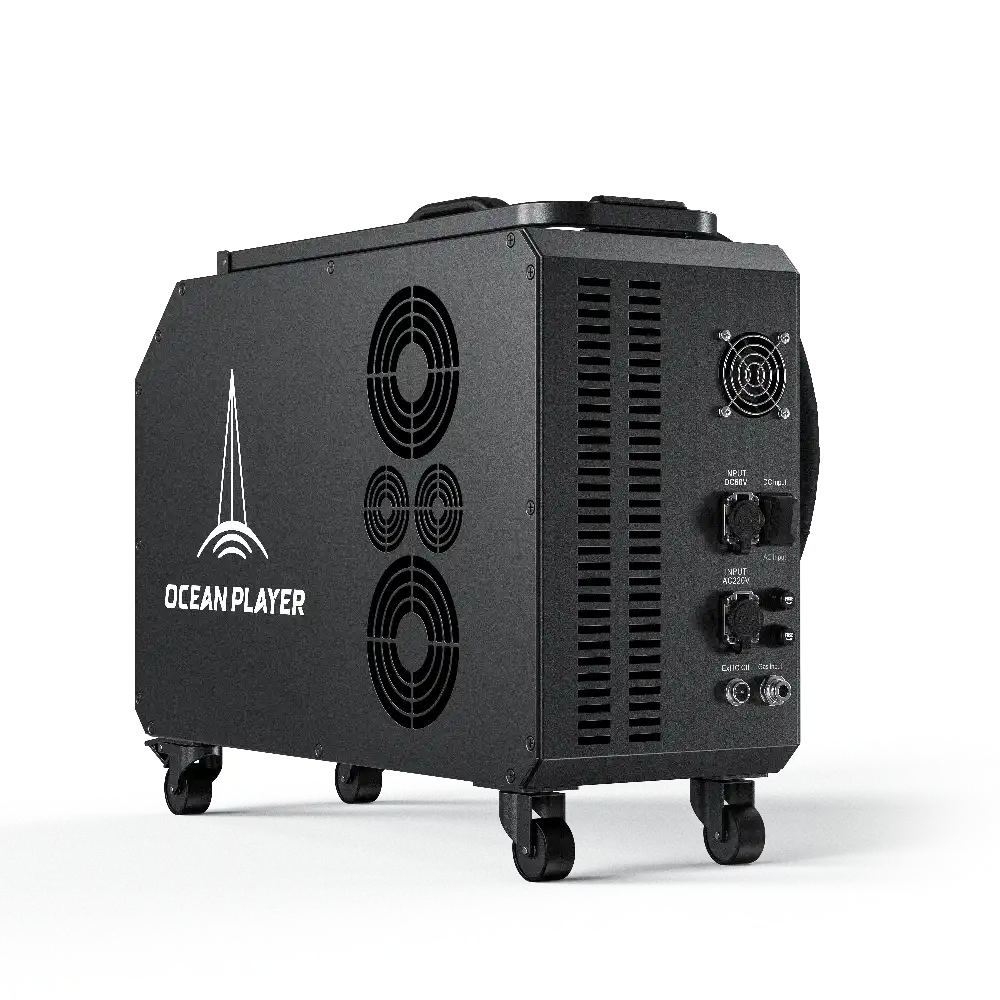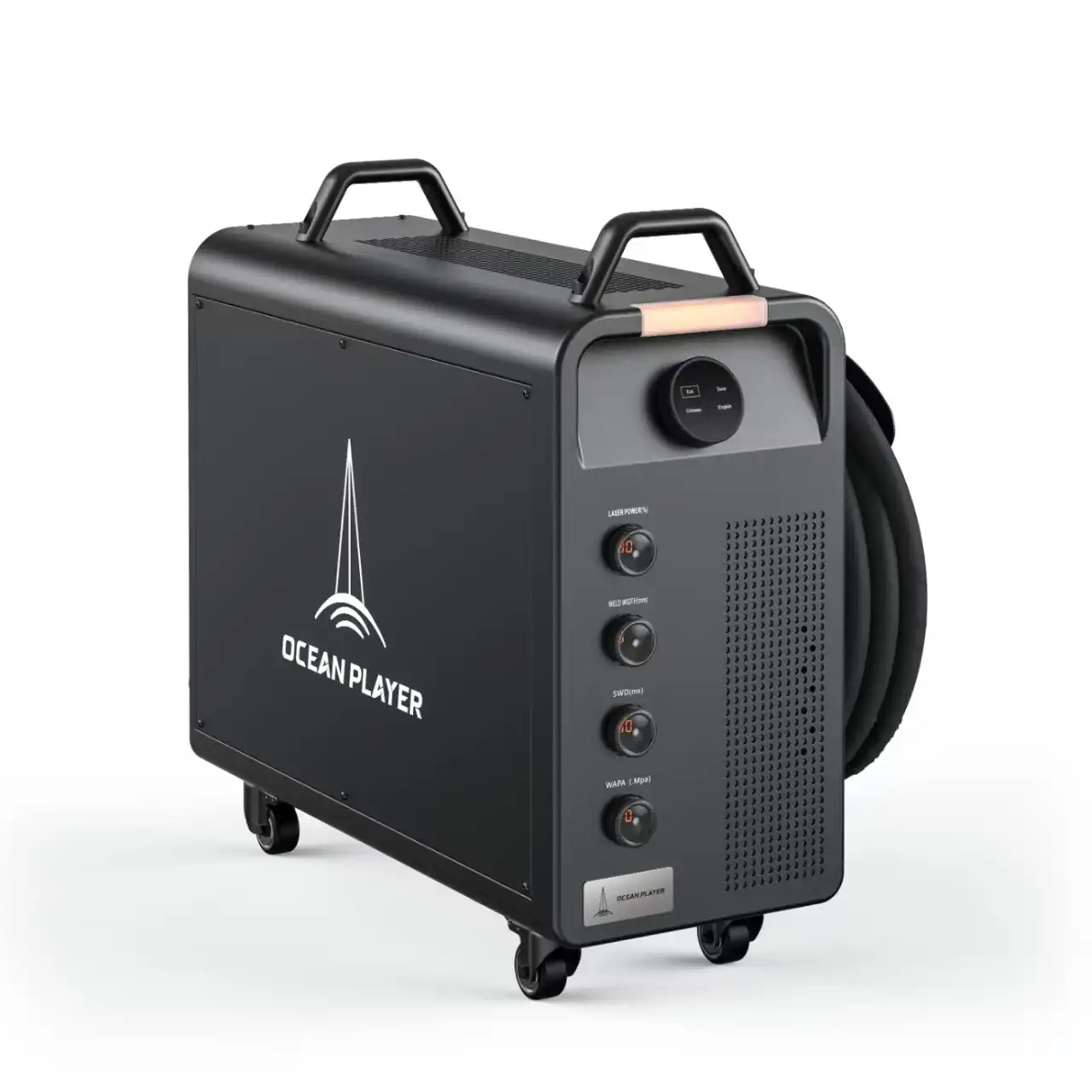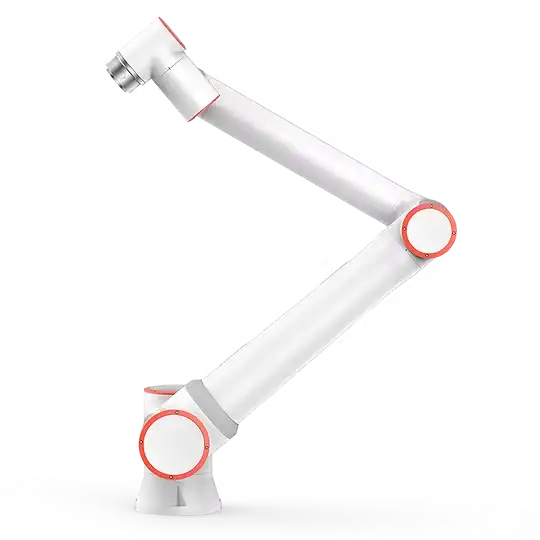
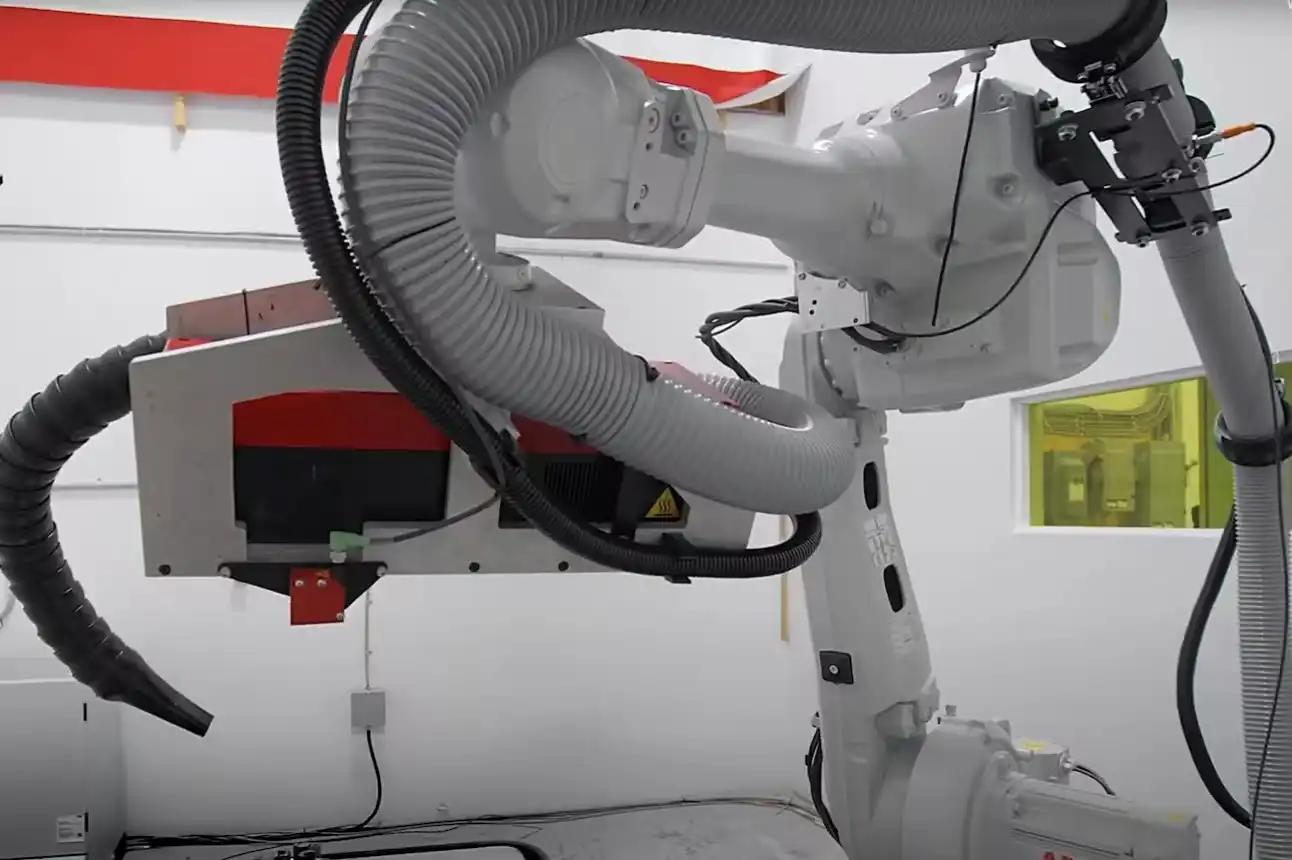
You see more factories use robots and machines for cleaning now. Many companies want fast and safe ways to clean dirt or rust. Laser Cleaning Machine technology works well with industrial robots. This includes collaborative robots and robotic arms. The market for cleaning robots grows every year.
| Statistic | Value |
|---|---|
| Use of advanced cleaning technologies | 38% |
| Projected CAGR for cleaning robots | 8.1% (2025–2034) |
| Projected CAGR for automatic cleaning machines | 6–8% (next 5 years) |
Key Takeaways
- When you use laser cleaning machines with robots, cleaning is more exact and even. This makes sure things get cleaned well and do not get hurt.
- Robots make laser cleaning faster and use less material. They also help workers stay safe by using fewer dangerous chemicals.
- Collaborative robots, or cobots, can clean many shapes and sizes. This makes them good for hard jobs in car and airplane factories.
- You need to plan well and pick the right tools to use robots and laser cleaning together. This helps the system fit the cleaning job and the workspace.
- You should check and fix the laser cleaning system often. This keeps it working well, makes cleaning better, and helps the machines last longer.
Why Combine Laser Cleaning Machine with Robots
Enhanced Precision and Consistency
You want cleaning to be exact every time. Robots with a Laser Cleaning Machine can clean tiny spots. They remove dirt, rust, or coatings but do not hurt the main material. Some industries, like aerospace and shipbuilding, need this careful cleaning. Robots help set the cleaning just right. You get the same good results each time. You do not have to worry about missing spots or uneven cleaning. Big companies have saved up to 25% on maintenance costs by using automated laser cleaning. This way also helps the environment. It uses less energy and makes less waste than old cleaning methods.
- You can set the laser to clean only the dirt.
- The system gives the same results, so you do not redo work.
- You keep the surface safe while cleaning off layers.
Efficiency in Industrial Work Cells
Robots with Laser Cleaning Machines make work faster and better. You do not need extra cleaning supplies, and there is little waste. Cleaning is quicker, and machines do not stop as much. Workers are safer because they do not touch strong chemicals or rough tools. This way follows safety rules and keeps the area clean.
| Industry | Cycle Time Reduction |
|---|---|
| Automotive | 40% |
| Aerospace | 30% |
- You get faster and cleaner results than with sandblasting or chemicals.
- The system keeps things running smoothly.
- You spend less money on cleaning.
Versatility with Collaborative Robots
Collaborative robots, called cobots, make cleaning flexible. You can tell them to do many jobs, like cleaning curved parts or taking off paint. Cobots clean tricky shapes and small parts easily. They switch jobs fast and keep cleaning well.
- Cobots clean hard-to-reach places and odd shapes.
- They take off rust and get parts ready for painting or welding.
- Cobots help clean molds, old objects, and do careful restoration.
Tip: Cobots can get weld surfaces ready, clean molds, or fix old items without hurting them.
Using a Laser Cleaning Machine with cobots makes cleaning smarter, safer, and able to handle many jobs.
Laser Cleaning Machine Integration Steps

System Assessment and Planning
You need to start with a careful assessment of your workspace. This step helps you avoid problems later. Begin by checking the environment where you plan to install the Laser Cleaning Machine and robot. Follow these steps to make sure your setup will work well:
- Make sure you have a dedicated HVAC system to control temperature and airflow.
- Keep humidity between 30% and 65% to protect the optics from fogging.
- Use cleanroom-grade air filters and positive-pressure ventilation to reduce dust.
- Set up real-time monitoring systems and alarms for environmental changes.
- Do a full site survey to check space, air quality, and safety risks.
- Check that the floor can support the weight of the equipment and reduce vibrations.
- Plan safe routes for all utilities, like power and air, to the machine.
- After setup, confirm that the environment matches the machine’s needs.
- Run acceptance tests to make sure everything works as planned.
Tip: Careful planning at this stage helps you avoid costly mistakes and keeps your cleaning system running smoothly.
Equipment Selection and Setup
Choosing the right Laser Cleaning Machine and robot is key. You want a system that matches your cleaning needs and fits your workspace. Think about these points when you select your equipment:
- Decide if you need a pulsed or continuous wave laser for your cleaning tasks.
- Choose between a single or dual-axis scanner based on the shapes you need to clean.
- Look for machines that offer good mobility and automation features.
- Check the scale and speed of the system to match your production goals.
- Make sure the machine has a shroud and fume extraction to keep the air clean.
- Consider CleanTech systems for advanced cleaning options.
- Confirm that the machine works with the materials you need to clean.
- Ask about support, training, and maintenance from the supplier.
Set up your equipment in a way that fits your workflow. Use collaborative robots or multi-axis arms for more flexibility. Design the work cell to fit your parts and keep everything safe.
| Best Practice | Description |
|---|---|
| Safety Measures | Use a laser-safe enclosure and make sure operators wear the right protective gear. |
| Operational Considerations | Use collaborative robots for easy programming and fewer mistakes in repeated tasks. |
| Custom Workcell Design | Build the workcell to fit your parts and connect with your current workflow. |
| Automated Applications | Set up the system for high-volume jobs like battery welding or removing old lubricants. |
| Regular Safety Reviews | Review safety steps with your team often to keep everyone safe and up to date. |
Mounting Laser Heads on Robots
You need to mount the laser head securely to get the best results. The way you mount the laser depends on your cleaning job and the type of robot you use. Here are some common mounting options:
| Type of Laser Head Mounting | Description |
|---|---|
| Fixed head | The laser stays in one place while parts move in front of it. |
| Robot-mounted head | A 6-axis robot holds the laser, giving you full movement for complex shapes. |
| Gantry system | The laser moves along tracks, great for large parts or long cleaning paths. |
Note: Using a robot-mounted head with a multi-axis arm lets you clean odd shapes and hard-to-reach spots.
Programming and Calibration
Programming your robot and calibrating the Laser Cleaning Machine are important steps. You want the robot to follow the right path and use the correct laser settings. Start by teaching the robot the cleaning path. Use simple programming tools if you have a collaborative robot. Set the laser power, speed, and scanning pattern to match the material and dirt level.
You should calibrate the system to make sure the laser hits the right spot every time. Test the setup with sample parts. Adjust the robot’s path and laser settings until you get the best results. Save your programs so you can use them again for similar jobs.
Tip: Good calibration helps you avoid damage to parts and keeps cleaning quality high.
Testing and Optimization
After setup, you need to test and fine-tune your system. Run cleaning cycles on test parts and check the results. Look for areas where the cleaning is not even or where the surface is damaged. Adjust the laser power, cleaning speed, and scanning speed to get the best surface quality.
Researchers found that cleaning speed and laser power have the biggest effect on quality and throughput. For example, using a laser power of about 45 watts and a cleaning speed of 174 mm per minute can give great results on steel. Try different settings to find what works best for your parts.
Keep track of your results and update your programs as needed. Regular testing and optimization help you keep your Laser Cleaning Machine and robot working at their best.
Remember: Testing and small changes can make a big difference in cleaning quality and speed.
Key Benefits and Applications
Automotive and Aerospace Cleaning
Robotic laser cleaning helps car and airplane factories work better. It takes off rust, oil, and old paint from parts. This makes paint and welds stick better. Robots clean carefully, so they do not harm soft surfaces. Companies save time and money on repairs.
| Industry | Benefit Description |
|---|---|
| Automotive | Removes rust, oil, and old paint fast. This helps paint and welds stick better. |
| Aerospace | Cleans with great care and saves time. This lowers repair costs and helps work go faster. |
Manufacturers have seen great results:
- One aerospace company cleaned turbine blades with robots. Engines worked better and repair costs dropped by 25%.
- A car factory used robots to clean rust before welding. Cleaning was 40% faster and welds were stronger.
- The SFX laser cleaning machine helped a factory clean engines in half the time and made fewer mistakes.
- In aerospace, robots took off almost all rust in one try. This cut repair costs by 30%.
Tip: You can use robots to clean battery trays, e-motor housings, and stators. This gets them ready for glue and coatings.
Surface Texturing and Marking
Robots with laser cleaning can make patterns or marks on parts. This helps get metal ready for glue or paint. The results are always the same, even on odd shapes. Robots follow set paths, so every part matches.
- You can take off epoxy from motor stators without hurting other parts.
- Robots clean battery cases for liquid sealants, making products better.
- You can mark or texture parts for better grip or easy ID.
Note: Laser cleaning is three to five times faster than sandblasting, even on hard shapes.
Maintenance and Restoration
Robotic laser cleaning can fix old machines, tools, and even art. It takes off dirt and grime but does not hurt the surface. Factories use it to keep machines working well. Museums use it to clean art and buildings without damage.
| Industry | Observed Results |
|---|---|
| Manufacturing | Better quality checks and less waste |
| Automotive | Takes off dirt without hurting parts |
| Historical Preservation | Cleans grime but keeps art and buildings safe |
| Environmental Impact | Uses about 75% less water and makes less pollution |
You help the planet by using less water and making less waste. Laser Cleaning Machine technology only uses electricity and makes very little pollution.
Challenges and Best Practices

Technical Integration Issues
Combining a laser cleaning machine with industrial robots can be tricky. You might run into problems that change your costs, schedule, or results. Here is a table that lists the main problems and what they mean for you:
| Issue | Description |
|---|---|
| High Capital Investment | You need a lot of money to buy and keep these systems working, especially if your budget is small. |
| Technical Complexity | Skilled workers are needed to set up and use the machines. The process can be hard to control. |
| Regulatory and Safety Concerns | You must follow strict rules for laser safety and the environment. This can make things cost more. |
| Material and Surface Limitations | Some surfaces or types of dirt do not work well with laser cleaning. This means you have fewer choices. |
You can fix these problems by using advanced robotic work cells. Automated systems help with big jobs. Dual-axis laser technology can also help. Systems like CleanTech Titan FX give you a big work area. They let you clean many parts fast.
Safety and Compliance
Safety is always the most important thing with robotic laser cleaning. Follow these best practices:
- Put up fences or barriers to keep people safe.
- Use sensors or cameras to watch for people near the robot.
- Train everyone on safety steps and what to do in an emergency.
- Use warning signs and control who can go in the work area.
- Check often for damage, spills, or loose cables.
You should also follow these safety standards:
| Standard | Focus Area |
|---|---|
| ISO/TS 15066 | Collaborative robot safety |
| ANSI/RIA R15.08 | Mobile and industrial robot safety |
| Local Regulations | Always follow these first |
Keep the area clear of things that can catch fire. Use fire-resistant materials. Set up fire safety tools and practice fire drills often. Use filters and barriers to block dangerous laser light, even if you cannot see it.
Maintenance Tips
Taking care of your system keeps it working well and safe. Here are some tips:
- Clean the machine often to get rid of dust and dirt.
- Check all parts to make sure they work right.
- Change old parts before they break.
- Update the software to fix problems and add new features.
- Teach your team how to use and take care of the system.
Taking care of your system often helps you stop breakdowns and keeps your cleaning strong and steady.
You can make your factory’s cleaning better by using laser cleaning machines with industrial robots. This setup keeps workers safer. It gives you more control over cleaning. You make less waste. Here are the main benefits:
| Benefit | Description |
|---|---|
| Enhanced Worker Safety | Workers do not touch harmful chemicals or rough dust. |
| Precision Control | You can clean only certain spots and leave other areas safe. |
| Improved Equipment Longevity | Machines last longer because they do not get tiny scratches. |
| Cost Efficiency | You do not need to buy extra cleaning stuff like chemicals or sand. |
| Environmental Sustainability | You make very little waste and do not use dangerous cleaners. |
| Automation Potential | You can add this to automatic systems for steady cleaning. |
Think about what your factory needs. If you want to work faster and make better products, talk to experts or try a small test project now.
FAQ
How do you choose the right robot for laser cleaning?
You should look at the size and shape of your parts. Pick a robot with enough reach and movement. Make sure it can handle the weight of the laser head. Ask your supplier for advice.
Can you use laser cleaning on painted surfaces?
You can use laser cleaning to remove paint. Set the laser power and speed for the type of paint and surface. Always test on a small area first to avoid damage.
What safety steps should you follow during operation?
You must use safety barriers and warning signs. Train your team on laser safety. Wear protective glasses. Keep the work area clear. Check all safety systems before you start.
How often should you maintain the system?
You should check and clean the system every week. Replace worn parts as needed. Update software when new versions come out. Regular care keeps your system safe and working well.
See also
What Is the Range of Laser Cutting Thickness for Common Materials
What Is Laser Cutting Machine Radiation and Is It Dangerous