

Laser Cleaning Machine Certification: What Buyers Must Verify
No single certificate makes a laser cleaning machine compliant in every market. Buyers must match the destination, legal role, exact configuration, laser classification, declarations, test reports, labels and manuals. Then they must verify the delivered serial number and approve the real work cell. Stop the purchase when the documents cover only a component, another model or an obsolete configuration.
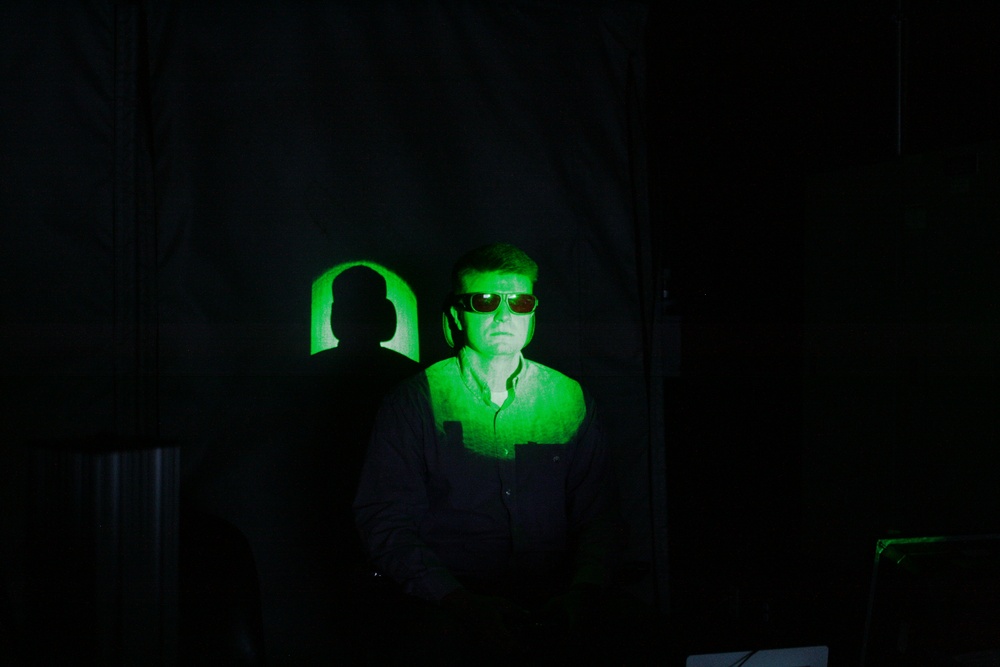
Image: Robert McAnally / U.S. Air Force Research Laboratory, Public Domain, via DVIDS.
Model, laser source, power, scanning head, enclosure, control software and accessories must match the documents.
It is a manufacturer's conformity route for applicable EU rules, supported by technical evidence and a declaration.
An accession number identifies a submitted report. It does not prove whole-machine electrical listing or workplace safety.
Class 4 laser use normally needs controlled access, trained operators, hazard controls, eyewear selection and fume management.
Start with the evidence decoder, choose your sales market, then use the document and physical-inspection checks before final acceptance.
Is there one certificate for a laser cleaning machine?
In sales conversations, 'certified' is often used as if it were one clear status. In practice, it can refer to very different things. A supplier may mean that the laser source carries a component certificate, that a laboratory tested one standard, that the factory holds ISO 9001, or that the complete machine bears a market mark. Each item can be useful. None should be accepted without asking what product, model, configuration, standard and date it covers.
The buyer's goal is not to collect the largest folder. It is to build a traceable chain from the machine on the purchase order to the evidence behind it. If the delivered cleaner has a different laser source, electrical cabinet, scanner, interlock design or software-controlled safety function, earlier evidence may not cover the change. This is why the model code, serial number, bill of materials and controlled revision matter.
Simple test: place the quotation, declaration, classification report, test report, manual and machine nameplate side by side. The manufacturer, model, rated power, supply, configuration and applicable standard editions should tell one consistent story.
A complete compliance file also depends on where the machine will be sold and used. The European Union uses CE marking under applicable product legislation. Great Britain currently recognizes both CE and UKCA routes for relevant product sectors, while Northern Ireland follows a different CE or CE-plus-UKNI framework. The United States regulates laser products through the FDA's electronic product radiation control rules, while electrical acceptance and workplace safety may involve other authorities.
Configuration changes can alter the route. An open handheld cleaner and a fully enclosed automated cell do not present the same access to laser radiation. A machine imported under your own brand creates different responsibilities from a machine bought by an end user. A system integrated with a robot, conveyor or extraction unit may also become part of a larger machine or work cell that needs its own risk review.
This guide is a planning aid, not a legal determination. Final obligations depend on the market, the contract, the exact design and the buyer's legal role. Use qualified product-compliance, laser-safety and local electrical specialists when the evidence is incomplete or the configuration is unusual.
What it can prove: the manufacturer identifies the exact product and declares conformity with listed EU legislation and standards.
What it does not prove: that an EU authority 'approved' the machine, or that every workplace installation is automatically safe.
What it can prove: a named sample was tested against stated clauses, methods and acceptance limits on a stated date.
What it does not prove: coverage of a different model, later revision, untested accessory or the whole compliance route.
What it can prove: accessible laser emission, class, measurement conditions, protective features and label basis for the tested product.
What it does not prove: electrical, mechanical, EMC, chemical-fume or installed-cell compliance.
What it can prove: the laser source, power supply, safety relay or another named component meets a stated requirement.
What it does not prove: that the assembled laser cleaner is compliant as a complete machine.
What it can prove: a certified quality-management system exists for the scope and site shown on the certificate.
What it does not prove: laser class, machine safety, electrical listing or conformity of a specific serial number.
What it can prove: agreed functions, interlocks, extraction, training and local acceptance checks worked at the actual installation.
What it does not prove: that missing product-level obligations or design defects are erased.
Which three layers must the evidence cover?
Many expensive purchasing errors start by proving only one layer. A reliable acceptance plan checks all three and records who owns each action.
Laser product layer
This layer controls accessible radiation, classification, protective housing, interlocks, emission indicators, labels and user information. IEC 60825-1 is a central international reference. In the United States, 21 CFR 1040.10 and 1040.11 and current FDA guidance also matter.
- Classification report identifies the final product.
- Class label, aperture label and warning information are readable.
- Interlocks and emission signals match the manual.
Complete machine layer
The cleaner also contains electrical, mechanical, control, thermal and electromagnetic risks. The complete-machine assessment should address the assembled cart or cabinet, handheld head, cables, cooling, controls, emergency stop, software-related safety functions and supplied extraction interfaces.
- Risk assessment covers foreseeable use and misuse.
- Electrical diagrams, protective bonding and supply ratings match.
- Declaration and reports cover the delivered configuration.
Installed workplace layer
A Class 4 product can create hazardous direct, reflected and scattered beams beyond the machine itself. The employer or site operator must control the real work area, including access, reflective surfaces, nearby people, extraction, fire risk, PPE, maintenance and emergency response.
- Laser safety officer or competent person reviews the task.
- Controlled area and nominal hazard zone are defined.
- Training, eyewear and fume controls are task-specific.
Why this matters: a compliant laser source inside a poorly designed cart is not a compliant machine. A well-documented machine used in an uncontrolled reflective area is not a safe installation. Certification evidence and operational controls must meet in the same acceptance plan.
Which standards matter for a laser cleaning machine?
Standards are tools for addressing defined hazards. They are not interchangeable, and a list copied from another machine is not enough. The final selection depends on the product, intended use, guarding concept and target market.
| Reference | Main purpose | Useful buyer evidence | Important limit |
|---|---|---|---|
| IEC 60825-1:2014 | Laser product classification, accessible emission, protective features, labels and user information for 180 nm to 1 mm wavelengths. | Classification report with test setup, measurement basis, final model and controlled revision. | It does not cover all electrical, mechanical, EMC, fume or workplace risks of the complete system. |
| ISO 11553-1:2020 | Safety requirements for laser processing machines, including radiation hazards and manufacturer information. | Risk assessment and clause-based evidence linked to the machine's guarding and intended process. | It must be applied to the actual processing machine, not cited only because the laser source is compliant. |
| ISO 11553-2:2026 | Safety requirements for hand-held or hand-operated laser processing machines, including laser cleaning equipment guided by the operator. | Design review for the handheld head, trigger logic, foreseeable movement and operator exposure. | The second edition was published in August 2026 and replaced the 2007 edition. Confirm which edition and transition basis apply to the order. |
| IEC 60825-4:2022 | Performance and testing of laser guards, especially for high-power laser installations. | Guard material, exposure conditions, test basis and service-life assumptions. | A curtain or panel marketed as 'laser safe' still needs a wavelength, power and exposure basis. |
| ISO 12100:2010 | General machinery risk assessment and risk reduction. | Hazard list, risk-estimation method, protective measures and residual-risk instructions. | It is a framework, not a substitute for laser-specific or electrical requirements. |
| IEC 60204-1:2016 | Electrical equipment of machines. | Electrical test records, diagrams, protective bonding, overcurrent protection and emergency-stop design. | Local supply, installation code and authority requirements can add obligations. |
| ANSI Z136 series | Widely used U.S. consensus guidance for safe use of lasers and control programs. | Site hazard evaluation, laser safety officer controls, eyewear basis and training plan. | It is not the FDA laser-product regulation and is generally voluntary unless adopted by a rule or contract. |
Edition status matters. A test report should name the full standard and edition, not only 'IEC certified.' For EU machinery, also confirm whether the listed standard is harmonized under the applicable legislation at the time the machine is placed on the market.
A credible test report answers six questions
- Who tested it? The laboratory identity, address and relevant accreditation scope should be clear.
- What was tested? Model, serial number, photographs, ratings and important components should identify the sample.
- Against what? The complete standard, edition, clauses and any deviations should be stated.
- How was it tested? Methods, instruments, calibration status and operating conditions should be recorded.
- What passed? Results should show measured values or a clear clause-by-clause conclusion, not only a marketing summary.
- Does it cover your order? Variant rules and engineering changes should show why the delivered model remains within scope.
A laboratory logo on the first page is useful only if the report scope can be verified. Ask for the full report or a controlled, technically meaningful extract. If confidentiality limits access, define what can be reviewed by your compliance specialist and what evidence must be available to market-surveillance authorities.
Build a first-pass certification route for your purchase
Choose the sales market, machine format and your role. The recommendation identifies the evidence that deserves early attention. It does not replace advice from the authority, test laboratory, notified body, NRTL, laser safety officer or local inspector.
The route changes with both the product and the party placing it on the market.
Start with CE marking evidence under the rules that apply when the machine is placed on the EU market, then plan a controlled Class 4 work area.
EC or EU Declaration as applicable, risk assessment evidence, IEC 60825-1 classification, machine-safety and EMC evidence, manual and traceability.
A component certificate or generic CE sheet that does not identify the delivered cleaner.
Define the laser-controlled area, access control, beam termination, eyewear and source-capture extraction.
Do not release final payment until declarations, reports and the nameplate match the final configuration.
Open industrial cleaners often remain Class 4 during normal use. A fully enclosed system can be Class 1 at its exterior only when the enclosure, interlocks and operating modes have been validated for the final product. Never infer class from appearance alone.
What evidence changes between the EU, UK, US and Canada?
One technical design may support several markets, but labels, declarations, reporting, language and responsible-party duties can differ. Put the destination market in the RFQ before the supplier builds the machine.
European Union
As of September 2026, the Machinery Directive 2006/42/EC still applies. For machinery placed on the market before 20 January 2027, the manufacturer normally draws up the Directive's EC Declaration of Conformity, affixes CE marking and keeps the technical file available to authorities.
The Machinery Regulation (EU) 2023/1230 generally applies from 20 January 2027. It then replaces the Directive and uses an EU Declaration of Conformity. Do not mix the two routes or simply change the declaration title without checking the applicable requirements and transition date.
Other applicable EU rules can include the EMC Directive 2014/30/EU. RoHS must be assessed by scope; exclusions may apply, so it is not correct to say every laser cleaner is automatically in scope. The declaration should list the legislation actually assessed.
Great Britain
Great Britain means England, Scotland and Wales. Current UK policy recognizes CE marking routes for relevant machinery, EMC, electrical and RoHS product rules alongside UKCA. This means a buyer should verify the route permitted for the exact product sector and placing-on-market date instead of assuming UKCA is always mandatory.
Check the declaration, responsible economic operator, required records and instructions. UK recognition policy can change, so confirm the current government sector table before shipment. A supplier's old slide that says 'CE is no longer accepted in the UK' is not reliable evidence.
Northern Ireland
Northern Ireland is not the same route as Great Britain. Relevant goods normally use CE marking under the applicable EU rules. UKNI can appear with CE when a UK conformity-assessment body is used where third-party assessment is required. UKNI is not used alone to place a product on the EU market.
Ask the supplier to name the destination clearly. A declaration prepared only for Great Britain may not be suitable for Northern Ireland, even when the machine hardware is unchanged.
United States
FDA's Center for Devices and Radiological Health regulates laser products under the Electronic Product Radiation Control provisions, including 21 CFR 1040.10 and 1040.11. Manufacturers generally submit the relevant product report before introducing the product into U.S. commerce and maintain required records and reports.
An FDA accession number is a receipt identifier, not an approval, certification or endorsement. Match it to the reporting manufacturer and product family, and review labels, user information and import paperwork such as Form FDA 2877 when applicable.
Laser Notice 50 was withdrawn effective 31 December 2024. Products certified later should not rely on it as the current basis. FDA Laser Notice 56 describes the agency's approach to relevant IEC 60825-1 Edition 3 provisions. U.S. FDA terminology uses Class IV, while IEC uses Class 4.
Canada
Canada's updated Radiation Emitting Devices Regulations for laser products took effect on 9 October 2025. They apply to laser products sold, leased or imported into Canada and draw specified classification, engineering, labelling and information requirements from IEC 60825-1:2014 Edition 3.
Manufacturers, importers and distributors have defined responsibilities. Required warnings and accompanying information can involve both English and French. U.S. or EU compliance does not automatically prove Canadian compliance, so check Health Canada's laser-product guidance for the exact product and transaction.
Electrical and local acceptance
A market declaration or FDA report is not the same as whole-machine electrical approval. In North America, an OSHA-recognized NRTL mark may be relevant to workplace electrical acceptance, and the local authority having jurisdiction can require field evaluation or other evidence.
A UL, CSA or ETL mark on a power supply is only component-level evidence unless the mark and listing cover the complete machine. State, provincial, municipal, fire, building and workplace rules may add installation requirements.
EU file-access nuance: a normal buyer does not automatically receive the manufacturer's full confidential technical file. The manufacturer keeps it available for authorities. Before purchase, require enough controlled evidence to judge the exact machine: declaration, risk-assessment summary, applicable test reports, classification evidence, drawings needed for installation, manual, labels and a contractual document schedule. A non-EU manufacturer's address is not itself invalid; verify the EU-based person named as authorized to compile the technical file where the machinery route requires it, plus importer and traceability duties.
Do you have enough evidence to approve the machine?
Use the eight-item check below before factory acceptance. This score is a procurement screen, not a compliance certificate. A missing high-risk item can matter more than several completed low-risk items.
Start by matching the declaration and classification evidence to the quoted model.
| Document | What to match | Good evidence | Contract hold point |
|---|---|---|---|
| Declaration | Manufacturer, model, serial or family, legislation, standards, signatory and date. | Controlled signed version for the final machine and destination. | No shipment on a generic template or a declaration for a different model. |
| Classification report | Wavelength, power, pulse conditions, measurement setup, modes, protective housing and accessible emission. | Final product identified with photographs, revision and IEC 60825-1:2014 Ed.3 basis. | No acceptance when only the laser source report is supplied. |
| Risk assessment | Intended use, foreseeable misuse, lifecycle tasks, hazard estimates, safeguards and residual risks. | Clause-linked summary plus controlled access to supporting file for specialist review. | Close high-risk actions before factory acceptance. |
| Test records | Exact sample, laboratory, standard edition, methods, calibrated equipment, results and deviations. | Full report or meaningful controlled extract with traceable scope. | Engineering changes need documented impact review. |
| Manual and drawings | Installation, supply, cooling, extraction, interlocks, operating modes, PPE, maintenance and spare parts. | Language and revision agreed before delivery; diagrams match the cabinet. | Training cannot replace missing safety instructions. |
| Acceptance records | Safety functions, emission indicators, emergency stop, extraction interface, output and agreed process trials. | Signed FAT and SAT protocols with measurements and open-action owners. | Final payment follows closure of critical nonconformities. |
Inspect the machine, not only the PDF folder
Documents describe a configuration. The machine proves whether that configuration was actually built. Start at the nameplate. Record the manufacturer, model, serial number, manufacturing date, electrical ratings and market marks. Compare these details with the declaration, invoice, packing list and manual.
Then trace the safety chain. Confirm that the key switch, enabling device, trigger, emission indicator, emergency stop and remote-interlock connector behave as the manual describes. If the system has doors or guarding, test each interlock under every operating mode, including setup, service and fault recovery. A reset should not create unexpected laser emission.
Check the optical path for loose covers, unprotected connectors and surfaces that could expose the beam during normal adjustment. Inspect the handheld head and cable for strain relief and damage protection. Verify cooling-fluid requirements, flow and temperature alarms. Confirm protective bonding, cable identification, enclosure ingress protection where claimed, and the rating of disconnects and overcurrent protection.
Photograph the accepted configuration. Capture the full machine, nameplate, warning labels, laser source, scanner, electrical cabinet, interlock connectors and supplied accessories. Store the images with the serial-number acceptance record so later changes can be recognized.

Certification does not replace a laser-controlled work area
Many open high-power cleaning systems are Class 4 during intended use. Their beam can injure eyes or skin and can remain dangerous after a mirror-like reflection. The process can also create fire, electrical and airborne-contaminant hazards.
Define the hazard area
A laser safety officer or other competent person should evaluate the wavelength, output, beam delivery, workpiece geometry and possible reflections. Establish controlled access and a clear beam-termination strategy. Portable screens need a validated wavelength, irradiance and exposure-time basis.
Select eyewear from the hazard
'Laser glasses' is not a specification. Eyewear must match the wavelength, optical density or protection level, pulse regime and applicable standard, while allowing enough visible light for the task. Check condition, fit, markings and replacement rules.
Capture fumes at the source
Laser cleaning removes coatings, oxides and residues by turning part of them into particles and vapor. Identify what is on the surface before work. Use source-capture extraction, suitable filtration and exposure controls for the actual contaminant.
Control fire and reflections
Remove combustibles, protect hidden spaces and monitor hot material. Treat polished metal, curved parts, nearby windows and tools as possible reflection paths until the assessment proves otherwise. Use a stable fixture whenever practical.
Train by task and role
Operators, maintenance staff, supervisors and visitors need different instruction. Training should include normal use, prohibited actions, interlock response, eyewear limits, extraction, inspection, emergencies and reporting of damage or changes.
Reassess after change
A new lens, longer fiber, higher power, software revision, robot path, workpiece or enclosure can change exposure. Use change control and repeat the parts of classification, risk assessment and acceptance testing affected by the change.

Do OSHA rules tell every factory which glasses to buy?
No single OSHA sentence provides a universal eyewear specification for every general-industry laser cleaning task. OSHA's laser-hazard resources point users toward hazard evaluation and recognized laser-safety practices. The construction rule at 29 CFR 1926.54 includes specific laser provisions, but it should not be presented as a universal rule for every general-industry workplace.
For a practical selection, document the laser wavelength, maximum credible exposure, pulse or continuous-wave operation, viewing conditions and required protection level. Then choose marked eyewear under the safety program used at your site. Eyewear is the last line of defense; it does not replace enclosure, distance, access control and beam termination.
For more task-level guidance, review Oceanplayer Laser's pages on laser classes, Class 4 laser cleaning controls and operator training.
When should you pause the purchase?
A weak document does not always mean a dangerous machine, but it does mean the buyer lacks evidence. Treat these signs as questions to close before shipment or final payment.
The cleaning head, controls, cabinet, cooling, wiring and safety functions of the complete machine remain outside its scope.
A generic family name cannot show that power, wavelength, handpiece, enclosure, voltage and software match your order.
A logo and pass statement hide the tested sample, clauses, methods, results, deviations and variant rules.
'IEC certified' is too vague. The report must identify the standard, edition, date and clauses actually assessed.
FDA uses the number to identify a received report. It is not FDA approval and does not replace electrical acceptance.
A listed power supply or safety relay does not automatically give the assembled machine a whole-machine NRTL listing.
A later laser source, scanner, enclosure or firmware change may need a new impact review and updated evidence.
Require controlled revisions and traceability. Similar appearance is not proof that two systems share the same compliance scope.
A non-EU manufacturer address is not a red flag by itself. Under the current EU machinery route, verify the manufacturer, the EU-based person authorized to compile the technical file where required, the importer's role and the traceability information. Judge the legal chain and evidence, not the country printed in the address.
Move certification checks before the purchase order
The cheapest time to correct missing evidence is before the machine is built. Use these seven gates from RFQ to commissioning.
Name the destination, end user, importer, distributor or private-label seller, plus the person responsible for local acceptance.
Record model, power, wavelength, laser source, scanning head, fiber, cooling, voltage, enclosure, software and accessories.
Attach a document schedule to the RFQ. State the standards, languages, report access and review timing.
Compare the quotation with declarations and sample reports. Put unresolved items on a dated action list.
Test safety functions, fault behavior, labels, electrical ratings, output, cooling and the agreed cleaning process.
Check the nameplate, major components, manuals and document revisions before installation or final payment.
Complete the site risk assessment, controlled area, extraction, PPE, training, maintenance and change-control plan.
A practical laser cleaner certification checklist
Ask the supplier to respond line by line and identify anything that is not included in the quoted price or delivery schedule.
- Destination market and buyer/importer/private-label responsibilities
- Exact configuration and controlled model identity
- Applicable declaration, legislation and standard editions
- Laser classification report for the complete product
- Risk assessment summary and important residual risks
- Electrical, EMC and other scope-based test records
- FDA, Health Canada, NRTL or local evidence where applicable
- Nameplate, warning labels and traceable serial number
- Installation, operating, maintenance and service manuals
- Electrical drawings and safety-function descriptions
- FAT and SAT test protocols with acceptance limits
- Training scope for operators and maintenance staff
- Spare safety parts and software/change-control rules
- Deadline and payment hold point for open nonconformities
The strongest buying rule is simple: buy a compliance package, not a certificate image. The package should remain traceable after the machine is modified, moved or integrated into a larger cell.
Related laser cleaning guides
Company-level records can help you review a supplier, but they do not prove that a specific serial-numbered machine meets every rule. See Oceanplayer Laser's company certificates, then request the exact-model evidence described in this guide.
Laser cleaning machine certification FAQ
Does a laser cleaning machine need CE marking?
A laser cleaning machine placed on the EU market normally needs CE marking when it falls within applicable EU product legislation. In September 2026, machinery is still governed by Directive 2006/42/EC; Regulation (EU) 2023/1230 generally applies from 20 January 2027. The exact route also depends on EMC and any other rules within scope.
Is a CE certificate enough?
No. CE marking is supported by a conformity assessment, technical evidence and the correct declaration for the exact product. A voluntary laboratory certificate may contain useful test data, but it is not a universal EU approval and does not replace the manufacturer's legal responsibilities or the site risk assessment.
What documents should I ask a laser cleaner supplier for?
Request an exact-model declaration for the destination market, laser classification evidence, risk-assessment evidence, applicable test reports, labels, electrical drawings, manuals, parts traceability and FAT/SAT protocols. Add FDA, Canadian, NRTL or local records when they apply. Put the list and delivery dates in the contract.
Is a laser-source certificate the same as laser cleaning machine certification?
No. The laser source is one component. Complete-machine evidence must also address the scanning head, controls, cabinet, cooling, wiring, software, safety functions, labels and intended operating modes. A source report cannot prove the assembled cleaner is compliant.
Does FDA approve industrial laser cleaning machines?
FDA regulates radiation-emitting laser products and receives required product reports, but an accession number is only a report identifier. It is not FDA approval, certification or endorsement. Buyers must still match the reporting manufacturer and product family, labels, records and import information to the delivered machine.
Can a certified laser cleaner operate without a controlled area?
Product evidence never removes the need for a site risk assessment. An open-beam Class 4 cleaner normally needs a controlled area. A validated enclosed Class 1 system can use different controls in normal operation, but service, maintenance and defeated-interlock modes need a separate assessment.

Our team creates practical guides on laser cleaning, welding, marking and industrial automation. We combine application experience with cited engineering sources to help manufacturers compare materials, evaluate processes and plan equipment trials with clearer requirements.
Rules and standards used in this guide
Requirements change with market, product scope and contract date. The official pages below were checked on September 2, 2026. Confirm the current text, applicable edition and local authority requirements before approving a machine.
- Machinery Directive 2006/42/EC
- Regulation (EU) 2023/1230 on machinery
- European Commission: CE marking
- EMC Directive 2014/30/EU
- IEC 60825-1:2014, Edition 3.0
- ISO 11553-1:2020
- ISO 11553-2:2026
- ISO 12100:2010
- IEC 60204-1:2016
- 21 CFR 1040.10: laser products
- FDA Laser Notice 56
- FDA radiation-emitting product market FAQ
- OSHA laser hazards and standards
- OSHA NRTL FAQ
- UK government: UKCA and CE marking in Great Britain
- Health Canada laser product guidance
Need the compliance pack reviewed before you order?
Send Oceanplayer Laser the destination market, your legal role, model and rated power, laser source, cleaning head, chiller, voltage, enclosure or cell design, intended process, work-area photos, existing declarations or test reports, and required delivery date. These inputs let the engineering team define the document pack, sample test, FAT hold points and site handover without guessing.