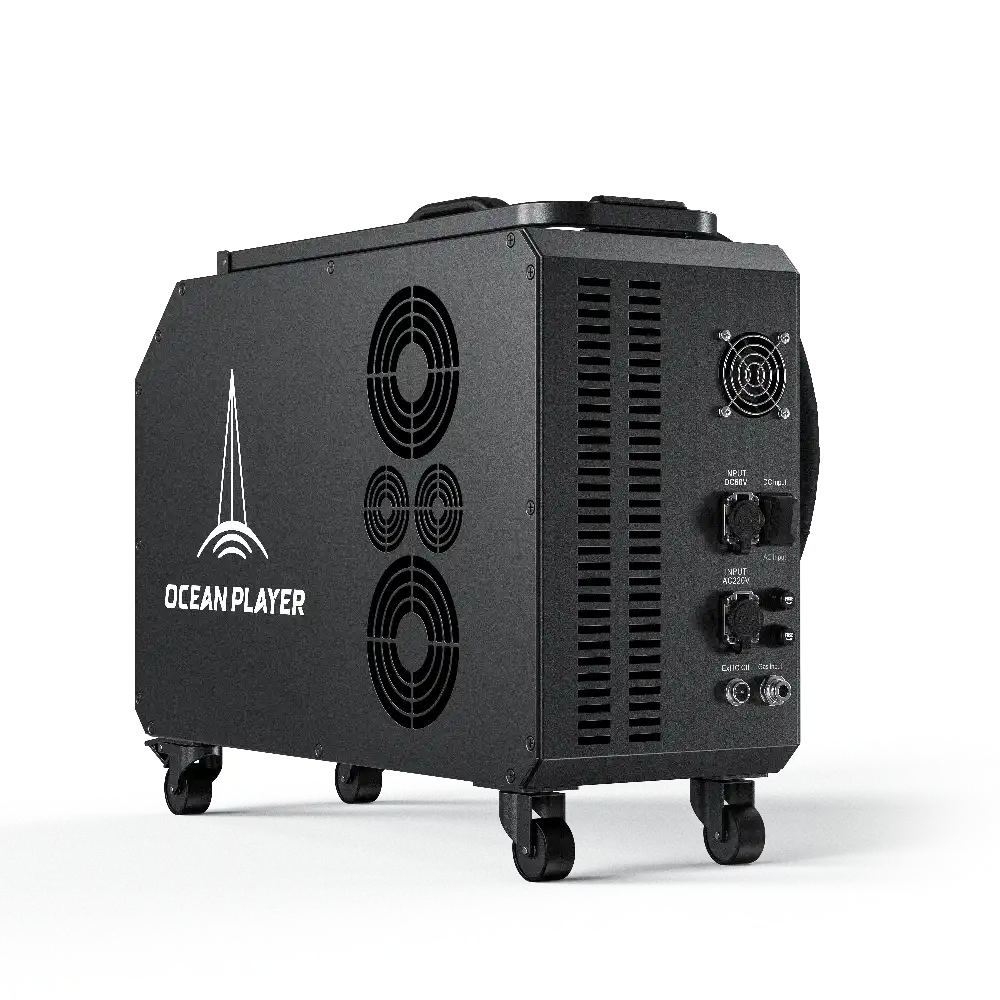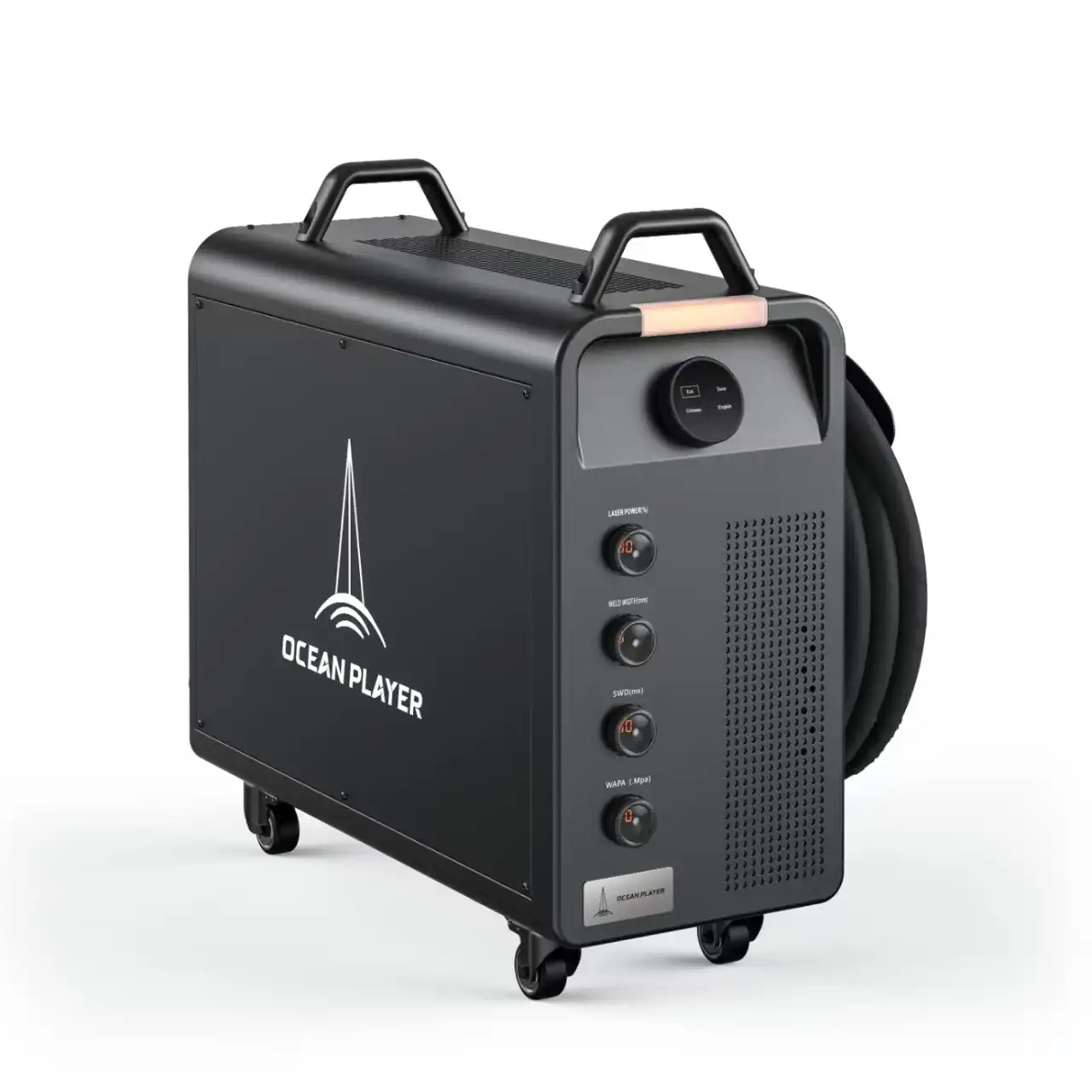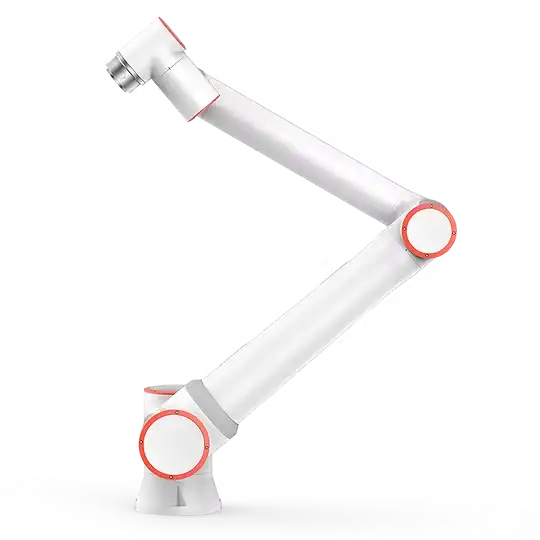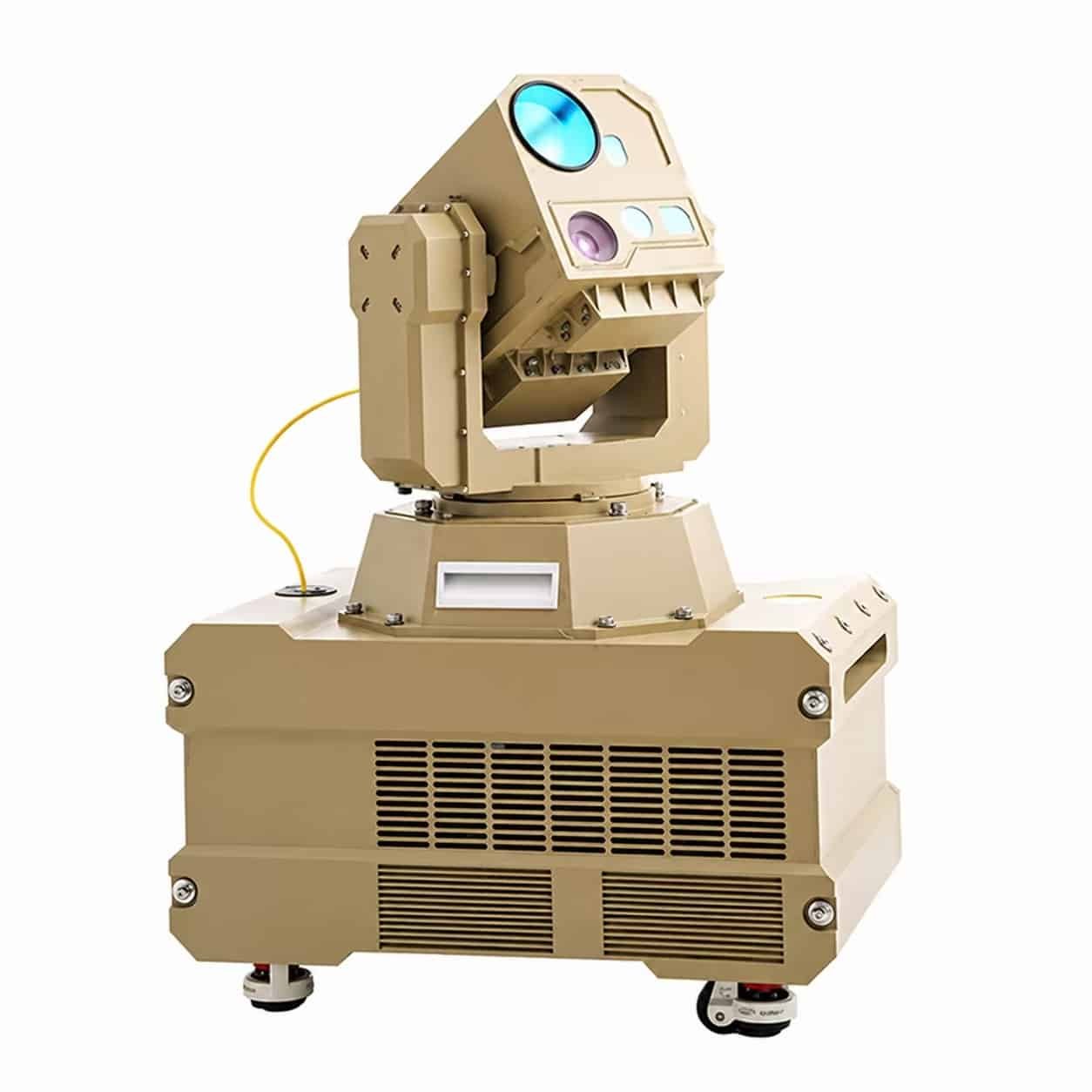
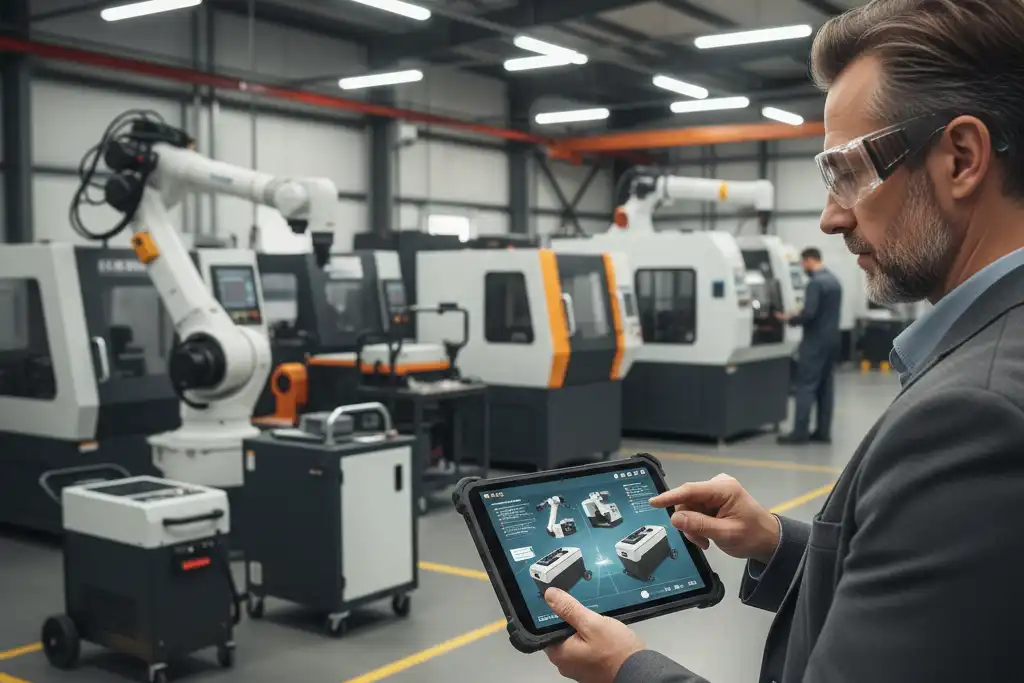
Choosing the right Laser Welding Machine begins with knowing what you need. Many people make mistakes because they do not think about their job. Some forget how much money they can spend. Others do not remember how much space they have. Some pick a machine that does not work with their metal. Others use the machine too much and it gets too hot. Pay attention to your materials, job size, and workspace. This way, you can avoid mistakes and pick the best machine for your work.
Key Takeaways
- Think about what you need to weld. Look at the materials, how thick they are, and how much work you have. This helps you pick the best machine for your jobs.
- Learn about the types of laser welding machines. Some types are fiber, CO2, and Nd:YAG. Each type works best for different uses.
- Look at the machine’s power and speed. More power lets you weld thicker things and work faster. This is important if you have a lot to do.
- Make safety and ease of use important. Pick machines with good safety features and designs that are easy to use. This helps you stay safe and work comfortably.
- Look up brands and compare prices. Pick a brand that is trusted and gives good help and training. This makes sure you get the most for your money.
Identify Your Welding Needs
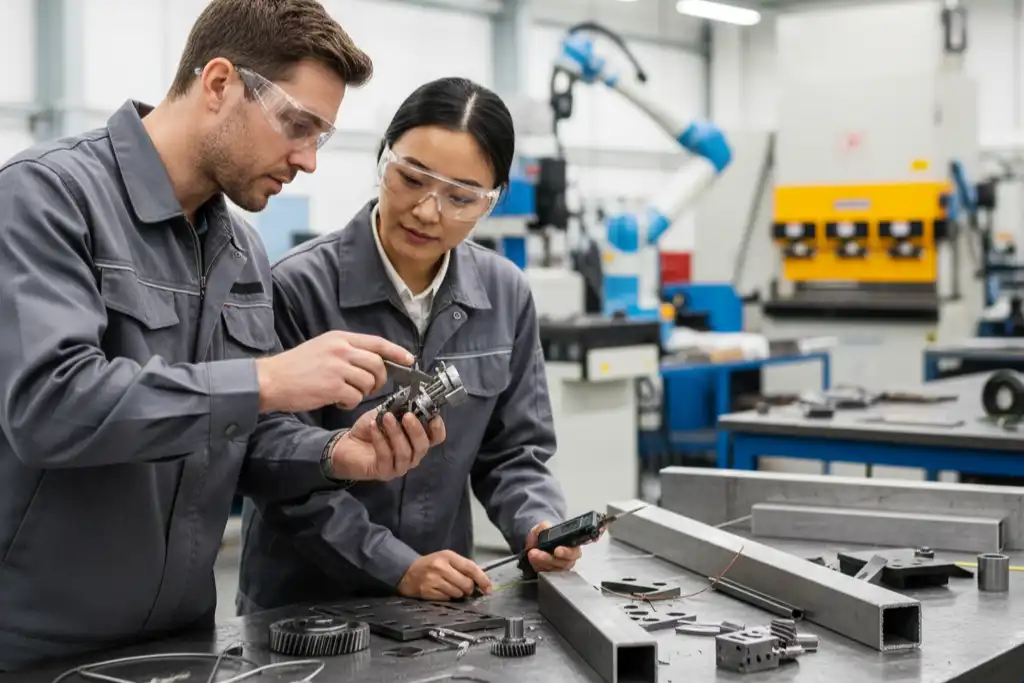
Before you pick a Laser Welding Machine, know what you want to weld. This step helps you not buy the wrong machine. Think about the materials you will use. Think about how thick they are. Think about how much welding you need to do. Think about your workspace. Think about your skill level.
Materials and Thickness
First, write down the metals you want to weld. Different metals need different settings and power. The thickness of the metal is important too. If you pick the wrong machine, your weld may not be strong.
Tip: Always check how thick your machine can weld for each material.
Here is a table to show what thickness you can weld with different power:
| Material Type | Max Thickness (1 kW) | Max Thickness (2 kW) | Max Thickness (3 kW) |
|---|---|---|---|
| Stainless Steel | 3mm | 6mm | 8mm |
| Carbon Steel | 3mm | 5mm | 8mm |
| Aluminum | 3mm | 5mm | 6mm |
The thickest metal you can weld depends on your Laser Welding Machine’s power. Most fiber lasers weld between 3 mm and 6 mm. This can change with the metal, speed, and joint design.
Application and Volume
Think about what you will use the Laser Welding Machine for. Will you weld a few pieces each week? Or do you need to weld many parts every day? The amount of work helps you pick the right power.
| Production Volume | Recommended Power | Benefits |
|---|---|---|
| High-Volume Production | 2kW to 3kW | Faster welding, deeper welds, more work done |
| Low-Volume Production | 1kW to 1.5kW | Enough power for small jobs |
If you have a big job, you need a machine with more power. This lets you weld faster and deeper. For small jobs, a lower power machine is fine and saves money.
Workspace and Skill Level
Your workspace matters when you pick a Laser Welding Machine. Make sure you have enough room for the machine and to work safely. Here are some common workspace needs:
| Constraint Type | Description |
|---|---|
| Machine Placement | Put the machine on a strong, flat surface. |
| Space Requirements | Leave space around the machine for safety and repairs. |
| Safety Measures | Use safety barriers and make sure workers are comfortable. |
Think about your skill level too. Some machines are easy to use. Others need special training. Here are some skills that help you use a Laser Welding Machine:
| Skill Category | Description |
|---|---|
| Technical Mastery | Know how to use MIG, TIG, and robotic welding. |
| Technical Literacy and Blueprint Analysis | Read drawings, measure parts, and know welding symbols. |
| Precision, Inspection, and Quality Awareness | Check your welds to make sure they are strong and safe. |
| Metallurgy and Material Knowledge | Know metal types and how they react to heat. |
| Equipment Operation and Troubleshooting | Use the machine and fix small problems. |
| Physical and Cognitive Abilities | Have good hand-eye coordination and solve problems. |
| Safety Focus and Emergency Preparedness | Know safety rules and what to do in emergencies. |
| Professionalism and Teamwork | Work well with others and finish jobs on time. |
Note: If you are new to welding, pick a machine with easy controls and good safety features.
By thinking about your materials, job size, workspace, and skills, you can pick a Laser Welding Machine that fits your needs. This step helps you avoid mistakes and makes your work safer and easier.
Laser Welding Machine Types
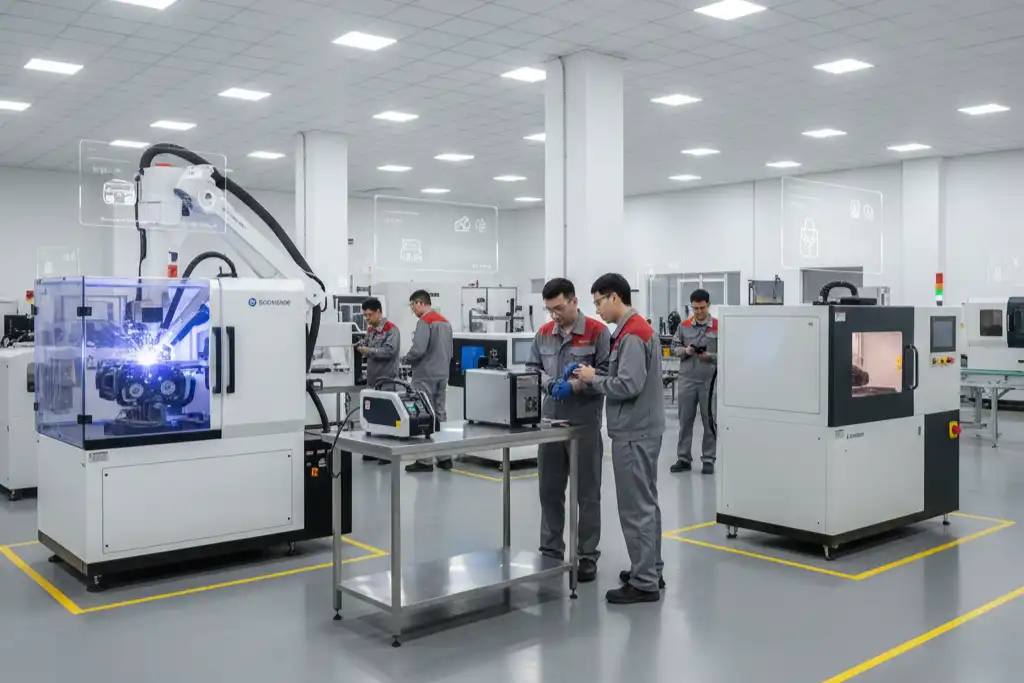
You should know the main Laser Welding Machine types. Each type is good for certain jobs and materials. There are fiber, CO2, and Nd:YAG machines. You also need to pick handheld or stationary models.
Fiber, CO2, and Nd:YAG
There are three main types you can buy. Each type has its own features. Check the table below to see how they compare:
| Feature | Nd:YAG Laser | Fiber Laser | CO2 Laser |
|---|---|---|---|
| Efficiency | Lower efficiency (3-4%) | Higher efficiency (30-45%) | Moderate efficiency |
| Cost | Higher operational costs | More cost-effective | Generally lower setup costs |
| Beam Delivery Method | Rigid optical setups | Flexible optical fibers | Rigid optical setups |
| Material Compatibility | Versatile for metals | Highly adaptable | Best for non-metals |
| Weld Characteristics | Wider HAZ, more distortion | Narrower weld bead, less distortion | Wider HAZ, more distortion |
| Applications | High precision industries | Suitable for various materials | Non-metal applications |
Fiber lasers are very efficient and work with many metals. CO2 lasers are best for non-metals and thick things. Nd:YAG lasers are good for thick metals and precise work.
Handheld vs. Stationary
You need to choose between handheld and stationary machines. Handheld models are easy to move and work on big or odd parts. Stationary machines stay in one spot and are good for repeat jobs.
- Handheld machines are great for repairs and small jobs.
- Stationary machines are best for factories and lots of work.
Tip: If your space is small or you need to move, use a handheld Laser Welding Machine.
Application Suitability
You should match the machine type to your job. Fiber lasers are used in cars, planes, and electronics. CO2 lasers are good for packaging and thick plastics. Nd:YAG lasers are used for medical tools and jewelry.
For jobs that need high precision, you can use:
- Fiber Laser Welding Machine for metal parts.
- Nanosecond Pulse Laser Welding Machine for tiny welds.
- QCW Fiber Laser Welding Machine for deep welds.
- YAG Laser Welding Machine for thick things.
- CNC laser welding machines for detailed shapes.
If you work with cars or planes, fiber and disk lasers are fast and make good welds. For electronics or medical tools, diode and Nd lasers are very accurate.
When you know about each type, you can pick the Laser Welding Machine that fits your needs and helps you do your best work.
Key Features and Specifications
When you choose a laser welding machine, you need to look at the main features and specifications. These details affect how well the machine works for your jobs. Focus on power output, welding speed, cooling systems, material compatibility, and safety features. Each part plays a big role in your daily work.
Power Output and Welding Speed
Power output tells you how thick a material you can weld. Higher power lets you weld thicker metals and finish jobs faster. For example, if you want to weld stainless steel, you need to match the power to the thickness. Use the table below to see what power you need for different thicknesses:
| Thickness (mm) | Required Power (W) | Laser Frequency (Hz) | Vibration Frequency (Hz) | Seam Width (mm) | Wire Speed Feed (mm/sec) |
|---|---|---|---|---|---|
| 0.5 | 350 | 5000 | 50 | 2.0 | 12.0 |
| 1.0 | 500 | 5000 | 50 | 2.0 | 12.0 |
| 1.8 | 700 | 5000 | 50 | 2.5 | 12.0 |
Welding speed also matters. Faster welding means you finish more work in less time. This is important if you have many parts to weld. Here are some points to remember:
- Increasing welding speed reduces the time for each weld.
- You can finish more jobs in the same amount of time.
- High speed is great for factories, but you must keep good weld quality.
Tip: Always balance speed and quality. Do not go too fast or you may get weak welds.
Cooling Systems
Cooling systems keep your machine from overheating. You need to pick the right cooling system for your power needs. There are two main types: water-cooled and air-cooled.
- Water-cooled systems use water to remove heat. They work best for high-power machines and long jobs. These systems keep the temperature steady and let you weld for a long time without stopping.
- Water-cooled machines can weld at speeds of 6 to 10 meters per minute. This is good for big jobs and high-volume work.
- Air-cooled systems are lighter and cost less. They work well for machines up to 1500W. These machines weld at 3 to 6 meters per minute, which is fine for small or medium jobs.
Note: If you plan to weld thick metals or work all day, choose a water-cooled system for better performance.
Material Compatibility
You must check if the machine works with your materials. Fiber laser welding machines can weld many metals. Look at the table below to see which materials work best:
| Material | Compatibility with Fiber Laser Welding | Advantages | Challenges |
|---|---|---|---|
| Carbon Steel | Compatible | Strong welds, good for big jobs | May distort if too thick |
| Alloy Steel | Compatible | Deep welds, keeps metal strong | None |
| Stainless Steel | Compatible | Clean welds, resists rust | None |
| Copper | Compatible | Good for electric parts | Hard to weld because it moves heat fast |
| Aluminum | Compatible | Fast, clean welds | Reflects light, can form oxide layer |
If you want to weld copper or aluminum, you need to set the machine right. These metals can be tricky because they move heat fast or reflect the laser.
Safety and Usability
Safety is very important when you use a laser welding machine. You must look for machines with strong safety features. International standards like ISO 11553-1 and ANSI Z136.1 set the rules for safe use. Here are some safety features you should check:
| Safety Feature | Description |
|---|---|
| Designated Controlled Area | Keeps the laser beam inside a safe space. |
| Safety Interlocks | Shuts down the machine if something is wrong. |
| Key for Laser ON/Off | Only trained people can turn on the laser. |
| 2-Step Laser Operation Trigger | Needs two steps to start, so you do not turn it on by mistake. |
| Part-Head Contact Safety Circuit | Laser works only when touching the part. |
| Compliance with International Standards | Follows ISO 11553-1 and ANSI Z136.1 for safety. |
You also need to think about how easy the machine is to use. For handheld machines, comfort matters a lot. A good handle helps you work longer without getting tired. A well-balanced grip gives you better control and makes your welds more precise.
- Ergonomic handles reduce strain on your hand and wrist.
- Better grip means you can weld small parts with more accuracy.
Remember: Always choose a machine that feels safe and comfortable. This helps you work better and avoid accidents.
By checking these key features and specifications, you can pick a laser welding machine that matches your needs and keeps you safe.
Compare Brands and Costs
When you pick a laser welding machine, look at more than just the machine. You should check different brands and see what support they offer. Think about how much the machine will cost you over time. This helps you avoid trouble and get the most for your money.
Brand Reputation and Support
First, find out if the brand is trusted. Big brands usually give better help and make stronger machines. Many top brands now have good after-sales service. They give fast technical help and fix machines quickly. They also have service centers in many countries. Leading companies can help you within 24 hours.
| Service Option | Description |
|---|---|
| 24/7 Technical Support | Hotlines give you help right away |
| On-site Maintenance and Training | Experts come to your place to set up and fix machines |
| Extended Warranty Options | Extra time for fixing parts and labor |
| Regular Software Updates | Keeps your machine working well |
Tip: Pick a brand with a strong service team. Fast help saves you time and money.
Price and Value
You should look at prices and see what you get. The price changes with power, features, and brand. Here is a table to show the price range:
| Power Output | Price Range |
|---|---|
| 1500W | $2,800 – $5,200 |
| 2000W | $3,600 – $7,800 |
| 3000W | $5,000 – $9,500 |
Some simple machines cost $2,500 to $10,000. The best machines can cost $150,000 or more. Remember, you also pay for setup, training, and repairs. Well-known brands may cost more at first, but they last longer and break less.
Warranty and Training
Check the warranty before you buy. Warranties are not all the same. Some brands give one year, others give up to five years. Here is a quick table:
| Manufacturer | Warranty Duration | Specifics |
|---|---|---|
| Amada Weld Tech | 2 years | Covers welders and markers; diodes/modules for 2 years or 10,000 hours |
| Everlast | 5 years (2+3) | First year covers replacement; next 3 years repair only |
| General | 1 year | May have extra conditions |
Training is important too. Many brands have training programs. You can learn in a classroom, by doing hands-on work, or by watching online videos. These lessons help you use, care for, and fix your machine.
- AMADA WELD TECH: Has classroom and hands-on lessons.
- LaserStar Academy: Gives online guides, videos, and live help.
- iWeld Laser Training: Teaches setup, care, and how to use the machine.
Note: Good training keeps you safe and helps you use your machine better.
Test and Decide
When you reach the final step, you need to test the Laser Welding Machine before you buy it. This helps you see how the machine works with your materials and job needs. You should always ask for a demo or sample weld from the supplier.
Request Demos or Samples
During a demo, pay close attention to these important factors:
- Laser power: Check if the machine can weld your material thickness.
- Welding speed: See how fast the machine works and if it fits your production needs.
- Focus position: Make sure the weld is strong and not too shallow.
- Material type and thickness: Test with your actual materials.
- Shielding gas: Look for clean welds and strong joints.
- Pulse duration: For pulsed lasers, check if the weld is precise.
- Environmental conditions: The workspace should be clean and well-ventilated.
- Clamping fixtures: Parts must stay in place for a good weld.
- Post-weld cooling: The weld should cool properly to avoid defects.
Ask the supplier to show you a weld on your own sample. This lets you see the real results.
User Feedback
You should talk to other users and read reviews. Many people say laser welding gives better quality than TIG welding. You get precise welds with less heat, which means less distortion. Laser welding can reach speeds up to 10 meters per minute and a precision of 0.1 mm. Automation helps keep welds consistent, especially for big jobs. Users in car and electronics factories like laser welding because it works with many materials and gives fast, high-quality results.
Tip: Always ask users about machine reliability and support. Their experience helps you avoid problems.
Final Checklist
Before you decide, use this checklist to make sure the machine fits your needs:
| Checklist Item | Description |
|---|---|
| Power Output | Check if the power matches your welding speed and strength needs. |
| Cooling System Requirements | Make sure the cooling system prevents overheating. |
| Weld Quality | Test if the machine meets your quality standards. |
| Certifications & Compliance | Look for certifications like CE or FDA. |
| Training and Technical Support | Confirm that training and support are available. |
Go through each item. If the machine passes all checks, you can buy with confidence.
If you follow each step in this guide, you can pick the best Laser Welding Machine. Make sure the machine’s features fit your project. This helps you get better welds, work faster, and use your time well. Try out machines before you buy to see if they are exact and work well. Look at different brands, check what each machine can do, and think about how much it will cost over time. When you know what you need and choose carefully, you save money and get strong, neat welds every time.
FAQ
What materials can I weld with a laser welding machine?
You can weld stainless steel, carbon steel, aluminum, copper, and alloy steel. Fiber lasers work best for metals. CO2 lasers suit non-metals. Always check your machine’s compatibility before you start.
How do I know what power output I need?
Match the power to your material thickness. For thin metals, use 1000W to 1500W. For thick metals, choose 2000W or higher. Check your project’s needs before you buy.
Is a handheld laser welding machine easy to use?
Handheld machines offer simple controls and ergonomic handles. You can move them easily. Beginners find them easier to learn. Always follow safety instructions for best results.
What safety gear should I wear when using a laser welding machine?
Wear laser safety glasses, gloves, and protective clothing. Use barriers to shield others. Always follow the safety rules from your machine’s manual.
Can I test a machine before buying?
Most suppliers offer demos or sample welds. Ask for a test with your own materials. This helps you see if the machine fits your needs.
The application advantages of laser welding in thin material welding
Comparison of Laser Welding, Spot Welding, and TIG Welding Technologies
What Metals Can Be Welded Using Laser Welding?
Laser Welding or Traditional Welding Which Is Better for Your Project