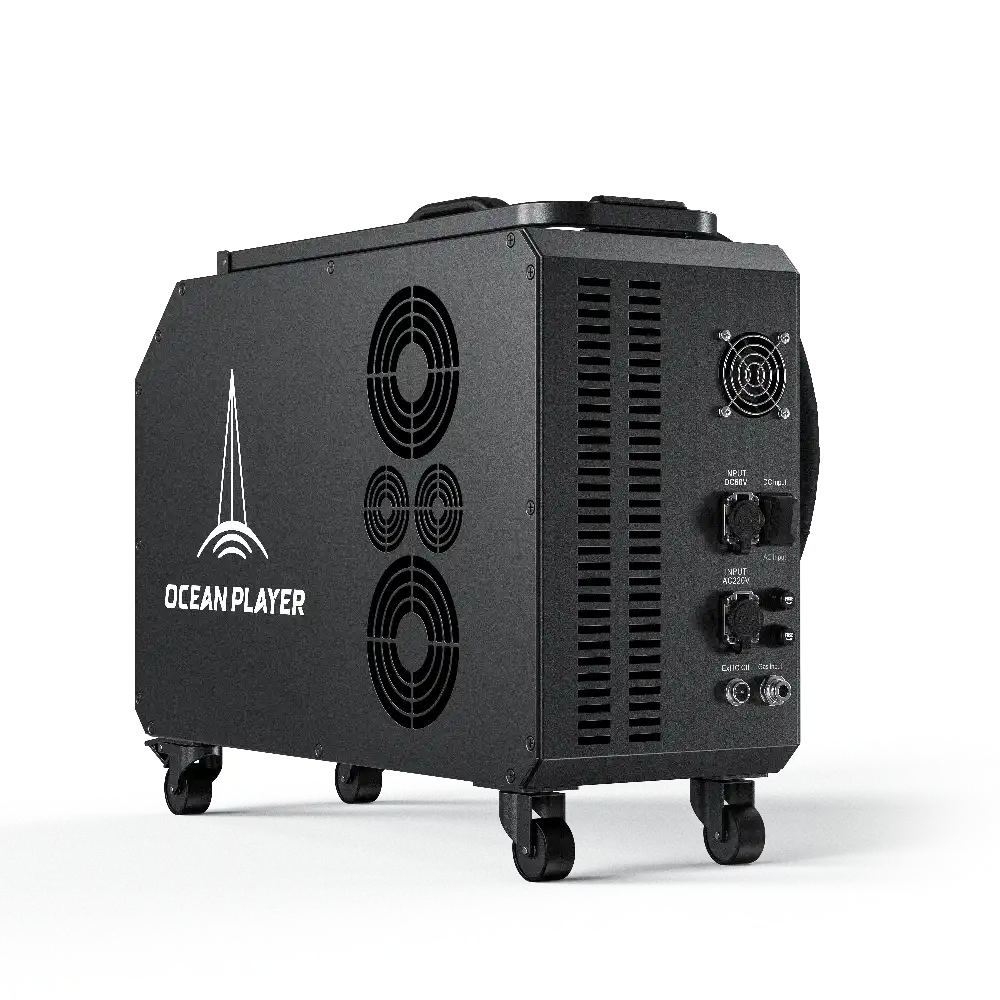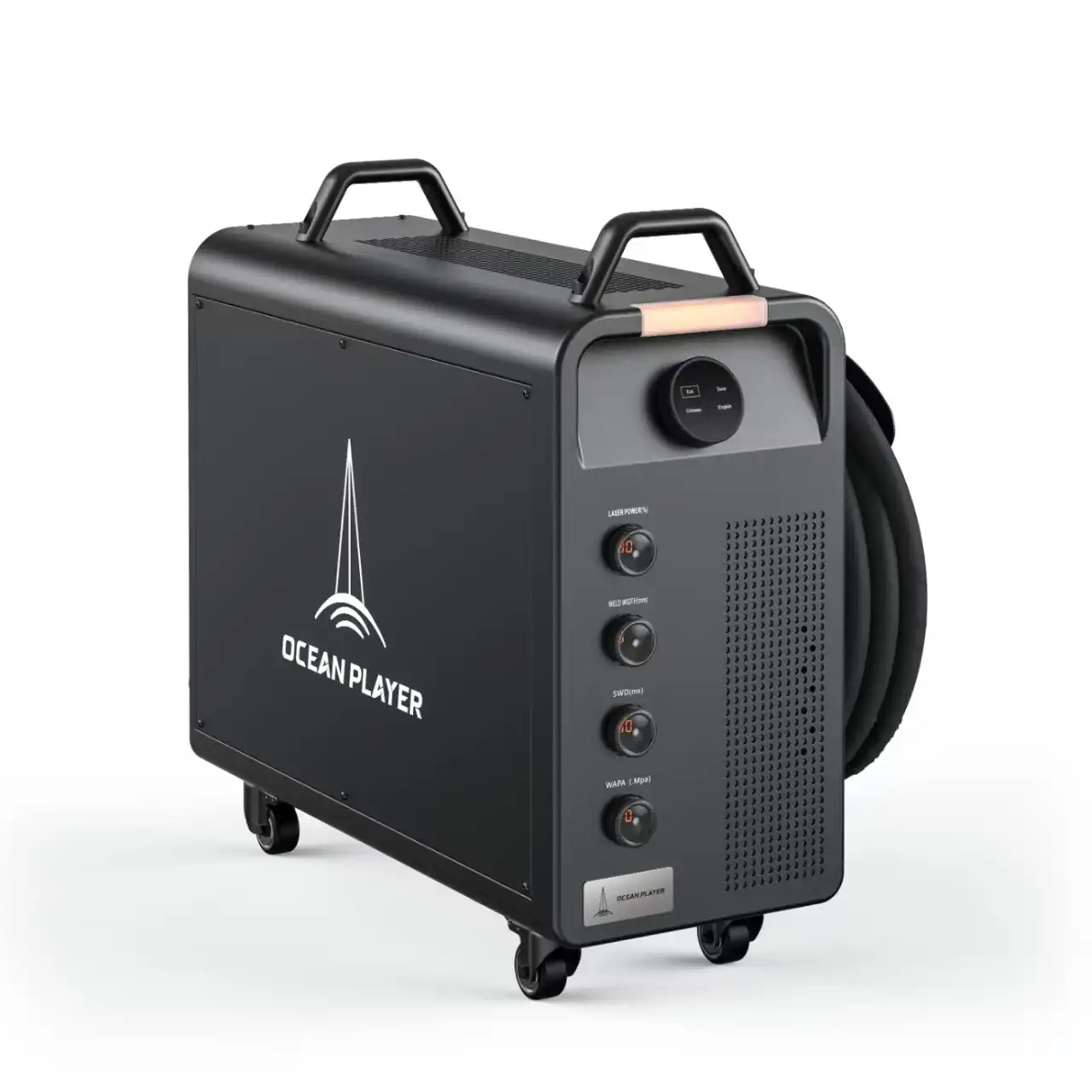
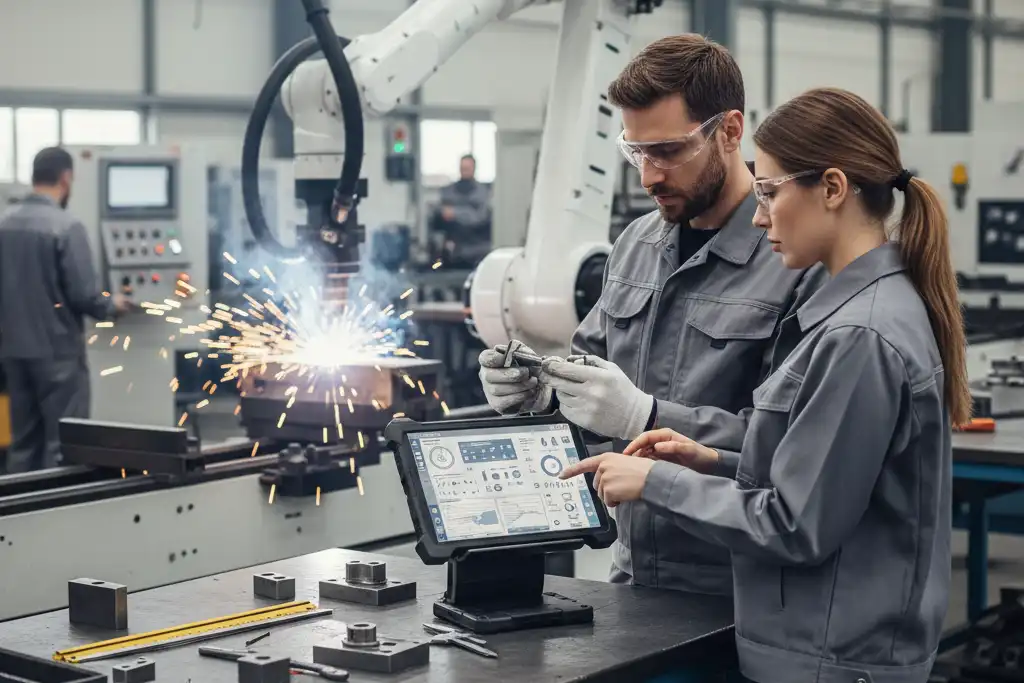
You can choose the right laser welding machine power by considering the power of the laser welding machine in relation to your materials, their thickness, and how quickly you want to complete your project. Start with a simple checklist: evaluate your budget, the type of metal, and what you aim to create. The price can vary significantly with different power levels, as illustrated below:
| Category | Entry-Level | Industrial Models |
|---|---|---|
| Power Range | 100W-1000W | 1000W-3000W+ |
| Price Range | $3,500–$10,000 | $21,000–$150,000 |
| Best For | Small shops | Large factories |
To understand the true cost, you need to consider more than just the price. Reflect on setup, maintenance, energy consumption, and service. Always review these factors before making your choice.
Key Takeaways
- Look at your materials and how thick they are before you pick a laser welding machine. This helps you choose the right power for strong welds.
- Do not make mistakes by using the wrong laser power or welding speed. Wrong settings can make things too hot or cause weak welds.
- Think about your budget and how much the machine will cost over time. Remember to include setup and energy use when you choose a machine.
- Change the power and speed if the material is thick. Thick materials need more power and slower speeds to weld well.
- Talk to experts and suppliers to help you decide. Their advice can help you save money and get better welding results.
Quick Power Selection Guide
Step-by-Step Checklist
You can find the right laser welding machine power by following these steps. First, figure out what material you want to weld. Next, measure how thick your material is. Think about how fast you need to finish your welding jobs. Check how much money you have for the machine and other costs. Look at your workspace and make sure it is safe. Pick the best shielding gas for your material. Make sure you and your team know how to use the machine.
Tip: Many surveys show mistakes happen when you set the wrong laser power or welding speed. Errors with focal length, shielding gas, or operator technique can also cause problems. These mistakes can lead to bad welds and wasted materials.
Common Mistakes to Avoid:
- Wrong settings for laser power or welding speed can cause overheating or weak welds.
- Operators who are not trained may move the laser in the wrong way or at different speeds.
- Shielding gas problems can make welds worse.
Key Considerations at a Glance
You need to match the laser welding machine power to your material and its thickness. Stainless steel and aluminum need different power levels. Aluminum needs more power because it heats up fast and reflects more laser energy.
Recommended Power Levels for Stainless Steel
| Power Level | Material Thickness (Stainless Steel) |
|---|---|
| 1000W | ≤ 2 mm |
| 1500W | ≤ 3 mm |
| 2000W | ≤ 5 mm |
| 3000W | ≤ 8 mm |
Recommended Power Levels for Aluminum
| Aluminum Thickness | Recommended Power Level |
|---|---|
| 0.8 mm | 500 W |
| 2.5 mm | 1100 W |
| 4.0 mm | 1400 W |
- Aluminum needs more laser power and slower welding speeds because it heats up quickly.
- Aluminum reflects more laser energy, so you might need a special laser.
- Steel keeps heat better, so you can use less power for the same thickness.
Note: The laser welding machine power changes weld quality, production speed, and energy costs. Always check the recommended power levels for your material and thickness before you start.
By using this guide, you can avoid mistakes and pick the best machine for your shop or factory.
The Power of the Laser Welding Machine: Core Selection Criteria
Material Type and Thickness
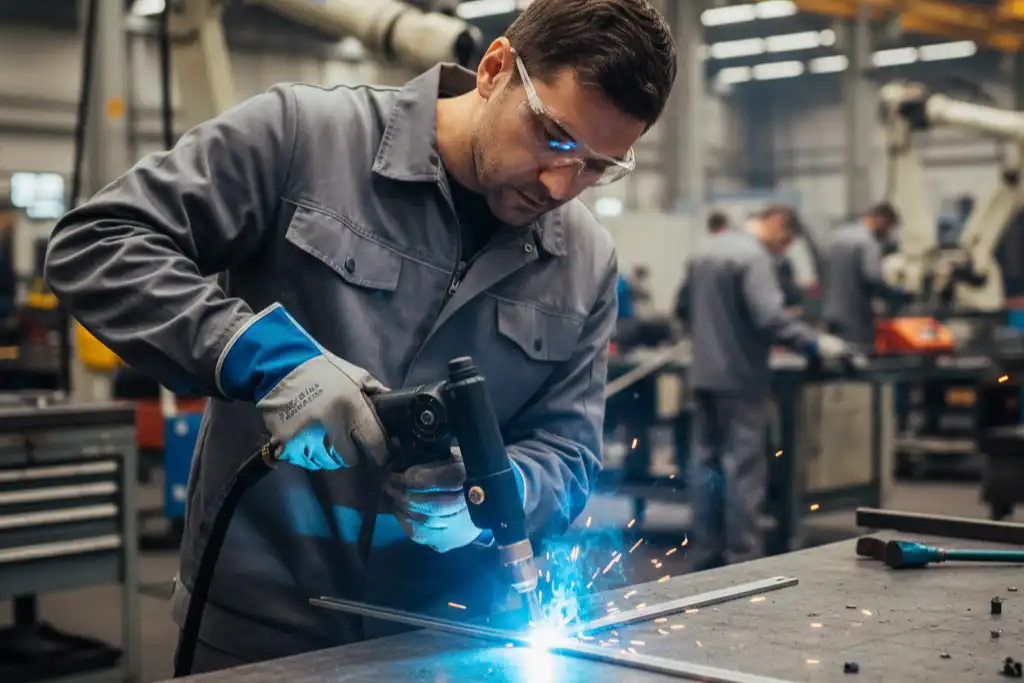
You need to look at the type of metal and its thickness before you choose the power of the laser welding machine. Different metals react in different ways to laser energy. Thicker plates need more power to melt and join the metal. Thinner plates need less power and allow you to weld faster. If you use too much power on thin materials, you might burn through the metal. If you use too little power on thick materials, you might not get a strong weld.
Here is a simple table that shows how thickness and power relate:
| Material Thickness | Required Power Level | Welding Speed |
|---|---|---|
| Thicker Plates | Higher Power | Slower Speed |
| Thinner Plates | Lower Power | Faster Speed |
You should always match the power of the laser welding machine to the thickness of your material. This helps you get strong welds and avoid mistakes.
Weld Width and Depth
Weld width and depth are important when you want to make sure your welds are strong and look good. The power of the laser welding machine affects both the width and the depth of the weld. Higher power can make wider welds and deeper penetration. Lower power gives you narrower welds and less depth.
| Parameter | Description |
|---|---|
| Weld Width | Correlates with laser power output, indicating that higher power can lead to wider welds. |
| Depth of Penetration | Increases with laser power, showing a direct relationship between power and penetration depth. |
| Weld Geometry Variability | Changes throughout the thickness, suggesting that laser power affects the overall weld profile. |
You can use these equations to see how power and speed change the weld:
| Equation | Description |
|---|---|
| α = 512A² + 77.8B² – 2680A – 723B + 6410 | Top bead width depends on laser power and welding speed. |
| β = -624A² – 23.6B² + 4686A – 628B – 1897 | Depth of penetration depends on laser power and welding speed. |
| γ = -15.2A² + 54.2B² + 329A – 519B + 954 | Heat affected zone width depends on laser power and welding speed. |
If you want a deep and wide weld, you need to use more power and adjust your speed. If you want a narrow weld, you can use less power.
Heat Input and Control
Heat input is the amount of energy you put into the metal during welding. You need to control heat input to avoid warping or damaging your parts. The power of the laser welding machine lets you adjust the heat input for different metals and thicknesses.
Here is a table that shows recommended heat input for some common metals:
| Metal Type | Thickness (mm) | Recommended Heat Input (kJ/mm) |
|---|---|---|
| S355J2 | 20 | 1.6 to 2 |
| S355J2 | 25 | 2 to 2.4 |
| EH36 | 30 | 3.7 |
If you use too much heat, you can make the metal soft or cause cracks. If you use too little heat, the weld might not be strong. You should always check the recommended heat input for your metal and adjust the power of the laser welding machine to match.
Tip: Always monitor the heat input during welding. This helps you keep your welds strong and your parts safe.
Welding Speed and Productivity
Welding speed affects how fast you finish your work and how much power you need. If you weld faster, you need less power for thin materials. If you weld slower, you need more power for thick materials. The power of the laser welding machine helps you balance speed and quality.
- As welding speed increases, the area and width of the fusion zone decrease.
- Higher speeds shorten the laser’s dwell time on the workpiece surface.
- This results in reduced heat conduction area, shrinking the fusion zone and heat-affected zone.
Here is a table that shows how speed changes with thickness:
| Material Thickness | Recommended Speed Range (m/min) | Impact on Weld Quality |
|---|---|---|
| Thin materials (<1.0mm) | 5-10 | Prevents overheating |
| Thicker materials (>3.0mm) | 1-5 | Allows for deeper fusion |
- Higher welding speeds lead to shallower penetration and narrower welds.
- Lower welding speeds allow for deeper penetration but may increase the heat-affected zone.
- Finding the right speed is crucial for maintaining weld integrity and productivity.
You should always adjust the power of the laser welding machine and your welding speed to get the best results. This helps you finish your work faster and keep your welds strong.
Power Ranges and Applications
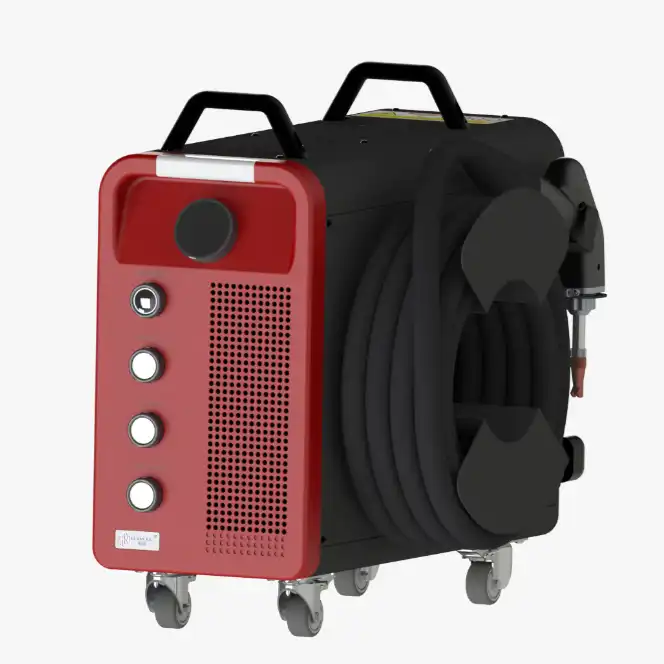
1000W: Small-Scale and Thin Materials
A 1000W laser welding machine is good for thin metals. It works well for small projects. You can use it for stainless steel and aluminum sheets that are 1-2 mm thick. These machines are common in car and airplane workshops. Electronics makers use them for copper and brass connections. Here is a table with examples:
| Material Type | Thickness Range | Industry Usage |
|---|---|---|
| Stainless Steel | 1-2 mm | Automotive, Aerospace |
| Aluminum | 0.5-1.5 mm | Automotive, Aerospace |
| Copper | Thin | Electronics |
| Brass | Thin | Electronics |
| Carbon Steel | 4-6 mm | Construction, Automotive |
| Titanium | Up to 4-6 mm | Aerospace |
Tip: Pick 1000W machines for jobs that need accuracy. They are best for thin materials. You get neat welds and less heat damage.
1500W: Versatile Medium Applications
A 1500W laser welding machine can handle medium-thickness metals. You can weld pure copper up to 2 mm thick. Titanium can go up to 3 mm. Alloy steel can go up to 4 mm. This power is good for shops that work with many metals. The chart below shows the thickest you can weld for each material.
| Material | Maximum Welding Thickness (1500W) |
|---|---|
| Stainless Steel | up to 4 mm |
| Carbon Steel | up to 4 mm |
| Galvanized Steel | up to 3 mm |
| Aluminum | up to 3 mm |
| Brass / Copper | up to 1.5 mm |
Note: You can use 1500W machines for car parts, building materials, and general metal work.
2000W: Thicker Metals and Higher Output
A 2000W laser welding machine is great for thick metals. It is fast and makes strong welds. You get deep welds and clean results. The heat-affected area is small, so there is less bending. The table below shows the main features:
| Feature | Description |
|---|---|
| Weld Quality | High quality, strong and clean welds |
| Speed | Fast welding, effective for thick metals |
| Penetration | Deep penetration for thick materials |
| Heat-Affected Zone | Minimal, reduces distortion |
| Efficiency | Handles complex welding tasks efficiently |
You can use 2000W machines for big equipment, machines, and tough jobs.
3000W+: Heavy-Duty and Industrial Use
A 3000W or higher laser welding machine is for the hardest jobs. These machines are used where you need lots of power and speed. You see them in car body welding and battery assembly. They are used for airplane parts and medical tools. Energy companies use them for batteries and power gear. Metal shops use them for big machines and pipes.
- Automotive: Car body welding, battery packs
- Electronics: Circuit boards, connecting parts
- Medical: Surgical tools, device cases
- Aerospace: Big parts, fuel systems
- Energy: Batteries, power equipment
- Mechanical: Making equipment
- Kitchenware: Welding kitchen items
- Rail transit: Tracks and train parts
- Arts and crafts: Custom crafts
With this much power, you can weld thick steel and strong alloys. You can do big projects without worry.
Balancing Efficiency and Cost
Production Volume vs. Power Needs
You should pick a machine power that fits your work amount. If you have a small shop and weld thin pieces, a low-power machine saves money and energy. Big factories that weld a lot need stronger machines to keep up. Think about how much welding you do each day. If you get a machine that is too strong, you waste energy and spend more money. If your machine is too weak, you work slower and your welds might not be good.
Tip: Always think about your work goals before buying a machine. This helps you not buy a machine that is too strong for your needs.
Energy Use and Operating Costs
Laser welding machines use electricity every hour they work. More power means more energy use and higher bills. You can see how much energy different machines use in the table below:
| Power Level (W) | Energy Consumption (kWh/hour) | Daily Consumption (kWh) | Daily Cost (USD) |
|---|---|---|---|
| 2500 | 2.5 | 20.0 | $2.80 |
| 2800 | 2.8 | 22.4 | $3.14 |
If you use your machine all day, the cost gets bigger. Think about how much you will use the machine and what your electricity costs are. Picking the right power helps you keep your spending under control and avoid surprises.
Avoiding Over- or Under-Specification
You want to save money and work well. Follow these steps to make a good choice:
- Check what you make and how you make it. Look at your material and how thick it is to find the right power.
- Talk to experts and machine sellers. Ask for help and learn from their advice.
- Test different power settings in your shop. Try them out to see what works best.
Choosing carefully saves you money at the start and keeps your bills low. You get the best results when your machine fits your needs. If you pick the right power, you work better and your shop runs well.
Note: The right power helps you weld faster, save energy, and avoid mistakes that cost money.
Evaluating Your Requirements
Assessing Materials and Joint Design
You should check your materials and how you will join them. Every material acts differently when you use laser welding. Some metals take in laser energy well, but others bounce it away. Thick materials need more power to melt. Thin sheets can bend if you use too much power. The way you make your joints is important too. Harder joints might need more power for a strong weld.
- Measure how thick your materials are. Thicker ones need more power.
- Find out what kind of metal you have. Aluminum and stainless steel need different settings.
- Think about how much laser energy your material takes in.
- Check your joint design. Harder joints might need more power.
- Change your settings, like power and speed, to get the best welds.
Tip: Changing your machine settings helps you stop mistakes and get strong, neat welds.
Estimating Throughput and Quality
You want to see how fast you can work and how good your welds are. Laser welding machines use sensors to check things like voltage and current. The machine looks at these signals to guess how good the weld will be. You can use models to guess how much you can make and if your welds are good enough.
| Component | Description |
|---|---|
| Input Signals | The machine checks voltage, current, and how the electrode moves. |
| Processing | It looks at these signals to find important details. |
| Models | The system uses models to guess weld quality from the signals. |
| Quality Evaluation | The machine checks if the welds are as good as you want. |
Note: Good machines help you watch your work and keep your welds the same every time.
Consulting Suppliers and Experts
Before you buy a laser welding machine, talk to suppliers and experts. They can help you pick the right machine for your needs. You should look at things like power output, beam quality, welding speed, and how well the machine works. Ask about help and training. Think about the total cost, not just the price.
- Find out what materials you will weld.
- Decide how thick your materials are.
- Set your goal for welding speed.
- Ask about the machine’s cooling, spot size, and focus.
When you talk to experts, you make better choices and avoid big mistakes.
You can pick the right laser welding machine power by doing these things: First, check what kind of material you have and how thick it is. Next, think about what you want your welds to look like and how fast you need to work. Make sure you know how to handle heat and keep things cool. Think about what you will use the machine for. Try out different materials to see which settings work best. Ask people who know a lot about laser welding for help. Look at how much money you can spend and how much it will cost to run the machine.
For the best outcome, use this list and talk with experts. Try to get good results, save money, and make smart choices for your shop.
FAQ
What happens if you use too much power for thin materials?
You risk burning through the metal. The weld may look rough or have holes. Always match the power to your material thickness for the best results.
Can you weld aluminum and stainless steel with the same machine?
Yes, you can. You must adjust the power and settings. Aluminum needs more power than stainless steel because it reflects more laser energy.
How do you know if your weld quality is good?
Check for smooth, even welds with no cracks or holes. Good welds look shiny and strong. You can also use sensors or inspection tools to test strength.
Is higher power always better for faster welding?
Not always. Higher power can speed up welding, but it may cause overheating or poor welds on thin materials. Choose the right power for your job.
Do you need special training to use a laser welding machine?
Yes. Training helps you set the correct power, speed, and safety steps. Proper training prevents mistakes and keeps you safe.
Comparison of Laser Welding, Spot Welding, and TIG Welding Technologies
What Metals Can Be Welded Using Laser Welding?