When searching for the best machine for cleaning, it’s important to consider the differences between CO₂ vs Fiber Laser Cleaning Machines. Each type of machine excels in cleaning specific materials. You should choose the machine that aligns with your material and the cleaning task at hand. Take into account factors such as speed, maintenance requirements, cost, and environmental impact. By selecting the appropriate machine for your job, you will achieve superior results.
Tip: Always evaluate your material before selecting a laser cleaning machine.
Key Takeaways
- Pick the right laser cleaning machine for your material. Fiber lasers clean metals best. CO₂ lasers work well on things like wood and glass.
- Fiber laser cleaning machines are quicker than CO₂ lasers. They use less energy and need less fixing. This saves money over time.
- CO₂ lasers clean gently and are good for soft materials. Use them for jobs that need careful work, like cleaning art or breakable things.
- You must take care of CO₂ lasers often. Check and clean them every month. This helps them work well and last longer.
- Safety is very important when using laser cleaning machines. Wear safety gear and make sure your room has good airflow.
Quick Comparison Table
Key Features Overview
It is important to know how CO₂ and fiber laser cleaning machines are different. The table below shows how they are not the same in wavelength, speed, and efficiency. Fiber lasers clean faster and use less energy than CO₂ lasers.
| Feature | CO₂ Laser | Fiber Laser |
|---|---|---|
| Wavelength | 9.3-10.6 μm | 0.78-2.2 μm |
| Processing Speed | Slower | About 3 times faster |
| Efficiency | 3-4 times less efficient | 3-4 times more efficient |
| Materials | Non-metals, plastics, some metals | Metals, rust, paint, coatings |
| Cleaning Effect | Gentle, less aggressive | Deep, precise, aggressive |
| Maintenance | High, complex | Low, simple |
| Price | Moderate | Higher initial cost |
| Applications | Stone, wood, glass, plastics | Metal surfaces, industrial cleaning |
Strengths and Limitations
You should think about what each machine does well and where it is weak before you pick one.
- Fiber Laser Cleaning Machines
- These machines clean things faster and use less energy.
- You do not need to fix them often because they have a solid-state design. This means there are fewer parts that can break.
- They clean metal surfaces very well and with great detail.
- You pay more at first, but you save money later because they cost less to run.
- CO₂ Laser Cleaning Machines
- These machines are good for cleaning things like wood, stone, and glass in a gentle way.
- They need more care and fixing because they have more parts.
- They clean slower and use more energy.
- The price is not too high, but you may spend more on repairs and keeping them working.
Tip: If you want to clean metals fast and do not want to stop for repairs often, fiber laser cleaning machines work better and need less care.
CO₂ Laser Cleaning Machines

How CO₂ Lasers Work
CO₂ laser cleaning machines take away unwanted layers from surfaces. The machine uses a strong beam of light on the material. Laser cleaning works because some things absorb energy faster than others. Dirt and coatings soak up the laser’s energy quickly. This makes them heat up and turn into vapor. The surface under the dirt stays safe.
- The laser beam matches how the contaminant absorbs energy.
- Rust, paint, and other layers heat up and vanish.
- The base material does not get much energy, so it stays safe.
Note: This process gives you a clean finish with little work and keeps your material safe.
Best Materials and Uses
CO₂ lasers work best on non-metal surfaces. These machines clean wood, stone, glass, and plastics well. You can clean delicate things without hurting them. CO₂ lasers also help remove organic dirt, paint, and thin coatings.
Strengths of CO₂ Lasers
CO₂ laser cleaning machines have many strengths:
- You control the cleaning very well. You can take off thin or thick layers.
- The process does not touch the material, so it stays safe.
- You can clean fragile items like artwork without damage.
- The surface stays smooth, with roughness less than 0.1 μm. This makes CO₂ lasers good for valuable parts.
Tip: Use CO₂ lasers for jobs that need gentle cleaning and careful handling.
Limitations and Maintenance
There are some limits to CO₂ lasers. They clean slower than fiber lasers. They use more energy and need more care. The machines have more parts, so repairs happen more often. You should check your machine often to keep it working well.
Typical Applications
CO₂ laser cleaning machines help in many industries:
- Aerospace: You clean turbine blades, help them work better, and cut down waste.
- Automotive: You take off rust before welding, which makes welds stronger and helps work go faster.
- Marine: You clean ship hulls, help them move better, and save fuel.
Callout: CO₂ laser cleaning machines help you clean carefully in industries where gentle work is important.
Fiber Laser Cleaning Machines
How Fiber Lasers Work
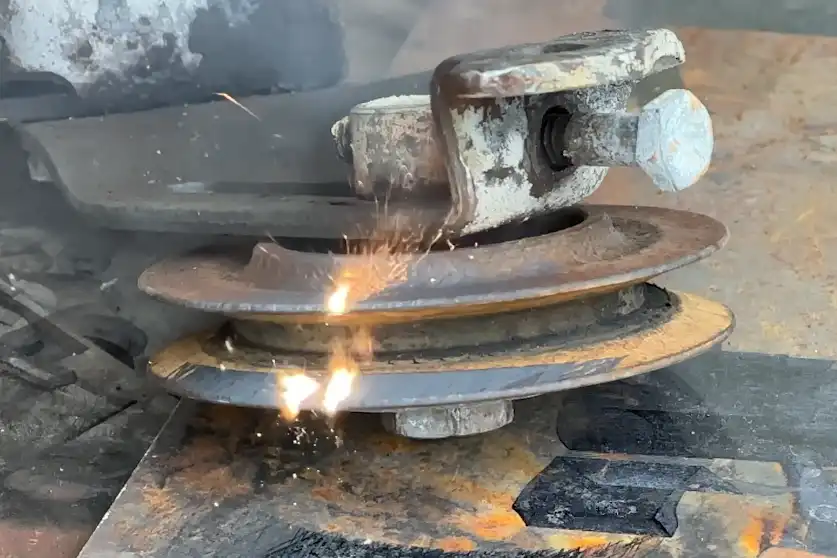
Fiber laser cleaning machines take off unwanted layers from surfaces. They use optical fibers to make the laser beam stronger. This gives you a powerful and clear beam. The laser hits the dirt and turns it into vapor fast. You do not need to use chemicals or rough tools. The process does not touch your material, so it stays safe.
Tip: Fiber laser cleaning is great for fast and careful work on hard surfaces.
Best Materials and Uses
Fiber lasers work best on hard things. They clean metals and ceramics very well. You can take off oil, dust, rust, paint, and electrolyte from these materials.
- Metals
- Ceramics
- Things like oil, dust, rust, paint, and electrolyte
Steel cleans well because it soaks up the laser. Aluminum alloys need short laser bursts to break oxide layers. Composites may need special laser colors to clean resin.
- Steel: Takes off rust quickly.
- Aluminum alloys: Needs special settings to break oxide.
- Composites: Cleans resin with green or UV lasers.
Strengths of Fiber Lasers
Fiber laser cleaning machines have many good points:
- They work fast and clean off dirt quickly.
- They are good for the environment because you do not use chemicals and waste is easy to handle.
- They cost more at first but save money later.
- They clean well without touching or hurting the surface.
Note: Fiber lasers let you clean fast and well, and keep your work area safe.
Limitations and Considerations
You should know what fiber lasers cannot do. They work best on hard things. They do not clean soft or shiny things well. You need clean air and the right temperature for good results. Fiber lasers do not work well in small spaces like inside pipes. Thick layers may need to be cleaned more than once. If you use the wrong settings, you can hurt your material. You must learn how to use the machine safely.
- Not for all materials
- Uses a lot of energy
- Needs clean air and steady temperature
- Not good for small spaces
- Not as good on thick layers
- Can damage things if used wrong
- Needs someone trained to use it
Typical Applications
Fiber laser cleaning machines are used in many jobs. The table below shows where you can use them and what they do.
| Industry/Application | Benefits |
|---|---|
| Mold Industry | Cleans without damage, gives good control, no chemicals. |
| Rust Removal | Cleans rust fast and is good for the environment. |
| Surface Preparation | Takes off paint and oxide without hurting the surface. |
| Precision Metal Products | Cleans small parts carefully. |
| Aerospace | Removes paint and oxides, helps make better welds. |
| Rail Tracks | Cleans rails cheaply, is safe for the environment, and protects the rail. |
| Automotive Industry | Cleans welding spots and helps make welds stronger. |
Callout: Fiber laser cleaning machines help you clean fast, safe, and well in jobs that need high quality.
CO₂ vs Fiber Laser Cleaning Machines
Material Compatibility
You should know which machine fits your materials. CO₂ and Fiber Laser Cleaning Machines have different uses. Fiber lasers clean metals and hard plastics well. CO₂ lasers clean things like wood, acrylic, glass, and fabric. The table below shows which materials work with each laser.
| Laser Type | Compatible Materials | Key Features |
|---|---|---|
| Fiber Laser | Metals, Hard Plastics | Makes strong marks on steel, aluminum, copper. Good for serial numbers and barcodes. |
| CO₂ Laser | Wood, Acrylic, Glass, Fabric | Makes detailed designs on wood, engraves acrylic, marks glass and fabric. |
Tip: Use fiber lasers for cleaning metal. Use CO₂ lasers for soft or delicate surfaces.
Performance and Speed
CO₂ and Fiber Laser Cleaning Machines work at different speeds. Fiber lasers clean much faster than CO₂ lasers. You finish jobs quickly with fiber lasers. CO₂ lasers take longer, especially with thick dirt. Fiber lasers start cleaning right away. CO₂ lasers need about ten minutes to warm up.
- Fiber lasers clean up to five times faster.
- You save time and get more work done with fiber lasers.
Efficiency and Environmental Impact
You want a machine that saves energy and helps the planet. CO₂ and Fiber Laser Cleaning Machines are different here.
- Fiber lasers use half as much electricity as CO₂ lasers.
- CO₂ lasers need 7 to 15 kilowatts. Fiber lasers need only 2 to 4 kilowatts.
- Fiber lasers turn half their electricity into laser energy. CO₂ lasers only turn 10% to 20%.
- Fiber lasers can cut your energy costs by 40%.
- Fiber lasers make less waste and keep the air cleaner.
Note: Fiber lasers help you save money and protect nature.
Maintenance and Reliability
CO₂ and Fiber Laser Cleaning Machines need different care. Fiber lasers have sealed paths. You do not clean them often. CO₂ lasers have open paths and more parts. You clean and fix them more. Fiber lasers do not need warm-up time. CO₂ lasers do. Fiber lasers break down less and work more reliably.
| Feature | CO₂ Laser | Fiber Laser |
|---|---|---|
| Maintenance | High (clean optics, fix leaks) | Low (sealed, less cleaning) |
| Reliability | Lower (more issues) | Higher (steady performance) |
| Warm-up Time | About 10 minutes | None |
| Beam Path Maintenance | Regular cleaning needed | No cleaning needed |
- Fiber lasers need less care.
- CO₂ lasers have more problems like dirty optics and leaks.
- Fiber lasers work more steadily.
Cost Comparison
CO₂ and Fiber Laser Cleaning Machines cost different amounts. Fiber lasers cost more to buy. You pay less to run them. CO₂ lasers use more power and gas. You spend more on electricity and gas. Both need $2,000 to $5,000 for maintenance each year. Labor costs are about 10-20% of your total. Facility costs can be $5,000 to $15,000 per year.
- Fiber lasers use 6–10 kWh. CO₂ lasers use 15–30 kWh.
- Running a fiber laser for 8 hours costs $5 to $8. CO₂ lasers cost $10 to $20.
- CO₂ lasers need more gas, which costs more.
Tip: Fiber lasers cost more at first but save you money later.
Automation and Precision
CO₂ and Fiber Laser Cleaning Machines offer different automation and precision. Both can be programmed for automatic cleaning. Fiber lasers give you more control over power. You clean many materials with one machine. Fiber lasers are very precise for careful jobs. CO₂ lasers are good for tough cleaning.
| Feature | CO₂ Laser Cleaning Machines | Fiber Laser Cleaning Machines |
|---|---|---|
| Power and Efficiency | High power for organic materials | High precision for many surfaces |
| Automation Capabilities | Programmable for cleaning tasks | Variable power for different jobs |
| Precision Levels | Good for tough cleaning | Excellent for fine restoration |
Note: Fiber lasers help you clean with great detail and control.
Real-World Use Cases
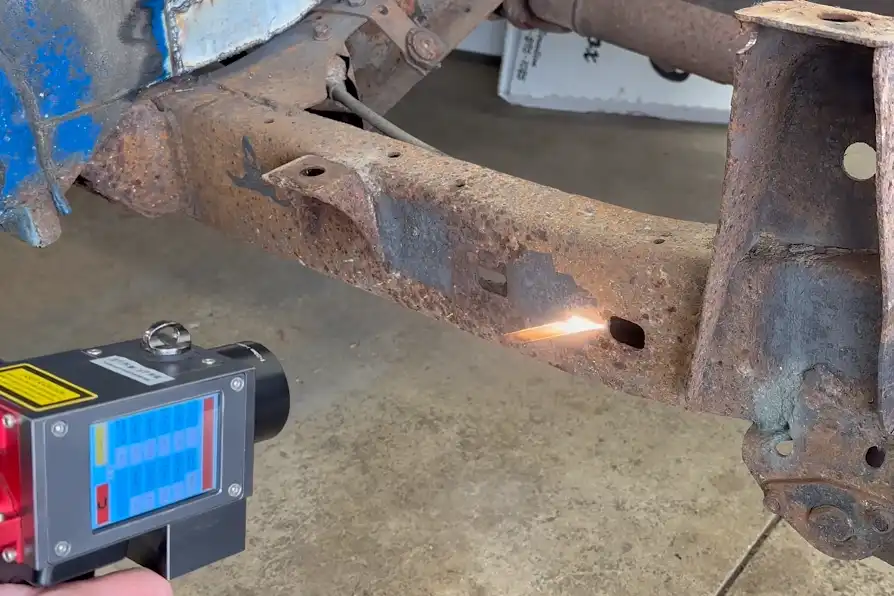
You see CO₂ and Fiber Laser Cleaning Machines in many places. Fiber lasers clean rust from steel in factories. They prepare metal for welding in car plants. CO₂ lasers clean artwork, glass, and wood in museums and workshops. Fiber lasers remove paint and oxides in aerospace and rail jobs. CO₂ lasers help with gentle cleaning when you need to protect the material.
- Fiber lasers: Rust removal, metal prep, aerospace, rail tracks, automotive.
- CO₂ lasers: Artwork cleaning, glass engraving, wood restoration, delicate surfaces.
Callout: Pick the right machine for your job. Fiber lasers are best for metals and tough cleaning. CO₂ lasers are better for gentle and careful cleaning.
Choosing the Right Machine
Decision Factors
You need to think about a few things before picking a laser cleaning machine. First, look at what material you want to clean. Fiber lasers work best for metals like aluminum and brass. CO₂ lasers are good for stainless steel, mild steel, wood, and plastics. Next, check how big the area is that you need to clean. If you have large metal sheets with rust, a strong continuous laser cleaning machine will help you finish faster. If you have different cleaning jobs, a pulse laser cleaning machine gives you more choices.
You should also look at the laser’s wavelength, pulse width, and fluence. Wavelength changes how much energy your material takes in. Infrared lasers work well for metals. Green or UV lasers are better for paint or organic dirt. Pulse width changes how quickly the energy hits the surface. Use nanosecond pulses for rust. Use picosecond pulses for gentle cleaning. Fluence shows how strong the cleaning is. Low fluence is soft. High fluence takes off tough layers.
Tip: Always pick the right laser type and settings for your material and cleaning job.
Practical Recommendations
Here are some easy steps to help you choose the best machine and use it safely:
- Figure out your main cleaning jobs and match each job to the right machine.
- Teach everyone who will use the machine about safety and how to use it.
- Add laser cleaning to your regular maintenance plan.
- Check your cleaning process often and find ways to make it better.
| Parameter | Description | Material Application Examples |
|---|---|---|
| Wavelength | Controls how much energy is absorbed | Infrared for metals, UV for organics |
| Pulse Width | Changes how fast energy is delivered | Nanosecond for rust, Picosecond for careful jobs |
| Fluence | Shows cleaning strength | Low for light dirt, High for tough dirt |
| Repetition Rate | Changes cleaning speed | Low for deep cleaning, High for quick jobs |
| Scan Speed | Changes how much area is cleaned | Slow for thick layers, Fast for thin layers |
- Wear laser safety glasses and gloves.
- Make sure you have good air flow and fume extractors.
- Hold your workpiece and machine steady before you start.
- Change beam settings for each material.
- Follow the manufacturer’s steps to start and stop the machine.
- Teach every operator the safety rules.
Note: If you follow these steps, you keep your workplace safe and get great cleaning results.
You can see how CO₂ and fiber laser cleaning machines are different. Fiber lasers have a solid design and work well for metals. CO₂ lasers use gas and are better for non-metals. Fiber lasers clean things faster and use less energy. They also do not need much fixing. CO₂ lasers cost less when you buy them. But you will need to fix them more as time goes on.
| Feature | CO₂ Laser | Fiber Laser |
|---|---|---|
| Best For | Non-metals | Metals |
| Efficiency | Lower | Higher |
| Maintenance | More frequent | Less frequent |
| Initial Cost | Lower | Higher |
When you pick a machine, think about what you need to clean. Check what your material is and how much money you want to spend over time. Always choose the right machine for your job so you get the best results.
FAQ
What materials can you clean with fiber laser cleaning machines?
Fiber lasers clean metals like steel, aluminum, and copper. They also work on ceramics and hard plastics. These machines do not clean wood or glass well. Soft materials do not clean well with fiber lasers.
How often should you perform maintenance on a CO₂ laser cleaning machine?
Check and clean your CO₂ laser every month. Change old parts when they wear out. Taking care of your machine helps it last longer. It also helps it work better.
Are laser cleaning machines safe to use?
Laser cleaning machines are safe if you follow the rules. Always wear laser safety glasses and gloves. Keep your work area clean. Use fume extractors to stay safe.
Which machine saves more energy?
Fiber laser cleaning machines use less energy than CO₂ lasers. You spend less money on electricity. Fiber lasers help protect the environment.
See also
How Laser Cleaning Outperforms Traditional Cleaning Methods
Laser Cleaning and Sandblasting Which Method Works Best
What Are the Common Hazards When Using Laser Cleaning
Laser Cleaning Machine Process Explained in 5 Simple Steps