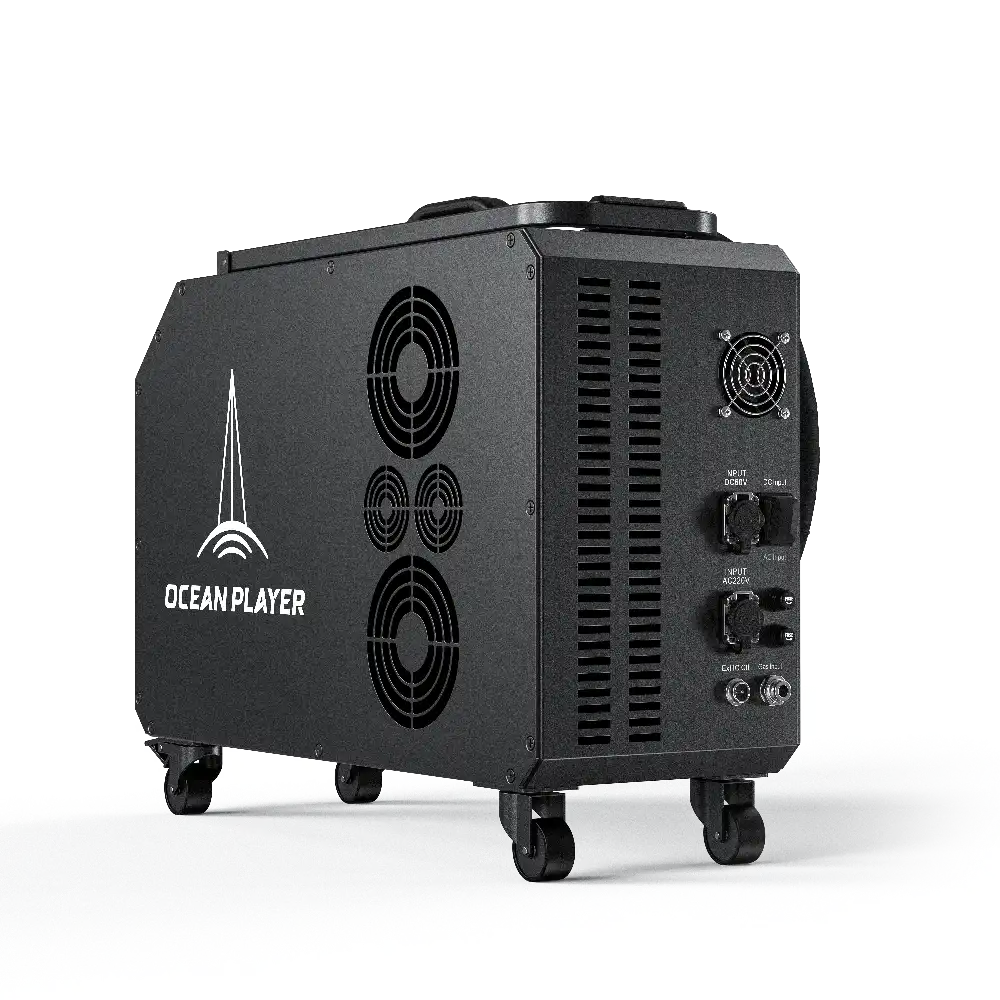
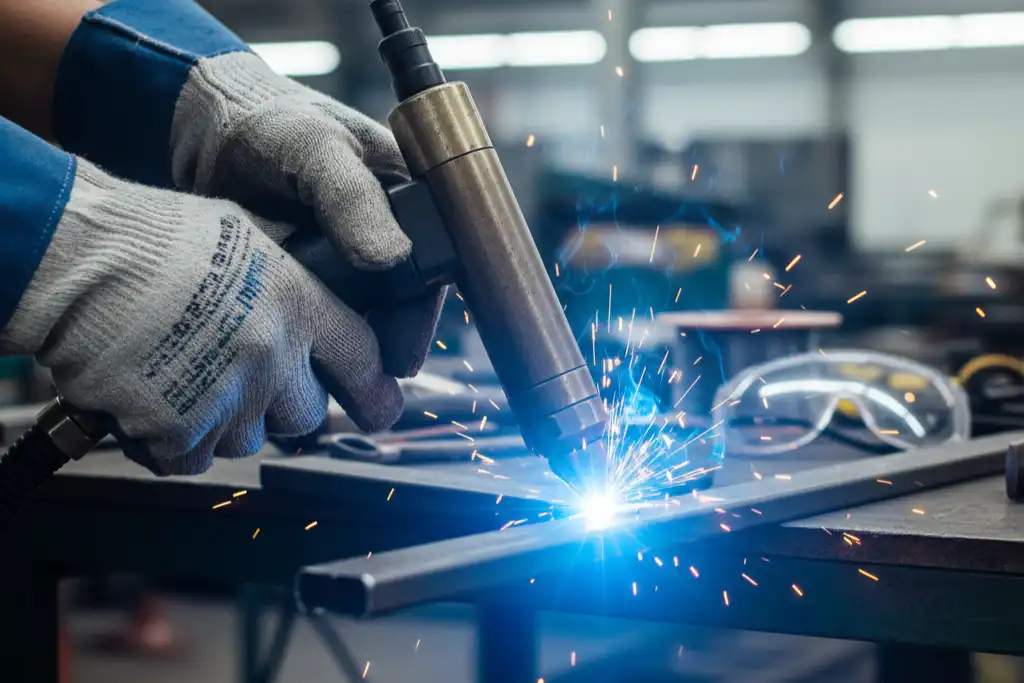
Yes, you can make strong welds with a Laser Welding Machine. This technology lets you control the process very well. It allows for deep welds and less bending of the metal. When you use laser welding, the joints are often stronger than with resistance welding. Laser welded joints can be even stronger than TIG or MIG welding. These welds stay strong under pressure and do not break easily, even in tough situations.
Key Takeaways
- Laser welding makes strong and exact welds with little bending. This makes it great for small or delicate jobs.
- You need to get ready and set the machine right to get good welds. Always clean the materials and check the settings first.
- Laser welding is quicker than MIG and TIG for thin pieces. It goes deep and does not heat up a big area.
- Pick the best materials for laser welding. Stainless steel and titanium work best. Aluminum and copper are harder to use.
- Safety is very important. Always wear safety gear and make sure the air is fresh when using a laser welding machine.
How Laser Welding Machine Creates Strong Welds
Laser Welding Process Overview
You use a Laser Welding Machine to join metals with a focused beam of light. This process involves several important steps that help you create strong welds:
- Preparation: You clean the metal pieces and align them carefully. Dirt or misalignment can weaken the weld.
- Beam Focusing: You adjust the Laser Welding Machine to concentrate the beam on the exact spot. This step gives you better control and improves weld quality.
- Welding Parameters: You set the power and speed on the Laser Welding Machine. These settings decide how deep and strong the weld will be.
- Welding Process: You guide the laser to melt and fuse the metal. The intense energy from the laser creates a tight bond.
- Cooling and Solidification: You let the weld cool in a controlled way. This step affects the structure inside the weld and makes it stronger.
A Laser Welding Machine uses light energy, not electricity, to create welds. This method gives you a higher energy density than other welding types. You get a smaller heat-affected zone, which means less damage to the metal around the weld. You also spend less time cleaning up after welding because the process leaves fewer marks and splatter.
Precision and Deep Penetration
You can achieve very precise welds with a Laser Welding Machine. The laser beam lets you target small areas without heating up the whole piece. This precision helps you make weld seams that are almost free of defects. You often reach more than 90% of the strength of the original metal.
Laser Welding Machine works fast and uses less heat. You see less bending and warping in your finished product. The welds can handle high pressure and stress, which makes them reliable for many uses. You can join thin or thick materials with deep penetration, so the weld holds strong.
Here is a table that shows how Laser Welding Machine compares to other welding methods:
| Welding Method | Distortion Level | Heat-Affected Zone (HAZ) | Weld Strength Impact |
|---|---|---|---|
| Laser Welding | Low | Small | High |
| MIG Welding | High | Large | Low |
| TIG Welding | Moderate | Moderate | Moderate |
You notice that Laser Welding Machine creates less distortion and a smaller heat-affected zone than MIG or TIG welding. This means your welds stay strong and your metal does not warp. You get high-quality results with less risk of problems.
Tip: If you want strong, clean welds with minimal distortion, choose a Laser Welding Machine for your project.
Laser Weld Strength vs. Other Methods
Laser Welding vs. MIG Welding
You may ask how laser welding compares to MIG welding. Laser welding has some clear benefits for thin and medium materials. You can weld pieces up to about 5/16” thick with laser welding. MIG welding is better for thicker metals.
Laser welding is faster than MIG welding. You finish jobs quickly, especially with thin materials. There is less heat-affected zone and less bending. Your finished product looks cleaner and keeps its shape.
Here are some main points to compare:
- Laser welding is usually faster for thin materials.
- Laser welding gives deep, exact welds. MIG welding works better for thick metals.
- Laser welding makes less heat-affected zone and less bending.
- MIG welding is good for heavy-duty projects.
Note: If you want speed and accuracy for thin or medium materials, laser welding is often best. For thick materials, MIG welding may work better.
Laser Welding vs. TIG Welding
You should also look at laser welding and TIG welding. Both give high-quality welds, but they are different. Laser welding makes narrow, deep welds with great accuracy. TIG welding is flexible and works on many metals.
Here is a table that shows the differences:
| Welding Method | Penetration Depths | Joint Qualities |
|---|---|---|
| Laser Welding | Narrow, deep welds | High precision, minimal distortion |
| TIG Welding | Varies, versatile | High-quality on a wide range of metals |
Laser welding makes a smaller heat-affected zone. You see less bending and warping. The welds are cleaner and more exact. This is important for delicate or special projects. Laser welding can keep bead shape changes under 0.1 mm. You can use real-time checks and automatic control for almost no mistakes.
- Laser welding is best when you need little bending.
- Laser welding gives cleaner welds. It is great for electronics, medical tools, and fine jewelry.
- TIG welding works for many metals and gives strong joints, but you may see more bending.
Tip: Use a Laser Welding Machine for exact, strong welds with few mistakes. TIG welding is flexible, but laser welding is better for thin and delicate materials.
Factors Affecting Weld Strength
Material and Thickness
You need to choose the right material for strong laser welds. Some metals work better than others.
- Stainless steel and titanium give you strong welds. These metals have good thermal properties and do not form many defects.
- Aluminum and copper can be harder to weld. They reflect the laser light and conduct heat quickly, which can make the weld weaker.
- Ferrous metals, like regular steel, usually weld well. Sometimes you need extra heat treatment to make the weld even stronger.
Material thickness also matters.
- Thicker materials need more laser power and slower welding speeds. This helps the laser go all the way through the metal.
- Thinner materials need less power and faster speeds. This keeps the metal from getting too hot and melting too much.
- You must balance these factors to get a strong, clean weld.
Machine Settings and Parameters
You control many settings on your laser welding machine. Each one can change the strength of your weld.
- Good fixturing and tight gaps keep the metal from moving. This helps the laser hit the right spot every time.
- Gas shielding stops the weld from getting dirty or oxidized.
- The size of the laser spot and how you focus it changes how deep the weld goes. A smaller spot gives you more power in one place.
- Wobbling the laser beam can help mix the metals better.
- You must match the welding speed and power to your material.
Here is a table with some key settings:
| Parameter | Recommendation |
|---|---|
| Pulse Frequency | Adjust for best results; higher frequency can lower efficiency. |
| Pulse Waveform | Change based on your metal type. |
| Focal Point Position | Make sure it is correct for strong welds. |
| Welding Power | More power gives deeper welds (about 0.7 times the depth). |
| Welding Speed | Faster speed means less heat and a shallower weld. |
Operator Skill
You do not need to be an expert to use a laser welding machine. The process is more automated than TIG welding. This means you get more consistent welds, even if you are new to welding. Still, you should learn how to set up your machine and check your work. Good training helps you avoid mistakes and get the strongest welds possible.
Tip: Always clean your materials and double-check your settings before you start welding. This helps you get the best results every time.
Addressing Common Concerns
Reliability and Applications
You might ask if laser welding is good for your projects. Laser welding makes strong and exact welds. But there are some things you should watch out for:
- Welded joints might not be strong if you set the machine wrong or do not get the metal ready.
- The weld surface can look rough or bumpy. This can make your product look bad or not work right.
- The heat-affected zone can bend or twist the metal. This can change the shape of your finished part.
- Cracks can form in the weld. These cracks can make the weld weak or not last long.
- Small holes, called porosity, can show up in the weld. These holes can make the joint less strong.
Laser welding is used in many fields because it makes clean and strong welds. Here is a table that shows where laser welding is often used:
| Industry | Applications |
|---|---|
| Automotive | Body panels, exhaust systems, fuel tanks, batteries for electric vehicles |
| Aerospace | Turbine blades, fuselage sections, engine parts with little distortion |
| Electronics | Microelectronic components, sealing enclosures for small devices |
| Medical Devices | Surgical tools, implantable devices with sterile, tight seals |
| Semiconductor | Assembling packages and sensors with high precision |
Tip: Laser welding is a good choice when you need strong, neat, and dependable joints.
Safety and Limitations
You need to be careful when using a laser welding machine. The laser beam can hurt your eyes or skin. Breathing in metal fumes can be bad for your health. The heat from welding can start fires if there are things that burn nearby. The machine has high-power parts that can shock you. Always wear laser safety glasses, use good airflow, and keep your work area tidy.
Laser welding cannot do everything. You can weld up to about 25 mm deep in thick metal. If you need to weld thicker pieces, you have to go over the weld more than once, which is hard. Some metals, like copper and aluminum, bounce the laser beam away. This makes it tough to get a good weld and can cause holes or weak spots. The type of joint matters too. Butt joints are easy to weld, but lap, T, and edge joints need more care and setup.
Note: Always check your metal and joint type before you start. This helps you stop problems and get the best welds from your laser welding machine.
You can make strong welds with a laser welding machine if you use the right settings. Laser welding has many good points. You can control the heat, so the metal does not bend much. You can weld fast and save time. You can make deep, thin welds on many kinds of metal. The base metal stays strong and does not get weak.
| Application | Benefit of Laser Welding |
|---|---|
| Automotive panels | Less bending, faster welding |
| Aerospace components | Stronger welds, less waste |
| Medical devices | Exact, dependable joints |
Laser welding is a good choice for projects that need strong and steady joints.
FAQ
Can you use a laser welding machine on all metals?
You can use a laser welding machine on many metals like steel, titanium, and stainless steel. Some metals, like aluminum and copper, are harder to weld because they reflect the laser. You may need special settings for these metals.
How safe is laser welding for you?
Laser welding is safe if you follow safety rules. You should wear laser safety glasses and keep your skin covered. Good ventilation helps you avoid breathing in fumes. Always keep your work area clean and free of flammable items.
Does laser welding make stronger welds than MIG or TIG?
Laser welding often makes stronger welds, especially on thin or medium materials. You get deep, narrow welds with less bending. MIG and TIG welding work well for thick metals, but laser welding gives you cleaner and more exact joints.
What maintenance does a laser welding machine need?
You should clean the lens and check the cooling system often. Replace worn parts as needed. Keep the machine free of dust and dirt. Regular checks help your machine last longer and work better.
Plastic and metal welding made simple for everyone
How to Boost Laser Welding Strength for Better Results