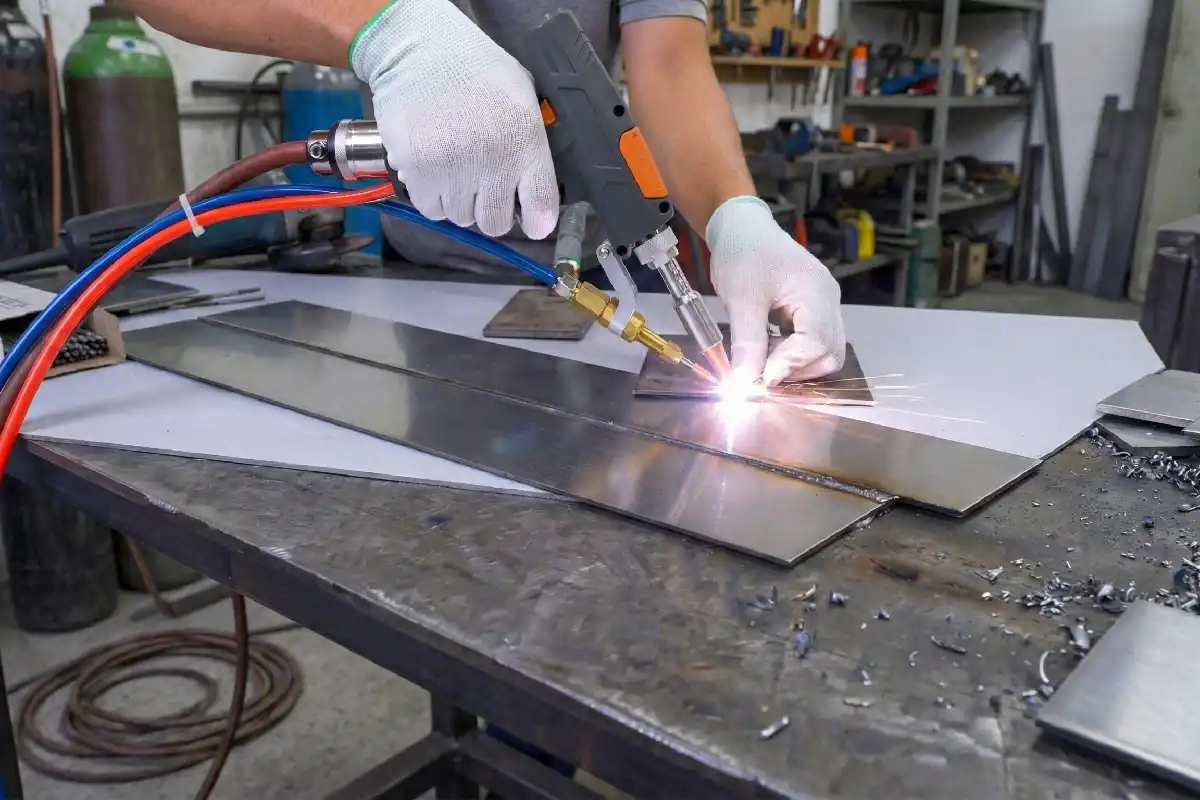
You control the outcome of your welds by choosing the right laser welding wire feeding nozzle hole size. If you pick the wrong size, you may see wire jamming, uneven wire movement, or weak welds. These problems can stop your project and cost you time. You must select the correct nozzle hole to keep your process smooth and your welds strong. The main factors include wire diameter, material type, and the needs of your application.
Key Takeaways
- Pick the correct nozzle hole size to stop wire jams and help the wire move smoothly.
- Make sure the nozzle hole size fits the wire diameter for better welds and fewer mistakes.
- Change the wire feeding angle between 30° and 75° for better control and joining.
- Clean and check nozzles often to keep welding quality steady and make equipment last longer.
- Think about the material type and thickness when you pick the nozzle size for good welding.
Laser Welding Wire Feeding Nozzle Hole Basics
Nozzle Function in Wire Feeding
You rely on the nozzle to guide the wire into the weld zone. The nozzle keeps the wire steady and helps you control its position. The laser welding wire feeding nozzle hole shapes the path for the wire. If you choose the right size, you reduce the risk of wire bending or slipping. The nozzle also protects the wire from outside air and keeps the feeding process clean.
Tip: Always check that the nozzle hole matches your wire diameter. This helps you avoid feeding problems.
Wire Feeding Angle and Speed
You must pay attention to the angle and speed of wire feeding. The best wire feeding angle usually falls between 30° and 75°. This range lets you direct the wire into the weld pool without causing splatter or poor fusion. If you set the angle too sharp or too flat, you may see weak welds or wire skipping.
Wire feed speed also matters. If you feed the wire too fast, you can flood the weld pool and create excess buildup. If you feed it too slow, you may not fill the joint enough. You should adjust the speed to match your welding application and material thickness.
| Angle Range | Effect on Weld |
|---|---|
| 30°–75° | Stable feeding, good fusion |
| <30° or >75° | Risk of defects, poor control |
Wire Diameter and Weld Pool Size
Wire diameter affects the size and shape of the weld pool. Thicker wire creates a larger weld pool and can bridge bigger gaps. Thinner wire gives you more control for fine work. You need to match the wire diameter to your nozzle hole size. If the hole is too tight, the wire may jam. If the hole is too loose, the wire may wobble and cause uneven feeding.
You improve weld quality when you balance wire diameter, nozzle hole size, and feed speed. This balance helps you achieve strong, clean welds every time.
Nozzle Hole Size and Wire Feeding Performance
Feed Accuracy and Stability
You need to keep wire feeding accurate and stable to get strong welds. The laser welding wire feeding nozzle hole controls how the wire moves into the weld pool. If you pick the right size, you guide the wire smoothly and avoid sudden stops or jumps. When the nozzle hole matches the wire diameter, you reduce bending and slipping. This helps you keep the wire on track and maintain a steady feed.
- The nozzle diameter changes melt flow velocity and pressure. You see better wire feed stability when you choose the correct size.
- Smaller nozzle holes lower melt pressure but increase speed. This can make the wire move too fast and reduce control.
- Larger nozzle holes can boost density and strength, but they do not always improve accuracy. You need to find the best size for your wire and application.
You can use the table below to match wire diameter with nozzle size. This helps you keep feeding stable and accurate.
| Wire Diameter | Nozzle Size |
|---|---|
| 0.8mm | Compatible |
| 1.0mm | Compatible |
| 1.2mm | Compatible |
| 1.6mm | Compatible |
Weld Quality Effects
You want your welds to look clean and stay strong. The laser welding wire feeding nozzle hole size affects weld depth and width. If you use a nozzle hole that fits your wire, you get better fusion and fewer defects. The wire enters the weld pool at the right speed and angle, which helps you control the shape and size of the weld.
When you set the wire feed speed correctly, you fill the joint well and avoid gaps. If the nozzle hole is too small, the wire may jam and cause weak spots. If it is too large, the wire may wobble and create uneven welds. You need to balance wire diameter, nozzle hole size, and feed speed to get the best results.
Process Reliability
You want your welding process to run smoothly without interruptions. The laser welding wire feeding nozzle hole plays a big role in process reliability. If you choose the right size, you keep gas flow steady and avoid overheating. A nozzle hole that is too small can block gas and cause incomplete welds. If the hole is too large, you may lose cutting precision and see more oxidation. Both problems can stop your work and increase downtime.
You improve reliability by picking a nozzle hole that matches your wire and keeps gas moving at the right speed and pressure. This helps you finish your projects faster and with fewer problems.
Selecting the Right Nozzle Hole Size
Key Factors (Wire, Material, Application)
You should think about a few things when picking a laser welding wire feeding nozzle hole. First, look at the wire diameter. Thick wires need bigger nozzle holes to move smoothly. The material type is also important. Stainless steel and carbon steel work best with standard round nozzles. Aluminum and shiny metals often need double-shield or narrow-gap nozzles. Your project decides how strong and detailed you want your welds. Big nozzle holes help you build thick walls and work faster. Small holes give you more control and lighter welds.
Tip: Always match the nozzle hole with your wire and material for better results.
Key points to remember:
- Wire diameter changes what nozzle size you need.
- Material type affects which nozzle you pick.
- Your project needs decide how strong and detailed your weld is.
- You can work faster with bigger nozzle holes.
- Hotend capacity limits how much you can melt.
Guidelines for Common Materials
Check the table below to find the right nozzle diameter for different material thicknesses. This helps you avoid wire feeding problems and get strong welds.
| Material Thickness | Recommended Nozzle Diameter |
|---|---|
| Below 3mm | 1mm |
| Above 3mm | 1.5mm |
| Above 10mm | 2mm or more |
- Use small nozzles for thin materials.
- Pick big nozzles for thick plates to help gas flow and heat spread.
- Wire feeding lets you fill gaps and weld thick materials with fewer mistakes.
Adjusting for Welding Conditions
Change the nozzle hole size for different welding jobs. Fast welding needs a nozzle that matches the wire feed speed. Pulsed laser welding changes the heat cycle, so you may need to adjust the nozzle size. The focal position changes the light spot and power. For deep welds in stainless steel, use a positive focal length. For aluminum, a small negative focal length helps the metal absorb heat.
Troubleshooting tips:
- If thin materials burn through, use a smaller nozzle.
- If thick plates do not weld well, try a bigger nozzle.
- Always check for steady gas flow to lower weld problems.
You get better welds and a smoother process when you pick the right laser welding wire feeding nozzle hole for your wire, material, and welding job.
Common Issues with Nozzle Hole Size
Too Small vs. Too Large
You may notice problems if the nozzle hole is too small or too large. A small hole can cause wire jams, slow feeding, and extra friction. You might see the wire bend or stop moving. A large hole can make the wire wobble, leading to uneven feeding and poor welds. Gas shielding may also become less effective, which can cause oxidation or weak spots in your weld.
| Nozzle Hole Size | Common Symptoms |
|---|---|
| Too Small | Wire jams, friction, bending |
| Too Large | Wobbling, uneven feeding, poor shielding |
Tip: Always match the nozzle hole size to your wire diameter to avoid these problems.
Diagnosing Feeding Problems
You need to spot wire feeding issues early to keep your welds strong. Look for these signs:
- Wire stops or skips during feeding.
- Welds show gaps or weak spots.
- Spatter builds up around the nozzle.
- Gas flow seems uneven.
You can use a structured approach to find the root cause. Check the wire path for blockages. Inspect the nozzle for spatter or wear. Make sure the wire diameter fits the nozzle hole. Consistent wire feeding helps you get high-quality welds.
Maintenance and Replacement
You should inspect and clean the nozzle often. Spatter can block the hole and reduce gas flow. Clean the nozzle after each job to keep wire feeding smooth. Replace the nozzle if you see wear or damage. Regular cleaning of lenses, mirrors, and protective windows helps maintain beam quality. Check gas lines and valves to prevent contamination. Use cover glasses and shielding systems to protect your equipment and extend its life.
Note: Regular maintenance of the laser welding wire feeding nozzle hole keeps your process reliable and your welds strong.
Picking the right Laser welding wire feeding nozzle hole helps your wire move better and makes your welds stronger. If you pick the wrong size, you might see rough edges or bad gas flow. You could also get oxidation on your welds.
- The right nozzle size helps you make clean cuts and stops mistakes.
- Good gas flow and nozzle shape keep your welds strong and shiny.
Checking and cleaning your equipment often keeps your work steady.
| Benefit | Explanation |
|---|---|
| Extended Service Life | Cleaning and checking nozzles means you replace them less. |
| Consistent Welding Quality | Clean nozzles help you make safe, high-quality welds every time. |
| Increased Productivity | Fewer problems help you finish jobs faster and save money. |
Use these tips and look at your tools often to get the best results.
FAQ
What happens if you use the wrong nozzle hole size?
You may see wire jams, uneven feeding, or weak welds. The wrong size can also cause poor gas shielding and more defects. Always match the nozzle hole to your wire diameter.
How often should you clean or replace the nozzle?
You should clean the nozzle after each welding job. Replace it when you see wear, damage, or blocked holes. Regular maintenance helps you keep welds strong and equipment reliable.
Can you use one nozzle hole size for all wire diameters?
No, you need to match the nozzle hole size to each wire diameter. Using one size for all wires can cause feeding problems and lower weld quality.
How do you know if the nozzle hole is too large?
You may notice wire wobbling, uneven feeding, or poor gas coverage. Welds can show oxidation or weak spots. Check for these signs and switch to a smaller nozzle if needed.
What Happens When You Get a Laser QBH Alarm
How to Diagnose Button Response Issues in Laser Welding Machines
The light emission characteristics of laser welding machines