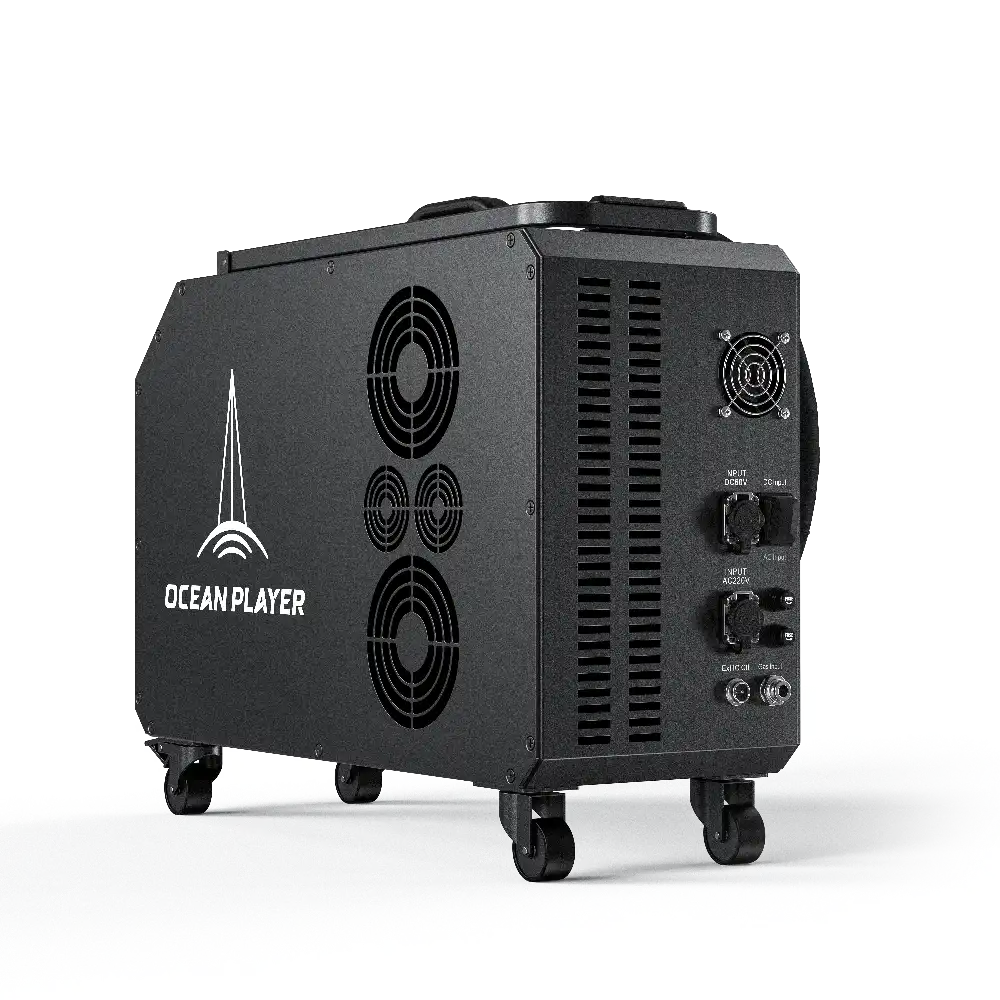
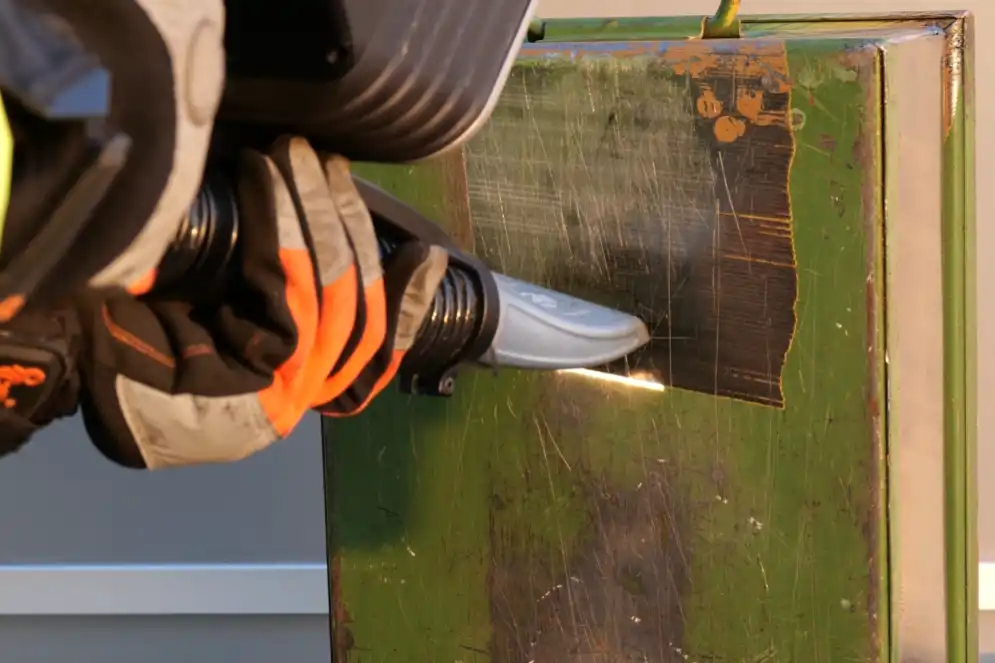
Laser rust removal technology makes ship maintenance easier. You can work more quickly and do not need dangerous chemicals. You keep ship surfaces safe from harm.
- You get clean results and do not make waste.
- You save time because you can clean rust right where it is.
- You help workers and the environment by stopping toxic materials from getting out.
You see better results and ship parts last longer when you use this new method instead of old ways to remove rust.
Key Takeaways
- Laser rust removal technology makes ship maintenance faster. It removes rust quickly. Workers do not have to wait for chemicals to work.
- This method is safer for workers. It does not use toxic chemicals. It lowers health risks from dust and fumes.
- Using lasers causes less damage to surfaces. It keeps ship parts strong. It helps ship parts last longer.
- Laser rust removal creates less waste. It is better for the environment. It helps shipyards follow rules.
- The technology works on many ship parts. It cleans hulls, decks, and machinery well. Workers do not need many tools.
- Buying laser rust removal systems saves money over time. It lowers labor costs. It also lowers material costs.
- Mobile laser units clean ships on-site. This saves time. It makes work more efficient. Ships do not need to be moved.
- Using laser rust removal often keeps ships in good shape. It stops expensive repairs. It keeps ships safe and working well.
Rust Formation and Ship Impact
Causes of Marine Rust
Ships get rust because of things in the environment. Rust happens when metal touches oxygen and water. Ships are in tough places at sea, so rust forms faster. The table below lists what makes rust show up on ships:
| Factor | Description |
|---|---|
| Salinity | Salt in the ocean lets chloride ions break metal’s shield. This makes corrosion happen faster. |
| Temperature | Warm places make reactions go faster. Ships rust more in hot areas. |
| Oxygen and Humidity | Oxygen helps rust form. Humidity lets reactions happen. Together, they make rust show up more easily. |
| Biofouling | Algae and barnacles mess up protection. They cause more corrosion. |
| Pressure and Depth | Deep water pushes hard on ships. This changes how coatings work. Stronger protection is needed. |
| Water Movement | Waves and currents scrape off coatings. This leaves metal open to rust. |
| Exposure to Atmosphere | Ship parts above water get hit by weather, salt, and humidity. Rust forms faster if protection is weak. |
Tip: Clean ship surfaces often and use good coatings to slow down rust.
Effects on Ship Safety and Performance
Rust does more than make ships look bad. It can hurt the ship and put people in danger. If rust builds up, you get many problems:
- Rust makes the ship weaker. This can cause accidents.
- Holes can appear in the hull. Water can leak in and sink the ship.
- Seawater touching steel can hurt the ship, slow work, and put the crew at risk.
- Corrosion harms parts like the hull and engine. Repairs cost a lot and take time.
Note: Rust can make ships unsafe and repairs can be expensive.
Need for Timely Removal
You need to remove rust fast to keep ships safe. If you wait, rust spreads and gets harder to fix. Quick removal helps you:
- Keep the ship’s structure strong.
- Avoid big repair bills and long waits.
- Keep the crew safe and the ship ready.
You get better results if you act early. Removing rust on time keeps ships strong and helps them last longer. You also save money and stop problems from growing.
Traditional Rust Removal Methods

Mechanical Approaches
Shipyards often use mechanical ways to take off rust. These ways use tools and force to clean metal. You can pick from different methods. Each one has good and bad points.
Here is a table that shows common mechanical rust removal methods, how well they work, and what problems they have:
| Method | Effectiveness Rate | Limitations |
|---|---|---|
| Manual Rust Removal | Low | Inefficient, poor working conditions |
| Pneumatic/Electric Tools | Medium | Limited scale removal, surface preparation quality |
| Shot Blasting | High | Environmental pollution risk |
| Ultra-High-Pressure Water-Jet | Very High | Higher initial cost, but long-term benefits |
You might use sand blasting, powered wire brushes, fine steel wool, or glass bristle brushes. Each tool is best for certain jobs.
- Sand blasting cleans well but can damage surfaces.
- Powered wire brushes are good for light rust but may scratch.
- Fine steel wool works for small spots but is slow.
- Glass bristle brushes help with light rust, not big areas.
You can use these mechanical ways in order:
- Hydroblasting uses strong water jets to clean without grit.
- Rotary wire brushing takes off loose rust but not thick rust.
- Mechanical de-scaling uses heavy tools to break thick rust.
Tip: Mechanical ways are good for tough rust. You must be careful not to hurt ship surfaces.
Chemical Treatments
You may use chemical treatments if mechanical ways do not work. Chemical removers break down rust and old paint. These chemicals are strong and work fast. They can be risky.
Here is a table that shows common chemical treatments and the risks:
| Chemical Treatment | Associated Risks |
|---|---|
| Chemical paint and preservative removers | Toxic vapors, corrosive mists, potential for oxygen-deficient atmospheres |
| Methylene chloride (in paint strippers) | Additional health hazards, requires specific safety measures |
| Toxic and corrosive paint strippers | Eye and skin damage, organ damage, burns, and irritation |
You need to wear safety gear when using these chemicals. You also need to follow safety rules to stay safe.
Note: Chemical treatments clean rust fast. You must use care to keep yourself and the environment safe.
Drawbacks of Conventional Methods
Old rust removal ways have many problems. You may pay more, face safety risks, and hurt the environment.
The table below shows the main problems with sandblasting:
| Drawback | Sandblasting |
|---|---|
| Cost | Requires large diesel or electric compressors, increasing energy consumption and operational costs. |
| Safety | Generates airborne dust and requires extensive PPE, posing health risks like silicosis. |
| Environmental Impact | Produces significant solid waste and contributes to microplastic pollution, impacting ecosystems. |
You may spend more on machines and energy. You need to keep workers safe from dust and chemicals. You also risk polluting nature with waste and microplastics.
⚠️ Alert: Old ways can hurt workers and the environment. You should look for safer and cleaner ways to care for ships.
Laser Rust Removal Technology Explained
How the Technology Works
Laser rust removal technology uses strong laser beams to clean rust. The laser points at the rusty spot and heats it up. The rust turns into vapor and goes away. This process makes very little dust. You can collect the dust with a special filter. You can use handheld tools for small jobs. Big areas need machines that work by themselves. This makes work faster and helps shipyards do more.
- You make marine steel surfaces better for painting and welding.
- You help ship parts last longer by stopping corrosion early.
- You do not need toxic antifouling paints, so the environment stays safe.
A test in Japan showed laser rust removal technology works well. The test cleaned ship hulls and tried to lower harm to nature. People gave feedback to make the InfraLaser system better for real ship work.
Non-Contact and Non-Abrasive Benefits
Laser rust removal technology does not touch the metal. You clean rust without scraping or grinding. This keeps the metal safe and stops damage. You can clean only the rust and leave good metal alone.
- You do not wear down ship surfaces, so delicate parts stay safe.
- You keep ship parts strong and help them last longer.
- You can use this technology in places where surfaces must stay safe, like aerospace and electronics.
Tip: Non-contact cleaning means ship surfaces stay safe, even if you clean them many times.
No Secondary Waste
No Chemical Disposal
Laser rust removal technology does not use chemicals or rough materials. You do not make extra pollution or need to handle dangerous waste. The only waste is rust, which is easy to clean up.
Minimal Surface Damage
You do not make a mess or hurt surfaces with laser rust removal technology. The process does not let out bad things like VOCs. You keep the work area clean and safe for everyone.
| Benefit | Laser Rust Removal Technology | Traditional Methods |
|---|---|---|
| Chemical Use | None | High |
| Surface Damage | Minimal | Moderate to High |
| Waste Generation | Low | High |
| Preparation Needed | Minimal | Extensive |
⚡ Alert: You spend less time getting ready and cleaning up with laser rust removal technology. This makes ship maintenance easier and safer.
Advantages of Laser Rust Removal
Speed and Efficiency
Laser rust removal technology gives you a faster way to clean ships. You can remove rust quickly, even from large surfaces. This method works well for shipyards that need to finish jobs on time. You do not have to wait for chemicals to react or for machines to set up. You can start cleaning right away and see results in minutes.
Here is a table that shows how fast laser rust removal works compared to other methods:
| Method | Speed Description |
|---|---|
| Laser Rust Removal | Often faster, especially with high-power lasers, suitable for rapid industrial use. |
| Electrolytic Rust Removal | Can take hours or days, depending on rust severity, not ideal for high-volume needs. |
You can use laser rust removal technology for both small and large jobs. You do not need to move heavy equipment or wait for surfaces to dry. You can also apply coatings or paint right after cleaning. This saves you time and helps you finish maintenance faster.
Tip: Fast rust removal means less downtime for your ship and more time in service.
Worker Safety
Laser rust removal technology helps you keep workers safe. You do not need to use harmful chemicals or abrasive materials. This lowers health risks for everyone on the job. You can work with less personal protective equipment, which makes the job easier and more comfortable.
- You avoid toxic fumes and dust that come from traditional methods.
- You do not need to lift heavy tools or use force, so you lower the risk of injury.
- You work in a quieter environment because lasers make less noise than sandblasting.
You can set up and use the laser system quickly. You do not need to spend a lot of time on safety checks or cleanup. This makes your work safer and more efficient.
Note: Cleaner air and less noise help you create a better workplace for your team.
Cost-Effectiveness
Laser rust removal technology helps you save money over time. You may pay more at first, but you spend less on labor and materials in the long run. You do not need to buy chemicals or replace worn-out tools. The laser system lasts for many years, often up to 100,000 hours, so you do not need to buy new equipment often.
- You spend less on maintenance because the system needs little care.
- You do not have to pay for waste disposal or special safety gear.
- You help the environment, which can lower your costs for meeting regulations.
Laser rust removal technology gives you a good return on your investment. You keep your ships in better shape and avoid costly repairs. You also help your business by working faster and safer.
Callout: Long-lasting laser systems mean you can focus on your work, not on fixing or replacing equipment.
Environmental Sustainability
Laser rust removal technology helps protect nature during ship maintenance. You do not make extra waste or let out bad chemicals. This keeps the ocean and air cleaner when you use lasers.
Reduced Pollution
Laser rust removal stops pollution. Old ways make dust, toxic fumes, and chemical waste. Lasers only take away rust and leave surfaces clean. You do not need to worry about microplastics or dangerous runoff.
Here is a table that shows what lasers help you avoid:
| Pollution Type | Traditional Methods | Laser Rust Removal |
|---|---|---|
| Chemical Waste | High | None |
| Airborne Dust | High | Low |
| Microplastics | Possible | None |
| Toxic Fumes | Common | None |
Tip: You help sea animals and keep shipyards safer when you use laser rust removal.
Regulatory Compliance
Laser rust removal technology helps you follow strict rules. Many places have laws about pollution and waste. You do not need to handle dangerous materials or pay for special disposal. Inspections are easier and you avoid fines.
- You follow world standards for ship maintenance.
- You keep your business ready for checks.
- You show you care about nature.
Note: Laser rust removal helps you keep up with new rules.
Precision and Substrate Protection
Laser rust removal lets you clean with great control. You only target rust and leave good metal alone. You do not scratch or wear down ship surfaces. Delicate parts stay safe and strong.
- You change the laser for different rust levels.
- You clean small spots or big areas with one tool.
- You protect welds, joints, and thin metal sheets.
You get better results because you do not hurt the ship. Ship parts last longer and work better.
| Feature | Laser Rust Removal | Traditional Methods |
|---|---|---|
| Precision | High | Low to Medium |
| Surface Damage | Minimal | Moderate to High |
| Control | Adjustable | Limited |
⚡ Alert: You keep ship surfaces in great shape with laser cleaning.
Versatility for Marine Equipment
Laser rust removal works on many ship parts. You use it on hulls, decks, pipes, and machines. You clean steel, aluminum, and other metals. You do not need to change tools for different jobs.
- You remove rust, paint, and oxidation with one system.
- You clean flat, curved, and hard-to-reach spots.
- You use portable or automatic laser units for different tasks.
Ship maintenance gets easier and faster. You keep all ship parts ready for work.
Callout: Laser rust removal technology gives you one answer for many ship maintenance jobs.
Applications in Ship Maintenance
Mobile and On-Site Use
You can bring mobile laser rust removal units to shipyards and docks. These units clean rust right where the ship is. You do not need to move the ship or set up big machines. This saves time and helps you work faster. Mobile units do not use dangerous chemicals. They help keep the environment safe. Workers face fewer risks and the area stays clean.
| Advantage | Description |
|---|---|
| Efficiency | Mobile units work fast at shipyards and docks. |
| Environmental Benefits | Laser rust removal makes less waste and skips harmful chemicals. |
| Safety | You lower risks compared to old rust removal ways. |
| No Complex Setups | You do not need big setups, so you save time. |
| On-Site Service | You get service right there, no need to move equipment. |
Tip: Mobile laser units help you clean ships quickly and safely, right where you need them.
Hulls, Decks, and Machinery
Laser rust removal technology works on many ship parts. You can use it for hulls, decks, pipes, and machines. It cleans rust without touching the surface. This means you do not wear down or damage the metal. You control the cleaning very closely, so delicate spots stay safe. You do not use chemicals, so you avoid toxic dust and keep the workspace safe.
- You help marine equipment last longer.
- You spend less money on maintenance.
- You stop damage to the substrate.
- You save energy and help nature.
- You follow all environmental rules.
Note: Laser cleaning keeps ship parts strong and ready for work.
Industry Adoption
Many shipyards now use laser rust removal technology. You see good results in the naval and marine world. Laser systems do not need water and do not make chemical waste. Shipyards deal with tough problems like saltwater corrosion and fouling. Old methods can hurt ships and slow down work. Laser cleaning removes fouling and rust fast, without harming the ship.
- Shipyards say fuel use gets better by 15% after cleaning hulls with lasers.
- You spend less time on maintenance because cleaning is quick.
- You meet environmental rules since there is no chemical waste.
- Handheld laser machines clean rust, oxides, oil, and wax from many marine parts.
- Shipyards in the Pacific Northwest see less corrosion and longer fleet life.
- In Germany’s Helgoland North Sea test, blue diode lasers cleaned marine growth and met eco standards.
🚢 Callout: Laser rust removal technology helps keep ships clean, safe, and ready for the sea.
Safety and Compliance
Worker Protection Protocols
It is important to keep workers safe with laser rust removal technology. Workers need special gear like laser safety goggles and gloves. Long sleeves help protect their skin from the laser beam. The workspace must be checked for things that can catch fire. This lowers the chance of a fire happening. Clear rules for using the equipment are needed. Operators should learn these rules before they start working.
Workers must stay far away from the laser beam. People who are not working should not enter the work zone. Good airflow helps get rid of fumes from rust removal. Fans or filters can keep the air clean. These steps make the area safer for everyone.
Worker Protection Checklist:
- Wear laser safety goggles and gloves
- Use long sleeves and protective clothing
- Keep flammable materials away from the work area
- Follow clear operational guidelines
- Maintain safe distances for operators and bystanders
- Ensure proper ventilation
Tip: Following these safety steps helps protect your team and stops accidents.
Meeting Environmental Standards
You must follow environmental rules when using laser rust removal technology. Shipyards have laws about pollution and waste. Laser cleaning does not use chemicals or make much dust. You do not need to worry about toxic runoff or microplastics. Only a little rust dust is made, and you can clean it up safely.
HEPA and activated carbon filters help clean the air. These filters catch bad fumes and tiny particles. This keeps the workspace safe and helps meet air quality rules. You should check local laws to make sure you are doing things right.
| Environmental Standard | How Laser Rust Removal Helps |
|---|---|
| Chemical Waste Disposal | No chemicals used, less waste |
| Air Quality | Filters remove fumes and particles |
| Water Pollution | No runoff, protects marine life |
| Regulatory Compliance | Easier inspections, fewer fines |
Note: Using laser rust removal technology helps the environment and keeps you out of legal trouble.
Training and Implementation
Workers need training before they use laser rust removal equipment. Training teaches everyone how the technology works and how to stay safe. Operators should learn about laser types and how to control the beam. Emergency steps are important so everyone knows what to do if something goes wrong.
Workers must wear laser-rated safety goggles, gloves, and protective clothes. Restricted zones and safety barriers keep people away from the laser. A controlled area should be set up for laser work. This stops accidents and keeps the workspace neat.
Training sessions should cover:
- How to use the equipment
- Safety protocols and emergency steps
- Proper use of PPE
- Setting up restricted zones
- Using filtration systems for air quality
🚦 Callout: Training your team and following safety rules keeps your shipyard safe and running well.
Long-Term Outcomes
Maintenance Cycles
Laser rust removal technology changes how often ships need care. You clean surfaces faster and spend less time waiting. Ships do not stop for long periods. The cleaning makes less waste, so jobs finish quickly. The work area stays safe and clean.
Here is a table that shows how laser rust removal affects maintenance cycles:
| Evidence Description | Impact on Maintenance Cycles |
|---|---|
| Laser rust removal technology improves cleaning efficiency and reduces downtime. | Suggests potential reduction in maintenance frequency. |
| User feedback indicates significant reduction in cleaning time. | Implies shorter maintenance duration. |
| The cleaning process generates minimal waste, supporting sustainable practices. | May lead to more efficient maintenance cycles. |
Tip: You can plan ship care with less worry and keep your vessel ready.
Total Cost of Ownership
Laser rust removal technology helps you save money over time. You pay more at first for the laser equipment. You spend less on labor and supplies later. You do not need to buy sand or chemicals. The system needs little care, so you avoid high repair costs.
- The first cost for laser equipment is high, but you save more later.
- Lower labor costs and no need for sand or chemicals help you spend less.
- The system needs little care, so you pay less for repairs.
- New technology is making laser cleaning cheaper over time.
- Old ways can have hidden costs, like fines or health problems, so lasers are better for the long run.
💡 Note: You protect your money and avoid surprise costs with laser rust removal.
Ship Longevity and Value
Laser rust removal technology helps ships last longer and keeps their value high. You remove rust from seawater and air, so you stop damage early. You spend less on painting and repairs. Equipment works better and does not need to be replaced often.
| Evidence Description | Contribution to Ship Longevity and Value |
|---|---|
| Laser rust removal effectively removes rust caused by seawater and air | Prevents further deterioration, enhancing service life |
| Reduces subsequent painting costs | Lowers maintenance expenses, retaining vessel value |
| Extends service life of equipment | Reduces replacement frequency, leading to long-term economic benefits |
- Laser rust removal cleans hulls, propellers, and metal parts without quick rust coming back.
- This process makes ships look better and keeps their value.
🚢 Callout: You keep your ship strong, safe, and looking good for many years with laser rust removal technology.
Laser rust removal technology has many good points for ship care. You can finish work faster and keep ship surfaces safe. This method is also better for the environment. The table below explains why this technology is special:
| Advantage | Description |
|---|---|
| High efficiency | You take off rust fast and make work smoother. |
| Low damage | Ship parts stay safe from getting scratched. |
| Environmental protection | No chemicals are used, so less pollution. |
| Flexibility | You can clean different shapes and materials. |
| Automation | Machines can do the job with little help. |
| Monitorability | You can check the work as it happens. |
| Cost-effectiveness | You spend less money in the long run. |
Shipyards like this way because it is green and saves money. Using this technology helps ships last longer and keeps them safe.
FAQ
What is laser rust removal technology?
Laser rust removal technology uses strong laser beams to clean rust. The laser does not touch or hurt ship parts. You can remove rust safely.
What makes laser rust removal safer than traditional methods?
You do not use toxic chemicals or make dust. The process does not let out bad fumes. Workers wear less safety gear and have fewer health problems.
What surfaces can you clean with laser rust removal?
You can clean hulls, decks, pipes, and machines. The technology works on steel, aluminum, and other ship metals.
What waste does laser rust removal produce?
Laser rust removal makes only rust dust. You do not need to deal with chemical waste or microplastics. The workspace stays clean and safe.
What maintenance does a laser rust removal system need?
You clean the lens and filters often. The system needs less care than sandblasting or chemical cleaning tools.
What training do workers need for laser rust removal?
Workers learn how to use the laser safely. You wear laser safety goggles and follow simple rules. Training teaches emergency steps and how to set up equipment.
What benefits does laser rust removal offer for ship maintenance?
You finish jobs faster and keep ship surfaces safe. The method helps ships last longer. You save money and help nature.
See also
Top 10 Industries for Laser Cleaning Machine Applications
How to choose a laser cleaning machine with appropriate power
3 simple steps to protect metal with a Laser Cleaning Machine