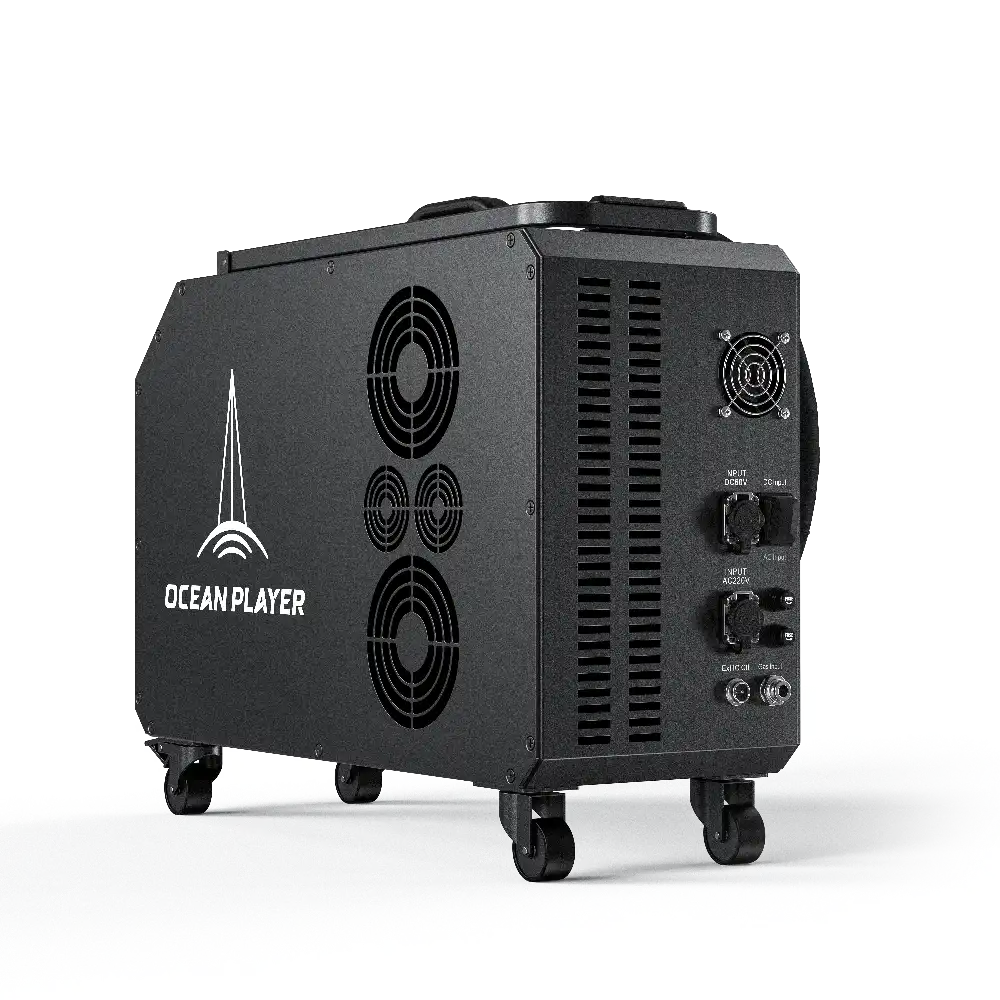
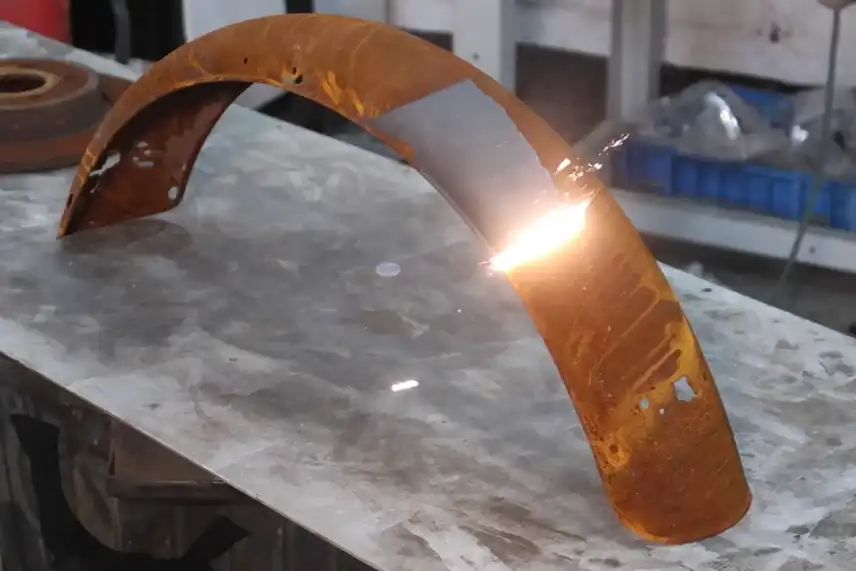
Laser cleaning uses different lasers for different jobs. The main types are fiber lasers, pulsed lasers, continuous wave lasers, and CO₂ lasers. Fiber lasers are the most popular. You can see this in the table below:
| Laser Type | Market Share/Usage Statistics |
|---|---|
| Fiber Laser | 55% (dominant segment) |
| CO₂ Laser | Fastest-growing segment |
It is important to pick the right laser. You want to take off unwanted stuff but not hurt the surface. Good control lets you clean without harm. Car and airplane companies use laser cleaning. They like it because it is accurate and good for the environment.
Key Takeaways
- Pick the right laser for your cleaning job. Fiber lasers work best on metal. CO₂ lasers are good for non-metal surfaces.
- Learn about the power levels of lasers. Fiber lasers have power from 1000W to 3000W. Pulsed lasers usually have power between 100W and 500W.
- Think about how you want to clean. Pulsed lasers are very precise for gentle surfaces. Continuous wave lasers are better for big areas.
- Safety is very important when using lasers. Always wear safety gear. Make sure you have proper training to stay safe.
- Look at how much it costs to own a laser. Think about the price to buy, the energy it uses, and the cost to fix it. This helps you choose the best laser cleaning system.
Types of Lasers for Laser Cleaning
Laser cleaning uses different kinds of lasers. Each laser type has special features. Some lasers work better for certain jobs. The table below shows the main types and their power ranges:
| Laser Type | Power Range |
|---|---|
| Continuous Wave Fiber Laser | 1000W–3000W |
| Pulsed Laser | 100W–500W |
| CO₂ Laser | 10W–500W |
Fiber Lasers
Fiber lasers are used a lot in laser cleaning. You see them in shipbuilding and car repair. They also help clean rubber molds and machine tools. These lasers remove rust and paint from metal. You can pick different power levels for each job:
- 100W to 500W: Good for light cleaning and gentle surfaces.
- 500W to 1000W: Removes sticky rust and paint.
- 1000W to 3000W: Cleans tough jobs.
Fiber lasers work quickly and save time. You can change the settings to avoid hurting the material. Many industries like using fiber lasers.
Tip: Fiber lasers are best for big cleaning jobs. They cost too much for small projects.
Pulsed Lasers
Pulsed lasers send out short bursts of energy. You use them for very careful cleaning. These lasers are great for fragile surfaces. People use them on old artifacts and airplane parts. Pulsed lasers have many good points:
- High precision: You can clean small spots safely.
- Non-contact cleaning: No touching means less risk.
- Minimal thermal damage: Short bursts keep heat low.
- Effective on complex shapes: You can clean tricky surfaces.
Pulse durations can be nanosecond, picosecond, or femtosecond. Shorter pulses give stronger energy for hard cleaning jobs. Pulsed lasers usually have 100W to 500W power.
Note: You can adjust pulsed lasers to clean rust and paint. They do not hurt the surface. This is good for cleaning molds and delicate parts.
Continuous Wave Lasers
Continuous wave lasers give steady energy. You use them for heavy cleaning. These lasers work fast and are good for big jobs. Their power is usually 1000W to 3000W.
- Continuous lasers clean large areas quickly.
- They are not good for materials that are sensitive to heat.
- You find them where speed is more important than accuracy.
Continuous lasers heat dirt slowly. This works well for strong surfaces. It may hurt delicate ones.
CO₂ Lasers
CO₂ lasers use light with a wavelength of about 10 micrometers. You use them to clean and cut things like wood, plastic, glass, textiles, and rubber. These lasers are good for cleaning and engraving. Their power can go up to 500W.
| Wavelength (µm) | Typical Power Output | Effective Materials |
|---|---|---|
| 10.6 | Up to 100W | Wood, Plastic, Glass, Acrylic, Textiles |
You can use CO₂ lasers on many materials:
- Wood
- Hardboard
- Foam
- Felt
- Brass
- Leather
- Aluminum
- Rubber
- Paper
- Plastic
- Carbon steel
- Cork
- Carbon fiber
- Fabric
- Stainless steel
CO₂ lasers work best on non-metal surfaces. People use them for cutting and engraving. They also help with cleaning.
Tip: Pick fiber or pulsed lasers if you want less damage. You can control these lasers better and protect the material.
Laser cleaning gives you lots of choices. You can pick the right laser by looking at the material, how dirty it is, and how much damage you want to avoid.
Laser Cleaning Mechanisms
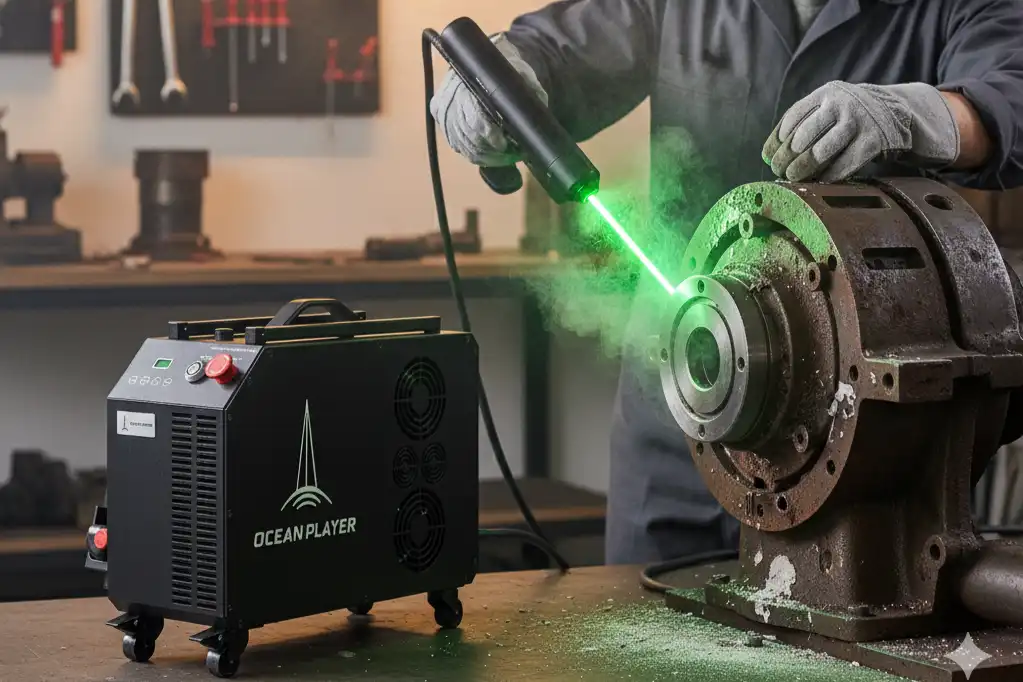
Laser cleaning uses ablation to take off unwanted layers. Ablation means the laser breaks down dirt, rust, or paint. It does this without touching the main material. Every material has its own ablation threshold. The laser energy must be higher than the contaminant’s threshold. But it must stay lower than the base material’s threshold. This way, only the unwanted layer comes off.
How Fiber Lasers Work
Fiber lasers use a strong beam to heat and remove dirt. You can aim the beam at small spots. The laser heats the rust or dirt until it turns to gas or dust. The process does not touch the surface. This means no scratches or damage. Fiber lasers are good because:
- They clean without touching or scratching.
- The beam heats only the dirt, not the base.
- The heat makes the dirt break apart.
- You can take off rust, paint, or oil and keep the metal safe.
Fiber lasers are also better for the environment. You do not need water or chemicals. You get a clean surface and almost no waste.
How Pulsed Lasers Work
Pulsed lasers send out quick, strong bursts of energy. Each burst lasts a very short time. This lets you clean gentle surfaces carefully. The energy breaks the bonds in the dirt. The dirt then turns into dust or gas.
- Pulsed lasers make a small heat zone.
- You do not overheat the base material.
- Cleaning is careful and safe for fragile things.
| Feature | Pulsed Lasers | Continuous Wave Lasers |
|---|---|---|
| Power and Precision | High power in short bursts, very precise | Steady energy, good for thick dirt |
| Heat Generation | Makes less heat, lowers risk of damage | Makes more heat, can hurt gentle surfaces |
| Application Versatility | Great for careful cleaning jobs | Best for big jobs with thick layers |
You can use pulsed lasers on old items, plane parts, or any job where you want to protect the surface.
How Continuous Wave Lasers Work
Continuous wave lasers give a steady beam of energy. You use them to clean big areas or thick layers. The beam heats the dirt until it turns to gas or peels off.
- Continuous wave lasers work fast on large spots.
- The steady beam can make a bigger heat zone.
- You might hurt sensitive materials if you use too much power.
| Laser Type | Characteristics | Impact on Cleaning Process |
|---|---|---|
| Continuous Wave | Gives a steady beam, good for fast removal of thick coatings | Cleans quickly, best for big areas or thick dirt |
| Pulsed Laser | Sends energy in short bursts, keeps heat low | Protects gentle materials and keeps heat zone small |
You often see continuous wave lasers in factories where speed is more important than being exact.
How CO₂ Lasers Work
CO₂ lasers use a special kind of light to clean, cut, or engrave. You can use them on wood, plastic, glass, and some metals. The laser heats the top layer. This makes it turn to gas or break apart.
- CO₂ lasers work best on things that are not metal.
- They can clean, engrave, or cut with one tool.
- The process does not touch the surface or use chemicals.
You get a clean result with less waste and no harsh cleaners.
Note: Laser cleaning is special because it does not use chemicals or make much waste. You help the environment and keep your workspace safe.
How Laser Cleaning Removes Contaminants
Ablation works in three main steps:
- The laser beam hits the dirty spot.
- The energy breaks the bonds in the dirt.
- The dirt turns to gas or dust and goes away.
This process is very careful. You only remove what you want. The base material stays safe. You also avoid the mess and dangers of old cleaning ways.
Advantages and Limitations
Strengths of Each Laser
Each laser type has its own strengths. Fiber lasers are strong and work well on metal. They are good for cleaning rust and save energy. CO₂ lasers clean things like plastic and wood. They work on many non-metal materials and use medium power. Pulsed lasers send out short, strong bursts. They are great for cleaning tough rust and gentle surfaces. Continuous wave lasers give steady power. They clean big areas with light rust.
Here is a table that shows what each laser does best:
| Laser Type | Ideal Materials | Power Efficiency | Typical Use Case |
|---|---|---|---|
| Fiber Laser | Metals, Oxidized Layers | High | Heavy rust removal, precision cleaning |
| CO₂ Laser | Non-metals, Plastics | Medium | Surface cleaning, non-metal surfaces |
| Pulsed Laser | Tough rust, Delicate | High | Fragile surfaces, detailed cleaning |
| Continuous Wave | Large metal surfaces | Medium | Fast cleaning, light rust removal |
Tip: Pick your laser by looking at the material and dirt.
Fiber lasers are very accurate and save money. CO₂ lasers are best for cleaning things that are not metal. Pulsed lasers are good for cleaning fragile items. Continuous wave lasers help you clean large spots fast.
Weaknesses of Each Laser
All lasers have some problems. Cleaning thick dirt can take longer. If you use the wrong settings, you might hurt the surface. This can make small holes or change the color. You need someone trained to use the machine safely.
Here are some common drawbacks:
- Laser cleaning can be slow for big jobs or deep dirt.
- Strong beams can hurt your eyes or skin.
- The machines need steady power to work.
- Many laser machines are big and heavy.
Note: Continuous wave lasers can harm surfaces if set wrong. Pulsed lasers do not work on every material and need careful safety steps.
Think about these problems before you pick a laser for cleaning.
Choosing the Right Laser
Key Factors
When you pick a laser for cleaning, you must look at many things. Every job is different and needs special care. You want to clean well but not cause harm. The table below shows what you should think about:
| Factor | Description |
|---|---|
| Material Properties | Different materials need special lasers to clean them well. |
| Contaminant Types | The type of dirt or coating changes which laser is best. |
| Required Precision | Some jobs need very careful cleaning, like small or detailed parts. |
| Processing Speed | Fast cleaning is good for big jobs and saves time. |
| Operational Environment | Where you use the laser can change which one you pick. |
| Cost of Ownership | You should think about costs over time, like repairs and power. |
You also have to think about safety. Strong lasers can be dangerous if not used right. You need good airflow because cleaning can make bad fumes. Some lasers do not work well in hot, dusty, or wet places. Only trained people should use these machines.
Typical Applications
Laser cleaning is used in many jobs. It helps when you need to take off rust, paint, or dirt but do not want to hurt the surface. Here are some ways people use it:
- Mold cleaning
- Weld cleaning
- Tool cleaning
- Surface preparation
You see laser cleaning in these jobs:
| Industry | Applications |
|---|---|
| Automotive | Cleaning car parts and pieces |
| Aerospace | Getting surfaces ready and removing dirt |
| Medical | Making medical tools clean and safe |
| Cultural and Heritage | Fixing old items and artifacts |
| Electronics | Cleaning circuit boards and small parts |
| Glass and Optics | Taking off coatings and dirt |
| Semiconductor | Cleaning wafers and making tools |
| Metal Fabrication | Cleaning welds and getting surfaces ready |
| Printing | Cleaning printing plates and machines |
| General Manufacturing | Cleaning in many different kinds of factories |
| Nuclear | Making nuclear places clean and safe |
| Food and Beverage | Cleaning and making food machines safe |
There are some problems you might face. Lasers can cost a lot and use lots of energy. They can also be risky if not used safely. Some materials, like soft or holey ones, do not clean well with lasers. You should check if your place is right for laser cleaning before you start.
Laser Technology Comparison
Performance
You will notice that each laser type works best in different situations. Continuous wave lasers clean large areas quickly. They remove thin or thick stains with high speed and efficiency. Pulsed lasers work slower, but they do a better job on small spots and thick stains. Fiber lasers give you strong cleaning power and high precision. CO₂ lasers are best for non-metal surfaces and can cut or engrave as well as clean. You should match the laser type to the size of the area and the kind of dirt you want to remove.
Cost and Maintenance
When you look at costs, you will see a wide range. Here is what you can expect:
- Initial Purchase Costs:
- Low-power models (20W–100W): $5,000 – $20,000
- Medium-power models (100W–500W): $20,000 – $60,000
- High-power industrial models (500W–2000W+): $60,000 – $200,000+
- Running Energy Consumption Costs:
- Low-power laser cleaners (~100W): 1-2 kWh per hour
- High-power laser cleaners (1000W+): 10-15 kWh per hour
- Maintenance and Upkeep:
- Laser sources last 50,000 – 100,000 hours
- You need to clean or replace optical parts sometimes
- Cooling systems need new coolant now and then
- Labor Costs:
- Automated systems help you save on manual labor
You should plan for both the upfront price and the ongoing costs when you choose a system.
Safety
Safety is very important when you use laser cleaning. You must get proper training before you start. You need to set up a safe work area. This means you should block off the space and keep out reflective surfaces. You must wear the right gear:
- Laser safety glasses
- Protective clothing
- Respirators
- Gloves
- Barriers and shields
- Emergency stop methods
You face risks like eye or skin injuries from the laser beam and breathing in harmful fumes. Always follow safety rules and use protective equipment. Many industries also require you to meet safety standards, such as ANSI Z136.1, FDA CFR 1040-10, and IEC 60825. These rules help keep you and your team safe while using laser cleaning systems.
You can tell that each laser type is good for different jobs. Fiber lasers are best for cleaning rust and big areas. Pulsed lasers are better for gentle or careful cleaning. CO₂ lasers work well on things that are not metal. The table below helps you pick the right laser for your job:
| Criteria | Best Choice |
|---|---|
| Rust removal | Fiber laser (300W–1000W) |
| Mold cleaning | Pulsed laser (100W) |
| Non-metals | CO₂ laser (up to 500W) |
Laser cleaning is safer, costs less, and makes less trash. Pick your laser by thinking about what you need to clean and your goals.
FAQ
What is laser cleaning?
Laser cleaning uses a strong laser beam to take off dirt, rust, or paint. You do not need water or chemicals for this job. The process works on many materials and helps keep the environment safe.
What materials can you clean with lasers?
Lasers can clean metal, plastic, glass, rubber, and some cloth. Fiber lasers are best for cleaning metal. CO₂ lasers work well on things like wood and plastic. Always make sure your material is okay for laser cleaning.
What makes laser cleaning better than traditional methods?
Laser cleaning does not use harsh chemicals or rough tools. You get less trash and lower chance of damage. The process is quick and accurate. You can clean big or small spots with good control.
What safety steps should you follow when using laser cleaning?
You must wear special glasses and protective clothes. Put up barriers to keep people safe. Use good airflow to clear away fumes. Only trained workers should use laser cleaning machines.
See also
A Deep Dive into CO₂ and Fiber Laser Cleaning Machines Features and Performance
Handheld laser cleaning machine and its laser wavelength