
You see the root gap, also called root opening, at the joint between two pieces you want to weld. This small space lets the welding arc reach deep into the joint. The right root gap helps you get strong welds with proper fusion. If you set the gap wrong, you may get weak welds or defects. Welding codes give you exact root gap ranges to follow for safe results.
Disclaimer — Verify project WPS/PQR and applicable standards before use:
The dimensional examples in this article are illustrative. Final root‑gap limits, fit‑up tolerances and acceptance criteria must follow the project WPS/PQR and the applicable standards (for example: AWS D1.1, ASME B31.3, ISO 9692‑1, API 1104). If values differ from your WPS/PQR, use the WPS/PQR or perform a PQR to qualify changes.
Key Takeaways
- The right root gap lets the welding arc touch the joint’s bottom. This makes the weld strong.
- If the root gap is wrong, the weld can be weak. Problems like lack of fusion or burn-through can happen.
- Welding codes give certain root gap ranges. These help make sure welds are safe and strong.
- Gauges and rulers are tools that measure the root gap. They help check the gap before welding.
- Keeping the right root gap during welding stops defects. It also helps make the weld good.
Root Gap Definition and Role
What is a Root Gap?

You may hear welders talk about the root gap or root opening. Both terms mean the same thing. The root gap is the small space between two pieces of metal at the joint before you start welding. This gap gives the welding arc a clear path to reach the very bottom, or root, of the joint.
The size of the root gap depends on the type of material and the welding process you use. Most welding codes suggest a typical range from 1/16 inch to 1/8 inch. You can see the common size ranges in the table below:
| Type of Material | Weld Root Gap Size |
|---|---|
| Thin Sheets | 0–1.5 mm |
| Thick Plates | 1–6 mm (process dependent) |
You need to set the root gap carefully. If you make it too small or too large, you can run into problems during welding.
Why the Root Gap Matters
The root gap plays a big role in how well your weld turns out. When you set the right gap, you help the welding arc reach deep into the joint. This leads to better weld penetration and strong fusion between the pieces. Here are some important points to remember:
- A proper root gap lets the welding arc reach the root of the joint. This improves penetration and fusion.
- If the gap is too small, the arc cannot reach the root. You may see a lack of fusion.
- A deeper weld penetration helps you get complete fusion at the root. This is helpful even if you are still learning to weld.
- If the penetration goes too deep, you might see centerline cracking. You need to balance the depth and width of the weld to avoid this problem.
When you do not set the root gap correctly, you can get weld defects. The table below shows some common problems and their causes:
| Weld Defect | Description | Causes |
|---|---|---|
| Lack of root fusion | Root bead penetrates but does not fuse to root face | Current too low, voltage too low, travel speed too high, root face too thick, root gap too wide, incorrect torch angle, inadequate cleaning |
| Incomplete penetration | Weld metal does not fully penetrate through the joint | Poor fit-up can restrict access to the root of the joint, leading to incomplete penetration. |
Tip: Always check your root gap before you start welding. A small mistake in the gap can lead to weak welds or defects that are hard to fix later.
You can see that the root gap is not just a small detail. It affects how the weld forms, how strong it is, and whether you avoid common welding problems. By understanding what the root gap is and why it matters, you set yourself up for better welding results.
Determining the Correct Root Gap
Factors Affecting Root Gap Size
You need to know what controls the root gap size before welding. Many things can change how big the root gap should be. Joint design decides how the two pieces fit together. If the material is thick, you need more space for the weld to go through. The welding process you pick also changes the gap size. TIG welding usually needs a smaller gap than stick welding.
You can check the table below to see other things that affect the root gap:
| Factor | Description |
|---|---|
| Electrode Diameter | The size of the electrode decides the smallest root gap you need for good access to the joint. |
| Welding Current | More current means you can use bigger gaps because there is more heat. Less current means you need a smaller gap. |
| Material Type | Different materials act differently with heat, so you need to change the root gap for the best weld. |
Note: Always look at the joint design and how thick the material is before you set the root gap. These things help you stop problems like not enough penetration or burning through the metal.
Welding Codes and Standards
Welding codes and standards tell you what root gap to use. Groups like AWS, ASME, and ISO make rules for different joints and materials. These rules help keep welds safe and strong. You can see some common rules in the table below:
| Standard | Recommendation for Root Gap |
|---|---|
| ISO 9692-1 | ≤ 4mm for Single V Preparation <10mm thick |
| AWS Welding Handbook | 1/16 – 1/8 inches for Single V-Groove joints |
| ASME IX | No specific maximum, depends on WPS and material type |
You should follow these rules when you weld. They help you stop mistakes and make sure your welds are safe. Codes usually give both the smallest and biggest root gap sizes. This keeps the weld strong and helps stop problems.
Tip: Always read the welding procedure specification (WPS) for your job. The WPS tells you the right root gap range for the best weld.
Effects of Incorrect Root Gap
Too Small a Root Gap
When you set the root gap too small, you limit the space for the welding electrode or wire to reach the bottom of the joint. This restriction can stop the weld metal from melting enough, which leads to poor fusion with the base materials. You may see defects called lack of fusion. These defects weaken the weld and make it less reliable. Welds with a small root gap often fail to meet quality standards, especially for structures that face repeated stress.
Here is a table showing common issues caused by a root gap that is too small:
| Issue Type | Description |
|---|---|
| Fatigue Performance | A small root gap can lower the fatigue strength of welded structures, especially in stiffeners. |
| Imperfections in Weld Quality | Small gaps can cause imperfections that reduce weld quality. |
| Compliance with Standards | Welds may not meet required quality levels for fatigue applications. |
You should know that a narrow root gap can make the weld look fine on the surface, but inside, it may hide serious problems.
Too Large a Root Gap
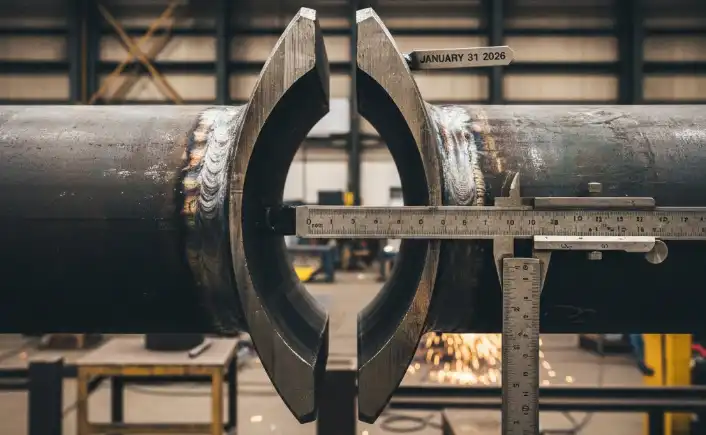
A root gap that is too large can also cause trouble. You may find it hard to keep the joint edges aligned. The weld pool can become unstable, which leads to weak bonding and poor fusion. If the gap is much wider than the recommended range, you risk burn-through, where the weld metal melts through the joint and leaves holes. You may also see excessive reinforcement, which means too much weld metal builds up on top.
Here is a table showing defects linked to a large root gap:
| Weld Defect | Causes | Prevention Methods |
|---|---|---|
| Burn-Through | Large gaps, high current, slow torch movement | Use correct gap, current, and travel speed |
| Excess Reinforcement | Large gaps, uneven wire feed, wrong voltage | Align pieces, set proper voltage and wire speed |
Common Weld Defects
You may notice several weld defects when the root gap is not correct. These include:
- Lack of penetration: The weld does not reach the bottom of the joint.
- Burn-through: The weld metal melts through and leaves holes.
- Weak joints: The weld does not hold the pieces together well.
- Excessive reinforcement: Too much weld metal builds up.
Experts say that proper joint preparation and setting the right root gap help you avoid these problems. You should follow welding codes and specifications to keep your welds strong and safe.
Measuring and Setting the Root Gap
Tools and Techniques
You need the right tools to measure and set the root gap before welding. Gauges and fit-up tools help you check if the space between the metal pieces matches the required standards. You can use root gap gauges, feeler gauges, and even simple rulers for quick checks. These tools let you compare your joint to the tolerances set by welding codes. For example, standards like ASME B31.3, AWS D1.1, and API 1104 give you clear limits for root gap and hi-lo tolerances:
| Standard | Root Gap Tolerance | Hi-Lo Tolerance |
|---|---|---|
| ASME B31.3 | ~1/16″ (1.6 mm) | ≤ 1/32″ (0.8 mm) |
| AWS D1.1 | 1/16″ to 1/8″ (1.5–3.0 mm) | ≤ 1/16″ (1.6 mm) |
| API 1104 | 1/16″–1/8″ (1.6–3.2 mm) | ≤ 1/8″ (3 mm) |
You can also use tack welds and welding fixtures to hold the joint steady. Tack welds keep the gap and alignment stable while you work. Small, even tacks help prevent distortion and keep the joint within the allowed tolerance. In production, well-placed tacks can even replace complex jigs, saving time and cost.
Tip: Always check the joint area for dirt or debris before measuring. Clean surfaces help you get accurate readings.
Maintaining Consistency During Welding
Keeping the root gap consistent during welding can be a challenge. Heat from the weld can cause the metal to move or distort. You can use several techniques to help maintain the gap:
- Laywire: Place the filler rod against the gap and run the weld puddle over it. This method works fast and looks neat, but you need a good fit-up.
- Backfeed: Feed the filler rod through the back side of the gap into the puddle. This gives strong reinforcement and works for wide gaps, but it takes more time.
- Keyhole Dip: Melt a small hole at the edge of the joint, then feed the filler rod into the puddle. This method is versatile but can be hard to master.
Tack welds also help keep the gap steady as you weld. They hold the pieces in place and reduce the risk of misalignment or distortion. Automated welding systems use cameras and sensors to watch the gap in real time. These systems adjust the weld path and speed to keep the gap within the set range.
Note: Regularly inspect the joint as you weld. If you see the gap changing, stop and adjust before you continue.
You may face challenges like insufficient penetration, humping, or collapse if the gap changes during welding. Using the right tools and techniques helps you avoid these problems and keeps your welds strong.
You help make welds better when you control the root gap. Research shows that measuring the seam carefully gives better welds.
The study says the laser sensor can measure seams well. If you make mistakes measuring the root face, the results can change. Big errors in measuring the root face can make welds worse. The experiment did not show a big drop in weld quality. But large mistakes can still cause bad welds. The study supports using ANN-based control for butt welds with GMAW.
If you use the right sizes and follow rules, you avoid weak welds and expensive fixes.
- Bad preparation and not checking the root gap can make the weld weak.
- Welds without root fusion can break more easily and do not last long.
You should always check and keep the root gap right. This helps you make strong welds without defects. It also keeps your projects safe and lasting longer.
FAQ
What is the main purpose of a weld root gap?
You use a weld root gap to let the welding arc reach the bottom of the joint. This helps you get full penetration and strong fusion between the metal pieces.
What happens if you ignore the recommended root gap?
If you ignore the recommended root gap, you risk weak welds, poor fusion, or defects like burn-through. You may also fail to meet welding codes or safety standards.
What tools help you measure the root gap?
You can use root gap gauges, feeler gauges, or rulers. These tools help you check if the space between the metal pieces matches the required size before you start welding.
What weld defects come from an incorrect root gap?
You may see lack of penetration, burn-through, or weak joints. These defects make the weld less reliable and can cause failure in service.
What welding codes mention root gap requirements?
You find root gap requirements in codes like AWS D1.1, ASME B31.3, and ISO 9692-1. These codes give you the correct size range for safe and strong welds.
References & Standards
- AWS D1.1/D1.1M:2025 — Structural Welding Code — Steel (joint preparation and prequalified groove details). Publisher preview: AWS D1.1/D1.1M:2025. Applicable to structural steel fabrication; verify WPS clause tables in the purchased standard.
- ASME B31.3 — Process Piping (weld joint dimensions and fit‑up guidance). See ASME store listing for B31.3 (search on pubs.asme.org).
- API 1104 — Welding of Pipelines and Related Facilities (2021/ed.) (pipeline joint prep and acceptance). See API standards listing at API Standards.
- ISO 9692‑1:2013 (or latest) — Recommendations for joint preparation. Catalog: ISO 9692‑1.
- AWS Welding Handbook (technical background and application notes). Publisher page: [AWS Welding Handbook](https://pubs.aws.org/p/1295/welding