
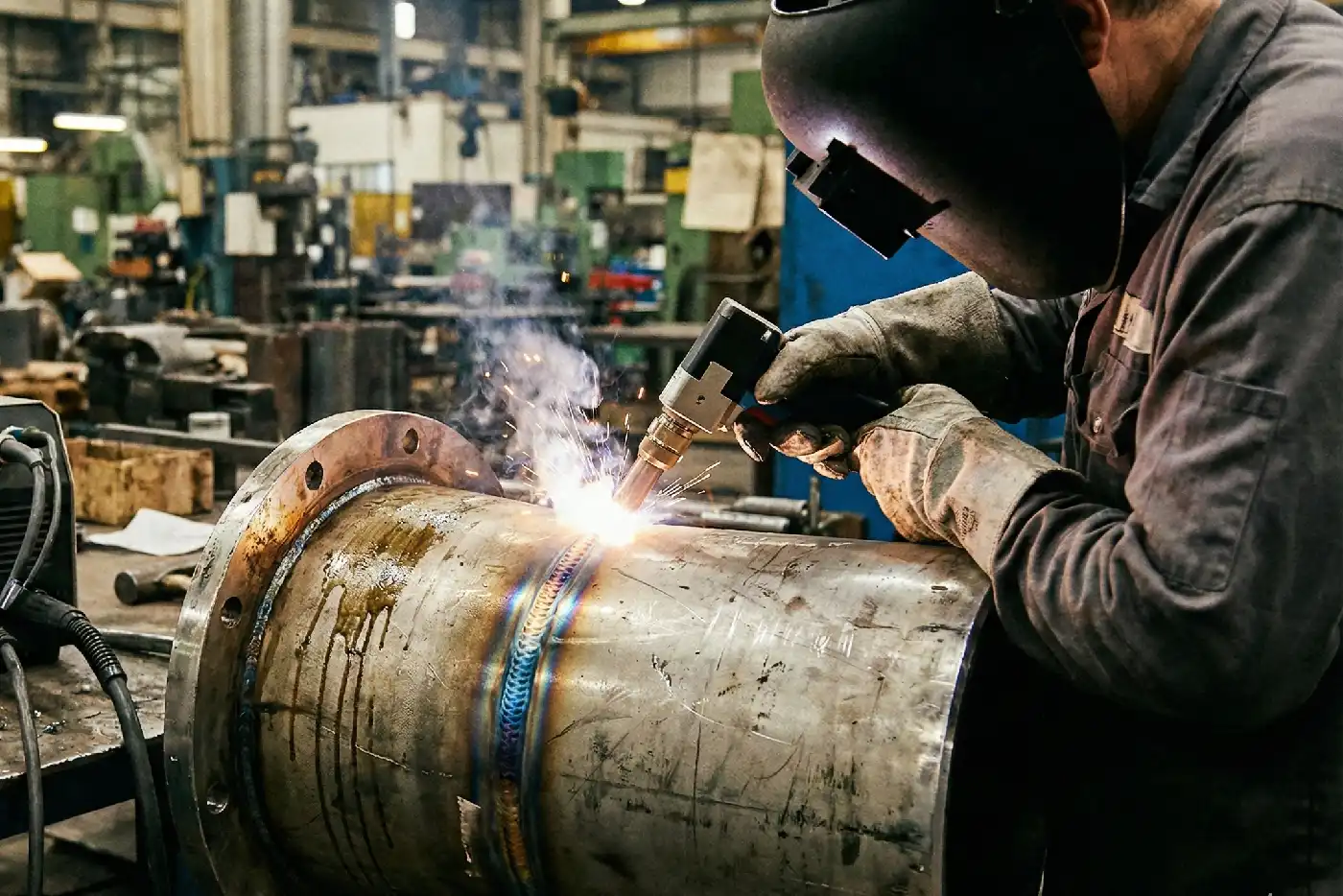
Weld bead color gives quick hints about weld quality and strength. Watching this color helps you find safety problems and avoid failing inspections. > Weld bead color often shows if oxidation happened or if you managed your welding process well. When you know what the colors mean, you can fix errors and make better welds.
Key Takeaways
- Weld bead color shows how good the weld is. Shiny chrome means the weld is strong and has no oxidation.
- Dark colors like blue or black show there are problems. These colors mean too much heat and oxidation. This makes the weld weaker.
- Always clean your metal before you start welding. Dirt and rust can make the weld color and strength worse.
- Check your shielding gas flow before welding. Good coverage stops oxidation and helps get the best weld colors.
- Control your heat settings while you weld. Keeping the temperature steady gives lighter colors. Lighter colors mean the weld is better.
Weld Bead Color as a Quality Indicator
What Colors Reveal About Welds
You can use weld bead color to quickly check the quality of your welds. When you see a shiny, chrome-like finish, you know the weld cooled with little or no oxidation. This means the weld is strong and will resist corrosion. If you notice straw, yellow, or gold colors, you still have a good weld. These colors show only a small amount of oxidation, so the weld keeps its strength.
When you see red, blue, or purple, you should pay attention. These colors mean the weld got too hot. High heat can cause more oxidation, which weakens the weld. If you spot dull grey or black, you have a problem. These dark colors show complete oxidation. The weld may lose its corrosion resistance and could fail over time.
Here is a quick guide to common weld bead colors and what they mean:
| Color | What It Means |
|---|---|
| Chrome / No Colour | No oxidation, strong weld, best corrosion resistance |
| Straw / Yellow / Gold | Minimal oxidation, still strong and acceptable |
| Red | Weld is getting too hot, risk of problems |
| Blue / Purple | High heat, surface oxidation, possible weakness |
| Dull Grey / Black | Too much heat, full oxidation, poor corrosion resistance |
Tip: Always look for chrome or light gold colors on your welds. These colors show you have good process control.
Acceptable vs. Problematic Colors
Not all weld bead colors are good. Some colors mean you need to fix your welding process. Lighter colors like chrome, straw, and gold are usually acceptable. They show you kept the temperature under control and protected the weld from air.
Darker colors, such as blue, purple, dull grey, or black, signal trouble. These colors mean the weld got too hot or did not have enough shielding gas. Darker weld bead colors show more oxidation. This can make the weld weaker and more likely to rust. In critical jobs, like medical or aerospace work, any color can mean the weld will fail inspection. For stainless steel and titanium, codes and standards often do not allow any color in these cases.
Here is a table showing what different standards say about acceptable weld bead colors:
| Metal Type | Acceptable Weld Colors | Notes on Standards |
|---|---|---|
| Stainless Steel | No colors allowed in critical applications | In medical or aerospace, any color means oxidation and is not allowed. |
| Light blue streaks acceptable in farming | Light blue is sometimes okay and easy to clean, but darker colors are not. | |
| Titanium | No colors preferred | Oxidation makes titanium brittle; colors are not allowed in most cases. |
| Striking colors may be seen | Some welders accept colors in non-critical jobs, but this is risky. |
You should remember that darker weld bead colors mean more oxidation. This can change the look of the metal and make it more likely to corrode. If you see streaks or patches of color, you know the weld did not get enough protection during cooling. Always aim for the lightest color possible to keep your welds strong and safe.
Causes of Weld Bead Color
Oxidation and Temperature
When you weld, the hot metal reacts with oxygen in the air. This reaction is called oxidation. Oxidation happens most when the metal cools down after welding. If you do not protect the weld from air, the surface changes color. The colors you see depend on how much oxidation takes place.
- Oxidation increases when the weld stays hot for a long time.
- If you use too much heat, the metal reacts more with oxygen.
- Not enough shielding gas lets air reach the weld, causing more color changes.
- Using the wrong welding current can also lead to oxidation.
You can spot different levels of oxidation by looking at the colors. Light gold means you have only a little oxidation. Deep blue or purple shows more oxidation. Black means heavy oxidation, which is a warning sign. In stainless steel, any color means an oxide layer has formed. The darker the color, the thicker the oxidation. This can make the weld weaker and less able to resist rust.
The temperature during welding also affects the colors you see. Chrome color means the weld has the least risk of rust. Straw, gold, blue, and purple show more oxidation. Dark purple means the most risk and the thickest oxide layer. The colors form because of the heat, the type of metal, and how long the weld stays hot.
Shielding Gas Effects
Shielding gas protects the weld from air. If you do not use enough gas, you will see discoloration. This is a common sign that oxidation or other chemical reactions have happened. Sometimes, foreign materials get trapped in the weld. These are called inclusions. Inclusions can make the weld weak and cause defects. Good shielding gas coverage helps you avoid these problems and keeps the weld bead color bright and clean.
Tip: Always check your shielding gas flow and purity before you start welding. This helps you get the best weld bead color and a strong, safe weld.
Weld Bead Color Meanings
Stainless Steel and Titanium
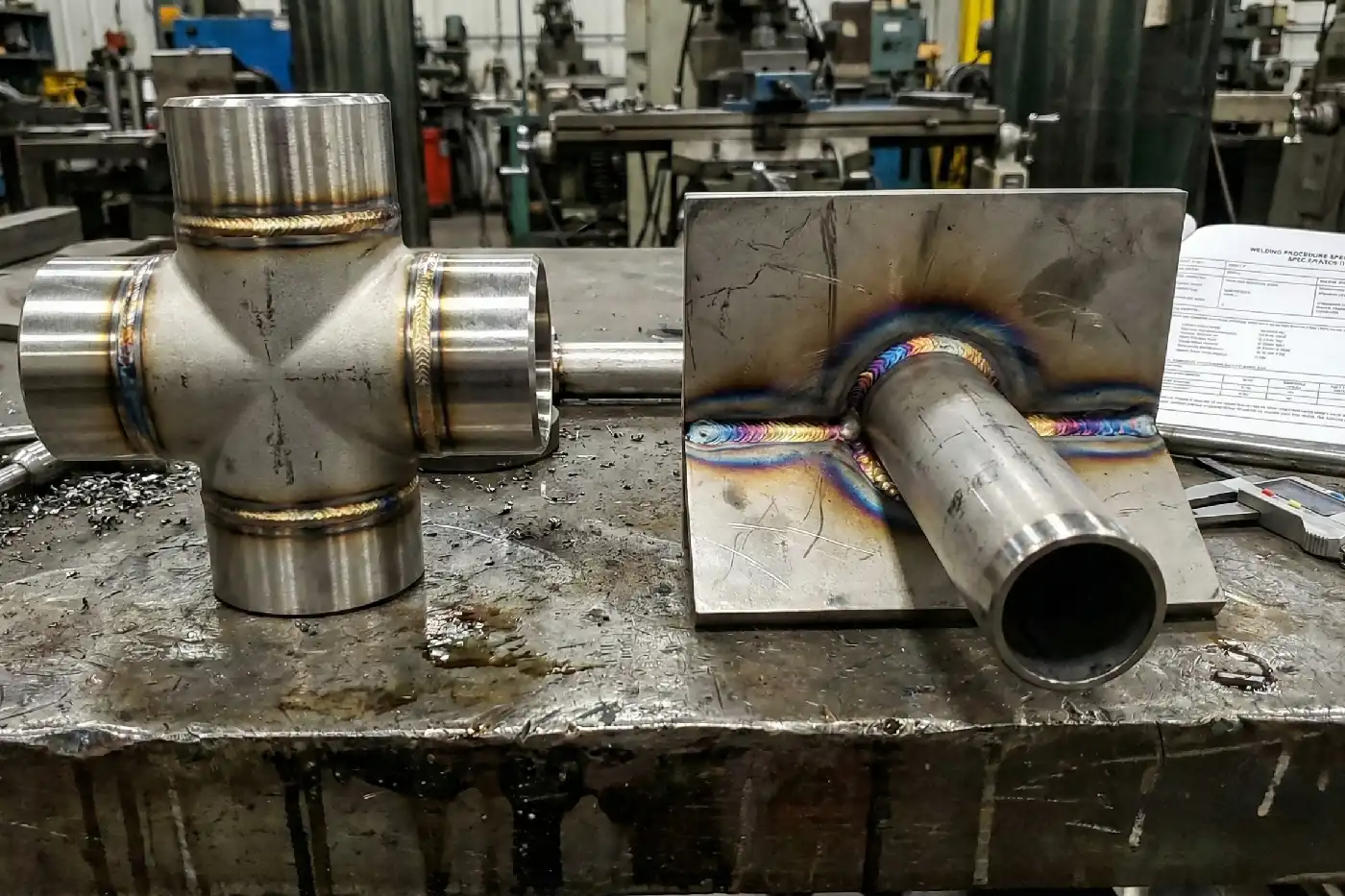
You can learn a lot about your welds by looking at the colors on stainless steel and titanium. On stainless steel, you often see colors like chrome, straw, gold, blue, and purple. These colors show how much oxidation happened during welding. Chrome and straw colors mean the weld is strong and will resist rust. Gold is also a good sign. When you see blue or purple, the weld has more oxidation. This can make the weld weaker and less safe.
For titanium, you want to see a bright silver or chrome color. Light gold is sometimes okay. Any other color, like blue or purple, means the weld picked up contamination. This can make the weld brittle and unsafe. In jobs like aerospace or medical work, you must avoid any color except silver or straw. Dark colors show that oxygen got into the weld, which can cause the weld to fail.
Note: In critical jobs, inspectors may reject your weld if they see blue, purple, or dark colors. Always aim for the lightest color possible.
Other Metals
You will see different colors on metals like aluminum, copper, and carbon steel. Pale yellow and gold colors mean you did a good job. These colors show little oxidation and a low risk of rust. If you see blue or purple, the weld has a lot of oxidation. This means the weld could rust or fail.
Here is a quick list to help you remember:
- Pale yellow or gold: Good weld, low oxidation
- Blue or purple: High oxidation, possible problems
In TIG welding, colors above gold or straw are not good. They show that the weld may not be strong enough. Always check your weld bead color to make sure your welds are safe and will last.
Factors Affecting Weld Bead Color
Weld bead color changes for many reasons. You can control most of these factors by paying close attention during welding. Three main things affect the color of your welds: shielding gas coverage, temperature control, and contamination.
Shielding Gas Coverage
Shielding gas protects your weld from air. If you do not use enough gas, oxygen and nitrogen can reach the molten metal. This causes color changes and can make your weld harder and more brittle. You might see silver, yellow, or bluish violet colors on the weld surface. Silver means you used enough shielding gas and created a fine, strong weld. Yellow and bluish violet show that you did not use enough gas. These colors mean larger and denser martensite formed, which increases hardness and can make the weld crack more easily.
- Adequate shielding gas gives you a silver weld with fine structure.
- Poor shielding gas coverage leads to yellow or bluish violet colors and harder, brittle welds.
- Microhardness values rise as shielding gas coverage drops. Silver welds measure about 363.7 HV, yellow welds reach 367.0 HV, and bluish violet welds go up to 382.1 HV.
Tip: Always check your shielding gas flow before you start welding. Good coverage helps you get the best color and strength.
Temperature Control
Heat plays a big role in weld bead color. If you use too much heat, the weld stays hot longer and reacts more with air. This causes more oxidation and darker colors. You want to keep the temperature steady and avoid overheating. Lower heat helps you get lighter colors like silver or gold. These colors show less oxidation and better weld quality.
- High heat creates blue, purple, or black colors.
- Controlled heat gives you lighter, safer welds.
Contamination
Dirty surfaces change weld bead color and weaken your welds. Oils, rust, and paint trap gases during welding. These gases create porosity and fusion problems. You should always clean your base materials and joints before welding. Remove oil, paint, and rust to keep your welds strong and free of defects.
- Clean base materials prevent porosity.
- Good joint preparation stops gas entrapment.
- Dirty surfaces and poor preparation lead to fusion problems and bad weld colors.
Note: Cleanliness and preparation matter as much as technique. You get better welds and colors when you start with clean metal.
Achieving Desired Colors
Best Practices
You can achieve the best weld bead colors by following a few simple steps. Start with clean metal. Dirt, oil, and rust cause unwanted colors and weak welds. Always wipe your workpiece before you begin. Set your welding machine to the right settings. If you use too much heat, you will see blue or black colors. If you use too little, the weld may not fuse well.
Pay close attention to your shielding gas. Make sure the gas flows smoothly and covers the weld completely. If you see colors like yellow or blue, check your gas flow. You may need to increase it. Keep your travel speed steady. Moving too fast or too slow changes the color and quality of your weld.
Experienced welders often adjust their parameters to get the best results. The table below shows how you can do this:
| Parameter | Adjustment Needed | Effect on Weld Quality |
|---|---|---|
| Amperage | Increase or decrease based on defects | Changes penetration and bead appearance |
| Voltage | Adjust to fix cold lap or undercut | Alters bead width and height |
| Travel Speed | Slow down for contamination | Helps achieve proper fusion |
| Shielding Gas Flow | Increase for porosity issues | Ensures good gas coverage |
| Surface Preparation | Clean thoroughly before welding | Prevents contamination-related defects |
Tip: Always check your settings before you start. Small changes can make a big difference in color and strength.
Avoiding Problematic Colors
You want to avoid dark or streaky colors on your welds. These colors mean too much oxidation or poor gas coverage. If you see blue, purple, or black, stop and check your process. Lower your heat, clean your metal, and make sure your shielding gas is working.
Use a checklist to help you:
- Clean the metal before welding.
- Set the right amperage and voltage.
- Check your shielding gas flow.
- Keep a steady hand and speed.
If you follow these steps, you will see bright, clean welds with the right colors. Good weld bead color means your weld is strong and safe.
You can look at weld bead color to quickly check if a weld is good and safe. Many rules from around the world say color is important in welds. Colors can show if the weld might rust. Weld bead color can also tell you if there is oxidation or dirt. Some jobs, like medical or aerospace, have very strict rules about weld colors. The American Welding Society has its own rules for weld bead colors.
If you pay attention to weld bead color, your welds get stronger and rust less. You also follow the rules for your job and make your welds look better. Always check weld bead color when you inspect your work. This helps keep your welds safe and strong.
FAQ
What causes rainbow colors on my welds?
You see rainbow colors when the weld cools in air and forms thin oxide layers. Each color shows a different temperature. These colors often mean some oxidation happened.
Can I remove weld bead colors after welding?
Yes, you can remove colors with a stainless steel brush or pickling paste. This helps restore the metal’s corrosion resistance. Always clean the weld after you finish.
Why do inspectors reject blue or black welds?
Blue or black colors show heavy oxidation. This weakens the weld and makes it rust faster. Inspectors want to see light colors because they mean a stronger, safer weld.
How can I keep my welds silver or gold?
- Clean your metal before welding.
- Use enough shielding gas.
- Control your heat settings.
- Move at a steady speed.
These steps help you get the best weld bead color.
How Much Should You Pay for Laser Welding Services
Three in one laser machine really worth your money
How Does Laser Wire Feeding Technology Improve Welding Precision