Laser welding usually works without welding wire. You might need welding wire if you work with certain metals or face gaps in your joint. Material type and joint design can change how you approach your project. Think about your specific needs before you decide.
Tip: Always match your process to your project’s goals for the best results.
Key Takeaways
- Laser welding often works best without wire, especially for metals like stainless steel and titanium. Use fusion welding for clean and strong joints.
- Welding wire is essential when gaps exist or when working with metals like aluminum and copper. It helps fill spaces and adds strength to the weld.
- Always match the welding wire to your base material for a strong bond. Using the wrong wire can lead to weak welds and cracks.
- Consider joint design and gaps when deciding on wire use. Gaps of 0.3mm or more typically require wire for better quality.
- Test your setup on scrap material before starting your main project. This helps catch issues early and ensures a smoother welding process.
Laser Welding: Wire or No Wire?
Fusion Welding Without Wire
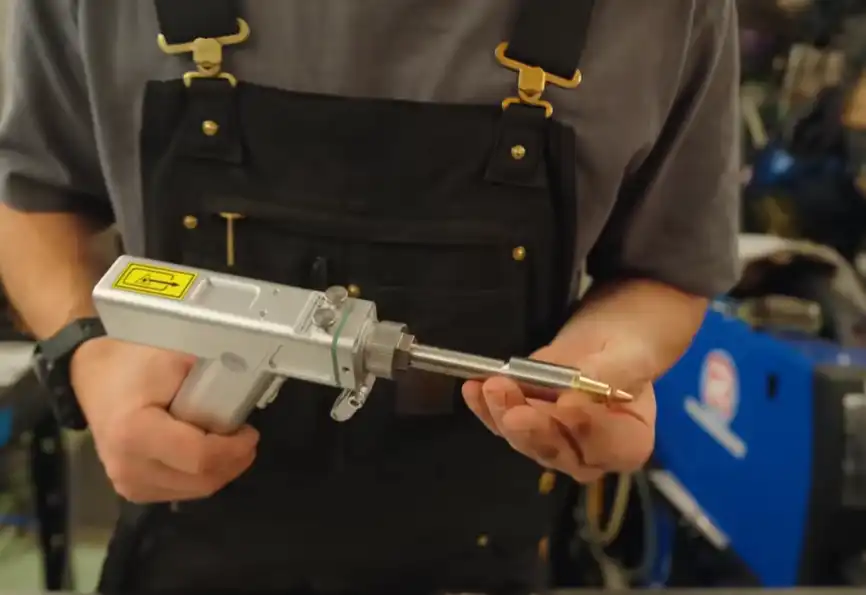
Laser welding often works best when you do not use welding wire. You can join two pieces of metal by melting their edges together. This process is called fusion welding. It creates a clean and strong joint. Many metals work well for this method. The table below shows what materials suit fusion welding without wire and why.
| Material Type | Suitability Characteristics |
|---|---|
| Stainless Steel | Good laser absorption, low susceptibility to cracking |
| Titanium | Melts cleanly, compatible melting points |
| Low-Carbon Steels | Minimal segregation during solidification |
| Aluminum | High reflectivity, presents challenges in welding |
| Copper | Volatility and high reflectivity complicate the welding process |
You can see that stainless steel, titanium, and low-carbon steels are good choices. These metals absorb the laser well and do not crack easily. Aluminum and copper can be harder to weld. They reflect the laser and may need special care.
Note: Fusion welding without wire works best when the joint fits tightly and the metal is clean.
When Welding Wire Is Needed
Sometimes, you need to use welding wire in laser welding. You might face gaps between the parts you want to join. Welding wire helps fill these spaces. You may also need wire when you work with metals that crack easily or need extra strength at the joint.
Here are some common situations where you use welding wire:
- You weld aluminum or copper. These metals can crack or have gaps that need filling.
- You join parts with poor fit-up. The wire bridges the gap and makes a strong bond.
- You want to add material for extra strength or to change the joint shape.
Laser welding with wire lets you control the weld better. You can adjust the amount of wire to match your needs. This method helps you get a strong and neat finish, even with tricky materials or joint designs.
Case study — 6061 butt, 1.5 mm (shop trial, representative example): A pulsed 1.0 kW fiber laser was used to weld a 6061‑T6 butt joint (1.5 mm). Autogenous runs at ~8 mm/s produced incomplete fusion and hot‑cracking in the HAZ. Retest with ER4043 filler (φ1.2 mm) fed at ~12 mm/s, same laser power/speed and argon shielding eliminated visible cracks, achieved full penetration and a smooth bead, and reduced porosity; post‑weld handling and lap/shear strength were noticeably improved. Lesson: Al‑Si filler plus correct feed rate and shielding mitigates hot‑crack risk.

Factors Affecting Welding Wire Use
Applicability & boundary conditions
This guide targets typical shop and handheld laser‑welding with wire on thin sheet metals. It is most applicable to sheet thicknesses of about 0.8–4.0 mm (use multi‑pass or beveling beyond ~6 mm). Common joint forms covered are butt, narrow‑gap, and lap/overlap—keep butt gaps ≤0.1–0.3 mm before relying on filler wire.
Both CW and pulsed lasers are used; low‑power handheld systems (≲500 W) suit small repairs, while shop systems (1–3 kW+) handle thicker or higher‑duty work where wire feed is advisable. Use argon or argon/helium mixes for shielding; gas choice and flow depend on material (aluminum needs higher flow and cleaning) and machine optics (see industry laser thickness guidance by YihaiLasers and AHSS insights).
Material and Compatibility

What you use as your base material changes how you choose welding wire. You need to match the wire to the metal for a strong weld. The table below shows common base materials and the recommended filler wires. This helps you pick the right wire for your project.
| Base Material | Recommended Filler Wire | Description |
|---|---|---|
| Stainless Steel (304) | ER308 | Good corrosion resistance and weld appearance |
| Carbon Steel (Q235) | ER70S-6 | Strong deoxidation, low spatter |
| Aluminum Alloy (6061) | ER4043 | Good crack resistance, excellent flowability |
| Aluminum Alloy (5083) | ER5356 | High strength, corrosion resistant |
| Brass | HS221 | Good thermal conductivity |
| Dissimilar Metals | Al-Si alloy/transition | Prevents cracking, needs process testing |
You also need to watch for compatibility issues. Problems like diameter inconsistency, impure wire, or material mismatch can cause weak welds or cracks. Always check that your wire matches your base metal.
Joint Gaps and Design
Joint gaps play a big role in deciding if you need welding wire. If you see a gap of 0.3mm or more, you should use wire to fill it. Some joint designs, like dissimilar metal joints or narrow gap welds, also need wire for better quality. Using a softer filler wire helps control the weld’s strength and toughness, especially with high-strength steels. This keeps the weld strong and reduces the risk of hot cracking.
Tip: For thin plates or tricky joints, wire can help you avoid cracks and get a smoother finish.
Strength and Quality Needs
What you want from your weld affects your choice. If you need extra strength, the right welding wire can help. For example, using ER4047 wire improves the mechanical properties of your weld. The wire you pick changes the grain size and shape in the weld, which affects how strong it is. Always choose a wire that matches your strength and quality goals.
Efficiency Considerations
You want your welding process to be smooth and fast. Using the right wire helps you avoid problems like poor feedability or impure welds. This means fewer stops and better results. When you match your wire to your material and joint, you save time and get a better weld.
Choosing Welding Wire
Wire Material Selection
You need to select the right wire material for your project. The wire must match the base metal. This helps you avoid weak welds and cracking. For example, use ER308 wire for stainless steel and ER4043 for aluminum alloys. Always check the wire’s compatibility with your metal. If you work with dissimilar metals, choose a transition wire to prevent problems.
Diameter and Feed Rate
Wire diameter and feed rate affect the quality of your weld. Thicker wires work better for thicker materials. The feed rate controls how much wire enters the weld pool. If you use the wrong settings, you may get poor results. The table below shows recommended wire diameters and feed rates for different materials and thicknesses:
| Material | Thickness (mm) | Wire Diameter (mm) | Wire Feed (mm/s) |
|---|---|---|---|
| Stainless Steel | 0.8 | 0.8 | 18 |
| 1.0 | 0.8 | 18 | |
| 1.2 | 1.0 | 15 | |
| 1.5 | 1.2 | 13 | |
| 2.0 | 1.2 | 12 | |
| 2.5 | 1.2 | 10 | |
| 3.0 | 1.2 | 8 | |
| 4.0 | 1.2 | 6 | |
| Carbon Steel | 0.8 | 0.8 | 18 |
| 1.0 | 0.8 | 18 | |
| 1.2 | 1.0–1.2 | 15 | |
| 1.5 | 1.2 | 12 | |
| 2.0 | 1.2 | 12 | |
| 2.5 | 1.2 | 10 | |
| 3.0 | 1.6 | 8 | |
| 4.0 | 1.6 | 6 | |
| Aluminum | 1.0 | 1.0 | 15 |
| 1.2 | 1.0–1.2 | 13 | |
| 1.5 | 1.2 | 12 | |
| 2.0 | 1.6 | 10 |
Equipment Compatibility
You must check if your welding equipment supports the wire you choose. Some machines only handle certain wire diameters or materials. Make sure your wire feeder matches the wire size. If you use the wrong setup, you may face feeding problems or poor welds.
Application Tips
You can avoid many common mistakes by following a few tips:
- Ensure tight tolerances and use tack welding to prevent gaps.
- Clean your materials and use proper gas coverage to avoid porosity.
- Watch for cracking by using good design and welding techniques.
- Monitor heat input to prevent overheating and distortion.
Tip: Always test your setup on scrap material before starting your main project. This helps you catch problems early and adjust your process.
You can make better choices for laser welding by understanding what affects wire selection and application.
Welding Wire: Pros and Cons
Advantages of Using Wire
You can find many benefits when you use welding wire in your project. Here are some key advantages:
- You can fill gaps between parts. This helps you join pieces that do not fit perfectly.
- You can improve the strength of your weld. The right wire adds support to the joint.
- You can reduce the risk of cracks. Some wires help prevent hot cracking in tricky metals.
- You can join different types of metals. Special wires make it possible to connect dissimilar materials.
- You can create a smoother finish. The wire helps you control the shape and look of the weld.
Tip: You can use welding wire to fix mistakes or add material where you need it most.
The table below shows what you gain when you use welding wire:
| Advantage | What It Means for You |
|---|---|
| Gap filling | Easier to join parts with spaces |
| Extra strength | Stronger, longer-lasting welds |
| Crack prevention | Fewer problems with brittle metals |
| Dissimilar metal joining | More project options |
| Smoother finish | Better appearance and less grinding |
Disadvantages and Challenges
You also face some challenges when you use welding wire. Here are the main drawbacks:
- You need extra equipment. Wire feeders and guides add cost and setup time.
- You must match the wire to your base metal. Using the wrong wire can cause weak welds.
- You may see more spatter or porosity. Poor wire quality or setup can lead to defects.
- You have to adjust your process. Wire feed speed and angle need careful control.
- You might slow down your work. Adding wire can make laser welding less efficient.
Note: You should always test your setup before starting your main weld. This helps you avoid surprises.
You can weigh these pros and cons to decide if welding wire fits your project. Think about your goals, materials, and the quality you want.
You now know that laser welding often works without wire, but some projects need it. You should look at your material, joint design, and project goals before you choose. Make a list of the pros and cons for your situation. If you face a tough job, ask an expert for help. Careful planning leads to better results.
In the paragraph under “Joint Gaps and Design”, append:
If you see a gap of 0.3mm or more, you should use wire to fill it. Source: Hobart Brothers — Aluminum Welding Guide (PDF).
In the section near the wire diameter / feed-rate table, append:
Source: recommended feed speeds and diameter guidance are summarized from Miller Welding MIG setting calculator and the Hyundai Welding — Aluminum Products Guide (PDF).
References
- AWS A5.10 / A5.9 / A5.18 (filler metal specs) — American Welding Society publications (procurement and classification of filler metals): AWS Filler Metal Specifications.
- ISO 14341 / ISO 14343 — ISO catalogue entries for solid wires and stainless-steel filler consumables: ISO Store.
- ER4043 datasheet — Washington Alloy ER4043 technical sheet (typical chemistry and recommended uses): Washington Alloy — ER4043 PDF.
- Aluminum welding parameters — Hobart Brothers, “Guide for Aluminum Welding” (wire selection, gap guidance): Hobart Aluminum Welding Guide (PDF).
- Wire feed / settings examples — Miller Welding MIG setting calculator and Hyundai Welding product guide (wire‑speed vs thickness tables): Miller MIG calculator; Hyundai Welding — Aluminum Products Guide (PDF).
Notes: the 0.3 mm gap threshold and the feed-speed tables cited above are practice-guidance found in manufacturer training/guides; always verify against the filler-metal supplier datasheet and the welding equipment manufacturer recommendations before production use.
FAQ
What is welding wire used for in laser welding?
You use welding wire to fill gaps, join dissimilar metals, or add strength to a weld. It helps you get a cleaner finish and prevents cracks in tricky materials.
What types of materials need welding wire during laser welding?
You often need welding wire for aluminum, copper, or when you join different metals. These materials can crack or have gaps that require extra filler.
What happens if you use the wrong welding wire?
If you use the wrong wire, you may see weak welds, cracks, or poor appearance.
Always match your wire to your base metal for the best results.
What equipment do you need for laser welding with wire?
You need a laser welding machine, a wire feeder, and the correct welding wire.
- Check that your equipment supports the wire size and type you plan to use.