Imagine you want to buy a laser cleaning machine for your business. You see prices from $4,000 up to $12,000. Some sellers offer discounts if you buy more sets, as shown below:
| Quantity | Price |
|---|---|
| 1 – 2 sets | $6,850 |
| 3 – 4 sets | $6,650 |
| >= 5 sets | $6,457 |
You might wonder why the cost varies so much. The global market for laser cleaning keeps growing, reaching $780 million in 2025 and expected to hit $1.02 billion by 2030. Many factors influence what you pay.
Key Takeaways
- Laser cleaning machines have different prices because of power, technology, and build quality. Machines with more power clean faster and can do harder jobs. These machines usually cost more.
- Think about the machine’s size and features. Small and portable machines cost less. Big industrial machines are stronger and have more features. These things make them more expensive.
- The brand is important. Famous brands often cost more. They give better support, warranties, and training. This can help you save money later.
- Know what you need to clean before you buy. Entry-level machines work well for small jobs. Industrial machines are better for big jobs. Pick the one that fits your needs.
- Do not just look at the first price. A pricier machine might work better and need less fixing. This can save you more money over time.
Laser Cleaning Price Factors
Laser Power and Technology
Laser cleaning machines use strong light beams to clean surfaces. The laser heats up things like rust or paint. This makes the unwanted stuff break apart into tiny pieces. The process is fast and does not damage the main material.
There are different kinds of lasers in these machines. Some machines use pulsed fiber lasers. Others use continuous wave lasers. Machines with more power, like 1000W, work faster. They can clean harder jobs. These powerful machines cost more than basic ones. Basic machines might have 50W to 200W power.
Laser cleaning has many good points:
- It keeps workers safer because there are no harsh chemicals.
- You can control exactly where you clean.
- The equipment lasts longer since cleaning is gentle.
- You save money because you do not need extra supplies.
- It is better for the environment because there is little waste.
- You can use these machines in automated systems.
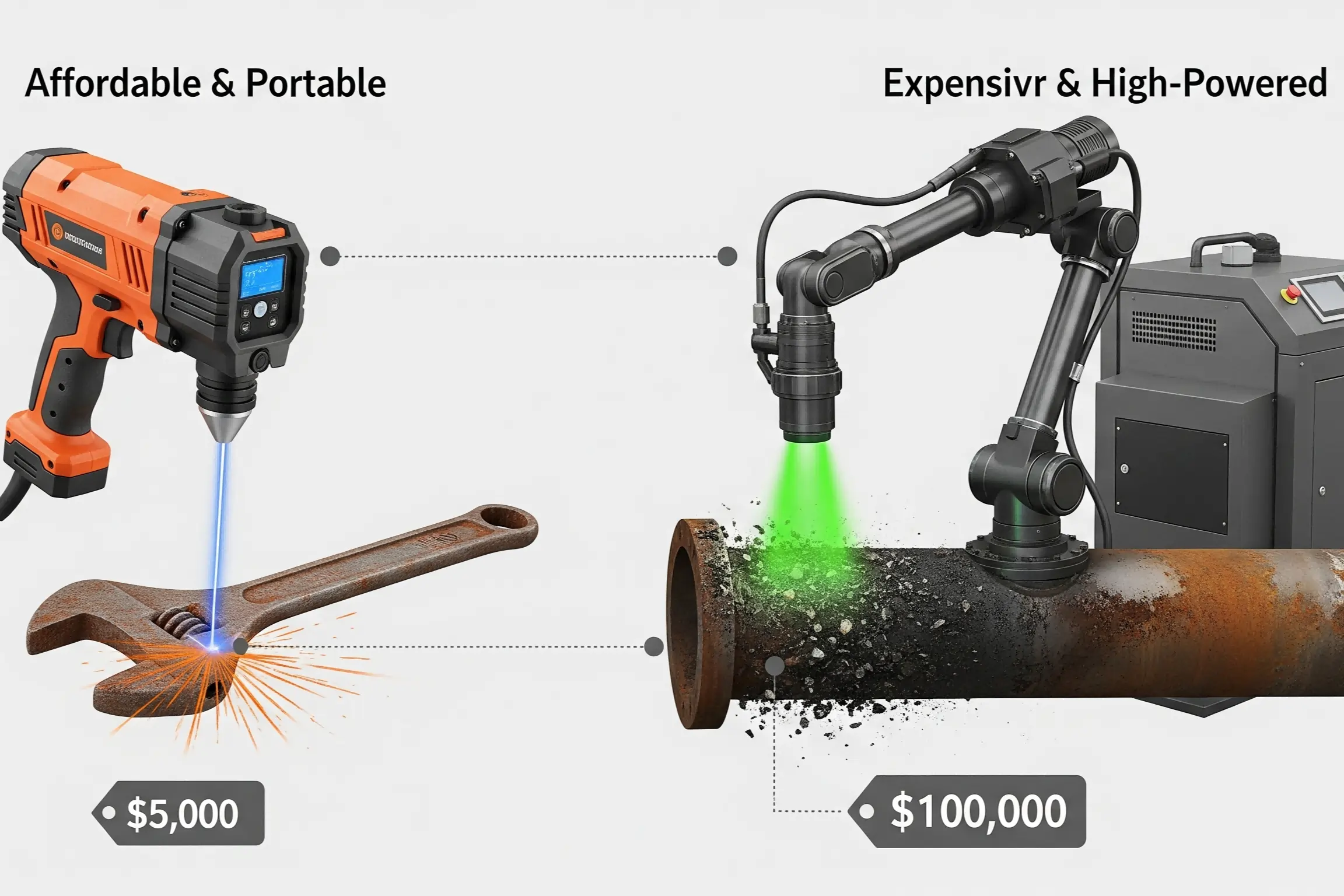
If you pick a machine with better laser technology, it will cost more. Simple models may start at $2,500. Big, powerful machines can cost $100,000 or even more.
Machine Size and Build Quality
The size of the machine changes the price. Small, portable machines usually cost less. They are good for small jobs or workshops. Big machines for factories cost more. They have stronger parts and more features.
How well the machine is made also matters. Machines with good optical parts and strong cooling last longer. They use better materials and are built to last. This means they break less and need fewer repairs. You might pay more at first, but you save money later.
Important things that make machines cost more include:
- The best optical parts
- Good cooling systems
- Strong electronics and parts
- Tough frames and covers
Automation and Features
Automation makes cleaning with lasers easier and faster. More expensive machines often have robotic arms and special settings. These features help you clean quickly and with less work.
Here is a table that shows what features different machines have:
| Model Type | Automation Features |
|---|---|
| Robot Laser Cleaning Machine | Robotic arms, customizable configurations, high precision |
| Conveyor Laser Cleaning Machine | Automatic adjustments for positioning variations |
| High Power Pulsed Fiber Laser | Equipped with automatic equipment and robotic arms |
Extra features add more value:
- Easy-to-use controls and software make it simple to use.
- You can set power, speed, and cleaning time.
- Real-time checks help you see how the machine is working.
These extras make the price go up, but they also make your job easier.
Brand and Support
The brand you pick can change the price. Famous brands usually cost more. But they give better help and longer warranties. You feel safer knowing you can get help if needed.
Many top brands give:
- Warranties for one year or more
- Free setup and training
- Help for life with technical problems
- Regular checks and repair help
Here is a table showing what some top brands offer:
| Brand | Warranty Options | Support Options |
|---|---|---|
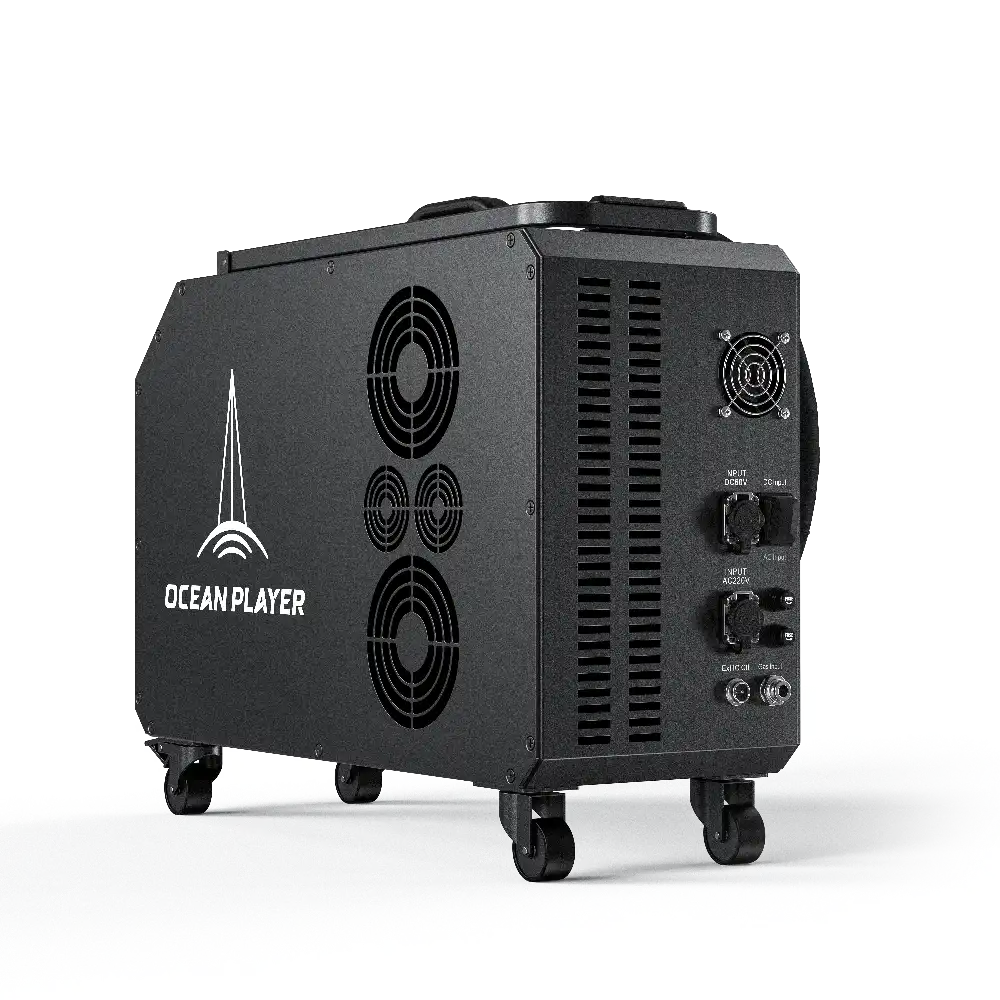
| Oceanplayer | One-year limited warranty, 30-day money-back guarantee | Free lifetime technical help, worldwide shipping |
| Senfeng | One-time free installation, full training | Regular maintenance checks, at-home services |
| LaserAX | Strong after-sales service | Help for hardware issues and application questions |
| Raymond Laser | Free installation and initial training | Personal help for machine use and maintenance |
| MaxWave | Lifetime technical support | Free sample testing, ODM customization |
| Dapeng Laser | N/A | Technical advice and maintenance support |
Picking a trusted brand means you get better help and service. This can save you time and money over the years.
Tip: Always look at the warranty and support before you buy. Good help can really matter if you need repairs or training.
Laser Cleaning Price Ranges
Entry-Level Machines
Entry-level laser cleaning machines start at about $2,500. These are good for small businesses or workshops. They help remove rust, paint, or dirt from surfaces. These models are simple and easy to use. Many have a handheld design. You can move them around easily.
Here is a table showing what you get with entry-level machines:
| Feature | Description |
|---|---|
| Power Options | 100W to 2000W, good for many cleaning jobs |
| Cooling System | Air-cooled or water-cooled for better portability and less maintenance |
| Adjustable Parameters | You can change power and scan area for different tasks |
| Handheld Design | Portable and easy to use for detailed cleaning |
| User-Friendly Controls | Simple controls and presets for beginners |
| Warranty and Support | Most include a warranty and technical help |
| Versatile Applications | Works for rust removal, paint stripping, and more |
These machines give you a good mix of price and features. You can start laser cleaning without spending a lot.
Handheld vs. Industrial Models

Handheld and industrial laser cleaning machines are very different. Handheld machines cost between $2,500 and $7,500. Industrial models cost from $15,000 to over $60,000.
| Type | Price Range |
|---|---|
| Handheld Laser Cleaning Machine | $2,500 – $7,500 |
| Industrial Laser Cleaning Machine | $15,000 – $60,000+ |
Handheld machines are light and easy to carry. You use your hands to control them. They work well for small or detailed jobs. Industrial machines are bigger and stay in one spot. Robots or computers control them. They are best for big jobs and factories.
Here is a table to show the main differences:
| Aspect | Handheld Laser Cleaners | Automated Laser Cleaners |
|---|---|---|
| Portability | Lightweight, easy to carry | Fixed, not portable |
| Operation | Manual control | Automated, robot/PC controlled |
| Precision | High for detailed work | Consistent for repetitive tasks |
| Speed & Volume | Slower, small to medium job | Fast, large-scale production |
| Cost | $5,000–$21,000 | $50,000+ |
| Training | Basic, quick learning | Professional setup required |
| Surface Suitability | Good for delicate surfaces | Best for hard, flat surfaces |
If you clean small parts or move around a lot, pick a handheld machine. If you work in a factory or clean many things fast, an industrial model is better.
Note: Think about what you clean every day before you buy. The best machine depends on your job size and how often you use it.
High-End Features and Costs
High-end laser cleaning machines cost from $33,000 to $100,000 or more. These machines have advanced features. They clean faster, safer, and better. The laser does not touch the surface. This keeps delicate materials safe.
Some high-end machines use pulsed lasers with very strong energy. Others use continuous wave lasers with water chillers to stay cool. Many are small and easy to move. They use air cooling.
High-end machines have these benefits:
- Clean metal, plastic, glass, and ceramics
- No chemicals or abrasives, so no toxic waste
- Low running costs and less fixing needed
- Quiet and work quickly
- Easy controls with preset cleaning choices
The higher price is worth it over time. You save money on supplies and repairs. You get better cleaning results. Buying a good machine with strong support helps your business grow and stay ahead.
Tip: High-end machines cost more at first, but they save you money later because they work faster and last longer.
Price vs. Value Misconceptions
Is Expensive Always Better?
You might think that a higher price means better quality. Sometimes, this is true. Expensive laser cleaning machines often give you more power, faster cleaning, and longer life. They can also save you money over time because they need less upkeep. Many experts agree that paying more at first can lower your total cost in the long run.
Here is a table that shows how price can affect value:
| Price Level | Efficiency | Upkeep Cost | Total Value Over Time |
|---|---|---|---|
| Low | Basic | Higher | Lower |
| Medium | Good | Moderate | Good |
| High | Excellent | Lower | Best |
Tip: You should look at the total value, not just the price tag. A machine that costs more may save you money on repairs and downtime.
You also get better support and longer warranties with top brands. This means you spend less time fixing problems and more time working.
When Lower Cost Works
A lower price does not always mean poor quality. Sometimes, a cheaper machine fits your needs perfectly. If you have small jobs or do not use the machine every day, you can choose a basic model. Many users find that entry-level machines work well for simple cleaning tasks.
- You can pick a lower-cost machine if:
- You clean small parts or surfaces.
- You do not need fast cleaning speeds.
- You want to try laser cleaning before making a big investment.
Note: One user shared, “The cheapest laser cleaning machine might not always be the best choice. While lower prices attract me, I’ve learned that investing a bit more can lead to better long-term value.”
Think about what you need most. If you only use the machine sometimes, a lower-cost model can do the job. If you want to grow your business or need fast, heavy-duty cleaning, a higher-priced machine may be the smarter choice.
Choosing Your Laser Cleaning Machine
Assessing Needs and Applications
First, think about what you need to clean. Different jobs use laser cleaning machines in special ways. Shipyards clean rust from ships. Factories clean molds. Energy companies keep pipelines working well. Each job needs different speed, safety, and care for surfaces.
| Industry | Applications | Key Requirements |
|---|---|---|
| Maritime | Removing rust, oxides, oil, and wax from hulls | Efficiency, eco-friendliness, compliance with ecological standards |
| Manufacturing | Cleaning molds in plastics and rubber industries | Non-abrasive cleaning, precision, minimal waste |
| Energy | Pipeline maintenance, removing corrosion and coatings | Safety, consistency, environmental considerations |
You should think about the type of machine you want. Handheld, fixed, and cabinet models work for different jobs. Check cleaning time and how fumes are removed. Make sure the machine works with your materials. Pick a machine that fits your daily work.
Balancing Budget and Performance
You need a machine that fits your budget and does the job. Look at the price first, but remember energy and repair costs. Some machines use less power and last longer. This helps you save money over time.
| Factor | Description |
|---|---|
| Technical Specifications | Includes power, speed, and cleaning area. |
| Cost Factors | Covers purchase price, energy use, and repairs. |
| Application Requirements | Matches machine to your job and materials. |
Try to get the features you need, not extras. You can ask for a sample test or watch a demo. This helps you see if the machine works for your job.
Key Questions to Ask
Ask the seller these questions before you buy:
- What do you need to clean, and how fast?
- What are the laser power and wavelength?
- What is the total cost, including buying and fixing?
- Is the supplier reliable, and do they help after the sale?
- Can you see specs, case studies, or a demo?
- Does the supplier give training, warranty, and sample testing?
Tip: Always check if the machine works with your materials and cleaning jobs. Good help and training make your work safer and easier.
There are many reasons why laser cleaning machines cost different amounts. The table below lists the main things that change the price:
| Factor | Explanation |
|---|---|
| Complexity of Laser Technology | Advanced technology needs more research and testing. |
| Cost of Laser | High-quality lasers cost more to make and maintain. |
| Control System Complexity | Precise control systems require expert design. |
| Security And Regulatory Compliance | Meeting safety rules adds extra costs. |
| Cost of Production | Complex production and strict quality raise prices. |
| Material Differences | Different metals need special settings, increasing costs. |
| Surface Preparation And Post-treatment | Extra cleaning steps add to the price. |
| Market Factors And Competitive Environment | Smaller markets and competition affect pricing. |
| R&D And Innovation | Ongoing improvements require investment. |
It is important to pick a machine that fits your needs. Do not look only at the price. Many machines clean without making waste. They are safe and quiet. They do not cost much to run. You get easy controls and can work faster.
Before you buy, check these things:
- What materials do you need to clean most?
- Are the stains thick or hard to remove?
- Do you want a portable or fixed machine?
- How much room do you have for the machine?
- What power do you need for your jobs?
- How much money can you spend?
- Does the seller give help and training?
If you know what changes the price, you can pick the best machine for you. You will feel sure about your choice.
FAQ
How often do you need to maintain a laser cleaning machine?
Check your machine once a month. Clean the lens each month. Look at the cooling system every week. Change old parts when needed.
- Clean lens every month
- Check cooling every week
- Change parts when needed
Is laser cleaning safe for you and your team?
Laser cleaning is safe if you follow the rules. Wear safety glasses and gloves. Keep your workspace clear.
Tip: Always read the safety guide before you begin.
Do you need special training to use a laser cleaning machine?
You do not need hard training. Most sellers give simple lessons. You learn how to set up and use the machine. You also learn how to clean it.
| Training Type | Provided By | Duration |
|---|---|---|
| Basic Setup | Seller | 1-2 hours |
| Operation | Seller | 2-3 hours |
Can you use a laser cleaning machine on any material?
You can clean metal, plastic, and ceramic. Some things need special settings.
Note: Ask your seller if your material is safe for laser cleaning.
Why do prices vary so much between machines?
Prices change because of power, features, and brand name. Machines with more power cost more. Extra features and strong help also make prices higher.
- Power level
- Features
- Brand help
See also
What types of rust can be removed by laser cleaning
How Quickly Can a Laser Cleaning Machine Work
Is Renting or Buying a Laser Cleaning Machine More Cost-Effective
Introduction to Main Components and Functions of Laser Cleaners