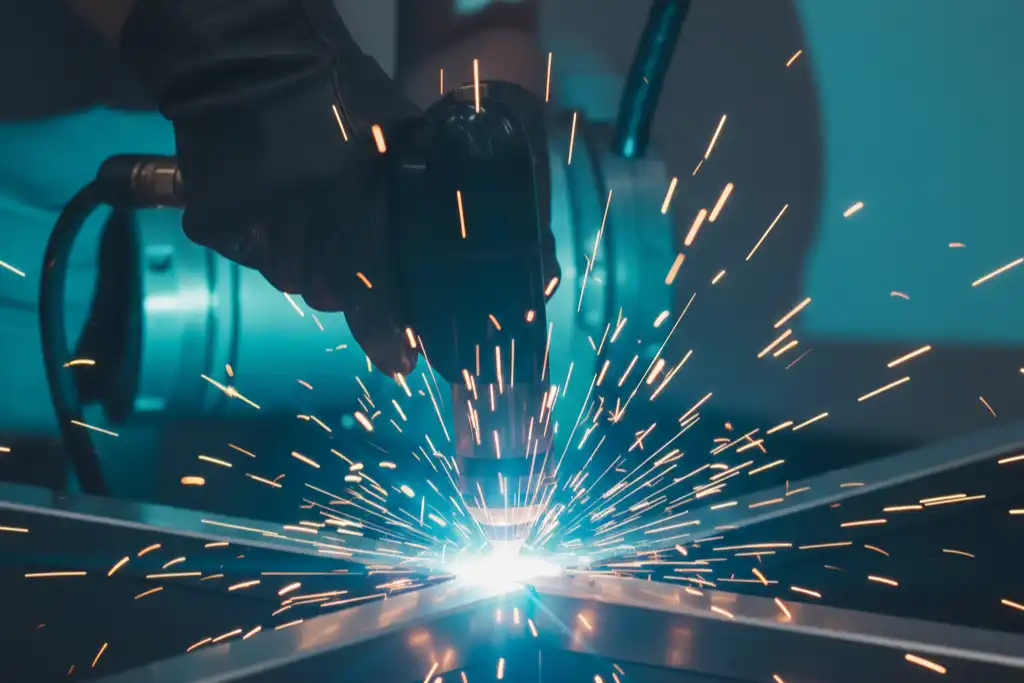
You often see the speed of laser welding range from 1 to 10 meters per minute. Thin materials use higher speeds, while thicker pieces need slower rates for deeper fusion. The table below shows typical ranges:
| Material Thickness | Speed Range (m/min) |
|---|---|
| Thin (<1.0mm) | 5–10 |
| Thick (>3.0mm) | 1–5 |
You should understand these speeds because they affect how strong and smooth your welds turn out. Faster welding boosts productivity, but going too fast can lower weld quality.
Key Takeaways
- Laser welding speeds can be from 1 to 10 meters per minute. Use faster speeds for thin materials. Use slower speeds for thick materials. This helps make strong welds.
- Welding speed changes how good the weld is. If you go too fast, you can get problems like incomplete fusion. If you go slower, you get better penetration. But going slow can make you less productive.
- Pick the right laser power and settings for the material thickness and joint type. This helps you get the best mix of speed and weld quality.
- Fiber lasers are the fastest and most precise. They work best for thin and detailed parts. This makes them good for making many parts quickly.
- Always check your welds after each run. Regular checks help you find problems early. This keeps your welding projects high quality.
The Speed of Laser Welding
Typical Speed Values
You can measure the speed in millimeters per second or meters per minute. The speed depends on the material and joint type. Most applications use speeds from 1 to 10 meters per minute. Thin materials let you weld faster. Thick materials need slower speeds.
Here is a table with typical speed values for different material combinations:
| Material Combination | Typical Speed (mm/s) |
|---|---|
| Aluminum and Copper (butt) | 95–128 |
| Aluminum and Copper (lap) | 100–833 |
| Steel and Aluminum (various) | 11–17 (low speeds) |
| Steel and Aluminum (various) | 100–833 (high speeds) |
The speed changes based on the materials you use. Butt joints between aluminum and copper use lower speeds. Lap joints can go much faster. Steel and aluminum combinations show many different speeds. You must pick the right laser welding settings for your material and joint type.
Factors Affecting Speed
Many things affect the speed of laser welding. You should think about laser power, material thickness, joint shape, laser type, and the environment. Each thing changes how fast you can weld and how good the weld is.
- Laser Power and Material Thickness
- Thick materials need more laser power and slower speeds. This helps get full penetration and stops defects.
- Thin plates let you use faster speeds and less power. This helps stop overheating and bending.
- For thick plates over 6mm, you might weld at 0.5 to 1.2 meters per minute with a 6kW laser.
- For thin plates under 2mm, you can weld at 5 to 10 meters per minute with a 2kW laser.
- Joint Configuration
- Butt joints let you weld deep and are used a lot.
- Lap joints need more power and run 30–40% slower than butt joints.
- Edge joints work well for thin materials and need less power.
- Fillet joints are harder to weld deep and are used in building structures.
Joint Configuration Maximum Thickness (3kW Laser) Notes Butt Joints 6 mm (steel), 4 mm (aluminum) Deep penetration, commonly used Lap Joints 3-4 mm Needs more power, slower speed Edge Joints N/A Easier for thin materials Fillet Joints N/A Challenging for full penetration - Laser Type
- Fiber lasers give high welding speeds and good accuracy for complex parts in power generation and renewable energy.
- CO2 lasers work best for deep welds in thick materials. They are used in oil and gas.
- Diode lasers are good for small parts in renewable energy systems. They offer accuracy and low heat distortion.
- Fiber lasers usually weld faster for precise jobs. CO2 lasers work on bigger parts but cost more.
- Environmental Factors
- Shielding gas keeps the weld area clean. The type of gas, how fast it flows, and nozzle shape all change weld quality.
- Cold places can make gas thick and cause holes. Hot places can make the gas move too much and lower weld quality.
- You should change gas flow rates when the temperature changes to keep the weld pool steady.
- Stable environments help you keep welding speed and weld quality the same.
- Advancements in Technology
- New laser power and beam systems have made welding faster.
- High welding speeds lower heat distortion and keep the workpiece strong.
- Fiber lasers are more efficient and focused. This means deeper welds and faster welding.
- Automation in laser welding makes work faster and lowers labor costs.
- Remote laser welding lets you weld far away without touching the part. This makes welding faster and more flexible.
- Hybrid laser welding mixes laser and arc welding for stronger and quicker welds.
- Limitations and Challenges
- You might have problems with beam quality, heat control, and joint fit.
- The heat-affected zone changes with speed. If you weld too fast, you can get defects like shallow welds or bad weld quality.
Tip: Always match your laser welding settings to your material, joint type, and environment. This helps you get the best weld quality and the speed of laser welding that works for you.
You need to balance the speed of laser welding with weld quality and accuracy. High welding speeds can help you work faster, but you must avoid defects and keep your welds strong. By learning about these things, you can pick the best laser welding settings for your project.
How Speed Impacts Laser Welding Quality
Penetration and Strength
Welding speed affects how deep the laser melts metal. If you go slower, the laser stays on the metal longer. This makes a bigger weld pool and deeper penetration. You can get full penetration in thick materials by lowering the speed. You also need to adjust your laser welding settings. At 2 m/min, you might see stress at the weld root. This stress can cause cracks when the weld cools. These cracks make the joint weaker. If you weld faster, the weld does not go as deep. Faster speeds make smaller structures in the weld. This can make the weld stronger and help stop cracks. You must balance speed and power for strong welds.
Appearance and Defects
The way your weld looks changes with speed. If you weld fast, the weld is narrow and the top is taller. You might see more holes and undercuts. If you weld slow, the weld is wider and the hot area is bigger. Sometimes, slow speeds cause the bottom of the weld to sag. The table below shows common problems at different speeds:
| Welding Speed Issue | Defect Type | Description |
|---|---|---|
| Excessive Welding Speed | Incomplete Fusion | The melted metal cools too fast and does not join well. |
| Excessive Welding Speed | Porosity | Gas bubbles get trapped because the weld cools quickly. |
| Insufficient Welding Speed | Inconsistent Penetration | The weld does not go deep enough and the joint is weak. |
You should check your welds after each run. This helps you find problems early. You can then change your laser welding settings for better welds.
Faster Welding Times and Productivity
Laser welding is faster than other welding methods. You can finish jobs four to five times quicker than TIG or MIG welding. This means you work faster and get more done. The laser does not touch the metal, so you spend less on repairs. You also save energy. Automated systems check each weld for quality. Laser welding is very precise. You can work quickly and still get good welds. You save money by making fewer mistakes and wasting less material. When you use laser welding, you can trust your welds will be good.
Tip: Get your parts ready and set your tools before you start welding. Good preparation helps you get better welds and work faster.
Practical Applications in Laser Welding Services
Real-World Speed Examples
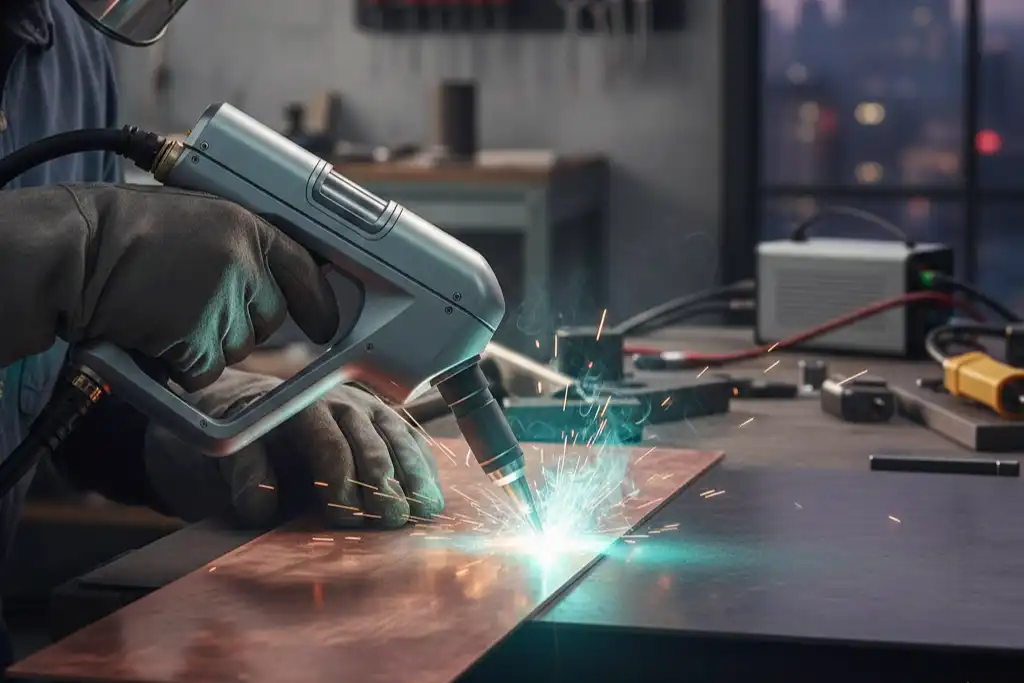
Laser welding is used in many factories and shops. Companies use new laser welding technology to join metals fast and well. The table below shows laser welding settings for different materials and thicknesses:
| Material Type | Thickness (mm) | Welding Speed (m/min) | Power (kW) |
|---|---|---|---|
| Mild Steel | 1 | 3.8 | 1 |
| Mild Steel | 2 | 2.2 | 1 |
| Mild Steel | 3 | 1.6 | 1 |
| Mild Steel | 4 | 1.2 | 1 |
| Mild Steel | 5 | 0.9 | 1 |
| Stainless Steel | 1 | 5.5 | 3 |
| Aluminum Alloy | 1 | 9.5 | 3 |
| Aluminum Alloy | 2 | 7 | 4 |
You can use these numbers to help set up your laser welding. Automated machines keep the speed steady and welds strong. Robots can weld at 30 mm per second. This is much faster than people can weld. You finish more parts in less time.
Choosing the Right Parameters
You must pick the best laser welding settings for your job. The table below shows what happens when you change the welding speed:
| Welding Speed | Quality Consideration | Productivity Consideration |
|---|---|---|
| Optimal Speed | Ensures complete fusion and consistent quality | Balances quality and productivity |
| High Speed | Increases productivity but risks incomplete fusion | May lead to surface irregularities |
| Low Speed | Improves penetration but can enlarge HAZ | Reduces overall productivity |
Match the speed to the thickness of your material. Thin materials need higher speeds. Thick materials need slower speeds for deep welds. High speeds help you finish faster but can cause surface problems. Slow speeds give better welds but take more time.
Tip: Always check your welds after each run. Good laser welding services inspect and fix equipment often to keep welds strong and machines working well.
Laser welding gives strong and clean welds when you use the right settings. This helps you get great results for your project.
Laser Welding vs. Other Methods
Speed Comparison
When you look at welding speeds, laser welding stands out for its efficiency. You can often weld much faster than with TIG or MIG. Here is a simple comparison:
- Laser welding usually has a higher travel speed than TIG welding.
- For thin sheet materials, laser welding matches or beats MIG welding speeds.
- In one example, a Laser Welding Cobot System finished a part in just 10 minutes. The same part took 90 minutes with TIG welding.
You can see the difference in this table:
| Welding Method | Typical Speed (in/min) | Best For |
|---|---|---|
| Laser Welding | Up to 200+ | Thin to medium sheets |
| MIG Welding | 20–50 | Thicker materials |
| TIG Welding | 10–20 | High precision, slower |
Laser welding uses a focused beam. This creates a small melt pool that forms and moves quickly. You can weld continuously because there is no physical contact. This helps you finish jobs faster and with less downtime.
When to Choose Laser Welding
You should choose laser welding when you need speed and precision. It works best for high-volume production, like in car factories. Laser welding can be up to 10 times faster than TIG welding on similar materials. You save time and lower labor costs.
Laser welding is also a good choice for:
- Projects with thin or intricate parts that need high accuracy.
- Jobs where you want to reduce cycle time and boost productivity.
- Applications where you need strong welds and good quality in less time.
You should also think about material type, thickness, and your budget. MIG welding may work better for thick parts, but it does not match the precision of laser welding. When you need fast, clean, and repeatable welds, laser welding gives you a clear advantage.
Tip: Always match your welding method to your project needs. Laser welding helps you reach high productivity and maintain quality.
You can tell that laser welding speed changes with material thickness and what your project needs.
- Fast speeds for thin materials help stop them from getting too hot.
- Slow speeds for thick materials help the weld go deeper.
Choosing the right welding speed gives you good results:
| Benefit | Description |
|---|---|
| Better Quality | High energy lets you weld fast and keep strength. |
| More Productivity | Fast welding means you finish jobs quicker and work better. |
When you get ready for your project, remember these things:
- Pick the speed and power that fit your material thickness.
- Use fast welding for thin metals and slow welding for thick ones.
- Ask laser welding experts for advice to get the best welds.
FAQ
What is the fastest speed you can use for laser welding?
You can reach speeds up to 10 meters per minute for thin metals. High-speed welding works best for materials under 1 mm thick. Always check your weld quality when you use faster speeds.
What happens if you weld too fast?
If you weld too fast, you may see incomplete fusion or holes in your weld. The metal might not join well. You should slow down to get a stronger and cleaner weld.
What materials allow the highest laser welding speeds?
Aluminum and thin stainless steel let you use the highest speeds. These metals melt quickly and need less power. You can weld them faster than thick steel or copper.
What laser type gives you the best welding speed?
Fiber lasers give you the fastest welding speeds. They focus energy well and work on thin and medium materials. You can use fiber lasers for precise and quick jobs.
What should you check before setting your welding speed?
You should check material thickness, joint type, and laser power. Make sure your setup matches your project needs. Test your welds to find the best speed for strong results.
What problems will arise from laser welding of galvanized sheet?
Repairing Weld Burn-Through Common Mistakes and Solutions
Top Challenges in Laser Welding Copper and How to Overcome Them
What Is Laser Welding of Thin Plates and How to Prevent Burn-Through