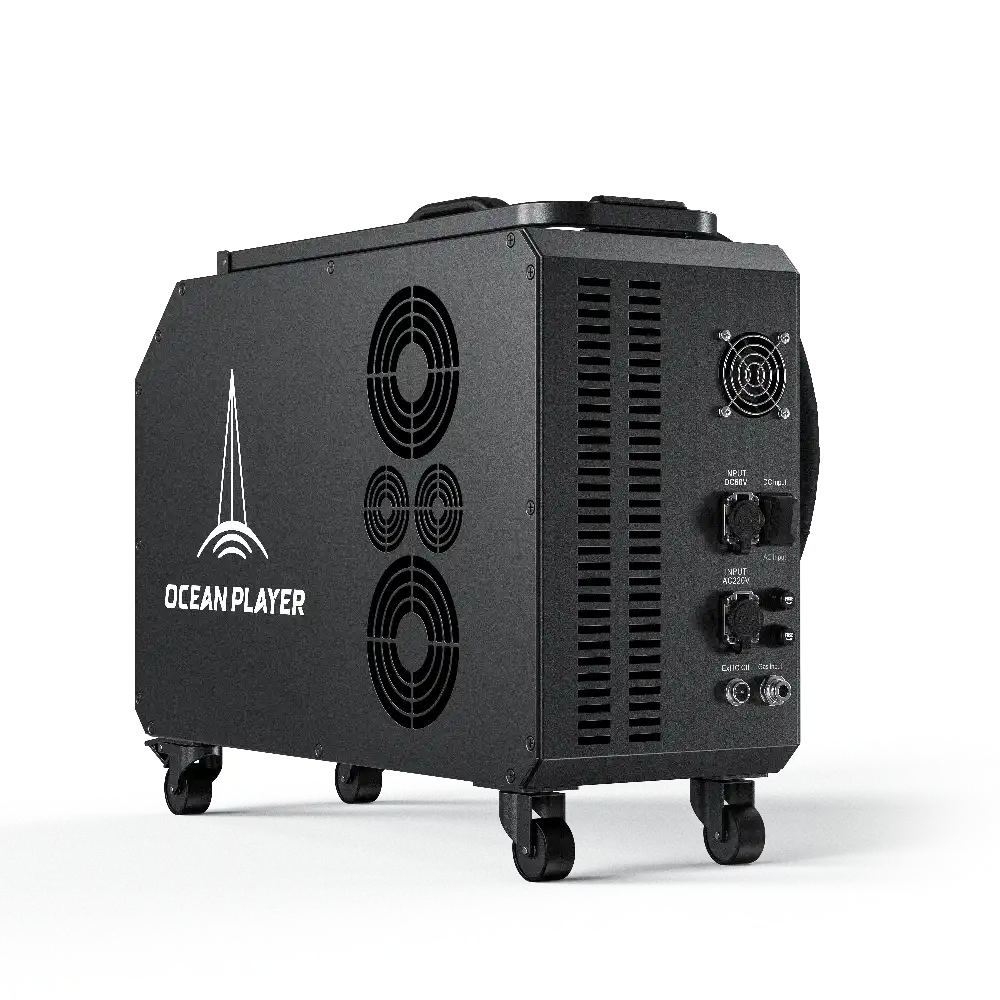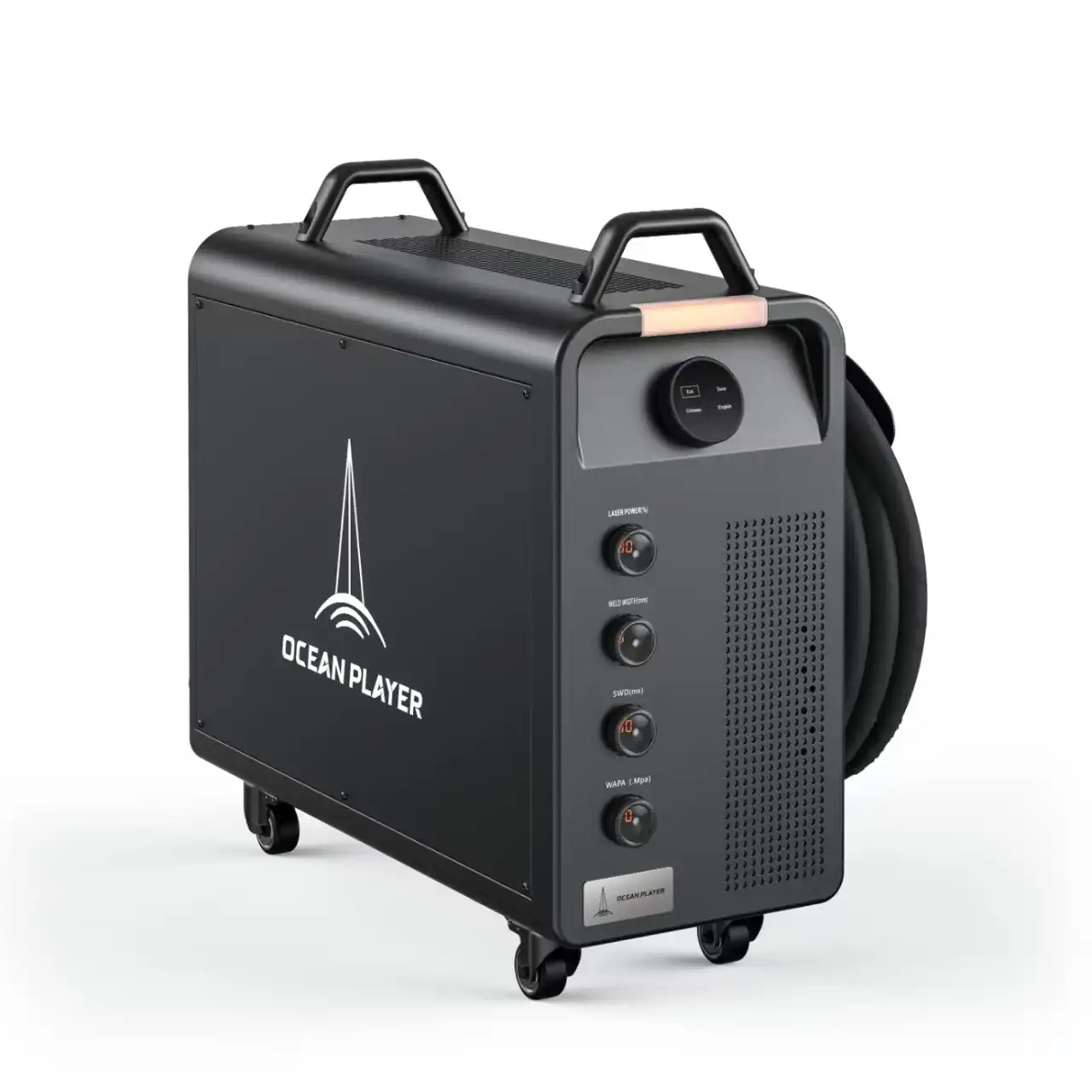
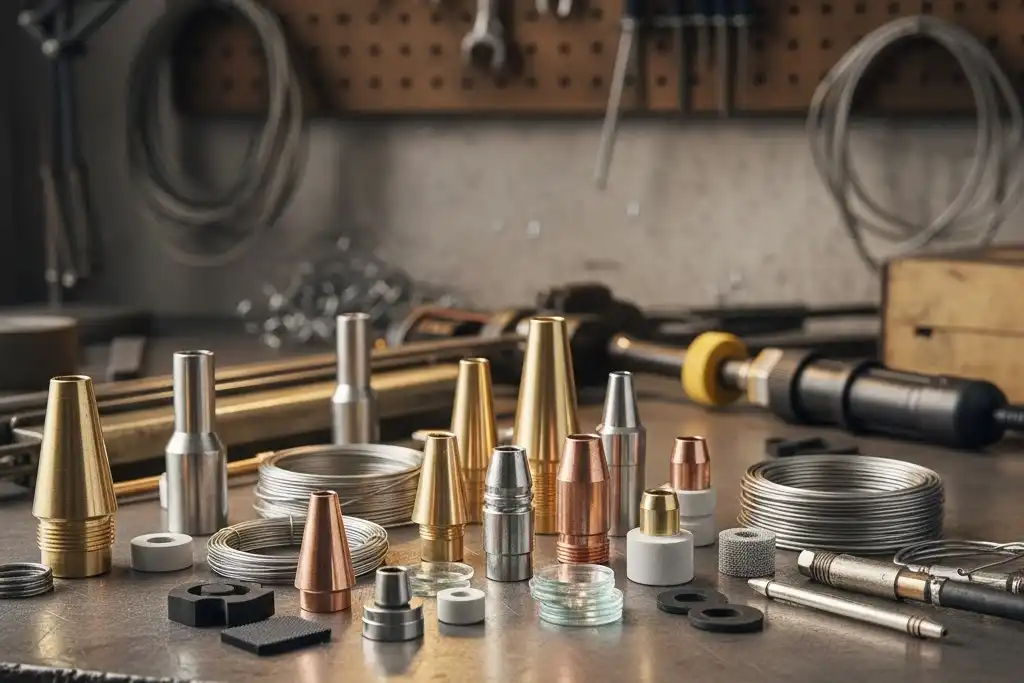
When you use laser welding machines, you must watch the consumables for laser welding machines. These include items like nozzles, lenses, wire, and protective gas. Each part plays a crucial role in ensuring that fiber laser welding machines operate efficiently. Clean nozzles and new wire contribute to strong welds. By frequently replacing these consumables for laser welding machines, your equipment will have a longer lifespan. Keeping costs low and having extra parts on hand prevents long downtimes and costly repairs.
Tip: If you take care of the consumables for laser welding machines and replace them regularly, your machine will experience fewer breakdowns.
Key Takeaways
- Check and change parts like nozzles and lenses often. This helps your laser welding machine work well.
- Pick the best welding wire and gas for your materials. This makes your welds strong and clean.
- Buy a consumables kit to save time on your projects. This also helps you avoid waiting for new parts.
- Always wear safety gear like goggles and special clothes. These protect you when you are welding.
- Keep your consumables in a clean place. This helps them last longer and makes your welding better.
Key consumables for laser welding machines
Laser nozzles
The welding nozzle is very important in fiber laser welding machines. Picking the right nozzle can make your welds better. Nozzle shapes change how fast you can weld. They also change how clean your welds look. If you use the correct nozzle, you get better results. You should change and clean your nozzle often. This helps your machine work well.
Here are some ways different welding nozzles help you:
- The nozzle shape changes how fast you weld.
- The right nozzle makes laser cuts look better.
- The nozzle type affects how well your machine works.
- Good care and changing nozzles gives better welds.
Welding nozzles come in many materials. Each material has special strengths. The table below shows common materials and what they do:
| Material Type | Characteristics |
|---|---|
| Copper | Handles heat well and conducts electricity |
| Copper Alloys | Lasts long and resists heat |
| Ceramic Coatings | Stops spatter from sticking |
| Chrome Plating | Makes the nozzle last longer |
| Brass | Handles high heat and does not rust |
| Stainless Steel | Handles high heat and does not rust |
| Nickel-Plated | Makes the nozzle last longer |
Copper nozzles are popular because they handle heat well. They also last a long time. You should keep extra nozzles ready. This helps you avoid waiting for new parts.
Lenses
Lenses are also important consumable parts. Laser welding machines use different lenses. Each lens does a special job. The table below shows lens types and how they help beam quality:
| Lens Type | Function | Impact on Beam Quality |
|---|---|---|
| Protective Lens | Keeps the focusing lens safe from gas and splatter. | Makes the focusing lens last longer and keeps quality. |
| Focusing Lens | Points the laser beam at one spot for high heat. | Makes the beam stronger for careful work. |
| Reflective Lens | Bounces light in fiber laser systems like a mirror. | Helps control and send the laser beam. |
| Collimating Lens | Makes light go straight for steady transmission. | Keeps the beam in the right place and steady. |
You should check your protective and focusing lenses often. Change them every 400 hours or after 100,000 welds. If you see big scratches, lots of burn marks, or less light passing through, change the lens right away. Clean lenses help your welds stay strong and keep your machine safe.
Nozzle holders & insulating rings
Nozzle holders and insulating rings are small but important parts. The nozzle holder keeps the focusing lens in place inside the laser head. It helps the laser beam stay on your work. This is needed for good and even welds.
Insulating rings, usually made from ceramic, help keep the laser beam steady. They make sure the laser points in the right spot. If you want good welds, check these parts often. Change them when they wear out.
Consumables kits
Buying a consumables kit can save you time and money. These kits have many parts you need for laser welding machines. A kit may have:
- Protective lens
- Focus lens
- Seal ring
- Collimating lens
- Welding copper nozzle
- Wire feeding copper nozzle
- Calibration tube
- Cutting copper nozzle
Note: A consumables kit gives you all the parts for quick fixes. You do not have to stop work to buy single parts.
Consumable part prices are different. One welding nozzle may cost a few dollars. A kit with lenses and nozzles can cost $50 to $200 or more. Buying a kit helps you avoid long waits and keeps your fiber laser welding machines working well.
Welding wire & protective gas
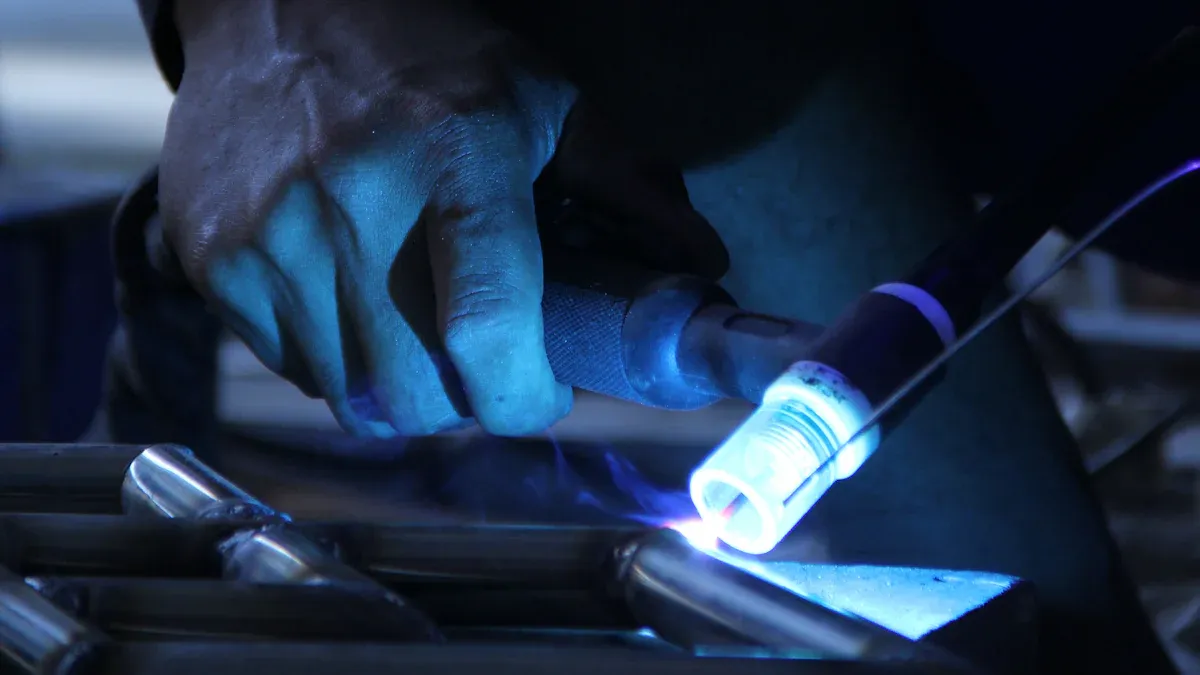
Welding wire and protective gas are two consumable parts that have a big impact on your welds. If you pick the right wire and gas, you get strong, clean welds. The wrong choice can cause weak joints or ugly marks. You should always match your welding wire and protective lens to the material you want to weld. This helps you avoid cracks and keeps your welds looking good.
Wire types
You can choose from several types of welding wire for laser welding machines. Here are the most popular options:
- Metal welding wire
- Stainless steel welding wire: Best for stainless steel jobs.
- Aluminum welding wire: Works well with aluminum and its alloys.
- Carbon steel welding wire: Used for carbon steel parts.
- Titanium welding wire: Needed for titanium and its alloys.
- Polymer welding wire
- Used for plastics or composite materials.
- Alloy welding wire
- Good for projects that need extra strength or special features.
Wire selection
You must select the right welding wire for your project. The wire should match the base material. This keeps your welds strong and stops problems like cracking. The diameter of the wire also matters. Thin wires work best for small, delicate jobs. Thick wires are better for heavy-duty work.
| Material Type | Criteria |
|---|---|
| Stainless Steel | Match wire to base (e.g., ER308 for 304 steel). Use pure wire. |
| Brass | Use small wire for thin brass. Medium or large for thicker brass. |
| Aluminum | Use clean, pure wire. Match alloy. Pick wire size for thickness. |
| Carbon Steel | Small wire for thin steel. Medium or large for thick steel. |
Tip: Always check the thickness of your material before picking a wire. Thicker materials need thicker wire.
Protective gas options
Protective gas shields your weld from air. This stops oxidation and keeps your welds clean. The most common gases for fiber laser welding machines are:
- Nitrogen (N₂): Makes welds stronger in stainless steel. Not good for aluminum.
- Argon (Ar): Works for many metals. Inert and cost-effective.
- Helium (He): Best for high-value welds. Controls heat well but costs more.
| Gas | Ionization Energy | Properties |
|---|---|---|
| Nitrogen | Moderate | Reduces plasma, boosts weld strength in stainless steel, not for aluminum. |
| Argon | Low | Inert, stable, works for many metals, affordable. |
| Helium | High | Great plasma control, good for heat-sensitive jobs, expensive. |
Choosing the right gas
You should think about three things when picking a protective gas:
- Material type: Argon is great for stainless steel, aluminum, and titanium. Use argon-carbon dioxide for ferrous metals.
- Welding speed: Helium helps with fast welding or thick materials.
- Cost vs. performance: Helium gives top results but costs more. Argon is a good balance for most jobs.
Protective lens and protective lenses are also key consumable parts. They keep your focusing lenses safe from gas and spatter. Always use a clean protective lens to get the best welds and protect your machine.
Remember: The right welding wire, protective gas, and consumable parts help you get strong, clean welds every time. Good choices also keep your consumables for laser welding machines in top shape.
Maintenance of consumable parts
If you take care of consumable parts, your laser welding machine works better. You should clean, change, and store these items the right way. Good habits help your machine stay safe and make strong welds.
Cleaning supplies
You need the right cleaning supplies for your consumable parts. Clean lenses and nozzles help you avoid bad welds. Here are some things you should use:
- Isopropyl alcohol or acetone cleans lenses well.
- Special optics cleaning paper wipes lenses after cleaning.
- Lint-free cotton swabs clean lenses without scratching them.
- Clean rags wipe the welding nozzle, copper nozzle, and welding gun.
Tip: Always clean your consumables for laser welding machines in a place with no dust. This keeps dirt away from important parts.
Replacement schedules
You should change consumable parts before they break. Regular checks help you stop sudden problems. The table below shows when to replace key items:
| Component | Recommended Lifespan |
|---|---|
| CO₂ laser tube | 8,000–12,000 hours |
| Fiber module | 10,000–15,000 hours |
| Optical lenses | 2–3 years (or 5,000 hours of use) |
| Cooling system pump | 5–7 years |
Check and clean lenses every week. Remove dust from the laser delivery system every day. Look at the laser and gas outlet tube often. Change old nozzles, filters, and optics with new consumable parts. Track how many hours you use each part and write it down. This helps you remember when to change each item.
Storage tips
Keep consumable parts in a clean, dry place. Use sealed containers for lenses and optics. Keep nozzles and rings away from water. Label each part and keep extras ready. This helps you find what you need fast and keeps everything safe.
Note: If you store consumable parts the right way, they last longer and you save money.
Taking care of your consumables for laser welding machines means cleaning, changing, and storing them well. You get better welds and your machine lasts longer.
Safety gear for laser welding machines
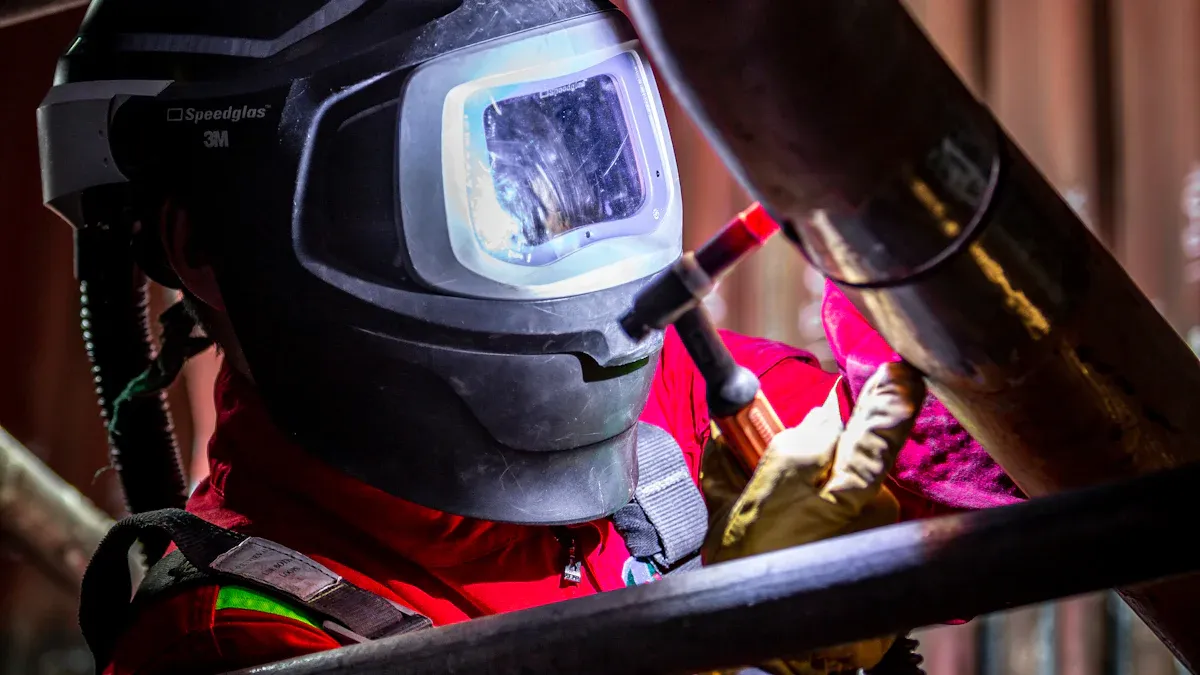
Essential safety consumables
You need to wear the right safety gear when using laser welding machines. These safety consumables keep you safe from burns, bright light, and bad fumes. Many beginners forget about these items, but they are just as important as other parts you use up. Here are some safety consumables you should have for safe welding:
- Laser-safe goggles protect your eyes from laser radiation.
- A helmet with a laser filter keeps your face and head safe.
- Safety glasses block dangerous laser light.
- A laser welding helmet protects you from direct and reflected beams.
- Flame-resistant clothes, like long sleeves and boots, keep your skin safe from sparks and burns.
- Masks help you avoid breathing in fumes and tiny particles.
Tip: Always check your safety gear before you start welding. If something is broken, replace it right away to stay safe.
Choosing safety gear
Pick safety gear that matches your welding job and machine. Handheld fiber laser welders need special care because you hold them close to your body. The right gear helps you weld well and keeps you safe from accidents. The table below shows what each type of safety gear does:
| Safety Gear | Protection Provided |
|---|---|
| Laser Safety Eyewear | Blocks harmful light and protects your eyes from laser beams. |
| Laser Welding Helmet | Reflects and absorbs laser light, shields you from UV and sparks. |
| Appropriate Clothing | Covers your skin and stops burns and irritation from sparks. |
| Respirators | Stops you from breathing in dust and gases, depending on where you weld. |
Choose gear that fits you well and feels good to wear. Make sure your helmet and goggles match your machine’s laser light. Wear clothes that cover your arms and legs. Use a mask if you weld in a place with bad air. Good safety gear lets you work longer and keeps you healthy.
Note: You must wear safety gear every time you weld. It is not a choice for anyone, even if you are new or have welded for years.
You should pay attention to important consumables like nozzles, lenses, wire, and protective gas. These parts help your laser welding machine work its best. Using good consumables makes your welds stronger and saves you money later.
| Benefit | Explanation |
|---|---|
| Long-term cost savings | Good consumables help you spend less over time. |
| Faster welding times | Quality parts let you finish jobs faster. |
| Less material waste | Good consumables help you waste less material. |
| Reduced post-processing | Fewer mistakes mean you spend less time fixing things. |
Keep your consumables in a clean, dry place and label them clearly. This helps you avoid mix-ups and keeps your work safe. Keep learning and take care of your parts to get the best results.
FAQ
How often should you replace laser welding nozzles?
You should check your nozzles every week. If you see damage or buildup, replace them right away. Clean nozzles help you get better welds and keep your machine safe.
What is the best way to clean laser lenses?
Use isopropyl alcohol and optics cleaning paper. Wipe gently in one direction. Never use rough cloths or your fingers. Clean lenses give you stronger and cleaner welds.
Can you use any welding wire with your laser welding machine?
No, you must match the wire to your base material. For example, use stainless steel wire for stainless steel jobs. The right wire prevents weak welds and cracks.
Why do you need protective gas in laser welding?
Protective gas shields your weld from air. This stops oxidation and keeps your welds clean. Argon works for most metals. Helium helps with thick or fast welds.
The working principle and basic process of laser welding
What Should Beginners Understand About Laser Welding