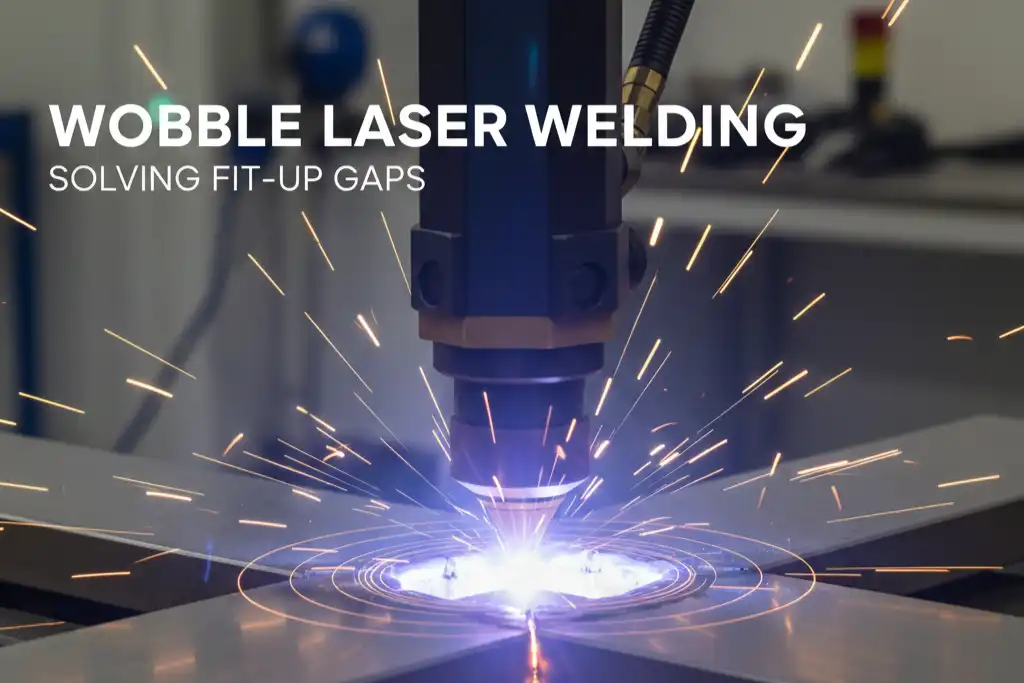
Laser wire feeding technology helps you control welding better. It lets you weld faster and use smaller spots. This helps you put welds in the right place. Less heat means less bending and your work stays steady. Researchers saw that ring laser beams and dual beams make strong metal bridges. This gives you even welds. Some important things that help with precision are:
- The wire feeds at the same speed for steady welds
- The keyhole stays stable for more exact welds
- Melt flow and heat spread better, so there are fewer mistakes
You get cleaner welds and do not need to fix them as much in real jobs.
Key Takeaways
- Laser wire feeding technology helps make welding more exact. It lets workers put the wire in the right spot. It also helps control how fast the wire moves.
- This technology makes welds look cleaner. It means fewer repairs are needed. It also makes the welds better overall.
- Automation and quick changes keep the wire moving the same way. This helps make welds strong and dependable.
- Picking the best wire feeder can save time. It also helps workers do welding jobs faster.
- Many industries use this technology, like cars and planes. It helps make parts stronger and lighter.
Laser Wire Feeding Technology Mechanisms
Wire Positioning and Speed Control
You need precise wire positioning to get high-quality welds with laser wire feeding technology. Even a small error, like 0.1 millimeters, can change the way your weld looks and how strong it is. The wire must line up with the laser beam so the filler goes exactly where you want it. If the wire moves too fast or too slow, the weld can become weak or uneven. Experts found that if the wire feed speed changes by more than 5%, the joint quality drops. You control the wire feed speed to bridge gaps and shape the weld. This helps you keep the weld strong and neat every time.
Tip: Always check your wire alignment and speed settings before you start welding. Small changes can make a big difference in your results.
Laser Precision in Filler Addition
Laser wire feeding technology lets you add filler wire with great accuracy. The laser focuses heat on a tiny spot, so you melt the wire exactly where you need it. This method helps you avoid extra heat and keeps the metal from bending. When you use a ring laser with filler wire, you get better welds in metals like aluminum. The filler wire lowers porosity and makes the inside of the weld smoother. You also get stronger joints, with some tests showing tensile strength up to 177 MPa. The laser’s precision helps you control the microstructure and mechanical properties of the weld.
Automation and Real-Time Adjustment
You can use automation and real-time adjustment to make your welding even more precise. Intelligent wire feeding systems deliver wire at a steady rate, so you do not have to worry about sudden changes. Sensors give you instant feedback and let you adjust the wire feed rate while you work. Advanced monitoring tools track the shape of the weld pool and how deep the weld goes. You can watch the temperature in real time to stop overheating or underheating. Automated quality checks make sure every weld meets your standards. Data logging helps you find and fix problems quickly.
- Consistent wire delivery keeps your welds accurate.
- Real-time sensors help you adjust settings instantly.
- Monitoring systems let you control weld pool shape and penetration.
- Temperature checks prevent bad welds.
- Automated checks and data logs help you keep quality high.
Laser wire feeding technology gives you the tools to make every weld precise and reliable. You get better control, stronger joints, and fewer mistakes.
Key Components and Features
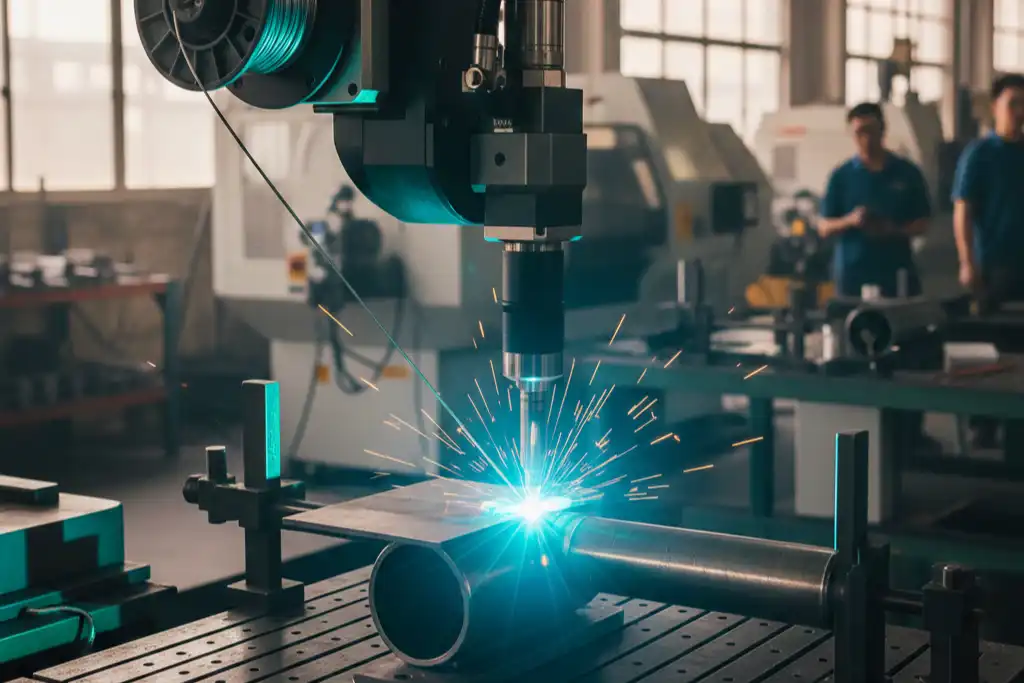
Wire Feeder Types
You can pick single or dual wire feeders for laser wire feeding technology. Each one gives you a different level of control and accuracy. The table below shows how they are different:
| Feature | Single Wire Feeder | Dual Wire Feeder |
|---|---|---|
| Control Mode | Controlled by one device | Needs two separate devices |
| Welding Process | Good for simple jobs | Good for complex, high-quality welding |
| Cost | Cheaper and easier to use | Costs more and is harder to use |
| Applications | Used for basic welding | Used for precise jobs and thick pieces |
Dual wire feeders let you change wire sizes and types fast. You can also switch the shielding gas for different tasks. This is important when you need very accurate welding. Special arc control features, like Pulsed MIG and Double-Pulse MIG, help you control the arc better. You get stronger welds and less mess, which is good for materials that do not like heat.
Note: Picking the right wire feeder for your job saves time and helps you work faster. You will have fewer problems with the wire and can spend more time welding.
Laser Source Integration
Laser wire feeding technology uses special lasers to help you control welding. The table below shows how the parts work together:
| Component | Description |
|---|---|
| Laser Sources | Focused laser beams for very accurate welding. |
| Real-time Monitoring | Sensors check weld quality while you work. |
| Automation | Robots and software make welding faster and easier. |
| Material Preparation | Cleaning and setting up parts for the best weld. |
| Cooling & Inspection | Fast cooling and checks to make sure welds are good. |
| Data Logging | Saves data so you can make changes later. |
Small laser beams help you weld tiny parts very well. Real-time monitoring keeps your welds the same every time. Adaptive welding changes settings for different metals. You get very accurate welds, deep welds, and less heat damage. These features help you make strong and clean welds each time.
Digital Control Systems
Digital control systems help you make the same weld over and over. They let you set up welding easily and make it more exact. Features like changing speed and timers in wire feeders help stop mistakes. These systems work with robots to keep welds the same.
- Digital controls can change wire size from 0.8mm to 1.6mm.
- You get steady wire feeding, so welds stay good.
- Work goes smoothly without stopping.
The adaptive wire feeder gives the right amount of filler metal every time. It uses a small motor to work well and tells you how much filler you use. Automatic wire feeders stop the wire from jumping or bending, so you always get the right amount at the weld.
Tip: Digital control systems help you get very accurate and high-quality welds with laser wire feeding technology.
Welding Process Steps
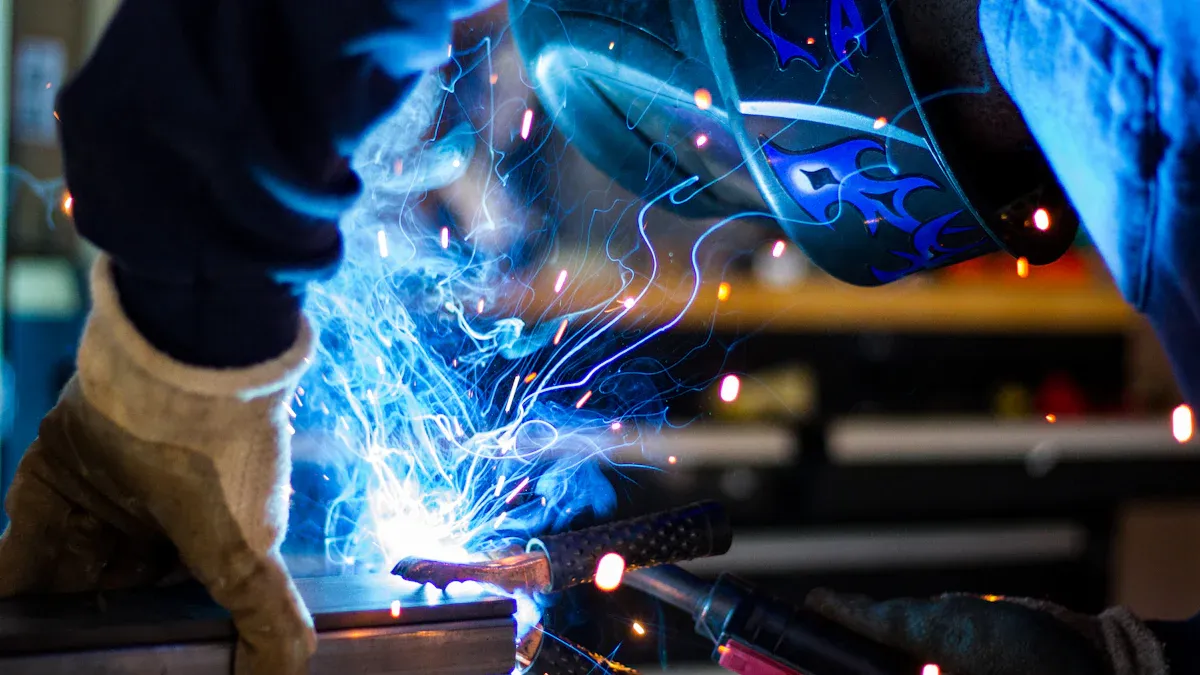
Filler Wire Delivery
You begin by setting up the filler wire delivery. This step is important because every part of the equipment helps make your weld accurate. The table below shows the main parts and settings that affect how well you deliver the filler wire:
| Critical Equipment Components | Description |
|---|---|
| Power Supply Unit | Gives steady energy for the heat source. |
| Wire Feeder | Sends filler metal at a constant rate. |
| Gas Supply System | Protects the weld pool from contamination. |
| Welding Torch or Gun | Directs energy and filler wire into the joint. |
| Cooling and Control Systems | Keeps temperature stable during welding. |
| Critical Process Parameters | Influence on Weld Quality |
|---|---|
| Current and Voltage | Control heat and penetration. |
| Travel Speed | Changes heat input per length. |
| Filler Metal Feed Rate | Sets how much metal you add. |
| Shielding Gas Composition | Stops oxidation in the weld pool. |
| Preheat and Interpass Temperature | Reduces stress and cracking. |
You need to keep the wire feed speed steady. If you change it a lot, you might get big drops or even explosions. This can make the weld messy and weak. When the wire feed speed matches the welding speed, you get a smooth and strong weld bead.
Laser Activation
Laser activation comes next. You control the laser’s power, speed, and focus to get good results. The table below lists the most important settings for high-precision welds:
| Parameter | Description | Optimal Setting/Notes |
|---|---|---|
| Laser Power | Energy from the laser. | 1000 Watts or more for thick metals. |
| Welding Speed | How fast the laser moves. | Slow for thin, fast for thick materials. |
| Focus Position | Where the laser focuses. | Adjust for material thickness. |
| Beam Diameter | Size of the laser spot. | About 0.5 mm for detailed work. |
| Pulse Duration/Frequency | How often the laser pulses. | Match to material thickness. |
| Shielding Gas Type | Gas to stop oxidation. | Argon is common. |
| Shielding Gas Flow Rate | How much gas you use. | Balance to avoid contamination. |
You can make the heat-affected zone smaller by changing these settings. Preheating the metal helps keep the temperature even. Cooling systems, like gas or water, stop the metal from getting too hard or breaking.
Quality Monitoring
You need to check the weld quality as you work. Laser wire feeding technology uses sensors and feedback systems to watch the weld in real time. For example, a laser Doppler vibrometer can measure how the molten metal shakes. These shakes can show if there are problems like holes or changes in the weld’s shape. You also use feedback systems to control wire feed speed. This helps keep the weld strong and even. By watching these signals, you can fix problems before they ruin the weld.
Tip: Always pay attention to what your monitoring tools tell you. Quick changes help you keep your welds neat and strong.
Applications and Benefits
Automotive Welding
You see laser wire feeding technology used in car factories to make strong and clean welds. This technology helps you join complex parts with high accuracy. Here are some ways it improves your work:
- You add filler material right into the seam, which gives you strong joints without cracks or gaps.
- The wire spreads heat evenly, so the metal does not bend or warp.
- Automation means you do not need to do as much by hand, which makes the process faster.
- You can weld thick sections quickly because the material goes in at a steady rate.
- The laser makes small, neat welds that look good and last long.
These features help you build safer and lighter cars with fewer mistakes.
Aerospace Fabrication
You need very precise welds when you build airplanes or rockets. Laser wire feeding technology gives you that control. The table below shows how it helps you meet strict aerospace standards:
| Feature/Benefit | Description |
|---|---|
| Enhanced Precision | You get sub-millimeter accuracy for tiny or crowded parts. |
| Contactless Processing | The laser does not touch the wire, so nothing gets damaged. |
| Compliance with Standards | You can meet tough rules like MIL-STD-873 and AS50881. |
| Reduced Material Waste | You use less material and avoid harmful chemicals. |
| Increased Throughput & Lower Costs | You finish more parts faster and save money over time. |
You also get safer and more reliable parts. The laser reduces holes in the weld, makes the joints stronger, and lets you track every weld for quality.
Metal Additive Manufacturing
You can use laser wire feeding technology to build metal parts layer by layer. This method works well for making big, strong parts. Here is how it helps you:
- You print metal layers fast, which saves time.
- You use almost all the wire, so there is little waste.
- The laser gives you smooth surfaces and fewer defects.
- You can make special alloys or graded parts by changing the wire feed.
- Real-time monitoring keeps each layer strong and even.
A new machine tested by Yao et al. (2025) showed that you can feed wire at 500 mm per minute and move the laser at 4 mm per second. This made strong, clean parts with high metal efficiency and low pollution. Compared to powder-based methods, wire-based processes give you faster builds, better surfaces, and less waste.
Tip: If you want to make strong, high-quality metal parts quickly, laser wire feeding technology is a smart choice.
Laser wire feeding technology helps you control welding better. It makes welding more accurate. You can work faster and make fewer mistakes. Many companies use this method to get better results. Here is how it helps:
| Aspect | Benefit |
|---|---|
| Enhanced Precision | You can weld with high accuracy. |
| Improved Efficiency | You finish work quickly and save time. |
- You work faster and make better welds.
- You get stronger connections.
- Your work process becomes easier.
Try laser wire feeding if you want better welding results.
FAQ
What is laser wire feeding technology?
Laser wire feeding technology uses a laser to melt filler wire as you weld. You get precise control over where and how much metal you add. This helps you make strong, clean welds.
How does this technology improve welding precision?
You control the wire feed and laser settings. This lets you place welds exactly where you want. You avoid extra heat and reduce mistakes. Your welds look better and last longer.
Can you use laser wire feeding on different metals?
Yes, you can use this technology on many metals. You can weld aluminum, steel, titanium, and more. You just need to pick the right wire and laser settings for each metal.
Is laser wire feeding technology hard to learn?
You can learn the basics quickly. Digital controls and automation help you set up and adjust the system. You get feedback from sensors, so you know if you need to change anything.
What industries use laser wire feeding technology?
You find this technology in car factories, airplane building, and metal 3D printing. Many companies use it to make strong, accurate parts with less waste.
Step-by-Step Guide to Figuring Out Laser Machine Hourly Costs
Formula for calculating the cost of laser welding processing