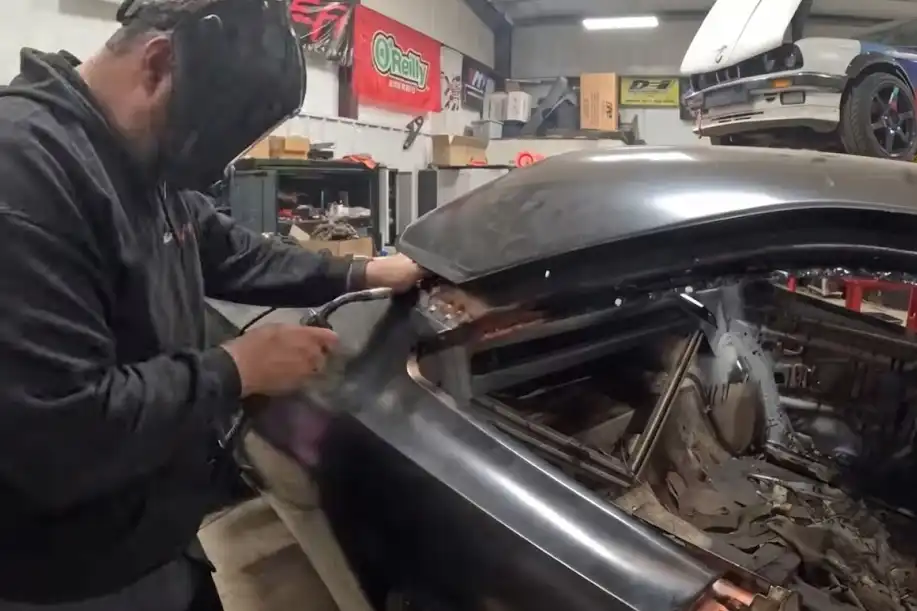
You often see MIG welding as the most commonly used welding method in car maintenance. MIG welding works well for many car parts because it is easy to learn and use. You can repair or join different metals found in vehicles. Here is a quick look at metals you may encounter:
| Metal Type | Compatibility with MIG Welding |
|---|---|
| Aluminum | Yes |
| Stainless Steel | Yes |
| Steel Alloys | Yes |
You can handle repairs on frames, exhausts, and panels with this method.
Key Takeaways
- MIG welding is the most common way to fix cars because it is fast and easy to use. – This method works on many metals like steel, aluminum, and stainless steel. – MIG welding is easier to learn than other ways, so it is good for beginners. – Using MIG welding can help you save time and money because repairs are faster. – Always wear safety gear and keep your work area clean to stay safe while welding.
The commonly used welding method in car maintenance
MIG Welding Overview
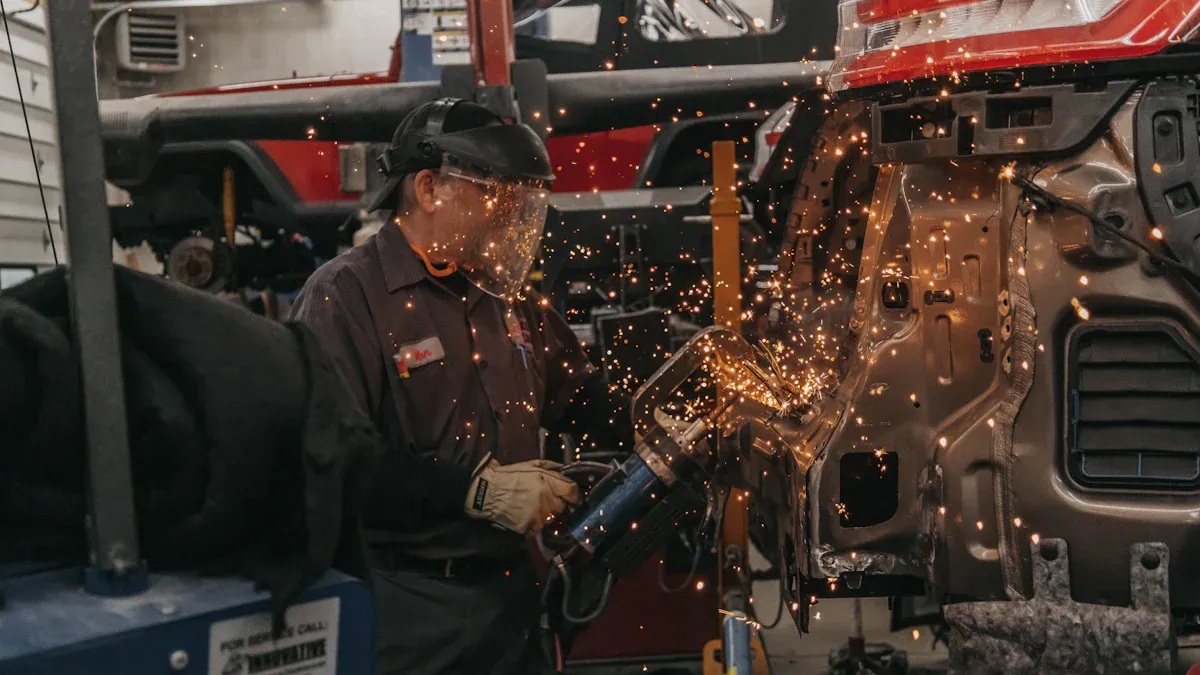
You will find that MIG welding, also called Metal Inert Gas welding, is the most commonly used welding method in car maintenance. This process started in the 1940s. Car manufacturers needed a faster and cleaner way to join metal parts. MIG welding became popular because it worked well for high-production industries like automotive manufacturing. You can use this method to join many types of metals, including steel, aluminum, and stainless steel.
MIG welding uses a special machine with several important parts. Each part has a clear job:
| Component | Function |
|---|---|
| Power Supply | Controls multiple variables and is essential for the operation of the MIG welding machine. |
| Torch | The tool used to perform the welds, also known as the MIG welding gun. |
| MIG Welding Wire | Provides the material for welding; quality is crucial for effective operation. |
| Earth Clamp | Ensures a good electrical connection, necessary for completing the welding circuit. |
You feed a wire through the torch. The wire melts and joins the metal pieces together. The machine also releases a gas that protects the weld from air. This helps you get a strong and clean result.
Why MIG Is Preferred
MIG welding is generally considered faster and easier for beginners than TIG welding because of its continuous wire feed and simpler setup. TIG, by contrast, takes more time and skill but offers finer control and a cleaner finish where precision matters. Costs for MIG machines vary widely by brand and specifications; list prices can range from budget hobby models to professional units, so expect variation depending on features and build quality.
Let’s look at how MIG welding compares to TIG welding:
| Feature | MIG Welding | TIG Welding |
|---|---|---|
| Weld Strength | Weaker than TIG welds | Stronger due to narrow arc |
| Weld Speed | Faster process | Slower due to two-hand operation |
| Welding Gas | Mixture of argon and CO2 | 100% argon |
| Weld Aesthetics | Good, but can have splatters | Professional and clean |
| Operator Skill | Less skill required | More skill and control needed |
You can see that MIG welding is the commonly used welding method because it balances speed, cost, and ease of use. TIG welding gives a cleaner look and stronger welds, but it takes more time and skill. Plasma arc welding is less common in car repair because it is more complex and expensive.
Tip: If you are new to welding, MIG welding is a smart place to start. You can handle most car repairs with this method, and you will not need advanced training.
How MIG Welding Works
Basic Principles
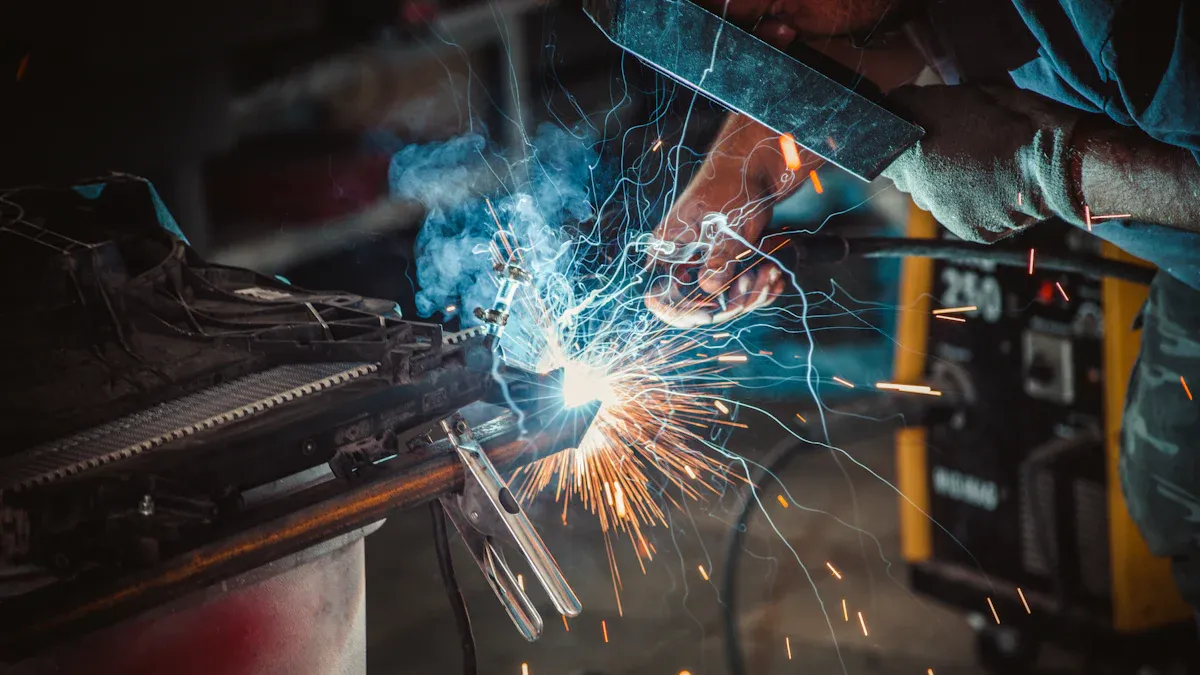
MIG welding connects metal parts using electricity, a wire electrode, and shielding gas. You use this process to join automotive metals like carbon steel, stainless steel, and aluminum. The wire electrode acts as both the filler and the conductor. As you pull the trigger on the welding gun, the wire feeds out and creates an electric arc with the metal surface. This arc melts the wire and the base metal, forming a pool of molten metal. When the pool cools, it creates a strong joint.
- The shielding gas, usually a mix of argon and carbon dioxide, flows out of the gun at the same time. This gas protects the weld area from air, which can cause defects or weak spots.
- MIG welding works well for thin metals, such as car body panels, because it does not burn through easily.
- The continuous wire feed lets you work quickly and efficiently, which is why this is the commonly used welding method in car maintenance.
Note: If you see discoloration or small holes in your weld, the shielding gas may not be working properly. This can lead to weak welds or even structural failures.
Key Equipment
Quick beginner settings (reference range): for mild steel use a 75% Ar / 25% CO2 mix (C‑25) at about 10–20 L/min, with wire diameters around 0.8–0.9 mm (0.030–0.035″) and DCEP (reverse polarity). For stainless, try an argon‑based mix with ~2% CO2 (10–20 L/min) and 0.9 mm (0.035″) filler (move to 1.2 mm for thicker sections). For aluminum start with 100% argon at 15–25 L/min and 0.9–1.2 mm (0.035–0.045″) aluminum wire. These are entry‑level references—adjust voltage, travel speed, and flow to suit your machine and test on scrap first. (Source: MillerWelds guidance.)
You need several important tools and safety items for MIG welding in automotive repair. Each piece of equipment helps you create strong, clean welds and keeps you safe.
- Auto-darkening welding helmet to protect your eyes from bright light and sparks.
- Welding gloves and proper clothing to shield your skin from heat and sparks.
- Fire extinguisher nearby in case of emergencies.
- Hearing and face protection for loud noises and flying debris.
- Angle grinders and chop saws for preparing and cutting metal pieces.
- Measuring tools like tape measures, squares, and levels to ensure accuracy.
- Soapstone for marking metal surfaces.
- Pliers, clamps, and magnets to hold parts in place.
- Nozzle dip to keep the welding gun clean and working well.
Tip: Always keep the welding area free from flammable materials and disconnect the car battery before you start. This helps prevent fires and protects sensitive electronics.
Safety Notice — Read Before Structural or Frame Work
Do not attempt structural/frame repairs unless you’re a qualified technician following OEM and I‑CAR procedures. Before any welding, disconnect the battery (negative terminal first), wait per OEM guidance, and isolate or unplug SRS/airbag control modules and sensors within the weld area. Clamp the ground close to the weld panel (not to axles, fuel or brake lines), keep wiring clear of welding leads, and ensure adequate ventilation and fire watch. When in doubt, consult the vehicle’s service manual or a certified shop.
MIG Welding Applications
Frame and Structure
MIG welding is used a lot for fixing car frames. It gives strong welds for tough jobs. You can fix or make steel frames stronger with this method. MIG welding works well on mild steel and thick metals. That is why people pick it for frame repairs. Here are some ways it is used:
- Makes strong welds for big repairs.
- Gives fast and strong results.
- Works well on mild steel and thick metals.
- Mixes accuracy and strength for frame repairs.
- Good for steel frames and quick fixes.
MIG welding is easy to use and works for many jobs. You can learn the wire-feed system quickly. You can use it on different metals. This makes MIG welding good for many car repairs.
Exhaust Systems
MIG welding is often used to fix or change car exhaust systems. People like this method because it is simple and works for most exhausts. You need a MIG welder and a tank of gas, like argon or a mix. The wire feed helps you make smooth welds, even if you are new.
But MIG welding is not best for thin tubes, like in race cars. Thin metal can be hard to weld. You might have problems like holes or weak welds. The table below shows some common problems and how to fix them:
| Challenge | Solution |
|---|---|
| Weld porosity | Use a deoxidizer in the wire and clean the metal surface before welding. |
| Improper weld bead profile | Adjust welding settings and choose the right wire type. |
| Lack of fusion | Set proper heat and ensure good wire delivery. |
| Faulty wire delivery | Maintain equipment and check wire feed settings. |
Bodywork and Panels
MIG welding is used for fixing car bodies and panels. It is the top choice for body repairs because it is quick and simple. You can work on many metals, mostly steel panels. MIG welding gives strong welds that last, which is important for fast repairs.
To stop the metal from bending, use short welds. Let the panels cool off between welds. Weld in small spots and switch places to keep the heat low. This keeps your panels flat and smooth.
Tip: Always let panels cool all the way between welds to stop bending.
MIG Welding Advantages
Ease of Use
MIG welding is simple to learn and use. Even if you have never welded, you can start with MIG welding. Many people pick this method because it is easy and forgiving. You just pull the trigger and move the gun along the seam. The machine pushes the wire out for you. This lets you focus on making a good weld.
- MIG welding is usually the first method taught to new welders.
- You can use it on thin or thick materials.
- Many beginners and hobbyists use MIG welding for car repairs.
There are many ways to learn MIG welding. Some programs give you hands-on practice and real certificates. Here are some training options:
| Training Resource | Description | Benefits |
|---|---|---|
| I-CAR Welding Training & Certification | Full training for MIG welding, with a focus on safety and good repairs. | Practice with your hands, a certificate, and help for certification tests. |
| Steel GMA Welding | Focuses on MIG welding for steel parts. | Special training for strong repairs. |
| Aluminum GMA (MIG) Welding | Made for cars with lots of aluminum. | Uses approved ways to weld aluminum. |
Tip: You can practice MIG welding at home or in a class. It does not take long to learn, so you can get better fast.
Speed and Efficiency
MIG welding is fast. You can finish repairs quicker than with TIG or stick welding. The wire feed keeps the weld going without stopping. This means you spend less time on each repair.
| Welding Type | Speed Comparison | Suitability for Automotive Repair |
|---|---|---|
| MIG | Fast | Very good for car repairs |
| TIG | Slow | Not as good because it takes longer |
| Stick | Moderate | Not great because it is slower than MIG |
MIG welding helps you save time and money. You can work faster and make fewer mistakes. Shops that use MIG welding often do more work and make better welds.
- Good habits mean you make fewer errors.
- You can see how you improve over time.
- Newer machines can help you save even more time.
Material Versatility
MIG welding works on many car metals. You can weld galvanized steel, aluminum, and stainless steel. This makes MIG welding a good choice for fixing cars.
- You can join thin panels or thick frames.
- MIG welding works on metals from 0.7 mm to 4 mm thick.
- You can change the settings for different metal thicknesses.
If you fix different cars, you will see many metals. MIG welding lets you work on most of them with one machine. This makes it the best welding method for car repairs.
Note: Always check your machine settings for the metal you are welding. This helps you make strong and clean welds every time.
MIG welding stands out as the top choice for car maintenance because it gives you strong, precise welds and fast results. You can use it for car bodies, frames, and rust repairs. The table below shows why professionals trust this method:
| Reason | Description |
|---|---|
| Precision & Strength | Ensures solid joints for body and chassis repairs. |
| Speed | Makes patching and joining metal quick and efficient. |
| Clean Finish | Delivers smooth welds for better looks and aerodynamics. |
If you want to learn MIG welding, start with basic training and practice often. Always wear safety gear, keep your area clean, and check your equipment. You should also look for programs like Gas Metal Arc Welding or the Certified Welder Program to build your skills. Remember, safe habits and good preparation help you make strong, lasting repairs.
References & Further Reading
- I‑CAR — Collision repair training & RTS resources: practical training and OEM‑aligned repairability guidance for collision technicians (I‑CAR education & RTS).
- American Welding Society — AWS standards (D1.2, D1.3): official standards and purchasing information for aluminum and sheet‑metal welding (AWS Standards store).
- GM Repair Insights via I‑CAR RTS: OEM collision guidance and technical bulletins for General Motors vehicles (GM Repair Insights on I‑CAR RTS).
- Ford & Toyota service portals: manufacturer collision and repair information (Ford service portals and Toyota TechInfo/CollisionLink) for model‑specific procedures (search manufacturer portals or access via OEM repair networks).
FAQ
What safety gear do you need for MIG welding?
You need a welding helmet, gloves, and fire-resistant clothing. Always keep a fire extinguisher nearby. Protect your eyes and skin from sparks and bright light.
What metals can you weld with a MIG welder?
You can weld steel, stainless steel, and aluminum. Most car parts use these metals. Check your welder settings for each type.
What makes MIG welding better for beginners?
MIG welding uses a simple trigger and wire feed. You do not need advanced skills. You can learn the basics quickly and start making strong welds.
What problems can happen during MIG welding?
You might see splatter, weak welds, or holes. These problems often come from wrong settings or dirty metal. Clean your work area and adjust your machine.
What is the best way to practice MIG welding?
Start with scrap metal. Try straight lines and small welds. Watch your speed and keep your hand steady. Practice often to improve your skills.