
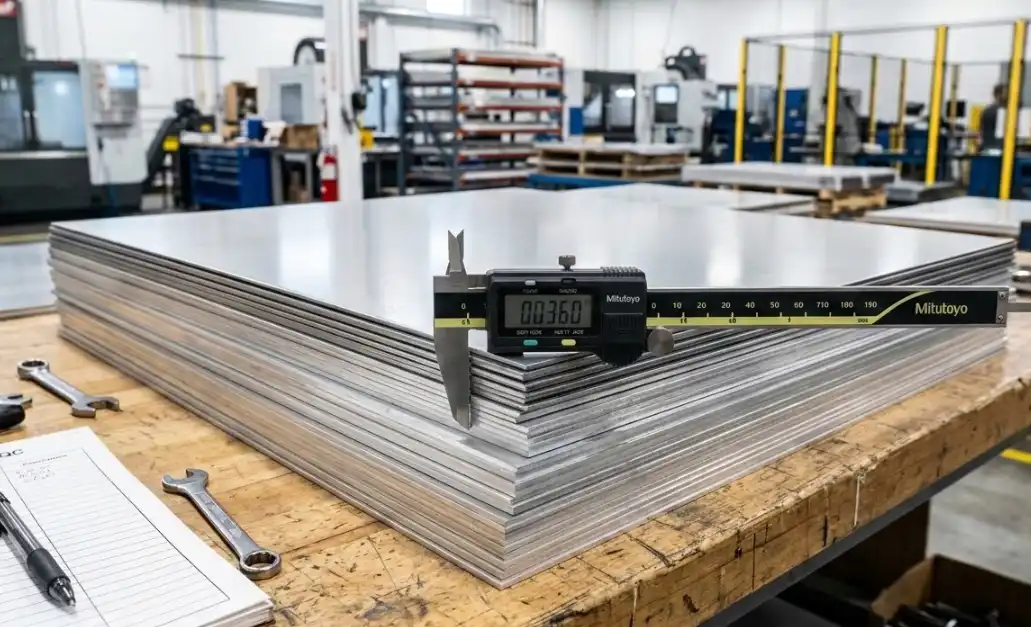
You see 20 gauge sheet metal used in many jobs. It is strong but not too heavy. The thickness of the gauge helps you pick the right material. You can find this metal in car body panels. It is also in home appliances and HVAC systems. It keeps cars light and tough. It helps appliances work well. It lets air move easily in HVAC systems. Factories use it for machine guards and covers. The defense industry uses it for equipment cases. You like it because it lasts long, is easy to use, and works in many ways.
Tip: Always look at the table before you begin your project to save time and supplies.
Key Takeaways
- 20 gauge sheet metal is strong but not heavy. It works well for many things like car panels and home appliances.
- It is important to know gauge numbers. A smaller number means the metal is thicker. This changes how strong and heavy the metal is.
- Steel, aluminum, and stainless steel are common materials for 20 gauge sheet metal. Each material has its own special benefits.
- 20 gauge steel is simple to cut, bend, and shape. It is good for DIY projects and professional jobs.
- Always check the thickness and gauge standards for your material. This helps make sure it fits your project needs.
- 20 gauge sheet metal costs less and lasts long. It is strong without being as heavy as thicker metal.
- Safety matters. Always wear gloves and goggles when working with sheet metal. This keeps you safe from sharp edges.
- Recycling 20 gauge steel is good for the environment. Most of it comes from recycled metal, so it helps reduce waste.
What Is 20 Gauge Sheet Metal
20 Gauge Sheet Metal Overview
You often see 20 gauge sheet metal in many industries. This type of metal has a thickness that makes it strong but still easy to work with. You can bend, cut, and shape it for many projects. 20 gauge sheet metal usually measures about 0.036 inches thick. This thickness gives you a balance between strength and flexibility. If you compare it to other gauges, you find that it is thinner than 18 gauge but thicker than 22 gauge. This makes it a popular choice for jobs that need both durability and easy handling.
You can see the typical thickness for different materials in the table below:
| Material Type | Thickness (inches) | Thickness (mm) |
|---|---|---|
| 20 gauge cold-rolled steel | ~0.0359 | ~0.912 |
| 20 gauge aluminum | ~0.0320 | ~0.81 |
| 20 gauge stainless steel | ~0.0360 | ~0.92 |
You might notice that the thickness changes a little depending on the material. This happens because each metal has its own standard.
Why Gauge Numbers Matter
You need to understand gauge numbers when you pick sheet metal. The gauge number tells you how thick the metal is. A smaller gauge number means the metal is thicker. A larger gauge number means the metal is thinner. For example, 3 gauge is much thicker than 12 gauge.
Tip: Always check the gauge system for your material. Steel, aluminum, and stainless steel use different measurements for the same gauge number.
The gauge system is not the same for every metal. Steel, aluminum, and stainless steel all have their own standards. This can affect your project. The gauge number also helps you decide on strength, weight, and cost. If you want a strong but light piece, 20 gauge sheet metal is a good choice.
Common 20 Gauge Materials
You can find 20 gauge sheet metal in several materials. Each one has its own benefits. Here are the most common types:
- Steel: You get great durability and strength. Steel works well for structural jobs.
- Aluminum: You get a lightweight metal that resists rust. Aluminum is easy to cut and shape.
- Stainless steel: You get extra resistance to corrosion. Stainless steel is good for places with moisture.
| Material | Advantages |
|---|---|
| Steel | Durable, suitable for structural applications |
| Aluminum | Lightweight, resistant to corrosion, easy to work with |
You can use 20 gauge metal for car panels, appliance covers, and ductwork. You get a material that is easy to handle but still strong enough for many uses. When you choose 20-gauge sheet metal, you pick a product that fits many needs in construction, repair, and design.
20 Gauge Sheet Metal Specs
20 Gauge Thickness Range
You need to know the exact thickness when you work with 20 gauge sheet metal. The 20 gauge thickness gives you a good balance between strength and flexibility. In 2026, industry standards show that 20 gauge steel measures about 0.0357 inches thick. You see a similar thickness for 20 gauge aluminum. For 20 gauge stainless steel, the thickness is a bit more at 0.0375 inches. The table below shows the typical thickness for each material:
| Material | Thickness (inches) | Thickness (mm) |
|---|---|---|
| 20 gauge steel | 0.0357 | 0.91 |
| 20 gauge aluminum | 0.0357 | 0.91 |
| 20 gauge stainless steel | 0.0375 | 0.95 |
You can see that 20 gauge stainless steel is slightly thicker than 20 gauge steel and aluminum. This small difference can affect how you cut or bend the metal. You should always check the 20 gauge thickness before you start your project.
20 Gauge Steel vs. Other Metals
You have many choices when you pick 20 gauge sheet metal. Each type has its own strengths. 20 gauge steel is strong and works well for many jobs. You often use 20 gauge carbon steel for car parts, machine covers, and building panels. 20 gauge galvanized steel gives you extra protection against rust. You see it in outdoor projects and ductwork. 20 gauge stainless steel stands out for its resistance to corrosion. You use it in kitchens, hospitals, and places with moisture.
Here is a quick look at how these metals compare:
- 20 gauge steel: strong, easy to weld, good for structure
- 20 gauge carbon steel: tough, holds shape, used in cars and machines
- 20 gauge galvanized steel: resists rust, lasts longer outdoors
- 20 gauge stainless steel: does not rust, easy to clean, good for food and medical use
- 20 gauge aluminum: light, does not rust, easy to shape
You should choose 20 gauge steel if you need strength and low cost. Pick 20 gauge galvanized steel for outdoor or wet places. Use 20 gauge stainless steel when you need a clean, rust-free surface. 20 gauge aluminum works best when you want a light material.
Weight and Tolerances
You must know the weight of 20 gauge sheet metal for your project. The weight changes with each material. 20 gauge steel weighs about 0.0359 pounds per square foot. 20 gauge aluminum is lighter at 0.03196 pounds per square foot. 20 gauge stainless steel is a bit heavier at 0.0375 pounds per square foot. The table below shows the weights:
| Material | Weight (lb/ft²) |
|---|---|
| 20 gauge steel | 0.0359 |
| 20 gauge aluminum | 0.03196 |
| 20 gauge stainless steel | 0.0375 |
You also need to check tolerances. Tolerance means how much the thickness can change from the standard size. In 2026, most factories keep the tolerance for 20 gauge steel within ±0.001 inches. This helps you get a consistent product every time. 20 gauge carbon steel and 20 gauge galvanized steel follow the same tight tolerances. 20 gauge stainless steel also meets strict standards. You can trust that your 20-gauge sheet metal will fit your needs.
Tip: Always measure your 20 gauge sheet metal before you cut or weld. This helps you avoid mistakes and waste.
When you know the specs for 20 gauge steel, you can pick the right material for your job. You get the strength, weight, and finish you need for your project.
20 Gauge Sheet Metal Applications
Automotive and Transportation

20 gauge steel is used a lot in cars and trucks. It makes the outside of vehicles strong but not heavy. You see it in car fenders, doors, and hoods. These parts need to stop dents and keep the inside safe. 20 gauge steel is also used for parts that help hold the car together. These pieces make the car frame stronger. Custom shops like 20 gauge steel for special car parts. You can bend it into shapes without breaking it. This makes it great for making custom pieces.
Here is a table that shows how it is used in cars:
| Application Type | Description |
|---|---|
| Body Panels | Used for fenders, doors, and hoods, providing a strong outer shell. |
| Structural Components | Utilized for both structural and cosmetic parts due to dent resistance. |
| Aftermarket Parts | Favored for custom fabrication as it can be shaped without cracking. |
Tip: If you fix cars or trucks, 20 gauge steel is strong and easy to shape.
Home Appliances and Enclosures
20 gauge steel is found in many home appliances. It works well for covers and panels that are not too heavy. You see it in washing machines, dryers, and fridges. The steel keeps the inside parts safe and makes the outside look nice. 20 gauge sheet metal is also used for boxes that hold wires. These boxes keep wires and circuits safe from dirt and harm. 20 gauge steel is easy to cut and bend. This helps you fit it into many different designs.
Here is a table that shows how it is used in appliances:
| Gauge | Thickness (inches) | Application Type |
|---|---|---|
| 20 | 0.0359 | Light-duty covers, panels |
Note: 20 gauge sheet metal protects appliances and is simple to work with.
HVAC, Ductwork, and Electrical Boxes
20 gauge steel is used in heating and cooling systems. It helps make air ducts that move air in buildings. The steel does not bend easily and keeps its shape. This means the ducts last a long time. 20 gauge steel is also used for boxes that hold wires and switches. These boxes keep wires safe from damage. Many builders use 20 gauge sheet metal because it is easy to cut and put in place. You can also use it for vent covers and air grilles. These parts need to be strong but not too heavy.
Callout: For HVAC or electrical work, 20 gauge steel is easy to use and gives good results.
Construction and DIY Projects
20 gauge sheet metal is used in many building jobs. Builders and hobbyists like it because it is strong and easy to use. You can cut, bend, and shape it with simple tools. This makes it popular for home projects and professional work.
You use 20 gauge sheet metal for wall panels and ceiling tiles. It is also good for decorative trims. These uses help homes and offices look modern. You can use it for fixing roofs. The metal does not rust easily and can handle bad weather. This makes it great for outdoor repairs.
Many people use 20 gauge sheet metal for shelves and storage units. You can build strong shelves for garages and basements. The metal holds heavy things without bending. You can make toolboxes, cabinets, and workbenches. These items help you keep your space neat and your tools safe.
If you like DIY projects, you can use 20 gauge sheet metal in many ways. You can make planters, garden boxes, and furniture. Some people use it for art or custom signs. The metal is easy to paint or finish. You can match it to any style you want.
Here are some common ways to use 20 gauge sheet metal:
- Wall and ceiling panels
- Roofing patches and flashing
- Custom shelves and storage units
- Toolboxes and cabinets
- Workbenches and tables
- Planters and garden boxes
- Decorative art and signs
Tip: Always wear gloves and safety glasses when you work with sheet metal. The edges can be sharp.
You can use 20 gauge sheet metal for repairs at home. Patch holes in doors or cover damaged spots. You can also make weak areas stronger. The metal is thin enough to cut with tin snips. It is strong enough to last for years.
The table below shows some popular DIY uses and their benefits:
| Application | Benefit |
|---|---|
| Wall panels | Modern look, easy to install |
| Shelving | Strong, holds heavy items |
| Planters | Weather-resistant, durable |
| Toolboxes | Protects tools, lightweight |
You have many choices when you use 20 gauge sheet metal for building and DIY jobs. The material gives you strength and flexibility. It also looks professional. You can trust it for big projects and small creative tasks.
Benefits of 20-Gauge Sheet Metal
Strength and Durability
You get reliable strength when you use 20 gauge steel for your projects. This thickness works well for light- to medium-duty applications. You can trust 20 gauge steel to hold its shape during normal use. It is strong enough for car panels, appliance covers, and ductwork. You see it in many applications because it balances strength and weight.
If you compare 20 gauge sheet metal to thicker gauges, you notice some differences. Thicker gauges resist dents and heavy impacts better. 20 gauge steel can bend or dent if you apply a lot of force. You should choose 20 gauge steel for non-load-bearing applications. It is not the best choice for heavy-duty structural work.
Here is a table that shows how 20 gauge sheet metal compares to other gauges:
| Characteristic | 20 Gauge Sheet Metal | Other Gauges |
|---|---|---|
| Strength | Strong for non-load-bearing applications | Thicker gauges are stronger |
| Durability | Can bend or dent under heavy impact | Thicker gauges resist more wear |
| Weight | Lighter and easier to work with | Thicker gauges are heavier |
| Ideal Use | Light- to medium-duty projects | Heavy-duty structural work |
Note: You get a versatile material with 20 gauge steel, but you should avoid using it for heavy structural applications.
Workability and Handling
You find 20 gauge steel easy to cut, bend, and shape. This makes it a favorite for many applications. You can use simple tools to work with 20 gauge steel. Tin snips, hand shears, and basic bending tools handle this thickness well. You do not need special equipment for most jobs.
You can weld, rivet, or screw 20 gauge steel together. The metal does not crack or split easily. You can make custom parts for cars, appliances, or HVAC systems. You can also use 20 gauge steel for electrical boxes and enclosures. The material stays strong during normal handling.
- You can cut 20 gauge steel with hand tools.
- You can bend it without breaking.
- You can weld or fasten it for many applications.
- You can shape it for custom projects.
Tip: Always wear gloves when you handle 20 gauge steel. The edges can be sharp.
Cost and Versatility
You save money when you choose 20 gauge steel for your applications. This thickness costs less than thicker gauges. You get a strong material without paying extra for weight you do not need. You can use 20 gauge steel for many jobs, from car repairs to home projects.
You find 20 gauge steel in automotive, appliance, HVAC, and construction applications. You can use it for shelves, cabinets, and toolboxes. You can also use 20 gauge metal for decorative art and signs. The material fits many needs and adapts to different designs.
You get high-quality 20-gauge sheet metal that lasts for years. You can trust it for repairs, upgrades, and new builds. You can paint or finish 20 gauge steel to match your style. You get a professional look with easy handling.
Callout: You get a cost-effective and versatile material with 20 gauge steel. It works for many applications and gives you reliable results.
Choosing 20 Gauge Sheet Metal
Selecting the Right Material
You need to pick the right material for your project. Each job has its own needs. Here are steps you can follow to make a smart choice:
- Know Your Application Requirements
Think about what you want your sheet metal to do. Some jobs need more strength. Others need a nice look. - Don’t Assume All Gauges Are the Same
Gauge numbers can mean different thicknesses for steel, aluminum, or stainless steel. Always check the actual measurement. - Factor in Manufacturing Methods
The way you cut, bend, or weld the metal can change what material works best. - Consider Weight and Cost
Thicker metals weigh more and cost more. Balance what you need with your budget. - Consult with Experts
Ask suppliers or professionals if you feel unsure. They can help you pick the right sheet metal for your project.
Tip: Always check the thickness chart for your material before you buy.
Thickness vs. Application Needs
You must match the thickness to your project. 20 gauge sheet metal works well for many uses. Here are some common examples:
- In cars, you use 20 gauge for body panels and underbody parts. It gives strength but keeps the car light.
- In airplanes, you use it for access panels and ducting. It helps save weight and energy.
- For HVAC systems, 20 gauge makes strong ductwork.
- In electrical work, you use it for enclosures that protect wires.
- Furniture makers use 20 gauge for support frames.
- Appliance makers use it for washing machine bodies and covers.
If you work outdoors or in wet places, pick galvanized or stainless steel. These metals fight rust. For art projects, you can choose brushed or colored finishes. This makes your work look good and last longer.
| Application Area | Best Material Choice |
|---|---|
| Outdoor/High Moisture | Galvanized or Stainless Steel |
| Artistic Projects | Brushed or Colored Finishes |
| Automotive | Steel or Aluminum |
| Appliances | Steel |
Note: The right thickness and finish help your project last longer and look better.
Tool Compatibility and Safety
You can cut and shape 20 gauge sheet metal with many tools. Here are some good options:
- Aviation Snips – Use these for straight cuts.
- Straight-Cut Tin Snips – Make clean, straight lines.
- Offset Snips – Cut tight curves and shapes.
- Nibblers – Create detailed patterns.
- Manual Sheet Metal Shears – Handle big jobs fast.
Always stay safe when you work with sheet metal:
- Wear cut-resistant gloves, safety goggles, and long sleeves.
- Work in a bright, open space.
- Keep the area clean to avoid slips or cuts.
- Do not breathe in metal dust. Open a window or use a fan.
Safety Alert: Sheet metal edges are sharp. Protect your hands and eyes every time you cut or move metal.
You can get great results with the right tools and safety steps. This helps you finish your project without injury.
Working with 20 Gauge Steel
Cutting and Shaping
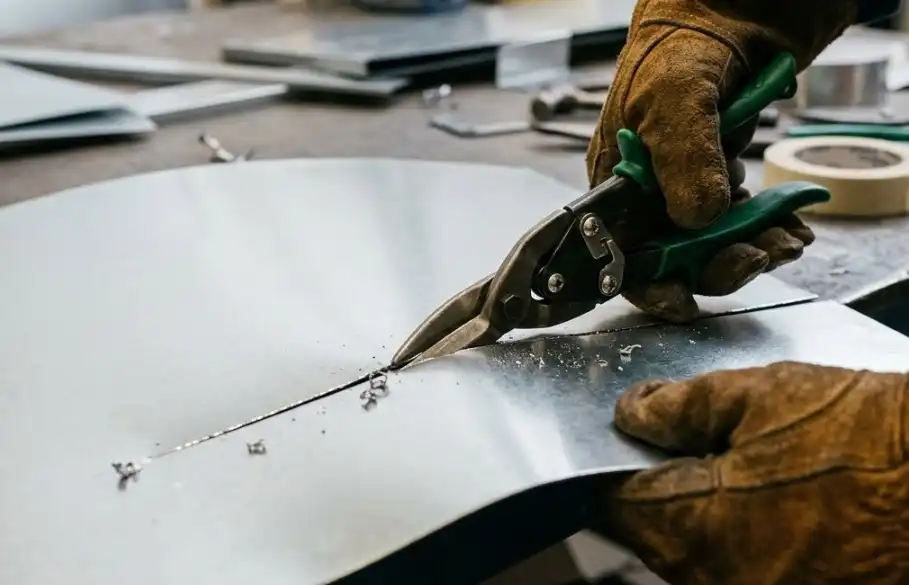
You can cut and shape 20 gauge steel with many tools. Each tool works best for a certain job. You should always match the tool to the type of cut you need. Here are some effective methods:
- Score and snap the steel with a utility knife for straight lines.
- Use an oscillating tool for tight spaces or flush cuts. Make sure the blade is made for metal.
- Pick the right blade for steel. This helps you cut cleanly and safely.
- Try a reciprocating saw if you need more power than a hacksaw.
- Use an angle grinder with a diamond blade for cutting metal mesh or lath.
- Choose cold cutting tools or plasma cutters to reduce sparks.
- Keep your tools sharp and use coolant or lubricants. This prevents overheating and warping.
- Make shallow cuts to keep the steel from bending.
You should always wear gloves and eye protection. 20 gauge steel can have sharp edges after cutting. You can use these methods to make clean shapes for your project.
Joining and Fastening
You have many ways to join and fasten 20 gauge steel. Each method works best for a different type of joint or load. Here are some common techniques:
- Tapping screws form threads as you drive them in. They work well for holding pieces together but may loosen with vibration.
- Rivets give you strong, permanent joints. They do not strip and hold up under shear forces.
- Clinching and press-fit fasteners create a mechanical lock. These work well when your project will face vibration.
- Tab-and-slot joints help spread the load. They also make it easier to line up parts and add stiffness.
You should pick the method that fits your project. For example, use rivets for strong, lasting joints. Use tapping screws for quick assembly. If you need to handle vibration, try clinching or tab-and-slot joints. You can combine these methods for the best results with 20 gauge steel.
Tip: Always check your fasteners for tightness after assembly. This keeps your project safe and strong.
Surface Finishing
You can choose from several finishes to protect and improve 20 gauge steel. Each finish gives you a different look and level of protection. The table below shows some common options:
| Finish Type | Description | Applications |
|---|---|---|
| Brushed Finish | Textured look that hides fingerprints and small scratches. | Appliances, control panels, industrial gear |
| Polished Finish | Shiny, mirror-like surface for decoration. | Elevator interiors, retail displays, car trim |
| Galvanized Finish | Zinc coating that stops rust and adds years to the steel’s life. | Construction, farm equipment |
| Bare Mill Finish | Uncoated, ready for painting or welding. | DIY, fabrication shops |
You can pick a finish based on where you will use the 20 gauge steel. Use galvanized finish for outdoor projects. Pick a polished finish for decorative parts. If you want to paint or weld, start with a bare mill finish.
Note: Clean the surface before you add any finish. This helps the finish stick and last longer.
You can get great results with 20 gauge steel by using the right cutting, joining, and finishing methods. You will find that this material is easy to work with and gives you strong, lasting results.
2026 Trends in 20 Gauge Sheet Metal
New Standards and Regulations
You see new rules for 20 gauge steel in 2026. Industry groups now set tighter standards for thickness and quality. These rules help you get more reliable 20 gauge steel for your projects. Factories must check the thickness of each sheet more often. You can trust that your 20 gauge steel will match the size you expect. New safety codes also guide how you use 20 gauge steel in buildings and vehicles. These codes protect you and make sure your work lasts longer.
Note: Always check the latest standards before you order 20 gauge steel. This step helps you avoid costly mistakes.
A table below shows some key changes in 2026:
| Standard Area | 2025 Requirement | 2026 Update |
|---|---|---|
| Thickness Tolerance | ±0.002 inches | ±0.001 inches |
| Surface Quality | Basic finish allowed | Stricter finish required |
| Safety Testing | Random checks | 100% batch testing |
Manufacturing Advances
You benefit from new technology in 20 gauge steel production. Factories now use smart machines to cut and shape 20 gauge steel with high accuracy. These machines use sensors to check the metal as it moves through the line. You get sheets with fewer defects and better edges. Laser cutting has become more common for 20 gauge steel. This method gives you clean cuts and less waste.
Robots now help move and stack 20 gauge steel. You see faster delivery times and lower costs. Some companies use 3D printing to make custom parts from 20 gauge metal. This process lets you order special shapes without extra tools.
- Smart sensors check thickness and surface.
- Laser cutters make smooth edges.
- Robots speed up packing and shipping.
Tip: Ask your supplier if they use new machines. You may get better 20 gauge steel for your project.
Sustainability and Recycling
You help the planet when you choose 20 gauge steel in 2026. Most 20 gauge sheet metal now comes from recycled sources. Factories melt old cars, appliances, and scrap to make new 20 gauge steel. This process saves energy and cuts pollution. You can recycle 20 gauge steel again after your project ends.
Many companies now use less water and power to make 20 gauge steel. They also use safer chemicals to clean the metal. You see more labels that show how much recycled content is in your 20 gauge steel. Some brands even offer buy-back programs for used 20 gauge sheet metal.
Callout: When you recycle 20 gauge steel, you help reduce waste and protect natural resources.
A quick checklist for eco-friendly 20 gauge steel:
- Look for recycled content labels.
- Choose suppliers with green practices.
- Recycle your scrap and leftover 20 gauge metal.
You can feel good about using 20-gauge sheet metal in 2026. You get strong material and help the environment at the same time.
You now know that 20 gauge sheet metal works for many things. The table below explains why people use it for ductwork, wall panels, vents, cabinets, and covers. You can cut and bend it without much trouble. It saves you money and gives your project a neat look. But you should not use it for big, heavy jobs. Always pick the right thickness for your project so you do not have problems.
| Specification/Use | Description |
|---|---|
| Common Uses | Ductwork, wall panels, flashing, trim, air ducts, vents, cabinets, covers |
| Benefits | Easy to cut and shape, cost-effective, provides a clean finish |
| Considerations | Not for heavy-duty work, can bend or dent under impact |
You can read more about 20 gauge sheet metal in guides about thickness, strength, and shaping. These guides help you pick the best material for your project. Use this guide for the newest information in 2026.
FAQ
What is the actual thickness of 20 gauge sheet metal?
You get about 0.036 inches (0.91 mm) for 20 gauge steel. Aluminum and stainless steel may differ slightly. Always check the material chart before you start your project.
Can you cut 20 gauge sheet metal with hand tools?
Yes, you can use tin snips or aviation snips for straight and curved cuts. For long cuts, try a manual shear. Always wear gloves for safety.
Is 20 gauge sheet metal strong enough for car repairs?
You can use 20 gauge steel for car body panels, patchwork, and custom parts. It gives you a good mix of strength and easy shaping for most repairs.
Does 20 gauge sheet metal rust?
Plain steel can rust if exposed to moisture. You can choose galvanized or stainless steel for better rust resistance. Aluminum also resists rust well.
What finish works best for outdoor projects?
You should pick galvanized or stainless steel for outdoor use. These finishes protect against rust and weather. Aluminum also works well outside.
How do you join 20 gauge sheet metal?
You can use rivets, screws, or welding. For quick jobs, self-tapping screws work well. Rivets give you a strong, permanent joint.
Can you paint 20 gauge sheet metal?
Yes, you can paint it. Clean the surface first. Use a primer made for metal. Then apply your topcoat for a smooth finish.
Where can you buy 20 gauge sheet metal?
You can find 20 gauge sheet metal at hardware stores, metal suppliers, and online shops. Ask for the type and finish you need for your project.