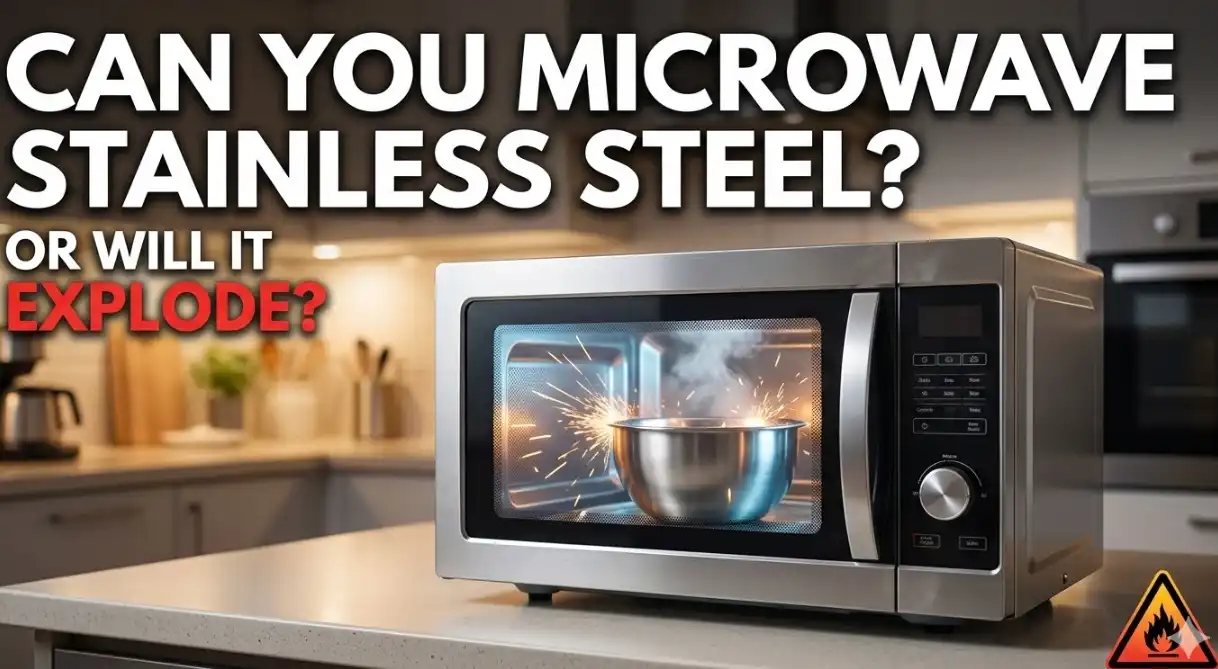
You might ask if you can Microwave Stainless Steel. Most of the time, you should not do this. Only use stainless steel if it is made for the microwave. Many people try to heat food in metal containers. Some people forget to take out a spoon.
Using metal in microwaves has caused a lot of confusion and worry for people. The main reason is that there are safety problems with metal in microwaves. Metal does not soak up microwave energy. It bounces the microwaves back. This can make sparks and hurt the inside of the microwave.
Always think about safety when you use your microwave.
Key Takeaways
- Do not put stainless steel in the microwave unless it says microwave-safe. This helps stop sparks and fires from happening.
- Look for smooth edges and good materials in stainless steel containers. This lowers the chance of sparks.
- Use glass or ceramic containers in the microwave. These heat food evenly and are safe to use.
- If you put stainless steel in the microwave by mistake, stop right away. Check your microwave for damage before you use it again.
- Always read the labels and instructions from the maker. This tells you if a container is safe for the microwave.
Why Not Microwave Stainless Steel
Risks of Arcing and Fire
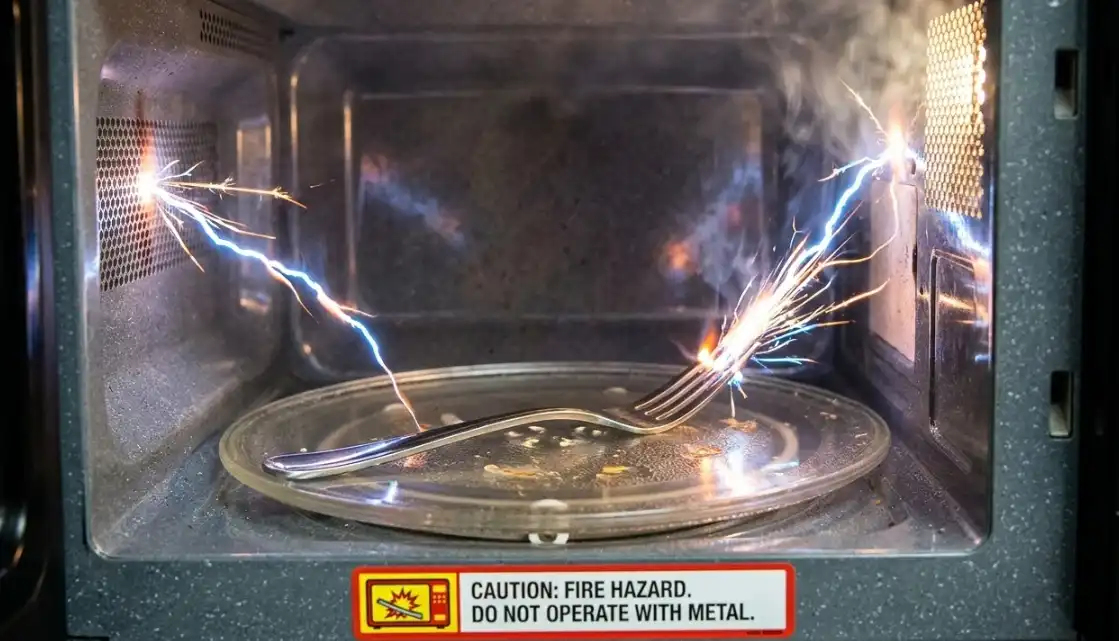
If you put metal in a microwave, you may see sparks or flashes. These sparks are called arcing. Arcing happens because microwaves make electrons move fast inside metal. Sharp edges or thin points on metal can make the electric charge build up. When the charge gets strong, it can jump through the air and make a spark.
- Sparks can cause fires if they touch something that burns easily.
- Even a small spark can set food wrappers or paper towels on fire.
- Arcing happens more often with stainless steel that is not smooth or has rough edges.
⚠️ Warning: Do not ignore sparks in your microwave. Sparks mean something is wrong and could cause a fire.
If you use Microwave Stainless Steel that is not made for microwaves, you raise the chance of arcing and fire. Many microwave fires start because someone put metal inside by accident or did not follow safety rules.
Microwave Damage
You might think using a metal spoon or container for a short time is safe, but it can harm your microwave. When you use Microwave Stainless Steel, the metal bounces microwaves instead of letting them go through. This bouncing can cause problems:
- The inside parts of the microwave can get damaged by sparks.
- Sparks can ruin important parts like the diode or waveguide cover.
- After a while, your microwave may stop working.
If you keep using stainless steel in your microwave, you may notice uneven heating or strange sounds. Sometimes, the microwave will not heat food because the inside is broken. You might need a new microwave sooner than you thought.
Uneven Heating Issues
Stainless steel does not let microwaves reach your food. It bounces the energy away. This means your food can stay cold in some places and get too hot in others. Uneven heating is not just annoying—it can be unsafe.
- Cold spots in food can let germs live, making your meal unsafe.
- Glass and ceramic containers let microwaves go through, so they heat food evenly.
- Stainless steel can make hot spots and cause arcing, which is dangerous.
You may see that food in a metal container does not get as hot as food in a glass bowl. That is because microwaves cannot reach the food well. For best results and safety, always use containers made for microwaves.
What Happens When You Microwave Stainless Steel
Immediate Effects
If you put stainless steel in the microwave, you may see weird things happen. Sparks can jump around inside the microwave. These sparks look like tiny lightning bolts. Sometimes, you hear popping or buzzing noises. If you leave the metal inside, the sparks can get worse. You might smell something burning. Food in a stainless steel container often stays cold because the metal stops the heat. Liquids may not get warm at all. You could notice some parts of your meal are hot, but other parts are still frozen.
If you see sparks or smell smoke, turn off the microwave right away. Wait for the appliance to cool down before you take out the metal.
Long-Term Appliance Risks
Microwaving stainless steel can hurt your microwave over time. Sparks can damage important parts inside the microwave. You may notice your microwave does not heat food as well as before. Sometimes, the inside walls get burn marks or the waveguide cover breaks. If you keep using metal, your microwave might need repairs or even a new one. You could spend money on a new appliance sooner than you want.
Safety Hazards
Consumer safety groups say not to use metal in microwaves. Stainless steel can cause many problems:
- It stops heat from warming liquids and food.
- Sparks from arcing can cause fire dangers.
- Using metal makes it more likely to damage your microwave.
You should always follow safety rules. Never use containers or utensils made of stainless steel unless they say microwave-safe. If you accidentally microwave stainless steel, check your microwave for damage before you use it again.
Microwave-Safe Stainless Steel and Exceptions
Specially Designed Products
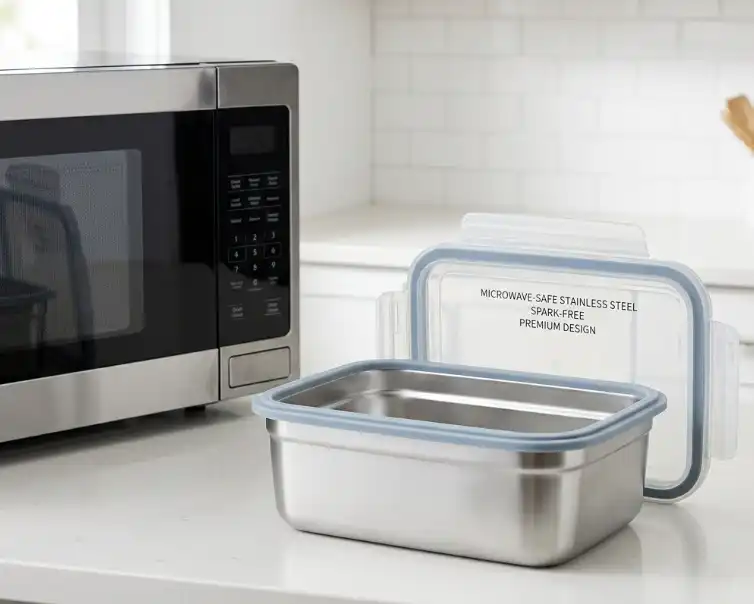
Not every stainless steel container is unsafe in the microwave. Some companies make special containers for microwaves. These containers are made to stop sparks and keep food safe. Here are things you should check for:
- Rounded edges help spread out electric charge and stop sparks.
- High-quality stainless steel with a microwave-safe mark is safest.
- Some containers have silicone or plastic edges to lower arcing risk.
- The material and shape matter. If the container is broken, do not use it.
Tip: Always look for a microwave-safe label before using any stainless steel container in your microwave.
Some brands sell microwave-safe stainless steel containers. Here is an example:
| Brand | Product Type | Certification |
|---|---|---|
| Nicety | Microwave-safe stainless steel containers | SGS-certified, FDA compliant |
If you see these certifications, the product passed safety tests.
Manufacturer Guidelines
Before using any stainless steel in your microwave, check the labels and instructions. Not every container is safe, even if it looks strong. Here is what you should do:
- Look for a microwave-safe label on the container.
- Make sure the label is from the real manufacturer, not just a sticker.
- Read the manual for your microwave and the container. The instructions will say if it is safe.
- Do not use containers with metal edges or sharp points. These can cause sparks.
Note: Some stainless steel items are not safe for microwaves and can cause safety problems. When you are not sure, always check the instructions.
If you follow these steps, you can stop most accidents. You will also keep your microwave safe from damage.
Common Myths
You may have heard stories about using metal in microwaves. Let’s talk about some common myths:
- Myth: Microwaving stainless steel is always dangerous.
Fact: If you use the right container and follow the rules, it can be safe. - Myth: All metals cause sparks in microwaves.
Fact: Only some shapes, like crumpled foil, spark easily. Many metal objects made for microwaves do not cause problems. - Myth: Microwaves cause cancer.
Fact: Microwaves use non-ionizing radiation. This energy does not change your DNA or cause cancer.
Some people think using Microwave Stainless Steel will always break your microwave or start a fire. That is not true if you use products made for microwaves and follow the rules. Still, many people make mistakes because they believe these myths. Using the wrong container can cause sparks, uneven heating, or even damage your microwave.
Remember: Always look for a microwave-safe label and follow the instructions. If you are not sure, use glass or ceramic instead.
Safe Alternatives and Tips
Best Microwave Materials

You want your food to be safe and your microwave to last. The best choice is to use glass, ceramic, or microwave-safe plastic containers. These materials let microwaves go through and heat food evenly. You do not need to worry about sparks or fire with these choices.
Here’s a simple chart to help you pick:
| Feature | Glass Containers | Stainless Steel Containers |
|---|---|---|
| Microwave Safe? | ✅ Yes (if labeled microwave-safe) | ❌ No – causes arcing and fire risk |
| Chemical Leaching | None (inert material) | None during storage; not an issue in microwave |
| Heat Evenness | Heats food evenly | Poor – reflects waves, creates hotspots |
If you want to stay safe, do not use Microwave Stainless Steel. Pick glass or ceramic containers instead.
Identifying Microwave-Safe Containers
You may wonder how to know if a container is safe for the microwave. Most safe containers have a label or a symbol. Look for these signs:
| Symbol/Label | Description |
|---|---|
| Microwave-safe label | Says the product is safe for microwave use. |
| Wavy lines | Shows the container can go in the microwave. |
| Microwave-safe symbol | A square with wavy lines inside. |
| NSF certification | Means the product passed safety tests. |
| Phrase “microwave-safe” | Written on the bottom or packaging. |
If you do not see any of these, try the “cup of water” test:
- Put the container and a cup of water in the microwave.
- Heat for one minute.
- If the container stays cool and the water is hot, it is microwave-safe.
- If the container gets hot, do not use it in the microwave.
What to Do If You Microwave Stainless Steel
Sometimes people make mistakes. If you microwave stainless steel by accident, do not panic. Here is what you should do:
- Stop the microwave right away if you see sparks or hear buzzing.
- Wait for everything to cool before you open the door.
- Check your microwave for burn marks or damage.
- Try heating a cup of water to see if your microwave still works.
- If you see problems, ask a professional for help before using it again.
Tip: Always check your containers before you heat food. This easy step can keep you safe and protect your microwave.
You learned that microwaving regular stainless steel is dangerous. Some containers are safe, but you need to check for a microwave-safe label. Here are important tips:
- Only use stainless steel that is certified microwave-safe.
- Check containers to make sure they are not broken.
- Follow the instructions for heating.
- Do not microwave metal utensils or containers that are damaged.
- Always look at the labels before you use any container.
Pick glass or ceramic to stay safe. Your microwave and your food will be better!
FAQ
Can you microwave stainless steel cutlery?
Do not put stainless steel cutlery in the microwave. Spoons, forks, and knives can make sparks. Sparks can break your microwave. Always take out metal utensils before you heat food.
What happens if you accidentally microwave stainless steel?
If you microwave stainless steel by accident, you might see sparks. You could hear buzzing sounds. Stop the microwave right away. Wait for it to cool down. Check for damage before you use it again.
Are all stainless steel containers unsafe in the microwave?
Some stainless steel containers are safe for microwaves. Not every container is dangerous. Look for a “microwave-safe” label or check the instructions. If there is no label, use glass or ceramic instead.
How can you tell if a container is microwave-safe?
Find a microwave-safe symbol or label.
If you do not see one, try the “cup of water” test. If the container stays cool and the water gets hot, it is safe.
What materials are best for microwaving food?
| Material | Microwave Safe | Heats Evenly |
|---|---|---|
| Glass | ✅ | ✅ |
| Ceramic | ✅ | ✅ |
| Plastic (labeled) | ✅ | ✅ |
| Stainless Steel | ❌ | ❌ |