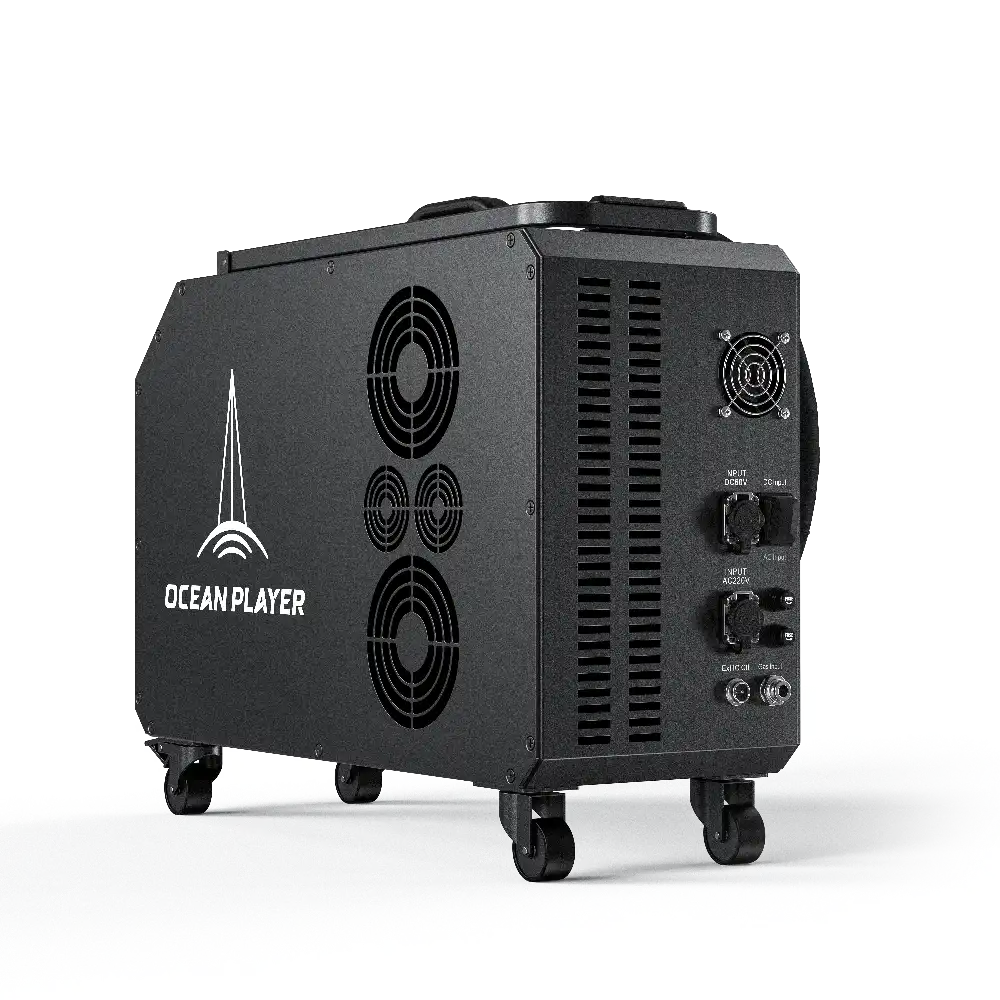
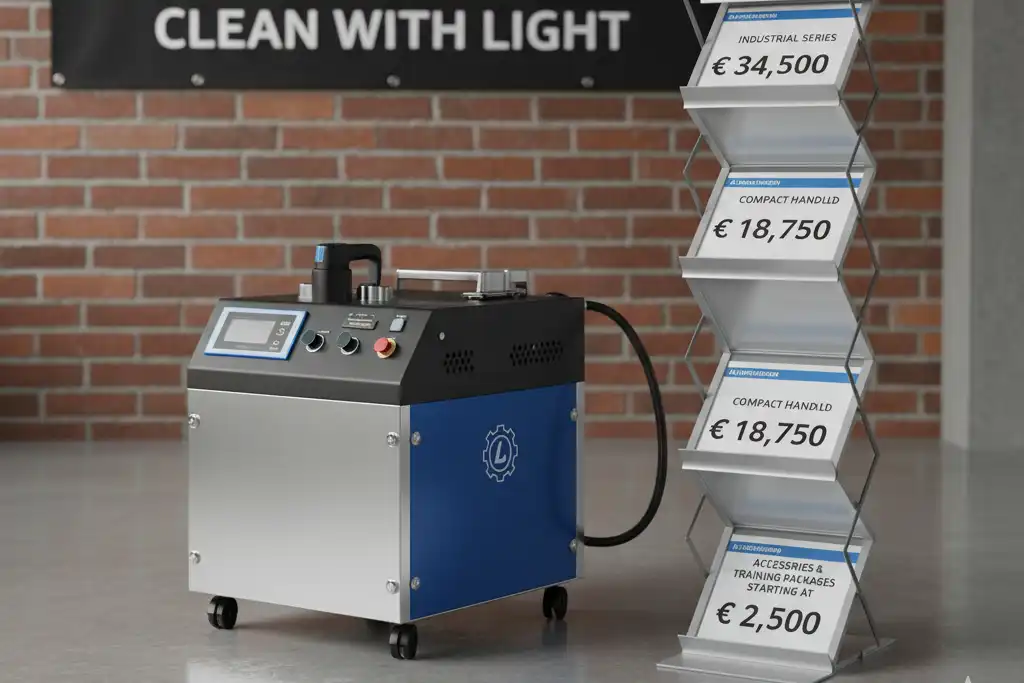
You might ask how much a laser cleaning machine costs in 2025. The price can be very different depending on the machine type. Here is a quick look:
| Type of Machine | Price Range |
|---|---|
| Entry-level Laser Cleaning Machines | $4,500 – $10,000 |
| Mid-range Laser Cleaning Machines | $5,500 – $15,000 |
| Industrial Laser Cleaning Machines | $50,000 – $200,000+ |
Many things can change the final cost. The laser source type, machine size, and power level all matter. Features like automatic focusing and brand name can also change the price. You should think about the total cost, not just the first price. With this Price Guide for Laser Cleaning Machine, you can make good choices and get the best deal for your needs.
Key Takeaways
- Laser cleaning machines have different prices based on their type. Entry-level models cost between $4,500 and $10,000. Industrial machines cost from $50,000 to over $200,000. You should think about all costs, like power, features, and maintenance. This helps you get the best deal. Entry-level machines work well for small jobs. Mid-range models have more power for bigger tasks. Industrial machines are made for tough jobs. New technology and more companies are lowering prices. This makes laser cleaning machines easier to buy. Always look at your cleaning needs before you choose a machine. Think about the material and job size to pick the right one. Taking care of your machine can make it last longer. Most machines last between 50,000 and 100,000 hours. Leasing or vendor financing can help with the first costs. This makes it easier for businesses to buy a machine. Safety is very important. Always wear protective gear and follow safety rules. This helps stop accidents when using laser cleaning machines.
2025 Price Guide for Laser Cleaning Machine
Entry-Level Price Range
In 2025, entry-level laser cleaning machines cost between $2,500 and $7,500. These machines are best for removing light rust and doing small cleaning jobs. Most entry-level models are light and simple to use. They have basic safety parts and easy controls. Here is what you get with these machines:
| Feature | Description |
|---|---|
| Design | These machines are light and shaped for easy use. |
| Safety Features | They have metal sensors and lock the light when moving. |
| Cleaning Efficiency | They clean without touching and do not hurt the surface. |
| Power Levels | Power goes from 1000W to 3000W, which changes price and cleaning. |
| Energy Density | More energy helps remove stains but can hurt the surface. |
| Wavelength | Different wavelengths work better for different materials. |
| Pulse Duration | Shorter pulses give more power to remove dirt. |
| Spot Size | Small spots help clean tiny or detailed areas. |
| Cooling Systems | Water cooling keeps high-power lasers from getting too hot. |
| Safety Eyewear | You should wear special glasses to protect your eyes. |
| Emergency Stop Button | There is a button to stop the machine quickly if needed. |
| Price Range | These machines cost from $3,500 to $8,000 based on power and features. |
The price changes if you want more power or extra features. For example, the STYLECNC LC1500 (1500W) is about $3,800. If you want a stronger model, like 2000W or 3000W, it can cost $5,500 to $8,000. The UniLaser 200W Handheld model usually costs $7,900 to $8,200. These machines are good if you want something simple and not too expensive.
Mid-Range Models
Mid-range laser cleaning machines have more power and better features. In 2025, these machines cost between $8,000 and $15,000. They are good for bigger jobs and some factory work. These machines often have more watts, better cooling, and safer parts.
| Category | Power (W) | Price Range (USD) | Application Suitability |
|---|---|---|---|
| Entry-Level | 50–200 | $5,600 – $9,800 | Good for small jobs and basic cleaning |
| Mid-Range | 200+ | $8,000 – $15,000 | Good for more work and better features |
Some popular mid-range machines are the OYOCEN 500W Continuous Wave, which costs $8,000 to $10,000. These machines can do harder jobs and are more flexible. They also have better screens and more ways to clean.
Tip: If you use a machine often in a workshop or small factory, a mid-range model gives you good value for the money.
Industrial & High-End Machines
Industrial and high-end laser cleaning machines are made for tough jobs. In 2025, these machines cost from $50,000 to over $200,000. They have the most power, the best cooling, and top safety certificates like CE and FDA. You will see these machines in big factories and shipyards where cleaning never stops.
| Model | Power Level | Cooling Options | Safety Features | User-Friendly Controls |
|---|---|---|---|---|
| 1000W Pulse Laser Cleaner | 1000W | N/A | N/A | Yes |
| 2000W Composite Laser Cleaner | 2000W | Air Cooling | Yes | Yes |
| 3000W High-Power Laser Cleaner | 3000W | Water Cooling | Yes | Yes |
- Most industrial machines have:
- Better safety parts
- Easy-to-use controls
- Certificates like CE and FDA
These machines cost more because they work the best and last a long time. They can run for many hours and clean big areas fast. If your business needs the strongest cleaning, these are the best machines.
The Price Guide for Laser Cleaning Machine helps you compare all these choices. You can see how price changes with power, features, and certificates. Use this guide to pick the best machine for your needs and budget.
Price Trends for 2025
You will notice some big changes in the prices of laser cleaning machines in 2025. Technology keeps improving, and more companies now make these machines. This means you can find better deals than before. Many suppliers compete to offer lower prices, so you have more choices.
In past years, laser cleaning machines cost much more. Now, you can buy a high-quality 1500w model for $15,000 to $30,000. This price is lower than what you saw in 2023 or 2024. The machines also work better and last longer. You get more value for your money.
Note: The demand for eco-friendly cleaning solutions keeps growing. More industries want to use laser cleaning machines because they do not use chemicals or make a mess. This demand helps push prices down and makes these machines easier to buy.
Here are some reasons why prices keep dropping:
- New technology makes machines cheaper to build.
- More companies make laser cleaning machines, so you get better prices.
- Factories can produce more machines each year.
- People want safer and cleaner ways to remove rust and paint.
You should use the Price Guide for Laser Cleaning Machine to compare prices and features. This guide helps you see how prices change and what you can expect in 2025. If you plan to buy a machine, you will find more options at lower prices than ever before.
Types & Applications
Entry-Level Machines

Entry-level laser cleaning machines are simple to use and not expensive. These machines have power between 60W and 150W. You can use them for small jobs, like taking off light rust or cleaning gentle parts. Many people pick entry-level machines for home shops or small repair places. You do not need special lessons to use them.
Here are some ways people use entry-level machines:
- Cleaning small metal tools
- Taking off light rust from car parts
- Getting surfaces ready for painting or welding
Entry-level machines are best for small areas. They help you clean without hurting the material below. You can move these machines easily because they are not heavy.
| Type of Machine | Power Level | Application Area |
|---|---|---|
| Entry-level | 60W–150W | Smaller, delicate tasks |
Tip: If you want to clean jewelry, bike parts, or small metal things, an entry-level machine gives you enough power and does not cost a lot.
Industrial Machines
Industrial laser cleaning machines are much stronger. Their power starts at 200W and goes up to 2000W or more. These machines are used for hard jobs in factories, shipyards, and big workshops. You can use them to take off thick rust, old paint, or heavy coatings from large metal surfaces.
Industrial machines often have special features, like automatic focusing and strong cooling. They can work for a long time without getting too hot. You will need some training to use these machines safely.
| Type of Machine | Power Level | Application Area |
|---|---|---|
| Standard industrial | 200W+ | Heavy-duty applications |
| High-power industrial | 1000W–2000W | Thick rust and large steel projects |
You can use industrial machines for:
- Cleaning ship hulls and big steel structures
- Taking paint off bridges or pipes
- Getting surfaces ready for welding in factories
Note: Industrial machines cost more, but they help you finish big jobs faster and with less work.
Portable vs. Stationary
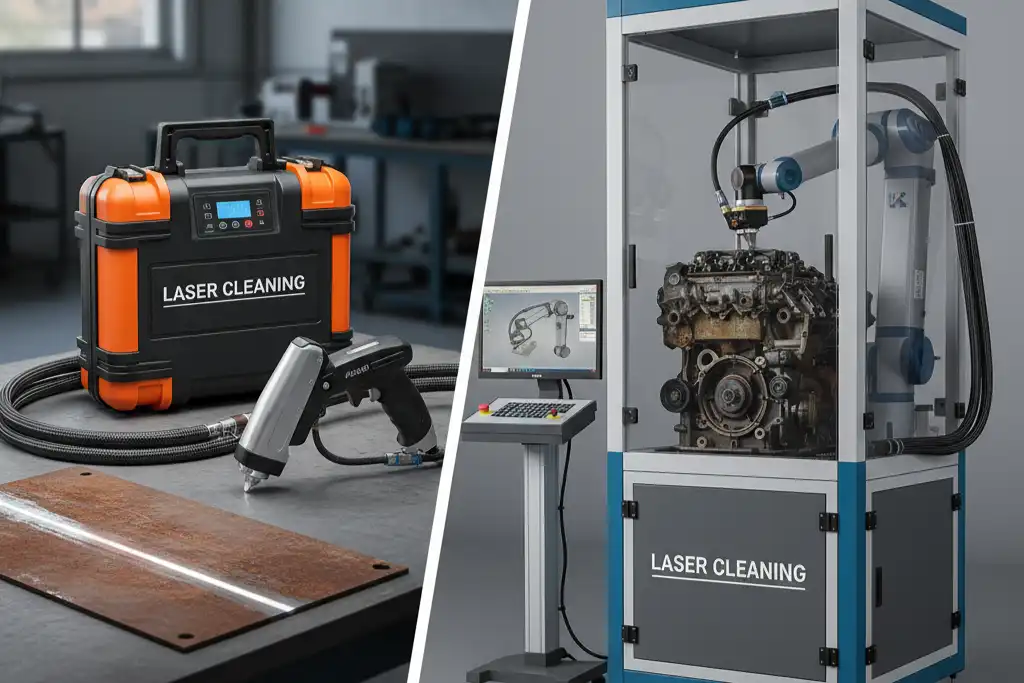
You can pick portable or stationary laser cleaning machines. Portable machines are light and easy to carry. You can bring them to different places or use them in small spaces. These machines are good for car repair shops, fieldwork, or cleaning outside.
Stationary machines stay in one spot. They are bigger and heavier. You will see them in factories or workshops where big items are cleaned often. Stationary machines usually have more power and extra features.
Key differences:
- Portable machines: Light, easy to carry, best for small or medium jobs.
- Stationary machines: Heavy, stay in one place, best for big or repeated cleaning jobs.
If you want to move your machine a lot, choose a portable one. If you clean big things every day, a stationary machine is better for you.
You can also pick between pulse laser cleaning and continuous wave laser cleaning. Pulse lasers send short, strong bursts to clean dirt. Continuous wave lasers use a steady beam for cleaning. Each type is best for different jobs.
| Type of Laser Cleaning | Typical Applications |
|---|---|
| Laser Rust Removal | Getting ready for welding or coating, taking off rust blockers |
| Laser Oxide Removal | Cleaning metal before treatments, especially before welding aluminum |
| Laser Paint Removal | Taking off paint while keeping the surface safe, getting welding spots ready |
| Laser Surface Cleaning for Bonding | Getting parts ready for glue, making sure no oxides get in the way |
| Laser Surface Texturing | Helping glue or paint stick by making the surface a little rough |
You should match the machine and cleaning style to your project. This helps you get good results and spend your money well.
Common Uses
Laser cleaning machines do many jobs. They clean surfaces without chemicals or mess. People use them in lots of ways in 2025.
1. Rust Removal
Lasers take rust off metal parts fast. You can clean car parts, tools, and machines. You do not need to scrub hard or use strong chemicals. The laser burns away rust and leaves metal clean.
2. Paint Stripping
Lasers can remove paint from metal, wood, or stone. This keeps the surface safe. The material under the paint does not get hurt. People use this for cars, bridges, and old buildings.
3. Surface Preparation
You need a clean surface before welding or gluing metal. Laser cleaning machines remove oil, dirt, and old coatings. This helps welds and glue joints stay strong.
4. Restoration Work
Museums and art experts use lasers to clean statues, paintings, and coins. The laser takes off dirt and stains but does not harm the artwork. You can use low power for gentle cleaning.
5. Mold and Grease Removal
Factories use lasers to clean mold, grease, and oil from machines. This helps equipment work well. You do not need to take machines apart or use strong cleaners.
6. Cleaning Welds
After welding, you see black marks or leftover stuff. Lasers clean these marks. You get a smooth and shiny finish.
7. Removing Oxides
Lasers help take off oxides from metals like aluminum or copper. This is important before welding or coating metal.
Tip: Test the laser on a small spot first. This shows how the material reacts.
Table: Common Uses of Laser Cleaning Machines
| Application | Typical Users | Benefits |
|---|---|---|
| Rust Removal | Auto shops, factories | Fast, no chemicals |
| Paint Stripping | Car shops, builders | Safe for surfaces |
| Surface Prep | Welders, factories | Stronger bonds |
| Restoration | Museums, artists | Gentle on delicate items |
| Mold/Grease Removal | Factories, workshops | No need to disassemble machines |
| Weld Cleaning | Metal shops | Smooth, clean finish |
| Oxide Removal | Metalworkers | Better welding, coating |
Laser cleaning machines work in many places. You can use them in car shops, factories, art studios, and old buildings. These machines save time and money. They also help the environment because you do not use harsh chemicals.
Note: Laser cleaning works best when you match power and settings to the job. Always follow safety rules and wear protective glasses.
Price Factors
Power & Wattage
Power and wattage are important for the price. Machines are rated by how many watts they use. More watts mean the machine can clean harder stains. It also cleans bigger areas faster. Some machines let you change the power for each job. This makes them cost more.
Low power machines, under 100W, are for gentle jobs. You can use them on small tools or soft surfaces. Medium power, from 100W to 500W, is good for most factory cleaning. These can remove mold or rust well. High power, from 1000W to 3000W, is for big jobs. You see these in shipyards or train yards. They take off thick rust and coatings fast.
| Power Level | Typical Power Range | Application Area | Effect on Cleaning Performance |
|---|---|---|---|
| Low Power | Below 100W | Precision instruments, small areas | Delicate tasks, less heat impact |
| Medium Power | 100W – 500W | General industrial cleaning | Efficient, precise |
| High Power | 1000W – 3000W | Heavy industry | Rapid removal, covers large areas |
High power machines need special electric setups. This adds to the total price. Think about what you need to clean before picking the power. More power costs more, but it cleans better and faster.
Laser Type & Technology
Laser type and technology also change the price. In 2025, there are two main types: continuous wave lasers and pulsed lasers.
- Continuous wave lasers give steady light. These are best for jobs that need even cleaning.
- Pulsed lasers send quick, strong bursts of energy. These bursts help remove tough rust and oxides.
Laser cleaning is popular because it is safe and does not use chemicals. This keeps workers safe and helps nature. Many companies want these machines, so prices are better for eco-friendly options.
If you need to clean soft surfaces, pick a pulsed laser. For bigger jobs, a continuous wave laser is better. The laser type you choose will change the price. Newer technology costs more, but it works better and gives you more choices.
Brand & Reputation
Brand and reputation also matter for price. Famous brands usually cost more. You pay for good quality and help if something breaks. Trusted brands test their machines and have safety papers. They give better warranties and spare parts are easy to find.
Some brands have made lasers for a long time. These companies spend money to make their machines better. Their machines have new features and safety systems. If you buy from a top brand, you pay more at first. But you get peace of mind and value over time.
Tip: Always read reviews and ask about help after you buy. A good brand can save you money on repairs and stop problems.
You should think about your budget and how much you need a trusted brand. Sometimes, a smaller brand is cheaper, but check if they are reliable before you buy.
Features & Customization
When you look at laser cleaning machines, you will notice many features. These features can make the price go up or down. Some features help you clean faster. Others help the machine last longer. Some features keep you safe. Some let you use the machine for special jobs.
Here is a table that shows which features and custom options cost the most in 2025:
| Feature/Customization Option | Impact on Price |
|---|---|
| High-Energy Pulsed Fiber Laser Source | Raises the price the most. Lets you remove thick rust and coatings with great accuracy. |
| Advanced Water-Cooling System | Adds thousands of dollars. Keeps the machine cool during long jobs. |
| High-Precision Optical Components | Makes the machine work better. Costs more because of the special parts. |
| Industrial-Grade Power and Control Electronics | Needed for strong, steady cleaning. Increases the price due to advanced technology. |
| Rugged Industrial Construction and Automation Compatibility | Makes the machine tough and ready for factories. Costs more to build. |
| Safety and Certification Requirements | Adds cost for safety parts and testing. Keeps you and your team safe. |
| Long-Term Performance and Reliability | High price at first, but saves money over time because the machine lasts longer. |
Tip: If you want your machine to last many years, it is smart to pay more for strong features and good parts.
You can ask for custom options too. For example, you might want a longer fiber cable. You may need a special lens. These changes help you do your job better. But they also make the machine cost more.
Application Needs
The job you want to do with your laser cleaning machine changes the price. Some jobs need special settings or extra parts. If you need to clean big, dirty things, you need a stronger machine. If you work with small, delicate items, you need a gentle machine.
Here is a table that shows how different jobs change what you need and how much you pay:
| Application Need | Configuration Requirements | Price Influence |
|---|---|---|
| Tire mold rust, paint, carbon removal | High cleaning speed, PIC-based control system | Higher cost for advanced features |
| Chip or PCB coating removal | Gentle cleaning, real-time data collection, PLC control | More expensive for precision technology |
| Beam profile | Gaussian or flat-top beam shape | Changes performance and price |
| Laser mode | Pulsed or continuous laser | Pulsed lasers cost more |
| Interface type | QCS or QBH connectors | Price varies with technology |
| Fiber length, f-theta lens focal depth | Custom sizes for your job | Customization raises the price |
Note: If you need a machine for a special job, talk to the supplier about your needs. Custom machines cost more, but they help you work better and safer.
Location & Import Costs
Where you live and where you buy your machine can change the price. If you buy a machine from another country, you may pay shipping fees. You may also pay taxes and import duties. These extra costs can add up fast.
Some countries have strict rules for laser machines. You might need to pay for extra safety checks. You may need certifications. This can make the machine more expensive.
- If you buy from a local dealer, you might pay less for shipping. You may get faster support.
- If you import a machine, check the total cost. Do not just look at the price on the website.
Tip: Always ask for a full price quote. Make sure it includes shipping, taxes, and any extra fees. This helps you avoid surprises and plan your budget.
Total Cost of Ownership
Purchase & Setup
When you buy a laser cleaning machine, you pay more than just the price tag. You need to think about all the costs to get started. The price changes based on the model and how much power it has. Machines with less power cost less. High-end models can cost a lot more.
| Model Type | Price Range |
|---|---|
| Lower Wattage | ~$15,000 |
| Higher-End Models | Up to $155,000 |
Some people have paid $155,000 for a German-made 1000-watt laser cleaner at an auction. Others plan to spend about $40,000 for similar machines. You also need money for shipping, setup, and training for your team. Sometimes, you must get your workspace ready with special outlets or safety gear. These steps can make your total cost go up.
Tip: Always ask for a full quote that covers delivery, setup, and training. This helps you avoid surprise costs.
Operating Costs
After you set up your machine, you will have yearly costs to keep it working. Laser cleaning machines do not use chemicals or rough materials, so you save money there. Most of your costs come from changing parts and keeping the machine clean.
| Item | Annual Cost Range |
|---|---|
| Laser optics | $500–$1,500/year |
| HEPA filters | $1,000–$2,000/year |
| Fiber-diode lifespan | Negligible replacement cost |
You need to change laser optics and HEPA filters every year. The fiber-diode lasts a long time, so you do not need to worry about that. You also save money because you do not need to buy chemicals or pay to throw away waste. This makes laser cleaning good for your wallet and the planet.
Note: Lower operating costs help you get your money back faster.
Maintenance
Laser cleaning machines need less care than other cleaning tools. You do not have to buy things like sand or chemicals. This saves you money and keeps your work area cleaner. Many companies say their machines pay for themselves in 12 to 24 months because of these savings.
You will see less downtime with laser cleaning machines. They break less often, so you do not lose time waiting for repairs. The money you save on fixing and caring for your machine adds up over time. You also help the planet because you do not use chemicals or make waste. This is important if you work where there are strict rules about pollution.
Tip: Check your machine often and follow the care schedule from the maker. This keeps your machine working well and saves you money in the long run.
Lifespan & Depreciation
When you buy a laser cleaning machine, you want it to last a long time. The lifespan of these machines depends on the quality and how you use them. Most fiber lasers in cleaning machines work for 50,000 to 100,000 hours. This means you can use your machine for many years if you take care of it.
- High-quality machines from trusted brands last longer. You get more value for your money and spend less on repairs.
- Cheaper machines may not last as long. You might need to fix them more often, which can cost you more over time.
- A longer lifespan helps you get a better return on your investment (ROI). You can use the machine for more jobs before you need to replace it.
Depreciation means your machine loses value each year. All machines lose value as they get older. If you buy a high-quality machine, it keeps its value better. You can sell it later for a higher price than a cheap machine. When you plan your budget, think about how long you will use the machine and how much it will be worth when you want to sell or trade it.
Tip: Keep your machine clean and follow the care instructions. This helps your machine last longer and keeps its value high.
Financing Options
Buying a laser cleaning machine can cost a lot. You have different ways to pay for it. Each option changes how much you spend in the long run. Here is a table to help you compare:
| Financing Option | Description | Impact on Total Cost |
|---|---|---|
| Equipment Leasing | Turns a big purchase into monthly payments. | Can give tax benefits and helps you keep more cash. |
| Vendor Financing Programs | Lets you buy with help from the seller, often with good interest rates. | May have extra fees; always check the terms. |
| Equipment-as-a-Service (EaaS) | Lets you rent the machine with a subscription. Maintenance is included. | Low upfront cost, but read the contract for details. |
Leasing helps you spread out payments. You do not need to pay a lot at once. Vendor financing can make buying easier, but you should always read the fine print. Equipment-as-a-Service lets you use the machine without owning it. This can be good if you want to avoid big costs at the start.
Note: Always compare the total cost for each option. Think about how long you will use the machine and what works best for your business.
Cost Comparison: Laser vs. Other Methods
Laser vs. Sandblasting
Laser cleaning and sandblasting are very different. Laser cleaning machines cost more at first. You pay a lot to buy the machine. Sandblasting machines are cheaper to buy. But you spend more later on sand, repairs, and paying workers. Sandblasting makes a lot of dust and mess. The dust can hurt your lungs and harm nature. You must wear special gear and follow safety rules.
Laser cleaning does not use sand or other stuff. You do not need to keep buying supplies. The machine only needs electricity to work. One person can use the machine, so you save on labor. There is no dust, so it is safer for you. Laser cleaning is better for the earth and your health.
| Cleaning Method | Initial Investment | Ongoing Costs | Environmental Impact | Health & Safety |
|---|---|---|---|---|
| Laser Cleaning | High | Low operational costs, minimal maintenance | Eco-friendly, no liquid waste | Safe, no chemical handling |
| Sandblasting | Moderate | Ongoing costs for consumables, labor | Produces airborne dust, water runoff | Requires safety measures due to dust |
Tip: Laser cleaning helps you save money over time and keeps your work area clean.
Laser vs. Chemical Cleaning
Chemical cleaning uses strong liquids to clean things. The tools and chemicals cost less at first. But you keep spending money on new chemicals and paying workers. You also pay to throw away used chemicals safely. These liquids can hurt your skin, eyes, and lungs. You must wear gloves, masks, and goggles to stay safe.
Laser cleaning does not use any chemicals. You do not worry about spills or bad fumes. You save money because you do not buy chemicals or pay for waste. Laser cleaning is much safer for you and your team. It is also better for nature because it does not make dangerous waste.
| Cleaning Method | Initial Investment | Ongoing Costs | Environmental Impact | Health & Safety |
|---|---|---|---|---|
| Laser Cleaning | High | Low operational costs, minimal maintenance | Eco-friendly, no liquid waste | Safe, no chemical handling |
| Chemical Cleaning | Moderate | Costs for cleaning solutions, labor | Requires special disposal | Involves handling hazardous materials |
Note: Laser cleaning keeps you safe from chemicals and saves you money in the long run.
Laser vs. Ultrasonic
Ultrasonic cleaning uses sound waves in water or cleaning liquids. These machines cost less than lasers. But you need to buy cleaning liquids and use water. You must pay to get rid of dirty water safely. Ultrasonic cleaning is good for small, gentle parts. It does not work well on big jobs or heavy rust.
Laser cleaning works for both small and big jobs. You do not need water or cleaning liquids. You save money on supplies and waste. Laser cleaning is safer because you do not touch liquids. You get clean results without extra steps.
| Cleaning Method | Initial Investment | Ongoing Costs | Environmental Impact | Health & Safety |
|---|---|---|---|---|
| Laser Cleaning | High | Low operational costs, minimal maintenance | Eco-friendly, no liquid waste | Safe, no chemical handling |
| Ultrasonic Cleaning | Moderate | Costs for cleaning solutions, water | Requires wastewater disposal | Safe for small parts but involves liquid handling |
If you want to clean many things and avoid waste, laser cleaning is a better and more flexible choice.
ROI & Savings
When you look at the return on investment (ROI) for laser cleaning machines, you see real benefits over time. You might notice that the price to buy a laser cleaning machine is high at first. However, you save money in many ways as you use the machine.
Laser cleaning machines help you cut down on daily costs. You do not need to buy sand, chemicals, or other supplies. The machine uses only electricity. You also spend less on safety gear and waste disposal. These savings add up every month.
You will also see that laser cleaning machines need less maintenance. Traditional cleaning tools break down more often and need new parts. Lasers have fewer moving parts and last longer. You do not have to stop work as often for repairs. This means you can finish more jobs and make more money.
Labor costs drop when you use laser cleaning. One person can run the machine. You do not need a big team. The machine cleans fast and does not need much prep or cleanup. You can move from one job to the next without waiting.
Studies show that companies often get their money back within a few years after buying a laser cleaning machine. The savings from lower labor and material costs make a big difference.
You can measure ROI by looking at these key points:
- Cost per task: Laser cleaning costs less for each job because you do not buy supplies.
- Increased throughput: You finish more work in less time.
- Reduced downtime: The machine works longer without stopping for repairs.
- Improved safety: You avoid accidents from chemicals or flying debris.
Here is a simple table to help you compare savings:
| Factor | Laser Cleaning | Traditional Methods |
|---|---|---|
| Consumable Costs | Very Low | High |
| Labor Costs | Low | High |
| Maintenance Needs | Minimal | Frequent |
| Downtime | Rare | Common |
| Payback Period | 1–3 years | N/A |
You will see that laser cleaning gives you more than just clean surfaces. It helps your business save money, work faster, and keep workers safe. Over time, these savings make the high upfront cost worth it.
Choosing the Right Machine
Assessing Needs
Start by thinking about what you need from a laser cleaning machine. Each job is different and needs its own kind of cleaning. Some jobs need more power, but others need a gentle touch. Pick a machine that fits your work.
Here are the main things to check when you choose a machine:
- Pulsed vs. Continuous Wave: Pulsed lasers are good for soft surfaces. Continuous wave lasers clean faster on hard jobs.
- Single vs. Dual Axis Scanner: Dual axis scanners give you better control and cover more area.
- Mobility & Automation: Portable machines are easy to move. Automated machines save time in big places.
- Scale & Speed: Think about how fast you want to clean and how big your jobs are.
- Shroud & Fume Extraction: Good fume extraction keeps the air safe and clean.
- CleanTech Systems: Some machines have smart systems that help you clean better.
- Material Compatibility: Make sure the machine works with the things you clean most.
- Support, Training, Maintenance: Pick a machine that is easy to fix and comes with good help.
Tip: Write down your most important needs before shopping. This helps you not pay for things you do not need.
Budget Planning
Planning your budget helps you avoid surprise costs. You need to think about more than just the price you see first. Many small costs add up over time.
| Expense Type | Description | Estimated Cost Range |
|---|---|---|
| Energy Consumption | Stronger machines use more energy and raise your bills. | Varies based on wattage |
| Maintenance Expenses | You need to pay for regular care and new parts. | $500 to $2,000 annually |
| Operator Training | You may pay for lessons to use the machine safely. | $500 to $2,000 |
| Software Updates | Sometimes updates cost extra if not covered by warranty. | Varies |
| Cooling System Maintenance | Water-cooled machines need care that can cost money. | Varies |
| Leasing Options | Monthly payments may include care and support. | Varies |
| Upgrades and Add-Ons | Extra power or new features can cost a lot more. | $10,000 to $100,000 |
Think about both the first cost and what you will spend later. Look for warranties and service plans. Used machines can save you money. Always add training and parts to your total cost.
Note: A good budget plan helps you get the most for your money and stops hidden costs.
Features vs. Cost
You will see lots of features when you look at machines. Some features help you clean faster or make things safer. Other features cost more but may not help you.
Ask yourself these questions: Do you need a strong machine, or will a smaller one work? Will automation save you time, or is manual control fine? Are extra safety features needed for your shop?
Make a list of features you must have and ones that are just nice. Spend your money on what helps you most. Sometimes, paying more for the right feature saves money later.
Remember: The best machine is the one that fits your needs and budget, not just the one with the most features.
Comparing Brands
You will see many brands when you shop for laser cleaning machines. Each brand offers different features, prices, and support. Some brands have a long history and strong reputation. Others are new but may offer lower prices. You should look at more than just the name.
Start by checking what each brand is known for. Some brands focus on high power and advanced technology. Others make machines that are easy to use. You can read reviews from other buyers. These reviews tell you if the machines last long and if the company helps when you have problems.
Here is a table to help you compare brands:
| Brand Type | Strengths | Weaknesses |
|---|---|---|
| Established Brands | Reliable, good support, safe | Higher price |
| New Brands | Lower price, new features | Less proven, less support |
| Niche Brands | Special features for some jobs | May not fit all needs |
Tip: Choose a brand that matches your main needs. If you want strong support, pick an established brand. If you want to save money, look at new brands but check their reviews.
Getting Quotes
You should always get quotes from several suppliers before you buy. A quote tells you the full price and what is included. Some quotes cover shipping, training, and setup. Others only show the machine price.
Follow these steps to get the best quote:
- Make a list of your needs. Write down the power, features, and size you want.
- Contact at least three suppliers. Ask each one for a detailed quote.
- Check what each quote includes. Look for hidden costs like shipping or taxes.
- Ask about discounts for buying more than one machine.
You can use a table to compare quotes:
| Supplier | Machine Price | Shipping | Training | Warranty | Total Cost |
|---|---|---|---|---|---|
| Supplier A | $10,000 | $500 | Included | 2 years | $10,500 |
| Supplier B | $9,800 | $700 | $300 | 1 year | $10,800 |
| Supplier C | $10,200 | $400 | Included | 3 years | $10,600 |
Note: Always ask for a written quote. This helps you avoid surprises and makes it easier to compare.
Support & Warranty
Support and warranty are very important when you buy a laser cleaning machine. Good support helps you fix problems fast. A strong warranty saves you money if something breaks.
Look for these things in support and warranty:
- Warranty Length: Longer warranties give you more peace of mind.
- Service Response: Fast help means less downtime.
- Parts Availability: Easy access to parts keeps your machine running.
- Training: Some companies teach you how to use the machine.
You can ask these questions:
- How long is the warranty?
- What does the warranty cover?
- How fast can you get help if the machine stops working?
- Are spare parts easy to get?
If you choose a brand with good support and a strong warranty, you will save time and money in the future. Always read the warranty details before you buy.
You now know the main price ranges for laser cleaning machines in 2025. Entry-level models start around $2,500, while industrial machines can cost over $200,000. Power, features, and brand all affect the price. Remember to look at both the upfront price and ongoing costs like maintenance.
Tip: Make a checklist of your needs and compare quotes from different suppliers. This helps you choose the best machine for your budget and job. Informed choices lead to better results and long-term savings.
FAQ
How long does a laser cleaning machine last?
Most laser cleaning machines last 50,000 to 100,000 hours. You can use your machine for many years if you follow the care instructions and keep it clean.
Is laser cleaning safe for all materials?
Laser cleaning works well on metals and some stones. You should test it on a small area first. Some plastics or painted surfaces may get damaged.
Do I need special training to use a laser cleaning machine?
You do not need a college degree, but you should get basic training. Most suppliers offer lessons. Training helps you use the machine safely and get better results.
What safety gear do I need?
You must wear laser safety glasses. Some jobs need gloves and a mask. Always follow the safety rules from the machine’s manual.
How much does it cost to run a laser cleaning machine?
You spend most of your money on electricity and replacing filters. You do not need to buy chemicals or sand. Most users pay $500 to $2,000 per year for upkeep.
Can I use a laser cleaning machine outdoors?
Yes, you can use portable laser cleaning machines outside. Make sure the area is dry and safe. Avoid using the machine in rain or near water.
What should I do if my machine stops working?
Contact your supplier’s support team. Check the manual for troubleshooting steps. Many brands offer fast help and easy access to spare parts.
How do I choose the right power level?
- Small jobs: 60W–150W
- Medium jobs: 200W–500W
- Heavy jobs: 1000W–3000W
Pick the power based on the size and type of cleaning you need.
See also
How to Match Laser Cleaning Power Levels to Your Needs
How to Protect Yourself When Operating a Laser Cleaning Machine
Top 10 Industries for Laser Cleaning Machine Applications
How to choose a laser cleaning machine with appropriate power