- Maintenance problems cause about 18% of accidents in general aviation.
- The NTSB says 7.1% of accidents happen because of maintenance mistakes.
Cleaning the engine often helps it work better. It lowers fuel costs and makes your flights safer and more dependable.
Key Takeaways
- Cleaning aircraft engines often helps them work better and use less fuel. Clean engines need less fuel and help save money.
- If you do not clean the engine, it can cause safety problems and expensive fixes. Keeping your engine clean stops it from breaking down.
- Each engine type needs its own cleaning way. Always follow the cleaning plan for your engine.
- Dirt, oil, and salt can damage your engine. Cleaning often gets rid of these bad things.
- Pick the right cleaning way for your engine. You can use water wash, dry cleaning, or chemical cleaning.
- Make a cleaning plan using the maker’s rules and your environment. This keeps your engine healthy.
- Spending money on cleaning saves money later. Small fixes cost less than big repairs.
- Learn about new ways to clean engines. Some methods like 360 foam wash clean well and help the environment.
Aircraft Engine Cleaning Overview
What Is Aircraft Engine Cleaning
You clean the aircraft engine to get rid of dirt and oil. This helps the engine work well and stay safe. Cleaning makes the engine last longer. You should clean the engine often as part of maintenance. Sometimes, you need a deeper cleaning when you overhaul the engine. Overhauls mean you take the engine apart and check each piece. Then you put it back together. Regular cleaning stops bigger problems and keeps your aircraft ready to fly.
Tip: Cleaning your engine often can stop expensive repairs and delays.
Types of Engines
Aircraft have different kinds of engines. The most common are jet engines and turboprop engines. Jet engines are used in most big planes. Turboprop engines are found in smaller planes. Each engine type needs its own cleaning plan. Narrowbody engines need cleaning and overhauls more often. Widebody engines can wait longer between deep cleanings. Always follow the maintenance schedule for your engine type.
Common Contaminants
Your aircraft engine meets many contaminants during flight. These include:
- Dirt and dust from the air
- Oil and soot from engine use
- Salt, especially near the ocean
- Hydraulic fluids that may leak into the engine
- Volatile organic compounds (VOCs) and ultrafine particles from oil breakdown
These contaminants come from the environment, flight paths, and how you use the engine. They build up over time and can block airflow or cause rust. Salt is very bad because it makes rust and damage happen faster. Some hydraulic fluids have chemicals like tributyl phosphate and phenol isopropyl phosphate. These can be harmful if they collect inside the engine. Oil leaks and heat also add more unwanted stuff. If you let these contaminants stay, they can make the engine work worse and cause safety problems.
Note: Regular aircraft engine cleaning takes away these harmful materials and keeps your engine working well.
Why Engine Cleaning Matters
Performance Impact
You want your aircraft to run smoothly every time you fly. Clean engines help you get the best engine performance. When dirt, oil, and salt build up inside the engine, they block airflow and make the parts work harder. This can cause the engine to use more fuel and lose power. If you keep the engine clean, you help it burn fuel better and keep the right temperature. You also lower the risk of parts wearing out too soon. Many pilots notice that after a good cleaning, the engine starts faster and runs more quietly. Clean engines also help you save money on fuel and repairs.
Safety and Compliance
Safety always comes first in aviation. You must follow strict rules set by authorities in the US and EU. These rules say you need to keep your engine clean and well-maintained. Even small problems can stop your aircraft from flying. Regular aircraft engine cleaning helps you meet these safety standards. When you clean the engine, you also protect important parts. For example:
- You shield electrical connectors and fuses from water and chemicals.
- You cover alternators and starters to keep water out of their vents.
- You keep vacuum pumps dry so they do not fail.
- You protect breather tubes, fuel vents, and air intakes to keep air flowing right.
- You avoid using harsh cleaners on hinges and bearings so they stay lubricated.
If you follow these steps, you keep your aircraft safe and ready for inspection. Meeting these rules also helps you avoid fines and delays.
Consequences of Neglect
If you skip engine cleaning, you risk many problems. Dirt and salt can cause rust and blockages. Oil and soot can make moving parts stick or wear out. Over time, these issues can lead to engine failure. You may face sudden breakdowns or even accidents. Skipping cleaning can also mean you break safety rules. This can ground your aircraft and cost you money. You might need expensive repairs or even a full engine replacement. Regular cleaning keeps your engine healthy and your flights safe.
Tip: Make engine cleaning a habit. You protect your investment and keep everyone on board safe.
Engine Parts Cleaned
Cleaning your aircraft engine means working on many parts. You need to focus on both outside and inside parts. Each part gets dirty in different ways and needs special cleaning.
External Components
Fan Blades
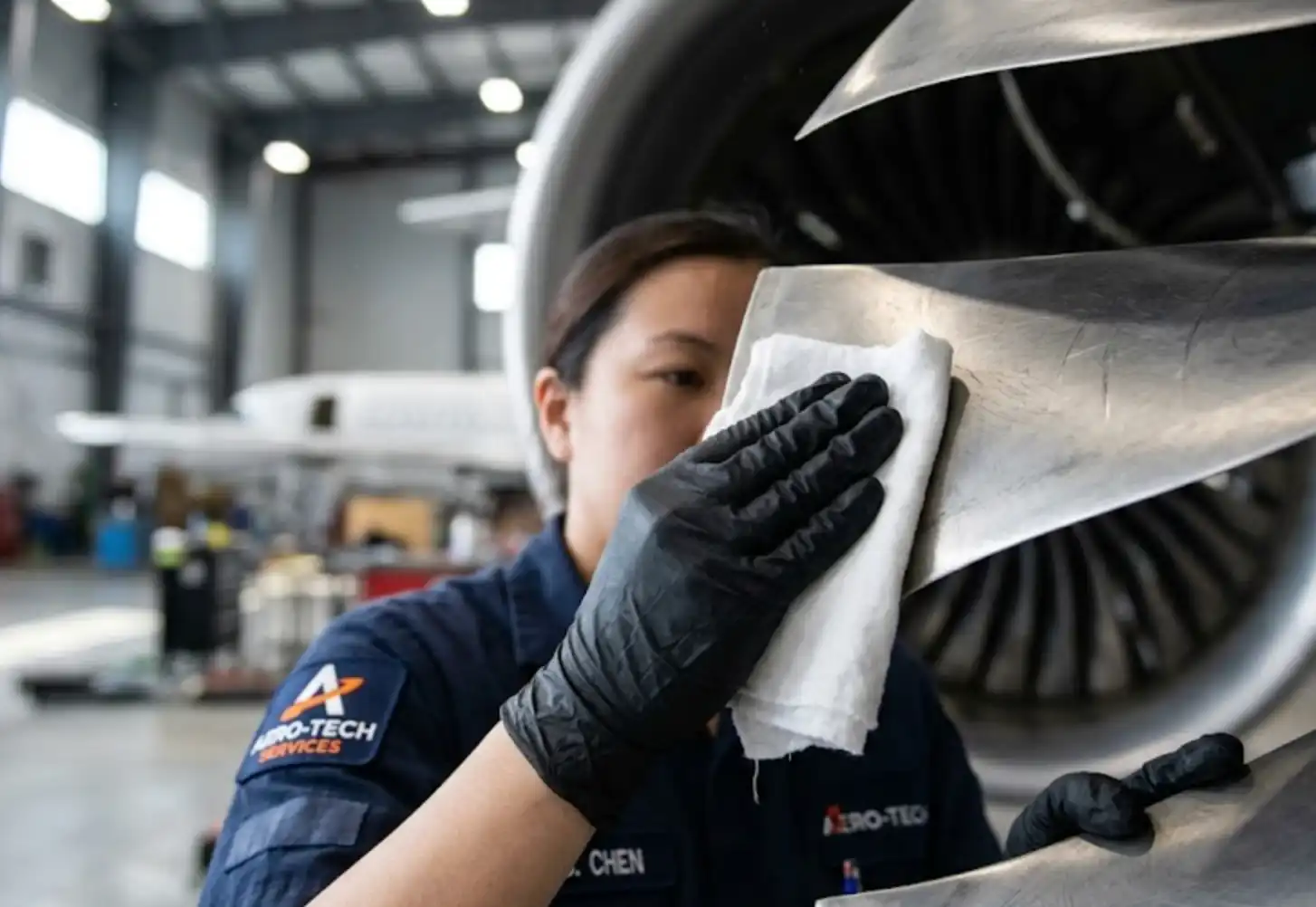
Fan blades are at the front of the engine. They pick up dirt, dust, and salt every flight. Clean them often to keep air moving well. If grime builds up, blades can lose balance. They also work less well. Use gentle cleaners so you do not scratch them.
Casings
Engine casings cover the inside parts. They get oil, soot, and sometimes salt on them. Wipe casings to stop rust and corrosion. Clean casings help you find leaks early. They also make the engine look neat.
- Bearings can rust and dry out easily. Use careful water-based cleaning to keep them safe before putting them together.
- Fuel filter cages catch grease, dirt, and other stuff. Clean them often so the engine does not break down.
- After laser drilling or welding, silicone and splatter stick to parts. Remove these so the engine works right.
Tip: Clean outside parts often. You stop problems and keep your engine strong.
Internal Components
Compressor
The compressor is inside the engine. It gets dust, salt, and oil on it. Dirt here makes the engine work less well. Cleaning the compressor helps it use less fuel. It also lowers exhaust gas temperatures. You make hot section parts last longer and stop rust.
Turbine
Turbines face high heat and pressure. They get carbon and rust on them. Cleaning turbines stops power loss. It also keeps fuel use low. Special cleaning removes tough dirt.
Combustion Chamber
Combustion chambers burn fuel. Carbon builds up here and lowers performance. Clean these chambers to keep fuel use low. Sludge and debris in oil and fuel passages can hurt the engine. Flushing these areas keeps the engine safe.
- Cylinder heads and engine blocks need cleaning for best performance. Dirt here can make them stop working fast.
Note: Cleaning inside parts makes the engine work better and stops damage.
Sensitive Areas
Sensitive areas are electrical connectors, alternators, and vacuum pumps. Keep water and chemicals away from these. Cover vents and keep breather tubes dry. Do not use harsh cleaners on hinges and bearings. Protecting sensitive areas keeps your engine safe and working well.
| Component | Contaminant Risk | Cleaning Method |
|---|---|---|
| Fan Blades | Dirt, Salt | Gentle wiping |
| Bearings | Rust, Drying | Water-based cleaning |
| Compressor | Dust, Oil, Salt | Special cleaning |
| Combustion Chamber | Carbon, Sludge | Flushing, scrubbing |
Cleaning all these parts keeps your aircraft engine healthy. Regular cleaning stops problems and saves money on repairs.
Aircraft Engine Wash Methods
Compressor Wash
Compressor wash cleans the inside of your engine. It targets the compressor section. This area collects dust, salt, and oil during flights. You use special fluids or water to flush out these things. The process helps airflow and keeps compressor blades working well. Compressor wash is part of regular aircraft engine wash. You follow steps from your engine manufacturer to avoid damage.
During engine wash, you connect hoses to the engine. You inject cleaning fluid while the engine turns slowly. The fluid loosens dirt and pushes it out. You repeat until the fluid runs clear. Compressor wash helps fuel efficiency and lowers exhaust gas temperatures. It protects your engine from corrosion and keeps it running smoothly.
Tip: Always check the engine manual before compressor wash. This prevents mistakes and keeps your engine safe.
Water Wash
Water wash is a common way to clean aircraft engines. You use water to remove dust, salt, soot, oil residue, and combustion by-products. Water wash restores airflow and helps keep thermal margins. These steps are important for engine safety and performance.
You spray water into the engine while it turns at low speed. The water loosens and carries away contaminants. You repeat until the water runs clear. Water wash is part of your regular aircraft engine wash schedule. You use only clean, filtered water to avoid new contaminants.
- Water wash removes many types of contaminants.
- You improve engine safety by restoring airflow and thermal margins.
- Water wash uses water, but dry cleaning uses no liquids.
- Water wash is efficient and easy to do.
You protect sensitive areas by covering electrical connectors and vents. You avoid spraying water on alternators and vacuum pumps. You follow safety steps to keep your engine safe during engine wash.
Note: Water wash works well for most engines. Choose this method for simple and effective cleaning.
Dry Cleaning
Dry cleaning is another way to wash aircraft engines. You use brushes, cloths, and compressed air to remove dirt and debris. Dry cleaning works well when you do not want to use water or chemicals. Choose dry cleaning for engines with sensitive parts or when water is limited.
You brush away loose dirt from fan blades and casings. You use compressed air to blow out dust from the compressor and turbine. You wipe surfaces with clean cloths to remove oil and soot. Dry cleaning keeps your engine clean without adding moisture.
You protect sensitive areas by avoiding harsh brushes and strong air pressure. Check the engine manual for dry cleaning steps. Dry cleaning is fast and safe for many engine parts.
Tip: Dry cleaning is a good choice for quick maintenance or when water is not available.
| Method | Tools Used | Contaminants Removed | Safety Steps |
|---|---|---|---|
| Compressor Wash | Cleaning fluid, hoses | Dust, salt, oil | Follow manual, protect sensitive parts |
| Water Wash | Clean water, sprayer | Dust, salt, soot, oil | Cover connectors, use filtered water |
| Dry Cleaning | Brushes, cloths, air | Dirt, debris, oil | Avoid harsh tools, check manual |
Pick the best aircraft engine wash method for your engine type and maintenance needs. You can try new technologies like 360 foam wash. This method uses foam to clean inside and outside parts. You get deep cleaning and protect your engine from damage. Many operators use 360 foam wash for modern engines. Follow the steps for engine wash operation to keep your engine safe and efficient.
Callout: 360 foam wash gives you a powerful cleaning option. You remove tough contaminants and improve engine performance.
Keep your aircraft engine healthy by using the right wash method. You make your engine last longer and save money on repairs.
Chemical Cleaning
You can use chemical cleaning to get rid of tough grease, oil, or carbon on your engine. This method uses special solvents or detergents that break down hard-to-remove contaminants. Chemical cleaning works for both outside and inside engine parts. You might use it during a deep aircraft engine wash or when water or dry cleaning does not work.
Some common chemicals are mineral spirits and aviation-approved degreasers. These cleaners dissolve oil, soot, and sludge that build up over time. You put the chemical on with a brush, spray, or by soaking the part. After the chemical loosens the dirt, you rinse the part with water or wipe it clean. Always follow your engine manufacturer’s instructions. Some chemicals can hurt seals, paint, or sensitive parts if you use them wrong.
Tip: Wear gloves and eye protection when using chemical cleaners. Work in a place with good airflow so you do not breathe in fumes.
Chemical cleaning can save you time and effort. It helps you reach spots that are hard to clean by hand. Never use harsh chemicals on electrical connectors, bearings, or rubber seals. These parts can get damaged easily. Always protect sensitive areas before you start an aircraft engine wash with chemicals.
| Chemical Type | Use Case | Safety Precautions |
|---|---|---|
| Mineral Spirits | Oil and grease removal | Use gloves, avoid sparks |
| Degreasers | Heavy carbon deposits | Ventilate area, wear mask |
| Solvent Soaks | Small metal parts | Rinse thoroughly |
Chemical cleaning is a strong tool in your aircraft engine wash routine. Use it carefully to keep your engine running well and safely.
New Technologies
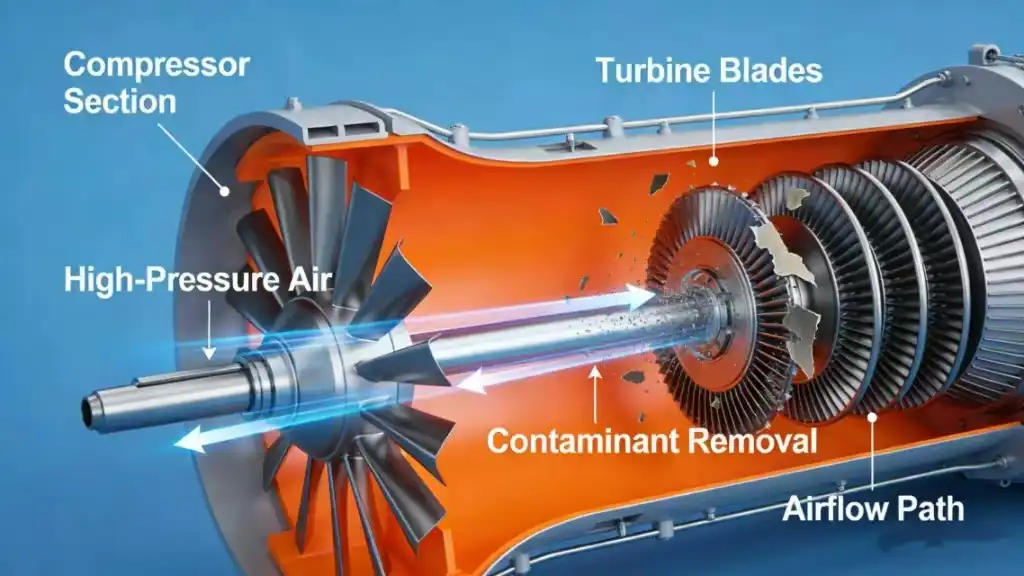
Image 2: New Technologies: An engine undergoing a GE 360 foam wash.
New technologies have changed how you clean aircraft engines. One of the most advanced ways is the 360 foam wash. This process uses a special foam detergent that you put into the engine. The foam spreads everywhere, grabbing dust, dirt, and oil. After a short soak, you rinse the foam out and it takes the dirt with it.
The 360 foam wash is different because it cleans deeper than water or dry cleaning. You can use it while the engine is still on the aircraft and not running. This means you do not have to take the engine out to clean it. Airlines like SkyWest use 360 foam wash on their Embraer 175 and CRJ series planes. Their workers got special training and now do the cleaning themselves.
You help the environment when you pick 360 foam wash. This method can cut thousands of metric tonnes of CO2 emissions each year by using less water. The process also brings back engine performance, lowers fuel use, and keeps exhaust temperatures down. You get better compressor efficiency and your engine stays on the wing longer.
| Aspect | Details |
|---|---|
| Technology | 360 foam wash, alternative to water wash |
| Performance Benefits | Restores power, reduces fuel use, improves compressor efficiency |
| Environmental Impact | Can avoid up to 13,900 metric tonnes of CO2 emissions per year |
| Operational Details | Works indoors or outdoors, approved for many GE engine models |
| Adoption | Used by SkyWest Airlines on CF34 engines (Embraer 175, CRJ700, CRJ900) |
| Training | Technicians trained and licensed for independent operation |
GE Aerospace finished its 1,000th engine foam wash, showing more airlines trust this technology. As more operators use 360 foam wash, the benefits for the environment and engine health grow. Teams have even made the process faster, cutting cleaning time by 33% during scheduled maintenance.
Note: You can pick 360 foam wash as part of your aircraft engine wash plan. This method gives you a cleaner engine, better fuel savings, and helps you reach your carbon reduction goals.
You have more choices than ever for aircraft engine wash. New technologies like 360 foam wash make cleaning faster, safer, and better for the planet.
Cleaning Frequency and Timing
Manufacturer Guidelines
You need to follow the cleaning schedule from your engine manufacturer. These rules help your engine stay safe and work well. Most manufacturers say to wash your engine every hundred flight cycles. For commercial aircraft, this means cleaning a few times each year. Regular cleaning helps your engine use less fuel and keeps it strong.
- Use demineralized water or water with low chloride for most washes.
- Add detergents or glycol when cleaning in cold weather.
- High-pressure water works with a compressor washing rig. It cleans the engine while it turns in dry motoring mode.
- Cleaning is a normal part of engine care. It stops bigger problems from happening.
- Always follow your engine manual steps. This keeps your engine safe and working right.
Tip: If you follow the manufacturer’s cleaning plan, you avoid expensive repairs and keep your aircraft ready to fly.
Environmental Factors
Where you fly changes how often you clean your engine. Dust, sand, and pollution from cars or factories can get inside your engine. These particles make the compressor work less well and use more fuel. If you fly near the ocean, salt in the air can cause rust and damage. Planes flying short routes or staying low pick up more dirt and chemicals. You may need to clean your engine more often in harsh or polluted places. Watching your flying environment helps you know when extra cleaning is needed.
Note: Engines in clean, dry places need less cleaning than those in salty, dusty, or polluted areas.
Signs for Cleaning
You can look for signs that your engine needs cleaning. If you see any of these, it is time to wash your engine:
- The engine uses more fuel than normal.
- Exhaust gas temperatures are higher.
- The engine takes longer to start or sounds rough.
- You see dirt, oil, or salt on engine parts.
- Engine power drops or climb rates are slower.
Your engine may also show warning lights or error codes. Do not ignore these signs. Cleaning your engine at the right time stops bigger problems and keeps your flights safe.
Alert: If you notice any of these signs, clean your engine soon to protect its health and performance.
Scheduling
You need a plan to keep your aircraft engine clean. Good scheduling stops missed cleanings and last-minute trouble. When you make a cleaning schedule, your engine gets care at the right time.
First, check your engine manual. Most manufacturers tell you how often to clean. Write these dates on a calendar or use an app. Many operators use digital tools for reminders. You can set alerts on your phone or computer.
Here are steps to help you build a cleaning schedule:
- Review Manufacturer Guidelines
Write down cleaning times from your engine manual. These could be every 100 flight cycles or after certain hours. - Check Your Flying Environment
If you fly in dusty or salty places, clean more often. Make notes about these special cases in your schedule. - Watch for Warning Signs
Add extra cleaning if you see signs like more fuel use or dirty parts. Do not wait for the next planned cleaning if you see problems. - Plan Around Maintenance
Combine cleaning with other checks. This saves time and keeps your aircraft out of service for less time. - Use a Logbook or Digital Tracker
Record each cleaning in a logbook or app. This helps you track what you have done and shows inspectors you follow good practices.
Tip: Set reminders for cleanings. Use sticky notes, calendar alerts, or maintenance software.
| Task | Interval | Notes |
|---|---|---|
| Water Wash | Every 100 cycles | Clean more in salty areas |
| Compressor Wash | Every 200 cycles | Check for warning signs |
| Chemical Cleaning | As needed | Use after heavy contamination |
| Visual Inspection | Every 50 cycles | Look for dirt or leaks |
Try to clean during low-traffic times or when your aircraft is down for other work. This keeps your operations smooth and avoids delays.
If you manage a fleet, use a shared calendar. This helps your team stay on track and stops missed cleanings. Review your schedule every few months. Change it if you see more dirt or your flying patterns change.
Note: A good cleaning schedule protects your engine and saves money. You lower the risk of breakdowns and keep your aircraft ready to fly.
Stay organized and proactive. With a smart schedule, engine cleaning is easy and effective.
Benefits of Aircraft Engine Cleaning
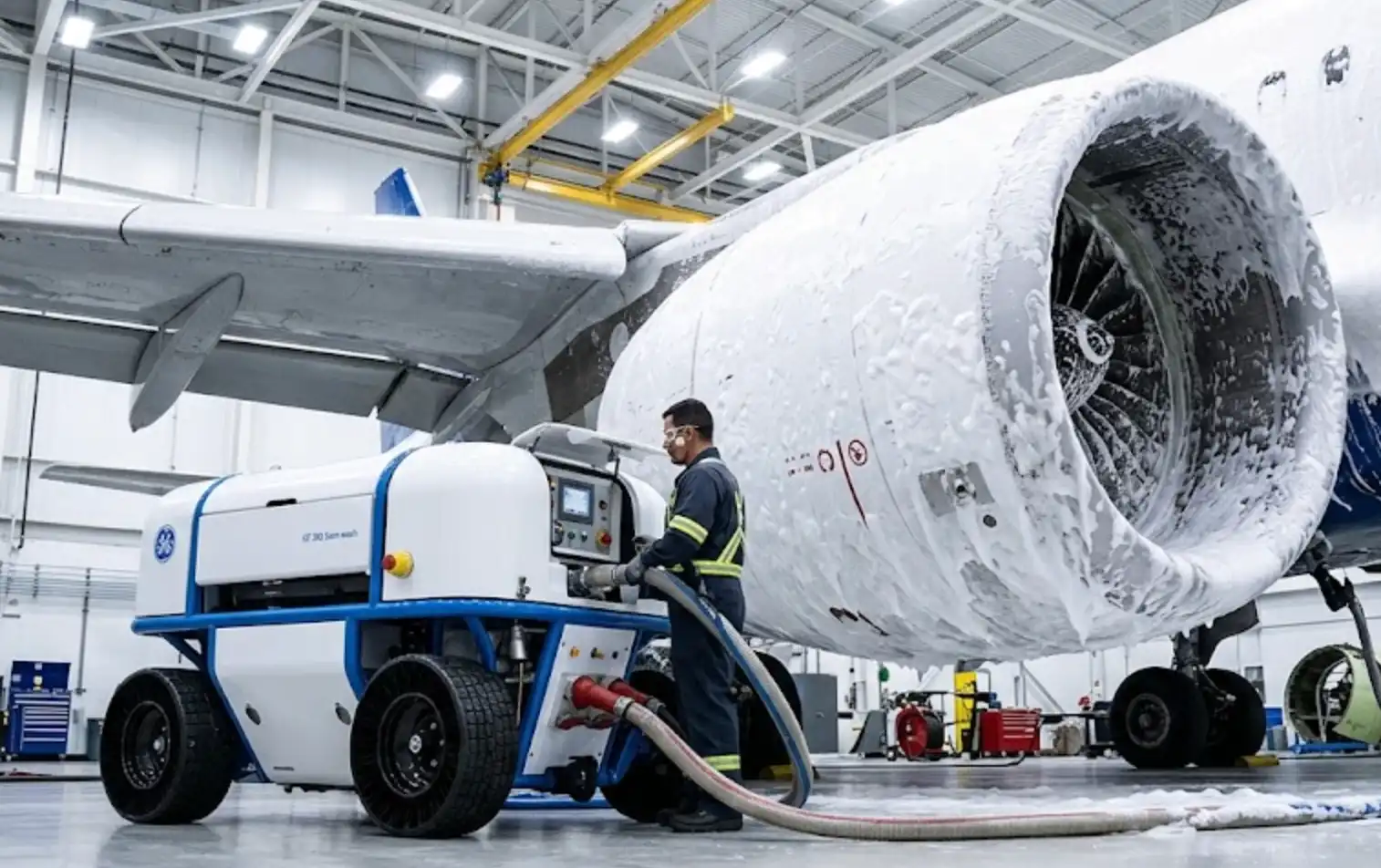
Image 3: Specific component focus: compressor section and turbine blades.
Fuel Efficiency
You want your aircraft to use less fuel on every flight. Clean engines help you reach this goal. When you remove dirt, salt, and oil from engine parts, air flows better. This means the engine does not have to work as hard. You burn less fuel and save money. Even a small amount of dirt can make your engine use more fuel. Regular cleaning keeps your engine running at its best. Airlines and pilots notice that after cleaning, fuel bills go down. You also help the environment by lowering emissions.
Tip: Clean engines can save up to 1%–2% on fuel costs each year. Over time, these savings add up.
Engine Longevity
You want your engine to last as long as possible. Dirt, salt, and oil can wear out engine parts faster. When you clean your engine often, you stop rust and corrosion. Clean parts move smoothly and do not get stuck. This helps your engine stay strong for more years. You avoid early breakdowns and keep your aircraft in the air longer. Clean engines also pass inspections more easily. You spend less time fixing problems and more time flying.
- Clean engines have fewer breakdowns.
- You avoid costly part replacements.
- Your engine stays reliable for more flights.
Note: A clean engine can last thousands of hours longer than a dirty one.
Maintenance Cost Savings
You save money when you keep up with aircraft engine cleaning. Small problems are easier and cheaper to fix than big ones. If you clean your engine often, you catch leaks and worn parts early. This means you can do simple repairs before they turn into expensive overhauls. The cost difference is huge. For example, replacing a gasket during routine maintenance might cost $200. Waiting until you need a full engine overhaul can cost $20,000 or more.
| Maintenance Type | Cost |
|---|---|
| Proactive Care (Gasket) | $200 |
| Reactive Repair (Engine Overhaul) | $20,000 |
You see that regular cleaning and care save you thousands of dollars. You also avoid long downtimes. Your aircraft spends more time in the air and less time in the shop.
Alert: Skipping regular cleaning can lead to big repair bills and lost flight time.
Stability and Reliability
You need your aircraft engine to give steady power each flight. Clean engines help with stability and reliability. When you take away dirt, carbon, and oil, the engine runs smoother. This stops sudden changes in how it works. You also lower the chance of surprise failures.
Aircraft engines work in tough places. Carbon can build up inside, especially in modern engines like GDI types. These deposits block airflow and make power uneven. Cleaning your engine stops these problems early. You keep the engine balanced and stop rough running.
New monitoring systems help you too. Many operators use real-time tracking and predictive tools. These systems watch your engine while you fly. They find small problems early, like higher temperatures or slow starts. You get alerts before things get worse. You can plan cleaning and repairs at the right time. This keeps your engine reliable and avoids big breakdowns.
Tip: Use performance tracking tools to spot problems early. Clean your engine often and use smart monitoring for the best results.
Clean engines help you keep your flight schedule on track. You avoid delays from engine trouble. Airlines have fewer cancellations and smoother flights after regular cleaning. You also pass inspections more easily. Inspectors see clean engines and approve your aircraft for flight.
Here are ways engine cleaning helps stability and reliability:
- You lower the chance of engine stalls or shutdowns.
- You keep power steady during takeoff and climb.
- You stop overheating and keep exhaust gas temperatures safe.
- You make important parts like compressors and turbines last longer.
- You keep your aircraft safe in all weather and places.
| Benefit | How Cleaning Helps |
|---|---|
| Steady Power | Removes blockages, keeps airflow |
| Fewer Breakdowns | Stops carbon buildup, prevents wear |
| Smooth Operation | Keeps parts balanced and clean |
| Predictable Performance | Supports real-time monitoring |
You trust your aircraft more when you clean the engine often. Pilots and passengers feel safer. You know your engine will work as it should. You also save money by avoiding emergency repairs and lost flight time.
Note: Clean engines and smart monitoring give you the best chance for stable, reliable flights every time.
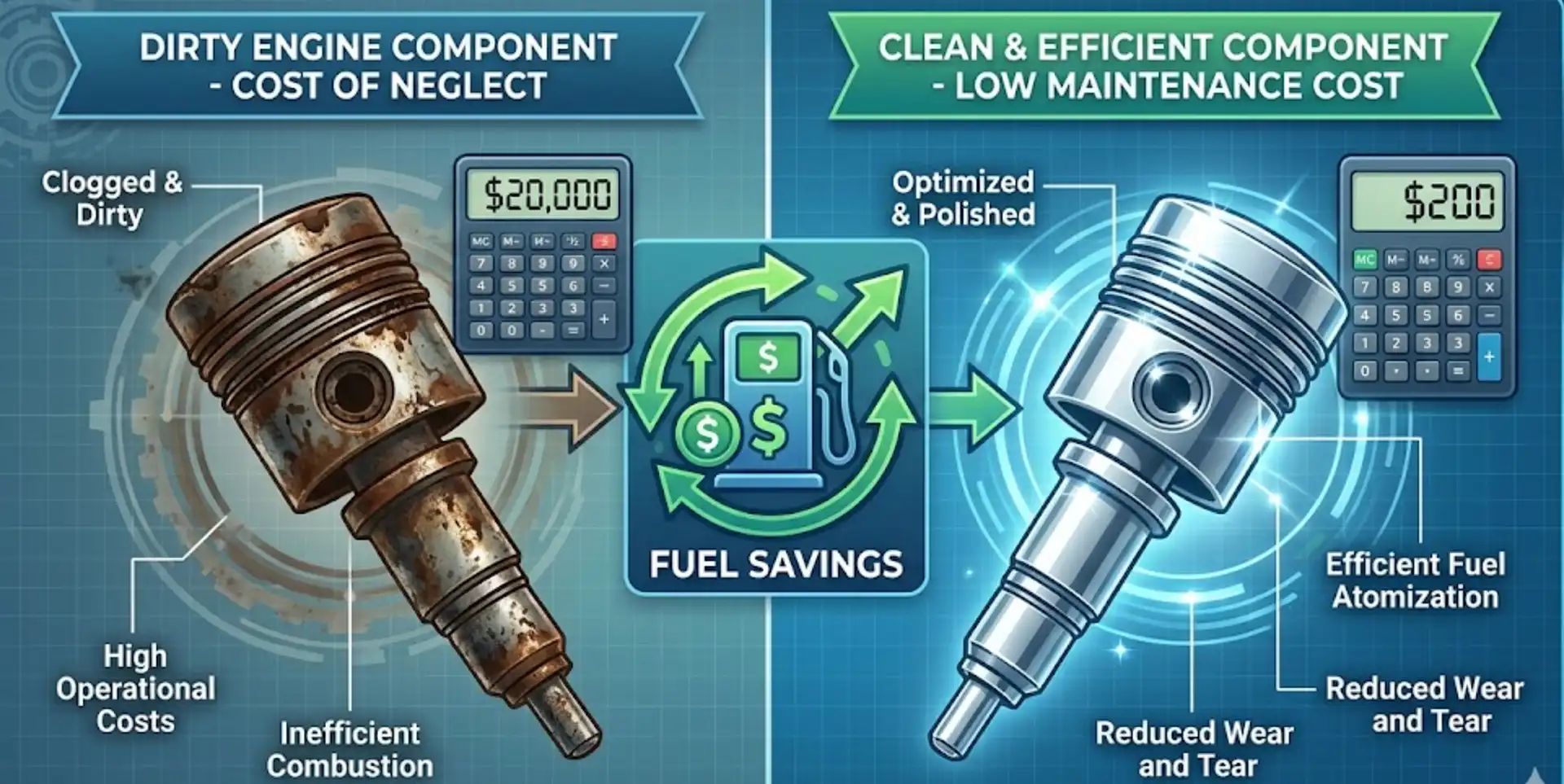
Image 4: Visualization of maintenance cost savings and fuel efficiency.
Choosing the Right Wash Method
Factors to Consider
You must pick the best wash method for your aircraft engine. First, look at what kind of engine you have. Some engines get dirtier than others. If you fly near the ocean, your engine may get more salt. If you fly in sandy places, dust can build up fast. Think about how often you do maintenance. Your schedule matters too. Safety is always the most important thing. Make sure the cleaning method keeps sensitive parts safe. These include electrical connectors and seals. Check if the method costs a lot or takes a long time. Some washes need special tools or trained workers. Others are quick and use simple supplies. Think about the environment as well. Pick methods that use less water or make less waste.
Tip: Ask your engine manufacturer which cleaning methods are approved. This helps keep your engine safe and stops damage.
Comparing Methods
You have a few ways to clean your engine. Each one works in its own way and has special benefits.
- Water Wash: This uses clean water to wash away dirt and salt. It is easy and does not cost much. You can do it often as part of regular care. Water wash helps air move better and keeps the engine cool. You must keep water away from sensitive parts.
- Dry Cleaning: Brushes and air blow away loose dirt. Dry cleaning is good for quick jobs or when you cannot use water. It is safe for most parts but may not clean deep inside.
- Chemical Cleaning: Special cleaners like Blue Gold remove tough grease and carbon. These cleaners are safe for metals and coatings. They break down in nature and do not cause rust. You do not need special storage. Chemical cleaning saves money because you use strong solutions.
- Foam Wash: AeroCore’s foam wash cleans deeper inside the engine. The foam gets into hard-to-reach places. You can finish in one hour instead of two days. Foam wash needs special tools but saves time and work. It also collects and reuses waste, which is better for the environment.
Pratt & Whitney says you should wash PT6 engines often. This keeps them working well and saves fuel. You spend less on fuel and your engine lasts longer. Using approved methods stops rust and keeps your engine working right.
| Method | Effectiveness | Cost | Safety | Time Needed |
|---|---|---|---|---|
| Water Wash | Good | Low | High | 1-2 hours |
| Dry Cleaning | Fair | Low | High | 30 minutes |
| Chemical | Excellent | Low-Medium | High | 1 hour |
| Foam Wash | Superior | Medium-High | Very High | 1 hour |
Callout: Pick a method that matches your engine, your time, and the environment.
Innovations
New cleaning tools help you work faster and safer. The EcoPower Engine Wash System uses tiny drops of water and recycles it. You can save up to 1.2% on fuel. Engines run cooler and last longer. The system lowers CO2 and saves water. Air Force teams use EcoPower to clean C-17 engines. They finish faster and make less pollution.
ATR made a cleaning solution that does not need much water. You use oils that break down in nature and wipes you can use again. This cuts water use from thousands of liters to only 30–40 liters each wash. You do not have to move the plane, so you save time and waste.
Rolls-Royce made the Intelligent Borescope. This tool uses AI to check engines. You finish checks 75% faster. The borescope sends data to the cloud for review. You save money and make your fleet work better. Some checks can be done offline, so you have more options.
| Innovation | Description | Benefits |
|---|---|---|
| EcoPower Engine Wash System | Tiny water drops, recycles used water | Saves fuel, lowers CO2 |
| ATR Waterless Solution | Biodegradable oils, reusable wipes | Uses less water, makes less waste |
| Intelligent Borescope | AI tool for engine checks, cloud data | Faster checks, saves money |
Note: New cleaning tools help you keep your engine safe, save resources, and make maintenance better.
FAQ
How often should you clean your aircraft engine?
Follow the schedule from your engine maker. Most engines need cleaning after 100 flights. If you fly where it is dusty or salty, clean more often.
What tools do you need for engine cleaning?
You need brushes, cloths, water sprayers, and special cleaners. Some cleaning needs hoses or foam systems. Always check your engine manual for the right tools.
Can you clean the engine yourself?
You can clean easy parts if you are trained and follow safety rules. For deep or chemical cleaning, a certified technician must do it.
What happens if you skip engine cleaning?
If you skip cleaning, dirt and salt build up. Your engine uses more fuel and wears out faster. It might break down and cost a lot to fix. You could also have safety problems.
Are chemical cleaners safe for all engine parts?
Only use chemicals made for aircraft engines. Some cleaners can hurt seals or electrical parts. Always protect sensitive areas and follow the instructions from the manufacturer.
Does engine cleaning improve fuel efficiency?
Yes! Clean engines use less fuel because air moves better. You save money and help the environment by making fewer emissions.
What signs show your engine needs cleaning?
You may see higher fuel use or rough starts. You might notice dirt on the engine or higher exhaust temperatures. If you see these signs, clean your engine soon.
Which cleaning method works best for modern engines?
Foam wash and water wash are good for modern engines. Foam wash cleans deep and saves time. Always use cleaning methods your engine maker approves.
Cleaning your engine often helps keep your aircraft safe. A clean engine works better and lasts longer. You also save money when you keep it clean. Always pick aviation-grade cleaners and the right tools for the job. Try to keep your aircraft in a hangar if you can. Follow the steps in your engine manual and stick to a cleaning schedule. Cleaning your engine is not just a quick job. It is an important part of taking care of your plane. When you look after your engine, every flight is safer and goes well.
Key best practices:
- Use special cleaners and the right tools.
- Clean your engine and store your plane the right way.
- Remember that cleaning is a key part of maintenance.
Taking care of your engine helps your aircraft stay strong and ready to fly. ✈️
See also
How Laser Cleaning Outperforms Traditional Cleaning Methods
How to set laser parameters for optimal cleaning effect
How to Fix Insufficient Air Pressure During Welding for Better Results