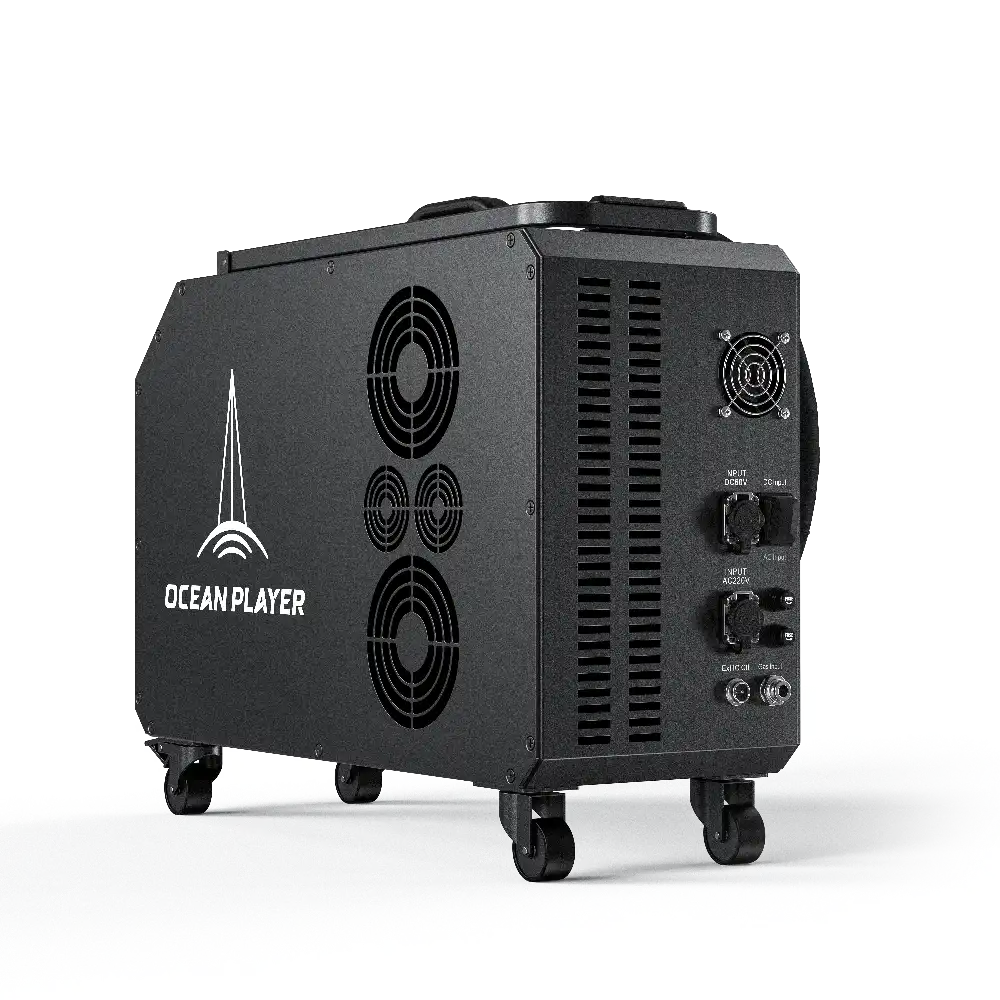

You often see handheld laser cleaning machines use laser wavelengths like 1064nm, 1070nm, or 1080nm. The wavelength you pick can change how well the machine cleans things.
- Some materials soak up certain wavelengths better than others.
- Metals, stone, and glass act differently when cleaned with lasers.
- Shiny metals like aluminum and copper may need more power or shorter wavelengths to clean safely.
When you choose a machine, look at the wavelength. This helps you match the tool to what you need to clean.
Key Takeaways
- Pick the right laser wavelength for good cleaning. Wavelengths like 1064nm clean metals best. Shorter wavelengths work better for organic things.
- Handheld laser cleaning machines are easy to carry. They are good for the environment. They cut down on chemical waste. They clean carefully and do not harm surfaces.
- Test the laser on a small spot first. This makes sure the material is safe. It helps stop any damage before cleaning the whole area.
- Think about the power level you need. Use low power for light cleaning jobs. Use high power for hard rust or thick coatings.
- Always follow safety rules when using laser cleaning machines. Wear the right safety gear. Make sure you are trained to use the machine safely.
Handheld laser cleaning machine overview
Device purpose and features
A handheld laser cleaning machine helps you remove rust and paint. It also gets rid of other things stuck on surfaces. You can carry it easily because it is light. You can use it almost anywhere. This tool is good for fixing things on-site. You can move it around big machines. You can reach small spaces that other tools cannot.
Many machines use laser wavelengths like 1064nm, 1070nm, or 1080nm. These wavelengths let you clean different materials well. The laser beam only hits the layer you want to remove. It does not hurt the material underneath. You do not need to use chemicals or rough materials. This makes cleaning safer for you. It is also better for the planet.
Here is a table that compares handheld laser cleaning machines with older cleaning methods:
| Feature/Function | Handheld Laser Cleaning Machines | Traditional Cleaning Methods |
|---|---|---|
| Environmental Impact | Makes less chemical waste | Uses dangerous chemicals |
| Precision | Very precise and does not touch | Can harm surfaces |
| Mobility | Easy to carry and move | Usually stays in one place |
| Application in Aerospace | Safe for fragile parts | Can break delicate things |
| Compliance with Regulations | Follows safety rules | Might not follow all rules |
Tip: You can save money because you do not pay for chemical disposal when you use a handheld laser cleaning machine.
Common applications
You can use a handheld laser cleaning machine in many jobs. It works for removing rust and getting surfaces ready. It also helps clean things that must be very clean. People use it in car factories, electronics, and medical device making. The machine cleans metal, plastic, glass, and ceramics. It does not touch the surface. This way, you do not damage your work.
You help the planet because you do not use harmful chemicals. The machine follows world rules for the environment. It helps your company look good for caring about nature.
- Take rust off metal parts
- Clean welds and get surfaces ready for paint
- Clean equipment in places that need to be very clean
- Fix delicate parts in aerospace and electronics
A handheld laser cleaning machine gives you a smart and fast way to keep your things clean.
Laser wavelength basics
What is laser wavelength
Laser wavelength is the space between two peaks in a light wave. This wave comes from a laser. You can think of wavelength as the laser’s “color.” Most cleaning lasers use light you cannot see. The wavelength shows where the laser fits in the electromagnetic spectrum. When you clean with a laser, the wavelength affects how the light works with materials. Some materials soak up certain wavelengths better. This changes how deep the laser goes. It also changes how much energy the laser gives.
Note: Picking the right wavelength helps you clean well. It also keeps the surface under safe.
Why wavelength matters in cleaning
The wavelength is important when you use a handheld laser cleaning machine. It helps you remove dirt, rust, or paint. Shorter wavelengths have more energy. They break up dirt with less heat. This helps you avoid burning or melting the surface. This is called photochemical ablation. Longer wavelengths have less energy. They spread heat more and work by photothermal ablation. This means they heat up the dirt until it comes off.
Here is a simple table to show how wavelength affects cleaning:
| Wavelength Type | Energy Level | Cleaning Method | Best For |
|---|---|---|---|
| Shorter (e.g., UV) | High | Photochemical ablation | Thin layers, delicate |
| Longer (e.g., IR) | Lower | Photothermal ablation | Thick rust, tough dirt |
You need to think about the material and the kind of dirt. Some surfaces bounce certain wavelengths away. This means the laser may not work as well. If you pick the right wavelength, you clean better. You also keep your equipment safe.
Tip: Always check the material and the dirt before you pick the laser wavelength for cleaning.
Typical wavelengths in handheld laser cleaning machines
1064nm fiber lasers
Many handheld laser cleaning machines use the 1064nm wavelength. This wavelength is good for cleaning metals like stainless steel, aluminum, iron, and carbon steel. It cleans well but does not hurt the surface. The 1064nm fiber laser sends energy through a fiber optic cable. You can use it to take off rust, strip paint, and clean molds.
Here is a table with the main details of a 1064nm fiber laser:
| Specification | Details |
|---|---|
| Power Output Range | 50W, 100W, 200W, 300W |
| Laser Type | Fiber Laser |
| Wavelength | 1064 nm |
| Weight | 6.5 kg |
| Dimensions | 460mm x 240mm x 280mm |
| Power Supply | AC 220V ± 10%, 50/60Hz |
| Supported Materials | Metal, Stainless Steel, Aluminum, Iron, Carbon Steel |
| Cooling System | Air-Cooled |
| Beam Adjustable Area | 0.5 mm to 20 mm |
| Operating Temperature | 0°C – 45°C |
You can change the beam area to clean big or small spots. The air-cooled system keeps the machine safe and simple. You can clean fast with scan line speeds up to 7000mm/s. The smallest scan-line width is 0.02mm, so you can clean tiny spots.
Note: A handheld laser cleaning machine with a 1064nm fiber laser works for many jobs. It cleans carefully and keeps the surface safe.
1070nm and 1080nm options
Some machines use wavelengths like 1070nm or 1080nm. These are close to 1064nm and work in similar ways. You can clean metals, take off oxides, and strip coatings. These wavelengths also work well on glass and ceramics.
Here is a table with common details for machines using 1060—1080nm wavelengths:
| Specification | Details |
|---|---|
| Laser Wavelength | 1060—1080nm |
| Laser Source | Fiber |
| Laser Power Options | 100W, 200W, 300W |
| Focal Spot Diameter | 0.1-3mm |
| Laser Frequency | 1-50Hz |
| Weight | 150KG (varies by model) |
| Dimensions | 1030941744mm |
You can use these machines for many jobs:
- Take off rust
- Remove oxides
- Clean molds
- Clean equipment
- Strip paint
- Get surfaces ready for spraying or welding
- Clean building walls
- Clean electronics parts
- Remove grease in precision machines
- Clean pipes in nuclear power plants
These wavelengths give you many ways to clean. You can pick the power and spot size that fits your job.
Tip: Match the wavelength to the material you want to clean. Metals soak up these wavelengths well, so cleaning is quick and safe.
Power ranges and their impact
You need to think about power when you pick a handheld laser cleaning machine. Power can go from 50W up to 3000W. Lower power is good for light cleaning, like thin layers or small parts. Higher power helps you clean thick rust, heavy paint, or big areas.
Here is a table that shows how power changes cleaning:
| Power Range | Best Use Cases | Cleaning Speed | Risk of Surface Damage |
|---|---|---|---|
| 50W-200W | Light rust, thin paint, small parts | Slow to Medium | Very Low |
| 200W-1000W | Medium rust, paint, larger parts | Medium to Fast | Low |
| 1000W-3000W | Heavy rust, thick coatings, big surfaces | Fast | Medium |
Higher power means faster cleaning. You need to be careful with soft materials. Too much power can hurt the surface. Try the machine on a small spot first.
Manufacturers test machines at different wavelengths and power levels. They check how well the laser cleans each material. They see how much energy the material takes in. You get better cleaning when you match the wavelength and power to your job.
Note: Always check the material and the kind of dirt before you pick the power and wavelength. This helps you clean safely and fast.
Wavelength impact on cleaning results
Material compatibility
You need to pick the right laser wavelength for your material. Different materials take in laser energy in their own way. Metals like steel and aluminum work well with 1064nm, 1070nm, and 1080nm wavelengths. These wavelengths help you remove rust and paint without hurting the metal. Glass and ceramics also work with these wavelengths. You must use the right power so they do not crack or chip.
If you clean rubber or plastic, you might need another wavelength. Some materials bounce the laser away instead of soaking it up. This makes cleaning harder. Always check your material before you start. Using the wrong wavelength can give you poor results.
Tip: Try the laser on a small spot first. This helps you see how the material reacts. It keeps your work safe and helps you avoid mistakes.
Cleaning efficiency
The wavelength you pick changes how fast and well you clean. With a handheld laser cleaning machine, you want to remove dirt, rust, and coatings quickly. Lasers with wavelengths from 1064nm to 1080nm work for many jobs. They clean ships, car parts, rubber molds, and tools. You can use them on rails and for jobs that protect the environment.
Here is a table that shows how different wavelengths work for cleaning:
| Wavelength | Applications | Cleaning Efficiency |
|---|---|---|
| Various | Ships, auto repairs, rubber molds, high-end machine tools, rails, environmental protection | Removes resin, paint, oil, stains, dirt, rust, coatings, plating, and oxide layers well |
You get cleaning that is good for the planet. You do not need chemicals. You can quickly take off oil, rust, and coatings. The laser lets you clean only what you want. You can use it for many kinds of work.
- Good for the environment
- Quickly removes things like oil, rust, and coatings
- Works without chemicals, so there is less pollution
- Lets you clean many types of jobs in industry
The weather and air can change how well cleaning works. If the temperature is not between 15℃ and 30℃, the machine may get too hot or slow down. Humidity between 30% and 65% is best. High humidity can soak up laser energy and make cleaning weaker. Wet air can also cause rust or oxidation.
| Environmental Factor | Effect on Performance |
|---|---|
| Temperature | If it is not 15℃ to 30℃, the machine can get too hot or slow down. Cooling systems may not work well. |
| Humidity | Best humidity is 30% to 65%. High humidity can make water drops form. Low humidity can cause static electricity. |
- High humidity soaks up laser energy and makes cleaning weaker.
- Wet air can make things rust or oxidize.
Application suitability
You can use different wavelengths for many cleaning jobs. If you work in car repair, ship care, or electronics, you need a laser that matches your material and dirt. The right wavelength helps you clean rust, paint, and oil from metal. You can also clean molds, rails, and tools.
Some jobs need gentle cleaning. You may work with soft surfaces or thin layers. You should use lower power and test the wavelength first. If you need to clean thick rust or heavy coatings, you can use more power with the same wavelength.
You get safe and quick cleaning when you match the wavelength to your job. You keep your equipment safe and get better results. The handheld laser cleaning machine lets you clean many things.
Note: Always check your job and material before you pick the wavelength. This helps you get the best cleaning results.
Choosing the right wavelength
Material and contamination type
You need to pick the laser wavelength that matches the material and the dirt. Every material takes in laser energy in its own way. Metals like steel and aluminum work best with infrared lasers at 1064 nm. This wavelength also works well for cleaning oxides. If you want to clean pigments or paint, green lasers at 532 nm are better. Organic dirt and polymers clean best with ultraviolet lasers at 355 nm or 248 nm. When you match the laser’s wavelength to what you want to clean, you get better results and use less energy.
| Contaminant Type | Laser Wavelengths Used | Effectiveness Description |
|---|---|---|
| Organic Contaminants | CO2, Excimer | Short wavelengths and quick pulses clean organic dirt well. |
| Oxides | 1064 nm (Infrared) | Works for metals and oxides, and energy absorption depends on the wavelength. |
| Pigments and Paints | 532 nm (Green) | Cleans pigments and paint better because of how they absorb light. |
| Organic and Polymers | 355 nm or 248 nm (UV) | Best for organic and polymer dirt, so you need the right laser settings. |
Tip: Always check the material and the dirt before you pick the wavelength. Using the wrong one can make cleaning bad or damage things.
Safety considerations
You must follow safety rules when you use a handheld laser cleaning machine. Lasers can hurt your eyes and skin. You need training before you use the machine. Use controls and shutters to keep people safe. Wear eye protection that matches the laser’s wavelength. Flame-resistant clothes and gloves protect your skin. Beam covers and air systems help lower risks. Always follow the rules and keep people out of laser areas.
- Operators need training.
- Wear safety gear for the laser’s wavelength.
- Engineering controls help stop accidents.
- Risks include hurting eyes, burning skin, breathing in dust, fire, and electric shock.
| Regulatory Requirement | Description |
|---|---|
| FDA Certification | Lasers must follow FDA rules, with safety warnings and training for users. |
| ANSI Z136 Standard | You must follow ANSI Z136 for safety, which lists laser levels and rules. |
| Power Density Regulations | Rules change with the laser’s wavelength and affect safety steps. |
| Laser Classification | Laser class depends on wavelength and changes the rules you must follow. |
Note: Always check the safety rules for your laser’s wavelength before you start cleaning.
Practical selection tips
You can use these steps to pick the right wavelength for cleaning:
- Find out what the material and dirt are.
- See which wavelength matches how the dirt absorbs light.
- Pick a laser that fits your job, like infrared for metals or ultraviolet for polymers.
- Test the laser on a small spot first.
- Make sure you wear the right safety gear and follow all rules.
🛠️ If you use a handheld laser cleaning machine, you get better results when you match the wavelength to your job. You clean faster and safer.
You need to understand laser wavelength before you choose a handheld laser cleaning machine. The right wavelength helps you clean better and keeps you safe. Studies show that 222-nm UVC cleans more effectively than 254-nm UVC and causes less DNA damage.
- 222-nm UVC is 38% more effective for disinfection.
- It causes 21% less harm to cells.
Pick a machine that matches your cleaning needs. You get better results and protect yourself.
FAQ
What materials can you clean with a handheld laser cleaning machine?
You can clean metals like steel, aluminum, and copper. You can also clean glass, ceramics, and some plastics. Always test a small spot first to see how the material reacts.
Is laser cleaning safe for you?
Laser cleaning is safe when you wear eye protection and gloves. You must follow safety rules and keep others away from the laser area. Training helps you use the machine safely.
How do you choose the right laser wavelength?
You match the wavelength to the material and the dirt. Metals work best with 1064nm lasers. Paint and organic dirt need shorter wavelengths. Check the material before you pick the machine.
Tip: Test the laser on a small area before cleaning the whole surface.
Can you use a handheld laser cleaning machine outdoors?
You can use the machine outdoors. Make sure the weather is dry and cool. High humidity or rain can lower cleaning power. Protect the machine from dust and water.
What power level should you use for cleaning?
| Power Level | Best Use |
|---|---|
| 50W-200W | Light rust, small parts |
| 200W-1000W | Medium rust, paint |
| 1000W+ | Heavy rust, big areas |
Start with low power. Increase if you need faster cleaning.
See also
What Are the Common Hazards When Using Laser Cleaning
Laser Cleaning Machine Process Explained in 5 Simple Steps