Improper post-weld cleaning costs fabricators an estimated 15–20% of total project labor hours when relying on mechanical grinding alone — and still leaves corrosion-prone heat tint behind. A weld cleaning electrolyte solution is the electrochemical fluid used with specialized equipment to strip oxidation, restore passivation, and produce a corrosion-resistant finish on stainless steel and other alloys in a single pass. This guide breaks down formula types, selection criteria, safety protocols, and brand comparisons so you can pick the right electrolyte for your metal, your weld process, and your budget.
What Is Weld Cleaning Electrolyte Solution and How Does It Work
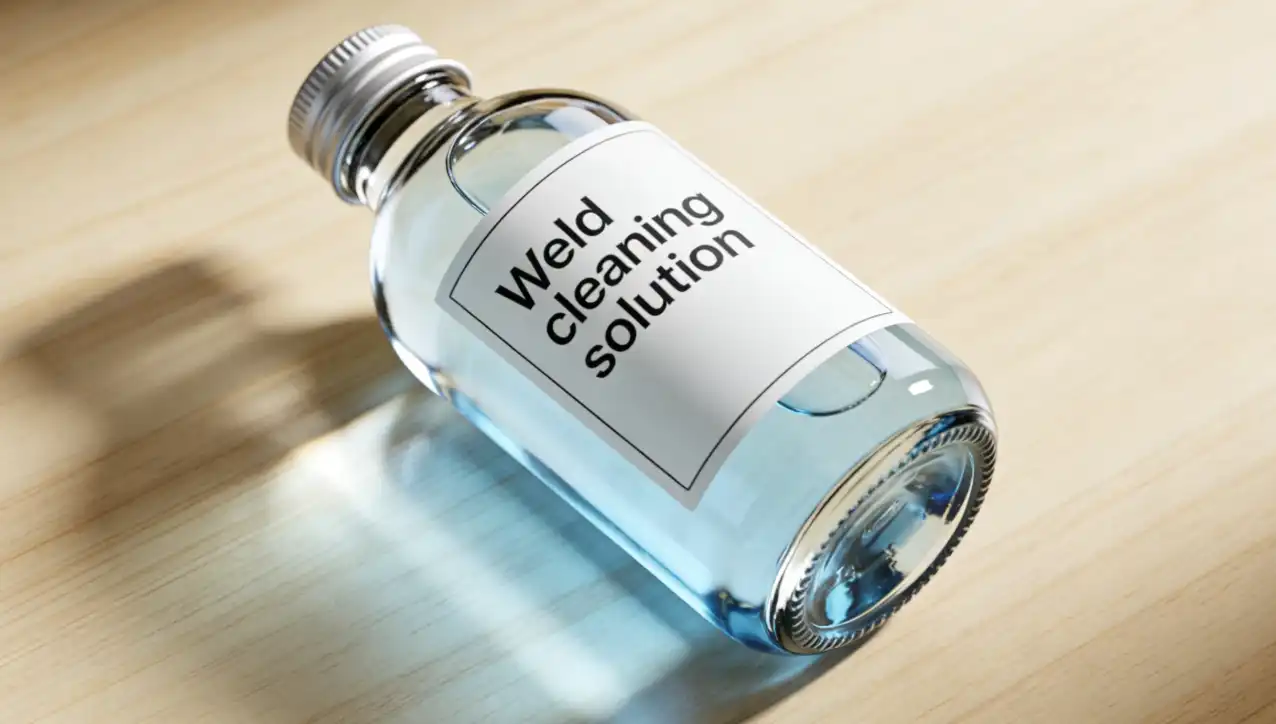
A weld cleaning electrolyte solution is a chemically formulated liquid that conducts electrical current across a metal surface to strip away heat tint, oxide layers, and discoloration left behind after welding. It’s the working fluid in an electrochemical cleaning system — without it, the brush or pad on the device would just drag across the steel doing almost nothing. The solution typically contains a blend of acids (phosphoric, citric, or both), surfactants, and corrosion inhibitors dissolved in a water base, with concentrations carefully balanced to target specific contaminants without attacking the parent metal underneath.
Here’s the core mechanism in plain terms. When a technician applies a low-voltage current (usually 10–40 V AC or DC) through a carbon fiber pad soaked in the electrolyte, the weld surface becomes the anode. At the anode, metal oxides — the ugly rainbow discoloration you see on stainless steel TIG welds — undergo anodic dissolution. Iron and chromium oxides break apart at the molecular level, releasing metal ions into the solution. This happens fast. A typical heat-tinted zone on 304 stainless can be cleaned in a single pass lasting 3–5 seconds.
What follows dissolution is equally critical: passivation. Once the contaminated oxide layer is gone, the electrolyte promotes the formation of a fresh, chromium-rich passive layer on the surface. This new layer is typically 1–5 nanometers thick, according to research published by TWI (The Welding Institute), and it’s what gives stainless steel its corrosion resistance. Skip this step, and you’re left with a surface that looks clean but corrodes within weeks. The electrolyte handles both jobs — removal and protection — in one operation.
Think of the solution as a controlled chemical environment. Too acidic, and it etches the base metal. Too dilute, and it can’t carry enough current to dissolve the oxides efficiently. The formulation matters enormously, which is why generic acids poured from a jug won’t replicate what a purpose-built weld cleaning electrolyte solution delivers.

Electrochemical weld cleaning brush applying electrolyte solution to remove heat tint from a stainless steel TIG weld
Why Electrolyte-Based Weld Cleaning Outperforms Traditional Methods
Mechanical grinding gets the job done — eventually. But it removes parent material, creates micro-scratches that trap contaminants, and leaves an uneven surface profile. A single operator grinding TIG welds on stainless steel tubing can spend 3–5 minutes per weld, and the finish still won’t pass a mirror-polish inspection. Electrolytic cleaning, by contrast, typically handles the same weld in 15–30 seconds with no material loss.
Pickling paste presents a different set of problems. It works, but the hydrofluoric and nitric acid mixtures are genuinely dangerous — classified as corrosive and toxic under GHS labeling. Application requires brush-on time, a dwell period of 30–60 minutes, thorough rinsing, and careful neutralization. According to the U.S. Occupational Safety and Health Administration, even small skin exposures to hydrofluoric acid can cause systemic toxicity. That risk alone pushes many fabrication shops toward safer alternatives.
A weld cleaning electrolyte solution eliminates most of these drawbacks simultaneously. The electrochemical process cleans and passivates in one step, restoring the chromium oxide layer that gives stainless steel its corrosion resistance. No abrasive dust. No hazardous fume extraction needed. Consumable costs drop because you’re not burning through flap discs, and labor time per joint shrinks dramatically — some shops report a 70% reduction in post-weld finishing hours after switching.
Cost efficiency compounds over time. Grinding discs, replacement pads, PPE for acid handling, waste disposal fees for spent pickle paste — these line items add up fast on a quarterly budget. Electrolyte-based systems consolidate cleaning, passivation, and polishing into a single workflow, which means fewer consumables, less training overhead, and a more consistent surface finish across every operator on the floor.

Comparison of weld surface finish between mechanical grinding and electrolyte-based weld cleaning on stainless steel
Major Electrolyte Formula Types Compared — Phosphoric Acid, Citric Acid, and Hybrid Blends
Three chemistry families dominate the market. Each one trades off cleaning speed, surface quality, and operator safety in different ways, so picking the wrong category can cost you time or ruin a finish.
Phosphoric Acid–Based Formulas
Phosphoric acid solutions — typically concentrated between 15% and 40% — hit hard. They strip heavy heat tint from thick stainless welds in seconds and leave a strong passive oxide layer behind. The downside? They generate noticeable fumes at higher amperages and carry a cost around €18–€30 per liter depending on concentration. For heavy fabrication shops running 6 mm+ plate, phosphoric blends remain the workhorse choice.
Citric Acid–Based Formulas
Citric formulas are gentler. Fume output drops dramatically — almost undetectable in well-ventilated spaces — and the solutions biodegrade more readily, simplifying disposal. Passivation performance is respectable, though independent testing by ASTM A967 standards confirms citric passivation can meet the same acceptance criteria as nitric or phosphoric methods when contact time is adequate. Expect to pay €12–€22 per liter. The trade-off: cleaning speed on severe discoloration lags behind phosphoric acid by roughly 30–50%.
Hybrid Blends
Most premium weld cleaning electrolyte solution brands now offer hybrid formulations that combine phosphoric and citric acids with proprietary surfactants and corrosion inhibitors. These blends aim for a middle ground — aggressive enough for production-speed cleaning, mild enough to reduce fume exposure. Pricing sits at the top of the range, often €25–€40 per liter, but many fabricators find the per-weld cost acceptable because hybrid fluids tend to last longer before neutralization.
| Criteria | Phosphoric | Citric | Hybrid |
|---|---|---|---|
| Cleaning aggressiveness | High | Moderate | High |
| Passivation quality | Excellent | Good–Excellent | Excellent |
| Fume generation | Moderate–High | Very Low | Low–Moderate |
| Surface finish (Ra impact) | Minimal roughening | Near-zero roughening | Minimal roughening |
| Cost per liter (typical) | €18–€30 | €12–€22 | €25–€40 |
No single formula wins everywhere. A food-grade fabricator polishing thin-wall tubing has completely different priorities than a structural shop blasting through carbon-heavy TIG welds all day. The comparison above gives you a starting framework — the next chapter narrows the choice further by matching chemistry to specific base metals and joint types.

Comparison of phosphoric acid, citric acid, and hybrid weld cleaning electrolyte solution types with key performance attributes
How to Match Electrolyte Solution to Your Base Metal and Weld Type
Get this pairing wrong and you’ll either waste solution or damage the workpiece. Austenitic stainless steels — grades like 304 and 316 — are the most forgiving. A standard phosphoric acid-based weld cleaning electrolyte solution at moderate concentration (typically 15–25% by volume) handles heat tint on these alloys without issue. Duplex stainless steels such as 2205 and 2507 are a different story. Their higher chromium and molybdenum content demands a more aggressive formula or longer dwell time to fully restore the passive layer, and some fabricators bump concentration up by 10–15% compared to their austenitic settings.
Titanium alloys require extra caution. Chloride-containing electrolytes can trigger crevice corrosion on titanium, so you need a chloride-free formulation — typically citric acid-based. Carbon steel sits at the opposite end: it lacks a self-healing oxide layer, so electrolytic cleaning serves more as a surface prep step before coating rather than passivation. Aluminum and its alloys respond best to low-acid or hybrid blends, since highly acidic solutions can etch the soft base metal and leave a rough, pitted finish.
Weld Process and Joint Geometry Matter Too
TIG welds produce a thin, tightly adherent oxide layer. A lower-concentration electrolyte with a standard carbon fiber brush typically clears this in a single pass. MIG welds generate heavier spatter and thicker discoloration, so you’ll often need a higher-concentration solution and a wider brush pad to cover the broader heat-affected zone. Spot welds present a unique challenge — the small, concentrated heat zone surrounded by unaffected material means precision application matters more than raw chemical strength.
Joint geometry adds another variable. Inside corners and fillet welds trap electrolyte, which can cause over-etching if you don’t rinse promptly. Butt joints on flat plate are straightforward, but pipe welds in the 6G position force you to work against gravity, meaning a higher-viscosity gel-type electrolyte outperforms a thin liquid. The ASTM A967 standard provides passivation acceptance criteria that can help you verify whether your chosen electrolyte-and-technique combination actually achieved full passivation on a given alloy and joint configuration.

Electrolyte solution matching guide chart for different base metals and weld types
Key Quality Indicators for Evaluating Weld Cleaning Electrolyte Solutions
Not every bottle on the shelf performs the same, even if the labels look similar. Before committing to a bulk purchase, check these measurable parameters — they separate professional-grade formulas from diluted knockoffs.
Active Acid Concentration and pH Range
Active acid concentration — typically expressed as a weight percentage — directly controls cleaning speed and oxide removal depth. Phosphoric-acid-based products usually sit between 15% and 40% concentration, while citric blends run lower at 8% to 20%. A refractometer gives you a quick field reading. The pH of a fresh weld cleaning electrolyte solution generally falls between 0.8 and 2.5; anything above 3.0 suggests significant dilution or degradation. Track pH weekly if you’re running high-volume shifts.
Electrical Conductivity and Viscosity
Conductivity matters more than most buyers realize. Higher conductivity means more efficient current transfer at the brush tip, which translates to faster cleaning with less heat buildup. Fresh solutions typically measure between 150 and 400 mS/cm depending on formula type. Viscosity affects how well the liquid clings to vertical or overhead welds — too thin and it drips off before the electrochemical reaction finishes, too thick and it traps spent residue against the surface. Most manufacturers target 1.2 to 3.0 cP at 20°C.
Shelf Life and Spent-Solution Indicators
Unopened containers generally last 18 to 24 months when stored between 5°C and 30°C. Once opened, contamination accelerates. Dark discoloration — shifting from clear or light amber to brown or green — signals dissolved metal ion saturation. According to ASTM A380 guidelines on chemical cleaning of stainless steel, spent solutions carrying excessive iron or chromium ions can actually re-deposit contaminants onto the workpiece. A simple litmus strip or portable conductivity meter costs under $50 and prevents that scenario entirely.
Step-by-Step Best Practices for Using Weld Cleaning Electrolyte Solution
Technique matters more than most operators realize. Even a premium weld cleaning electrolyte solution will underperform if the workflow is sloppy. Here’s a reliable sequence that delivers repeatable, high-quality results across stainless steel and other common alloys.
Surface Preparation
Start by removing heavy slag, spatter, and loose debris with a stainless steel wire brush or flap disc. The goal isn’t a mirror finish — just a surface free of contaminants that would block electrical contact. Grease and oil residue should be wiped down with acetone or isopropyl alcohol. Skip this step and the electrolyte can’t reach the oxide layer effectively.
Pad and Brush Selection
Carbon fiber brushes work best for flat seams and broader coverage. For tight corners, fillet welds, or pipe joints, switch to a smaller felt pad or a pointed brush tip. Replace pads frequently — a saturated, degraded pad creates uneven current distribution and streaky results. Most manufacturers recommend swapping pads every 15–20 linear feet of weld.
Voltage, Dwell Time, and Motion
Set your machine between 18–35 volts AC for cleaning mode, depending on material thickness and discoloration severity. Keep the brush moving at a steady 3–5 inches per second. Dwelling too long in one spot — anything beyond 2–3 seconds — risks etching the base metal. Overlap each pass by roughly 30% to avoid visible banding. According to TWI Global’s welding knowledge base, maintaining consistent contact pressure is one of the most overlooked variables affecting final surface quality.
Neutralization and Final Rinse
Immediately after cleaning, apply the manufacturer’s neutralizing fluid to halt the electrochemical reaction. Then rinse thoroughly with clean water. Residual acid left on the surface accelerates corrosion — the exact problem you’re trying to prevent. A quick pH test strip check (target: 6.0–7.5) confirms the surface is safe. Dry with a lint-free cloth or compressed air.
Temperature Tip
Electrolyte viscosity drops in cold environments below 10°C (50°F), reducing pad saturation and conductivity. If you’re working outdoors in winter, warm the solution to room temperature before use. It’s a small detail that prevents frustrating inconsistencies.
Safety Protocols and Common Mistakes to Avoid with Electrolyte Solutions
Most weld cleaning electrolyte solutions contain phosphoric acid at concentrations between 10% and 40%. That’s enough to cause chemical burns on unprotected skin within seconds. Treat every bottle like what it is — a corrosive industrial chemical — regardless of how “mild” the marketing language sounds.
Required PPE and Environmental Controls
At minimum, operators need chemical-resistant nitrile gloves (not latex), splash-proof safety goggles, and a face shield when pouring or transferring fluid. An acid-resistant apron protects clothing and skin from drips that go unnoticed until the burning starts. OSHA’s 29 CFR 1910.132 mandates a hazard assessment before selecting PPE — don’t skip it.
Ventilation is non-negotiable. Electrochemical cleaning generates low-level acid fumes, especially at higher voltages. A local exhaust system or, at minimum, a well-ventilated open area keeps airborne exposure below permissible limits. Enclosed spaces amplify risk fast.
Storage and Spill Response
Store electrolyte containers in secondary containment, away from bases like sodium hydroxide. Mixing acidic electrolyte with alkaline cleaners triggers violent reactions and toxic gas release. For spills, neutralize with sodium bicarbonate before wiping — never flush raw acid straight into floor drains.
The Most Common Operator Mistakes
- Running excessive voltage. Cranking amps above the recommended range doesn’t clean faster. It overheats the solution, accelerates pad degradation, and can etch the base metal.
- Skipping neutralization. Residual acid left on the surface continues reacting. Within hours, it creates the exact corrosion you were trying to prevent.
- Reusing heavily contaminated fluid. Spent weld cleaning electrolyte solution loaded with dissolved chromium and nickel loses conductivity and deposits contaminants back onto the workpiece.
- Mixing brands or formula types. Combining a phosphoric-acid solution with a citric-acid product can destabilize both, producing unpredictable pH swings and poor results.
Every one of these errors is preventable with a 5-minute pre-shift checklist. Post the SDS at the workstation, verify voltage settings before starting, and confirm neutralizer is within arm’s reach. Simple habits eliminate the majority of incidents.
Electrolyte Solution Disposal, Environmental Compliance, and Sustainability
Spent weld cleaning electrolyte solution doesn’t go down the drain. After repeated use, the fluid accumulates dissolved chromium, nickel, and manganese — heavy metals classified as hazardous waste under EPA’s Resource Conservation and Recovery Act (RCRA). Hexavalent chromium alone triggers strict disposal thresholds at just 5 mg/L in the TCLP leachate test. Dumping untreated solution into municipal sewer systems can result in fines exceeding $50,000 per violation in many U.S. jurisdictions.
Neutralization and Pre-Treatment Before Disposal
Most phosphoric acid-based solutions leave the process at a pH between 1.5 and 3.0. Before handing off to a licensed hazardous waste hauler, you’ll need to neutralize to a pH range of 6.0–9.0 using sodium hydroxide or lime slurry. This step precipitates dissolved metals into a sludge that can be filter-pressed and disposed of separately. Skip it, and your disposal costs roughly double because the hauler charges premium rates for corrosive liquids.
Regulatory Frameworks That Affect Purchasing Decisions
European buyers face additional scrutiny. REACH regulations restrict certain surfactants and chelating agents that appear in older electrolyte formulations, and updated SVHC candidate lists can reclassify ingredients mid-contract. Facilities operating under ISO 14001 environmental management systems typically require full Safety Data Sheet audits before approving any new electrolyte supplier. These compliance layers add real cost — budget roughly 8–15% on top of the raw product price for waste handling, documentation, and periodic effluent testing.
Eco-Friendly Formulations Gaining Ground
Citric acid and organic acid hybrid blends are pushing the market toward lower toxicity profiles. Some newer formulations eliminate phosphates entirely, reducing eutrophication risk in wastewater discharge. A handful of manufacturers now offer closed-loop recycling programs where spent solution is collected, reprocessed, and returned at reduced cost. These programs aren’t universal yet, but they’re worth asking about — especially for operations generating more than 20 liters of waste per month.
Top Weld Cleaning Electrolyte Brands and What to Look for When Buying
Several manufacturers have carved out strong reputations in this space. Cougartron offers a tiered product line — their ProPlus and InoxPower fluids target different intensity levels, and the company bundles solutions with proprietary machines calibrated to specific voltage ranges. Walter Surface Technologies sells its Surfox electrolytes in multiple concentrations, pairing them with equipment that includes built-in flow-through systems. Ensitech, the Australian maker of TIG Brush, provides both standard and heavy-duty formulas and emphasizes low-toxicity chemistry. Smaller players like Bymat and Nitty-Gritty serve the European market with competitive bulk pricing and phosphoric-acid-based blends.
Brand loyalty matters less than compatibility. A weld cleaning electrolyte solution engineered for one machine’s amperage output and pad design may underperform on another manufacturer’s unit. Always verify that the fluid’s conductivity range and viscosity match your equipment specs — not just the metal type.
Procurement Checklist for Buyers
- Concentration options: Does the supplier offer both ready-to-use and concentrate formats? Concentrates cut shipping costs by 30–50% on large orders.
- Equipment lock-in: Some brands void warranties if you use third-party fluids. Read the fine print.
- Technical data sheets: Demand full SDS documents, pH values, and conductivity specs before committing.
- Bulk pricing tiers: Most suppliers discount at 20 L and again at 200 L. Ask for volume break points upfront.
- Shelf life and storage: Confirm expiration dates — some formulas degrade after 12 months, others last 24.
- Technical support access: Can you reach an applications engineer, or just a sales rep? This distinction saves hours of troubleshooting on the shop floor.
Industry directories like the American Welding Society product listings can help you cross-reference suppliers and verify manufacturer claims. Request samples before placing a bulk order — a 1 L trial bottle costs almost nothing compared to a 200 L drum of the wrong formula sitting in your warehouse.
Frequently Asked Questions About Weld Cleaning Electrolyte Solutions
How long does a bottle of electrolyte solution last?
That depends on weld volume and pad saturation habits. A 1-liter bottle typically covers 50–80 linear meters of TIG weld on stainless steel when applied with a standard carbon fiber brush. Heavy MIG welds consume solution faster because the heat-affected zone is wider. Shelf life for an unopened container is usually 18–24 months; once opened, most manufacturers recommend using it within 12 months to avoid concentration drift from evaporation.
Can one solution work on all metals?
No. A phosphoric-acid-based weld cleaning electrolyte solution formulated for 304 stainless can pit aluminum within seconds. Titanium requires near-neutral pH blends. Some hybrid formulas advertise multi-metal compatibility, but “multi-metal” typically means several stainless grades plus mild steel — not aluminum or exotic alloys. Always check the technical data sheet for approved substrates before switching materials.
How do I know when the solution is depleted?
Three signs. The liquid turns dark brown or black from dissolved chromium and iron ions. Cleaning speed drops noticeably — a pass that used to take 3 seconds now takes 8. And the surface shows uneven discoloration instead of a bright, uniform finish. Some operators use a simple pH meter to track acid depletion; when pH rises more than 1.5 points above the fresh-solution baseline, it’s time to replace the batch.
Are homemade electrolyte mixtures safe?
Technically possible. Practically risky. DIY blends using off-the-shelf phosphoric acid lack the surfactants, corrosion inhibitors, and buffering agents that commercial formulas include. Without those additives, you get inconsistent cleaning, accelerated pad wear, and a real chance of generating toxic fumes if the acid concentration is too high. The cost savings rarely justify the liability.
What concentration handles heavy oxidation?
Thick heat tint from multi-pass welds or high-amperage procedures usually calls for a solution in the 15–25% phosphoric acid range. Below 10%, you’ll spend excessive time scrubbing and burn through pads. Above 30%, the risk of surface etching and hydrogen embrittlement climbs sharply. For extreme cases, a two-step approach works better: a stronger cleaning pass followed by a dilute passivation pass at 5–8% concentration.
Choosing the Right Electrolyte Solution for Your Operation — Final Recommendations
Strip away the marketing language and the decision comes down to three variables: what metal you’re welding, how many linear meters you clean per shift, and what regulatory environment you operate in. Everything else — brand preference, packaging size, price per liter — is secondary.
Here’s a quick decision framework. If your shop runs 304 or 316 stainless exclusively and processes fewer than 50 welds per day, a standard phosphoric acid formula from any reputable brand will handle the job at the lowest cost per weld. High-volume production lines welding duplex, titanium, or mixed alloys should move straight to a hybrid blend — the broader pH stability and reduced pad wear pay for the price premium within weeks. Food-grade or pharmaceutical fabricators facing strict passivation audits need a weld cleaning electrolyte solution that meets ASTM A967 requirements and ships with batch-specific certificates of analysis.
Budget matters, but calculate it per weld, not per bottle. A $90 concentrate that delivers 400 cleans beats a $55 ready-to-use product that runs out after 150. Factor in pad life, disposal costs, and rework rates — those hidden numbers shift the math fast.
Before committing to a bulk order, request 500 mL sample bottles from two or three shortlisted suppliers. Run them on your actual weld joints, with your equipment, at your typical amperage settings. Side-by-side testing on real parts reveals differences no data sheet can capture. Most manufacturers offer free samples and technical consultations — take advantage of both. If you want a printable comparison chart summarizing formula types, compatible metals, and cost benchmarks covered throughout this guide, reach out to your preferred supplier or download one directly from their technical resources page.
See also
Pulsed Laser Cleaning — Ultimate Guide to Oxide Removal
The Complete Guide to Stainless Steel Welding Techniques
What Is Food Grade Stainless Steel and Why Does It Matter
Ultimate Guide: Laser Welding Heat-Affected Zone
Comparison of Laser Welding, Spot Welding, and TIG Welding Technologies