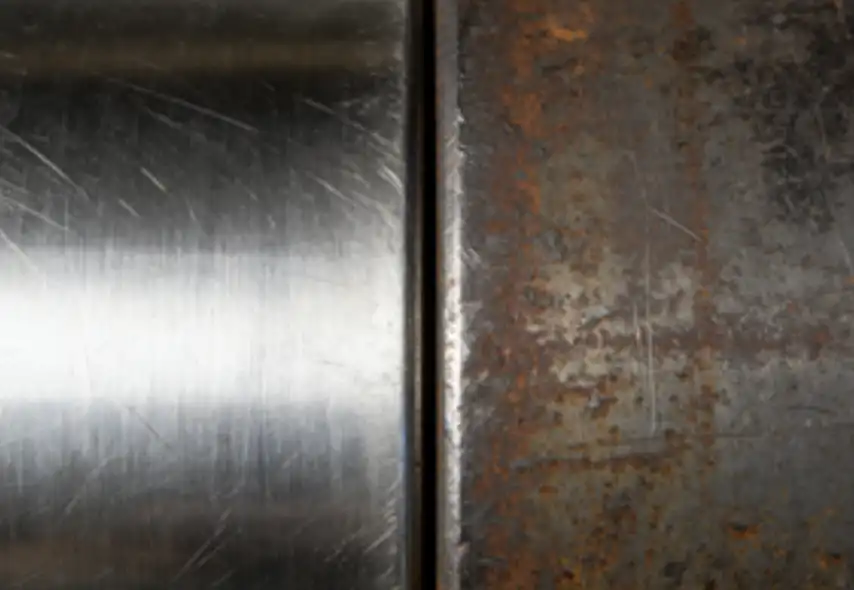
You might wonder if stainless steel will lose its luster or keep shining year after year. The good news? Stainless steel can stay bright and reflective for a long time. When you first see that smooth luster, it feels like it will last forever. Sometimes, you may notice your favorite stainless appliance looking a bit dull. This does not mean it will never shine again. With a little care, you can keep that luster just as stunning as the day you got it.
Key Takeaways
- It is important to clean often. Wipe stainless steel every day with a wet microfiber cloth. This stops dirt from building up and keeps it shiny.
- Pick the right cleaning products. Use cleaners that are pH-neutral. Do not use strong chemicals. These can hurt the protective layer on stainless steel.
- You can make stainless steel shiny again. If it looks dull, wash it with mild soap. Scrub it gently. Then polish it with a cleaner that is not rough.
- The finish is important. A smoother finish helps stainless steel stay shiny. It also helps stop damage.
- Stop tarnish by keeping things dry. Too much moisture can make tarnish happen faster. Make sure your kitchen has good air flow.
Why Stainless Steel Shines
Surface Structure and Luster
When you look at stainless steel, you notice its bright, shiny surface right away. This shine comes from the way the surface is made and finished. Stainless steel is famous for its clean, modern look. You often see it in kitchens, elevators, and even jewelry because it stands out and looks fresh.
- Polished stainless steel has a surface that reflects light very well. This can give you anything from a soft glow to a mirror-like finish.
- The way stainless steel is processed, like polishing or grinding, changes how much light bounces off. A mirror finish gives you a super shiny look, while a brushed finish feels softer and less reflective.
- The smoothness of the surface helps keep dirt and grime from sticking, so the luster lasts longer.
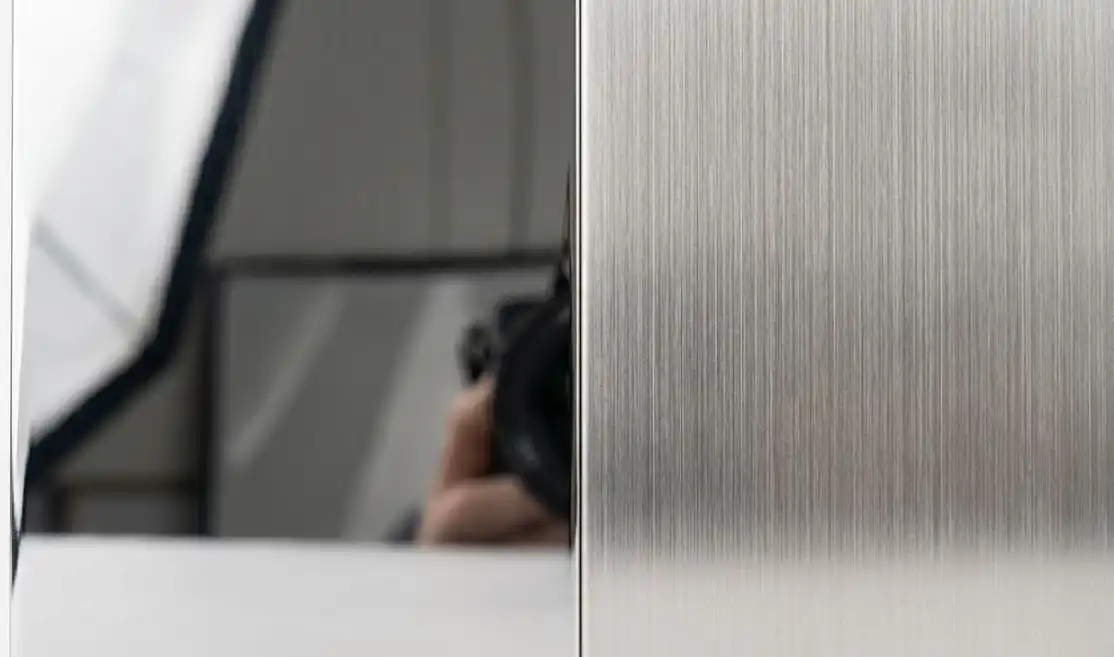
You might not realize it, but the microstructure of stainless steel plays a big part in how it shines. When the surface is smooth, it reflects more light, making the luster pop. If you choose a finish that is less shiny, like a satin look, you still get a clean and modern feel.
Tip: If you want your stainless steel to keep its luster, choose a smoother finish and clean it regularly.
Chromium and Oxide Layer
The real secret behind stainless steel’s shine and durability is chromium. When you expose stainless steel to air, the chromium in it reacts with oxygen. This creates a thin, invisible layer called chromium oxide. This layer sticks tightly to the surface and acts like a shield. It keeps out moisture, air, and chemicals that could cause rust or stains.
- Stainless steel needs at least 12% chromium to form this protective layer.
- The chromium oxide layer repairs itself if it gets scratched, as long as there is oxygen around.
- This layer is what makes stainless steel so tough and keeps it looking shiny for years.
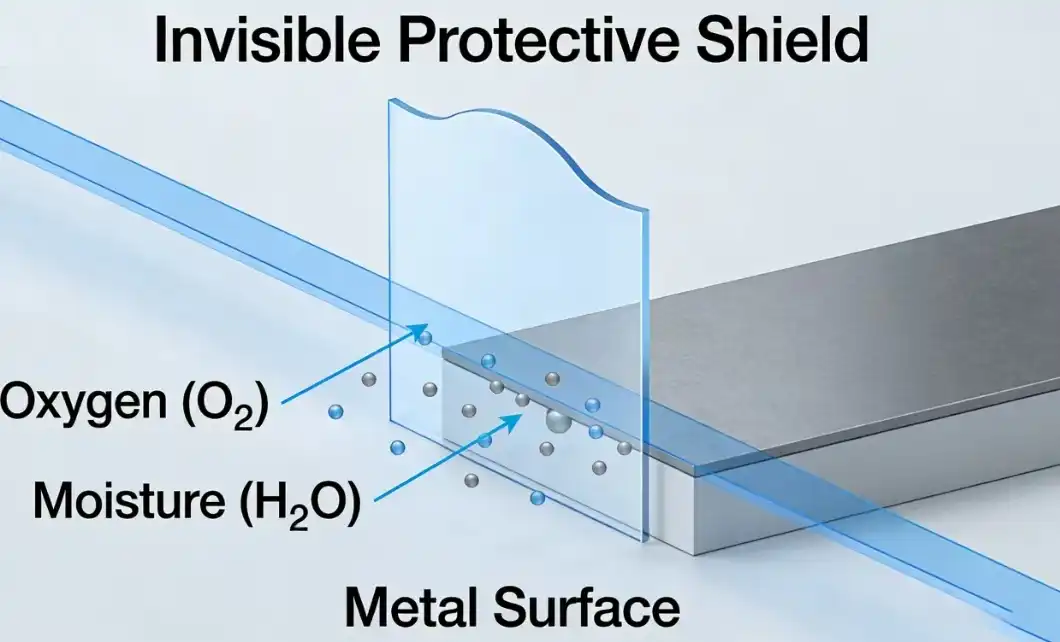
A smoother finish on stainless steel helps the chromium oxide layer stay strong and stable. This means your stainless steel will keep its shine and resist damage better. The combination of a reflective surface and a self-healing protective layer is why stainless steel stays beautiful and lasts so long.
Causes of Dullness in Stainless Steel
Dirt, Oil, and Grime Buildup
People touch stainless steel every day. Kitchen sinks and fridge doors get dirty fast. Oil from your skin sticks to the surface. This oil traps dust and makes fingerprints show up. If you do not clean for a few days, grime builds up quickly. This grime hides the shine and makes the surface look dull. You will see streaks and spots instead of a bright shine.
Tip: Clean stainless steel every day with a pH-neutral cleaner. This keeps grime away and helps stop rust.
To keep it looking new, you must clean often. Deep cleaning a few times a week helps stop grime from sticking. This keeps the shine from fading. If grime builds up, rust and tarnish can happen faster.
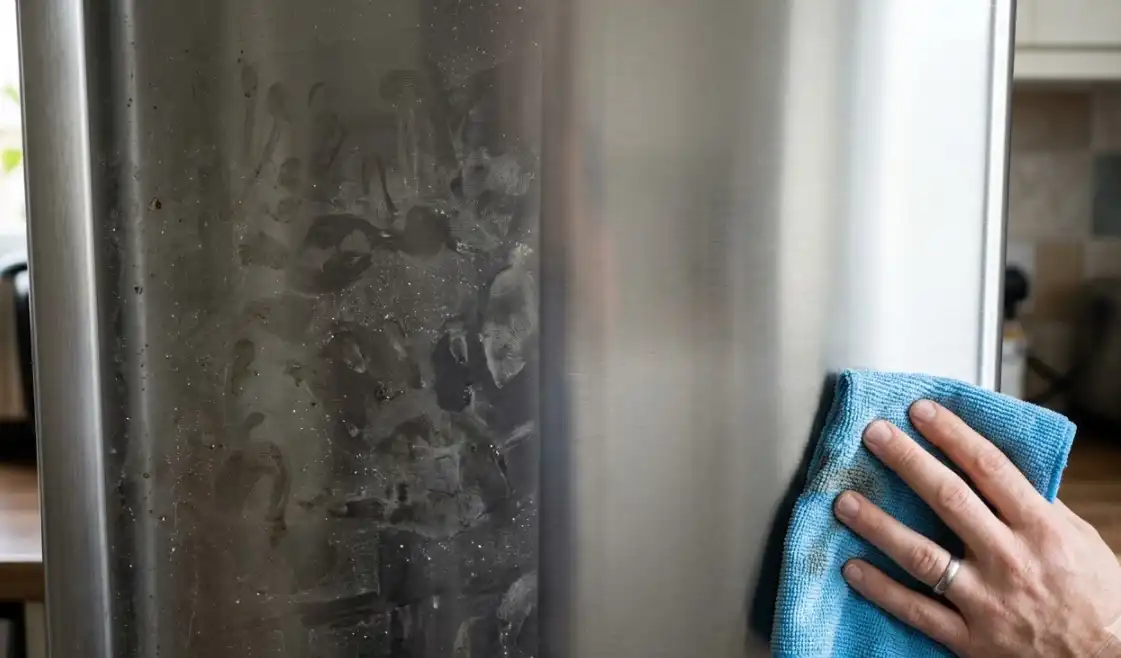
Here is a simple cleaning guide:
- Wipe off dust with a dry microfiber cloth.
- Use a gentle, pH-neutral cleaner for daily cleaning.
- Spray cleaner on the cloth, not on the steel.
- Wipe in the same direction as the grain.
- For tough stains, use a strong cleaner and let it sit before scrubbing.
- Rinse and dry right away to stop water spots.
- Use a microfiber cloth for best results.
- Do not use cleaners with chloride to avoid damage.
- Polish with olive or baby oil for extra shine.
You can use dish soap and water for easy cleaning. Vinegar works well for tough spots. Baking soda paste helps with deep cleaning. Polishing with olive oil or baby oil keeps fingerprints away and makes it shine.
Corrosion and Oxide Film
Stainless steel does not rust easily, but it is not perfect. Humid air, certain gases, and seawater can hurt the protective layer. When this layer is damaged, the steel can tarnish. You might see rough spots, color changes, and less shine.
Here is a table that shows what can hurt stainless steel:
| Environmental Factor | Description |
|---|---|
| Humid Environment | High humidity can hurt the protective layer and make it lose shine. |
| Corrosive Gases | Gases like sulfide and chloride weaken the surface and cause shine loss. |
| Seawater Environment | Chloride ions in seawater break the protective layer and cause shine loss. |
| Friction and Wear | Scratches from rubbing lower the shine. |
| Chemical Exposure | Strong acids and alkalis break the protective layer and cause shine loss. |
| High Temperature Environment | High heat speeds up oxidation and makes the steel lose its shine. |
| Lack of Cleanliness | Dirt covers the surface and speeds up rust, making it look worse. |
| Improper Cleaning | Rough cleaning scratches the surface and makes it less shiny. |
Corrosion can look different each time. Pitting corrosion makes rough spots and dulls the steel. Galvanic corrosion breaks down the surface and the protective layer. Stress corrosion cracking causes cracks that can break the steel. If you live near the sea or in a humid place, you may see more rust and tarnish.
Chlorine and other chemicals make corrosion happen faster. Chloride ions react with chromium and break the oxide layer. This causes rust, tarnish, and a dull look. Even a little acid or alkali can cause local rust and loss of shine.
Chemical and Physical Damage
Physical damage is another reason stainless steel gets dull. Scratches are the most common problem. You might scratch the surface by accident. Small scratches lower the shine, but deep ones are hard to fix. Dents and bends from bumps also change how it looks. Stains, color changes, and rare rust spots can make it look dull.
Note: Always buff in the same direction as the grain when fixing scratches. This helps bring back the shine and stops more damage.
If the oxide layer gets damaged, rust and color changes can happen. High heat can make oxidation go faster and remove the protective layer. When this happens, the steel loses its shine over time. Oxidation at high heat causes tarnish and less shine.
To keep your stainless steel looking good, do not use harsh chemicals or rough cleaning tools. Protect the oxide layer and clean often. This stops rust and tarnish and keeps it shiny.
Maintain Stainless Steel Shine
Regular Cleaning Methods
You want your stainless steel to look shiny every day. Regular cleaning makes a big difference. If you touch your stainless appliances often, you should wipe them down daily. Deep cleaning two or three times a week keeps the shine strong and helps prevent stainless steel tarnish. Here’s a quick table to show how often you should clean:
| Context & Exposure Level | Recommended Cleaning Frequency | Why It Matters |
|---|---|---|
| High-Touch Residential Surfaces | Daily wipe-down; deep clean 2–3x/week | Skin oils trap dust and cause tarnish and dullness. |
| Commercial Food Prep Areas | After every shift; acid-detergent rinse post-acidic prep | Biofilm builds up fast and affects luster. |
For daily cleaning, use mild dish soap and warm water. Wipe with the grain of the stainless steel to avoid streaks. A microfiber cloth works best. If you see fingerprints, mix equal parts vinegar and water. Spray the solution on a cloth and wipe the surface. Polish with a stainless steel cleaner for extra shine. Products like Quick Shine Stainless Steel Cleaner + Polish or John Boos Stainless Steel Cleaner remove smudges and protect against tarnish.
Preventing Damage and Stains
You can stop stainless steel tarnish before it starts. Avoid harsh chemicals like bleach, ammonia, or chloride-based cleaners. These can cause corrosion and tarnish. Use pH-neutral cleaners or homemade solutions like diluted white vinegar. Soft bristle brushes made from nylon or horsehair help with cleaning without scratching. Never use steel wool or scouring pads. Always rinse with warm water and dry with a separate cloth to prevent water spots. Test new cleaners on a small area first. Don’t leave water or cleaner residue on stainless surfaces. Regular cleaning and proper care are key to preventing tarnish and keeping your luster.
Tip: Control moisture in your kitchen. High humidity speeds up tarnish and dulls stainless steel.
Restoring Lost Luster
If your stainless steel loses its shine, you can bring it back. Start with a foundational clean using mild soap and warm water. Soak jewelry or small items for five to ten minutes. Gently scrub with a soft-bristled toothbrush. Rinse and dry. For deep cleaning, make a paste with two parts baking soda and one part water. Apply the paste and polish with a microfiber cloth. Rinse and dry. Buff the surface in small circles for a mirror shine. Commercial restoration products like Scratch-B-Gone remove scratches and blend the metal. Mirror polishing techniques restore the luster and make stainless steel look new.
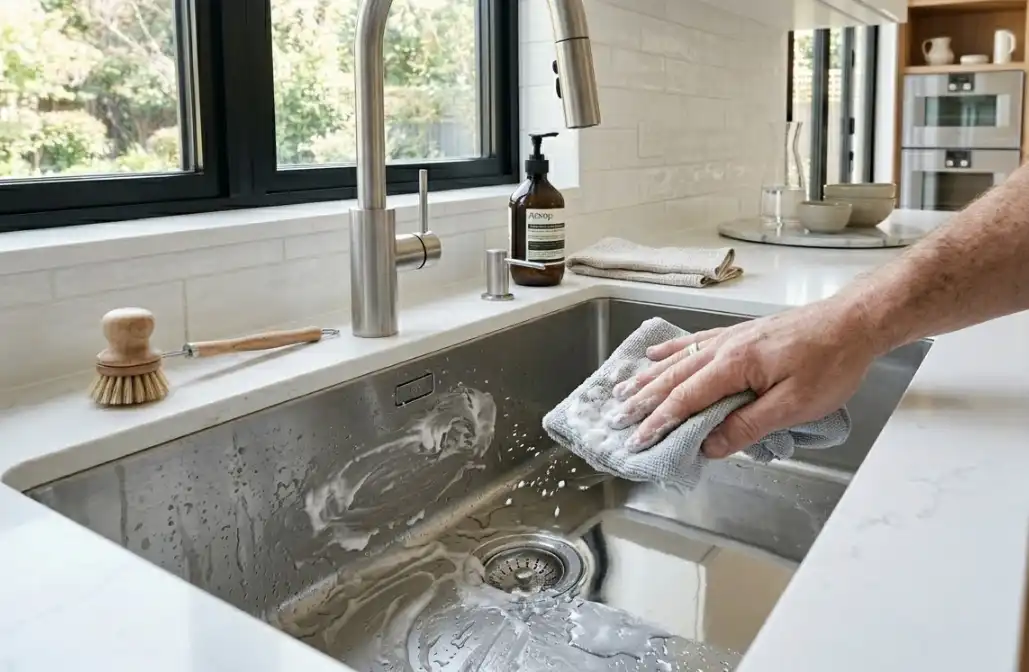
Note: Regular stainless steel maintenance and care help prevent tarnish and make restoring shine easier. Preventing tarnish is always better than fixing it later.
Stainless Steel Myths
You probably hear a lot of stories about stainless steel. Some people say it never needs care. Others think all stainless is the same. Let’s clear up these myths so you know what to expect and how to keep your stainless steel shining.
Maintenance-Free Misconception
Many believe stainless steel never stains or tarnishes. You might think you can leave it alone and it will always look perfect. That’s not true. Stainless steel can tarnish if you use harsh chemicals or skip regular cleaning. Dirt, oil, and moisture weaken the protective layer. You need to clean and dry your stainless steel to stop stainless steel tarnish and keep the shine.
Tip: Wipe your stainless steel with a soft cloth after each use. This simple step helps prevent tarnish and keeps your surfaces bright.
Here’s a quick table to show common myths and the truth:
| Myth | Truth |
|---|---|
| Stainless steel never corrodes or stains. | Stainless steel can tarnish or corrode if not properly cared for. Harsh chemicals and poor maintenance can weaken its protective layer. |
| High grade stainless steel is just as good as low cost stainless steel. | High grade stainless steel contains more chromium and nickel, making it more resistant to corrosion compared to cheaper alternatives. |
| All stainless steel jewelry is hypoallergenic. | Some stainless steel alloys may contain nickel, which can cause allergic reactions in sensitive individuals. |
All Grades Are Equal
You might think all stainless steel is the same. That’s not the case. Different grades have different levels of durability and shine. Some grades resist tarnish better than others. For example:
- 18/10 stainless steel has more nickel and chromium, so it stays shiny and strong in tough environments.
- 18/8 stainless steel offers good corrosion resistance and weldability.
- 18/0 stainless steel has no nickel, so it’s less durable and more likely to tarnish.
- 316 stainless steel contains molybdenum, which helps it resist tarnishing, especially in places with lots of chloride.
Nickel and chromium make stainless steel stronger and help prevent stainless steel tarnish. If you want lasting shine, choose a higher grade.
Irreversible Dullness Myth
Some people worry that once stainless steel gets dull, it stays that way forever. That’s not true. You can restore shine with proper care. If you see tarnish, follow these steps:
- Remove the item and check for damage.
- Mix warm water and gentle dish soap.
- Soak for 10–15 minutes.
- Scrub gently with a soft toothbrush.
- Rinse under lukewarm water.
- Dry with a microfiber cloth.
- Polish with a non-abrasive metal polish or homemade paste.
- Buff to a high shine.
You can bring back the shine and stop stainless steel tarnish. Regular care makes restoration easier and keeps your stainless looking new.
You don’t have to worry about seeing stainless steel lose its luster. With regular cleaning and a few simple steps, you keep the luster shining bright. Just wipe surfaces daily with a damp microfiber cloth, dry right away, and polish with olive oil or a stainless cleaner. Avoid harsh chemicals and rough tools. If you follow these habits, stainless steel stays shiny and never loses its luster.
Remember: Consistent care prevents fading and keeps your stainless looking its best.
FAQ
How do you keep stainless steel shiny?
You should clean stainless steel with a soft microfiber cloth and mild soap. Wipe with the grain. Dry right away. Polish with a small amount of oil for extra shine.
Can stainless steel rust?
Stainless steel resists rust, but it can still happen if you expose it to harsh chemicals or salty water. Clean and dry surfaces often to prevent rust.
What should you avoid when cleaning stainless?
Never use steel wool, bleach, or abrasive pads. These can scratch and damage the surface. Stick to gentle cleaners and soft cloths.
How do you remove fingerprints from stainless steel?
Spray a mix of vinegar and water on a cloth. Wipe the fingerprints away. Buff with a dry microfiber cloth for a streak-free finish.
Does stainless steel lose its shine forever?
No, you can restore shine with proper cleaning and polishing. Even if it looks dull, regular care brings back the bright finish.