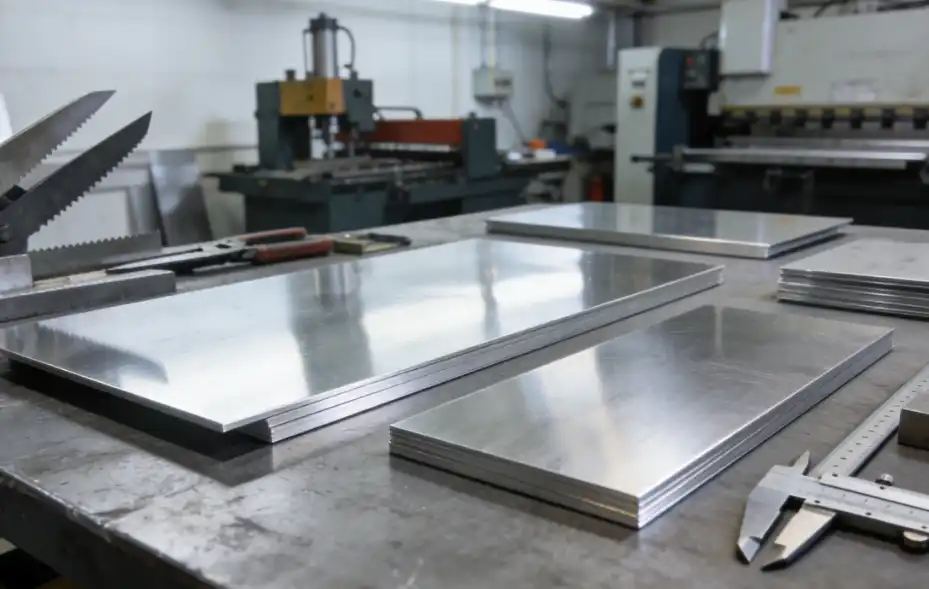
When you pick between stainless steel and aluminum, think about your project. If you need something strong and tough, stainless steel is a good choice. It is best for things that need to last a long time. Aluminum is better if you want something light and easy to bend. Many industries, like aerospace, use aluminum because it is strong but not heavy. Stainless steel is better if you need to stop rust or handle heat. You should think about strength, weight, cost, and how you will use the metal.
Key Takeaways
- Pick stainless steel if you need strong and tough metal. It works well for big and heavy jobs.
- Use aluminum if you want a light metal that is easy to bend and move. It is best for things where weight is important.
- Think about how the metal handles rust. Stainless steel does better in tough places. Aluminum is okay but can rust near other metals.
- Look at the price closely. Aluminum might look cheaper, but for big jobs, check the price for how much you need.
- Think about how easy it is to work with. Aluminum is simpler to cut and shape. This saves time and work when making things.
- Pick the right metal for your project. Stainless steel is good for strong parts. Aluminum is better for detailed shapes.
- Remember, welding is not the same for both. Stainless steel is easier to weld with normal tools. Aluminum needs special skills to weld.
- Think about how long the metal will last. Stainless steel stays good longer and needs less fixing. This makes it a smart buy for the future.
Key Differences
Material Composition
Stainless steel and aluminum are made from different things. Stainless steel has iron, chromium, nickel, manganese, and sometimes copper. These parts make it strong and help it stop rust. Aluminum is mostly aluminum with a little magnesium or silicon. This makes aluminum light and easy to shape.
Here is a quick comparison between aluminum and stainless steel:
| Property | Stainless Steel | Aluminum |
|---|---|---|
| Composition | Iron, chromium, nickel, manganese, copper | Primarily aluminum with various alloying elements |
| Corrosion Resistance | Excellent, especially in harsh environments | Good, but can corrode in extreme acidic or basic conditions |
| Cost | Generally more expensive due to strength and durability | Typically cheaper, favored for lightweight applications |
| Workability | Harder to work with, requires robust tools | Easier to cut and form, suitable for intricate designs |
| Welding | Easier to weld with standard methods | Requires specific techniques due to lower melting point |
| Density and Weight | Heavier, suitable for high load-bearing applications | Lighter, beneficial for weight-sensitive projects |
| Tensile Strength | Generally higher, ideal for structural applications | Lower, but sufficient for many applications |
| Heat Resistance | Higher, maintains integrity at elevated temperatures | Lower, can lose strength at high temperatures |
| Thermal Conductivity | Lower than aluminum | Higher, preferred for heat dissipation |
Physical Properties Overview
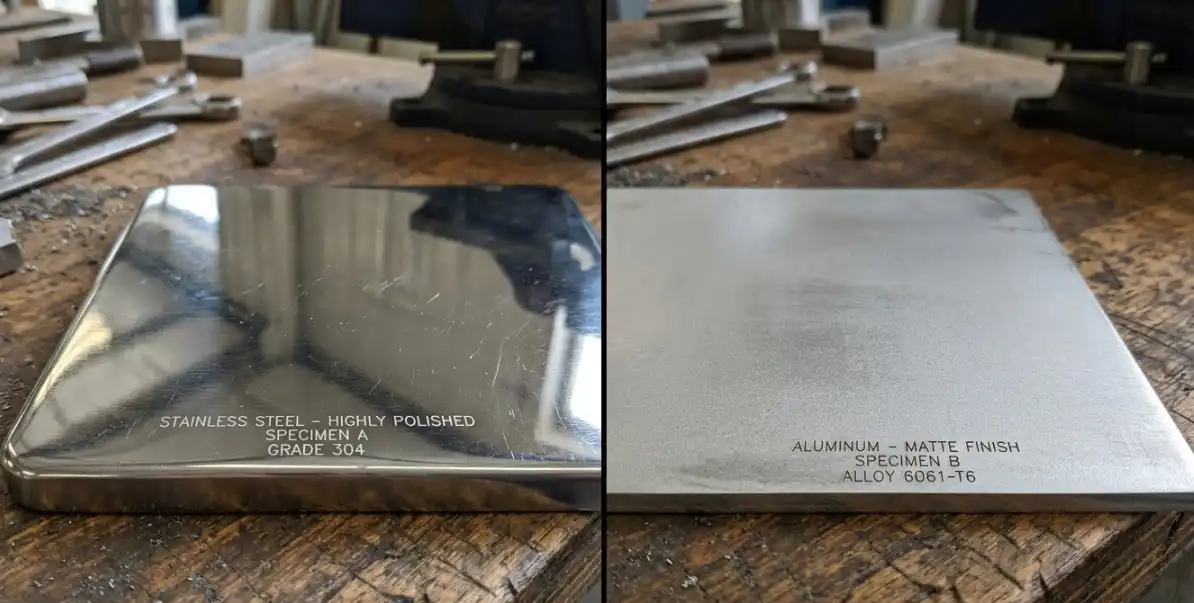
Stainless steel is heavier than aluminum. Its density is about 7.9 to 8.0 g/cm³. Aluminum’s density is only 2.7 g/cm³. You can lift aluminum sheets more easily. This helps when you move or install them.
Stainless steel is stronger. Its tensile strength is from 520 to 1100 MPa. Aluminum’s tensile strength is lower, from 90 to 570 MPa. If your project needs to hold a lot of weight, stainless steel is better.
Both metals resist rust, but stainless steel does it best. Aluminum can break down in very acidic or basic places.
Here is a summary table of the main properties:
| Property | Aluminum | Stainless Steel |
|---|---|---|
| Density (g/cm³) | 2.7 | 7.9 – 8.0 |
| Tensile Strength (MPa) | 90 – 570 | 520 – 1100 |
| Corrosion Resistance | Good | Excellent |
| Heat Resistance (°C) | Up to 600 – 660 | Up to 750 – 1550 |
| Melting Point (°C) | 660 | 1400 – 1450 |
| Thermal Conductivity (W/mK) | 205 – 235 | 15 – 25 |
Tip: Pick stainless steel if you need to handle high heat. Choose aluminum if you want something that cools fast or carries electricity well.
Most Significant Differences for Sheet Metal Work
- Weight matters a lot. Aluminum is lighter, so it works well in cars or planes.
- Stainless steel is stronger. It is best for things that must hold weight or last long.
- Aluminum is easier to cut and bend. You can make shapes with less effort.
- Stainless steel stops rust better, especially in wet or tough places.
- Aluminum costs less, which is good if you need to save money.
Some people think one metal is always best, but that is not true. The right choice depends on your project. Match the metal to what you need, like strength, lightness, or stopping rust.
Welding aluminum is not easy. It needs special tools and skills. Stainless steel is easier to weld with regular tools. Aluminum and stainless steel use different gauge systems. Always check the thickness before you start your work.
Stainless Steel Strength and Weight
Tensile Strength
When you work with sheet metal, you want to know how much force the metal can handle before it breaks. This is called tensile strength. Stainless steel stands out because it has a high tensile strength. You can use it in projects where the metal must hold up under heavy loads or pressure. For example, stainless steel can have a tensile strength between 520 and 1100 MPa. This means you can trust it for demanding jobs.
If you need a material that will not bend or snap easily, stainless steel is a smart choice. Its high tensile strength makes it perfect for frames, supports, and other parts that must stay strong over time. You will see stainless steel used in bridges, building supports, and even in marine environments where the metal faces tough conditions.
High Strength Applications
You should pick stainless steel for projects that need a high strength to weight ratio. This means the metal gives you a lot of strength without adding too much weight. Recent research shows that stainless steel’s strength to weight ratio and corrosion resistance make it ideal for harsh environments. You will find it in marine, industrial, and structural applications. Stainless steel also keeps its shape and strength after bending or forming, so you can use it for complex designs.
Note: Stainless steel’s high tensile strength and durability let you use it in places where safety and long life matter most.
Weight and Density
Stainless steel is much heavier than aluminum. You can see this in the table below:
| Material | Density (g/cm³) | Weight for 100 cm³ (grams) |
|---|---|---|
| Aluminum 6061 | 2.7 | 270 |
| Stainless Steel 304 | 8.0 | 800 |
If you lift a sheet of stainless steel, you will notice the weight right away. This extra weight can make handling and installation harder, especially for large projects. You may need more support or stronger fasteners to keep everything safe and secure.
Handling and Structural Impact
You should think about the impact of weight on your project. Stainless steel’s density means it works best in places where strength matters more than weight. For example, in construction or heavy equipment, the extra weight adds stability and support. If you need a material that will not flex or move under stress, stainless steel is the answer.
On the other hand, if you want something easy to move or install, you might find stainless steel challenging. You will need the right tools and sometimes extra help to lift and position the sheets. Still, the high tensile strength and high strength to weight ratio make stainless steel a top pick for demanding jobs.
You can see stainless steel used in professional sheet metal fabrication because it balances strength, adaptability, and cost efficiency. You can cut, bend, or form it into many shapes without losing its strength. This makes stainless steel a favorite for structural frames, enclosures, and other tough applications.
- In aerospace, lighter materials like aluminum improve fuel efficiency, but stainless steel’s strength is needed for critical parts.
- In automotive, you may see stainless steel in areas that need extra protection or support.
- For portable devices, you might choose aluminum for its lightness, but stainless steel is better for durability.
When you choose stainless steel, you get a material that lasts, resists corrosion, and keeps its strength even in tough environments.
Aluminum Properties
Lightweight Advantages
Aluminum is much lighter than most metals. You can lift aluminum sheets easily. This makes your job simpler. It helps when you need to move materials. Many people pick aluminum for projects where weight matters. For example, it is used in cars and airplanes. It is also used in building frames.
Aluminum alloys are easy to carry and move. This saves you time and energy. You do not need big machines to move aluminum sheets. If you work alone or with a small group, you can handle aluminum without trouble. You can install large panels quickly because they are light.
Tip: Aluminum is a smart choice if you want to finish work fast and avoid heavy lifting.
Ease of Transport and Installation
Aluminum is used in many industries. Construction uses aluminum alloys more now. They are easy to move and set up. You do not need special tools to carry aluminum sheets. This makes your work site safer. It also makes your work more efficient.
Here are some reasons why aluminum is a top pick for transport and installation:
- Aluminum alloys are lightweight, so they are easier to handle and move.
- Their mechanical properties, like strength-to-weight ratio, make them good for tough jobs.
- They have excellent corrosion resistance, so they last longer in different places.
Aluminum stays strong while keeping your project light. Builders and engineers use aluminum for big structures and vehicles.
Malleability and Forming
Aluminum is very malleable. You can bend, cut, or shape it easily. It does not crack when you change its shape. This makes aluminum great for projects that need special shapes. You can make curves, angles, or patterns with less effort.
Suitability for Complex Shapes
If your project needs unique shapes, aluminum gives you more choices. You can form it into almost any design. This is helpful for making parts for cars, planes, or art. Aluminum’s malleability lets you use it for simple and advanced designs.
The table below shows how aluminum compares to stainless steel for forming complex shapes:
| Material | Malleability Level | Suitability for Complex Shapes |
|---|---|---|
| Aluminum | High | Excellent |
| Stainless Steel | Moderate | Challenging |
Aluminum is much easier to work with for detailed shapes. Stainless steel is harder to form. Aluminum bends and shapes with less force. This saves you time and lowers mistakes.
Note: Aluminum is easy to shape and very durable. It stays strong even after bending or forming.
Many industries like aluminum for its versatility. You can use it in construction, transportation, and creative projects. Its light weight, strength, and easy forming make aluminum a favorite for sheet metal work.
Comparison Between Aluminum and Stainless Steel: Corrosion Resistance
Stainless Steel Corrosion Resistance
Stainless steel is great at stopping rust. You can use it in tough places. The chromium in stainless steel helps a lot. It makes a thin layer on the metal’s surface. This layer fixes itself if scratched. It keeps the metal safe from rust.
Types and Environments
There are different kinds of stainless steel. Each kind works best in certain places. Here are some important facts:
- 304 stainless steel is good for most factories. It stops rust but does not do well with saltwater.
- 316 stainless steel is best for boats, food, and medical tools. It has molybdenum, so it fights rust even better.
- 316 stainless steel is great for places near the ocean or with lots of chemicals.
- Chromium in stainless steel makes a strong layer. This layer heals itself if damaged.
- Pick 316 stainless steel for the best rust protection in harsh places.
You can use stainless steel in places with lots of salt or chemicals. It stays strong and looks nice for a long time.
Aluminum Corrosion Resistance
Aluminum also stops rust well. When aluminum touches air, it makes a thin oxide layer. This layer protects the metal from damage. You can use aluminum outside, but you should know its limits.
Oxide Layer Protection
The oxide layer on aluminum acts like a shield. It keeps most rust away and keeps the metal clean. Aluminum has some weak spots. If you put it next to other metals, it can get galvanic corrosion. This happens when two metals touch and there is water.
Here is a table to compare how stainless steel and aluminum fight rust:
| Aspect | Stainless Steel | Aluminum |
|---|---|---|
| Corrosion Resistance | High resistance because of chromium oxide layer. Works well in tough places. | Oxide film gives good resistance. More likely to get galvanic corrosion. |
| Ideal Environments | Good for boats, salty water, and places with lots of chemicals. | Best where weight matters and conditions are not too harsh. |
| Vulnerabilities | Can be heavy and cost more for some jobs. | Gets galvanic corrosion easily, especially near other metals. |
Use aluminum if you want something light and rust resistant for easier jobs. If you need to protect aluminum in tough places, you may need coatings or special care.
Tip: Always check if your project will face salt, chemicals, or other metals. This helps you pick the right metal to stop rust.
Both stainless steel and aluminum protect against rust. Stainless steel works best in wet or salty places. Aluminum is good for lighter jobs and easy handling.
Machinability and Fabrication
Cutting and Forming
When you work with sheet metal, you need to cut and shape it. Stainless steel and aluminum act very differently. Stainless steel is strong and hard to bend. You need to use more force to cut or shape it. Aluminum is softer and much easier to work with. You can bend aluminum with less effort.
Stainless Steel Workability
Stainless steel is strong, but it is harder to make things with it. You need special tools and machines for this metal. It does not bend easily, so you must be careful. Stainless steel heats up slowly, so you need to watch the temperature. Tools wear out faster, so you may need new ones often.
- Stainless steel needs more force to form.
- You must control the process closely.
- Tooling costs are higher.
- Stainless steel heats up slowly.
- Special machines are needed for this metal.
If you want strong parts, stainless steel is a good pick. But you should plan for more work and higher costs.
Aluminum Workability
Aluminum is easy to cut and shape. You can use simple tools for this metal. It bends without breaking. Aluminum heats up fast, so you must watch for warping. You can make detailed shapes quickly. Using aluminum saves time and money.
- Aluminum is easy to work with.
- You can use basic tools.
- The metal bends well.
- Aluminum heats up quickly.
- You can make complex shapes.
Aluminum lets you finish jobs faster. You do not need heavy machines to move big sheets.
Welding and Joining
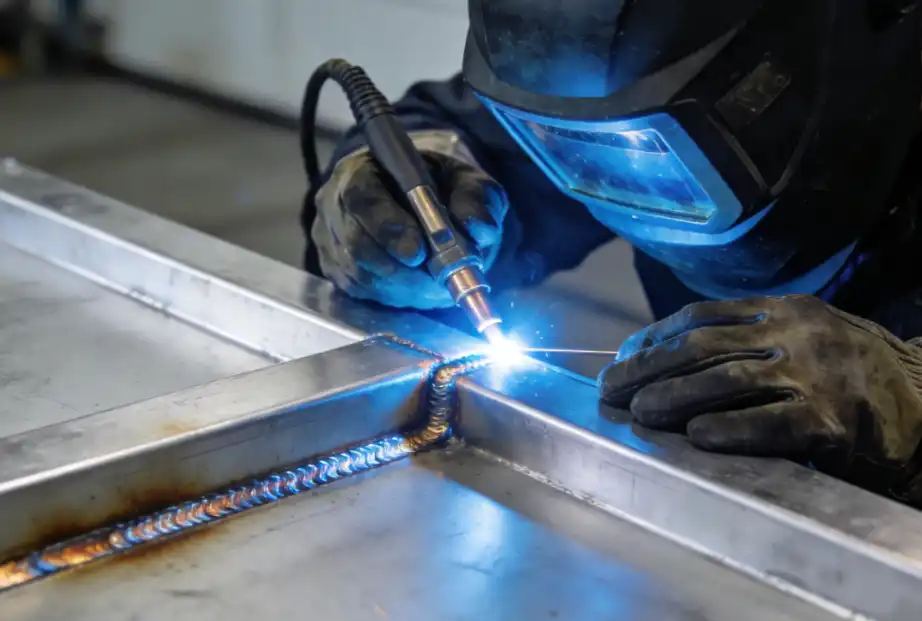
Welding is important when working with sheet metal. You need to join pieces together. Stainless steel and aluminum need different welding methods. You must know which one to use for each metal.
| Material | Welding Techniques | Key Considerations |
|---|---|---|
| Aluminum | GTAW (TIG), GMAW (MIG), Resistance Welding | Needs AC to remove oxide, low heat to stop warping, preheat for strong alloys. Watch for high thermal expansion and oxide removal. |
| Stainless Steel | GTAW, GMAW, SMAW, Resistance Welding | Little preheat for 304, needs PWHT for stress relief, less warping than aluminum, but still needs holding tools. Filler metals change by type. |
You must use AC current to weld aluminum. This helps remove the oxide layer. Aluminum expands more than stainless steel. You must control the heat to stop warping. Sometimes you need to preheat aluminum, especially for strong types.
Stainless steel needs less preheat. You can weld it in many ways. You must pick the right filler metal. Stainless steel does not warp as much as aluminum. You still need to hold the parts in place while welding.
Tip: Always check your welding method before you start. This helps you make strong joints and avoid problems.
Both metals need careful planning when you make things. Stainless steel is strong, but it takes more work. Aluminum is faster to use, but you must watch the heat and expansion. Pick the metal that fits your job best.
Cost Factors
Material Costs
You want to know how much you will spend on materials before you start your sheet metal project. The price of stainless steel and aluminum can surprise you. Many people think aluminum always costs less, but that is not always true. Sometimes, aluminum costs more per kilogram than stainless steel. You should not just look at the price per kilogram. You need to think about how much material you will use by volume.
Aluminum has a lower density than stainless steel. This means you need less aluminum by weight to fill the same space. When you compare the cost per volume, aluminum can be more cost efficient for large projects. You will see this in construction and engineering. Always check the cost per volume, not just the price per kilogram.
Here is a quick look at how the two metals compare:
| Factor | Stainless Steel | Aluminum |
|---|---|---|
| Cost per kilogram | Usually lower | Sometimes higher |
| Density | High | Low |
| Cost per volume | Can be higher | Can be lower |
Tip: Always ask your supplier for both the price per kilogram and the price per volume. This helps you make the best choice for your budget.
Processing and Maintenance
You should also think about the cost of working with each metal. Stainless steel is harder and stronger. You may need special tools to cut or shape it. This can raise your processing cost. Aluminum is softer and easier to work with. You can use basic tools, which saves you money and time.
Maintenance is another important factor. Stainless steel resists rust very well. You will not need to spend much on repairs or cleaning. Aluminum also resists rust, but it can get damaged if it touches other metals or faces harsh chemicals. You may need to add coatings or check it more often.
Here are some points to consider:
- Stainless steel may cost more to process, but it lasts longer.
- Aluminum is easier to shape, which lowers your labor cost.
- Both metals need little maintenance, but stainless steel usually needs less.
You should balance the upfront cost with the long-term savings. If you want the best cost efficiency, look at the whole picture. Think about material price, processing, and how much you will spend to keep the metal in good shape.
Conductivity and Temperature Resistance
Electrical and Thermal Conductivity
It is important to know how well a metal moves electricity and heat. This helps you pick the best material for your job. Aluminum is great at carrying both electricity and heat. It does this much better than stainless steel.
Here is a table that shows the difference:
| Material | Thermal Conductivity (W/m·K) | Electrical Conductivity (IACS %) |
|---|---|---|
| 6061-T6 Aluminum | 167 | ~46% |
| 7075-T6 Aluminum | 130 | ~34% |
| 304 Stainless Steel | 16 | ~2.5% |
| 316 Stainless Steel | 14 | ~2.2% |
You can see aluminum has much higher numbers. This means it spreads heat fast and lets electricity flow easily. Stainless steel does not move heat or electricity as well. If you need a metal for heat sinks or electrical boxes, aluminum is a better pick.
- Aluminum Electrical Conductivity: 37.7 x 10⁶ S/m
- Stainless Steel Electrical Conductivity: 1.45 x 10⁶ S/m
- Aluminum Thermal Conductivity: 205 W/m·K
- Stainless Steel Thermal Conductivity: 15–25 W/m·K
Tip: Pick aluminum if you want fast heat transfer or good electricity flow. Stainless steel is fine if you do not need high conductivity.
High and Low Temperature Performance
You should also think about how each metal acts in hot or cold places. Aluminum handles heat well because it spreads it quickly. This makes it good for parts that get hot, like engine covers. But aluminum can lose strength if it gets too hot.
Stainless steel stays strong even when it gets very hot. It does not bend or break down easily. This makes it a good choice for ovens and machines that get hot.
Here is a table to help you compare:
| Material | Thermal Conductivity (W/m·K) | Performance at High Temperatures | Performance at Low Temperatures |
|---|---|---|---|
| Aluminum | 205 | Lightweight, good heat transfer | Not specified |
| Stainless Steel | 15–25 | Strong and durable | Keeps toughness and ductility |
Stainless steel also works well in very cold places. It stays tough and does not crack, even in freezing weather. You can use it for cold storage and pipes that carry cold gases. Some types of stainless steel are made to stay safe in the cold. This makes them good for very cold jobs.
Note: Choose stainless steel for projects that face extreme heat or cold. Use aluminum when you want fast heat transfer but do not need high strength at high temperatures.
Always match the metal to your project’s needs. Think about how hot or cold your parts will get. This helps you pick the best material for safe and long-lasting results.
Environmental Impact
Recycling and Sustainability
You can help the planet by choosing metals that recycle well. Both stainless steel and aluminum have high recycling rates. When you finish a project, you do not need to throw away these metals. You can send them to a recycling center. This keeps waste out of landfills and saves resources.
Here is a quick look at how much stainless steel and aluminum get recycled around the world:
| Material | Recycling Rate (%) |
|---|---|
| Stainless Steel | 70-80 |
| Aluminum | 75-80 |
Aluminum stands out because it is light and easy to reuse. You can melt it down and shape it into new products many times. This process uses less energy than making new aluminum from raw materials. However, making new aluminum for the first time takes a lot of energy. Stainless steel also recycles well. It lasts a long time, so you do not need to replace it often. This helps lower emissions over the life of your project.
Tip: Always collect your scrap metal and send it for recycling. This simple step helps protect the environment.
Longevity and Waste
You want your sheet metal work to last. Stainless steel gives you more strength and durability than aluminum. It stands up to tough weather and does not rust easily. You can use it outdoors, even near the ocean. Marine-grade stainless steel can last for decades in harsh places. This means you will not need to replace it often.
- Stainless steel has superior strength and durability for outdoor use.
- It resists corrosion, especially in salty air.
- Marine-grade stainless steel lasts much longer than aluminum in tough conditions.
- You may pay more at first for stainless steel, but you save money over time because you do not need to replace it as often.
Aluminum costs less when you start, but it may not last as long outside. You might need to fix or replace aluminum parts sooner. This can create more waste over time.
When you look at the full life cycle, you see that both metals have pros and cons. Aluminum is light and easy to recycle, but its production uses a lot of energy. Stainless steel lasts longer and also recycles well. Its long life helps reduce waste and lowers the impact on the environment.
Note: If you want a project that lasts and creates less waste, stainless steel is a smart choice. If you want to save weight and recycle easily, aluminum is also a good option.
Applications
Stainless Steel Uses
Structural and Architectural
Stainless steel is used in many buildings. Builders like it because it lasts long and looks nice. You can see it on roofs, walls, and curtain walls. These parts must be strong and handle bad weather. Stainless steel is good for these jobs.
| Application | Description |
|---|---|
| Roofing | Stainless steel is used for roofs. It lasts long and looks good. |
| Walling | Used for wall cladding. It makes buildings strong and stylish. |
| Curtain Walls | Makes buildings stronger and better looking. |
Stainless steel is also in metal studs and electrical boxes. You find it in HVAC ducts and trim. These uses help buildings stay safe and work well.
Food and Medical Equipment
Stainless steel is used in kitchens and hospitals. It does not rust or stain easily. This keeps food and tools safe. You see it in sinks, counters, and storage shelves. Hospitals use it for trays and surgical tools. Stainless steel is easy to clean. This helps stop germs from spreading.
Aluminum Uses
Automotive and Aerospace
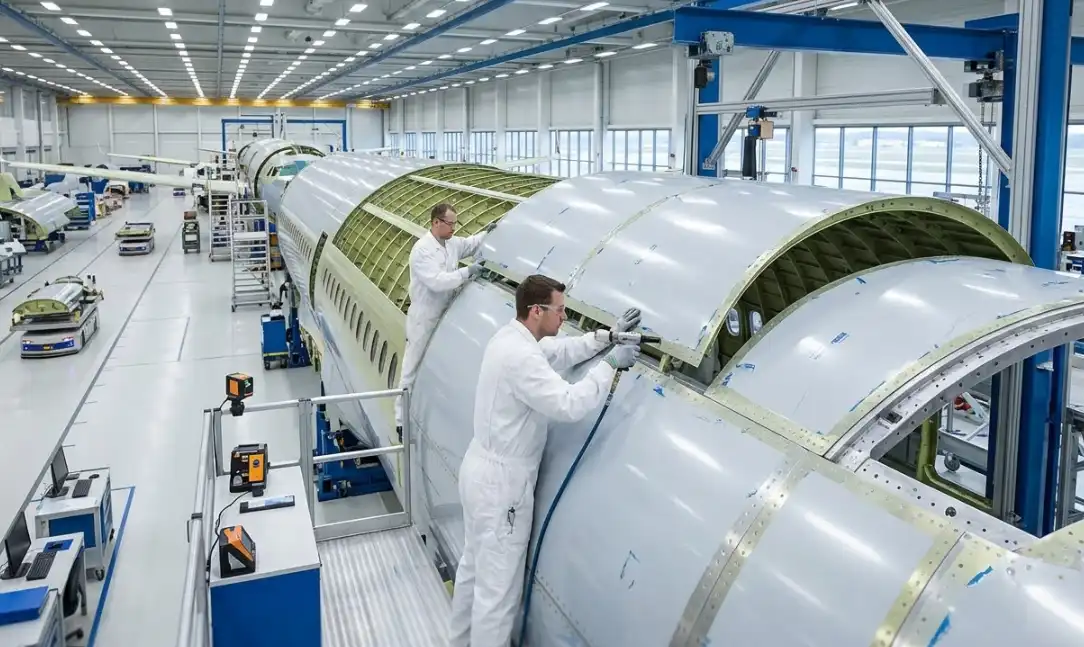
Aluminum is found in cars and airplanes. It is light, so cars and planes use less fuel. In cars, aluminum is in panels, frames, and engine parts. These parts make cars lighter and faster. In planes, aluminum is used for bodies and wings. It gives strength without much weight.
Some main uses are:
- Automotive: panels, frames, engine parts
- Aerospace: aircraft bodies, wings, and other parts
6061 aluminum is common in car and truck parts. It is strong and easy to weld. 7075 aluminum is used in planes. It is very strong.
Consumer Products
You use aluminum every day. It is in cans, kitchen foil, and window frames. Many electronics have aluminum cases. Builders use it for ladders and outdoor chairs. These uses show that aluminum is useful and flexible.
Tip: Pick aluminum if you want something light and easy to shape. Choose stainless steel for heavy jobs or places that need extra strength and safety.
Choosing the Right Material
Project Checklist
You want to pick the best metal for your sheet metal work. Start with a checklist. This helps you match the material to your project needs. Look at each point and decide what matters most for your job.
| Criteria | Description |
|---|---|
| Performance Requirements | Check strength, stiffness, corrosion resistance, weight, and conductivity for your project. |
| Environmental Considerations | Think about moisture, chemicals, and temperature. Make sure the metal will not corrode or warp. |
| Cost | Compare prices. Mild steel is cheapest. Aluminum is mid-range. Stainless steel costs more. |
| Manufacturability | Decide how easy it is to cut, bend, or shape the metal. Choose what fits your production speed. |
| Application | Ask if you need the part for looks or for strength and durability. |
Tip: Write down your answers for each point. This makes your choice clear and helps you avoid mistakes.
Pros and Cons Summary
You need to know the good and bad sides of each metal. This helps you make a smart decision. Look at the table below for a quick summary.
| Material | Pros | Cons |
|---|---|---|
| Aluminum | Lightweight and easy to shape. Good for many environments. | Not as strong as stainless steel. Can wear out faster. Good conductor of heat and electricity, which can be risky. |
| Stainless Steel | Strong and durable. Great for heavy-duty jobs. Resists corrosion well. High melting point for hot places. | Harder to weld. Heavier, not good for weight-sensitive jobs. Costs more to produce. |
You see that aluminum is easy to work with and light. It bends and shapes fast. Stainless steel gives you strength and durability. It stands up to tough jobs and harsh places.
- Aluminum works well for projects where weight matters.
- Stainless steel fits jobs that need strength and durability.
- Aluminum is softer and less durable. It can struggle with wear and fatigue.
- Stainless steel lasts longer and resists corrosion. It handles heavy stress and tough environments.
Note: Always match the metal to your project’s needs. Think about where you will use it and how long you want it to last.
You can use this checklist and summary to guide your choice. Pick the metal that fits your job best. This helps you save time, money, and effort.
You should match your metal choice to your project’s needs. Stainless steel works best for strength and tough jobs. Aluminum is better when you want something light and easy to shape. Use the table below to compare:
| Key Factor | Stainless Steel | Aluminum |
|---|---|---|
| Strength | High, durable | Lightweight, flexible |
| Corrosion Resistance | Great in harsh places | Good in wet or salty areas |
| Cost | More expensive, lasts longer | Cheaper, easy to find |
Think about your goals. Ask an expert if you feel unsure. Pick the metal that helps your project succeed.
FAQ
What is the main difference between stainless steel and aluminum?
Stainless steel is much stronger and weighs more. Aluminum is lighter and easier to bend or shape. Pick the metal that fits your project best.
Can you weld aluminum as easily as stainless steel?
No, welding aluminum is harder and needs special skills. Stainless steel can be welded with regular tools and is simpler to join.
Which metal resists rust better?
Stainless steel stops rust better, even in wet or salty places. Aluminum also fights rust but can get damaged near other metals.
Is aluminum or stainless steel better for outdoor use?
Stainless steel is best for tough weather and lasts longer outside. Aluminum works outdoors too, but keep it away from other metals.
Which is cheaper for sheet metal work?
Aluminum usually costs less to buy and shape. Stainless steel costs more at first but can save money because it lasts longer.
Can you use regular tools to cut both metals?
You can cut aluminum with simple tools. Stainless steel is harder, so you need stronger tools to cut it.
Which metal is safer for food or medical equipment?
Stainless steel is the safest choice. It is easy to clean and does not react with food or medicine.
Does aluminum conduct electricity better than stainless steel?
Yes, aluminum lets electricity flow much better. Use aluminum if you need a metal for electrical work.
See also
Why Does 304 Stainless Steel Sometimes Rust
Top Portable Laser Welding Machines for Stainless Steel and Their Prices