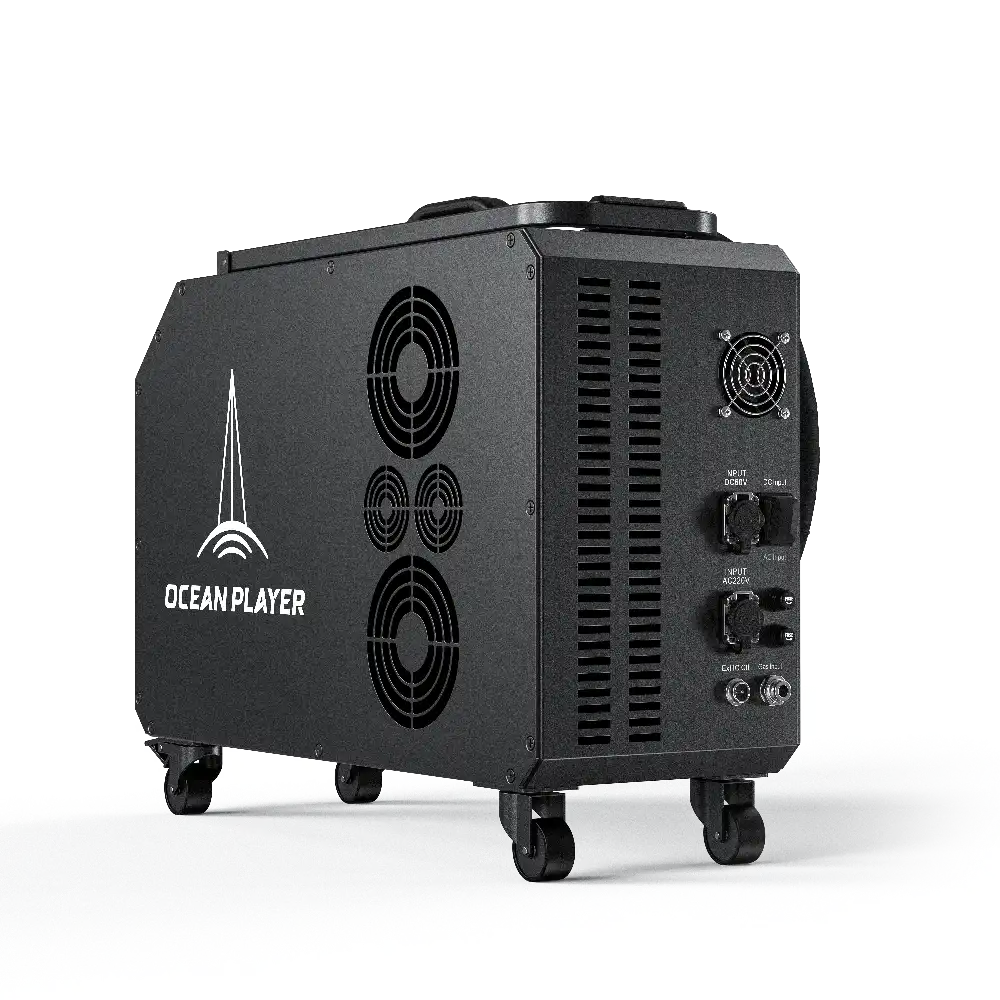
Laser cleaning changes how you take care of cars. It also changes how you build them. You get very accurate results. You save time. You help keep the environment safe. Sandblasting and chemical stripping use harsh substances. They also make dust. Laser cleaning does not use these things. It does not make dust. See the table below to compare laser cleaning and older ways:
| Aspect | Traditional Methods | Laser Cleaning |
|---|---|---|
| Equipment Costs | $25,000–$500,000 for sandblasting; $50,000-$100,000 for chemical stripping | $35,000–$500,000 depending on model |
| Labor and Safety Costs | Requires multiple personnel; health hazards | Operated by a single technician; no chemicals or dust |
| Maintenance and Downtime | Frequent clogging; expensive cleanup | Minimal wear; easy maintenance |
| Operating Costs Over Time | Ongoing media/chemical costs; higher utility | Uses only electricity; no consumables |
| Eco-Friendly Compliance | Produces waste and dust | No runoff; aligns with OSHA and EPA standards |
- You keep metal surfaces safe from harm. This helps parts last longer. It also helps coatings stick better.
- Taking off rust and dirt stops damage. It keeps your car in good shape.
Key Takeaways
- Laser cleaning gives exact results and does not hurt metal surfaces. This makes it great for cleaning car parts.
- This way of cleaning is much faster than old methods. It can make jobs up to 80% quicker. This helps workers get more done.
- Laser cleaning is good for the planet. It makes very little waste and does not use bad chemicals. This helps keep nature safe.
- Cleaning with lasers keeps metal parts strong. It helps them last longer and work better.
- Laser cleaning machines need less work from people. One worker can use the system. This helps save money on workers.
- The technology works for many car parts. It can clean big panels and small electronics.
- Laser cleaning makes welds better by taking away dirt. This means welds are stronger and safer.
- Buying laser cleaning tools can save money over time. You spend less on fixing and running the machines.
Laser cleaning technology in automotive
How laser cleaning works
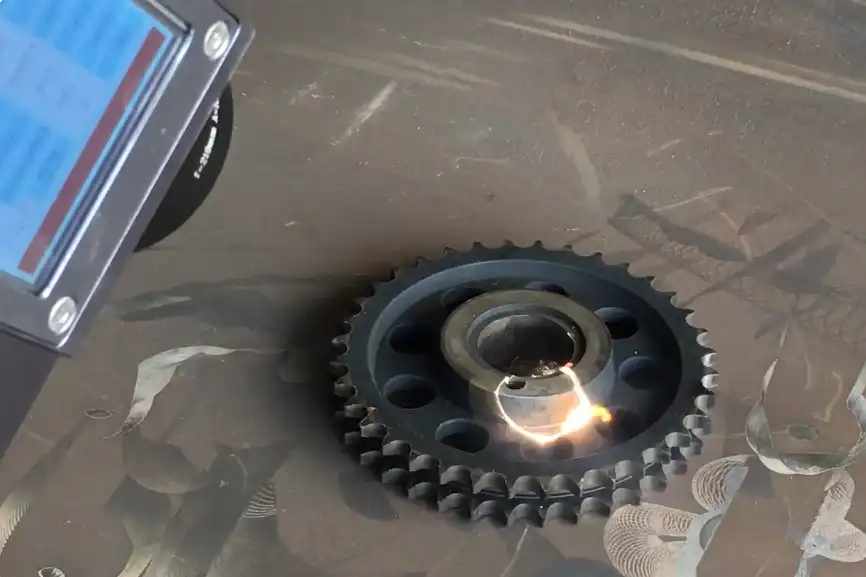
Laser cleaning uses strong light beams to take off things you do not want on surfaces. You can use it to clean rust, paint, oil, and dirt from metal parts. The light and the material you want to clean react together. This way, nothing touches the surface. You do not get scratches or damage.
Laser ablation principles
Laser cleaning works in a few main ways:
- Direct vaporization: The laser heats the dirt so fast it turns into vapor.
- Photothermal ablation: The laser heats the dirt quickly. The dirt gets bigger and breaks off.
- Photomechanical ablation: The laser makes a shock wave. This wave knocks the dirt off.
You can remove things you do not want very exactly. The process works well and does not hurt the environment like old ways.
Types of lasers used
You can pick different lasers for cleaning jobs. The two main types are continuous wave (CW) lasers and pulsed lasers. Each type is good for different things.
| Laser Type | Efficiency | Suitability for Applications |
|---|---|---|
| Continuous Wave (CW) | Cost-effective | General-purpose cleaning, large metal structures |
| Pulsed | High precision | Delicate tasks, sensitive materials, high-accuracy cleaning |
- Continuous wave lasers are good for taking off rust and paint from big metal surfaces.
- Pulsed lasers are best for cleaning small or delicate parts. You need high accuracy for these jobs.
Comparison with traditional cleaning
Laser cleaning is better than old ways like sandblasting or chemical stripping. You get many benefits:
- You can take off dirt without touching the surface. This means you do not hurt the part.
- The process is up to 15% faster than chemical cleaning. You save time and have less waiting.
- You do not need chemicals or rough stuff, so you make less waste and pollution.
- You get a clean finish with no leftover dirt. This is hard to do with old ways.
- Handheld laser cleaning machines can cost less over time. You do not need to buy extra supplies.
Laser cleaning uses heat, light, and changes in the material to clean. You can take off rust, oxides, and paint very exactly. This is great for getting parts ready before welding or putting them together. You do not hurt the areas around the spot you clean. This keeps parts in good shape.
Tip: Laser cleaning works best on metals and surfaces that soak up laser energy. You may need skilled workers for the best results, especially for tricky shapes.
Precision and non-destructive cleaning
Laser cleaning lets you take off rust and dirt from car parts very carefully. You do not have to worry about hurting the metal or soft surfaces. This technology uses strong light beams to hit only the stuff you want gone. The metal stays safe and smooth with no scratches.
Rust and contaminant removal
Laser cleaning can get rid of many kinds of dirt. Some examples are:
- Rust
- Oxide layers
- Oil and grease
- Carbon films
- Dust
- Paint
- Coatings
- Lubricants
- Metal particles
Lasers are very exact. The beam only hits the rust or dirt, so the metal is safe. You can clean flat parts, curved parts, and even small spaces. This way works well for fixing old car parts and getting things ready for welding.
Protecting metal integrity
You want the metal to stay strong and not get hurt. Laser cleaning helps with this. The process does not touch the metal, so you do not get scratches or dents. You also do not take away any good metal. The table below shows why this method keeps your parts safe:
| Characteristic | Description |
|---|---|
| Non-contact nature | The laser never touches the metal, so it does not cause damage. |
| Precision | The beam only removes rust or dirt, keeping the metal safe. |
| Minimal risk of material removal | You keep the main metal safe if you use the right settings. |
| Dry, media-free process | You do not need chemicals or rough stuff, so there is less waste. |
| Ideal for sensitive environments | You can use lasers in clean rooms or places where safety is very important. |
Note: Laser cleaning works for both new and old car parts. You get a clean part and the metal stays strong.
Cleaning delicate automotive parts
Sometimes you need to clean small or gentle parts, like electronics or sensors. Laser cleaning is good for these jobs. The beam is soft and very exact. You do not have to worry about breaking tiny wires or hurting chips.
Electronics and sensors
Lasers can clean printed circuit boards, connectors, and microchips. The process takes away dust, oil, and thin layers of dirt. The parts keep working well and you do not have problems with soldering or coating. The table below shows how laser cleaning helps with electronics and sensors:
| Application | Benefit |
|---|---|
| Cleaning PCBs before soldering or coating | You get a clean board, so solder and coatings last longer. |
| Removing oxides from semiconductor wafers | You keep the wafer safe and working right. |
| Cleaning connectors and microchips | You protect how well the small parts work. |
| Non-destructive cleaning | You take off dirt without hurting the part below. |
| Precision and control | You can clean just the spot you want, so parts stay great. |
| Chemical-free process | You do not use harsh chemicals, so there is less mess. |
Tip: Laser cleaning works for many car parts. You get a safe, careful, and clean job every time.
Efficiency and cost benefits
Time-saving processes
You want to finish cleaning jobs fast on the line. Laser cleaning helps you save lots of time over old ways. If you use a portable 200W laser, you finish projects much faster. It takes about one-fifth the time of sandblasting or chemical cleaning. Jobs that took hours now take only minutes. Experts say laser rust removal skips drying and tape removal. This means you finish projects faster and spend less time on each job.
Here is a table that shows how much time you can save with different cleaning methods:
| Cleaning Method | Time Savings |
|---|---|
| Laser Cleaning | Up to 80% reduction |
| Manual Sanding | Baseline (longer time) |
| Chemical Cleaning | Baseline (longer time) |
Laser cleaning gives you the most time savings. You can clean more parts in less time. This helps your business work better.
Reduced labor and maintenance costs
You want to pay less for workers and keep machines working well. Laser cleaning uses automation, so you need fewer people for the job. This makes your team more productive. You can focus on other important work. The technology keeps your equipment in good shape. It removes dirt and rust without hurting anything.
Here is a table that explains the impact of laser cleaning on labor and maintenance:
| Impact Area | Description |
|---|---|
| Labor Requirements | Automation reduces the need for manual intervention, leading to lower labor costs and increased productivity. |
| Maintenance Costs | Laser cleaning systems minimize maintenance frequency and costs by effectively removing contaminants without damage. |
| Automation Trends | The integration of AI and IoT with laser cleaning enhances capabilities, enabling predictive maintenance and process optimization. |
Ease of use and upkeep
Laser cleaning systems are easy to use and take care of. Automatic laser cleaning gives you fast results with little help. These systems give you the same results every time. This is important for making sure everything is good quality. You do not need extra cleaning supplies or messy chemicals. The systems last a long time and do not break often.
- You save money on repairs and supplies.
- You pay less for workers and your team works better.
- You avoid dangerous waste, so you follow safety rules.
- You get careful cleaning that keeps parts safe.
- You spend less on machines over time because they last.
Tip: Using less supplies and energy means you save money every year. Eco-friendly cleaning also helps you follow rules and keep your workplace safe.
Environmental and safety advantages
Chemical-free cleaning
You want your workplace to be safe. Laser cleaning helps with that. You do not need harsh chemicals. This method uses light to clean dirt, rust, and paint. You skip the dangers of chemical stripping. Old ways can expose workers to dangerous chemicals. Laser cleaning does not have this problem. You also do not need to clean up toxic waste. This makes your job safer and easier.
- Laser cleaning does not use harsh chemicals.
- You lower the chance of touching harmful stuff.
- You do not need to throw away toxic waste.
Choosing chemical-free cleaning helps keep you and the earth safe.
Waste and pollution reduction
You want your shop to make less waste. Laser cleaning helps you do this. It makes only tiny bits, not big piles of dust or dirty water. You do not have to deal with sludge or chemical waste. The table below shows how laser cleaning is different from other ways:
| Cleaning Method | Waste Generation | Chemical Use |
|---|---|---|
| Laser Cleaning | Minimal (tiny particles) | None |
| Chemical Stripping | High (toxic runoff) | High (harsh chemicals) |
| Abrasive Cleaning | Moderate (dust/sludge) | Moderate (toxic dust) |
You see less pollution at work. You do not have to worry about dangerous waste. You help your business follow the rules for the environment. Laser cleaning matches EPA rules. You support green ways to make things.
Laser cleaning is a green choice. You make less chemical waste and skip hard disposal. This helps the planet.
Worker safety improvements
You want your team to be safe at work. Laser cleaning makes things safer in many ways. Workers do not touch dangerous chemicals or rough dust. You can clean only the spots you want. This keeps other parts safe. You also help the earth by making less waste.
- Better worker safety: You lower the risk from chemicals and dust.
- Careful cleaning: You clean just the right spot.
- Good for the earth: You make less waste and skip bad cleaners.
Non-contact operation
Laser cleaning uses a light beam. You do not have to touch the part. This keeps workers safe from sharp or moving things. You avoid cuts and other injuries from hand cleaning. You also keep small parts safe from harm.
Non-contact laser cleaning makes your workplace safer and cleaner.
Quality improvements in automotive manufacturing
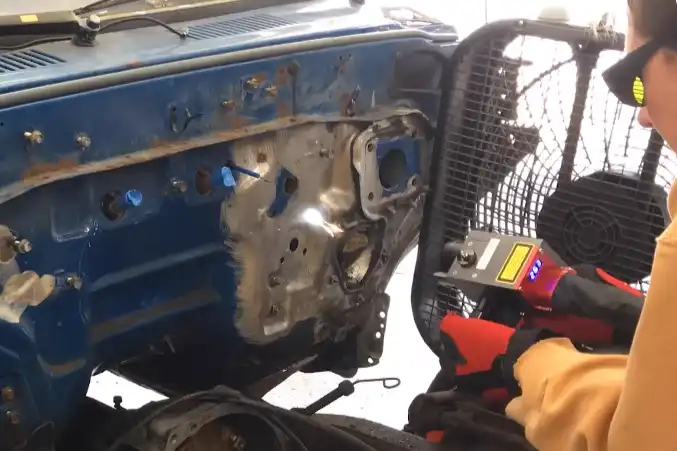
Enhanced weld quality
Laser cleaning makes welds better before welding. It takes away dirt, oil, and oxides from metal. Welds are cleaner and have fewer problems. Oil and rust can make cracks and holes in welds. Laser cleaning removes these risks.
Here is a table that shows what gets better when you use lasers to clean welds:
| Improvement Metric | Description |
|---|---|
| Contaminant Reduction | Big drop in oxides and oils |
| Porosity Size | Leftover holes are much smaller |
| Mechanical Properties | Welds are stronger and stretch more |
- You stop cracks and holes in welds.
- Welds are stronger and have fewer weak spots.
- Welds stretch better and hold up longer.
Pulsed laser cleaning does not touch the metal. It does not leave chemicals or cause harm. Welds look nicer and last longer. You also throw away fewer bad parts.
Oil and paint removal
Laser cleaning takes off oil and paint from car parts very well. The laser only hits the stuff you want gone. The metal under the oil or paint stays safe. Laser ablation works because oil and paint soak up light. You get a clean part every time.
Laser cleaning is easier than old ways. You do not need lots of upkeep. You do not need extra safety gear. You finish jobs twice as fast. You also save money on workers.
Better paint adhesion
You want paint to stick well to car parts. Laser cleaning makes the surface ready for paint. The laser takes away oils and oxides. Paint sticks better and lasts longer. Here is a table that shows what happens when you use lasers for paint removal:
| Evidence Description | Source Link |
|---|---|
| Laser cleaning takes away dirt and helps paint stick. | Clean Technology Lasers for Coating Adhesion |
| Laser treatment removes oils and oxides, so paint sticks better. | Does Laser Cleaning Affect Lifespan and Durability of The Surface Being Cleaned? |
| The laser leaves a surface ready for paint to bond. | How Effective is Laser Paint Removal from Metals? |
Tip: Clean parts help paint last longer and look nice.
Lower porosity welds
You want welds with fewer holes and weak spots. Laser cleaning lowers hydrogen that causes tiny holes. Studies show this method almost stops holes in welds.
- Welds have fewer holes.
- Welds are stronger and last longer.
- You avoid problems from trapped gases.
Laser cleaning helps you make better car parts. Welds are strong and paint looks smooth. Your parts last longer and look good.
Versatility and industry applications
Restoration and maintenance
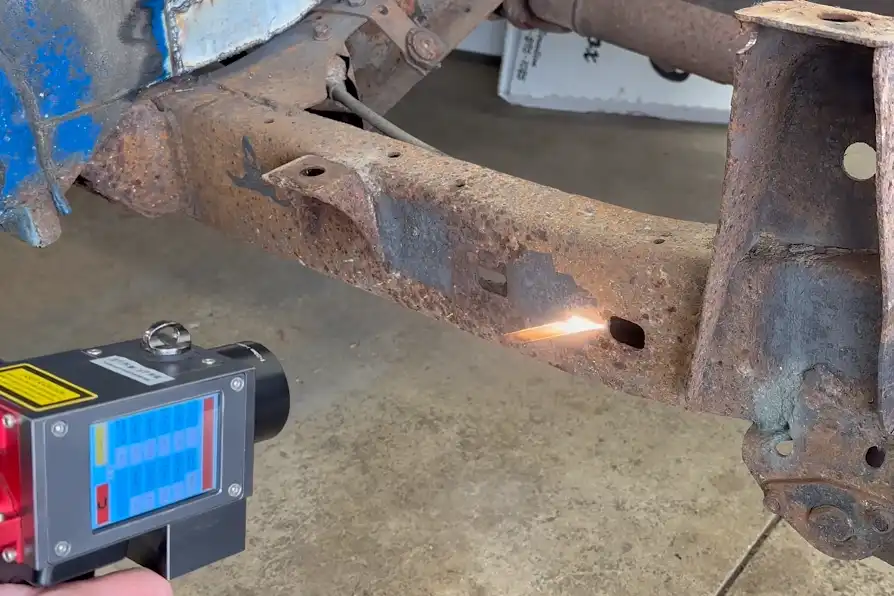
Laser cleaning is used to fix old and special cars. It takes off rust and paint but does not hurt the metal. This keeps the car’s value and history safe. For example, workers cleaned an MGB chassis with lasers. They took rust off frame rails and floor pans. The laser reached tight seams and kept the metal strong. Spot welds stayed safe. Another time, a Porsche 356 got cleaned with lasers. Old paint came off thin aluminum panels. The panels did not bend. The surface was ready for new paint.
| Case | Description |
|---|---|
| MGB Chassis | Laser cleaning took rust off frame rails and floor pans. It cleaned tight seams and kept the metal safe. |
| Porsche 356 | Laser cleaning removed old paint from aluminum panels. The panels did not bend and were ready for paint. |
You get a clean finish and keep the car’s real parts safe. This way is better than sandblasting or chemicals. Those can hurt the surface or leave stuff behind.
Mold and tool cleaning
Laser cleaning helps keep molds and tools clean in car factories. It uses light to turn rust and paint into vapor. You do not need harsh chemicals. You make less waste. This works on many kinds of dirt and materials. You save money because you do not need extra supplies. The table shows how laser cleaning and abrasive blasting are different:
| Aspect | Laser Cleaning | Abrasive Blasting |
|---|---|---|
| Eco-Friendliness | No harsh chemicals, very little waste | Makes waste, needs cleanup |
| Precision | Very exact, only removes what you want | Not as exact, can hurt surfaces |
| Cost Savings | Saves money over time, not much upkeep | Costs more because you need supplies |
| Versatility | Works on many types of dirt | Only works on some materials |
- Laser cleaning turns dirt into vapor with great accuracy.
- Sandblasting can reach small spaces and odd shapes.
- Laser cleaning keeps the surface safe. Sandblasting can change the material.
You get a clean mold or tool that lasts longer. You also help the environment by making less waste.
Real-world automotive examples
Laser cleaning is used in many car projects. Experts use it to fix rust and stop corrosion. Laser Photonics’ CleanTech system makes rust removal easy. Classic car workers like this way because it keeps metal safe and clean. In factories, an SFX laser cleaning machine made engine cleaning faster. Workers cleaned engine parts in half the time. The laser did not touch the parts, so nothing got damaged.
- Laser cleaning keeps car parts strong.
- You clean faster than with sandblasting or chemicals.
- You help the earth by making less waste and not using bad chemicals.
- Machines clean big areas fast, so you save time and money.
- You take off dirt and rust without hurting the metal.
You get better quality and faster work in both fixing and building cars. Laser cleaning is a safe, quick, and green way to keep cars and tools in good shape.
Laser cleaning helps car makers do more things. It gives very accurate results. You finish jobs faster. Workers stay safe while cleaning. This way is better for the environment. Clean technology does not hurt nature. Experts think more companies will use laser cleaning soon. Electric cars will use this method a lot.
- You get new tools like smart robots and easy controls.
Parts work better and last longer as laser cleaning gets better.
FAQ
What is laser cleaning?
Laser cleaning uses a focused light beam to remove rust, paint, oil, and dirt from car parts. You get a clean surface without touching or damaging the metal.
What types of automotive parts can you clean with lasers?
You can clean metal panels, engine parts, molds, tools, sensors, and electronics. Laser cleaning works well on both large and small surfaces.
What makes laser cleaning safer than traditional methods?
You avoid harsh chemicals and dust. The laser does not touch the part. You lower risks for workers and keep your shop cleaner.
What are the main benefits of laser cleaning for your business?
You save time and money. You reduce waste. You get better quality parts. Your workers stay safer. You help protect the environment.
What maintenance does a laser cleaning system need?
You clean the lens and check the machine for dust. You follow the manufacturer’s instructions. Most systems need little upkeep.
What should you consider before switching to laser cleaning?
You look at your budget, training needs, and the types of parts you clean. You check if your shop has enough space and power for the machine.
See also
How to Match Laser Cleaning Power Levels to Your Needs
How to Protect Yourself When Operating a Laser Cleaning Machine
Top 10 Industries for Laser Cleaning Machine Applications
How to choose a laser cleaning machine with appropriate power